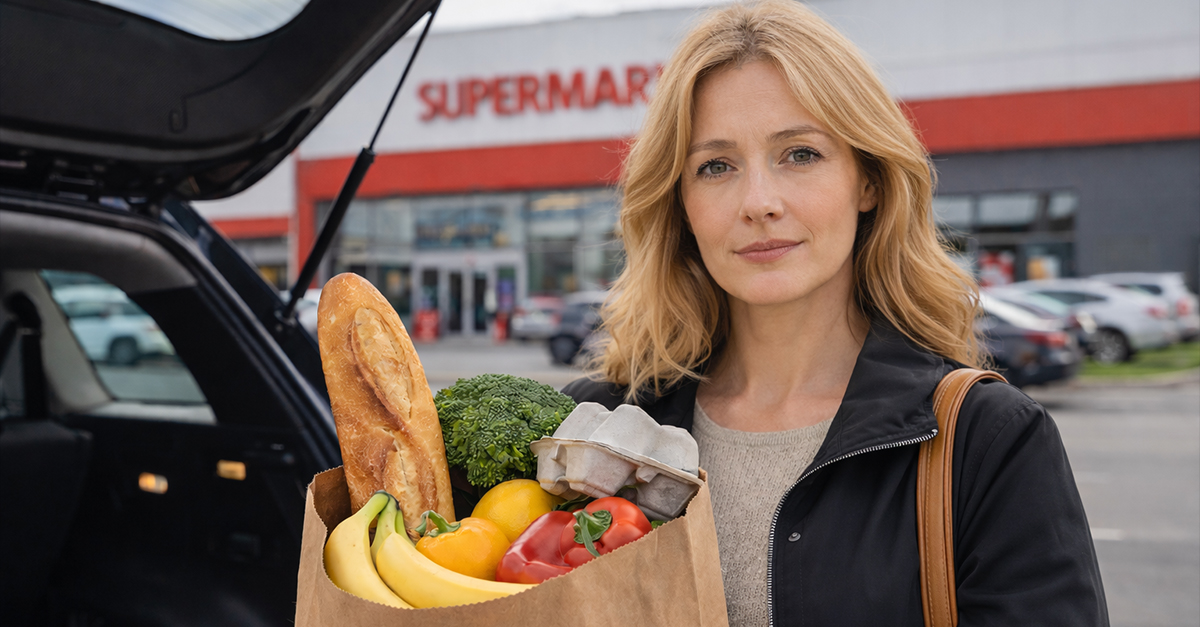
Why Grocery Bills Felt Higher In 2025
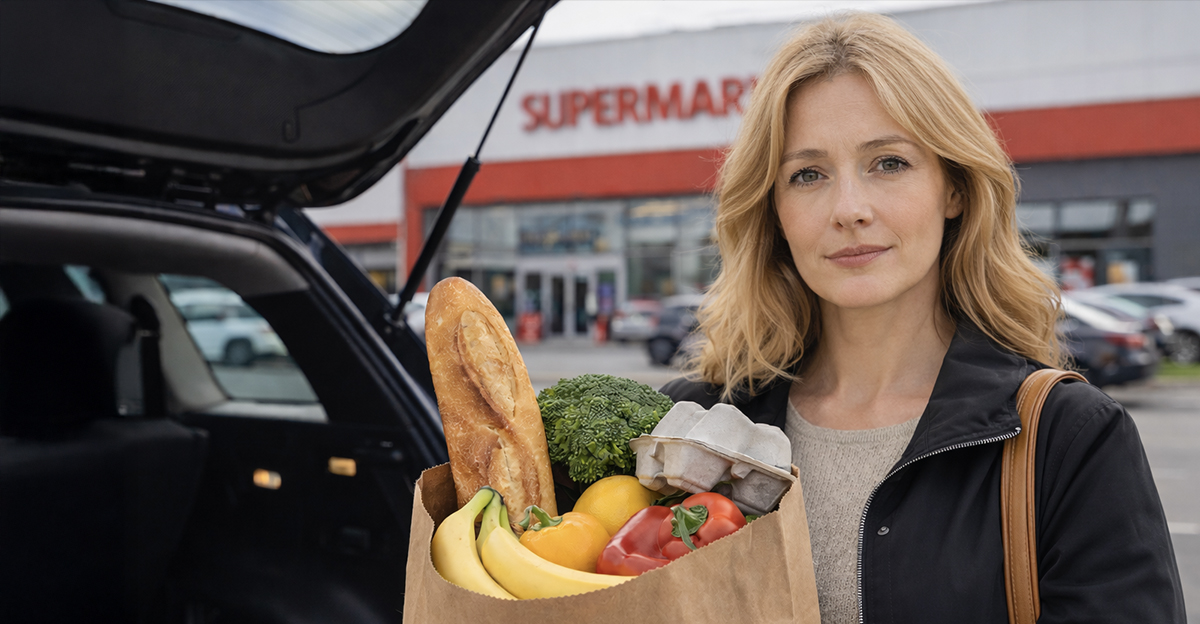
Many of us felt like our grocery bills kept creeping upward in 2025. Food prices overall rose during 2025, but several everyday items shot up much faster than the average. Supply shortages, disease outbreaks, extreme weather, and global commodity costs all played a role. Some familiar foods surged in price, catching a lot of households off guard at the checkout line.
Eggs
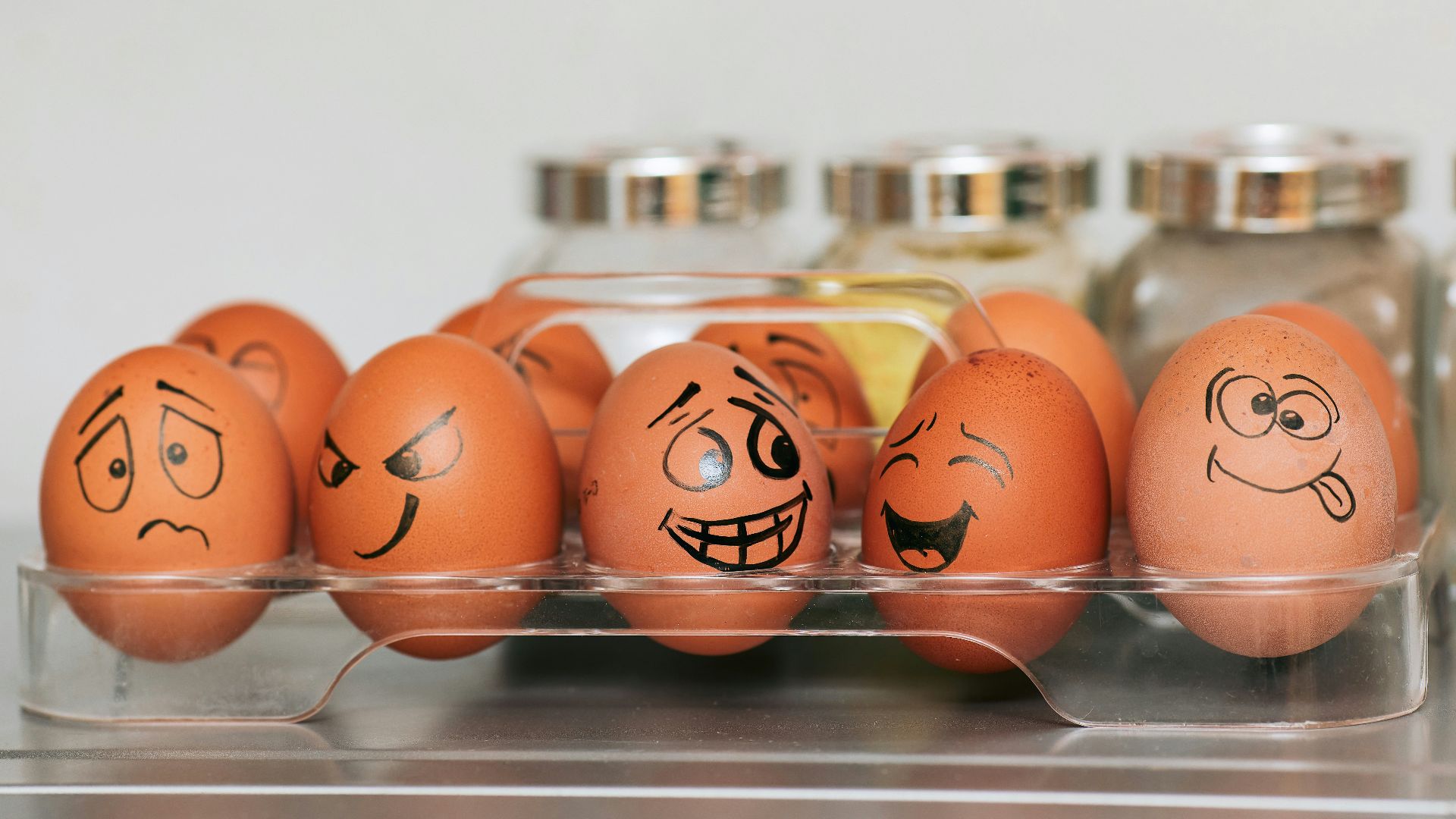
Egg prices were one of the items with the most dramatic price increases in 2025. Avian flu outbreaks reduced the number of egg laying chickens across North America and parts of Europe. With supply restricted, prices rose quickly in supermarkets. A product once viewed as one of the cheapest breakfast staples suddenly turned into one of the most expensive items in many carts.
Ground Beef
Hamburger saw some of the most noticeable price increases in grocery stores during 2025. A combination of drought, higher feed costs, and historically low cattle inventories drove beef prices significantly. Ranchers cut herd sizes in previous drought years, and rebuilding those herds takes time. Limited supply pushed hamburger meat prices higher throughout the year.

Coffee
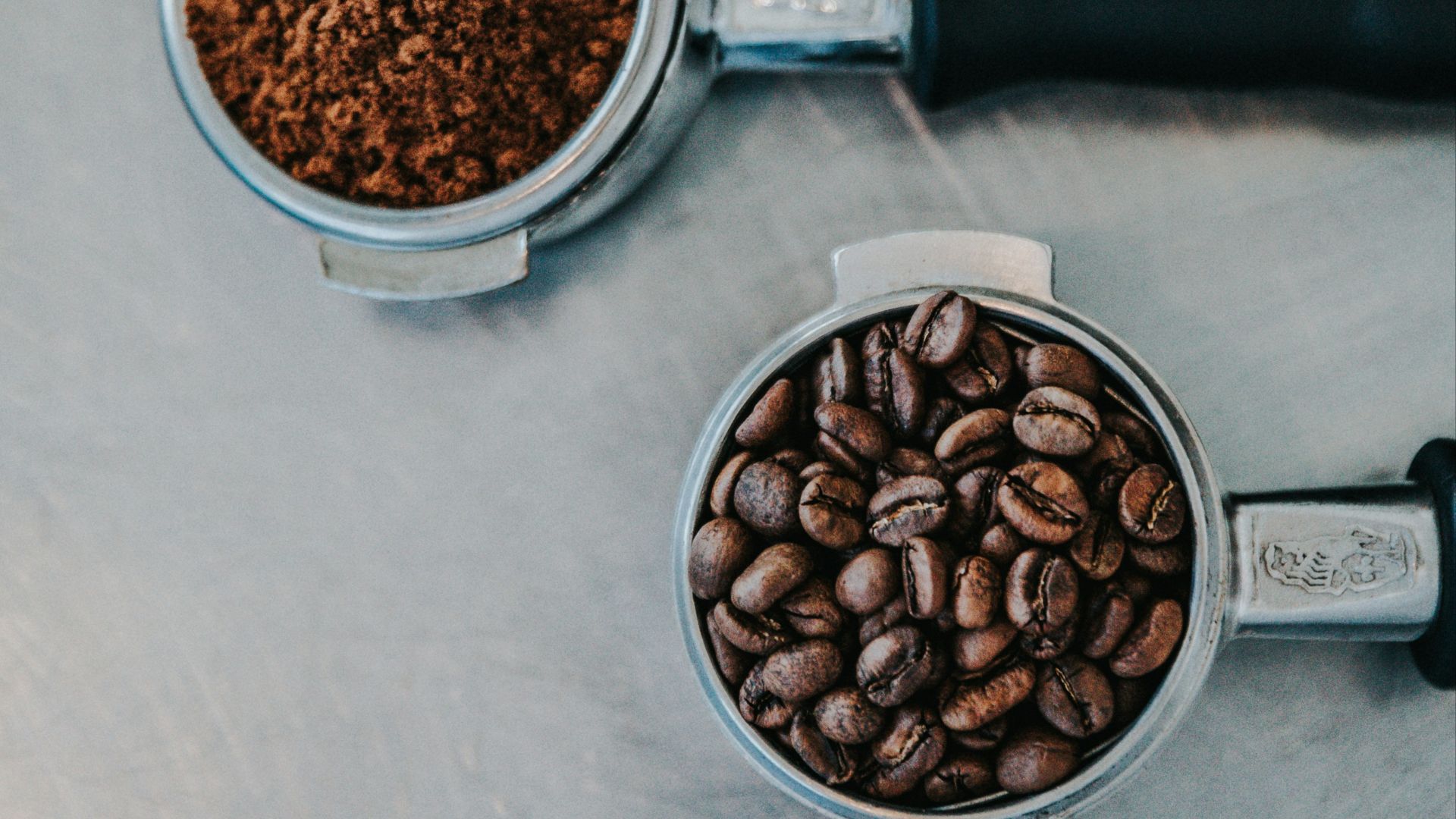
Coffee prices surged in 2025, and shoppers quickly noticed it at the grocery store. Global coffee production was disrupted by poor weather conditions in key growing regions such as Brazil and Vietnam. As supply tightened and shipping costs went up, the price of coffee beans followed. That resulted in noticeably higher prices for ground coffee and pods.
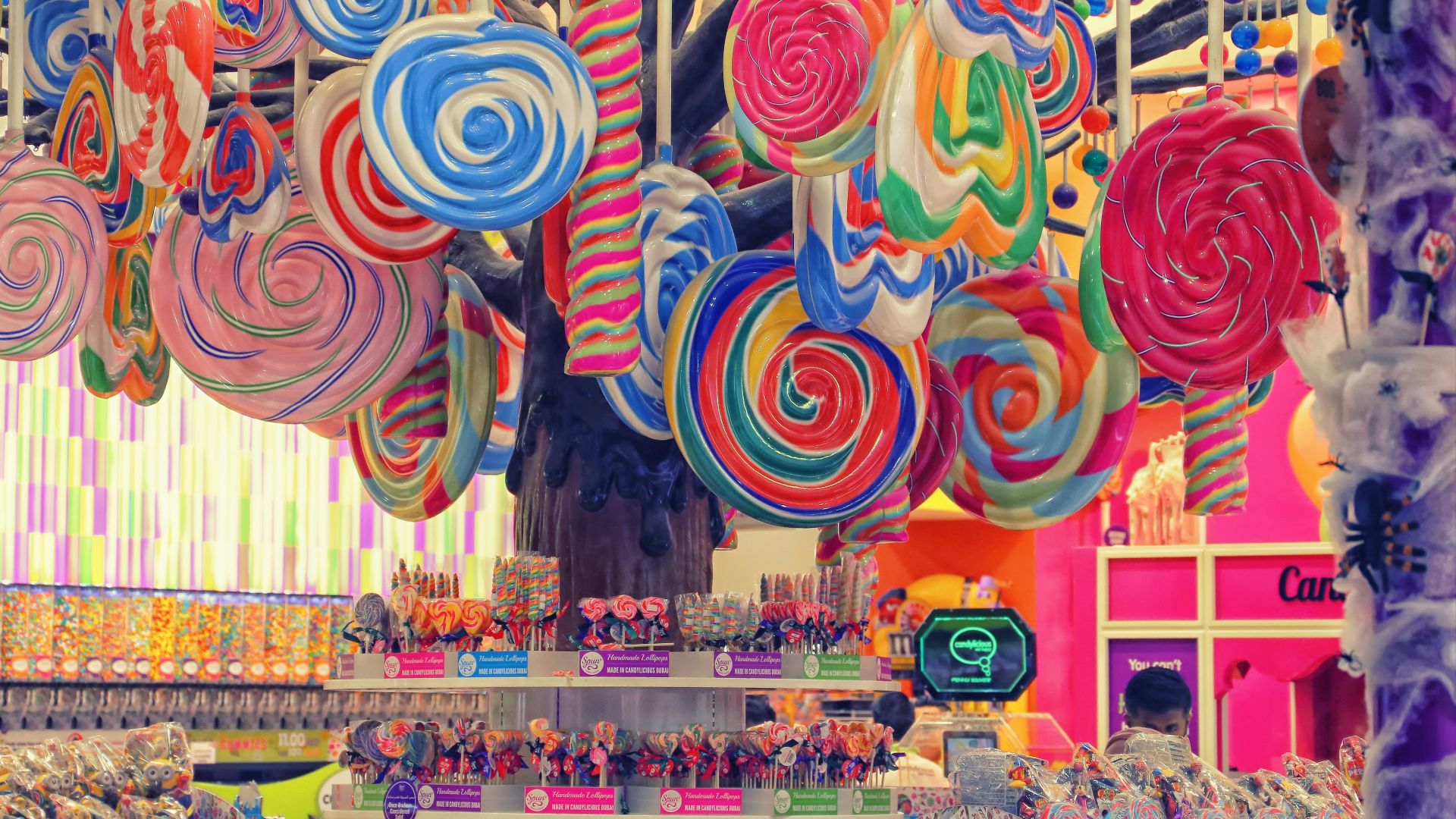
Chocolate And Candy
Chocolate and candy was noticeably more expensive in 2025 because of rising cocoa prices worldwide. Poor harvests in West Africa reduced global cocoa supplies, sending commodity prices sharply higher. Grocery stores passed those higher costs along to shoppers. As a result, many people hankering for a sugary treat found that chocolate was suddenly a lot more expensive.
 Iwona Castiello d'Antonio, Unsplash
Orange Juice
Orange juice prices rose by a lot during 2025 as citrus crops coped with disease and poor growing conditions. Citrus greening disease continued to damage orange production in Florida and other major growing regions. With fewer oranges left over for processing, juice manufacturers faced higher costs, and those increases quickly turned up in supermarket refrigerators.

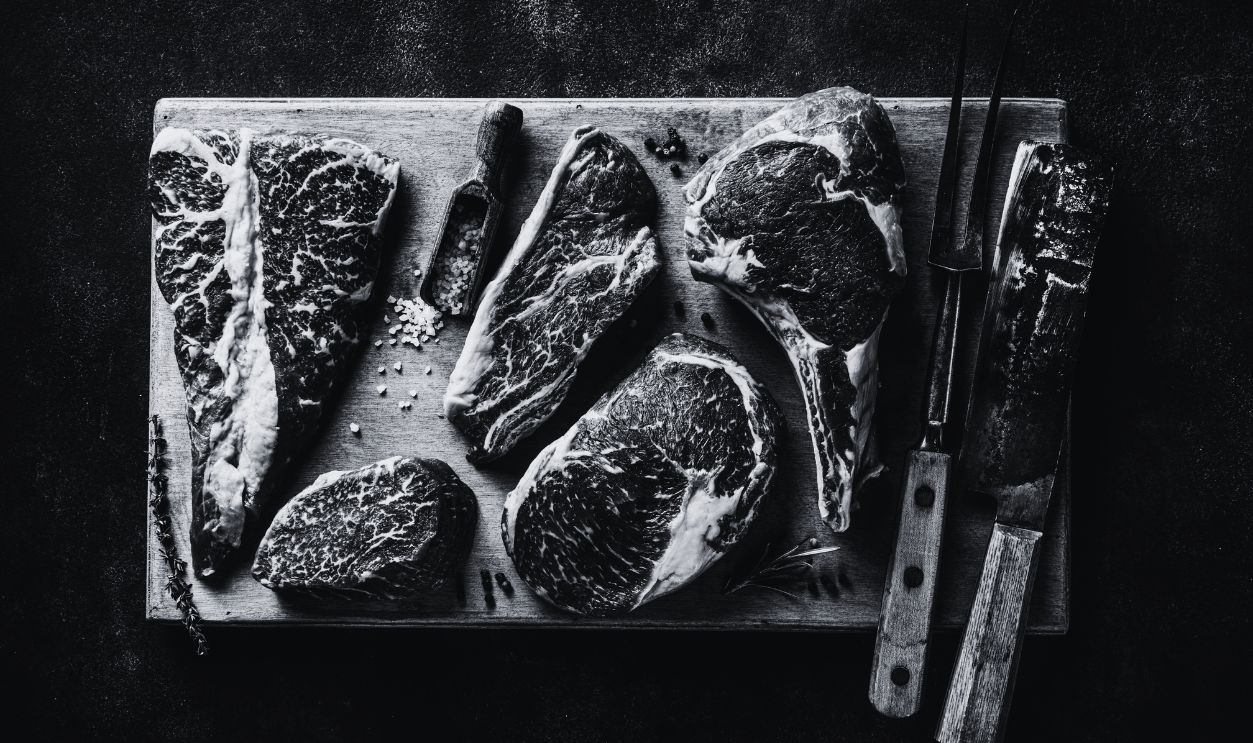
Fresh Beef Cuts
Beyond ground beef, many other beef products also went up sharply in price during 2025. Fresh and frozen cuts of beef climbed because the overall cattle herd was still historically small. Strong consumer demand and tight supply kept prices up. Many shoppers saw steaks and roasts back to being luxury purchases rather than regular dinner options.
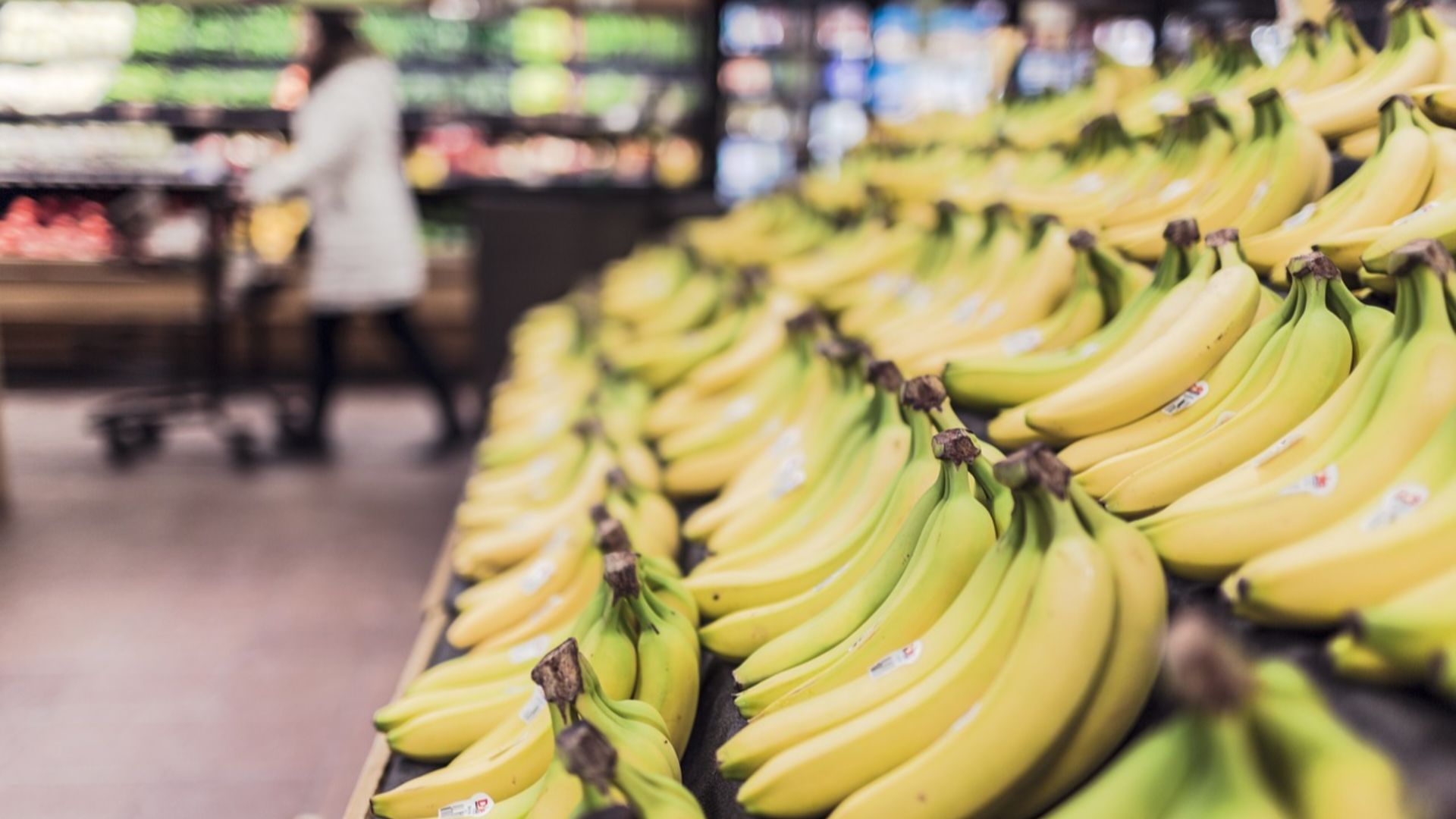
Bananas
Bananas were always supposed to be one of the most affordable fruits in the grocery store, but they weren’t immune to price pressure in 2025. Transportation costs, fertilizer prices, and global supply chain challenges pushed banana prices higher. Although the increase wasn’t as drastic as some other foods, regular shoppers still noticed the steady rise.
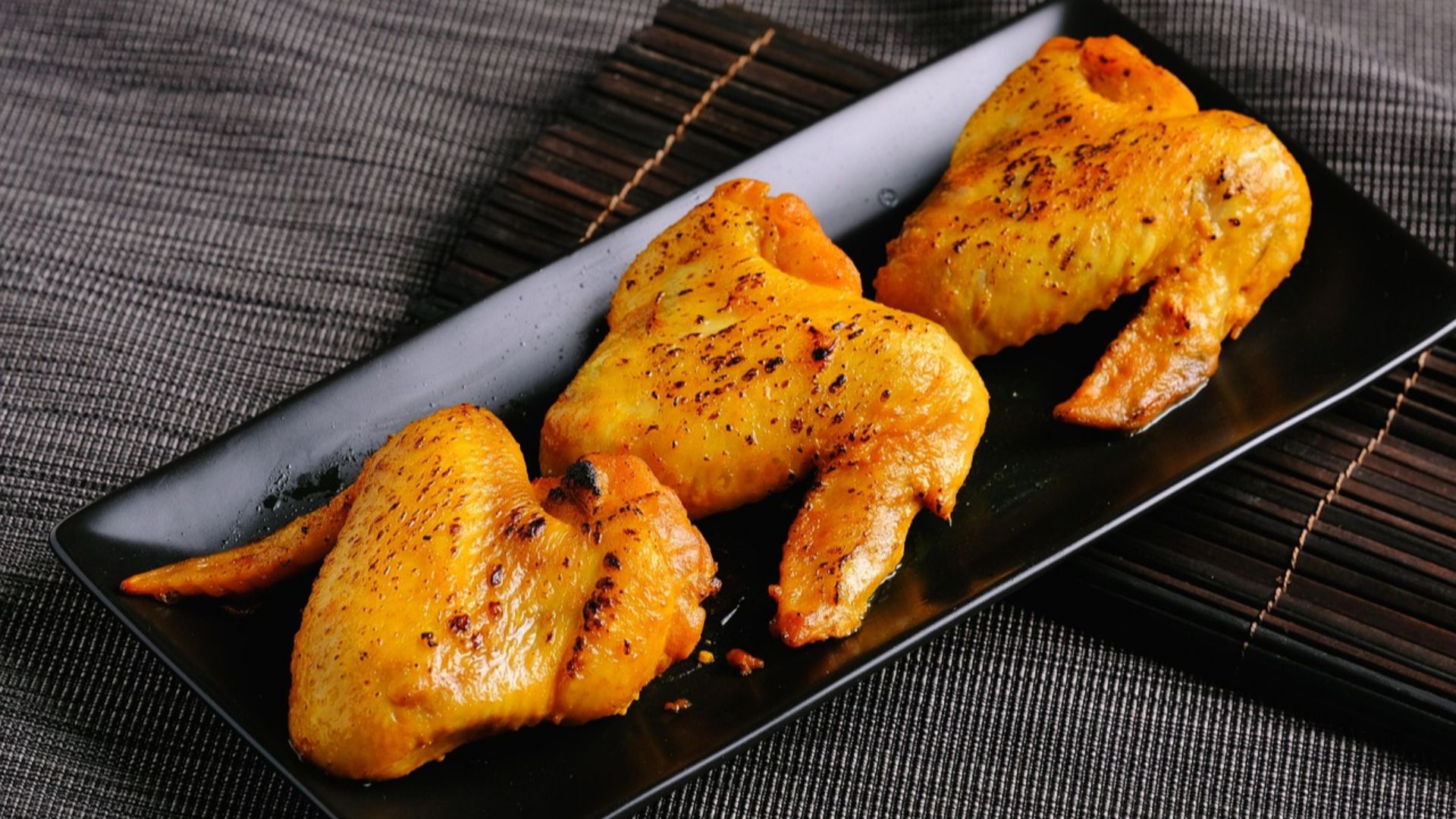
Chicken
Chicken prices also went way up in many grocery stores during 2025. Poultry feed costs and transportation expenses ballooned across the industry, raising production costs for farmers. Chicken is consistently one of the most widely consumed proteins in many households, so even a modest price increase can have a noticeable impact on grocery budgets.
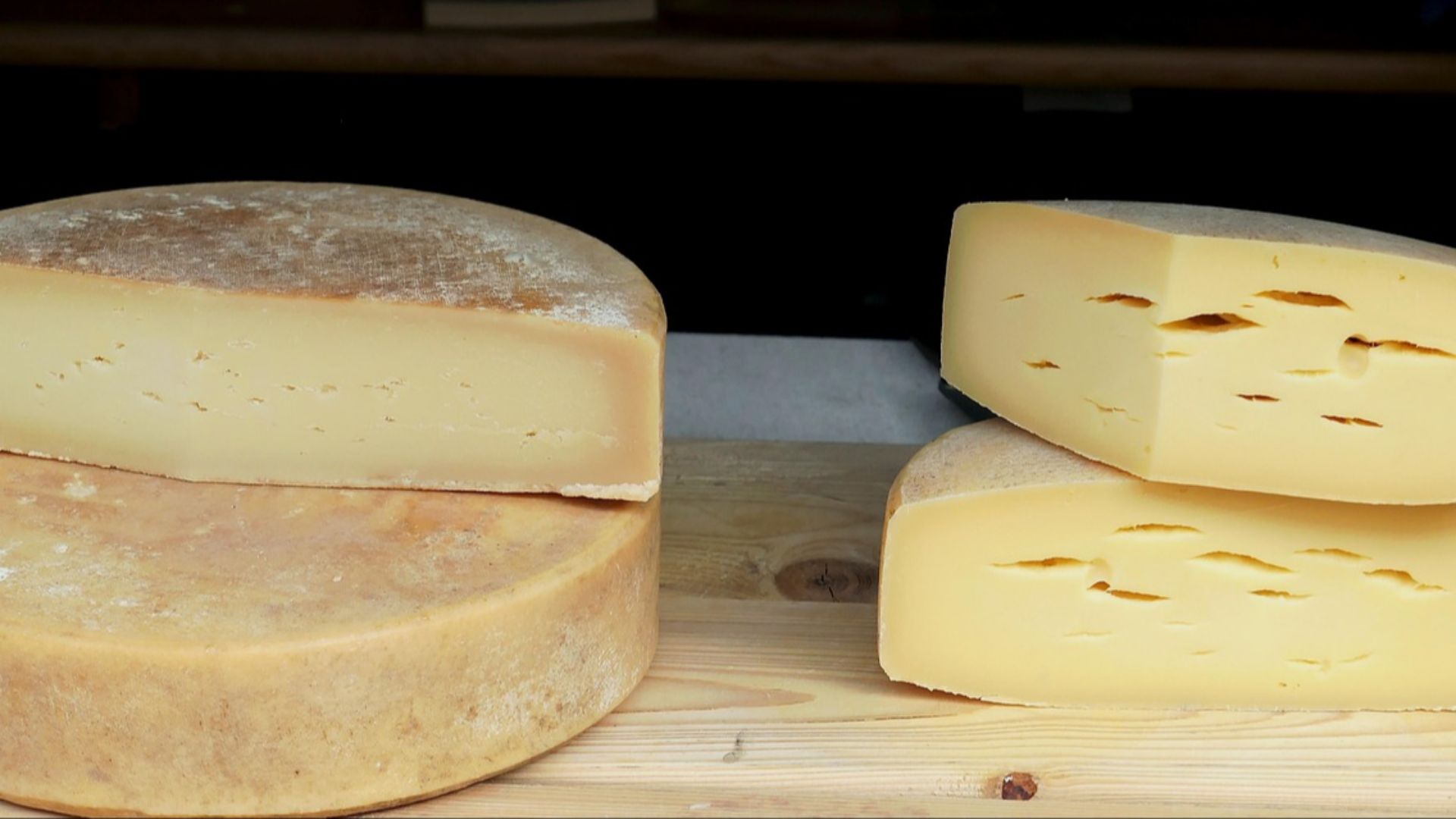
Cheese
Cheese prices jumped during 2025 as dairy markets faced up-and-down supply and rising production costs. Milk prices, energy costs, and processing expenses all drove a higher retail price of cheese products. Since cheese is used in many meals including sandwiches, pizza, and pasta dishes, shoppers felt the impact frequently.
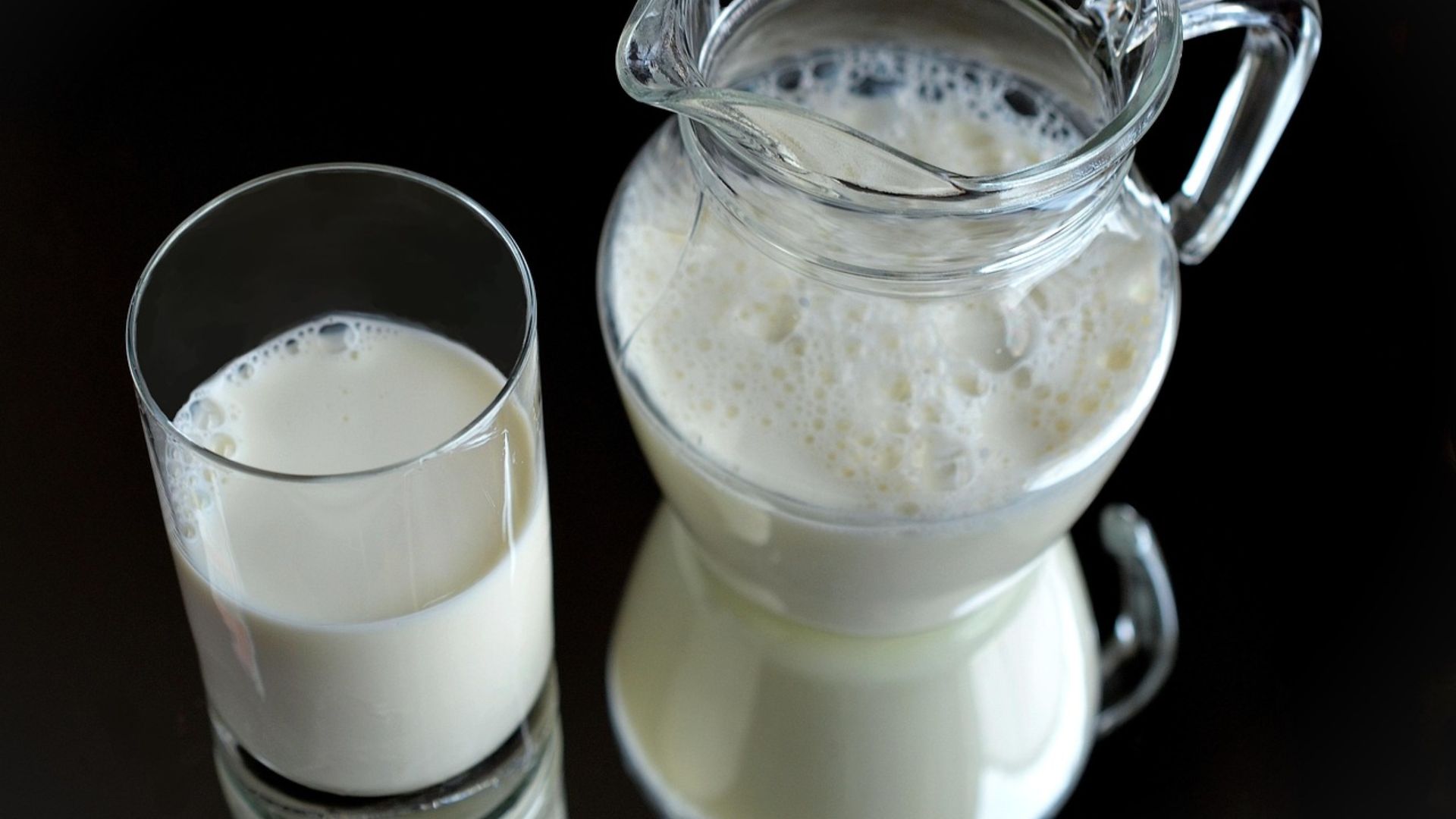
Milk
Milk prices showed a mixed movement earlier in the year but still contributed to higher grocery costs overall. Dairy producers dealt with higher labor and transportation expenses. Even when farm milk prices leveled off temporarily, retail prices didn’t always fall immediately, leaving many consumers paying slightly more for this everyday staple.
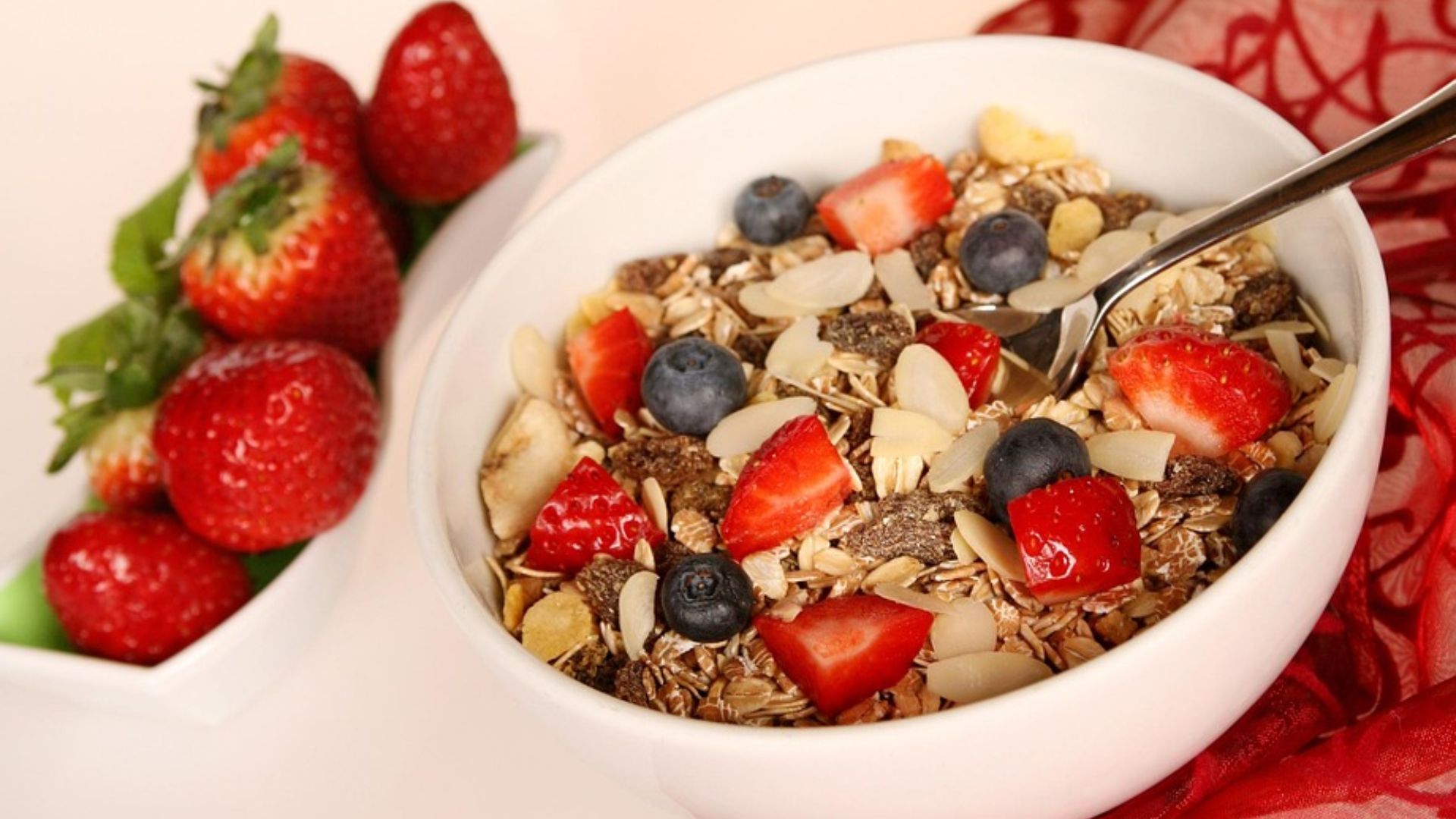
Breakfast Cereal
Cereal and other packaged breakfast foods got a lot more expensive in 2025 as manufacturers faced rising costs for grains, packaging, and transportation. Companies pushed up retail prices steadily throughout the year. For families that lean on cereal as a convenient breakfast option, those increases added up quietly over many shopping trips.
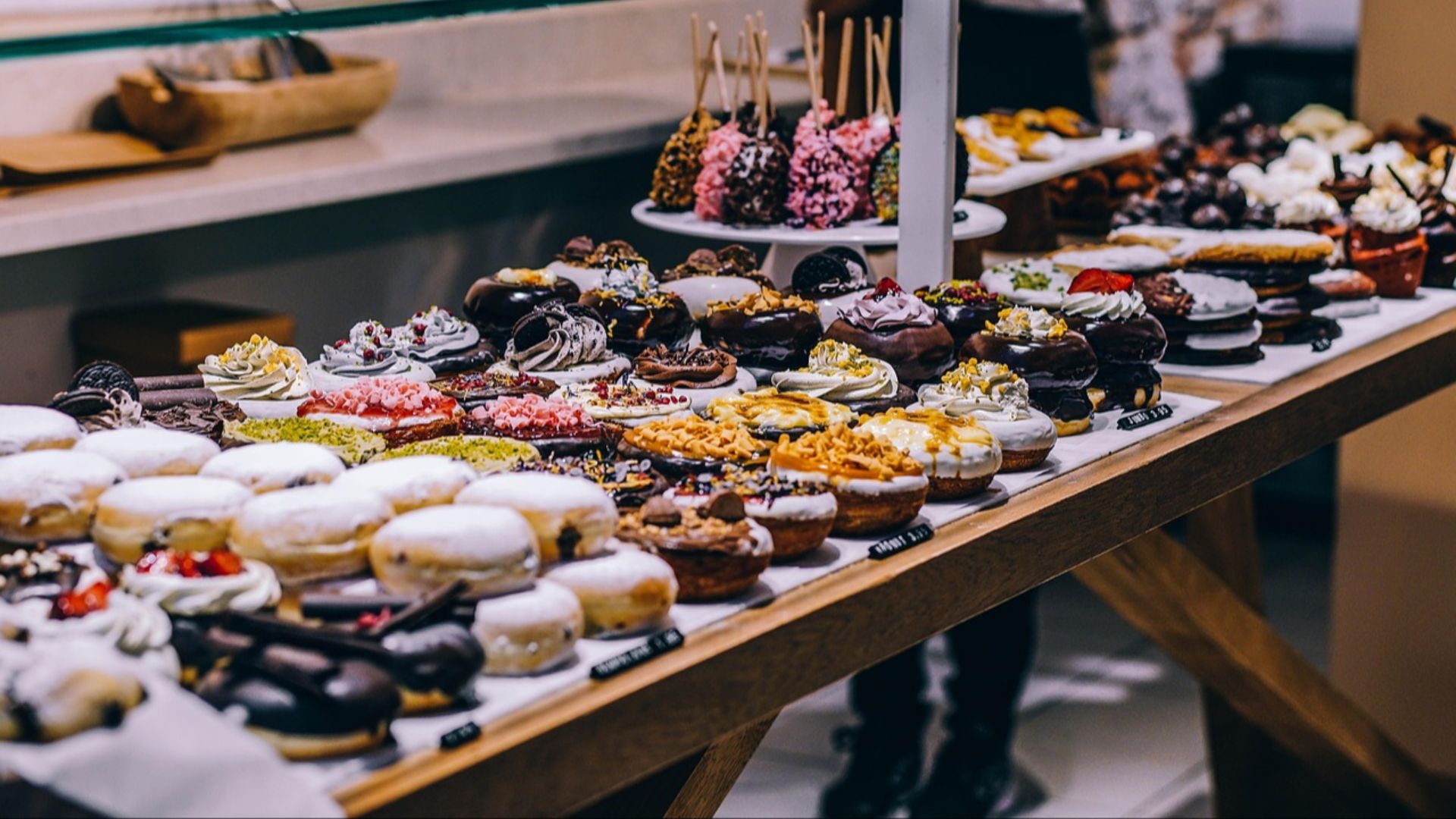
Bakery Products
Bakery products like pastries and rolls saw some noticeable price increases during 2025. Although wheat prices stabilized compared with earlier years, energy costs and production expenses remained high. Bakeries passed the extra costs on to retailers, which meant consumers paid more for everyday staples such as bread, rolls, and pastries.
Apples
Apples saw moderate price increases during the year as weather conditions and agricultural costs impacted harvests. Rising labor expenses and transportation costs also contributed to higher retail prices. For shoppers who regularly buy fresh fruit, the gradual increase in apple prices was another reminder that inflation affected many grocery aisles.

Oranges
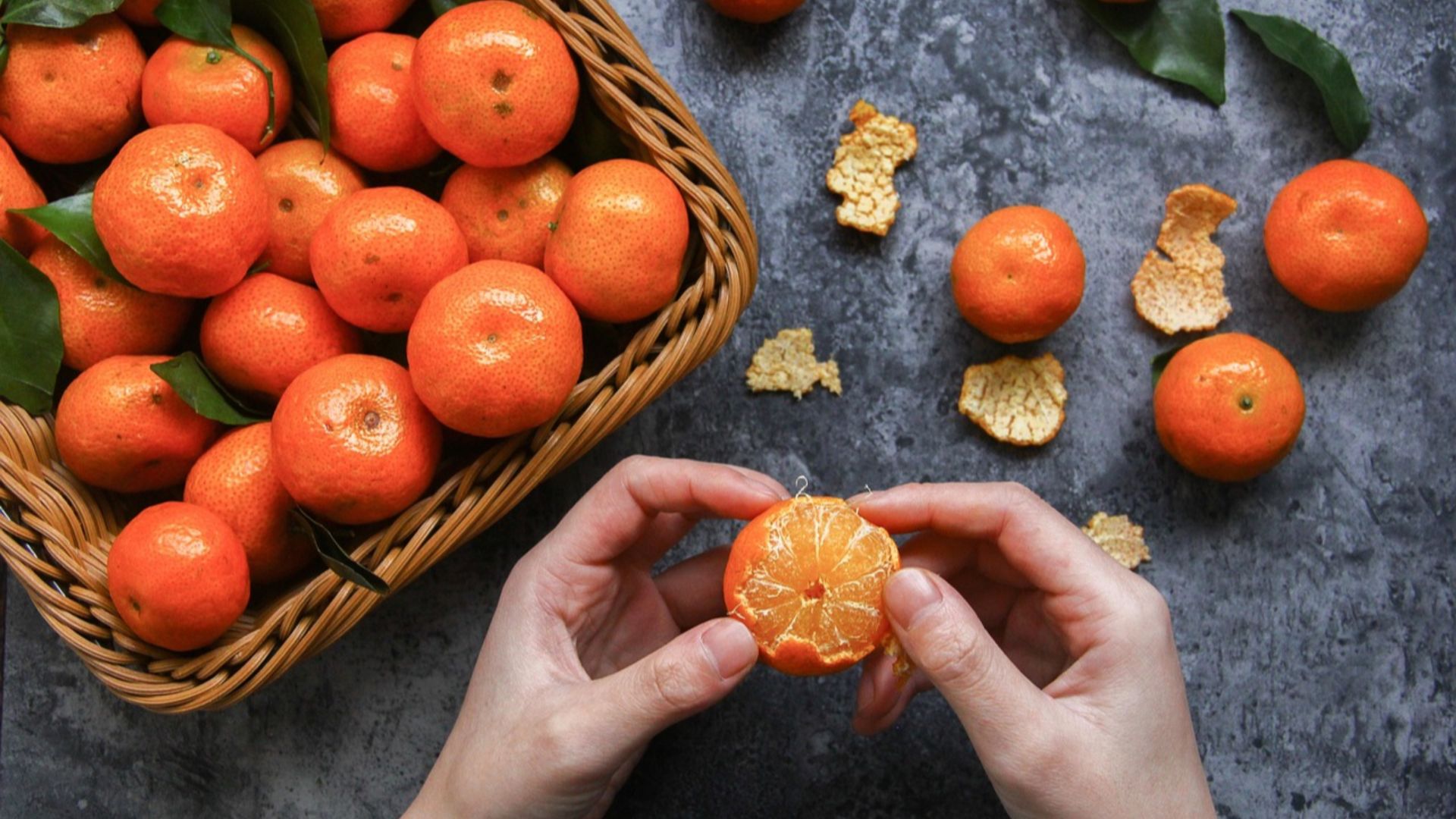
Fresh oranges got more expensive during 2025 as the citrus industry continued to struggle with disease and unpredictable weather patterns. Production problems undercut supply in several regions. With fewer oranges getting to grocery stores, prices rose steadily, affecting both fresh fruit purchases and the cost of orange juice.
Potato Chips
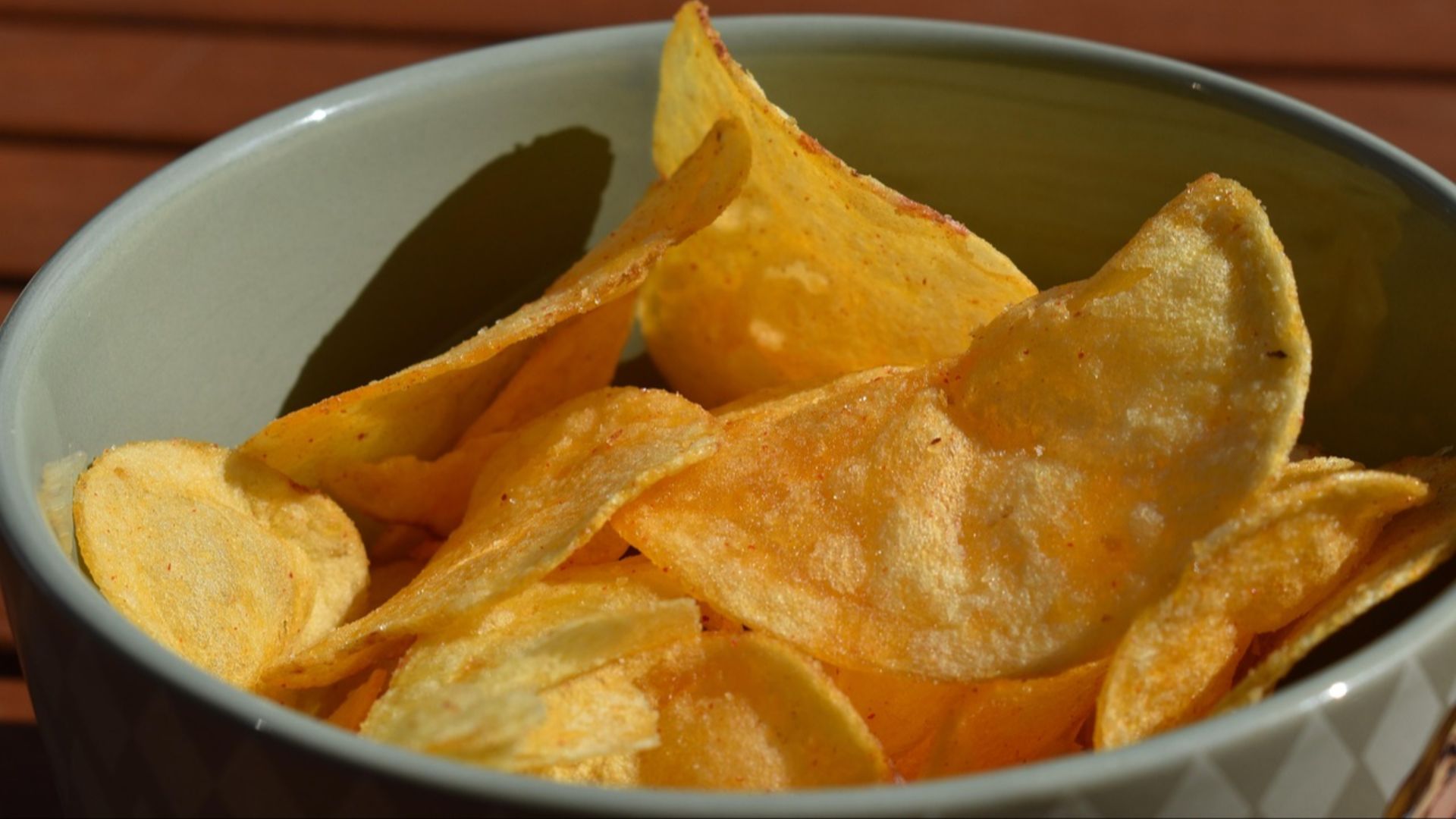
Snack foods like potato chips also got more expensive. Rising costs for potatoes, cooking oils, and packaging materials pushed manufacturers to increase prices. Because snack foods are often purchased items, shoppers couldn’t help but notice the difference when comparing receipts from previous grocery trips.
Ice Cream
Ice cream prices climbed in 2025 because of higher costs for dairy ingredients, sugar, and packaging materials. Transportation and freezer storage costs also increased for retailers. Although ice cream is really more of a treat than a necessity, shoppers still saw the price jump during the warmer months.

Fresh Fruit
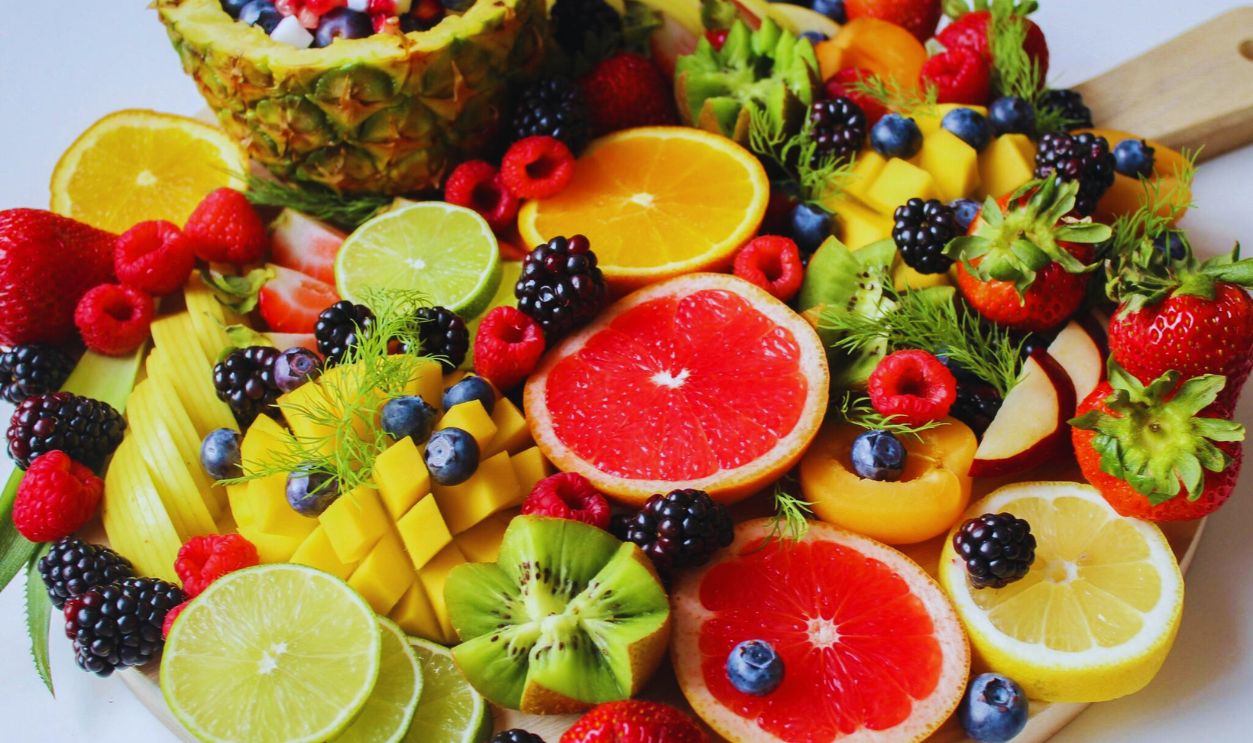
Beyond individual fruits, the broader category of fresh fruit also saw price increases in 2025. Weather disruptions and rising transportation costs affected supply chains globally. Even small price increases across multiple fruits put noticeable pressure on grocery budgets for households trying to eat healthy.
Packaged Snacks
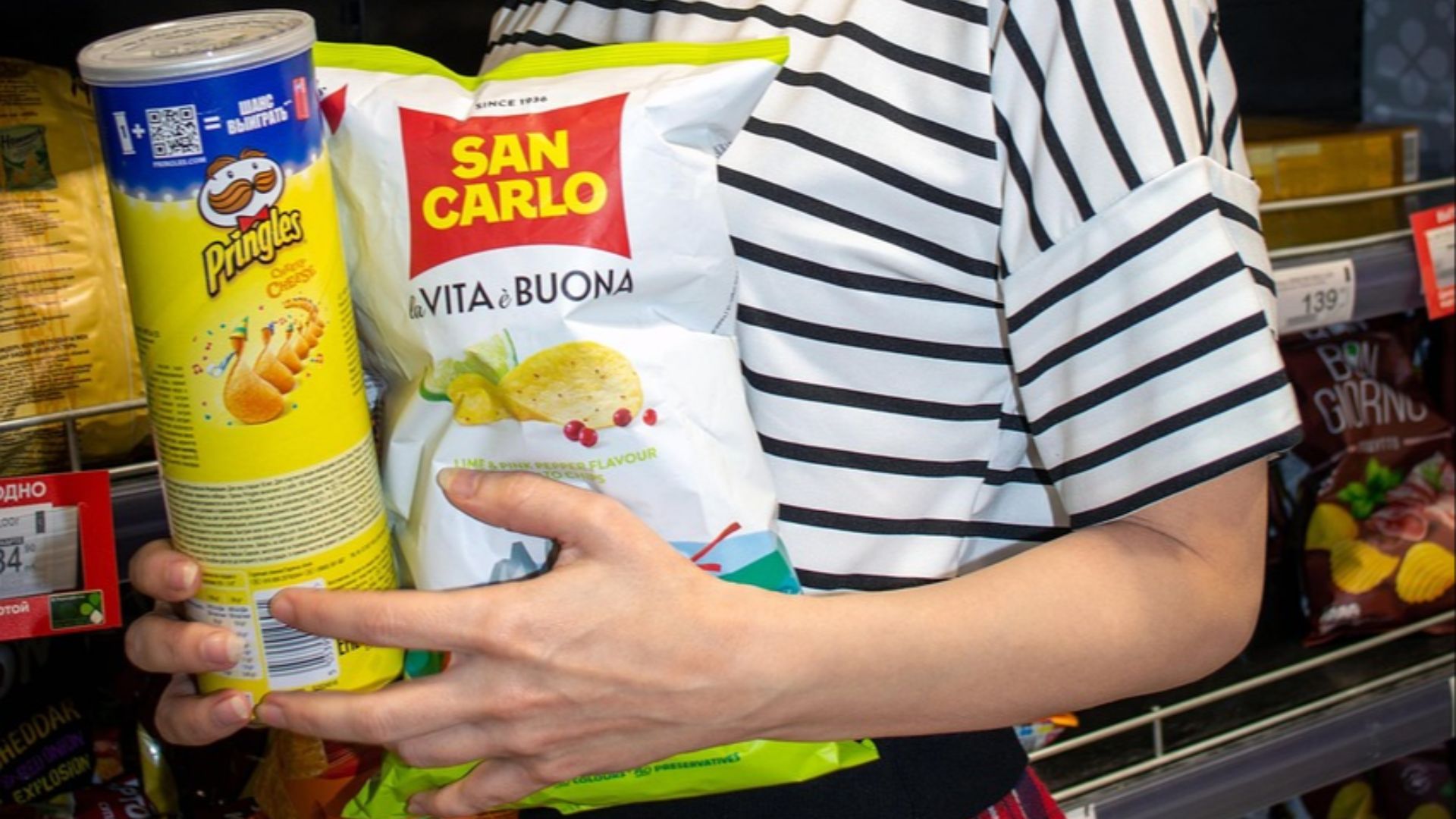
Packaged snack foods saw steady price increases as manufacturers wrestled with higher ingredient and production costs. Items such as crackers, chips, and packaged treats became more expensive in many grocery stores. These increases reflected the broader inflation trend affecting processed food products across the industry.
Spices And Seasonings
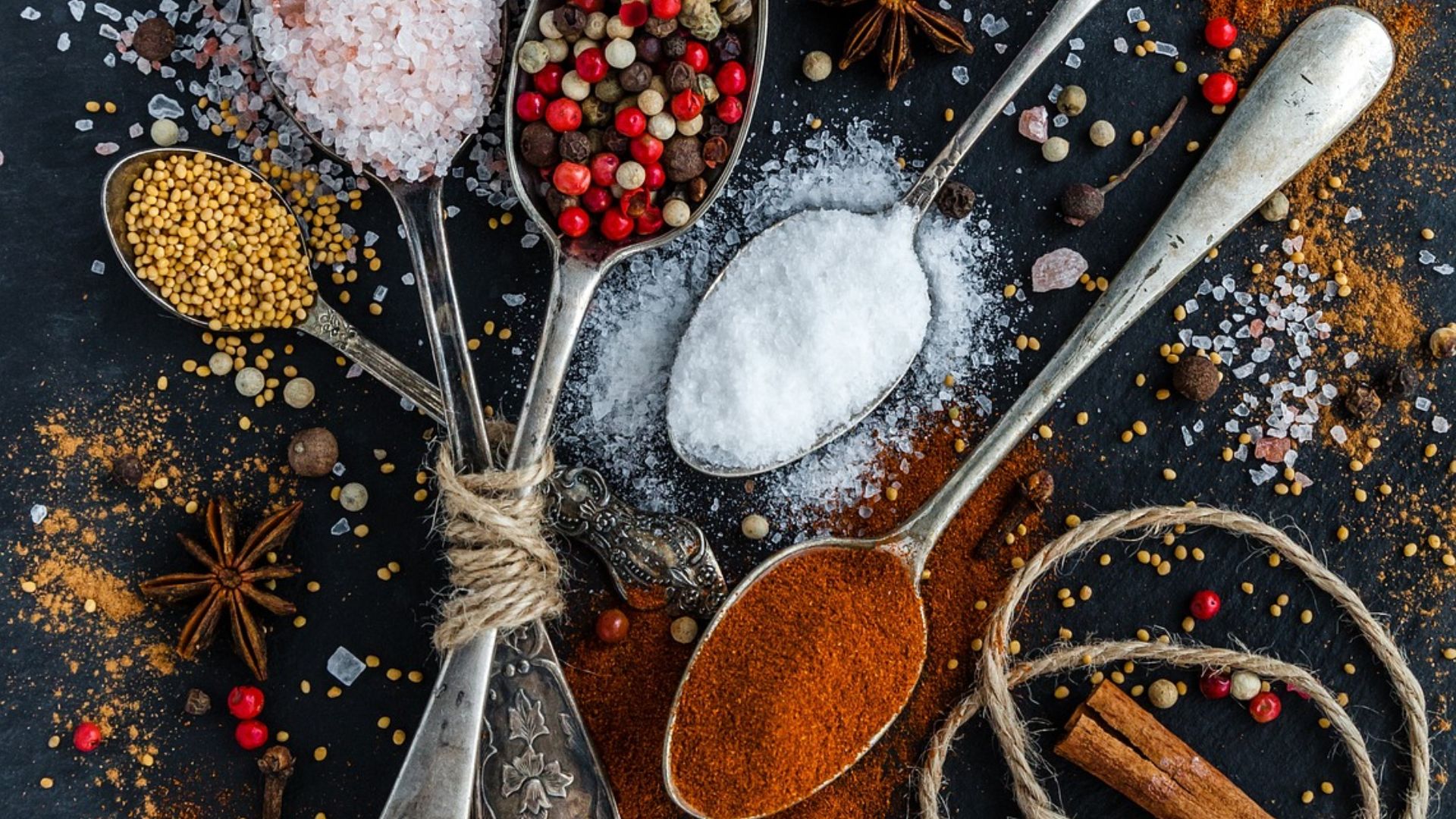
Even smaller pantry items like spices became more expensive in 2025. Global shipping costs and agricultural challenges drove up the price of many spices and dried ingredients. Although shoppers buy them less frequently, the higher prices were noticeable when they went to restock their kitchen shelves.
Items That Stayed Stable
Not all prices for basic items went up in 2025. There were several everyday grocery items that stayed relatively stable. Let’s have a look.
Yogurt
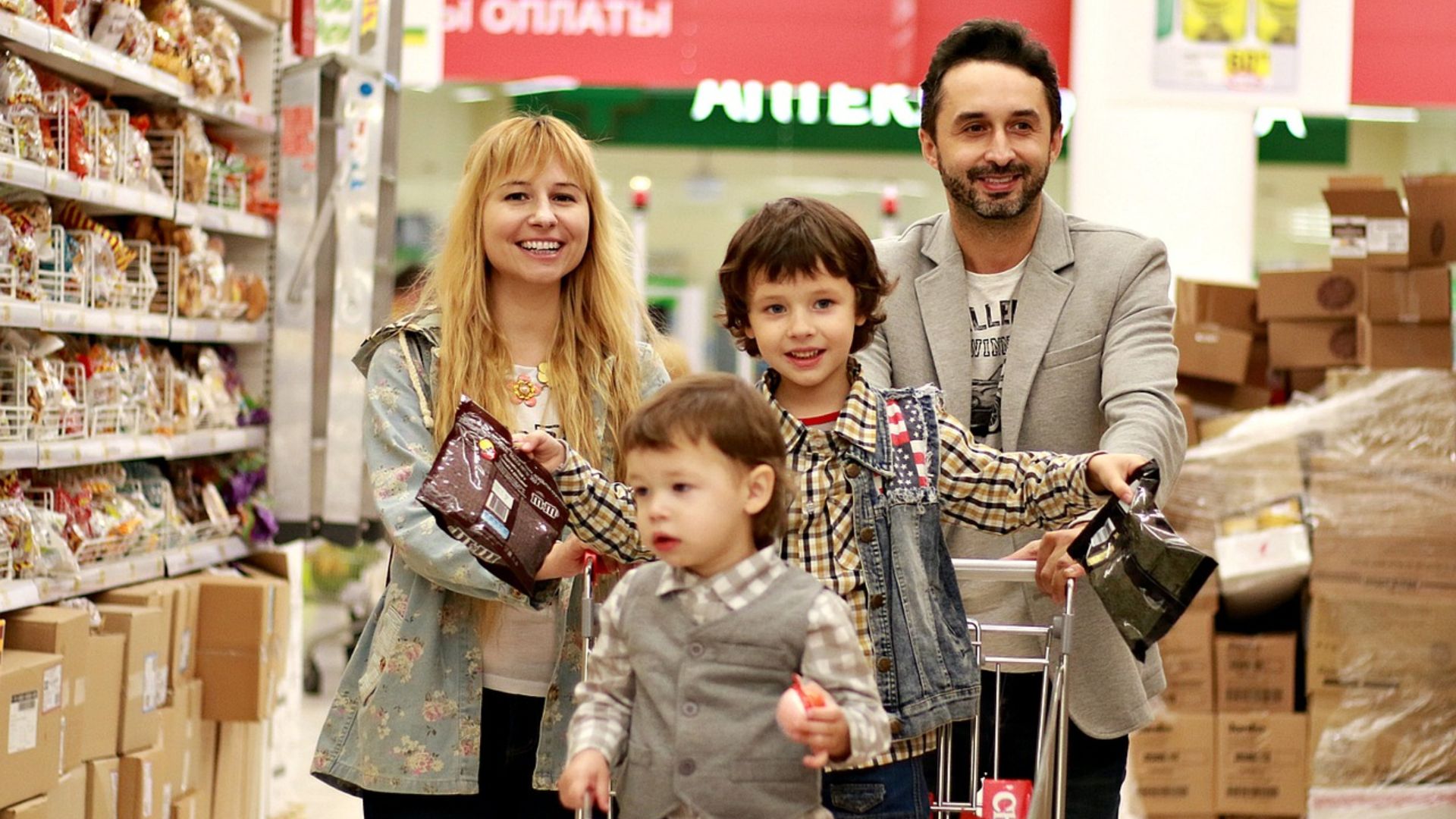
Yogurt was one of the grocery items whose price changed very little during 2025 and in some markets, it even became slightly cheaper. Increased dairy production and strong competition between store brands and national brands helped keep yogurt prices stay relatively stable as opposed to many other refrigerated foods.
Ham
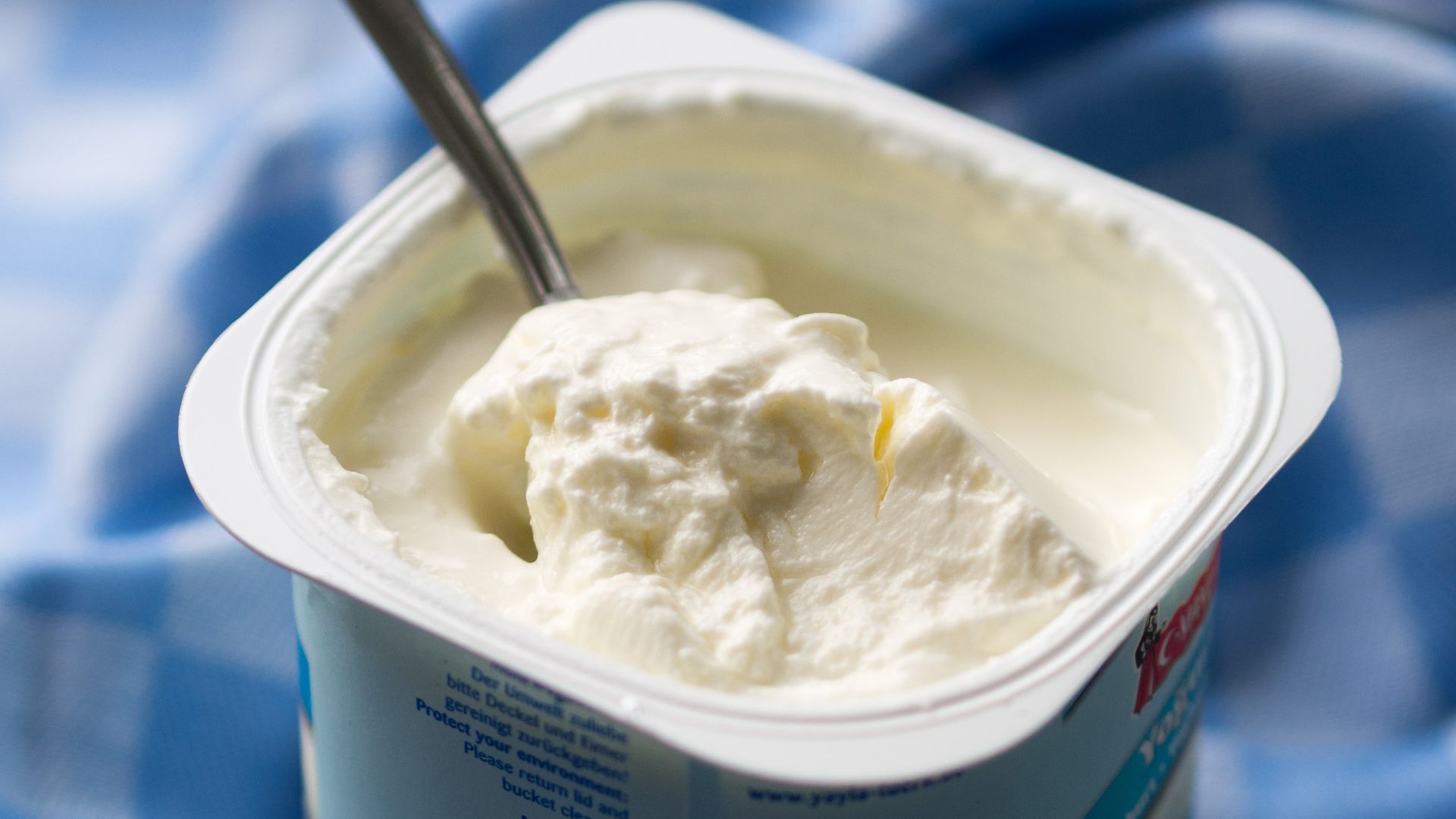
Ham was another grocery item that saw relatively stable pricing in 2025. Pork supply stayed more consistent than beef because hog production wasn’t impacted as much by drought and herd shortages. As a result, ham prices moved only slightly compared with a lot of other protein sources.
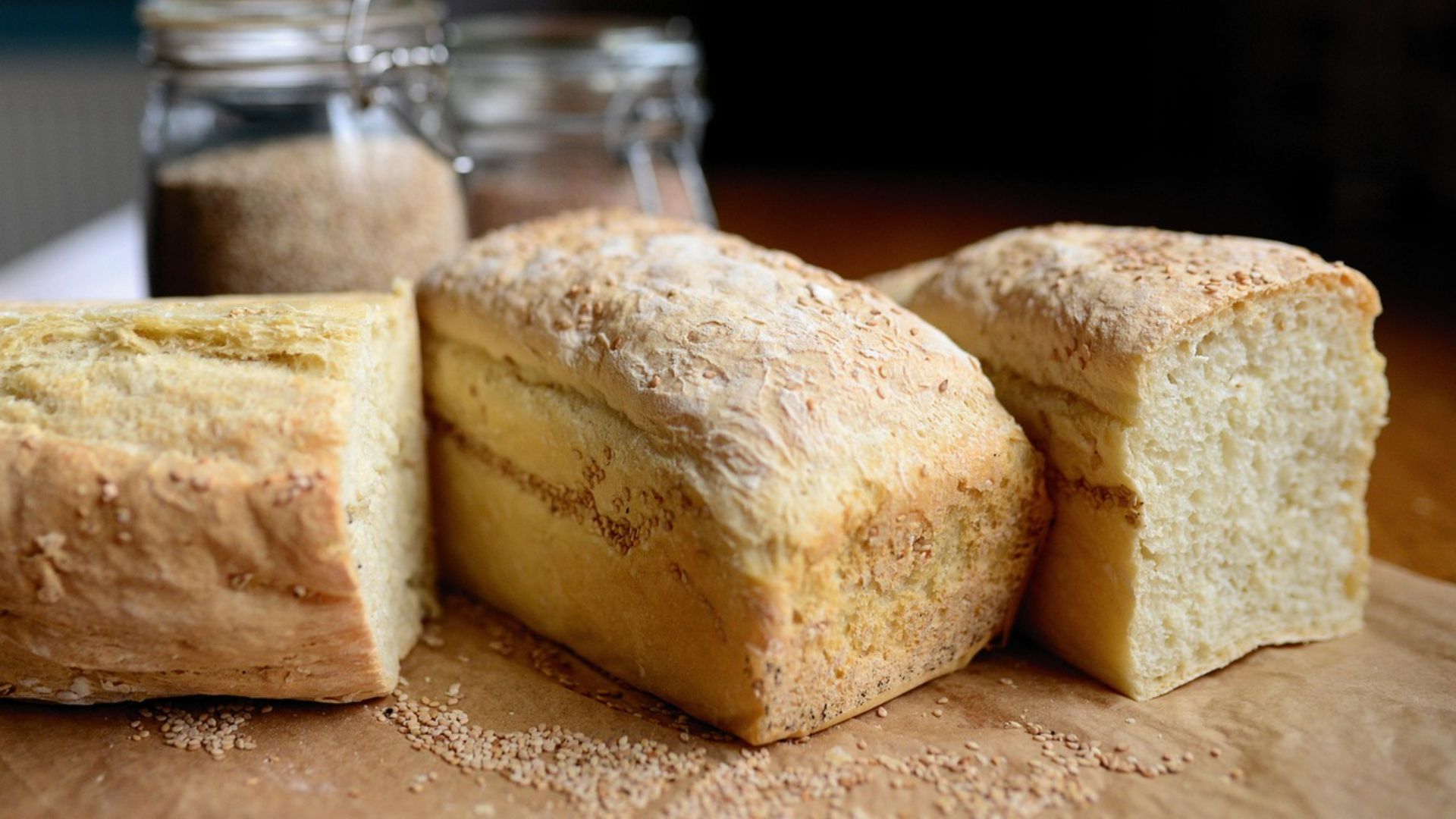
Bread
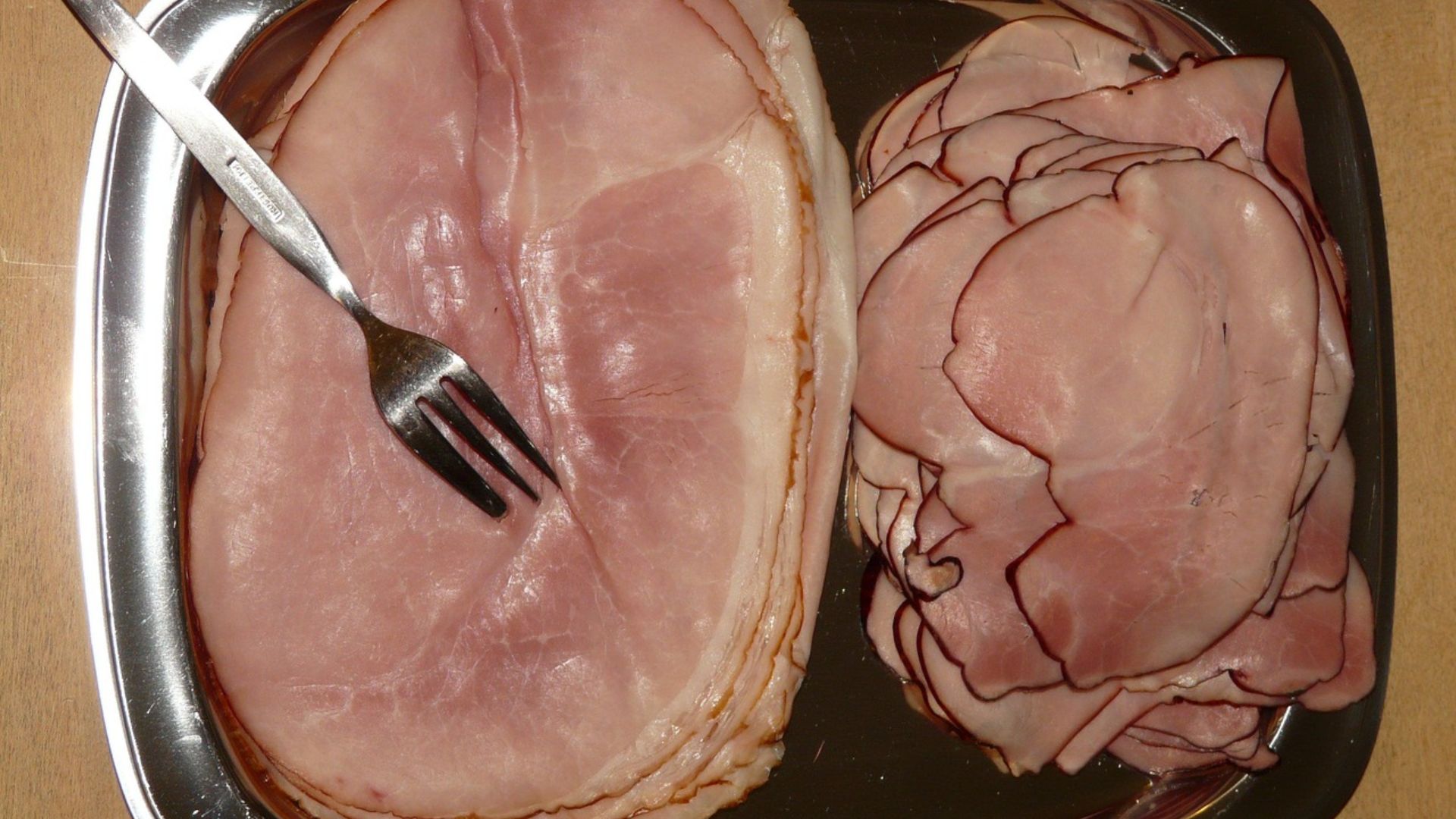
Bread prices rose far less than many other grocery items during 2025. Grain supplies stabilized after earlier supply disruptions, helping keep bread relatively affordable. Although other bakery products did increase, the rise was modest compared with the sharp spikes seen in foods like eggs and coffee.
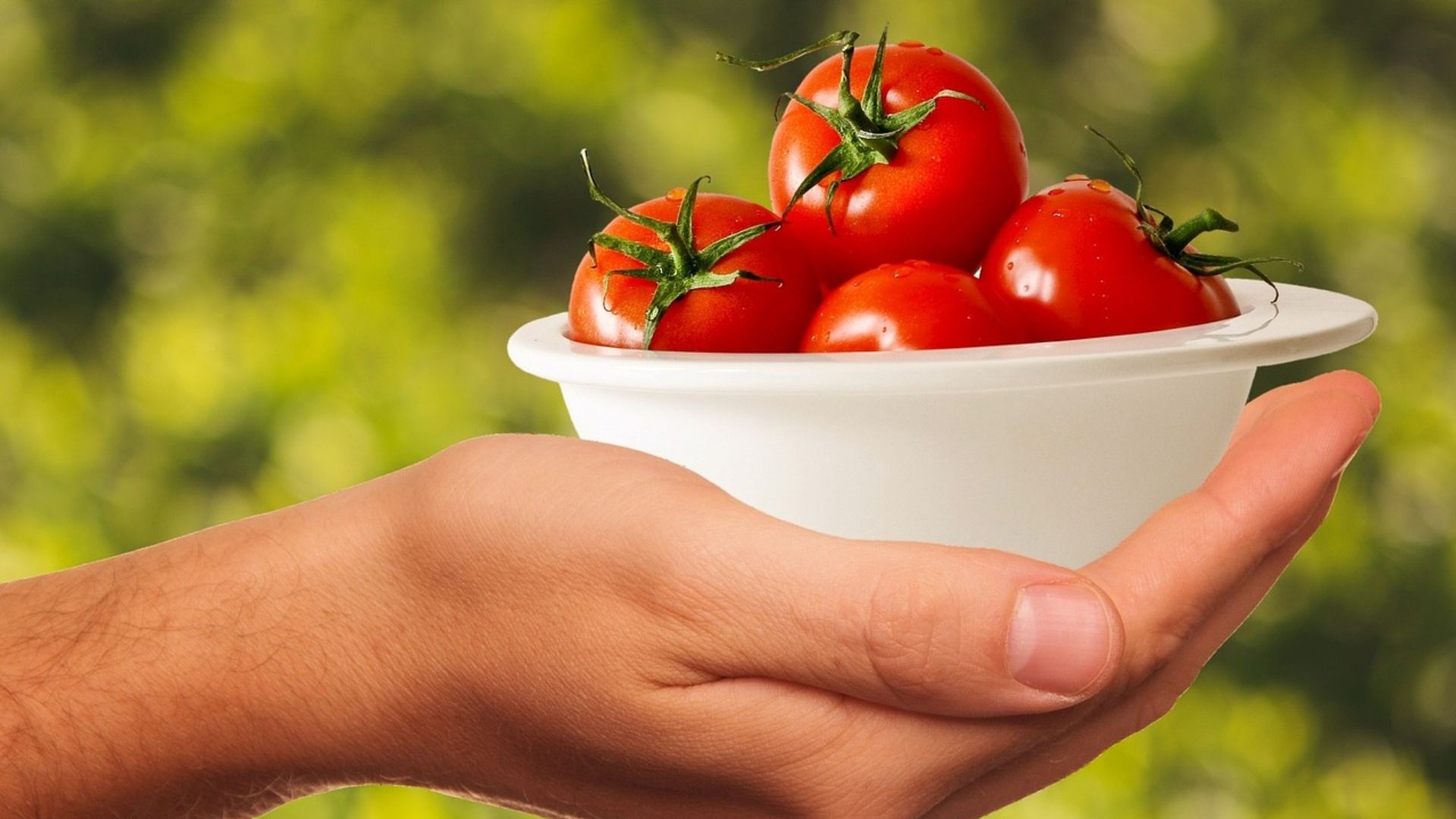
Tomatoes
Tomatoes were one of the fresh produce items whose prices held relatively steady in 2025. Advances in greenhouse farming and year-round production helped keep the supply even when outdoor crops were affected by weather. That steady supply helped avoid major price spikes at grocery stores.
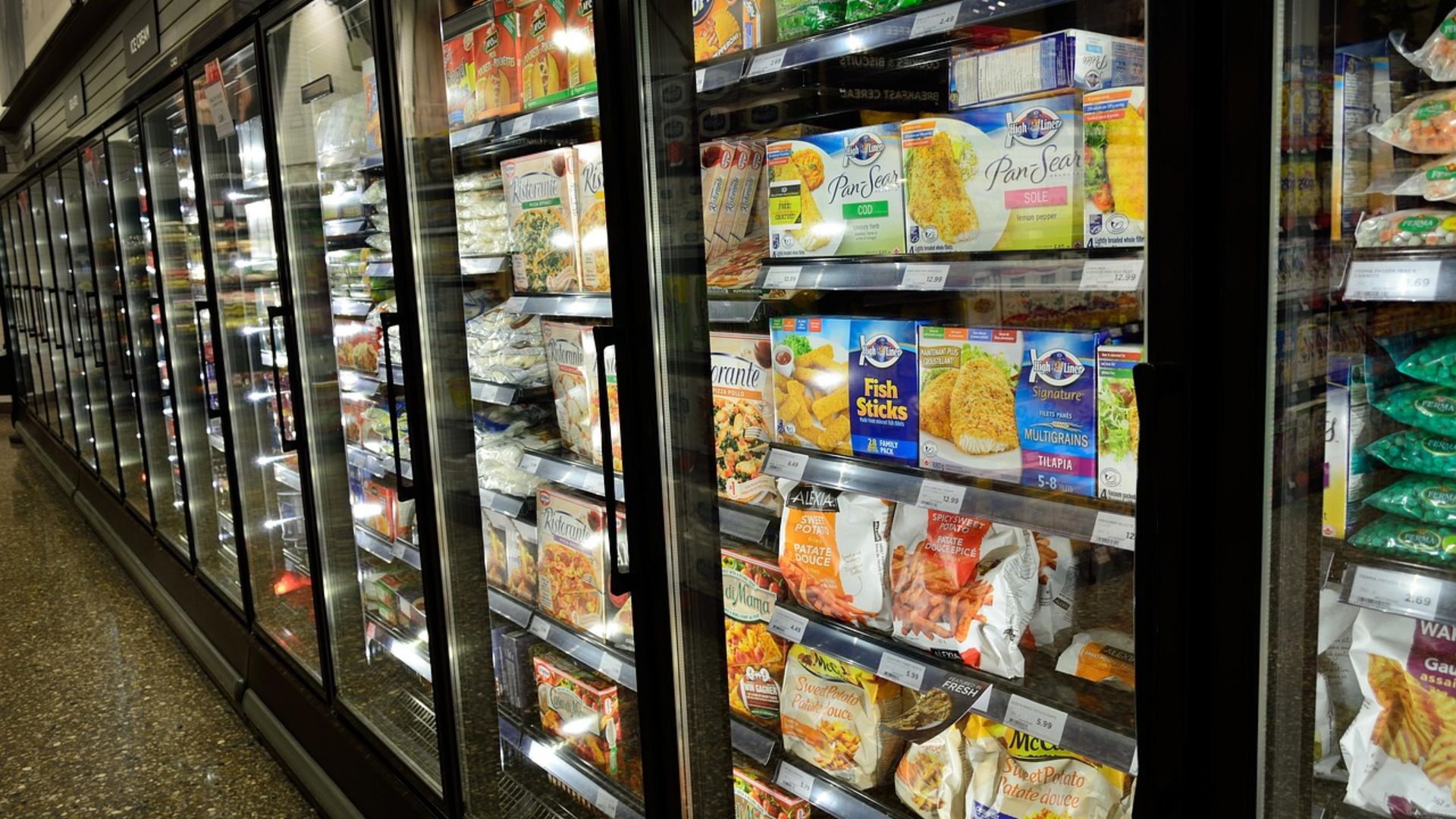
Frozen Dinners
Frozen dinners and prepared frozen meals were another food category where prices rose only slightly. Large food manufacturers prefer to lock in ingredient contracts months in advance, which can stabilize costs. That allowed many frozen meal products to stay relatively affordable compared with other packaged foods.
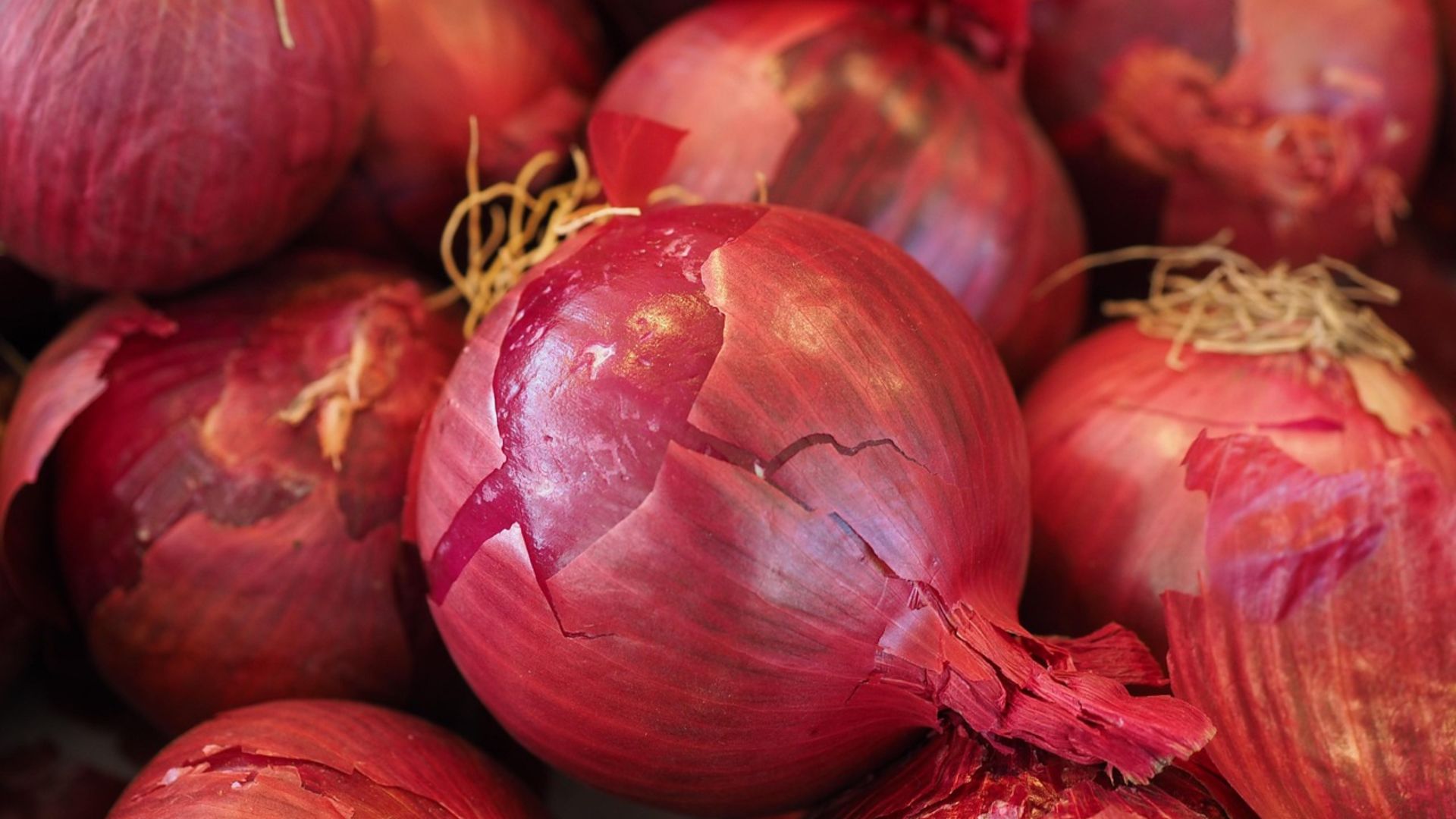
Onions
Onions were another surprisingly stable grocery item in 2025. Favorable harvest conditions in many of the major growing regions boosted supply and helped keep prices from going up too much. Because onions store well and transport easily, retailers were able to maintain relatively consistent pricing throughout the year.
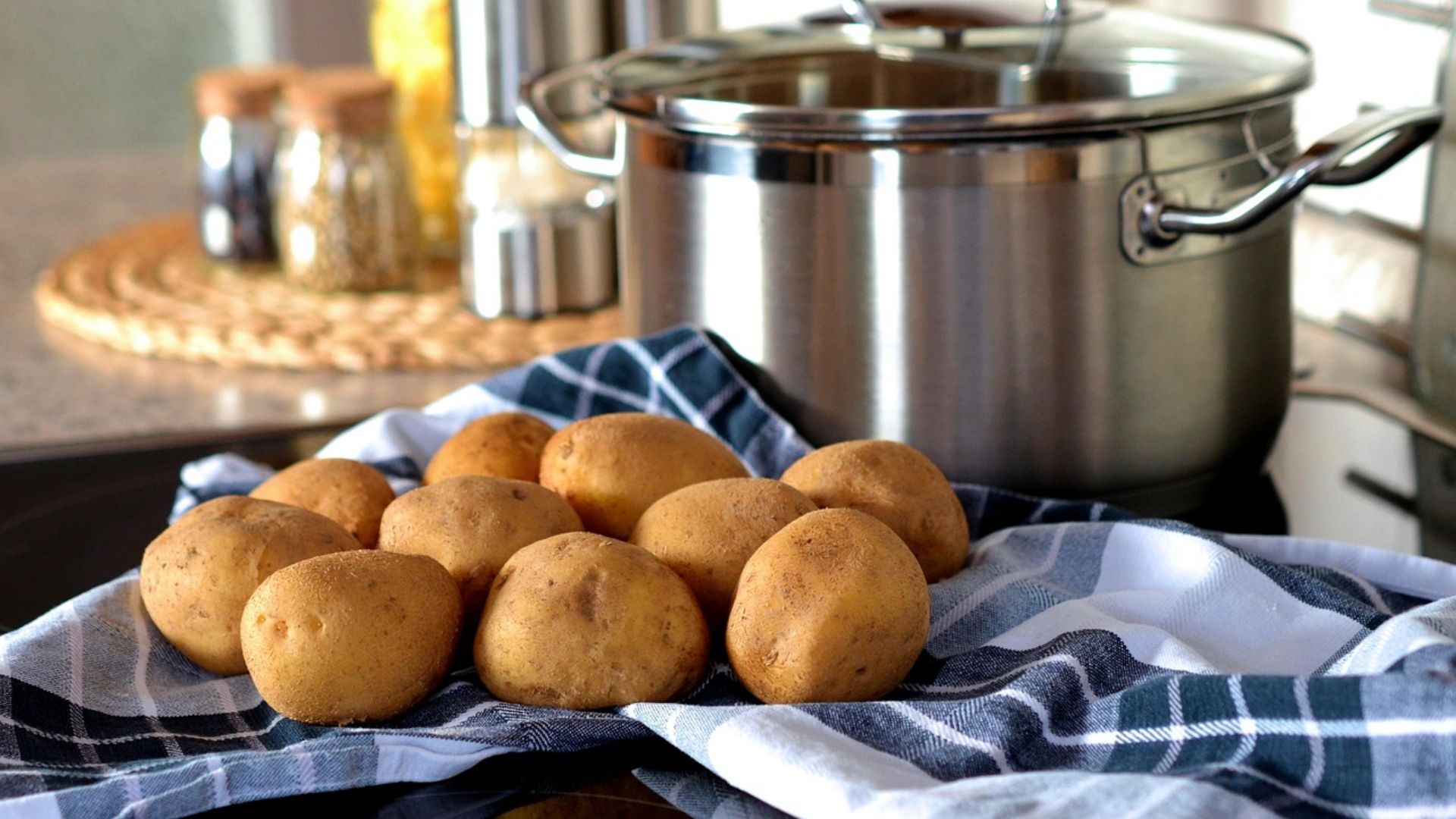
Potatoes
Potatoes were still one of the most affordable staple foods during 2025. While processed potato products like chips went up in price due to manufacturing costs, fresh potatoes stayed more or less stable. Strong harvests and efficient distribution helped keep the supply stable and prevent major price spikes.
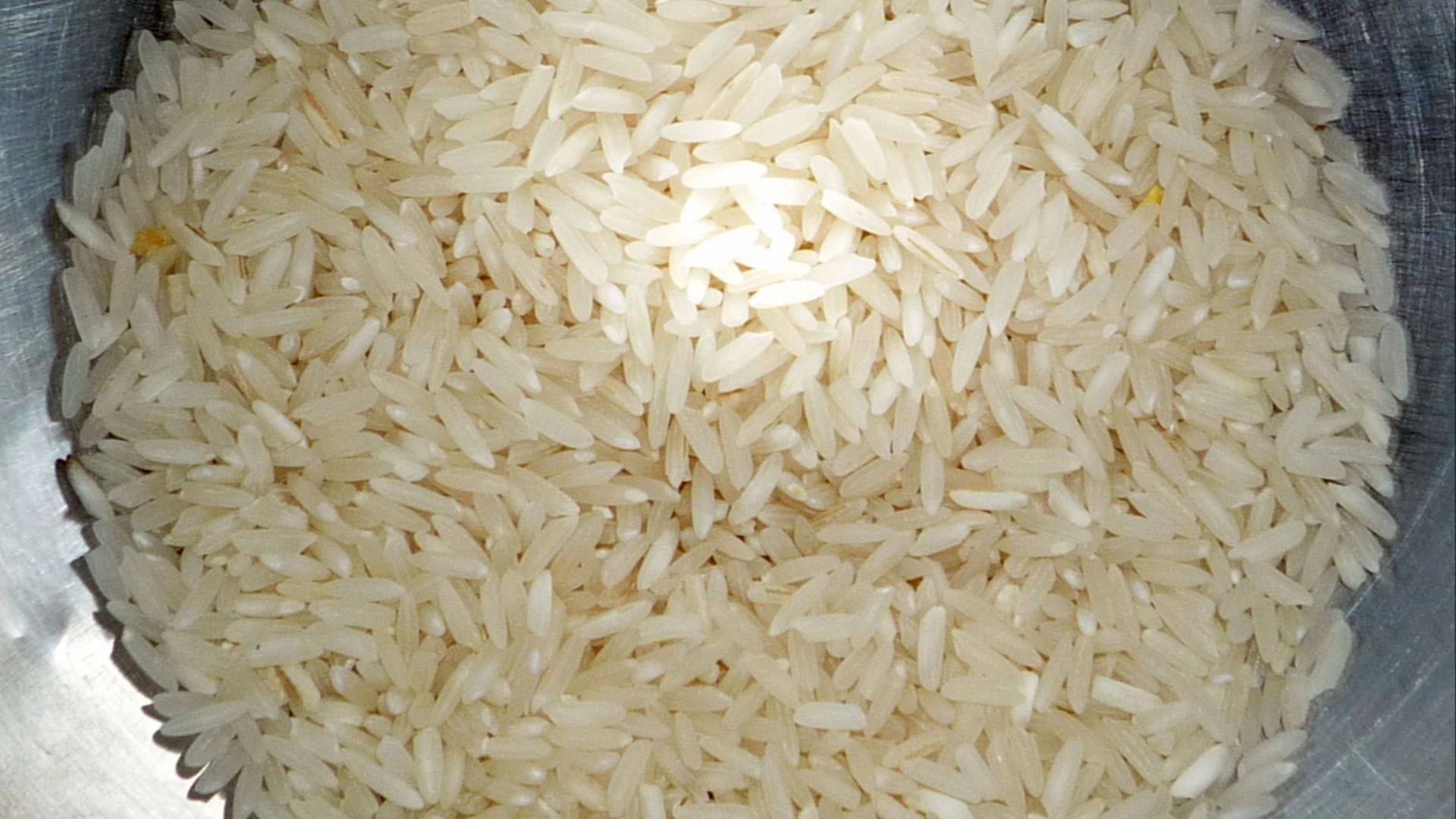
Dry Rice
Rice prices showed only modest rises compared with many other grocery items during 2025. Global rice production was still strong and export supplies helped to stabilize the market. For shoppers trying to stretch their grocery budgets, rice held steady as one of the most dependable pantry staples.
 FASTILY (TALK), Wikimedia Commons
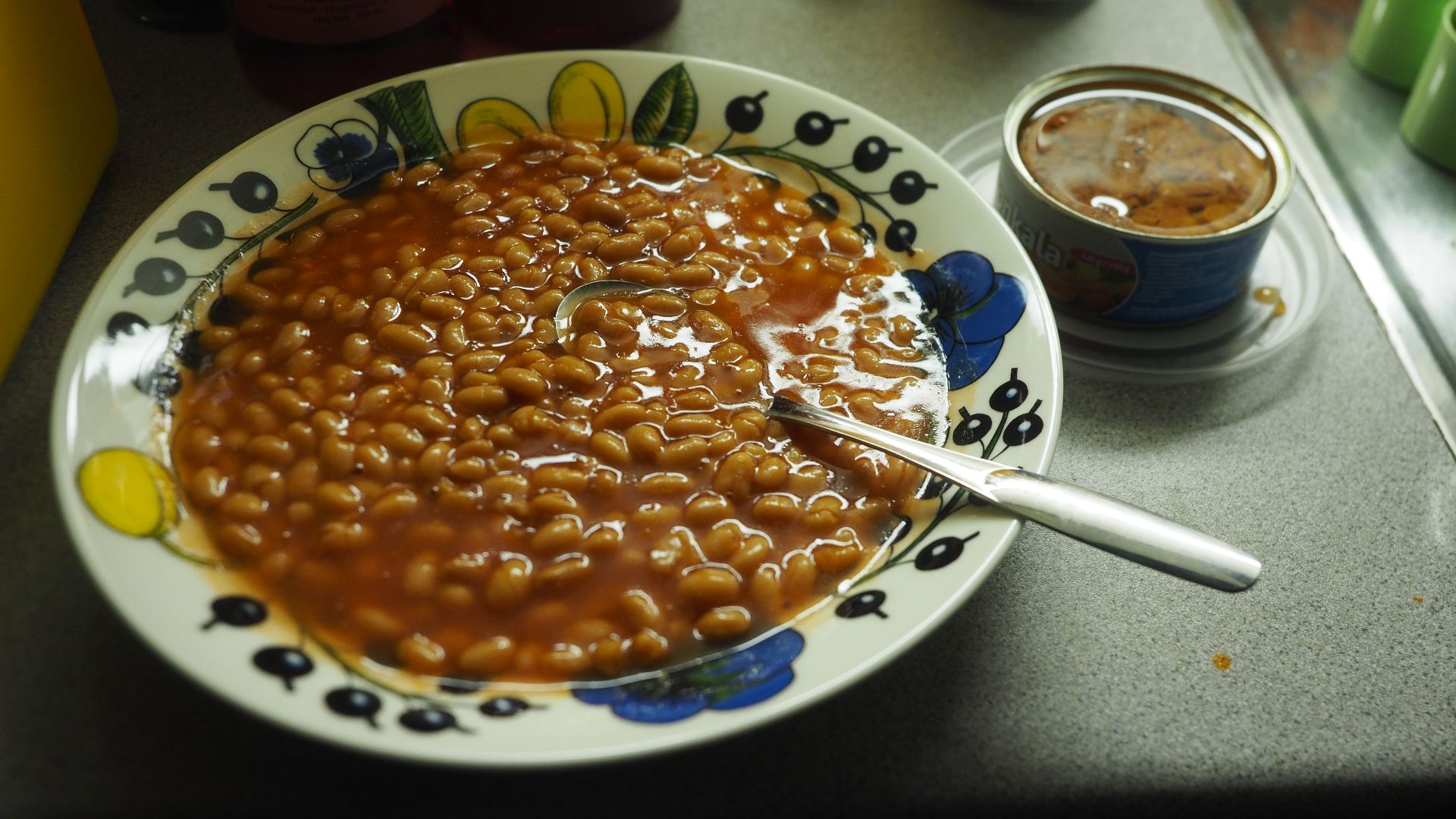
Canned Beans
Canned beans only had minimal price increases during the year. Because beans are shelf stable and produced in large quantities, manufacturers can manage supply more easily than many fresh foods. That stability kept canned beans as one of the most affordable sources of protein around.
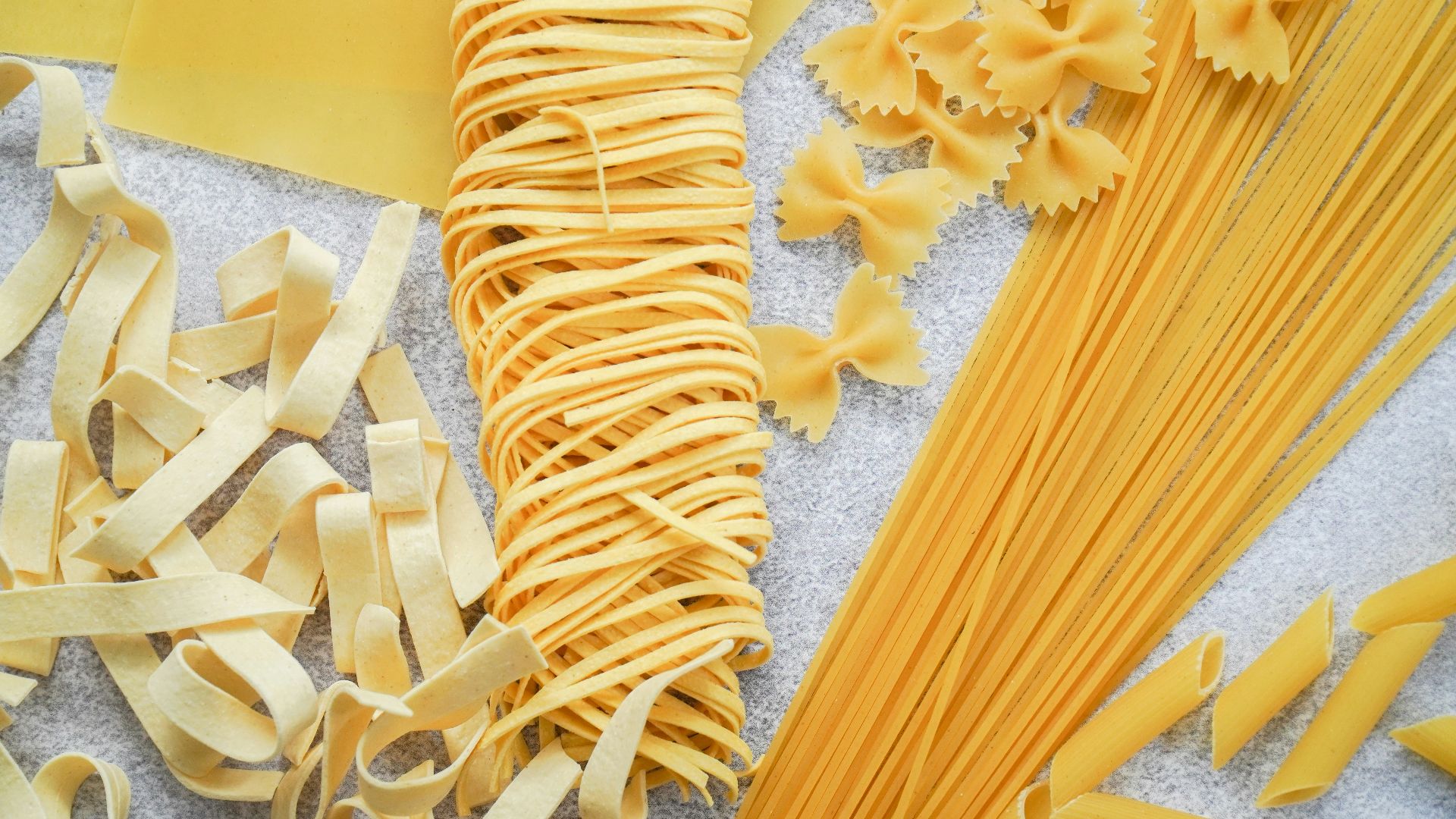
Store Brand Pasta
Store brand pasta was one of the least expensive items in many grocery carts during 2025. Wheat prices stabilized and private label brands kept up a strong competition in the pasta aisle. That combination helped keep pasta prices relatively low in comparison with many other staple foods.
 Karolina Kołodziejczak, Unsplash
What The Price Trends Reveal
The grocery price trends of 2025 show how uneven food inflation can be. While items like eggs, coffee, and beef surged due to disease outbreaks and supply disruptions, many basic staples remained stable. Shoppers who improvised and adapted by choosing lower cost foods were often able to manage the rising grocery bills more easily.
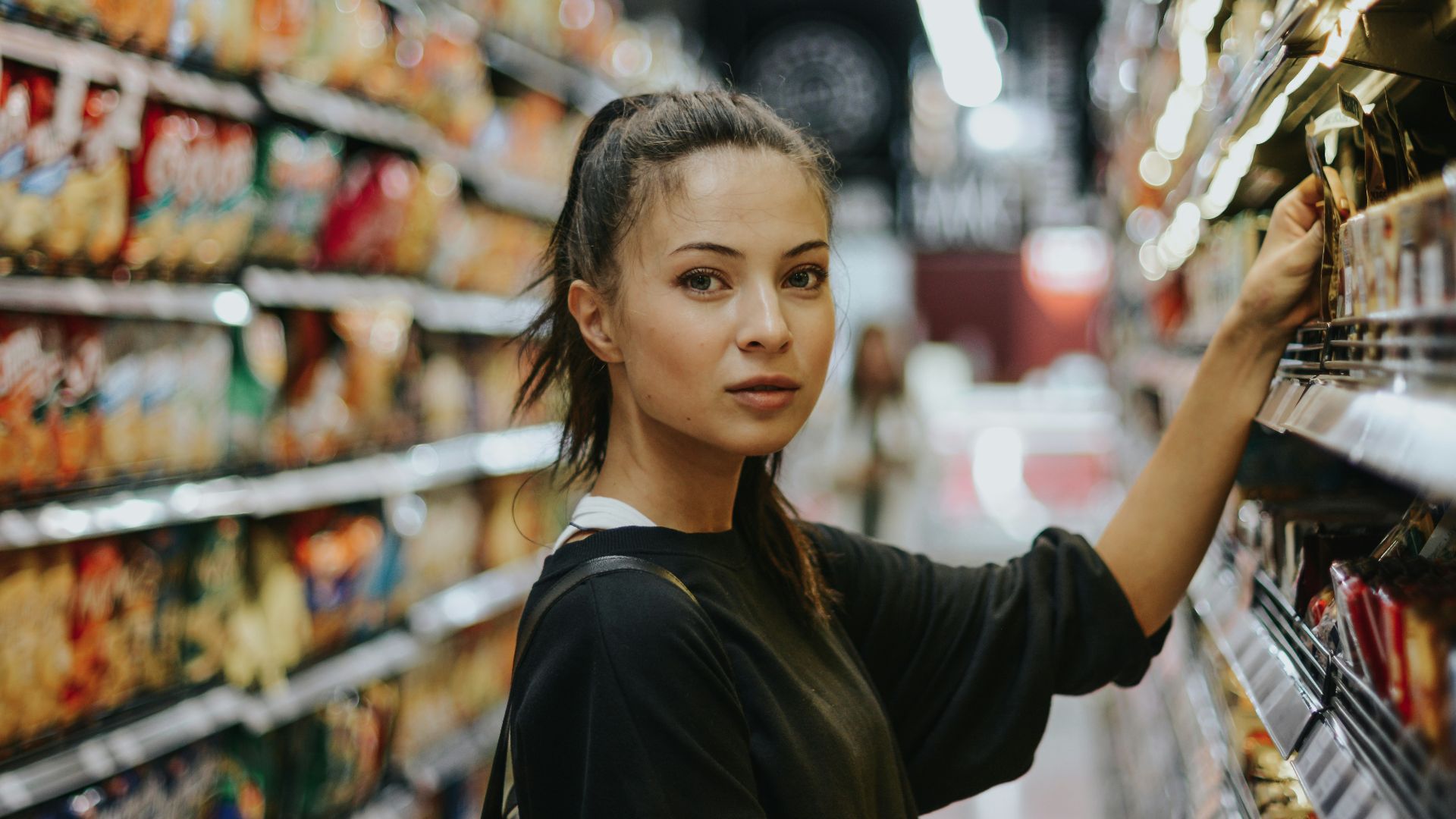 Joshua Rawson-Harris, Unsplash
You May Also Like:
The cost of living squeeze isn’t one thing. It’s all these things at once.
Best Strategies For Saving Money On Gas