
That Fee Really Does Feel Backwards
You're low on money as it is, then a payment gets declined or your account dips below zero. That's when the bank hits you with yet another fee and digs you even deeper into a hole. It feels upside down because it kind of is. Luckily, over the past few years, regulators, consumer advocates, and even some banks have started pushing back on how these fees work.
 Vitaly Gariev, Pexels, Modified
What Fee Are We Talking About?
Usually, people mean overdraft fees or nonsufficient funds fees, also called NSF fees. An overdraft fee usually happens when the bank covers a transaction that is bigger than your balance. An NSF fee usually happens when the bank rejects a payment because there is not enough money in the account.

Why These Charges Hit So Hard
If you are already short on cash, a $30 or $35 fee can make things worse fast. The Consumer Financial Protection Bureau, or CFPB, has pointed out that these fees often land on people who already have the least room in their budget. That is a big reason the issue has become such a major fight in banking.

Overdraft Fees Turned Into Big Business
For years, overdraft and NSF fees brought in huge amounts of money for banks. CFPB reporting showed that banks collected billions a year from them, and a small share of customers often paid a large share of the total. That mattered because it suggested these fees were not just an occasional safety net. For some people, they had become a recurring drain.

The Rules Changed In 2010, But Only Partly
A major federal rule took effect in 2010 under the Federal Reserve. It said banks had to get a customer’s opt-in before charging overdraft fees on one-time debit card purchases and ATM withdrawals. That was a real shift, but it did not wipe out overdraft fees on checks, automatic payments, or many other transactions.

The CFPB Put Fees Back In The Spotlight
In December 2021, the CFPB released research showing that banks and credit unions had earned about $15.47 billion from overdraft and NSF fees in 2019. The agency said many of those charges were avoidable and often hit consumers with the least financial cushion. That report helped turn overdraft fees into one of the biggest banking stories in the country.

Then Came The “Junk Fee” Push
In early 2022, the CFPB launched a broader campaign against what it called junk fees. Overdraft and NSF fees were right at the center of it. The message was simple: people should not get hit with surprise or excessive charges just for trying to use their own money or for coming up short for a moment.

Banks Started Changing Course
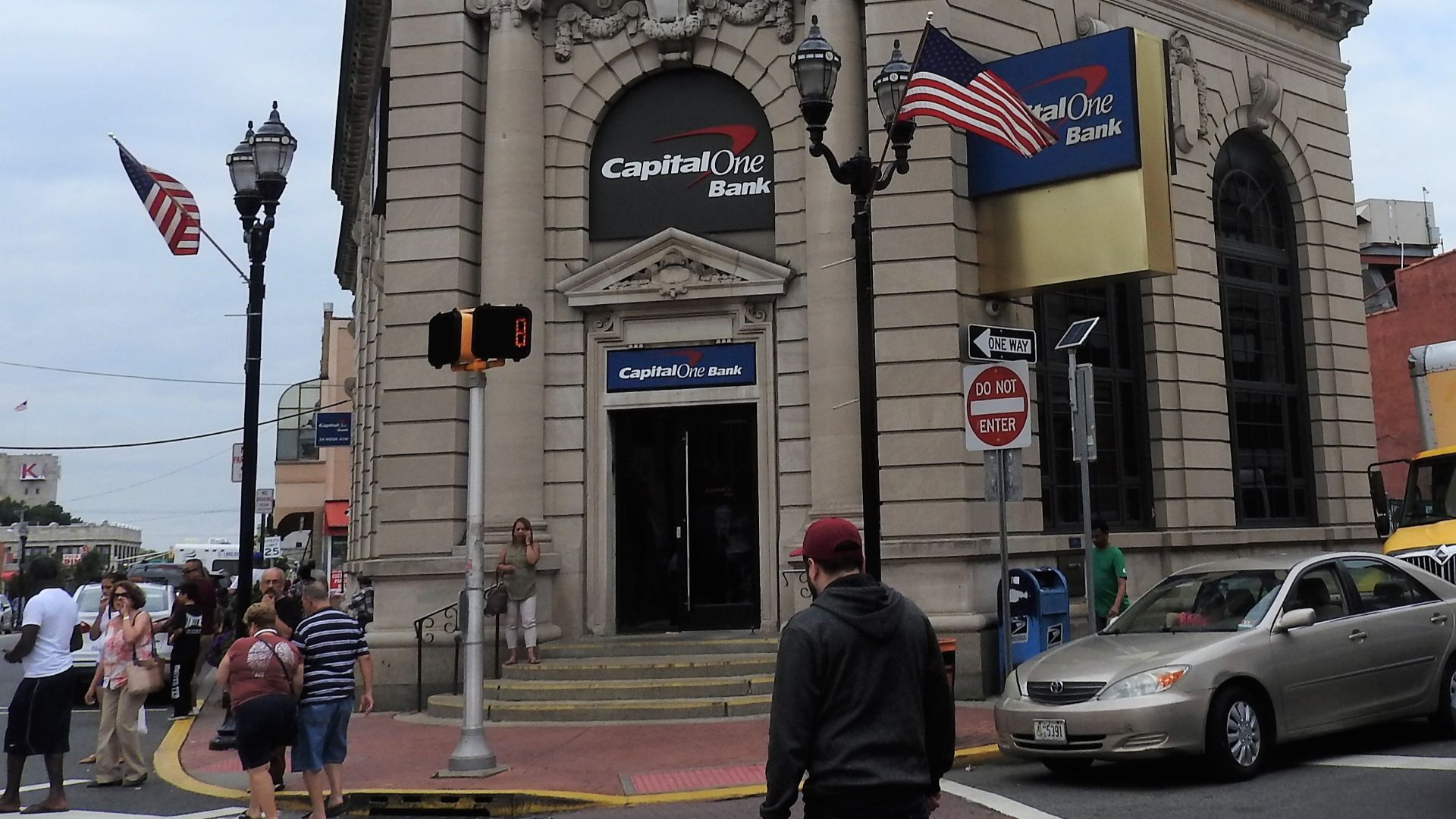
As public pressure and regulatory attention grew, several major banks made changes. In December 2021, Capital One said it would eliminate overdraft and NSF fees on consumer deposit accounts. Ally Bank also said in 2021 that it would eliminate overdraft fees, joining a growing group of institutions moving away from the old model.
 Jim.henderson, Wikimedia Commons
Other Big Banks Followed
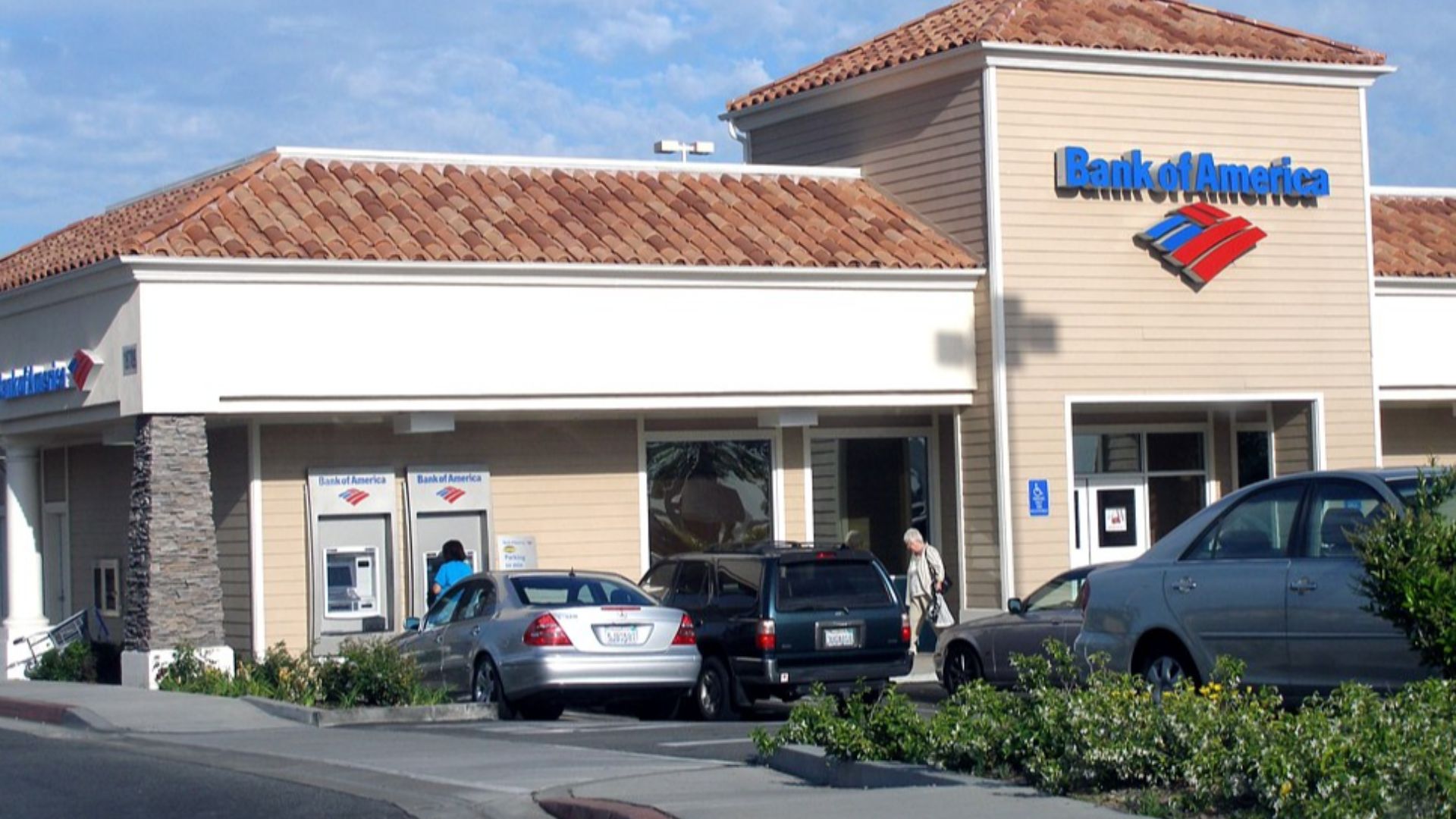
Bank of America said in January 2022 that it would cut its overdraft fee from $35 to $10 and eliminate NSF fees. Wells Fargo announced that same month that it would eliminate NSF fees and overdraft protection transfer fees, with additional overdraft changes coming later. These were not small moves. They showed that some of the biggest banks in the country felt real pressure to adapt.
 Coolcaesar at en.wikipedia, Wikimedia Commons
Chase Took A Different Approach
JPMorgan Chase said in 2022 that it would give customers more time to avoid overdraft fees and add a grace feature for some overdrawn amounts. In some cases, that meant customers could bring the account back into the black by the next business day and avoid the fee. It was another sign that fee policies had become a real competitive issue.

Fee Revenue Started Falling
In 2023, the CFPB reported that overdraft and NSF fee revenue had dropped sharply at large banks. The agency said consumers had saved billions as banks reduced or removed these charges. That drop did not just happen on its own. It followed years of public criticism, research, and pressure from regulators.

But These Fees Have Not Vanished
Many banks and credit unions still charge overdraft fees, even if some of the biggest names have pulled back. The exact rules depend on the institution and the account. So if you are wondering whether banks can still do this, the answer is often yes, unless your bank has changed its policy.
It Is Not Always About Careless Spending
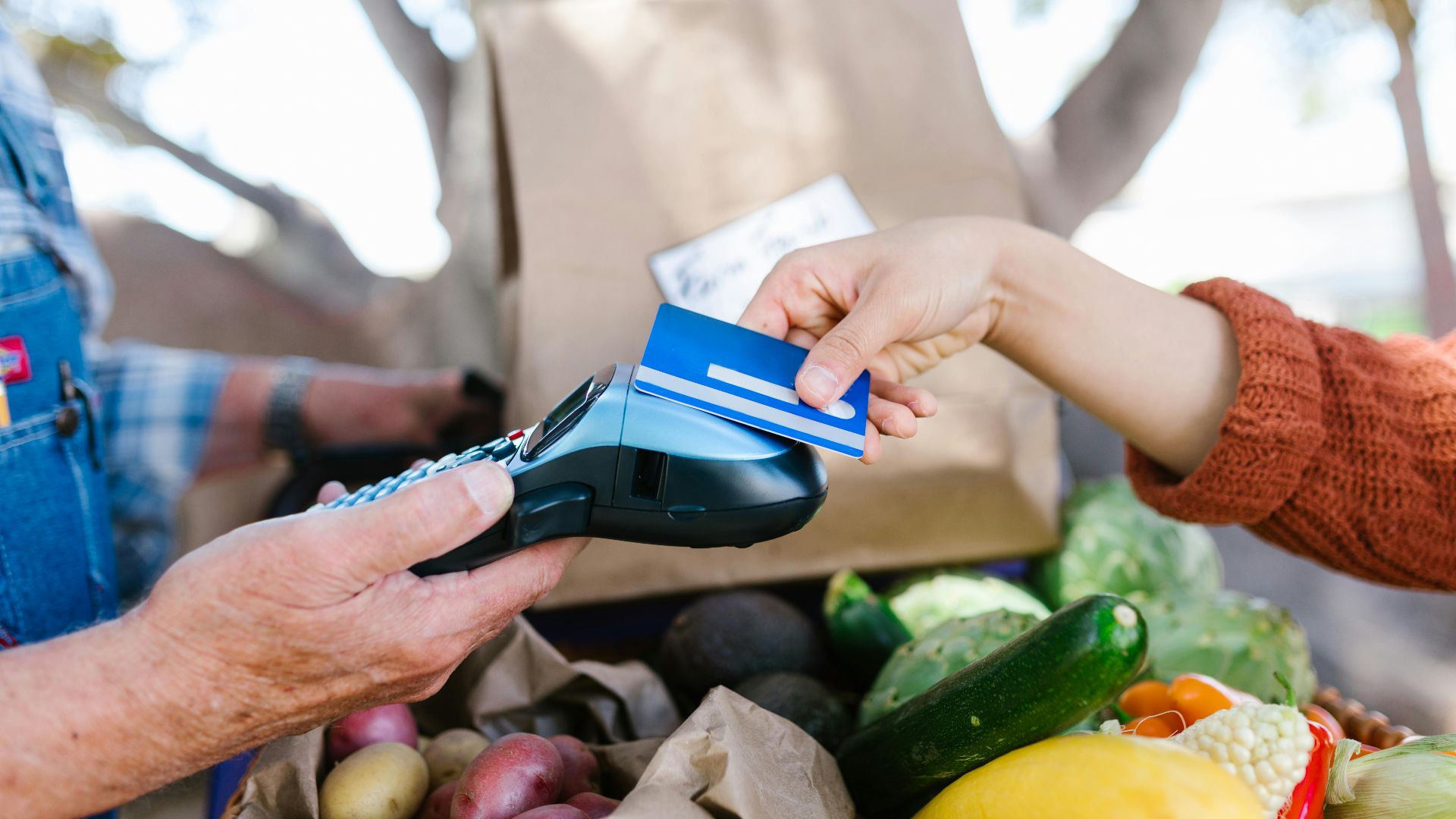
Sometimes the fee comes down to timing, not bad decisions. A paycheck might land hours after an automatic payment posts. A gas station might place a temporary hold that is larger than the final charge. Those timing problems can trigger the same painful result, which is one reason so many people see these fees as unfair.

Some Banks Pile On With Sustained Overdraft Fees
Some institutions have also charged an extra fee if an account stays negative for several days. The CFPB has criticized those charges as another cost piled onto people who are already struggling. If your account agreement mentions extended, continuous, or sustained overdraft fees, that is worth noticing.

The Government’s Argument Is Pretty Straightforward
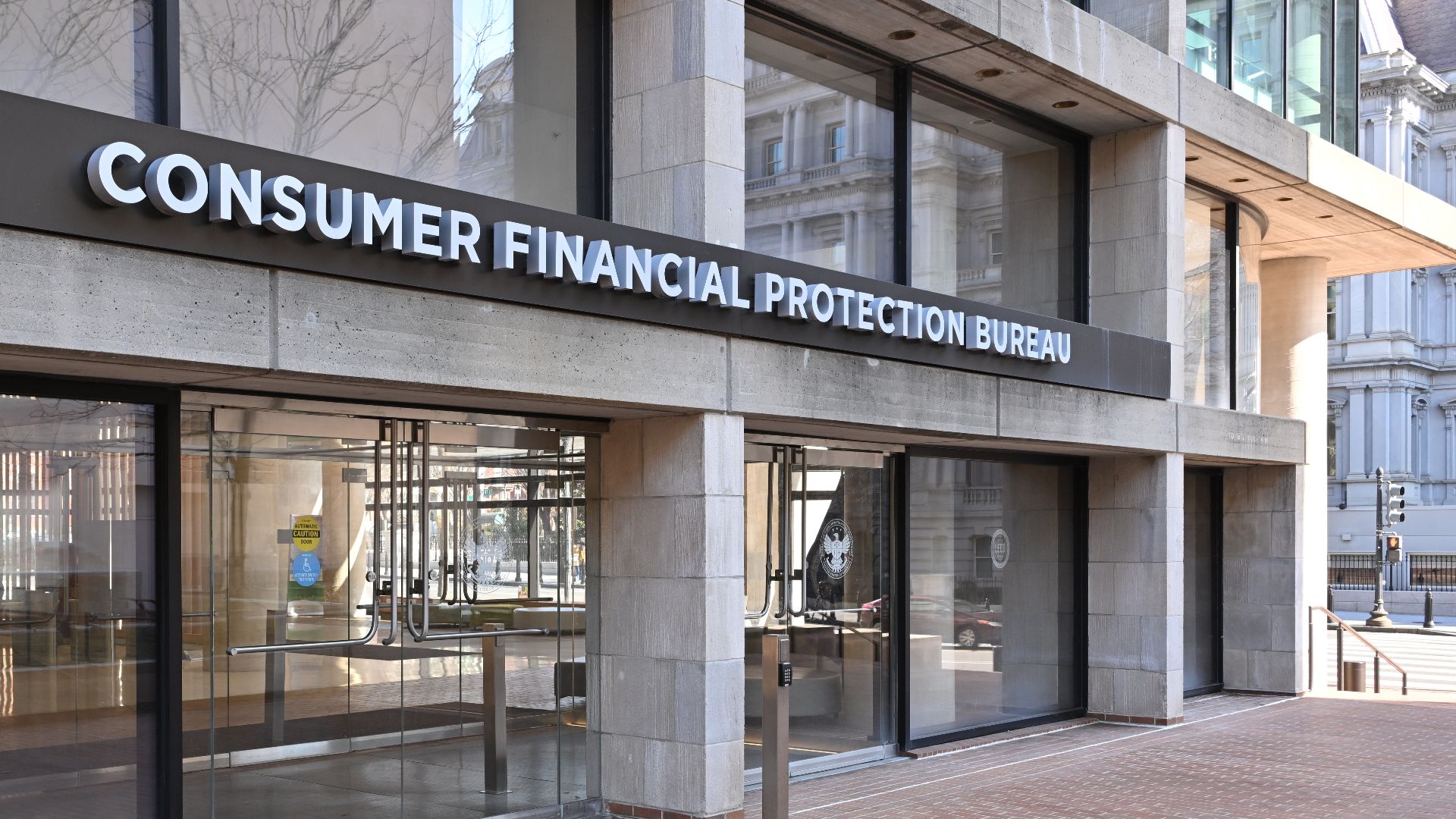
Regulators have argued that banks should compete by offering clear, upfront services, not by leaning on penalties that are hard to predict and expensive to escape. The CFPB has said many overdraft practices are not much of a courtesy if customers do not fully understand the cost. In plain terms, covering a payment should not turn into burying someone in fees.
 G. Edward Johnson, Wikimedia Commons
New Federal Limits Could Reshape The System Again
In January 2024, the CFPB proposed a rule aimed at curbing overdraft fees at very large banks and credit unions. Under the proposal, those institutions would either have to cap overdraft fees at an amount tied to actual costs and losses, discussed as low as $3 to $14, or treat overdraft more like credit under lending laws. It would not be a full ban, but it could change the business sharply if finalized.

Why The Fine Print Still Matters
Your bank can generally charge fees that are disclosed in the account agreement and allowed under the law. That does not mean customers see those fees as fair. In practice, a lot of this fight comes down to disclosure, consent, and whether regulators decide the charges are abusive or excessive.
 Centre for Ageing Better, Unsplash
Start By Reading The Fee Schedule
It is not exciting, but it matters. Every bank account should come with a fee schedule or account disclosure that lays out overdraft fees, NSF fees, overdraft protection transfer fees, and any grace periods. If you know the rules before something goes wrong, you have a much better shot at avoiding the charge.

Opting Out Can Save You Money
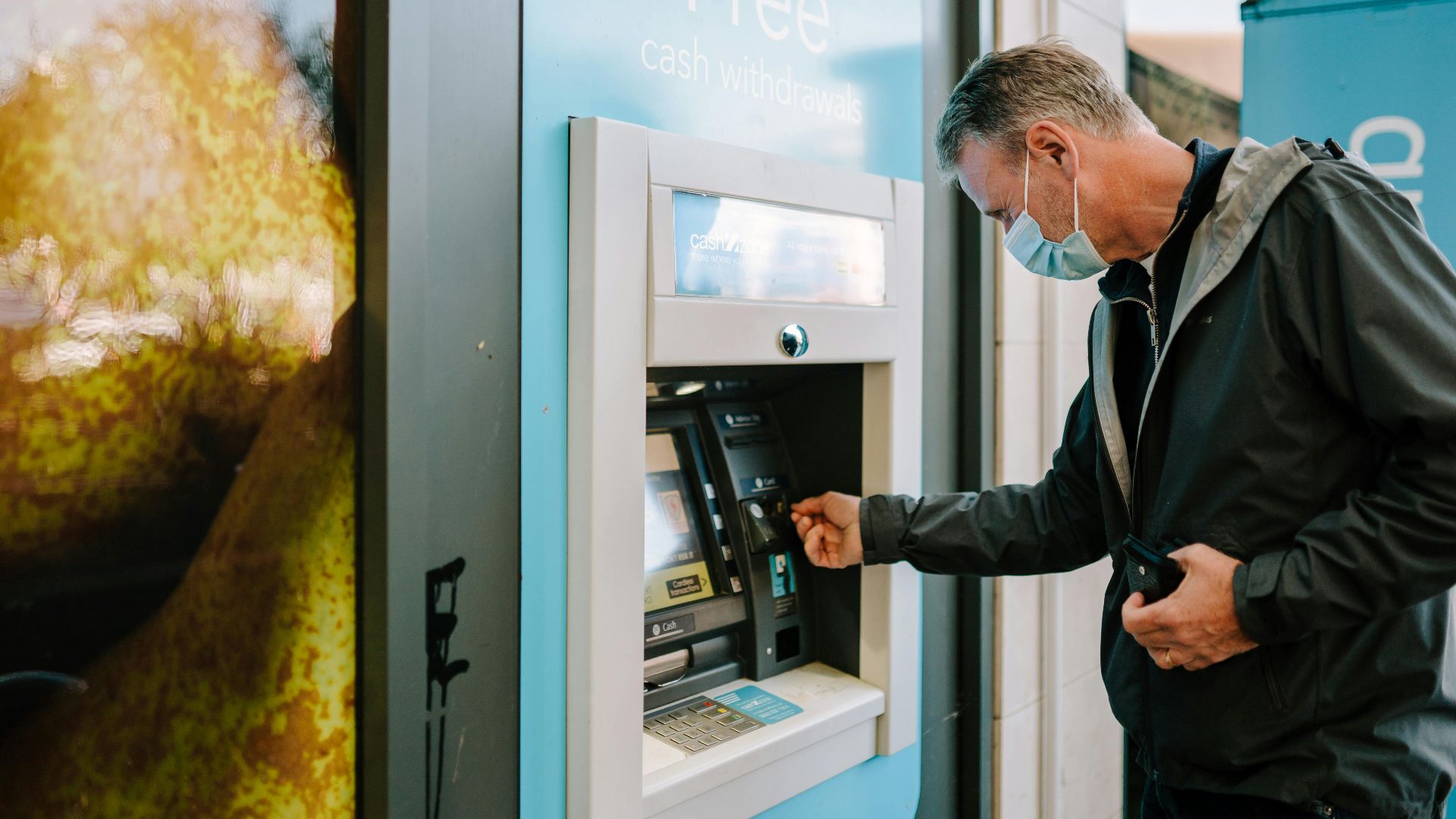
Under federal rules, banks generally cannot charge overdraft fees on one-time debit card purchases or ATM withdrawals unless you opted in. If you opt out, those transactions are more likely to be declined instead of going through with a fee attached. That can be annoying in the moment, but it is often much cheaper.
 Centre for Ageing Better, Pexels
Alerts Can Do A Lot Of Work
Most banks let you set low-balance alerts by text, email, or app notification. A warning when your account drops below a certain amount can give you time to move money or slow down spending. It is one of the easiest ways to stop a fee before it happens.

A Small Cushion Helps
If you can manage it, keeping even $25 or $50 extra in checking can save you a lot of trouble. That buffer can absorb a delayed bill, a subscription charge, or a temporary card hold. It is not always possible, especially when money is tight, but even a small cushion can make a difference.

Overdraft Protection Is Not Always Free
Some banks let you link a savings account, credit card, or line of credit for overdraft protection. That can be cheaper than a standard overdraft fee, but it can still come with transfer fees or interest charges. It is worth comparing the backup option with the bank’s regular overdraft policy before signing up.

You Can Ask For A Refund
If this was a one-time mistake, call the bank and ask for a courtesy reversal. Many institutions will waive a fee for customers with a solid history, especially if the account is quickly brought positive again. Be polite, be direct, and ask if they can make a one-time exception.

Bill Timing Matters
If your paycheck usually arrives on the 1st and the 15th, it helps to line up automatic payments around those dates when possible. Spacing out bills can lower the odds that several charges hit before a deposit clears. It is not perfect, but it can cut down on accidental overdrafts caused by timing.

Keep An Eye On Pending Charges
Debit card purchases can sit in pending status before they fully post. While that is happening, your available balance may be lower than your current balance. That gap is where a lot of confusion starts. If you only look at the bigger number, you may think you have money that is already spoken for.

Sometimes The Account Itself Is The Problem
If you keep getting hit with these fees, the issue may be the account, not just your spending. A low-fee or no-overdraft account may be a better fit if your income comes in unevenly or your balance often runs close to zero. With some major banks changing their policies, comparison shopping is more useful now than it used to be.
 Fractal Pictures, Shutterstock
So, Is It Backwards?
From a customer’s point of view, yes. Charging someone a fee for not having enough money feels fundamentally upside down. From the bank’s side, the fee has long been framed as the cost of covering risk or handling failed payments. But the trend in recent years suggests regulators and consumers have been gaining ground, even if the fee has not disappeared completely.

The Bigger Point
These fees are not always fixed, and they are not always unavoidable. The rules shifted in 2010. Pressure ramped up in 2021 and 2022. New proposals arrived in 2024. If your bank is still charging you for being broke, it may be worth pushing back, asking questions, and looking at a bank that no longer does it.