The Price Tag Is Not Always The Price
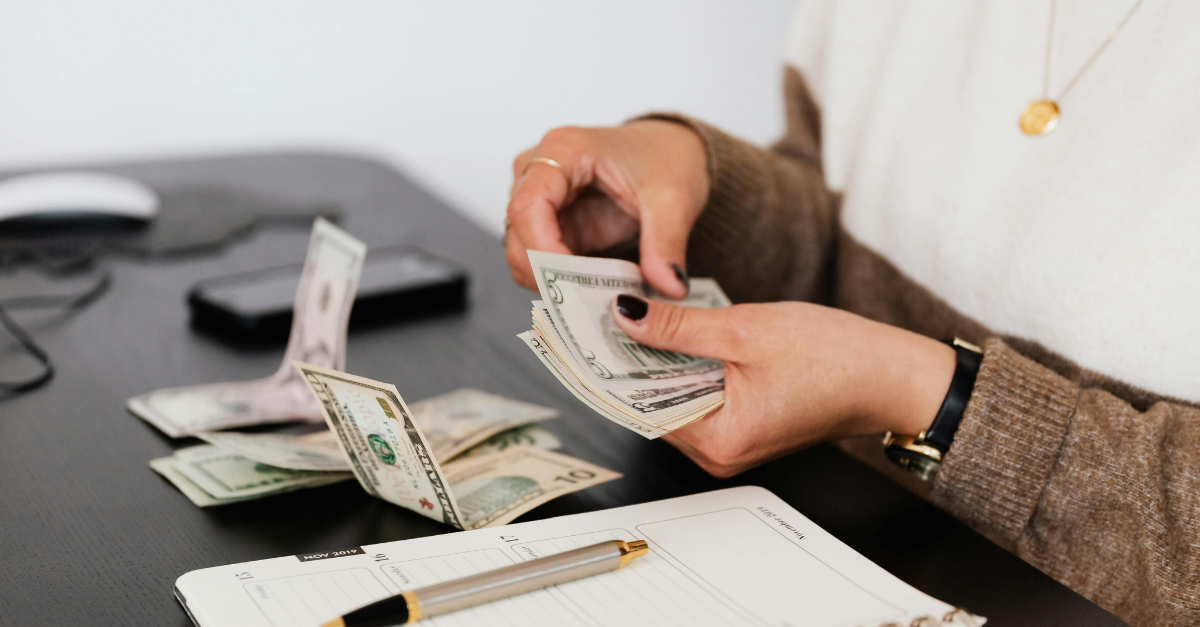
A $100 purchase can cost more than $100 depending on how you choose to pay for it. Credit card interest, checkout surcharges, overdrafts, installment-plan fees, currency conversion, and instant-transfer charges can all increase the final cost after the shopper has mentally committed to buying. Some appear in small print at checkout, while others do not show up until a statement or account notification arrives days later. Knowing where those extra costs hide can make choosing a payment method almost as important as choosing the product itself.
Credit Cards Can Turn One Price Into Another
Paying by credit card does not automatically make a purchase more expensive, especially when the balance is paid in full on time. The equation changes when a balance is carried, because many issuers calculate interest using daily balances. That means the cost of yesterday's shopping can keep rising even though the item itself has long since left the store.
The Grace Period Is Worth Protecting
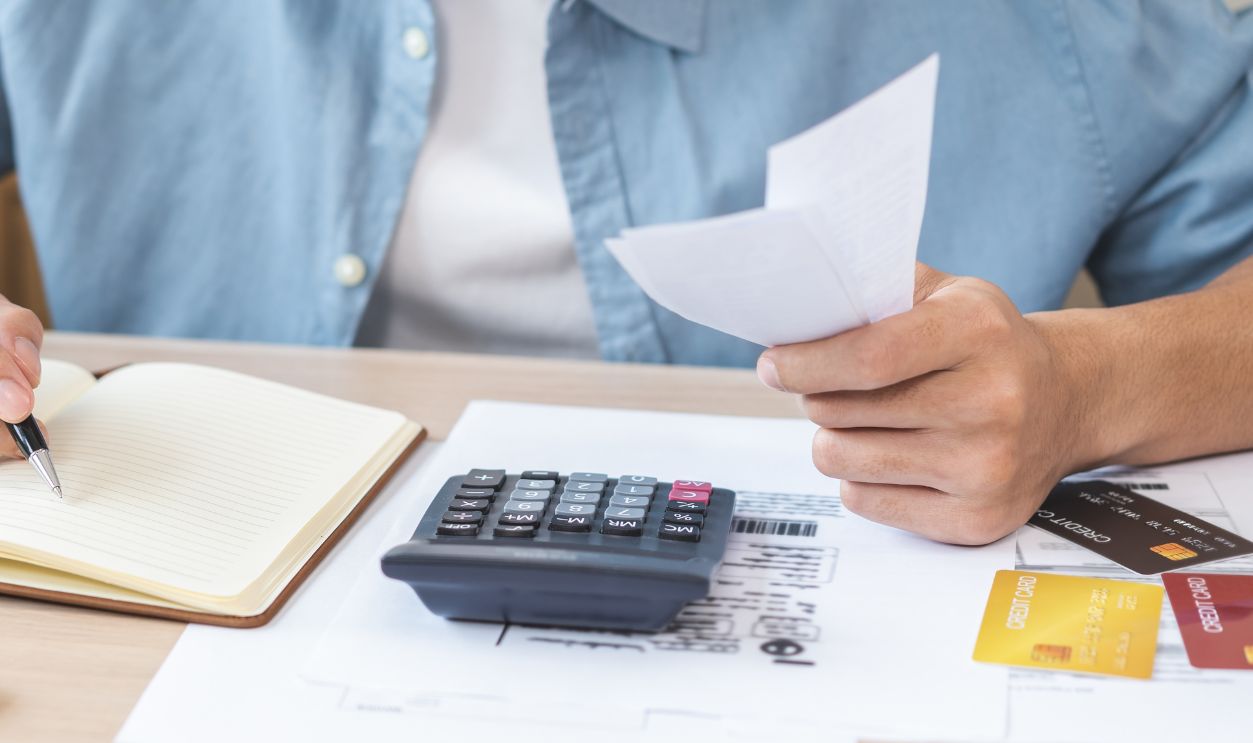
Most credit cards provide a grace period on purchases, allowing cardholders who qualify to avoid interest by paying the balance in full by the due date. Carrying a balance can cause that protection to disappear, and new purchases may then begin accruing interest from the date of each transaction. A shopper who assumes every new purchase gets several interest-free weeks can therefore underestimate its real cost.
Minimum Payments Can Feel Cheaper Than They Are
The minimum payment shown on a credit card bill is designed to keep the account current, not necessarily to eliminate the debt quickly. Federal rules require card statements to warn that making only minimum payments generally means paying more interest and taking longer to repay the balance. The CFPB notes that minimum-only repayment can stretch a balance out for years, which is why paying more than the minimum whenever possible can materially cut borrowing costs.

Cash Advances Are A Different Kind Of Swipe
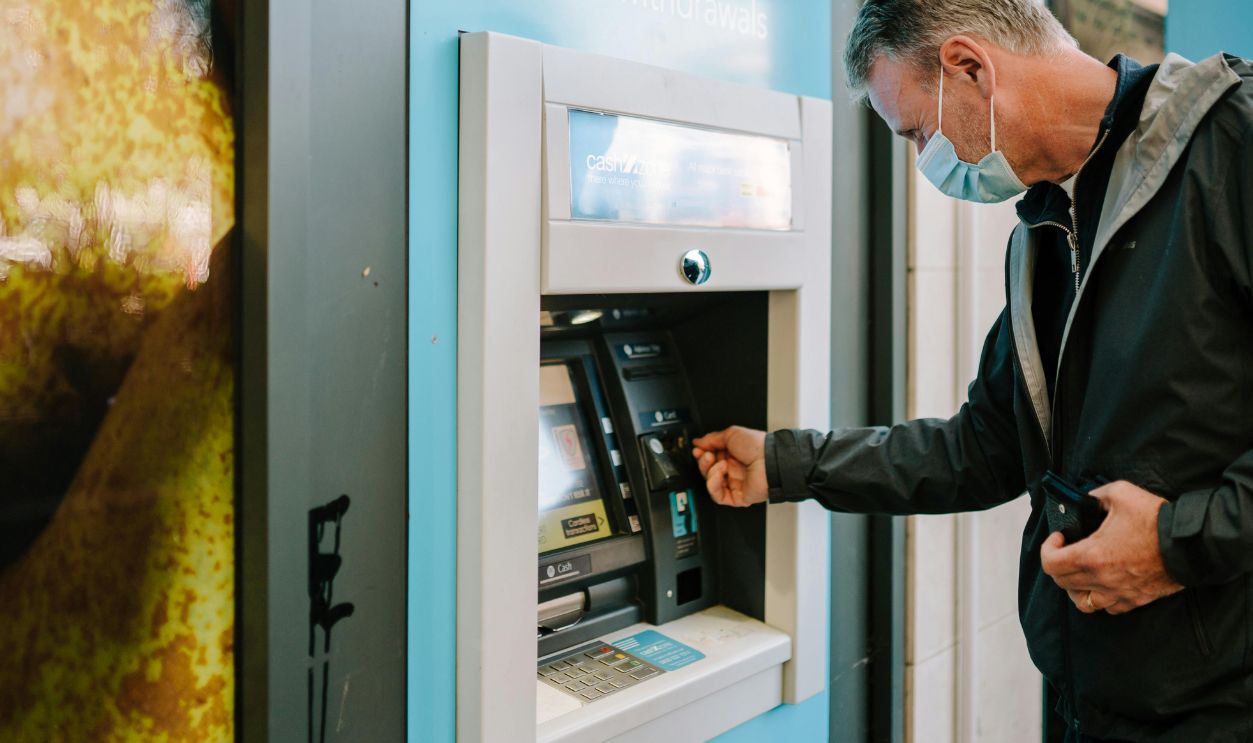
Using a credit card to get cash may look like another way of using the same account, but the pricing can be very different. Card issuers can apply separate interest rates to cash advances, and grace periods generally do not apply, so interest can begin on the transaction date. The card issuer may also charge a cash-advance fee, and an ATM operator may impose a separate ATM surcharge.
 Centre for Ageing Better, Pexels
Store Cards Deserve A Closer Look
A discount offered at the register can make opening a retail credit card feel like instant savings. However, the CFPB has found that retail cards can carry high borrowing costs and frequently include promotional financing structures that require careful attention. Before trading a one-time discount for a new account, shoppers should compare the card's ongoing APR and fees with cards they already carry.

“No Interest If Paid In Full” Has An Important If
Deferred-interest promotions are commonly advertised on purchases such as appliances, electronics, and furniture. If the entire promotional balance is not paid by the deadline, interest may be imposed based on balances going back to the original purchase period rather than simply starting after the promotion expires. That makes the payoff date one of the most important pieces of fine print on the receipt or financing agreement.

Zero Percent And Deferred Interest Are Not The Same
A true zero-percent promotional APR and a deferred-interest offer can sound nearly identical at checkout. With a standard zero-percent promotion, interest generally begins on any remaining balance after the promotional period, while deferred-interest financing can impose previously deferred interest if the terms are not satisfied. Shoppers should look for language such as “if paid in full” rather than assuming every interest-free offer works the same way.

The Checkout Surcharge Can Arrive At The Last Second
Some U.S. merchants add a surcharge when customers pay with a credit card. Card-network rules require disclosures, but that does not guarantee shoppers will notice the fee before they have already decided to purchase. Visa's current U.S. rules generally restrict its surcharges to credit cards rather than debit or prepaid cards and impose limits on what participating merchants may charge.

Online Checkout Makes Small Fees Easy To Miss
Digital shopping can make payment-related fees particularly easy to overlook because the final total may change only after a card type has been selected. Visa requires merchants that impose permitted surcharges to disclose them in connection with online as well as in-person transactions, while Mastercard likewise requires consumer disclosure of surcharging practices. The practical lesson is simple: compare the final payment screen with the subtotal instead of treating the first displayed price as the amount that will necessarily hit the card.

A Convenience Fee Is Not Always Convenient For Your Wallet
Payment systems sometimes charge for using a particular channel rather than for the underlying bill itself. Visa's rules distinguish convenience fees from ordinary credit card surcharges and generally describe a convenience fee as payment for a genuine alternative payment channel. When a free bank transfer, check, or other standard route exists, paying for the “convenient” option can quietly increase an otherwise fixed bill.

Even Paying The Government Can Carry A Processing Cost
The IRS provides a striking example of why payment method matters even when the amount owed is nonnegotiable. Its card-payment page shows that third-party processors charge fees for debit and credit card tax payments, while other IRS electronic payment methods may avoid those card-processing charges. Anyone paying a large bill should check the fee before entering card information because a percentage-based charge grows along with the payment.

Debit Cards Can Trigger Costs After Checkout
Debit cards avoid credit card interest, but that does not make every debit purchase risk-free. If a consumer has opted into overdraft coverage for one-time debit purchases or ATM withdrawals, a bank may approve a transaction despite insufficient funds and then charge an overdraft fee. Many institutions charge $30 or more per overdraft, according to the CFPB, so a relatively small purchase can become much more expensive.

Your Available Balance Can Be Deceptive
Overdrafts can be difficult to anticipate because deposits, withdrawals, holds, and other transactions do not always update in the order a consumer expects. A balance that looks sufficient when a shopper taps a debit card may be affected later by another transaction settling against the account. Low-balance alerts and careful tracking of scheduled payments can help reduce the odds that an ordinary purchase produces an extraordinary fee.

An Out-Of-Network ATM Can Charge From Two Directions
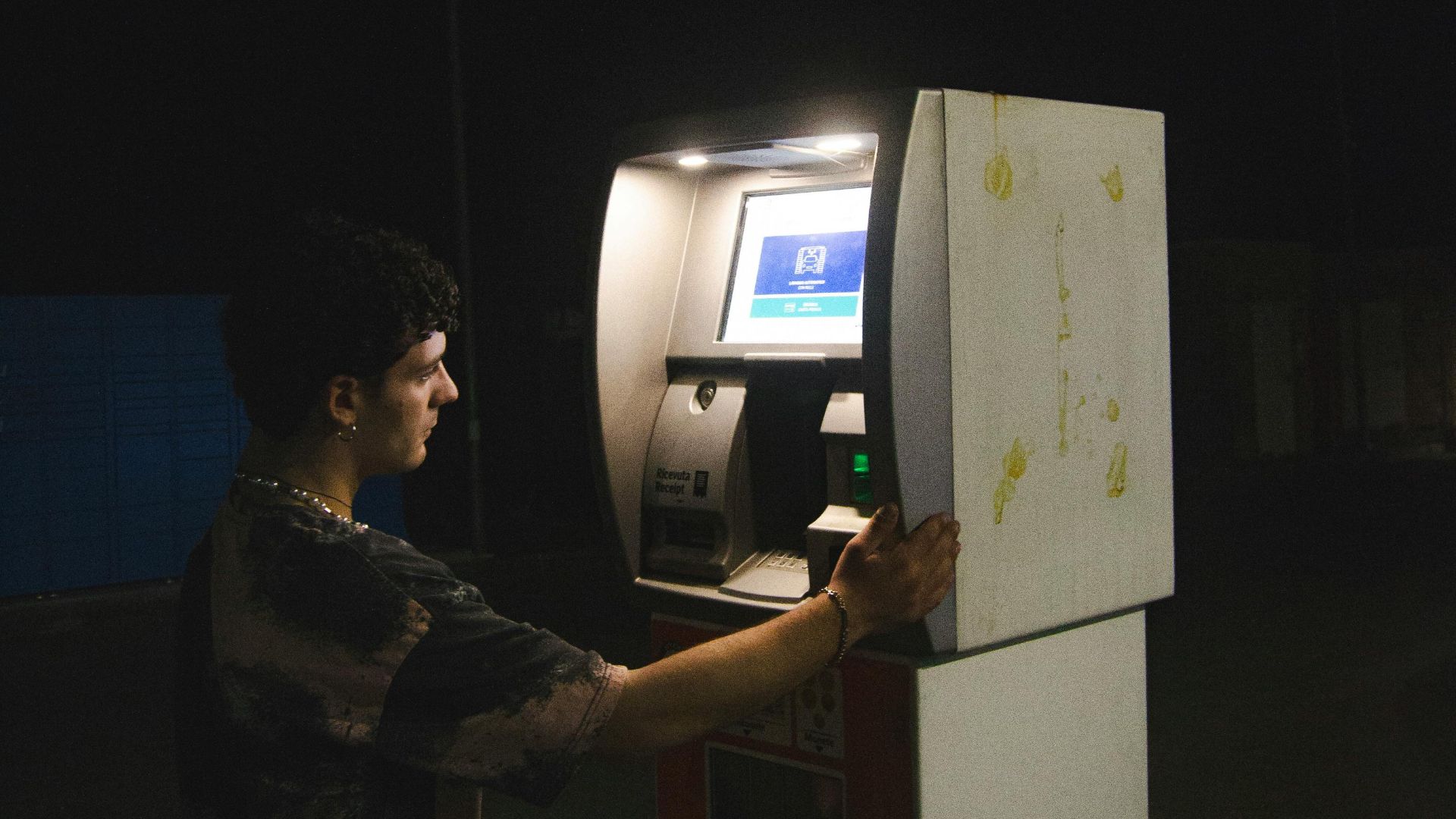
Getting cash from the nearest ATM can be considerably more expensive than finding one inside your bank's network. The ATM owner may impose a surcharge, while the consumer's own bank or credit union may separately charge for using an out-of-network machine. Checking an institution's ATM locator before withdrawing cash can therefore save money without requiring any change to the amount being withdrawn.
Cash Back At The Register Is Not Always Free
Requesting cash back with a debit purchase has traditionally offered shoppers an alternative to visiting an ATM, but some retailers charge for the service. A CFPB examination of cash-back fees noted that such charges can look modest compared with out-of-network ATM costs while still being substantial relative to a small cash withdrawal. Checking the register prompt before approving the transaction prevents a $20 withdrawal from unexpectedly carrying its own miniature access fee.
Buy Now, Pay Later Makes The Price Look Smaller
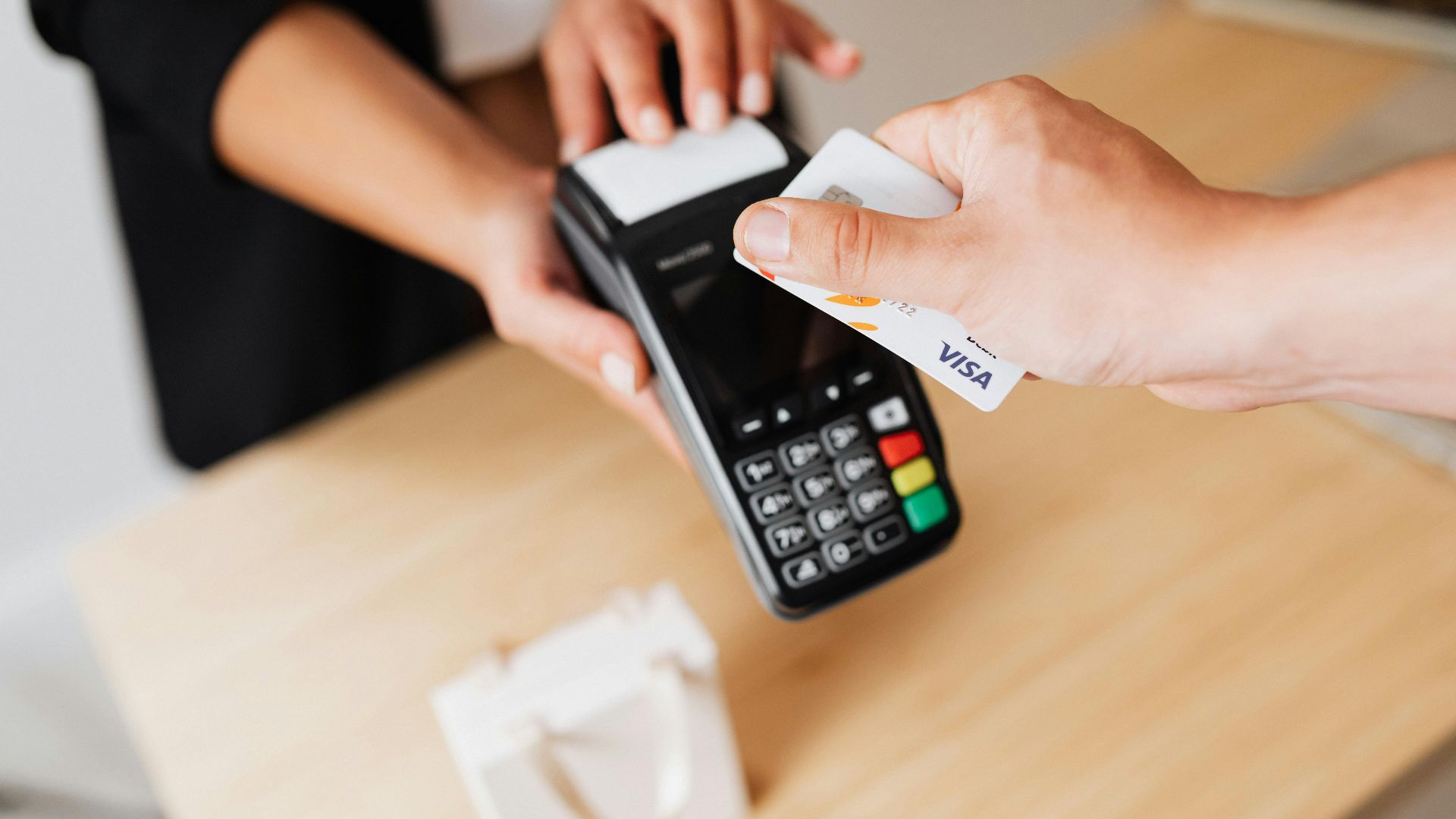
Buy now, pay later plans commonly divide a purchase into four or fewer installments, and many popular pay-in-four loans charge no interest. Presenting a purchase as several smaller payments can make the immediate hit to a shopper's budget look much lighter than the full retail price. The obligation has not disappeared, however, so shoppers should judge affordability using the total purchase and all outstanding installments rather than the amount due today.
 Aleksandra Sapozhnikova, Unsplash
Interest Free Does Not Mean Consequence Free
Many BNPL loans do not charge interest, but the CFPB says most charge late fees when scheduled payments are missed. Automatic repayment can create another problem if a linked bank account does not contain enough money, potentially leading to overdraft or insufficient-funds costs from the financial institution. The cheapest BNPL purchase is therefore one whose entire payment schedule already fits comfortably into the shopper's budget.

Several Small Payment Plans Can Become One Big Obligation
BNPL becomes harder to track when consumers have multiple loans running at the same time. CFPB research has examined repeated use and loan stacking across BNPL providers, reflecting how several individually manageable installments can coexist in one household budget. Before starting another plan, adding up every installment due during the next few pay periods gives a more realistic picture than looking only at the new purchase.

Payment Apps May Care Which Card You Choose
Sending money through a peer-to-peer app can be free with one funding source and costly with another. Venmo currently charges no fee for sending eligible domestic payments funded by a Venmo balance, debit card, or bank account, but lists a 3% fee when a credit card is used. A $500 transfer funded that way would therefore generate a $15 app fee before considering any separate consequences under the cardholder's own agreement.
Speed Can Have Its Own Price Tag
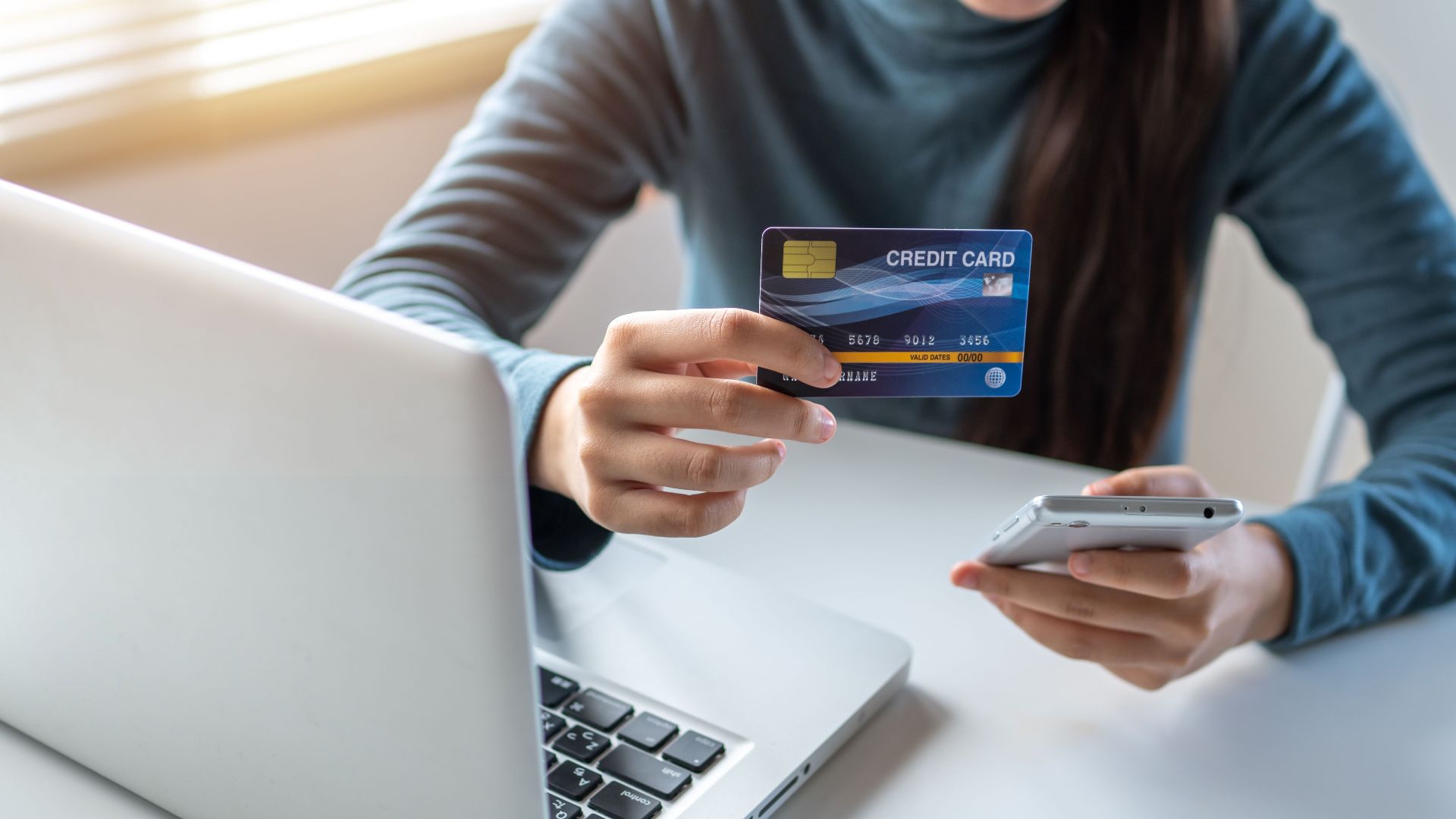
Payment apps frequently offer both standard and instant withdrawal options, and the faster choice can carry a fee. Venmo currently lists a percentage-based charge for Instant Transfers, while Cash App lists a fee for instant transfers to a bank but provides standard transfers without charge. If the money is not urgently needed, waiting for the standard transfer can preserve more of it.

PayPal Funding Choices Can Change The Fee
PayPal also makes funding source important for certain personal payments. Its U.S. consumer fee schedule currently lists domestic personal payments funded by a PayPal balance or bank account as fee-free, while card-funded personal payments carry a percentage fee plus a fixed fee. PayPal also distinguishes personal transfers from purchases for goods and services, so shoppers should choose the transaction type that actually matches what they are doing rather than focusing only on the easiest button.
A Foreign Fee Can Follow You Home
Americans do not necessarily have to travel abroad to encounter a foreign transaction fee. CFPB rules recognize that these charges can apply to purchases involving a foreign merchant, including certain transactions made through a merchant's website, depending on the card's terms. Checking a card's foreign transaction policy before buying from an overseas seller can prevent an extra percentage from appearing later on the statement.
Paying In Dollars Abroad Can Be The Expensive Choice
A foreign checkout terminal may offer an American traveler the reassuring option to see and pay the bill in U.S. dollars. This process, known as dynamic currency conversion, uses a conversion offered by the merchant or ATM and can include an exchange-rate markup or additional fee. Visa advises consumers to review the exchange rate and fees and says cardholders must be allowed to accept or decline the conversion, so choosing the local currency is often worth considering instead.
Prepaid Cards Can Have A Menu Of Fees
Prepaid cards can help consumers spend from money already loaded onto an account, but their fee structures vary widely. CFPB guidance identifies possible charges including monthly fees, per-purchase fees, ATM withdrawals, cash reloads, balance inquiries, bill payments, foreign transactions, and other services. The cheapest prepaid card is therefore not necessarily the one with the lowest purchase price, but the one whose fee schedule best matches how the owner will actually use it.

Inactivity Can Cost Prepaid Card Users Too
Some prepaid accounts charge an inactivity fee after the card has gone unused for a specified period. CFPB rules require providers to disclose applicable prepaid fees before a consumer chooses the account, but those details can still be easy to forget months later. Anyone keeping a prepaid card as an emergency backup should review its agreement instead of assuming an untouched balance will remain unchanged indefinitely.

Gift Cards Have Protections, But Read The Terms
Federal rules sharply restrict dormancy, inactivity, and service fees on covered gift cards. Such fees generally cannot be imposed until there has been at least one year without activity, and no more than one qualifying fee may be assessed in a calendar month when the regulatory conditions are met. Those protections are valuable, but shoppers should still examine fee and expiration disclosures rather than treating every prepaid or promotional product as identical.
The Cheapest Payment Method Depends On The Transaction
There is no single payment method that wins every time. A rewards credit card paid in full can behave very differently from the same card carrying a balance, while debit can avoid interest yet expose an opted-in account to overdraft risk, and an app transfer can move from free to fee-based when the funding source or speed changes. The useful habit is to ask four questions before approving a payment: what is the final checkout total, what fees can appear later, will this create debt, and is there a cheaper way to complete the same transaction?

A Ten-Second Check Can Save Real Money
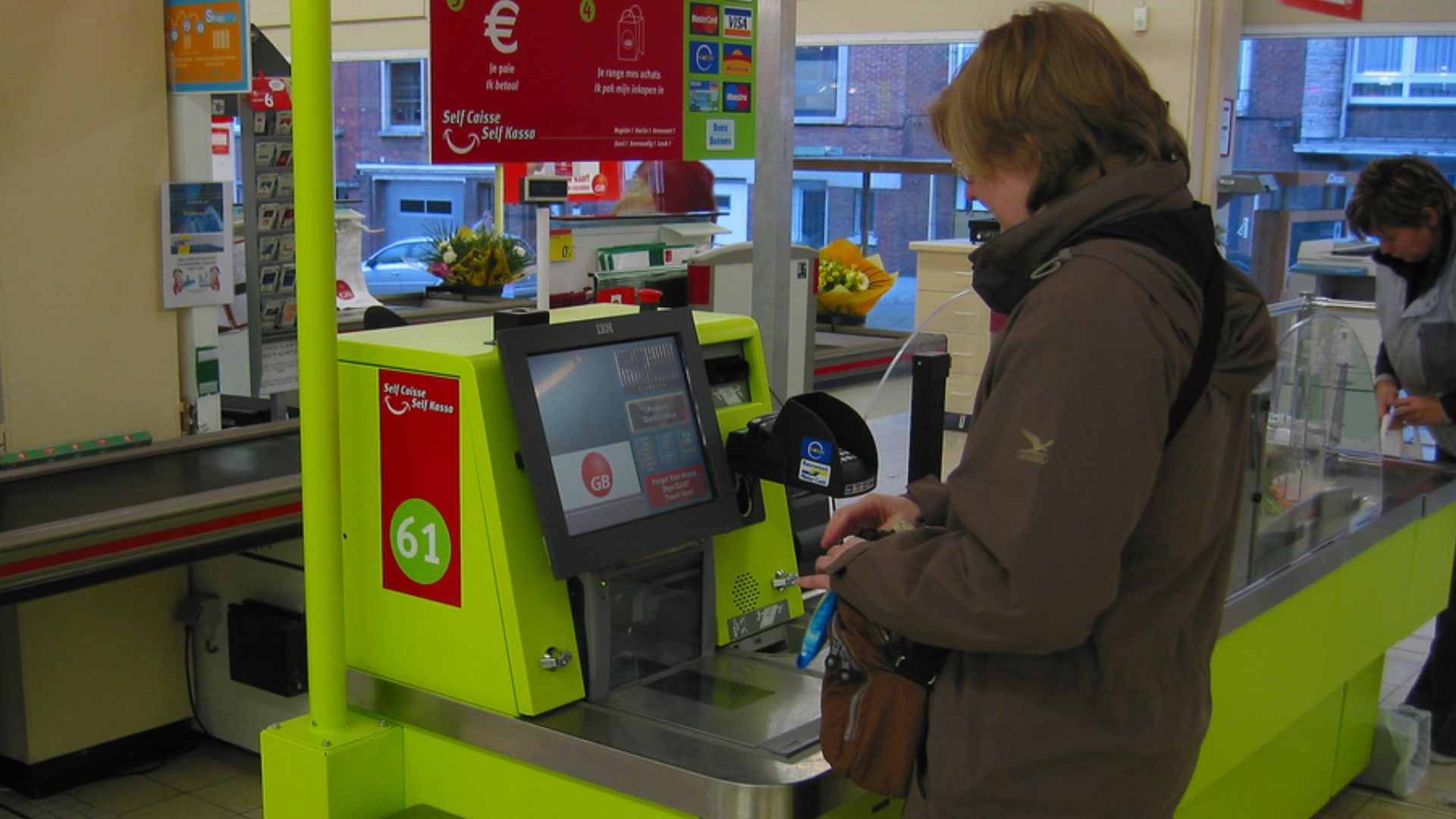
Before tapping, swiping, or clicking “Pay,” compare the final total with the advertised price and check whether the selected method adds a surcharge or service fee. For borrowed money, read the APR, promotional deadline, and repayment terms, while travelers should check foreign transaction fees and decline unwanted currency conversion when it does not make financial sense. Payment technology has made spending nearly frictionless, which makes adding a little deliberate friction of your own one of the easiest ways to keep more money in your pocket.
 Sven Dowideit, Wikimedia Commons
You may also like:
Sources: 1, 2, 3, 4, 5, 6, 7, 8, 9, 10, 11, 12, 13, 14, 15, 16, 17, 18, 19, 20, 21, 22, 23, 24