
Everyone Keeps Bringing This Up
The phrase Latte Factor keeps popping up in money conversations. It shows up in finance books, podcasts, and investing advice, often mentioned like it’s some kind of simple trick for building wealth. But if the idea is really that simple…why isn’t everyone doing it?

Where The Latte Factor Came From
The term Latte Factor is closely associated with financial author David Bach, who built the idea into his financial advice and later into the book The Latte Factor. The concept argues that small, routine purchases can quietly add up to meaningful amounts of money over time.
 Jhunelle Francis Sardido, Unsplash
It’s Not Actually About Lattes
Despite the name, the Latte Factor is not specifically about coffee. It represents any small purchase made frequently—things like snacks, convenience buys, delivery fees, or digital subscriptions. Because these purchases feel minor, people often overlook how frequently they happen.

The Basic Math Behind The Idea
A common example used to explain the Latte Factor is spending about $5 per day on a small habit. That equals about $35 per week, roughly $150 per month, and approximately $1,825 over the course of a year.
 Xchangerjunior, Wikimedia Commons
Over A Decade It Gets Bigger
If that same $5-per-day habit continues for ten years, the total spending reaches about $18,250. For many households, that amount equals several months of rent or the cost of a used car depending on where they live.

Investing Changes The Equation
The Latte Factor becomes more interesting when the money is invested instead. If $1,825 were invested each year with an average 7% annual return, it could grow to roughly $37,000 after 15 years.

Compounding Does The Heavy Lifting
The reason those numbers grow so significantly is compound growth. When investments earn returns, those returns begin generating their own returns. Over long periods, compounding can turn relatively small contributions into substantial amounts of money.

People Often Underestimate Small Spending
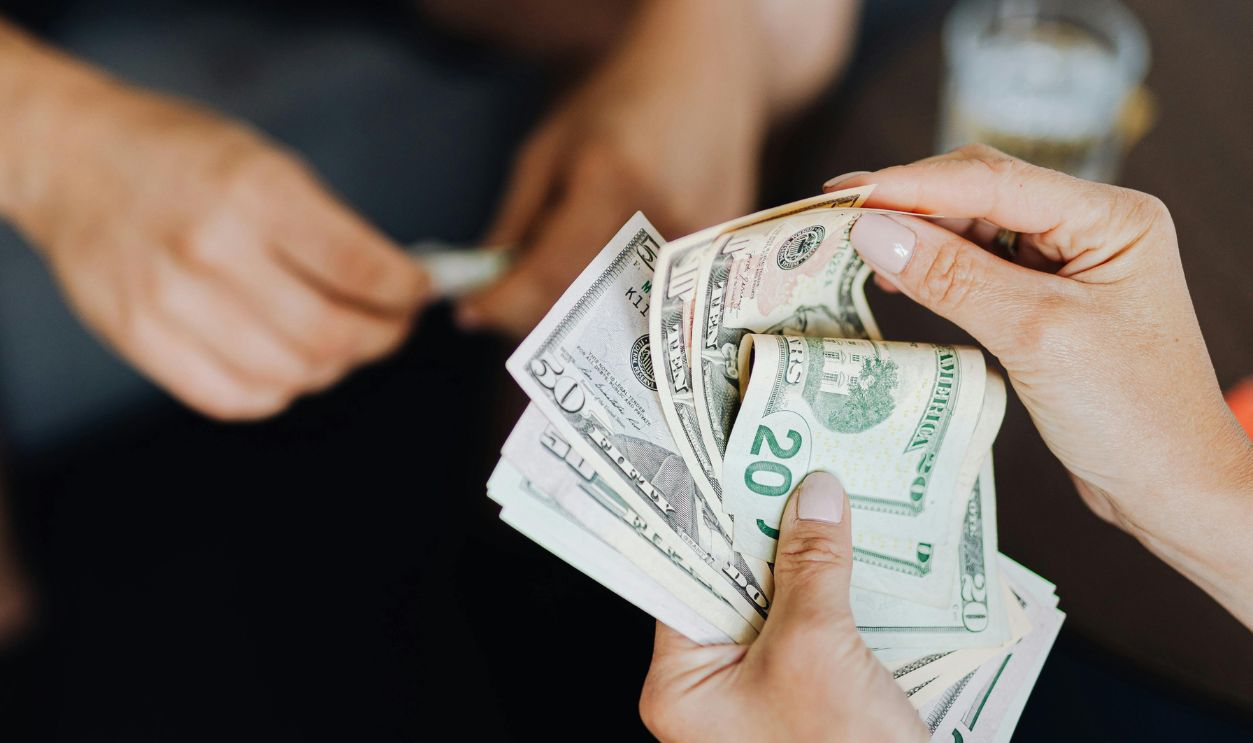
Research shows many people underestimate their everyday spending. A survey from Slickdeals found Americans believed they spent about $92 per month on impulse purchases, but the reported average was closer to $183.
 Karolina Grabowska www.kaboompics.com, Pexels
Subscriptions Are A Modern Example
Today, recurring subscriptions have become a major version of the Latte Factor. A survey by C+R Research found the average American spends about $219 per month on subscriptions including streaming services, apps, and memberships.

Many People Guess Much Lower
Participants in that same survey estimated their subscription spending at about $86 per month. That means many people underestimated their recurring expenses by more than half without realizing it.

Why Small Purchases Feel Harmless
Behavioral finance research shows people react much more strongly to large expenses than small ones. A $5 purchase rarely feels painful in the moment, which makes it easy for those expenses to repeat frequently without much attention.

Why Small Savings Matter More Than People Think
The U.S. personal savings rate has hovered around roughly 3–4% of disposable income in recent years, according to the Bureau of Economic Analysis. When households save only a small portion of their income, everyday spending habits can have a bigger influence on financial progress.

Why Building Small Savings Matters
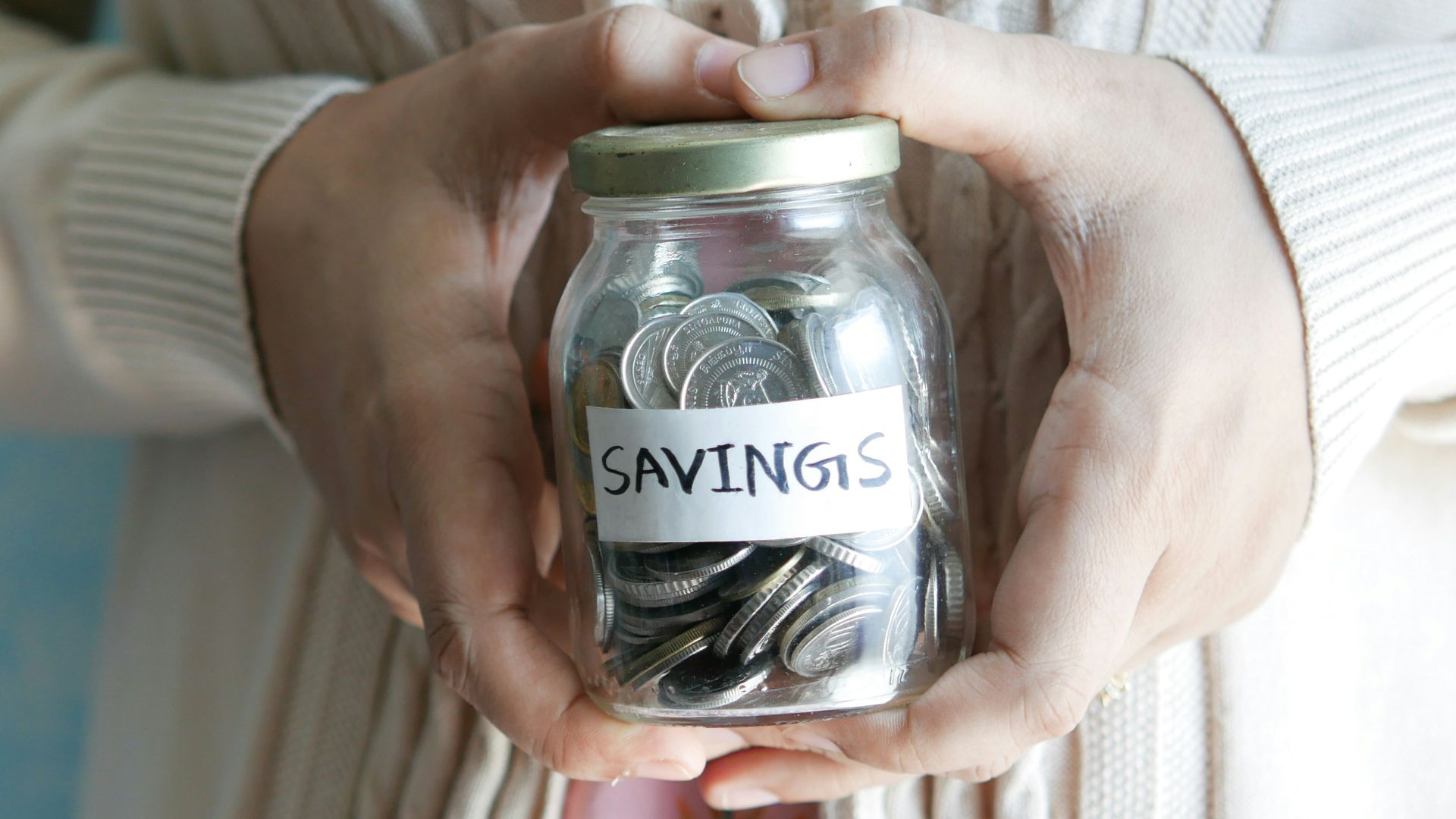
The Federal Reserve’s Survey of Household Economics found about 37% of Americans would struggle to cover a $400 emergency expense using cash or savings. Even small, consistent saving habits can help build the kind of financial cushion many households currently lack.
Some Experts Think It’s Overrated
Not every financial expert supports the Latte Factor idea. Critics argue that focusing too much on tiny purchases can distract people from larger financial decisions that often have a much bigger impact.

The Real Weakness Of The Latte Factor
One of the biggest criticisms of the Latte Factor is that it can oversimplify financial struggles. Cutting small purchases alone rarely solves deeper issues like low income, rising housing costs, or high debt.

Big Expenses Usually Matter More
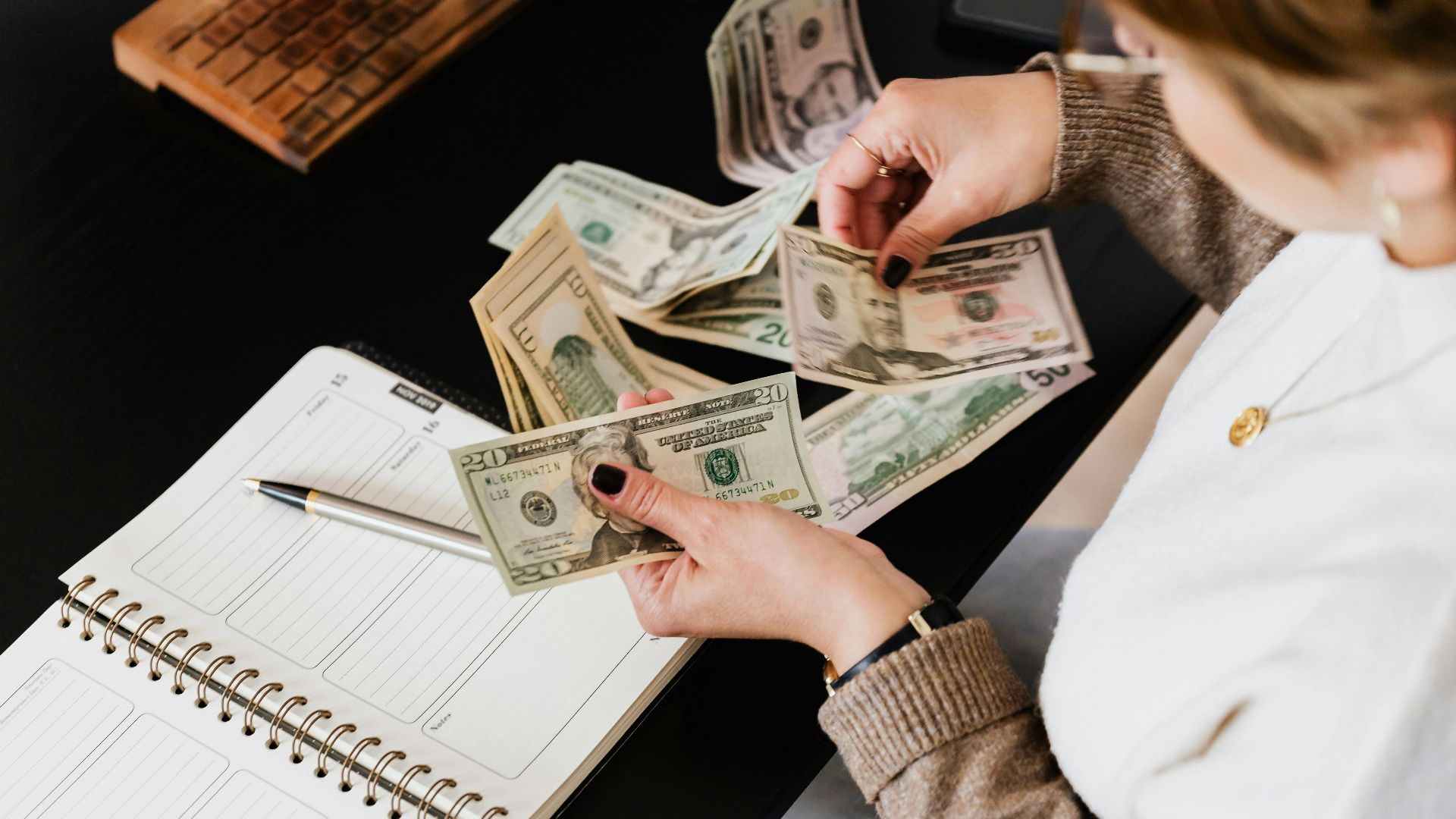
Data from the U.S. Bureau of Labor Statistics shows housing typically accounts for about 30–33% of household spending. Transportation often adds another 15–17%, making those categories far more significant financially than most small daily purchases.
But Habits Still Matter
Even critics acknowledge that financial habits play an important role in long-term outcomes. Consistently saving small amounts can build momentum and reinforce behaviors that support stronger financial decisions over time.

Awareness Is Often The Real Benefit
One of the biggest benefits of the Latte Factor concept is awareness. When people begin tracking everyday spending, they often discover recurring purchases they did not realize were happening so frequently.

Financial Knowledge Helps Too
Research from the Federal Reserve shows financial literacy is strongly linked to households having liquid savings available. Greater awareness and understanding of money decisions can improve short-term financial resilience.

Small Daily Savings Add Up Quickly
Saving $10 per day instead of spending it equals $3,650 per year. Invested annually with a 7% return, that amount could grow to roughly $74,000 in 15 years and more than $340,000 in 30 years.

Technology Makes It Easier Today
Modern financial tools make saving small amounts easier than ever. Some apps automatically round purchases up to the nearest dollar and invest the spare change, turning everyday transactions into small investments.

Spending Is Often Emotional
Behavioral economists have found that many financial decisions are driven by emotion rather than logic. Small purchases often deliver instant gratification, while saving money offers a delayed reward that may feel less satisfying in the moment.

It Doesn’t Mean Cutting Everything
Financial planners often emphasize that the Latte Factor does not mean eliminating every small enjoyment. The goal is simply to be intentional with spending and ensure everyday habits align with long-term financial goals.

Why The Idea Keeps Coming Back
The Latte Factor continues to appear in financial discussions because it is easy to understand. It connects everyday spending habits with long-term financial outcomes in a way that makes saving and investing feel more achievable.

The Real Answer
Can the Latte Factor actually make someone rich? Probably not on its own. However, the habits behind the concept—awareness, consistent saving, and long-term investing—can play a meaningful role in building wealth over time.

You Might Also Like:
I sold old personal items online and made $1,200. Do I really have to report that to the IRS?
I make over $400,000 a year but I still feel so broke. What’s wrong with me?