Back To Basics
It’s easy to get lost in the latest financial advice, but sometimes going back to simpler strategies works wonders. These strategies have been around for decades and are worth bringing back into your routine.

Paying With Cash More Often
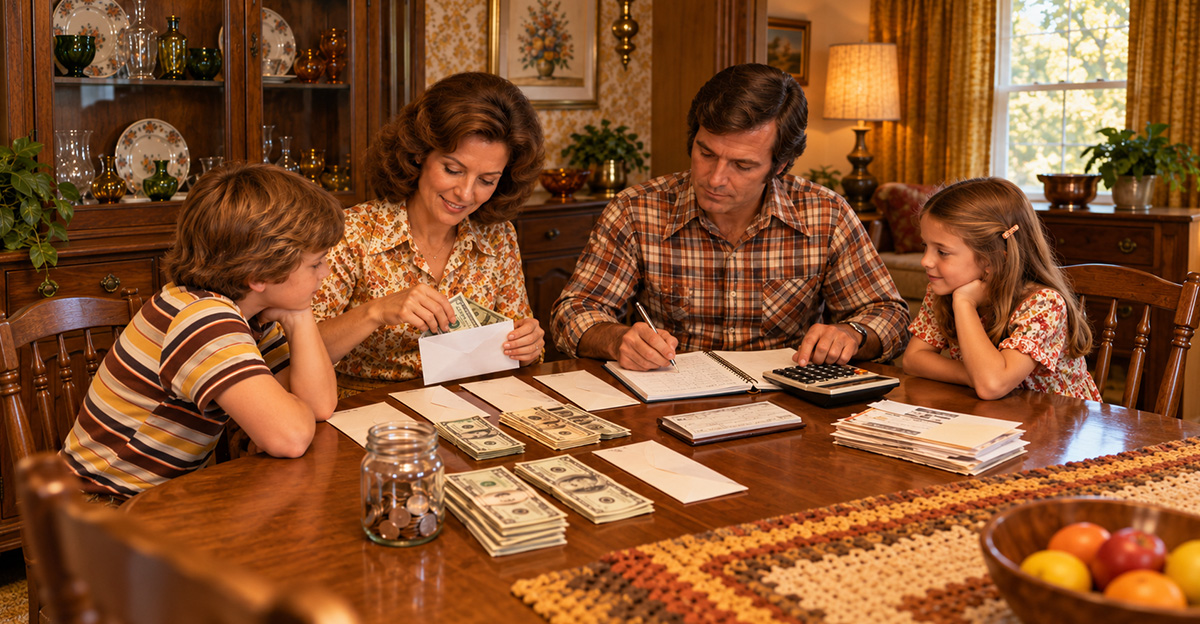
While digital payments dominate today's economy, the humble dollar bill offers surprising financial wisdom for a new generation. Cash transactions create a natural brake on impulse spending due to their tangible nature. Cash also enables savvy price negotiations with vendors and eliminates the burden of credit card interest.

Keeping A Written Budget
Financial wisdom passed down through generations affirms the power of written budgeting, a practice that transformed from meticulous household ledgers into sophisticated spreadsheet tracking in the past. This foundational approach to money management continues to help people monitor their income and expenses.
 Photo By: Kaboompics.com, Pexels
Saving Loose Change In A Jar
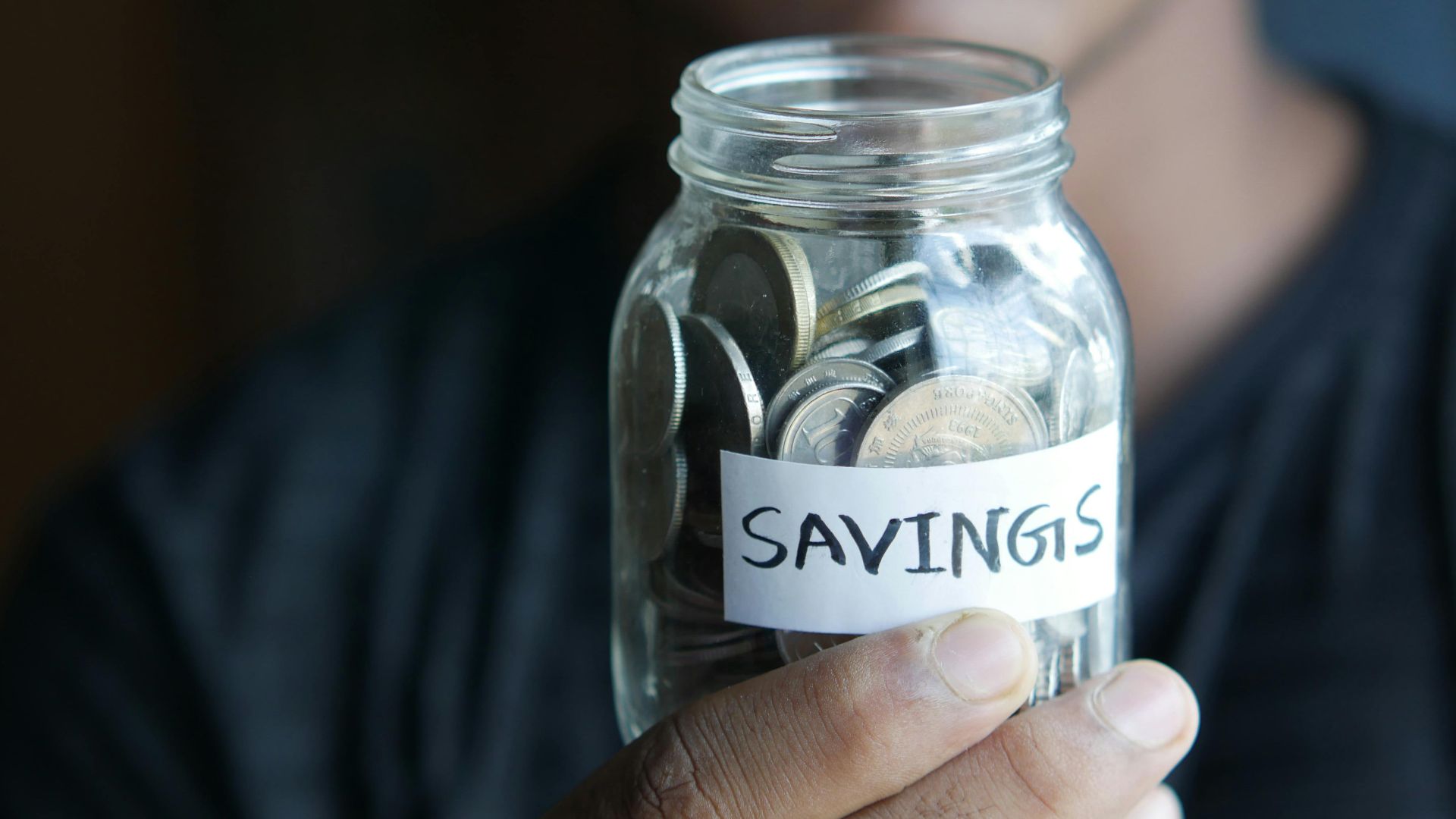
Unexpected expenses can strain any household budget, but a time-tested solution lies in the simple practice of collecting loose change. Implementing this method proves invaluable during tough times, as families could use the accumulated cash to purchase supplies. That piggy bank you have? Use it.
Writing Checks For Bills Instead Of Online Payments
Before digital banking emerged, people relied heavily on checks as a traceable alternative to cash payments. Modern online payment systems now offer enhanced security and faster processing, although some bill payers still gravitate toward traditional check writing for better tracking.

Making Savings A Priority Over Spending
Before WWII, most Americans treated savings as an afterthought, handling their cash or check payments with little strategic planning. However, wartime bonds sparked a revolutionary shift in financial mindset, paving the way for the transformative “pay yourself first” philosophy. This helps households build genuine security and resilience through proactive saving.

Using Coupons Regularly
The coupon launch rippled through generations to become a household survival strategy during inflation crunches. Today's extreme couponers honor this legacy, transforming modest paper slips into remarkable savings that can slash entire grocery carts to pocket change.

Walking Or Biking To Save On Transport
The crushing burden of vehicle maintenance and fuel costs leaves many searching for financial relief in their daily commute. Walking and biking emerge as time-tested solutions, proven to be powerful during crises. Better still, today's employers and local governments sweeten the deal with incentives for choosing active transportation.

Avoiding Credit Card Debt
Our impulse to swipe first and think later reveals why some consumers literally freeze their credit cards in ice to create a psychological barrier against purchases. This mindful pause reflects hard-earned wisdom, as uncontrolled spending can spiral into crushing interest payments and persistent financial stress.

Saving A Percentage Of Income Automatically
Modern banks's innovative "round-up" programs, which automatically sweep spare change from purchases into savings, exemplify how automated saving has evolved since the 1970s. This hands-off approach, from employer-sponsored retirement deductions to scheduled transfers, removes spending temptations and helps individuals build wealth more consistently by making saving effortless and systematic.

Paying Off Debt Quickly
The shock of the 2008 Financial Crisis taught a generation about debt's devastating potential, forever reshaping attitudes toward borrowing. Today's savvy consumers embrace rapid repayment strategies like the debt snowball method, methodically eliminating smaller balances while slashing interest costs.

Stockpiling Essentials
Building a home supply of essentials provides households with practical protection while reducing the frequency of shopping. This preparedness strategy proved vital during COVID-19, when toilet paper shortages sparked widespread stockpiling behaviors. Such household resilience helps communities better weather economic downturns and supply chain disruptions.
 Photo By: Kaboompics.com, Pexels
Investing In Real Estate For Long-Term Gain
At its foundation, real estate investment offers remarkable stability through steady appreciation and reliable income streams. Having this as a bedrock of financial security naturally extends to building lasting family wealth, while simultaneously providing a proven shield against the erosive effects of inflation.

Having A “Rainy Day” Fund
Life's unexpected expenses can strain even the most careful budgets, but maintaining a dedicated "rainy day fund" gives you proven protection. By keeping emergency funds in separate, accessible accounts, individuals create essential financial buffers when quick access to liquid funds becomes paramount.

Plan Big Purchases Beforehead
Those spontaneous, gotta-have-it-now purchases might feel good in the moment, but they're silently sabotaging financial futures and derailing budget goals across generations. Smart shoppers are fighting back by embracing the 24-hour rule and maintaining wish lists, powerful tools that create breathing room between wanting and buying.

Growing Your Own Food
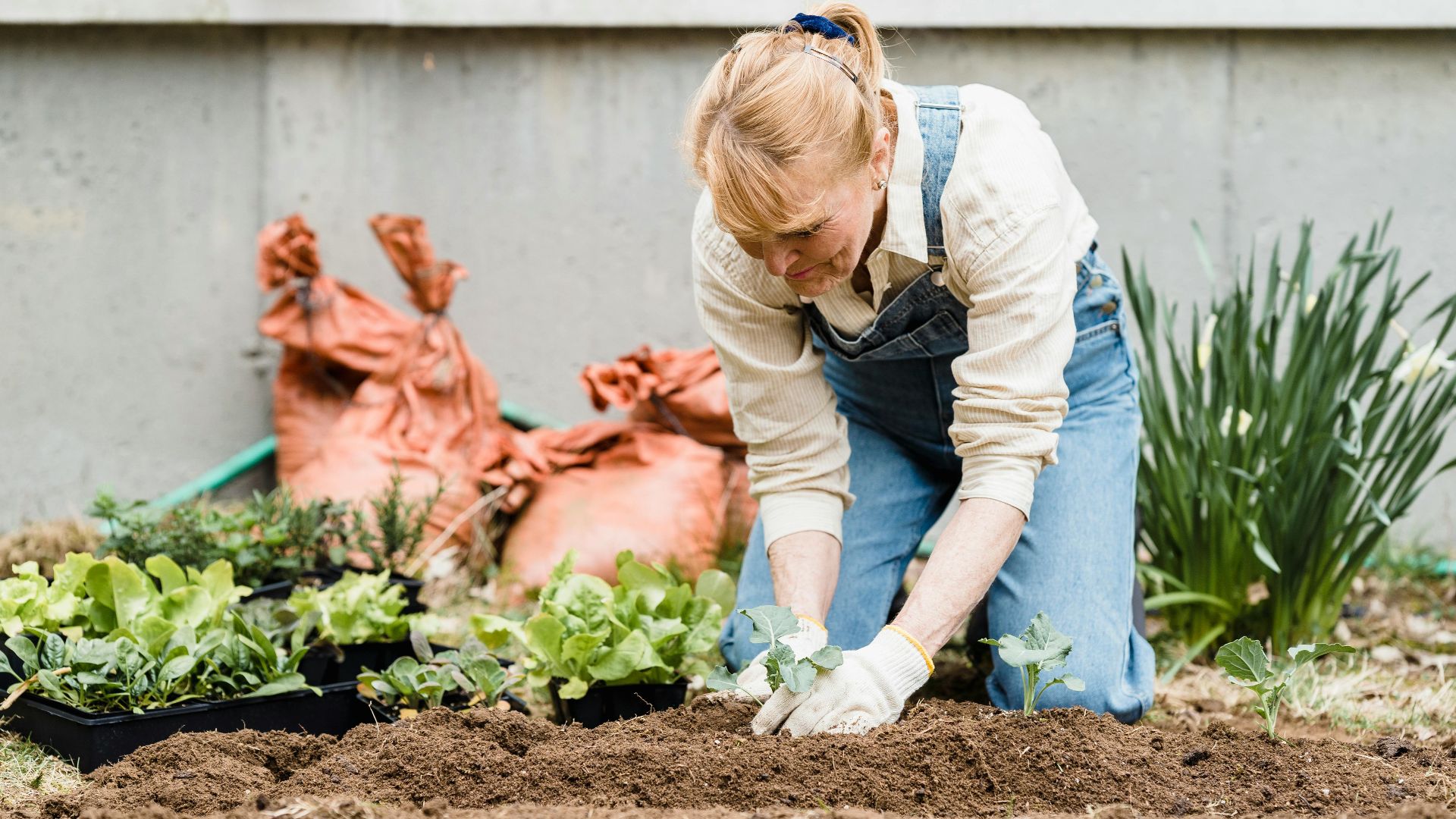
From wartime victory gardens that bolstered national food security to modern community plots serving urban residents, home cultivation remains a proven buffer against economic uncertainty. Today's gardeners not only trim grocery bills through fresh homegrown produce but also strengthen food system resilience by preserving irreplaceable heirloom varieties.
Cooking From Scratch To Save Money
Treasured family recipes, once lovingly passed between generations, are finding renewed purpose in today's budget-conscious kitchens. This culinary heritage, which sparked widespread interest during the pandemic's home-baking renaissance, offers more than nostalgia; it provides practical solutions for households seeking to control portions, ingredients, and costs compared to restaurant dining.

Hand-Me-Down Clothing And Furniture
What began as a necessity has evolved through generations of family hand-me-downs into a modern sustainability movement. The practice of reusing clothing and furniture, once primarily a money-saving tradition among relatives, now resonates with younger generations who embrace vintage and thrifted items as both economically and environmentally conscious choices.

Bargaining For A Better Price
Long before fixed retail pricing became the norm, haggling over prices was a common practice in commerce. While modern stores largely moved away from this tradition, the art of negotiation remains alive and effective today, particularly when purchasing big-ticket items, as well as at informal venues like flea markets.

Buying In Bulk To Save
When warehouse clubs like Costco and Sam's Club emerged, they changed how Americans shop by introducing mainstream bulk buying. This business model offers reduced per-unit costs and has evolved beyond individual shopping into a social phenomenon, with families and friends now routinely splitting bulk purchases of non-perishables.

Living Within A Smaller Home
Throughout history, economic hardships have prompted families to adopt smaller homes as a means of achieving financial stability through reduced housing costs. This time-tested wisdom of living within one's means has found new life in today's tiny house movement, and creative solutions continue delivering the same practical benefits of lower expenses.

Carpooling Or Sharing Rides
The simple act of sharing rides has proven to be a powerful money-saver, especially during fuel shortages. These cost-cutting approaches sparked real change, from the addition of special carpool lanes to today's employer perks and government incentives, all while helping the environment.

Learning Basic Home Repairs
Homeowners today reflexively reach for their phones when faced with minor repairs, but previous generations approached home maintenance differently. Our grand and great-grandparents routinely handled their own fixes and upkeep. It's time to reclaim this practical knowledge and reduce our costly dependence on service professionals.

Making DIY Gifts Instead Of Buying
As families seek ways to make celebrations more meaningful, many are embracing the time-honored tradition of DIY gift-giving. Such a shift toward handmade presents echoes the resourceful spirit of Great Depression-era households, reflecting a broader cultural movement that values both cost-effectiveness and emotional connection.

Creating A Monthly Meal Plan
Looking to slash grocery bills and reduce kitchen waste? Monthly meal planning delivers on both counts. As small as this innovative practice is, it remains powerful whether you're using old-school chalkboards, paper planners, or trendy apps to organize bulk buying and strategic shopping.

Avoiding Unnecessary Monthly Subscriptions
Like many households, you might find yourself juggling four or five streaming and delivery subscriptions. Yet as subscription services multiply, these seemingly small monthly charges quietly add up. Learning to conduct regular subscription audits can help identify unused services, freeing up valuable money for savings or necessities.