

I was scammed by a fake Airbnb host who copied a real listing. Airbnb says they “can’t help.” Am I just out $1,400?

I was scammed by a fake Airbnb host who copied a real listing. Airbnb says they “can’t help.” Am I just out $1,400?


January 14, 2026 | Miles Brucker

I was scammed by a fake Airbnb host who copied a real listing. Airbnb says they “can’t help.” Am I just out $1,400?


Worried man Yan Krukau, Pexels, Modified

Getting scammed through what looks like a legitimate Airbnb listing hits harder than most travel mishaps. Fake hosts have become incredibly skilled at copying real property listings down to the smallest details, making it nearly impossible to spot red flags until it's too late. The $1,400 loss stings, but Airbnb's response of "we can't help" adds insult to injury. This scenario plays out more often than people realize, leaving victims stuck between a scammer who vanished and a platform claiming no responsibility. Understanding why this happens and what options actually exist can make the difference between writing off the loss and potentially recovering at least some of the money.

How Fake Listing Scams Bypass Platform Protections

Scammers create mirror-image listings by copying photos, descriptions, and reviews from legitimate properties already on Airbnb. The duplicated content looks flawless because it is genuine material stolen from real hosts. The critical moment comes when these fraudsters convince potential guests to pay outside the official platform, often claiming the regular payment system has technical issues or offering discounts for direct transfers. Wire transfers, Venmo, cryptocurrency, or peer-to-peer payment apps remove every safety net Airbnb provides through its standard booking flow and verification processes.

These schemes work because they exploit trust and urgency simultaneously. Scammers target peak travel seasons when inventory runs low and desperate travelers search frantically for last-minute accommodations. They generate pressure by mentioning other interested parties or claiming prices will spike within hours. The listing passes every visual test because it matches a real property exactly. Victims often discover the fraud only upon arrival, when the actual host has no record of the booking, or when “confirmation emails” lead nowhere and customer service denies that any transaction ever occurred in their system.
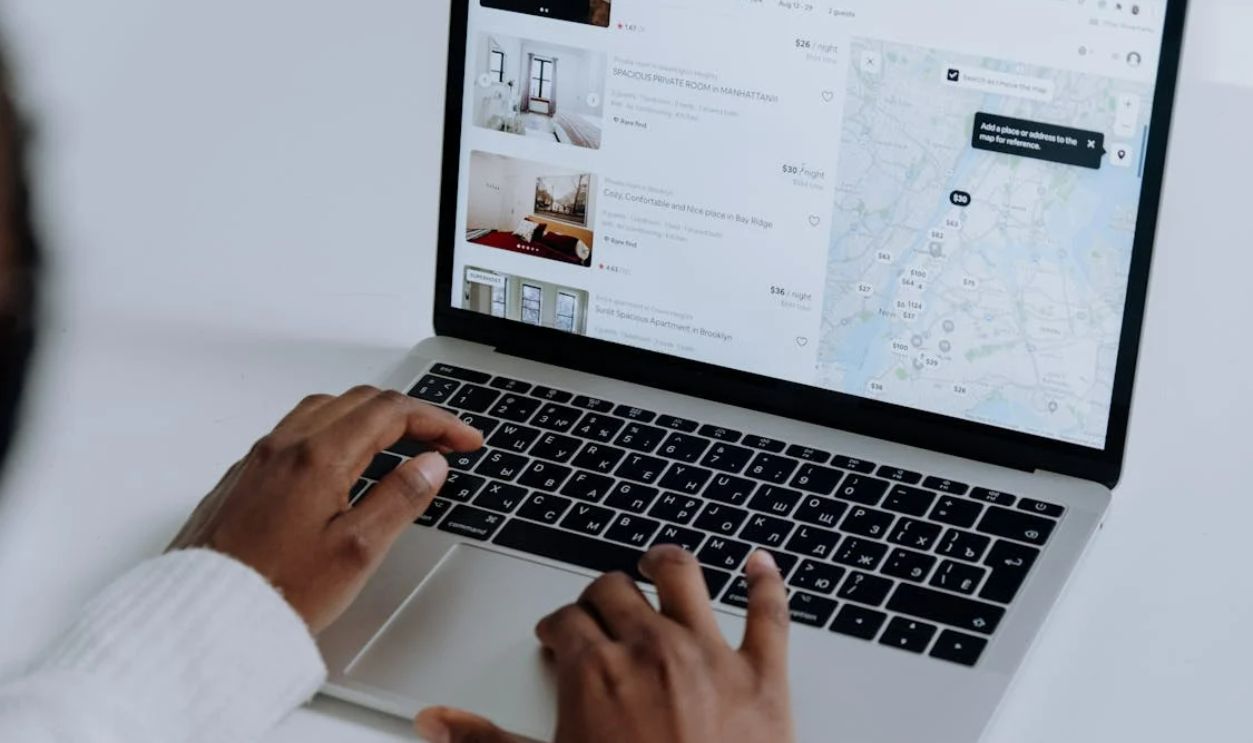
Browsing Airbnbcottonbro studio, Pexels

Advertisement

Why Platform Policies Leave Victims Stranded

Airbnb's terms of service explicitly prohibit off-platform payments, creating a legal shield when transactions happen externally. Their Host Guarantee and Guest Refund policies only activate for bookings processed through official channels where the company can verify, track, and potentially reverse charges. Once money flows through external payment methods, Airbnb considers it outside its operational scope and beyond its liability. This stance protects them from responsibility for millions of transactions they cannot monitor or control outside their ecosystem and documented security infrastructure.

However, if the fraudulent listing actually appeared on Airbnb's website rather than through separate communication channels, there may be grounds to challenge their initial refusal. Detailed documentation becomes important here: screenshots showing the listing on their platform, complete message threads with the fake host, and all correspondence with support representatives. Escalating beyond frontline customer service sometimes yields different results. Persistent follow-up combined with public complaints on social media has occasionally prompted companies to reconsider their position when pressed about security gaps.

Practical Steps Toward Financial Recovery

The first step is to reach out to your bank or credit card company right away and open a fraud dispute. Credit cards typically provide stronger fraud protection compared to debit cards or wire transfers, which are notoriously difficult to reverse. If payment went through services like PayPal, Venmo, or Zelle, file separate fraud reports with each platform. These companies may investigate and potentially reverse charges depending on their specific policies and how quickly the report arrives after the transaction. Moreover, filing a police report creates official documentation, even if individual cases rarely result in arrests. The FBI's Internet Crime Complaint Center accepts online fraud reports that help law enforcement identify patterns and potentially dismantle larger operations. Submit another detailed report directly to Airbnb with all supporting evidence, regardless of their initial response. More documentation strengthens any claim and creates pressure for accountability.

Small claims court becomes viable when the amount justifies the effort, and solid evidence exists. Some people have successfully recovered funds this way, particularly when showing that the scam originated through platform vulnerabilities. Prevention matters just as much going forward: only book and pay through official channels, scrutinize host profiles and reviews carefully, video chat before committing to expensive properties, and trust gut feelings when communication seems off. Deals appearing too good usually are, and legitimate hosts rarely pressure guests into alternative payment arrangements.


Man on a call with the credit card companyAntoni Shkraba Studio, Pexels

Advertisement

READ MORE

Card Privilege Abused

My friend borrowed my credit card “just for gas." Now she bought plane tickets. How do I stop her from ruining my credit?

You gave your friend your credit card for gas. They bought plane tickets. What now?
January 14, 2026 Marlon Wright

Corinthian Colleges promised students high-paying careers. But when graduates couldn’t find work, they sued over deceptive and predatory practices.

For students who couldn’t afford to wait four years for a traditional degree, it sounded like the perfect solution. Enroll now, graduate quickly, and start earning real money. Hundreds of thousands of people believed that promise. Many would later wish they hadn’t.
January 14, 2026 Jesse Singer
Debt After Death - Fb

Everyone should know what debts will be forgiven when they die—and which ones still need to be paid.

Many people assume death marks a clean financial slate, yet the reality is far more complicated. Some debts quietly follow estates through probate to impact what families inherit and what creditors can still claim.
January 14, 2026 Marlon Wright
Worried man

I was scammed by a fake Airbnb host who copied a real listing. Airbnb says they “can’t help.” Am I just out $1,400?

Getting scammed through what looks like a legitimate Airbnb listing hits harder than most travel mishaps. Fake hosts have become incredibly skilled at copying real property listings down to the smallest details, making it nearly impossible to spot red flags until it's too late. The $1,400 loss stings, but Airbnb's response of "we can't help" adds insult to injury. This scenario plays out more often than people realize, leaving victims stuck between a scammer who vanished and a platform claiming no responsibility. Understanding why this happens and what options actually exist can make the difference between writing off the loss and potentially recovering at least some of the money.
January 14, 2026 Miles Brucker

Two people came to my house asking about an apartment. I had no idea what was going on, but saw pictures of my house on online rental ads. Now what?

If unknown people are showing up at your home looking to rent an apartment you never advertised, your house may be caught up in a scam.
January 14, 2026 Sasha Wren

My dad just passed with very little in his estate. The landlord is demanding that I pay the rent before I can clean out his apartment. What can I do?

Your dad just passed away, and to make matters worse, his landlord is refusing you access to his apartment until you pay the outstanding rent. We look at your rights and options as to how to proceed.
January 14, 2026 Miles Rook


Disclaimer

The information on MoneyMade.com is intended to support financial literacy and should not be considered tax or legal advice. It is not meant to serve as a forecast, research report, or investment recommendation, nor should it be taken as an offer or solicitation to buy or sell any securities or adopt any particular investment strategy. All financial, tax, and legal decisions should be made with the help of a qualified professional. We do not guarantee the accuracy, timeliness, or outcomes associated with the use of this content.


Dear reader,


It’s true what they say: money makes the world go round. In order to succeed in this life, you need to have a good grasp of key financial concepts. That’s where Moneymade comes in. Our mission is to provide you with the best financial advice and information to help you navigate this ever-changing world. Sometimes, generating wealth just requires common sense. Don’t max out your credit card if you can’t afford the interest payments. Don’t overspend on Christmas shopping. When ordering gifts on Amazon, make sure you factor in taxes and shipping costs. If you need a new car, consider a model that’s easy to repair instead of an expensive BMW or Mercedes. Sometimes you dream vacation to Hawaii or the Bahamas just isn’t in the budget, but there may be more affordable all-inclusive hotels if you know where to look.


Looking for a new home? Make sure you get a mortgage rate that works for you. That means understanding the difference between fixed and variable interest rates. Whether you’re looking to learn how to make money, save money, or invest your money, our well-researched and insightful content will set you on the path to financial success. Passionate about mortgage rates, real estate, investing, saving, or anything money-related? Looking to learn how to generate wealth? Improve your life today with Moneymade. If you have any feedback for the MoneyMade team, please reach out to [email protected]. Thanks for your help!


Warmest regards,

The Moneymade team