Why Everything Feels Expensive Now
That satisfied feeling after shopping once lasted for weeks. Today, many people find themselves back in the aisle days later, scanning receipts and cupboards, wondering how full bags emptied so fast.

Shrinkflation Packaging
Your hand reaches for the familiar box, but something feels lighter. The package rattles differently, sitting oddly in your cart while you wonder if memory's failing you. Manufacturers have become notorious for tweaking dimensions just beneath conscious detection, and they are banking on autopilot shopping habits to mask gradual downsizing.

False Bottom Containers
Flip that lotion jar upside down and discover thick architecture pushing the product upward. Beauty brands excel at creating the illusion of fullness through such unnecessary base designs and hidden cavities. Your bathroom cabinet fills with hollow vessels wearing abundance while delivering disappointingly little actual cream.

Thicker Packaging Walls
Besides the shrinking package and false bottoms, enter the thicker packaging trick. With this, you’ll notice the bottle's squeeze becoming a little stiffer, and that’s because some modern containers feature walls thick enough for structural overkill. It’s the hand workout no one signed up for.

Reduced Material Thickness
Thickness is a double-edged sword because here, fabric items are leaving the factory line thinner and lighter. We’re talking towels that rip in months, clothing fabric that shows skin texture underneath, and aluminum foil that tears easier than memories suggest it should. Some manufacturers are shaving material density, and prices remain.
Rebranded Formula Downgrades
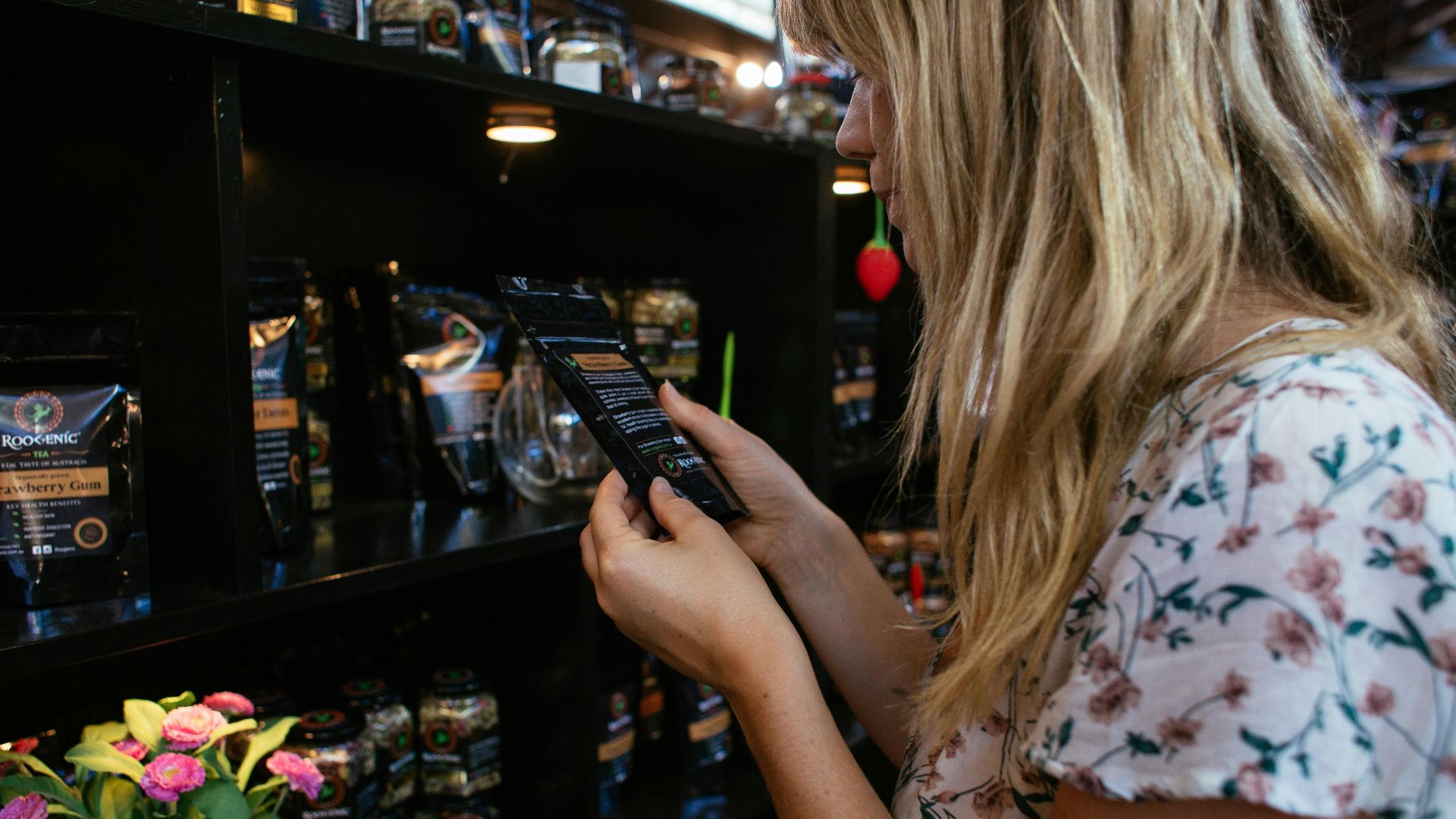
"New recipe" rarely signals improvement. Your trusted cleaning spray suddenly needs three pumps instead of one, and that face cream feels and absorbs a little differently. Companies bet you'll blame water pressure or skin changes before questioning their cost-cutting chemistry swaps beneath familiar labels.

Multipacks With Worse Unit Value
Bulk buying in warehouses once rewarded loyalty. And they really did make sense. Today, multipacks often cost more per unit than singles placed nearby. The savings assumption sticks because of the trust habit. Retail pricing software thrives on that muscle memory, not calculators at checkout.
Premium-Feel Packaging Tricks
Once the matte finish packaging became mainstream, a light bulb lit. Brands that discovered texture, weight, and soft-touch coatings convince consumers to pay premium prices for standard products wearing expensive costumes. Identical formulas sit cheaper nearby in glossy packaging, but your tactile senses override budget logic.

Feature Bloat Replacing Durability
This quiet steal occurs mainly in new appliances. Here, you find a typical coffee machine or blender flaunting touchscreens and over 10 modes, but you’ll only use one or at most five. The tradeoff is that the housing has thinner metals and more plastic than predecessors, meaning shorter lifespans.

Subscription Price Creep
Remember that reasonable signup price? Watch statements reveal gradual climbs—a dollar here, two there—compounding through quarterly adjustments small enough to avoid cancelation triggers. Service increases rates, but you won't notice incremental changes or face switching hassles until it’s too late.

Subscription Feature Removal
Your monthly fee stays consistent while offerings beneath slowly deflate. Features migrate behind higher tiers, and standard capabilities become premium upgrades. Services trim edges, betting you're too invested in workflows to abandon ship, and you end up paying identical amounts for progressively less through quarterly erosion.

Limited Edition Pressure
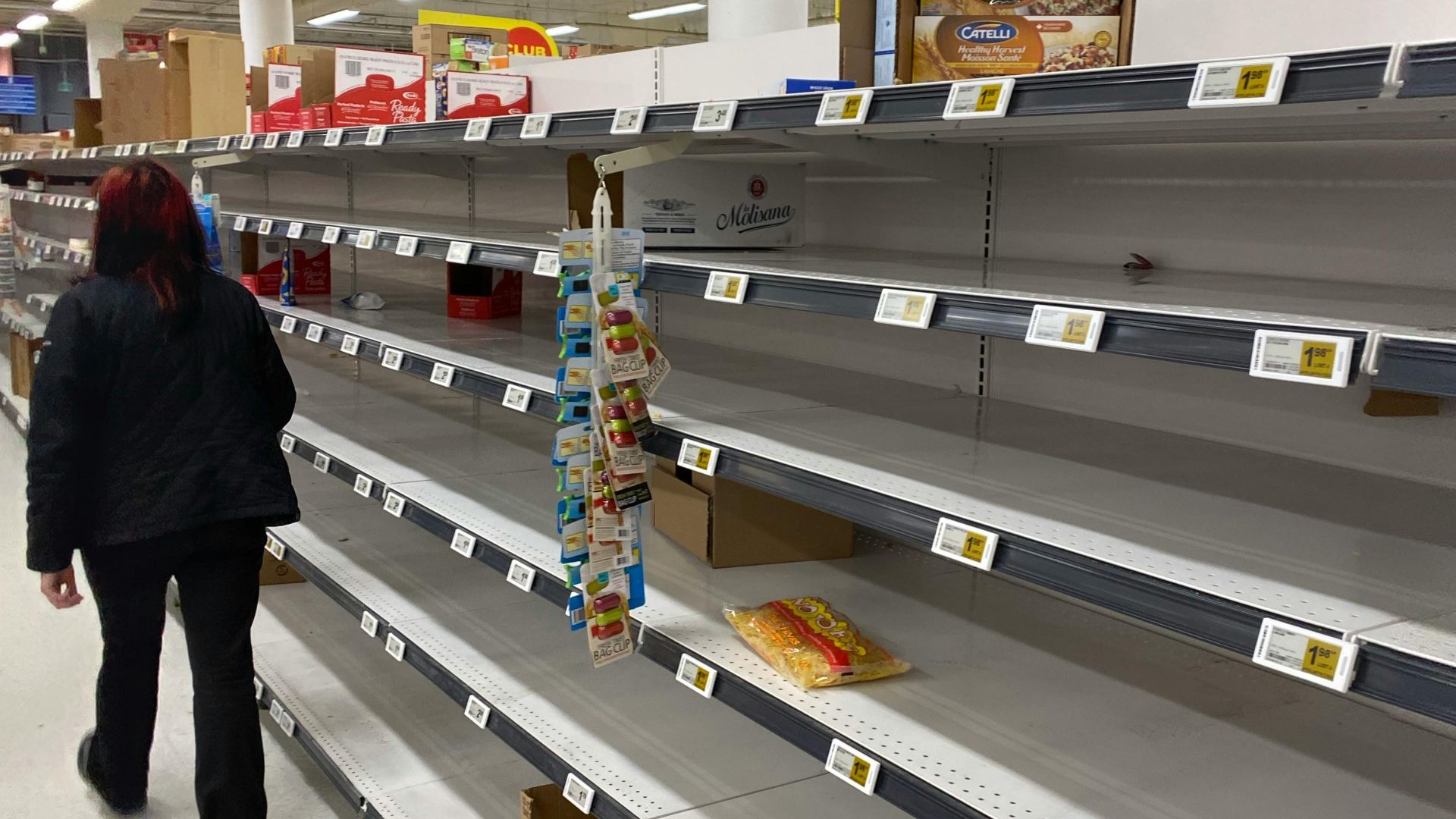
Products appear briefly, vanish strategically, and return seasonally to manufacture urgency from nothing. With this, your brain shifts from evaluating need to calculating availability windows, transforming rational purchasing into reflexive grabbing, especially for essentials. The truth is that the product will always be in stock. Don’t rush.
Marketing Buzzwords Replacing Substance
You’ve probably noticed this: "Clinically inspired" and "laboratory tested" plaster packages where actual certifications once lived. Brands weaponize scientific-sounding language to suggest legitimacy without delivering verifiable claims. The workaround is to dig into the brand’s website to find actual tests with results.

Convenience Shifting Labor To Buyers
Self-checkout lanes eliminate cashier wages, and you scan, bag, and troubleshoot equipment glitches yourself. Furniture arrives flat-packed, requiring your tools and a weekend. Meal kits deliver pre-portioned ingredients you still chop and cook. You pay and still do the work. Who is winning?

Shortened Warranties
Products once guaranteed for years now carry coverage measured in months. Appliances drop from 5-year coverage to 1-year coverage, and fine print excludes increasingly creative damage categories. Manufacturers calculated that shorter guarantees boost replacement revenue more than confidence-building longevity ever could.

Harder Warranty Claims
Valid claims now require photographing damage from multiple angles, completing online forms, shipping products at your expense, and waiting weeks for approval. Customer service routes you through automated systems designed to exhaust your persistence. They understand that friction reduces the number of claims and that you’ll give up after the second call.

Non-Replaceable Batteries
Remember swapping dead batteries in seconds? Modern devices seal power sources inside, making simple replacements an expensive repair appointment or a total unit disposal. Phones and toothbrushes treat batteries like permanent organs requiring surgery to access. And to even get them fixed, you need special equipment; your screwdriver becomes obsolete.

Proprietary Accessories
Standard connections vanished, replaced by brand-specific ports requiring expensive official adapters. Such attachments work exclusively with matching products, and they lock buyers into ecosystem spending. Brands have taken this form of monetization compatibility to a whole new level. They have made universal solutions profitable captive markets.

Cosmetic Redesigns Over Function
Cars receive new grilles, phones get additional camera bumps. Other electronics also showcase updated control panels masking unchanged performance. Manufacturers are honing in on the love of superficial changes and using it to their advantage to justify price increases. Most people fall for this.

Smaller Portions At The Same Price
This one mostly happens in eateries, where some restaurants have mastered this trick by serving plates that arrive with artistic arrangements that hide reduced portions. Entrees showcase vertical presentation techniques stretching six ounces into impressive towers, and garnishes consume space previously occupied by protein. Menu prices hold steady.

Digital-Only Ownership
Purchase buttons replaced ownership with temporary access licenses. Your movie library exists until streaming rights expire, and your ebooks vanish when publishers revoke agreements. Software has not been left out of this conversation, as some now stop functioning without internet verification. Companies converted buying into indefinite renting.

App Dependency For Basic Use
Here you will find devices like coffee makers that require a Bluetooth connection to brew, or thermostats that require an account to adjust the temperature. The makers of these systems have found a loophole to make more money, and if you're not careful, you fall for it.

Price Anchoring With Fake Discounts
Retailers display inflated "original" prices nobody ever paid, making current rates appear generously slashed. Those perpetual sales and countdown timers manufacture urgency around markdowns from fictional starting points. Stores rotate identical products between "regular" and "promotional" pricing, creating savings illusions through strategic tagging.

Downgraded Customer Support
Phone numbers are no longer standard on websites, replaced by AI chatbot loops and email ticket systems that generate automated responses. Live representatives became rare treasures buried beneath help article mazes and community forum redirects. AI gatekeepers eliminate most inquiries through attrition before human interaction costs materialize.

Paywalled Former Basics
Car manufacturers charge monthly fees for things that were once standard: remote start, software locks, and capabilities already installed in hardware. Basic functionality migrated behind recurring payment gates, changing one-time purchases into perpetual revenue streams. Your baseline expectations became premium tiers.

Lower-Quality Refill Systems
First off, printer ink refills deliver fewer pages, and the razor blade replacements dull faster. The cleaning solution concentrates also arrive increasingly diluted. Sellers have learnt to do this to hook you with reasonable starter pricing, then profit through degraded replenishment economics.