The Invisible Drain on Your Wallet
Most Americans pay more monthly fees than they realize. Many of these charges blend into routines and statements so that you don't even think about them—but they are causing serious damage to Americans' savings. These are the worst offenders and why.

The Sneaky Subscription Pileup
People often sign up for trials that convert into paid subscriptions. These charges continue long after the service stops being used. Many consumers forget they exist. Companies count on this silence to generate steady revenue.
The Gym Membership You Swore You’d Use
Unused gym memberships are among the most common wasteful expenses. Many gyms make cancellation intentionally inconvenient. Small monthly charges feel harmless. They add up significantly over a year.

The Streaming Services You Barely Watch
Millions of Americans subscribe to three or more streaming platforms. Content fatigue often sets in, yet the charges continue. Rotating subscriptions can reduce costs. Most people never take the time to do this.

The Phone Plan Features You Do Not Need
Wireless carriers bundle services that customers rarely use. Examples include device protection, cloud storage, and premium caller ID. Many people overlook these add-ons on their bills. Reviewing your plan can reveal easy savings.

The Internet Modem Rental Trap
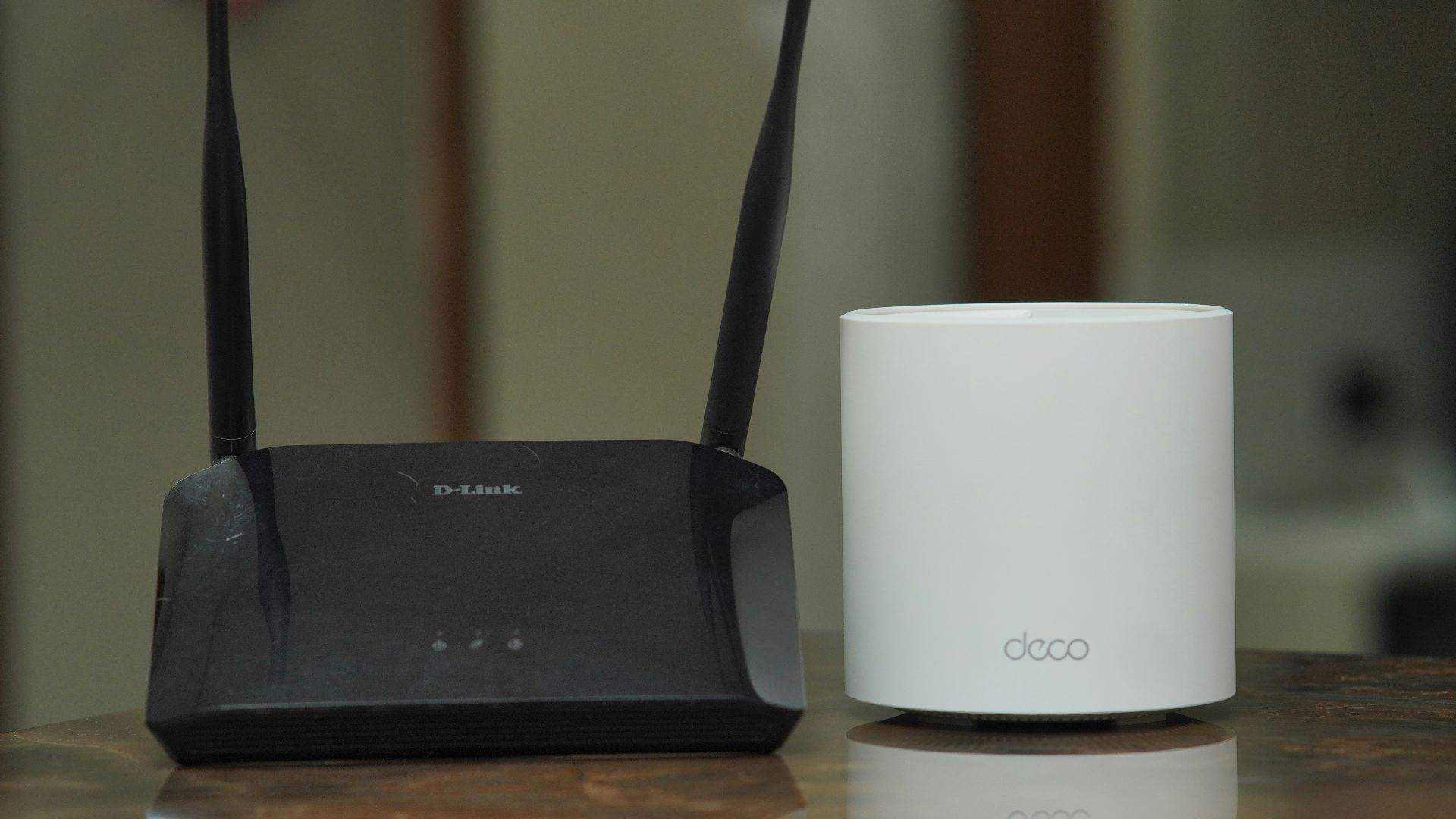
Internet providers often charge monthly modem or router rental fees. These fees persist even after the equipment cost exceeds retail value. Buying your own modem can make more sense. Many customers simply never notice the line item.
The App Store Purchases You Forgot
Mobile apps frequently introduce recurring charges through upgrades or premium content. These payments can hide in digital receipts. Many users approve them absentmindedly. The fees continue until manually canceled.

The Credit Card Interest Snowball
Interest charges qualify as hidden because they are subtle and cumulative. A small balance can generate large costs over months. Many cardholders underestimate how quickly interest compounds. Paying statements in full avoids this quiet drain.

The Bank Account “Maintenance” Fee
Some banks charge monthly maintenance fees for standard accounts. These fees often apply only when customers miss balance requirements. People overlook them because they appear routine. Switching to a no-fee account can eliminate the cost.

The ATM Convenience Penalty
Out-of-network ATM fees strike twice. The machine charges a fee, and your bank often charges another. These charges can exceed six dollars per withdrawal. Planning ahead can prevent these annoying losses.
The Utility Bill Service Add-Ons
Utility providers often include service charges, reconnection fees, and “processing” fees. Many customers assume these items cannot be removed. A quick call sometimes reduces them. Most people accept the bill as presented.

The Energy Vampire Devices at Home
Electronics that remain plugged in draw power even when not in use. This phantom electricity contributes to higher utility bills. Devices like gaming consoles and cable boxes are common culprits. Smart outlets can help reduce the waste.

The Insurance You Did Not Know You Bought
Some auto or home insurance policies include optional coverage that customers never requested. These add-ons appear as small line items. They often stay in place for years. Reviewing your policy annually can uncover them.

The Medical Billing Surprises
Medical bills frequently include administrative fees or non-covered item charges. Many patients accept these costs without questioning them. Negotiation is possible for many categories. Asking for an itemized bill can reveal unnecessary expenses.

The Paid Email and Cloud Storage Creep
Email and cloud services entice users with small storage upgrades. These upgrades renew automatically each month. Many customers outgrow the need but forget to downgrade. The charges accumulate steadily.

The Smart Home Device Upkeep
Smart home systems sometimes require subscription plans for monitoring or advanced features. These subscriptions are not always highlighted at purchase. Many people learn about them only after setup. The fees can rival security system costs.
 Andrii Iemelianenko, Shutterstock
The Loyalty Program That Isn’t Free
Some loyalty or rewards programs include annual or monthly membership fees. Consumers mistake them for free perks. These programs only offer value when used consistently. Most members fall short of the required activity.

The Car Features You Are Still Paying For
Modern cars include subscriptions for navigation, remote start, and advanced safety tools. Many drivers pay long after they stop using the features. Manufacturers rely on autopay renewals. Checking your account can reveal unnecessary charges.

The Delivery Service Membership Spiral
Delivery platforms promote memberships that promise savings. These memberships make sense only for frequent users. Casual customers end up paying more overall. Many people forget to evaluate renewal dates.

The Automatic Charity Rounding
Some retailers offer “round up” programs for charity. Customers sometimes enable these auto-rounding features unintentionally. The charges seem small but accumulate throughout the month. It is wise to verify whether you opted in.

The Parking App Convenience Charge
Digital parking apps often add convenience fees. These charges appear minor, but daily use multiplies the cost. Many drivers remain unaware of alternatives. Paying at a kiosk can sometimes be cheaper.

The Bundled Cable Channels You Never Watch
Cable companies still bundle dozens of channels into standard packages. Customers pay for far more content than they consume. Cutting or slimming the package reduces unnecessary spending. Many people hesitate to adjust legacy plans.

The Random Service Fees on Shopping Apps
Shopping apps include service fees, handling fees, and algorithmic fees. These charges are often hidden until checkout. Customers accept them to complete the purchase quickly. Slow review can help identify patterns of overspending.

The Auto-Renewed Warranties
Retailers sell product warranties that renew automatically. Some customers forget that these plans continue after the initial coverage period. The auto-renewal creates a quiet ongoing cost. Checking purchase histories can help locate them.

The Final Sweep for Hidden Charges
Hidden fees exist because companies rely on consumer distraction. A monthly review of statements can reveal many surprise charges. Cutting these fees frees up hundreds of dollars each year. Awareness is your strongest financial tool.
You May Also Like:
I’m 50 and just started saving. Is $1 million by 65 even possible?
Vintage Postcards That Are Worth Big Money Today
Jobs That Seem Safe, But Are Either Evolving Or Going Obsolete