
Big Domino Energy
Imagine waking up tomorrow to news that China's economy has imploded overnight—the second-largest economic engine on earth suddenly stalls. According to experts and verified data, the possibility isn't as remote as we might think.

Initial Triggers
Excessive debt across sectors has become China's Achilles heel. Provincial governments have accumulated over $9 trillion in liabilities, while corporate debt exceeds 160% of GDP. The property sector, which once contributed 29% to economic activity, now faces a $5 trillion crisis as major developers, such as Evergrande, default.
 Dinkun Chen, Wikimedia Commons
Banking Fragility
The foundation of China's financial stability rests on an increasingly precarious banking system. Four of the world's ten largest banks are based in China, collectively holding assets worth over $21 trillion. Unlike Western counterparts, these institutions have deep exposure to state-owned enterprises with questionable profitability.
 Silvermetals, Wikimedia Commons
Property Meltdown
Since 2021, Chinese property values have plummeted 25–30%, erasing over $4 trillion in household wealth. The importance of this sector cannot be overstated, as approximately 70% of Chinese household wealth is tied to real estate, compared to just 35% in the US.
 Uday Phalgun, Wikimedia Commons
Corporate Defaults
The collapse begins accelerating when major corporations start defaulting on domestic and international obligations. Already in 2024, Chinese corporate bond defaults reached a record $16 billion. Steel producers, tech giants, and manufacturing firms find themselves unable to service debts as revenue streams dry up.

Currency Devaluation
Facing economic turmoil, the People's Bank of China would likely devalue the yuan to boost exports. Capital flight would intensify this pressure. In 2015–2016, China lost over $1 trillion in reserves attempting to stabilize its currency during a much smaller economic shock.
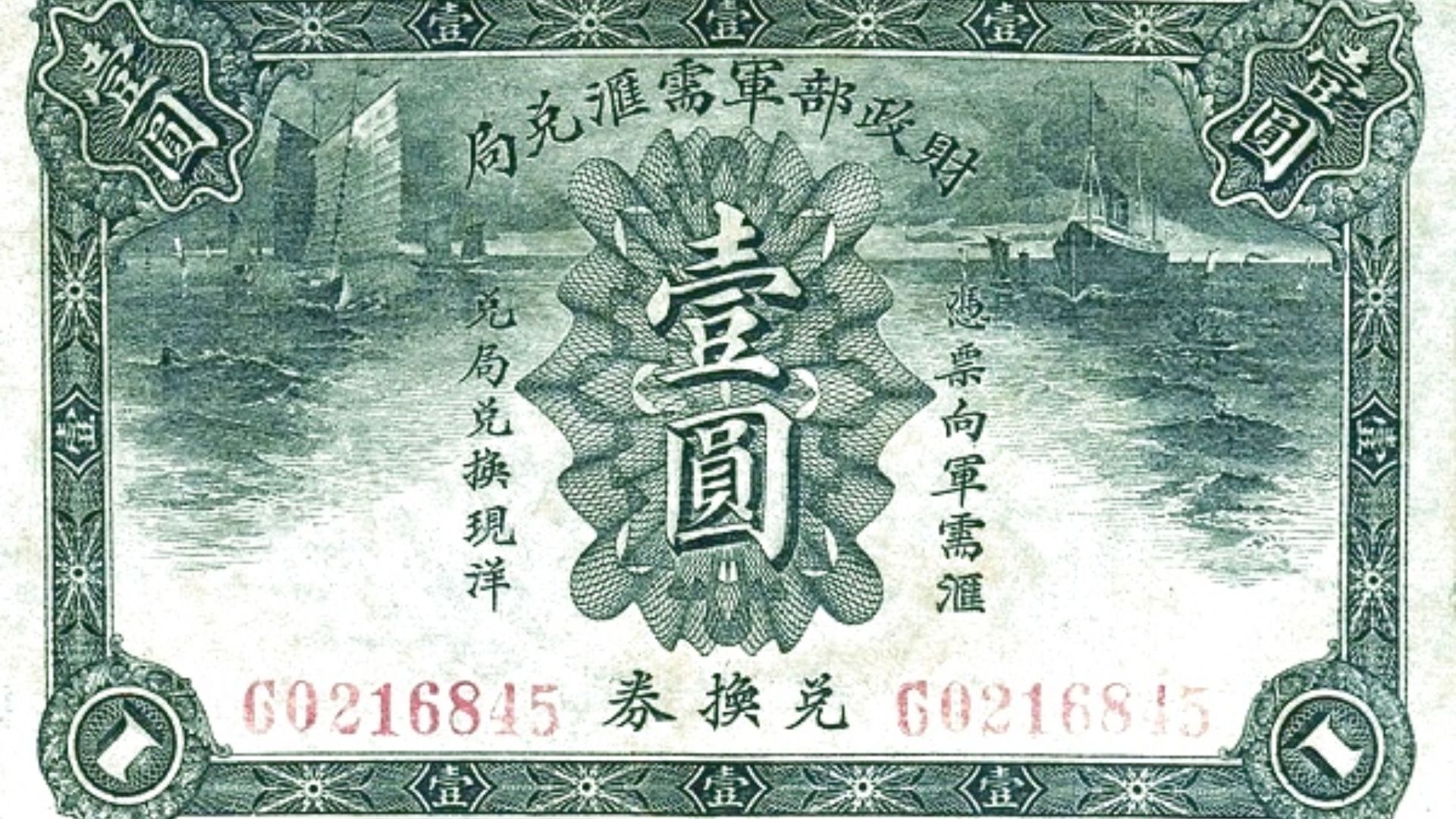 The Military Exchange Bureau., Wikimedia Commons
Market Collapse
The Shanghai and Shenzhen exchanges, with combined market capitalization exceeding $12 trillion, would experience volatility. Trading circuit breakers, designed to prevent panic, would trigger repeatedly as institutional investors rush for exits. Foreign investors, who increased holdings to $580 billion following inclusion in global indices, would withdraw en masse.

Unemployment Surge
Nearly 780 million Chinese workers are expected to face an incomparable employment crisis since the country's economic reforms began. Urban unemployment, currently officially at 5.2%, could increase within months. Construction, which employs 55 million workers, would be particularly devastated.

Social Upheaval
The Chinese Communist Party's implicit social contract—economic prosperity in exchange for political compliance—would face its greatest test. Mass protests would likely begin in industrial centers hardest hit by unemployment. Analysis of past incidents shows that economic grievances triggered 65% of Chinese civil unrest.

Political Crisis
Xi Jinping's consolidation of power since 2012 means economic failure would directly challenge his leadership. Historical precedents suggest factional struggles within the CCP could also intensify as various groups assign blame. Economic collapse could force policy reversals on state control.
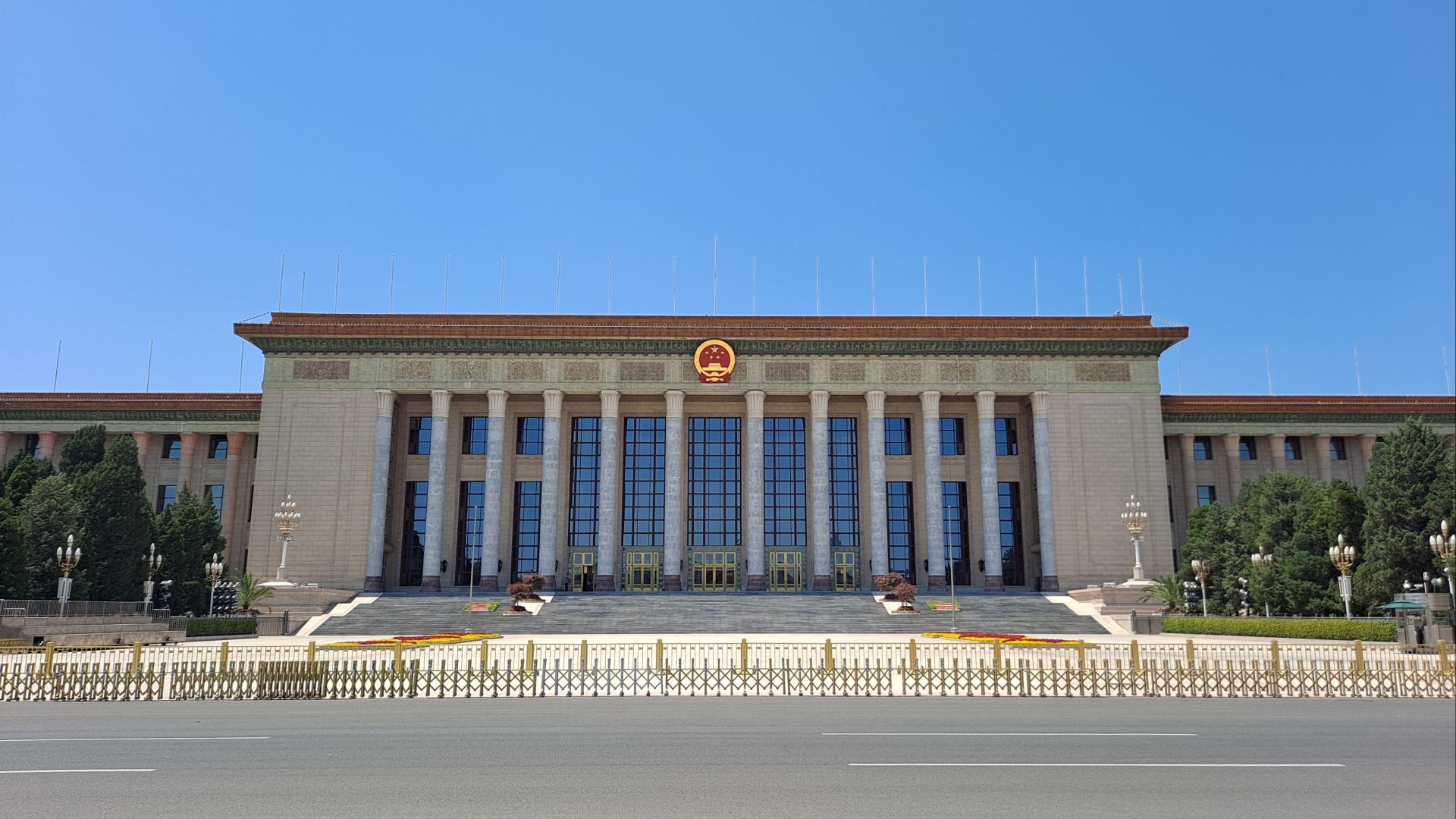
Manufacturing Shutdown
China's manufacturing sector, which accounts for 26% of its economy and employs over 112 million workers, would contract significantly. Factory closures would cascade through industrial centers as credit freezes and export orders decline. High-tech manufacturing would be somewhat insulated, but low-margin sectors would collapse first.
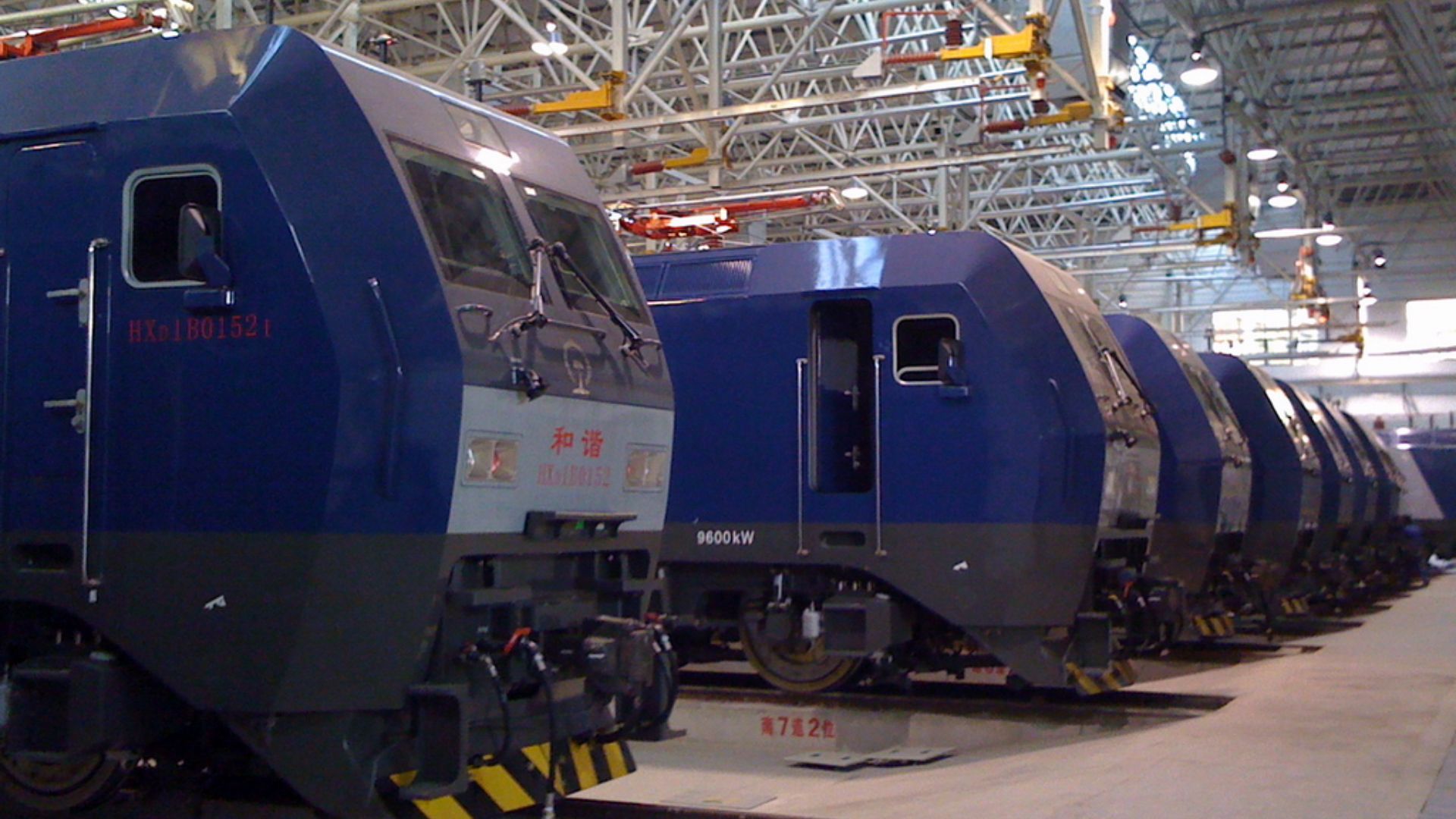 Constantine.nicky, Wikimedia Commons
Supply Chain Breakdown
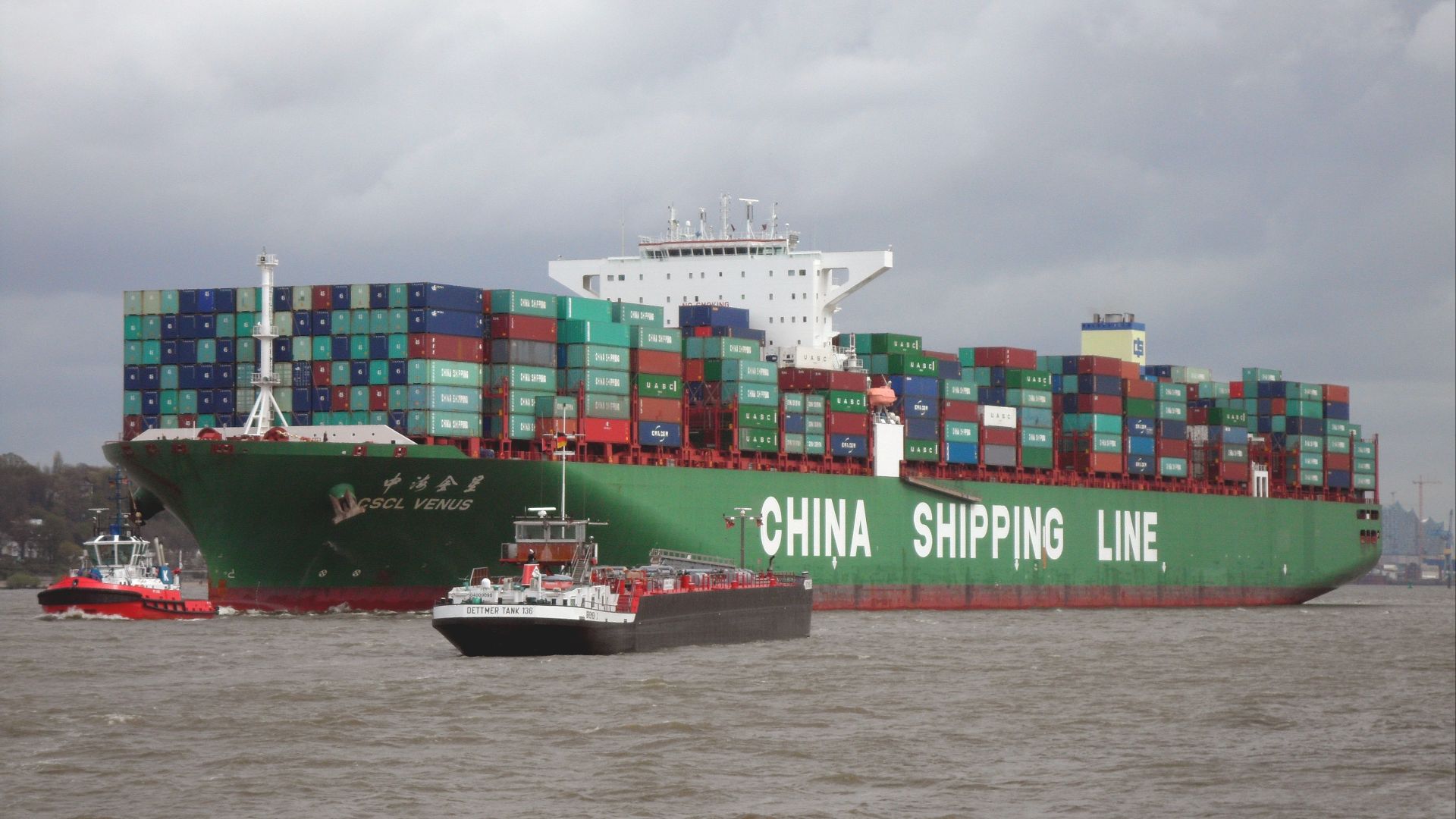
Global manufacturers have built complex networks deeply integrated with Chinese production. The collapse would strand thousands of containers in Chinese ports, which handle 40% of global shipping traffic. Toyota, with four assembly plants in China producing over 1.5 million vehicles annually, represents just one multinational facing catastrophic disruption.
 Bruno Corpet (Quoique), Wikimedia Commons
Global Trade Impact
A collapse could probably send shockwaves through this system, reducing global trade. The most vulnerable countries are those with a high export dependency on China, including Australia, Brazil, and Chile.
Export Markets
The sudden withdrawal of Chinese products would create immediate shortages in specific sectors. Electronics would be hardest hit as China produces 70% of the world's smartphones and 90% of computers. Clothing prices would surge as 32% of global textile exports vanish.
 Chris from Shenzhen, China, Wikimedia Commons
Commodity Prices
A shift in China's massive resource consumption would trigger price volatility across global markets. Chinese demand represents 54% of global copper, 57% of aluminum, and 49% of steel consumption. The immediate effect would be price crashes as copper and iron ore could drop.
 Nachoman-au, Wikimedia Commons
Debt Implications
China owns $870 billion in US Treasury securities and has extended over $1 trillion in loans to developing nations through Belt and Road initiatives. Financial contagion would force China to liquidate foreign holdings to stabilize domestic conditions. Countries where Chinese loans exceed 10% of GDP would face sovereign default.
 U.S. Department of State, Wikimedia Commons
US-China Relations
Economic collapse would furthermore change the relationship between the world's two largest economies. Trade volume, over $650 billion annually, would plummet. American policymakers would debate between offering assistance to prevent regional destabilization and accelerating decoupling to reduce vulnerability to Chinese economic conditions.
 U.S. Department of State, Wikimedia Commons
Regional Destabilization
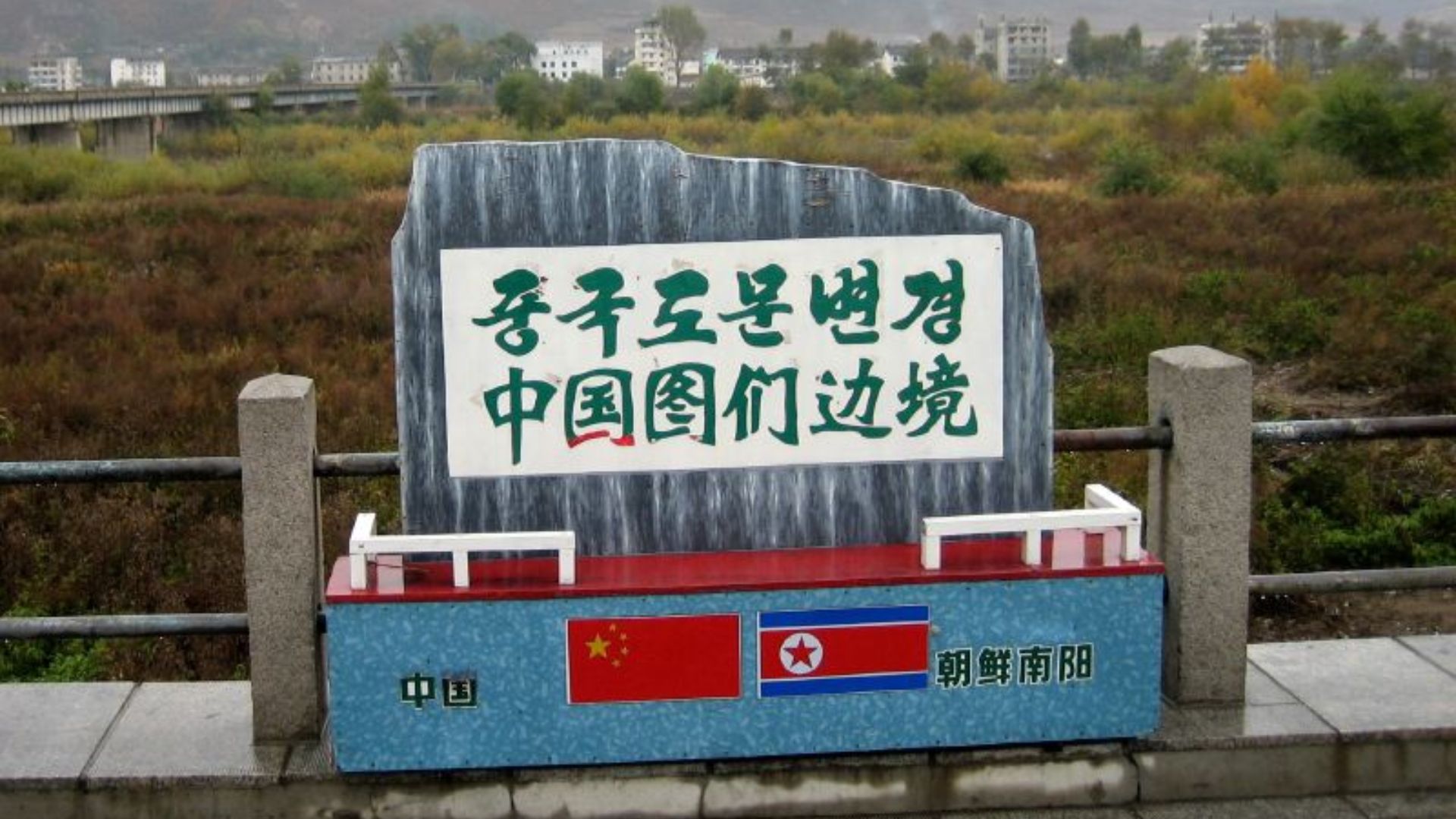
Asian economies with deep Chinese integration would experience immediate shocks. South Korea exports 25% of its goods to China, while Japan's figure is around 18%. Regional supply chains, carefully constructed over decades, would fragment. North Korea, reliant on China for over 95% of its trade, could face a humanitarian crisis.
Refugee Flows
Economic collapse historically generates population movements. China's northeastern provinces, already economically stressed, could see millions attempting to cross into Russia and Mongolia. Southeastern coastal areas might witness boat migrations toward Taiwan, Japan, and the Philippines. Ethnic minorities from Western regions might move toward Central Asian states.

Foreign Investment
Global capital, which poured $1.9 trillion into Chinese assets over the past decade, would rapidly retreat. Also, foreign companies operating in China, including 71,000 American firms, would likely face difficult choices between abandoning their investments or enduring years of losses.

Financial Contagion
Financial linkages between China and global markets have grown exponentially. Hong Kong would experience an immediate crisis—over 50% of its trade flows through mainland China. Major banks worldwide hold over $1 trillion in exposure to Chinese debt. The crisis would trigger margin calls across investment portfolios.

Technological Transition
China's collapse would have a dramatic impact on global technology development. Chinese annual R&D spending of $580 billion would evaporate, ending projects in AI, quantum computing, and biotechnology. Western tech companies, which derive substantial revenue from China, would need to reorient their strategies.
 MISZIE BEI WANGUIM, Wikimedia Commons
Geopolitical Shift
The fundamental balance of global power would change almost overnight. The economic pillar of China's comprehensive national power would crumble, leaving military and diplomatic influence unsupported. Russia would lose its most powerful economic partner, potentially destabilizing its own strategic position.
 Presidential Press and Information Office, Wikimedia Commons
Military Posturing
Historical patterns suggest regimes facing domestic crises often project strength externally. Taiwan faces particular risk as an economic collapse might prompt Beijing to use nationalism to maintain legitimacy. China's defense spending, currently $292 billion annually, would necessarily decrease, but not before strategic reorientation toward higher-impact capabilities.
 CEphoto, Uwe Aranas, Wikimedia Commons
Recovery Strategies
The path back from economic collapse would depend heavily on Beijing's policy choices. Japan's "lost decade" following its 1991 property crash offers instructive parallels; failure to resolve non-performing loans prolonged stagnation. Recovery would require fundamental reforms: privatizing state enterprises, strengthening property rights, and addressing demographic challenges.