
The Professions That Lost Their Charm
Some jobs used to feel like solid long-term goals. Then the market shifted, AI and automation stepped in, and those roles quietly changed. What felt stable no longer feels permanent.
 Antoni Shkraba Studio, Pexels, Modified
Travel Agents
Once the gatekeepers of every great vacation, travel agents have steadily faded as online booking platforms took over. Census data from 2021 listed the role among the fastest-declining jobs, amplified by COVID-era shutdowns. Today, survival often means pivoting to luxury or complex travel planning.

Print Newspaper Journalists
Digital media changed everything. Print circulation and ad revenue collapsed, forcing hundreds of newspapers to shut down or move online. For a profession that dates back to daily papers in 1702, that’s a huge turn.

Bank Tellers
The friendly face behind the counter is becoming rare. According to the BLS Occupational Outlook Handbook, teller jobs are projected to drop 13% by 2034 as apps and AI assistants handle banking. With most Americans preferring fintech over branches, the “robot teller” era imagined in the 1960s has quietly arrived.

Postal Mail Sorters
Today, cluster mailboxes and digital communication have sharply reduced the need for traditional sorters. The role has diminished compared to its former prominence, a stark contrast with the era when the Pony Express carried letters across the frontier.

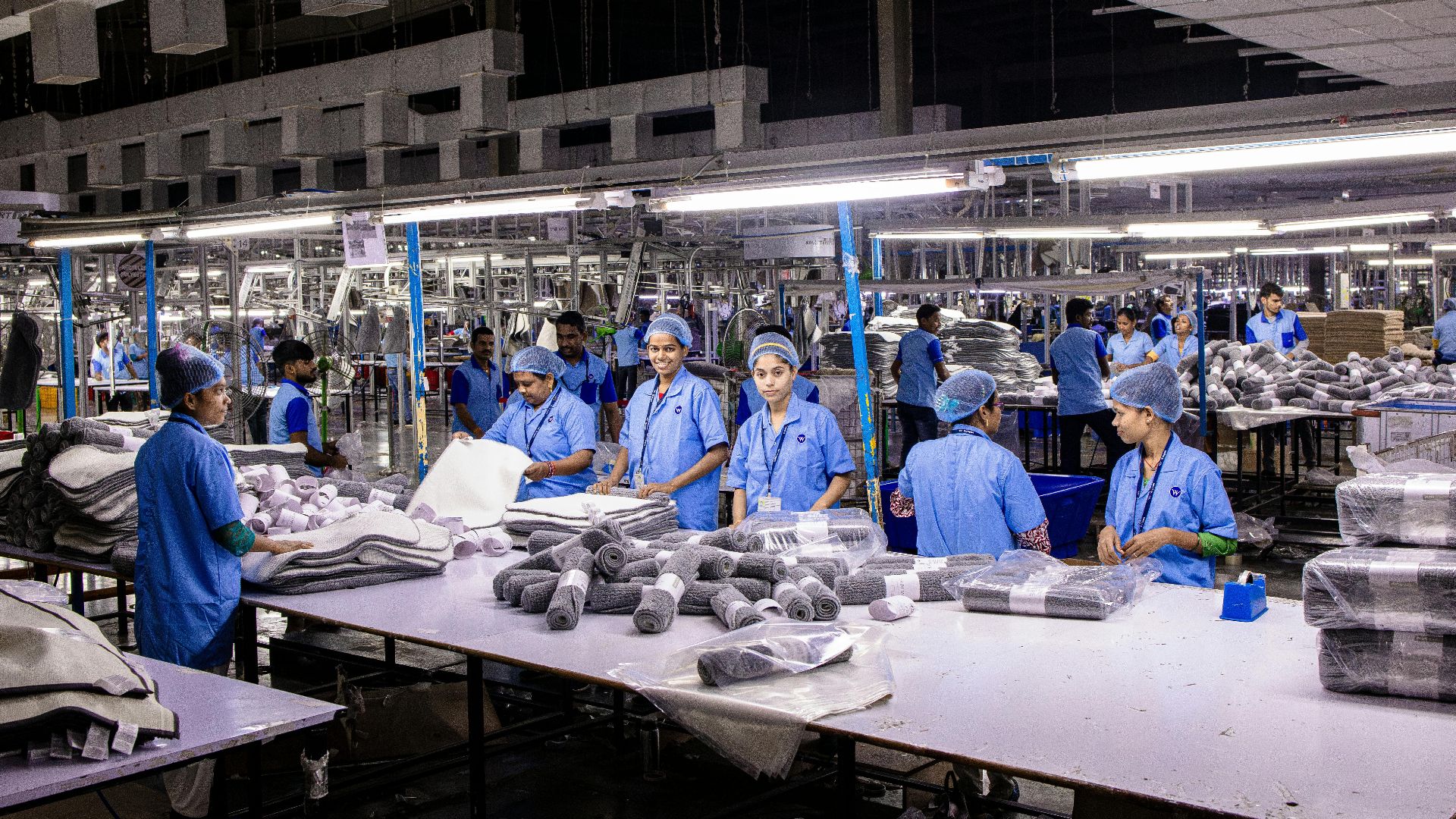
Factory Assembly Line Workers
In Henry Ford’s era, automation created opportunity and helped define industrial prosperity. That same job stood as a symbol of economic strength, but today, AI-driven factories and global outsourcing are dismantling traditional roles, and despite incentives, US manufacturing still lost 87,000 jobs in 2024, according to CBS News.
Telemarketers
At one point, telemarketers dominated phone lines nationwide. Over time, tighter regulations and rising consumer frustration pushed the industry into decline. Digital ads and AI chatbots filled the gap. The Do Not Call Registry, established in 2003, made that shift official.

Corporate Travel Coordinators
Corporate travel planning is increasingly handled by automated booking platforms and AI-powered expense systems. Companies now favor self-service tools over dedicated coordinators. What was once a well-paid, detail-heavy job is being absorbed into software subscriptions and admin add-ons.

Switchboard Operators
Today, phone calls connect instantly without human involvement. However, this wasn’t always the case. At the start of the 20th century, switchboard operators manually connected every call. Once automated switching systems emerged, the role steadily disappeared and became nearly obsolete by the late 1900s.
 Webster & Stevens, Wikimedia Commons
Data Entry Clerks
Most data today is processed automatically. In contrast, businesses once depended on data entry clerks for accuracy and organization. As AI tools improved speed and precision, fewer human workers were needed. This shift has put the role at high risk of widespread displacement.

Travel Ticketing Agents
Modern air travel runs on digital bookings. Not long ago, ticketing agents issued paper tickets and managed reservations. As airlines moved sales online, the profession shrank dramatically. Only niche markets are its primary source of survival at the moment.
 The India Today Group, Getty Images
Typists
These days, offices rely on automation to generate documents quickly. In earlier decades, typists filled that role. Once AI-driven tools proved faster and more efficient, the profession declined sharply, with job losses projected at nearly 36.1% over the next decade (BLS).
 George Eastman House, Wikimedia Commons
Bookkeeping Clerks
What used to require spreadsheets and manual ledgers is now handled by software. Tools like QuickBooks and Xero quietly replaced everyday bookkeeping tasks, which shrank the role of the clerks. People who wish to continue working in this field need to upskill with these platforms.

Toll Booth Operators
As electronic systems like E-ZPass took over, stopping to pay a human collector became unnecessary. Automation spread quickly, even eliminating 28 full-time toll jobs at California’s Golden Gate Bridge in 2013, which signaled a nationwide shift toward cashless roads.

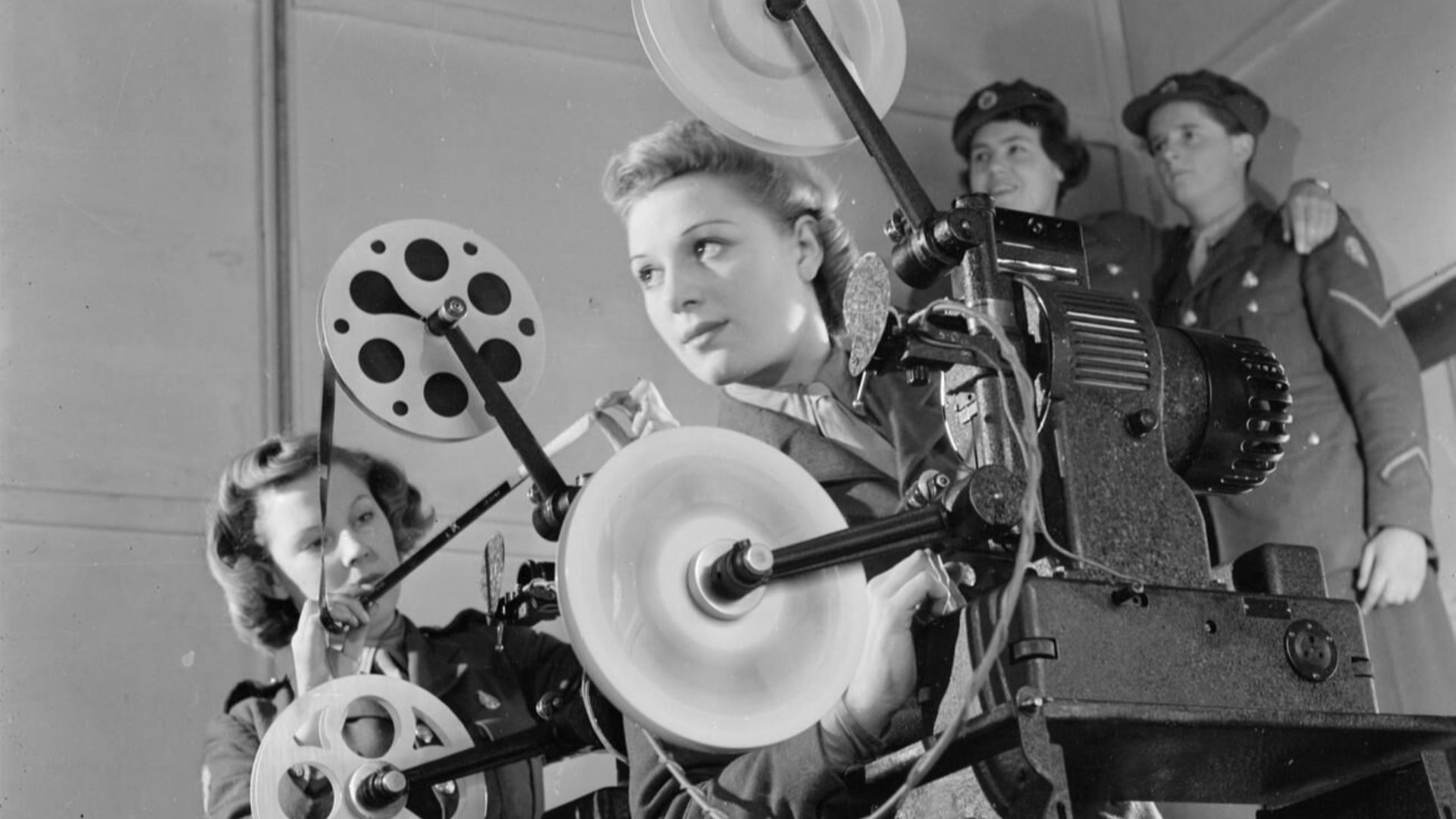
Film Projectionists
Film projection was one of the rare jobs that mixed art with mechanics. But as the years rolled by, digital projectors took over, automation did the rest, and the job faded faster after theater real estate shifts in the 1990s and again during the pandemic.
 Ministry of Information Photo Division Photographer, Wikimedia Commons
DVD Rental Store Managers
Friday night movie plans no longer involve browsing aisles. Streaming overtook physical rentals and pulled the rug out from under DVD store managers. Even Blockbuster, once home to 9,000 locations, couldn’t survive and filed for bankruptcy in 2010 as the industry faded into the job archives.

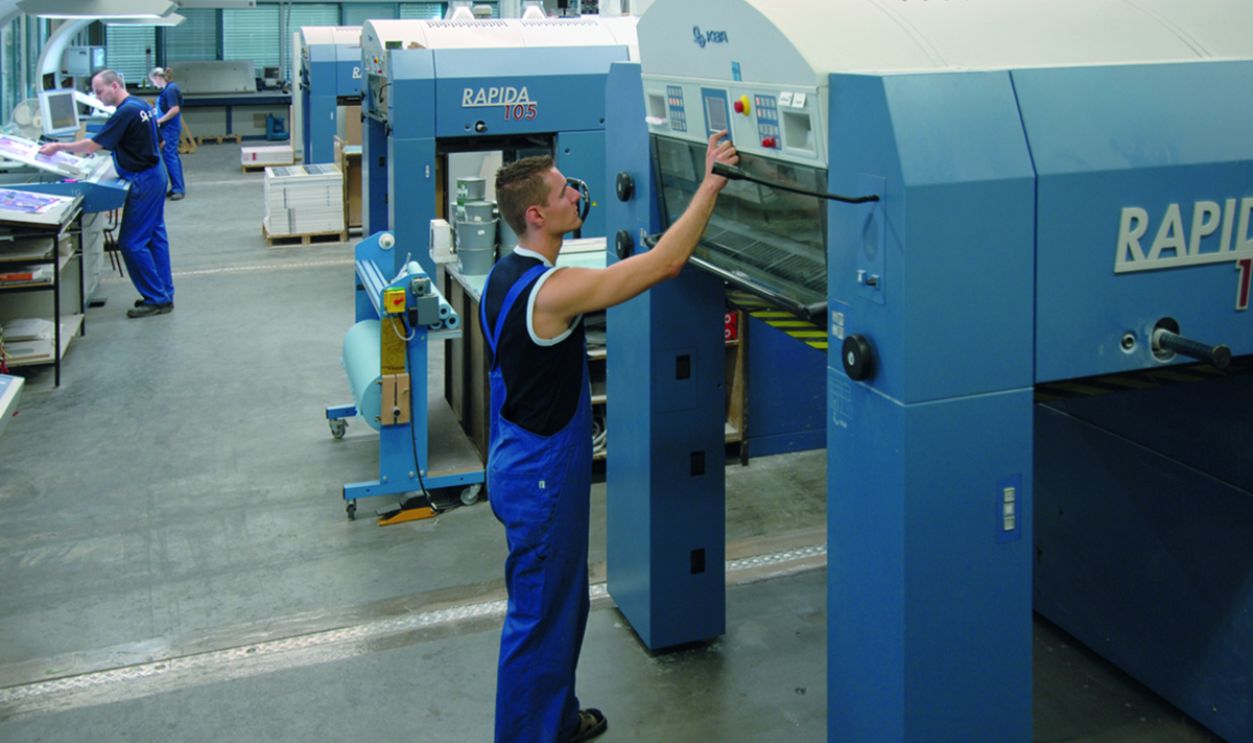
Print Press Operators
The same industry that once powered mass communication is now contracting fast. Since the late 1990s, print employment has steadily declined, with recent years seeing the largest losses, totaling about 800,000 jobs worldwide. A 2025 World Economic Forum report says that analysts expect another 20% workforce reduction soon.
 Offizin Andersen Nexo, Wikimedia Commons
Insurance Underwriting Clerks
The insurance industry continues to expand, but underwriting clerical roles are shrinking. Employment is projected to decline by 3% between 2024 and 2034, resulting in about 3,300 job losses, according to the BLS. AI and predictive analytics increasingly handle risk evaluation tasks.

Meter Readers
Utilities increasingly rely on data streams instead of door-to-door checks. Smart meters now handle readings instantly, which pushed meter reader jobs into obsolescence. According to Recruiter, national employment hovers near 19,900, down sharply after a 45.75% drop in vacancies since 2004.
 USAID Pakistan, Wikimedia Commons
Freight Shipping Clerks
Behind every shipment used to be layers of paperwork. Digital logistics systems now handle much of that work, reducing the need for freight clerks. Job losses deepened during the 2025 freight recession, as technology and nearshoring reshaped shipping operations worldwide.
 Department of Labor. 1913, Wikimedia Commons
Traditional HR Recruiters
What once required large HR teams is now largely automated. AI-driven platforms handle resume screening and candidate matching, which contributed to a 45% drop in HR hiring in the US in 2024 (Indeed) and to the shrinking of in-house HR departments worldwide.

Print-Focused Proofreaders
Print errors are now caught before the ink ever dries. Digital workflows and AI grammar tools reduced reliance on human proofreaders. In response, publishers downsized print-focused roles, often outsourcing the work or merging it into editing jobs to increase the editor’s responsibility.

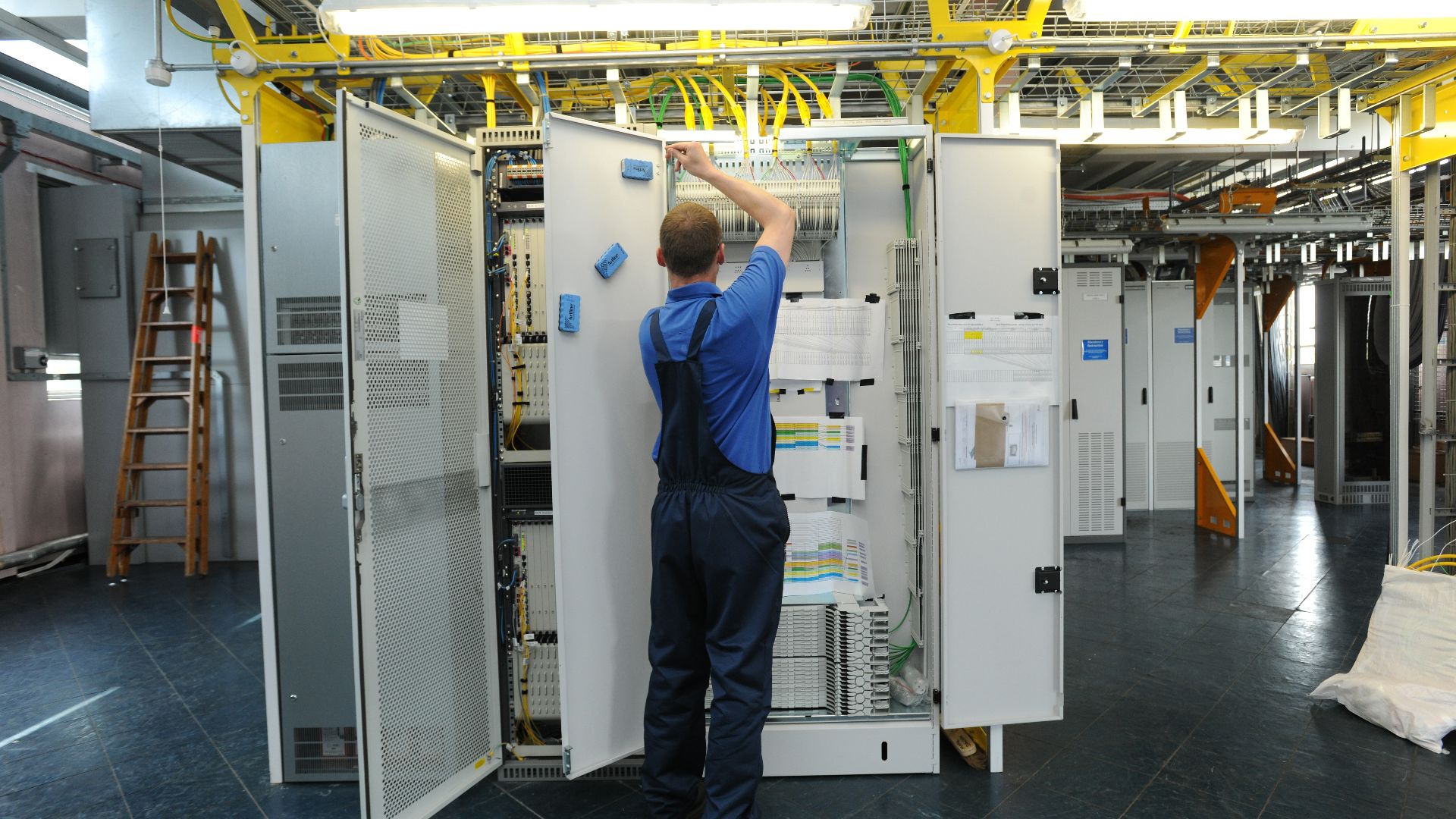
Landline Telecommunications Technicians
Entire networks are being retired. As landline subscriptions collapsed over two decades, telecom providers began dismantling copper wire systems. With mobile and VoIP dominating communication, technicians trained on traditional landlines face shrinking roles in a fiber-driven future.
 btphotosbduk, Wikimedia Commons
Traditional Market Researchers
Market insights no longer rely on clipboards and conference rooms. Manual surveys and focus groups are giving way to AI-driven analytics, while online tools track consumer behavior in real time. As predictive modeling spreads, employment in traditional market research continues to decline.
 Karolina Grabowska www.kaboompics.com, Pexels
Fax Machine Technicians
Most offices no longer think about fax machines at all. Usage plummeted as digital sharing became standard, pushing companies to phase out equipment by the 2010s. With fax features built into modern printers, specialized technicians were no longer needed.

Printing Sales Representatives
Print sales are no longer the growth engine they once were. As digital advertising and e-books took over, demand fell sharply. With global printing jobs projected to drop 20% in five years, many printing companies have downsized or shut down entirely.