Not-So-Great College Living
What makes a college town go from charming to downright frustrating? Across the country, students are running into places where the vibe feels off and daily life creates more headaches than memories.
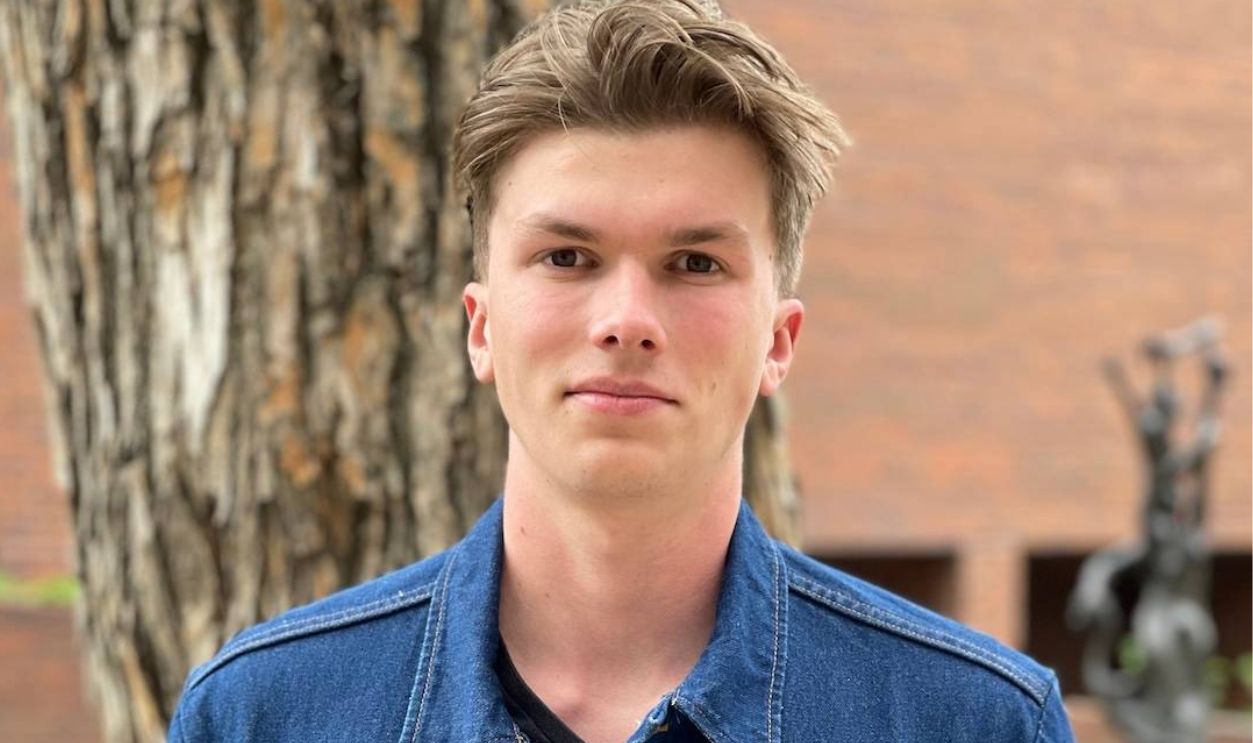
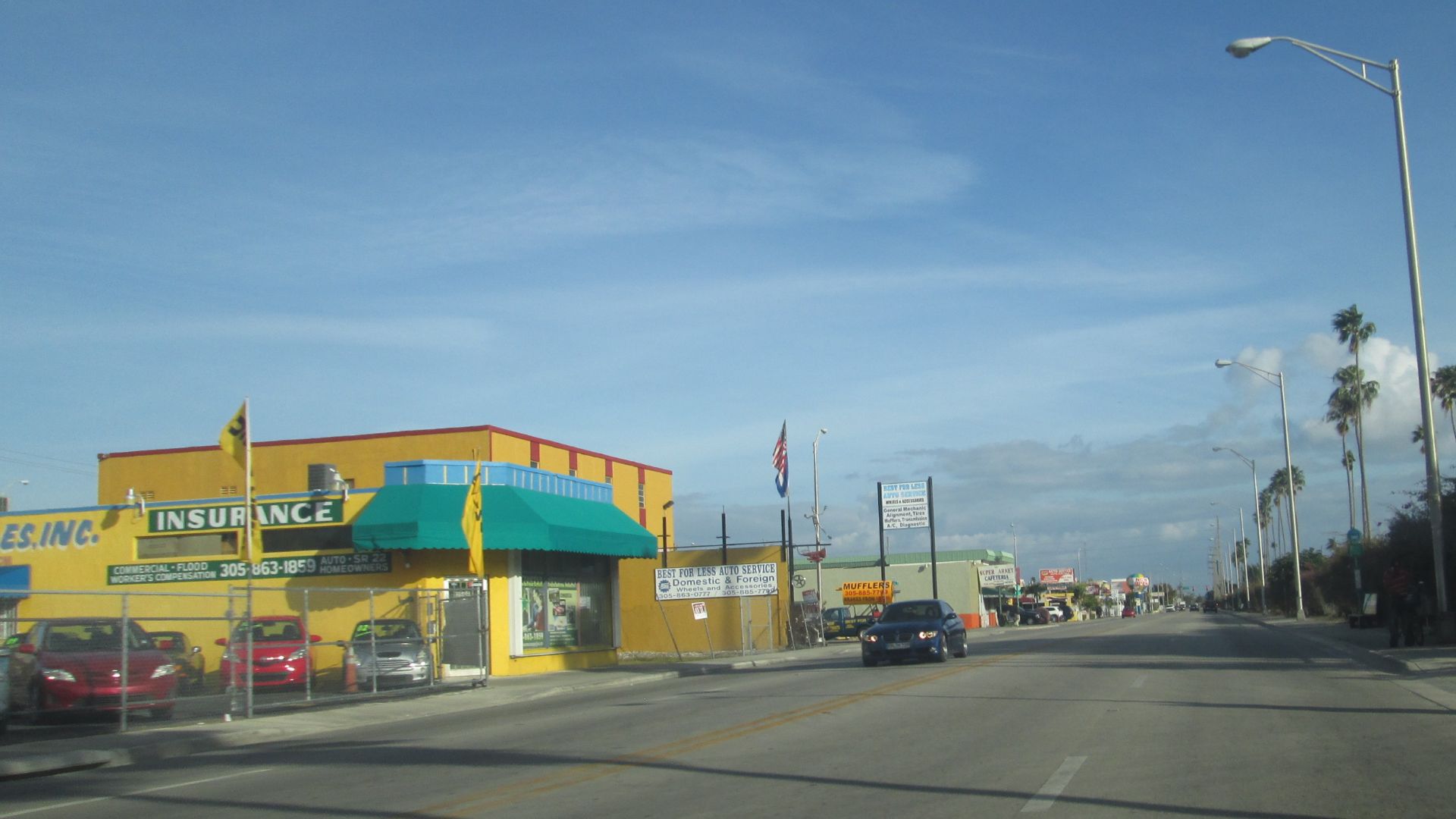
44. Miami Gardens, Florida
It’s easy to get fooled by the sunshine until the rent hits harder than midterms. Miami Gardens sits in this “list” because opportunities don’t match living costs. Student hangouts fade fast, and the campus vibe feels surprisingly thin for such a bright-looking place.
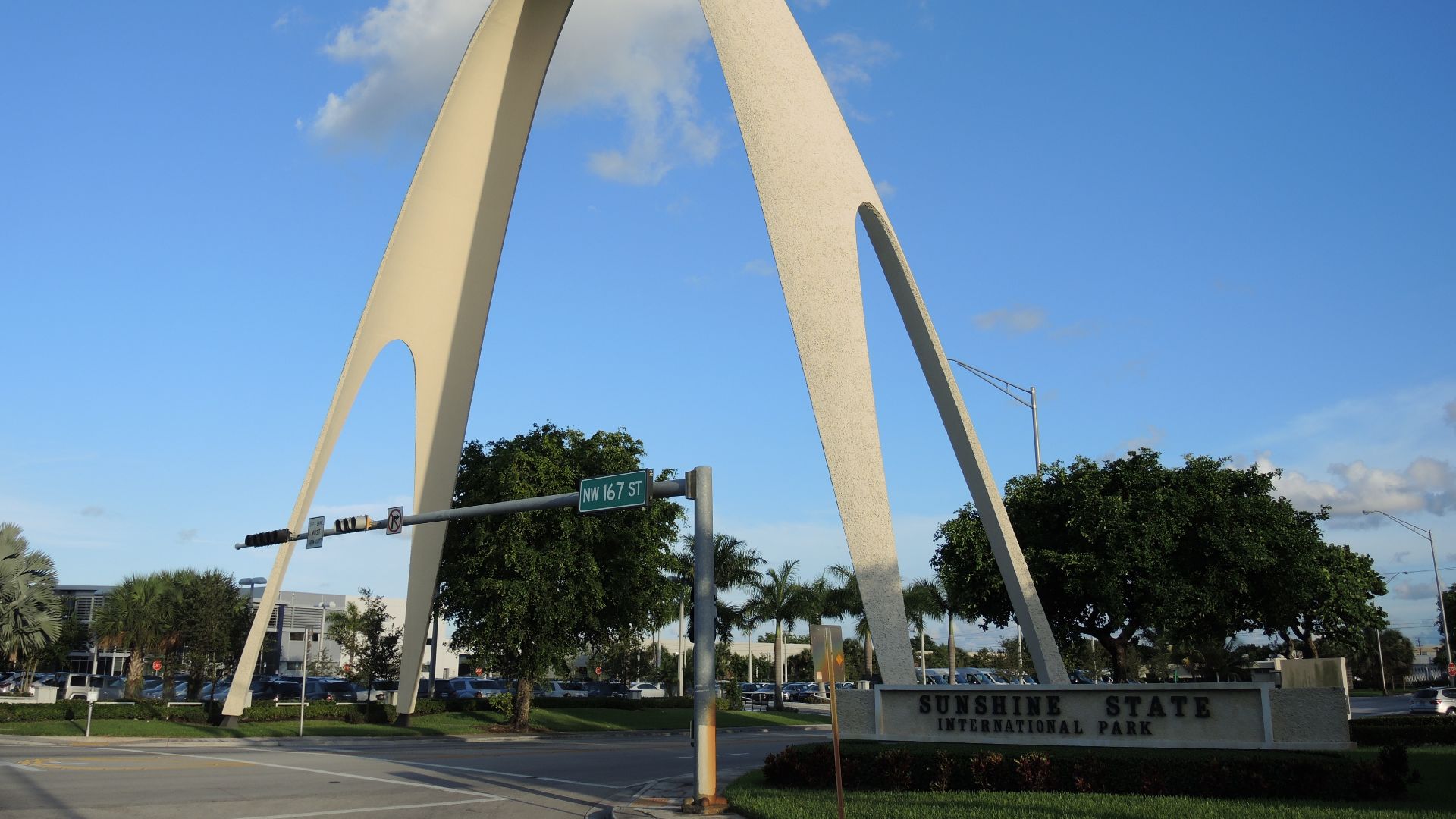
43. Bridgeport, Connecticut
On paper, a waterfront city like Bridgeport should make student living easier, but the reality doesn’t land that way. Crime trends higher than the Connecticut norm, and the social scene feels scattered. Add unreliable transit, and the everyday college experience becomes tougher than it ought to be.
42. Hialeah, Florida
Anyone expecting Miami’s spark to spill into Hialeah quickly notices the spark didn’t get the memo. WalletHub scores its social and academic environment low, traffic crawls endlessly, and student spaces barely exist. Most days feel like a hunt for energy that never quite shows up.
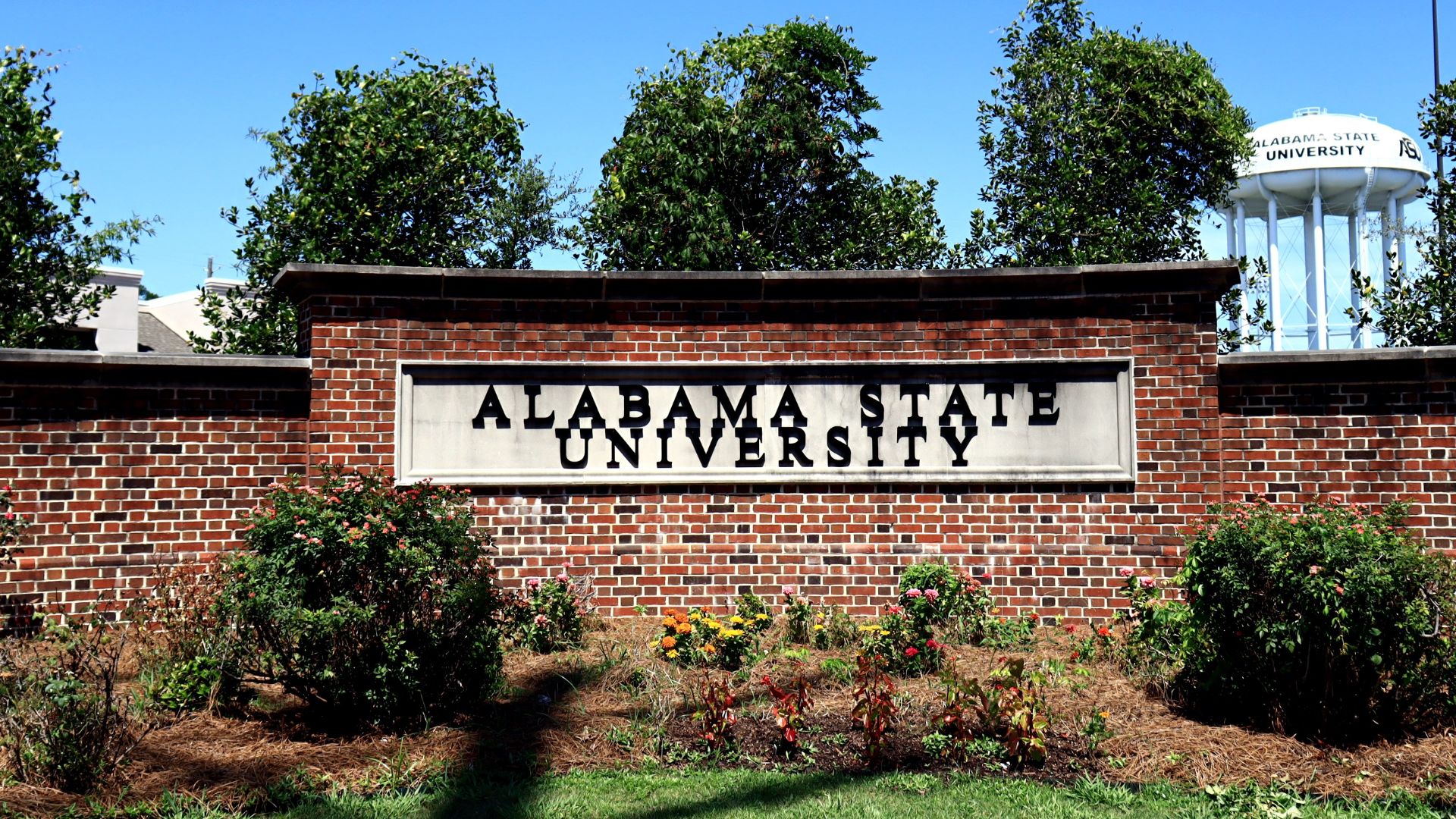
41. Montgomery, Alabama
History gives Montgomery character, but students still face real hurdles. Weak economic and academic rankings, along with crime above national norms, shape daily life. Alabama State University brings culture to the city, yet off-campus options and transit remain limited.
 2C2K Photography, Wikimedia Commons
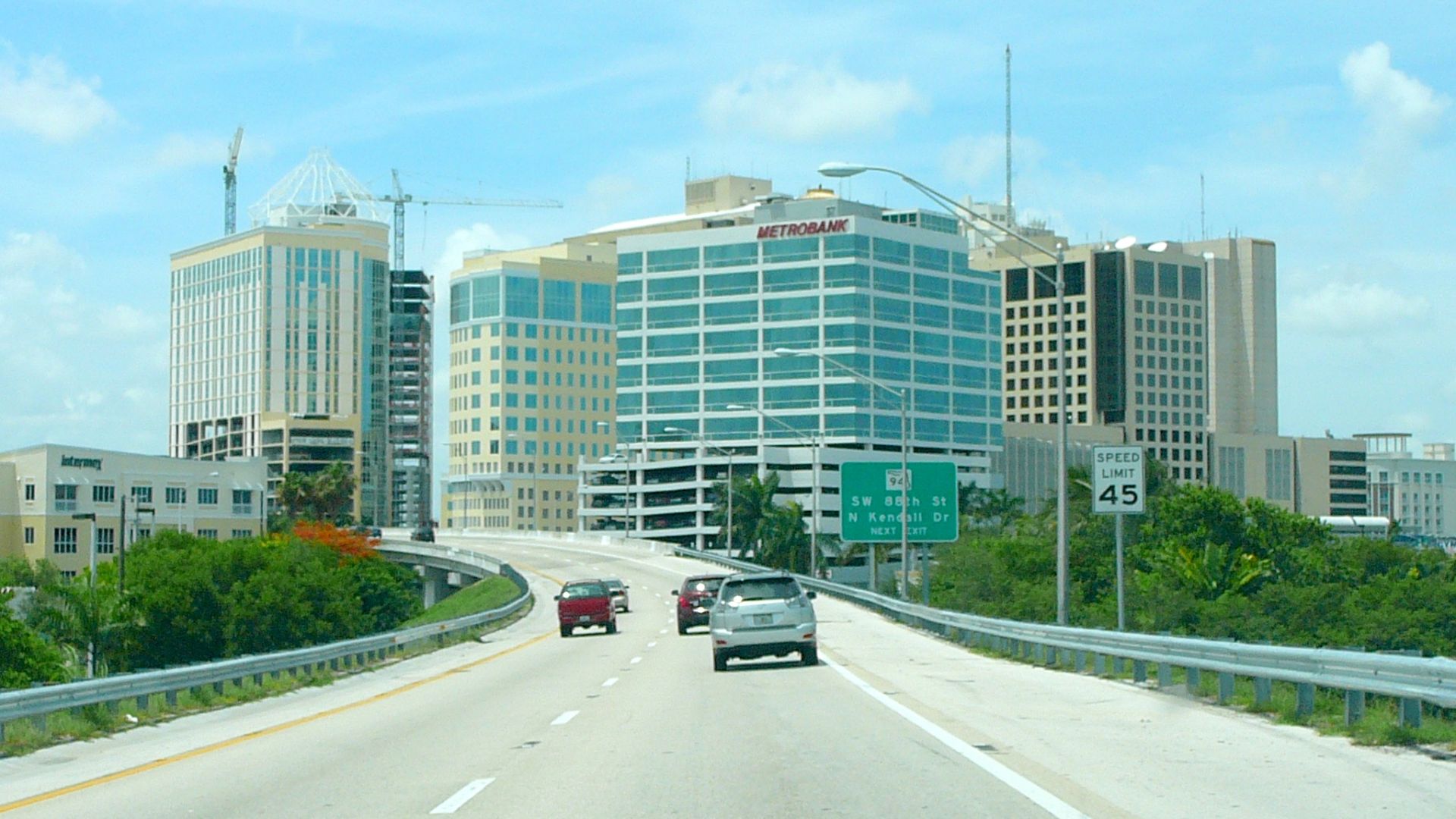
40. Kendall, Florida
If a place could shout, “Bring your car,” Kendall absolutely would. WalletHub marks it low for affordability and academic opportunity, and neighborhoods stretch out forever. Hangout spots feel sparse, while rent rises fast enough to make financial planning feel like a full-time assignment.
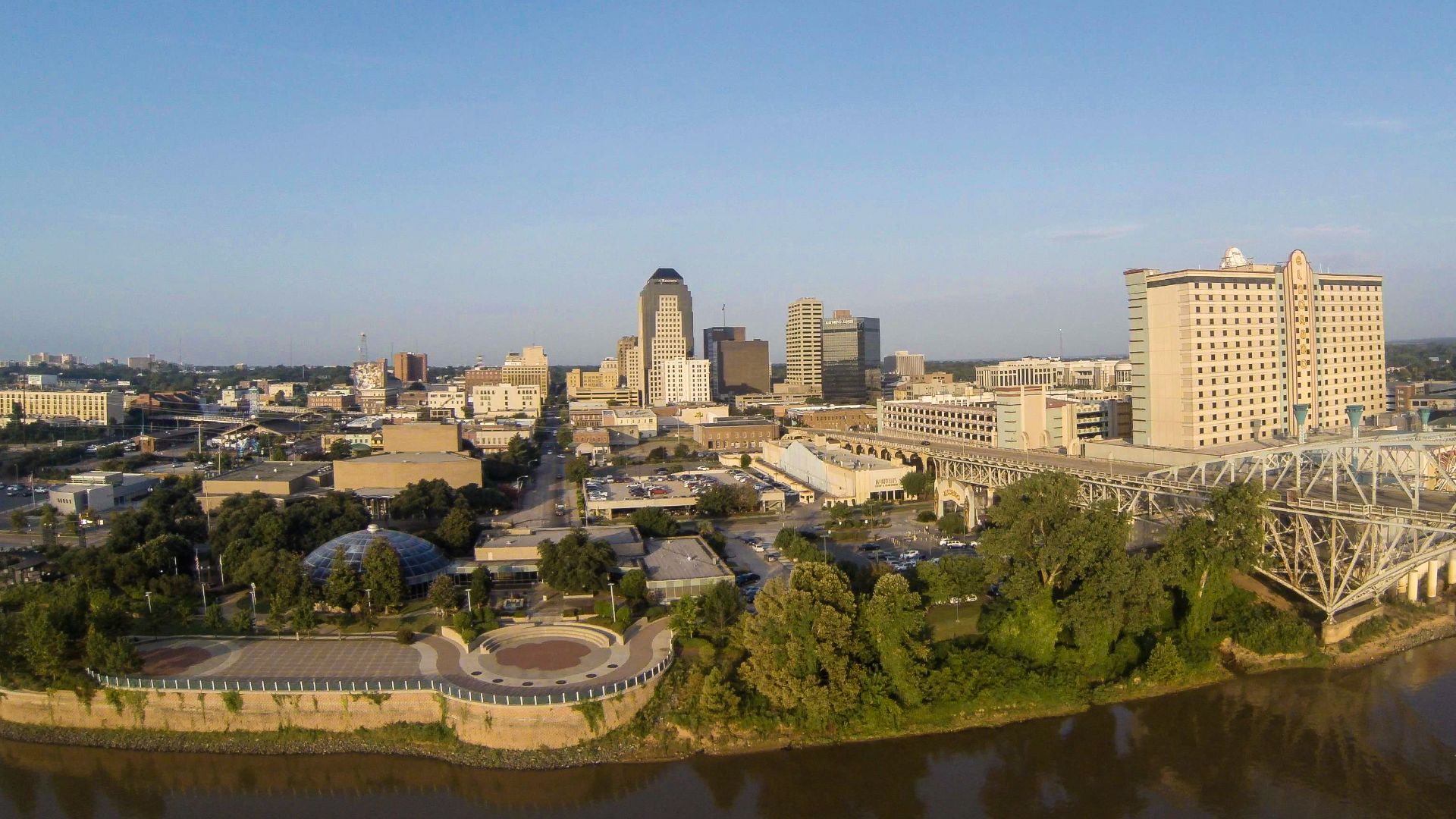
39. Shreveport, Louisiana
Some towns feel like they’re waiting for momentum, and Shreveport is one of them. Low economic opportunity scores and higher crime levels make things tougher, plus arts and internship options stay small. Local colleges try, but students still feel the weight of a community unsure of its next step.
 Shreveport-Bossier Convention and Tourist Bureau, Wikimedia Commons
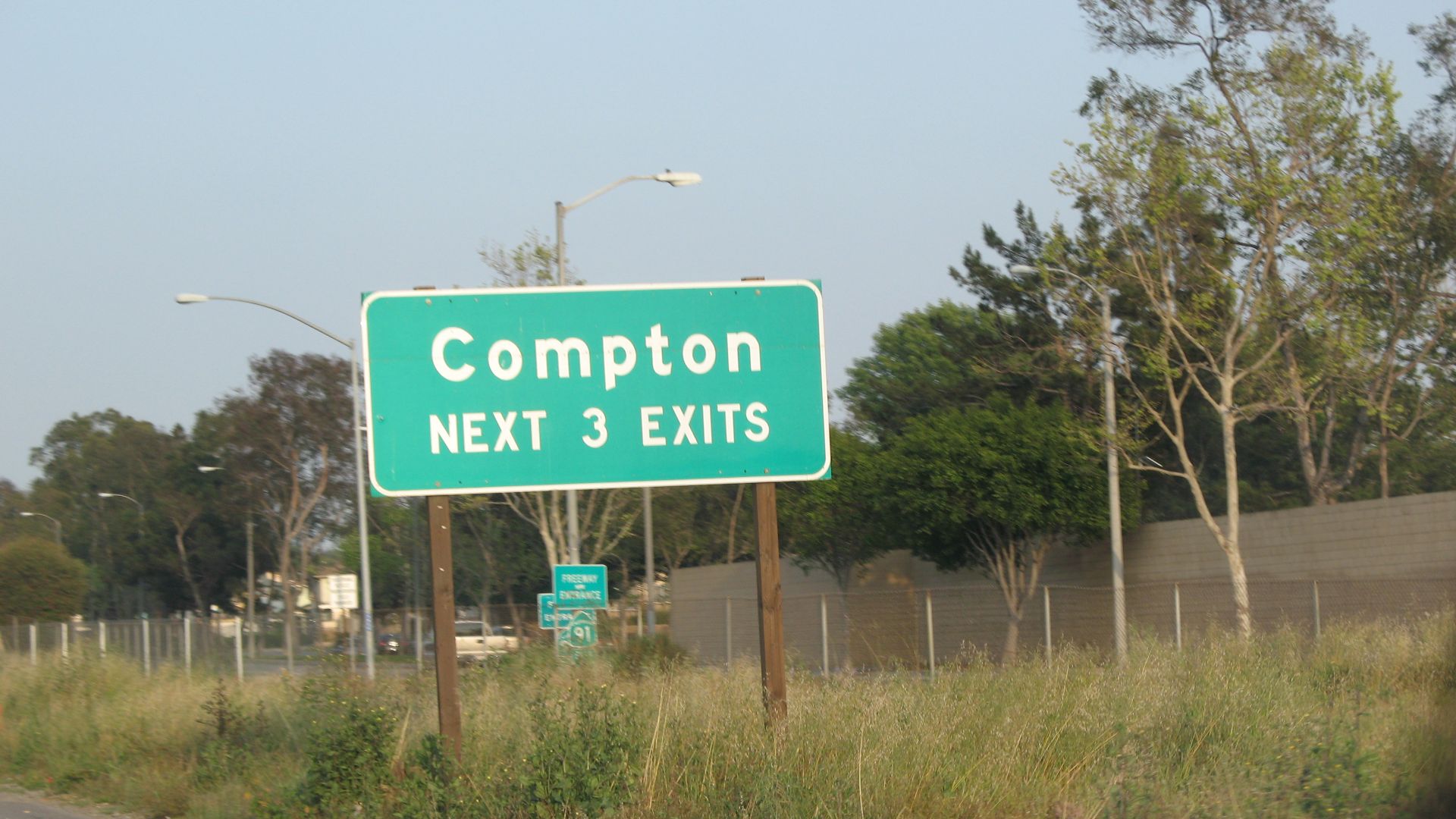
38. Compton, California
Compton ranks poorly for affordability and academic opportunity. But that’s not all, because the rent shocks students before orientation. Long commutes define the routine, and student life also spreads thin because budgets take hit after hit in a housing market that never slows down.
 donielle from los angeles, usa, Wikimedia Commons
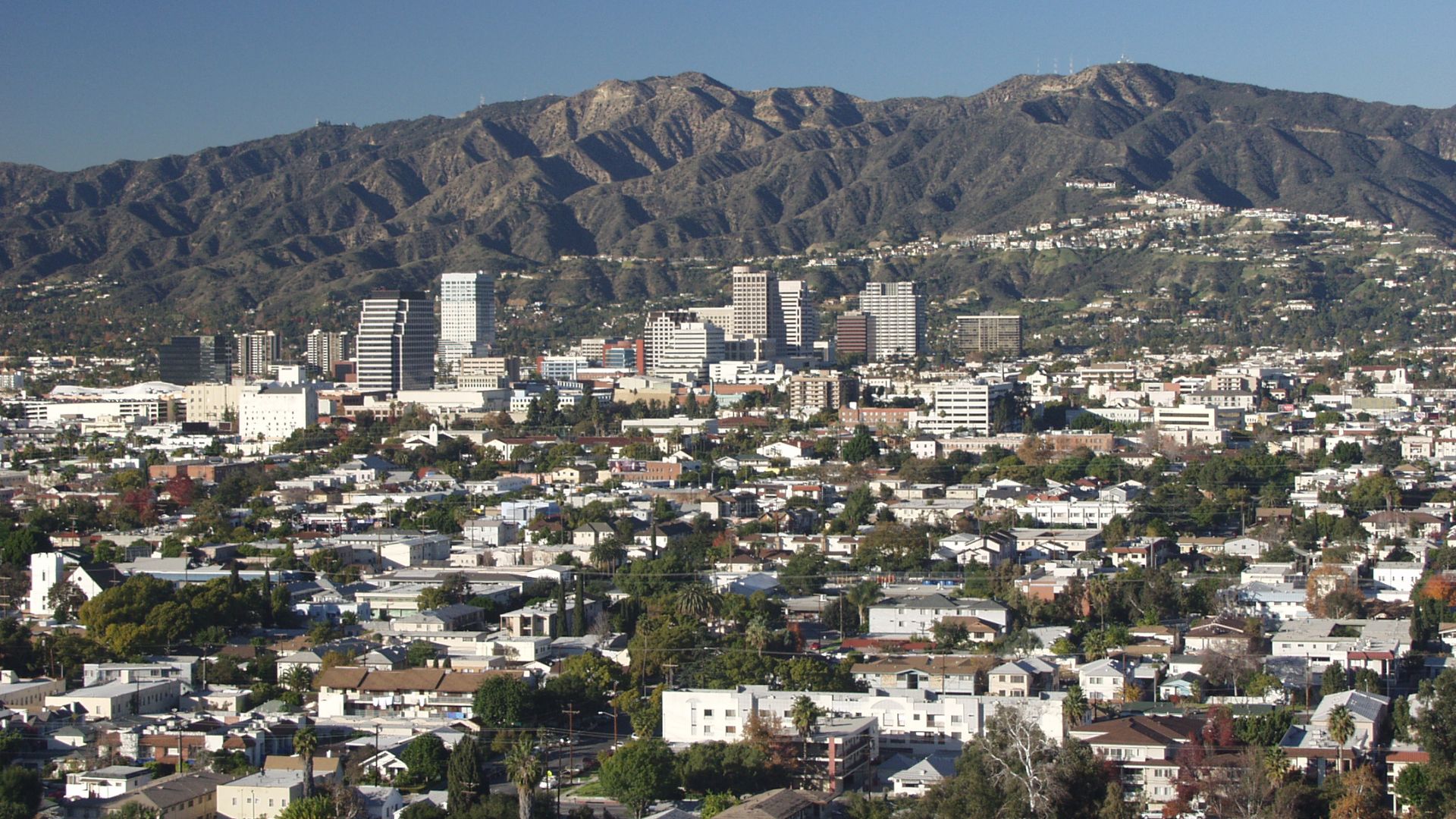
37. Glendale, California
Rent races ahead of everything else in Glendale, leaving students scrambling before classes even start. WalletHub gives it low marks in both social environment and affordability. Campuses lie far apart, and finding a central student crowd feels like solving a puzzle missing half the pieces.
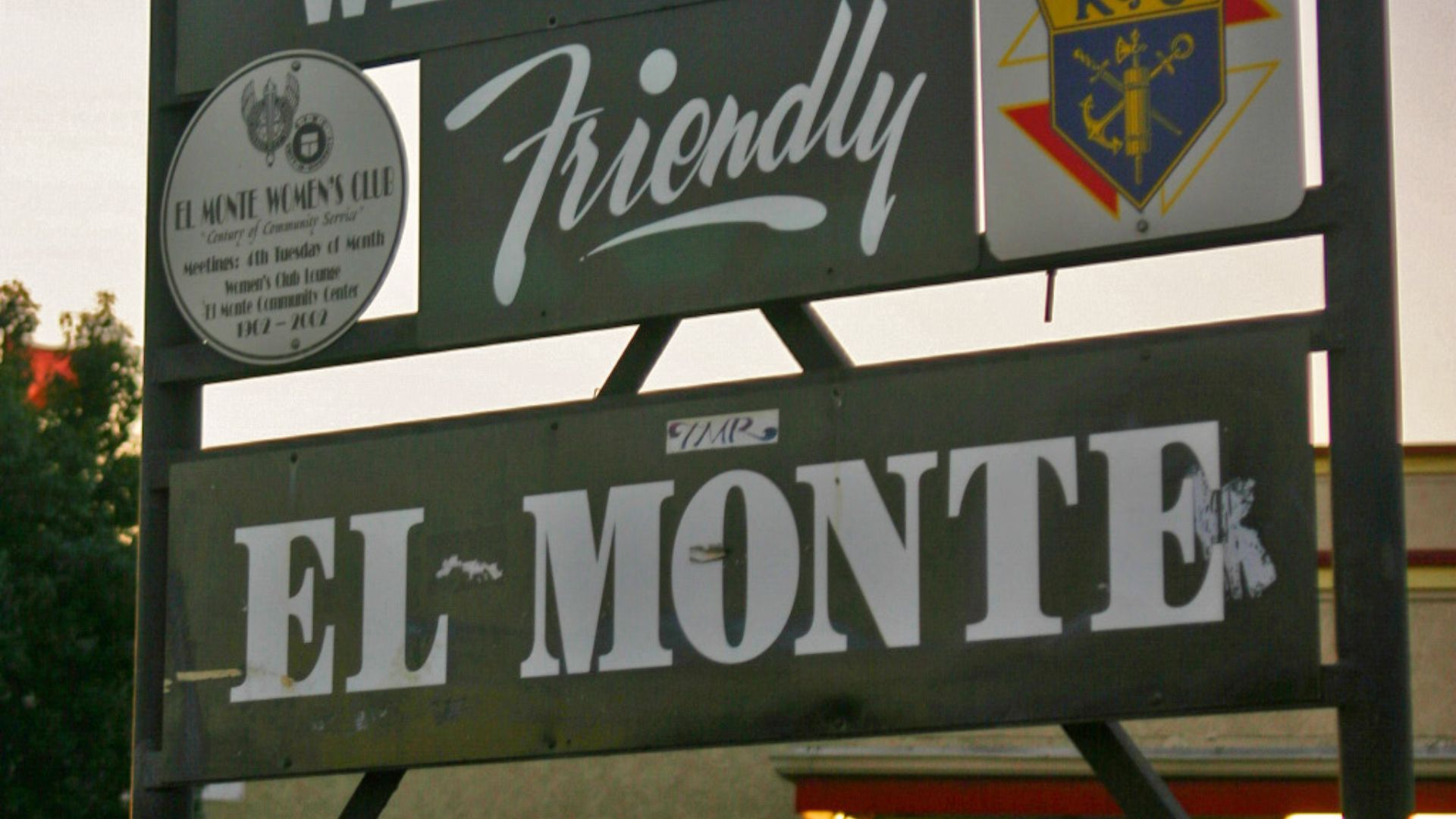
36. El Monte, California
Every plan in El Monte seems to begin with a drive, a long one. Student hubs sit far from where most students live. With stretched budgets and scattered amenities, forming a tight campus community becomes a real challenge.
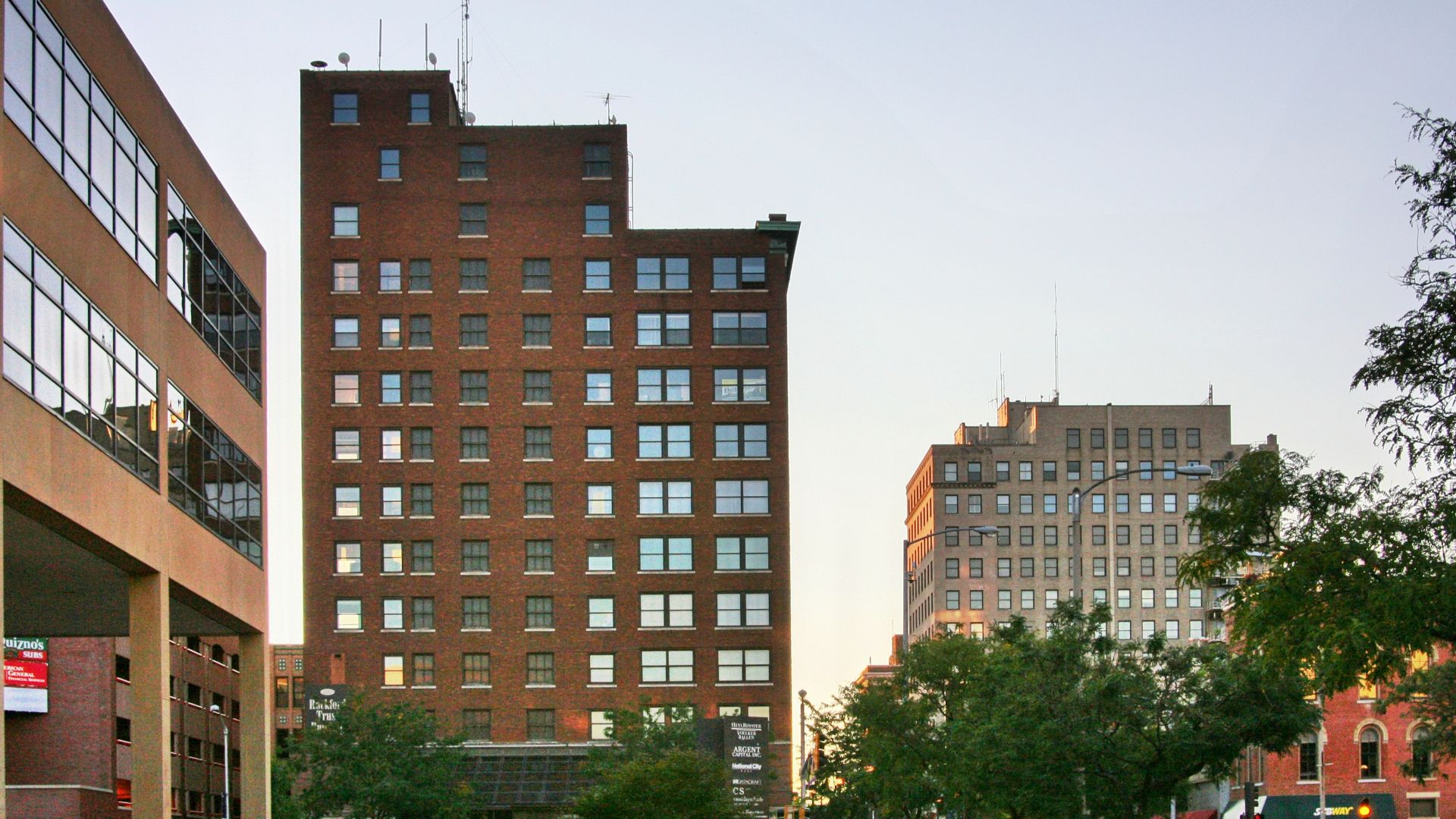
35. Rockford, Illinois
You don’t have to look far to see why Rockford lands low in social and economic rankings. Nightlife barely makes an appearance, and campuses scatter across the map. The city’s industrial past hangs overhead, reminding students that the recovery isn’t quite finished.
 Ben Jacobson (Kranar Drogin), Wikimedia Commons
34. Richmond, California
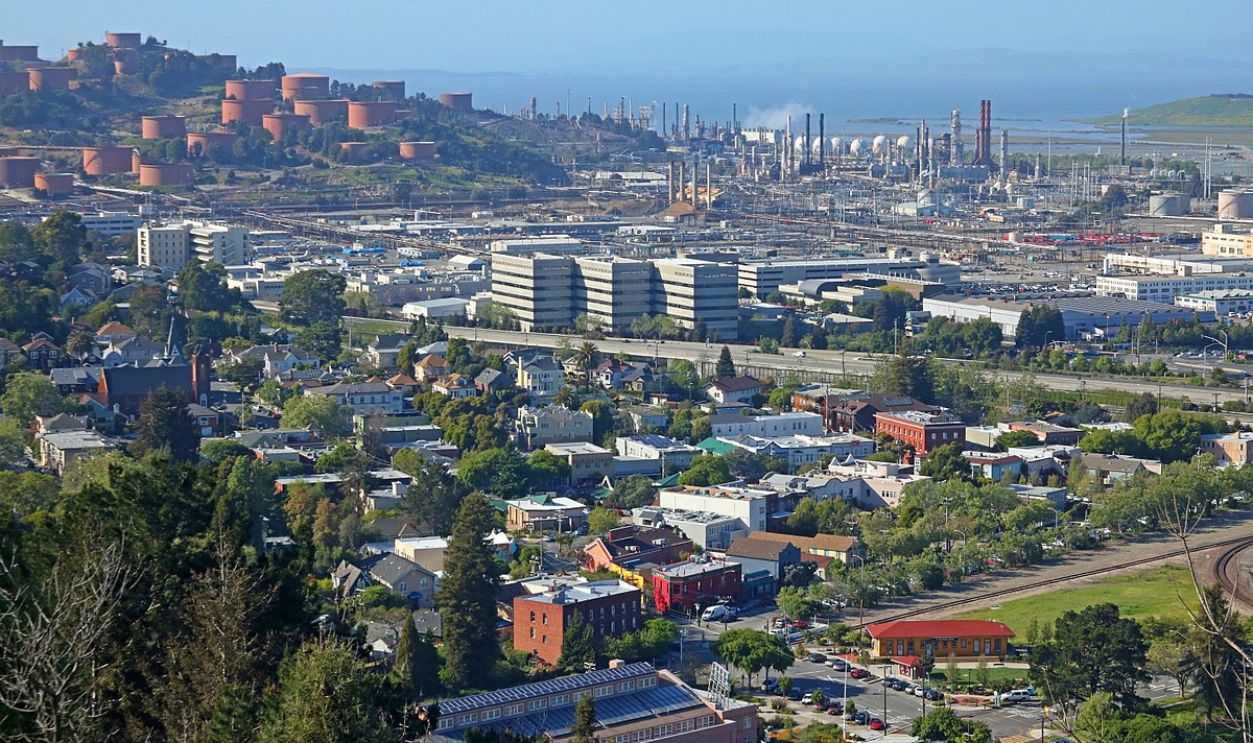
In Richmond, the first thing students notice isn’t the campus—it’s the price tag. WalletHub’s low affordability and social scores reflect that reality. With crime worries in the background and no strong student districts to anchor things, the city ends up feeling loosely stitched together.
 User:Audiohifi, Wikimedia Commons
33. Toledo, Ohio
College life in Toledo runs into trouble long before finals arrive. The town has weak academic and economic opportunity metrics and a below-average social score. Its post-industrial scene shapes job prospects, and entertainment requires more effort than most expect.

32. Burbank, California
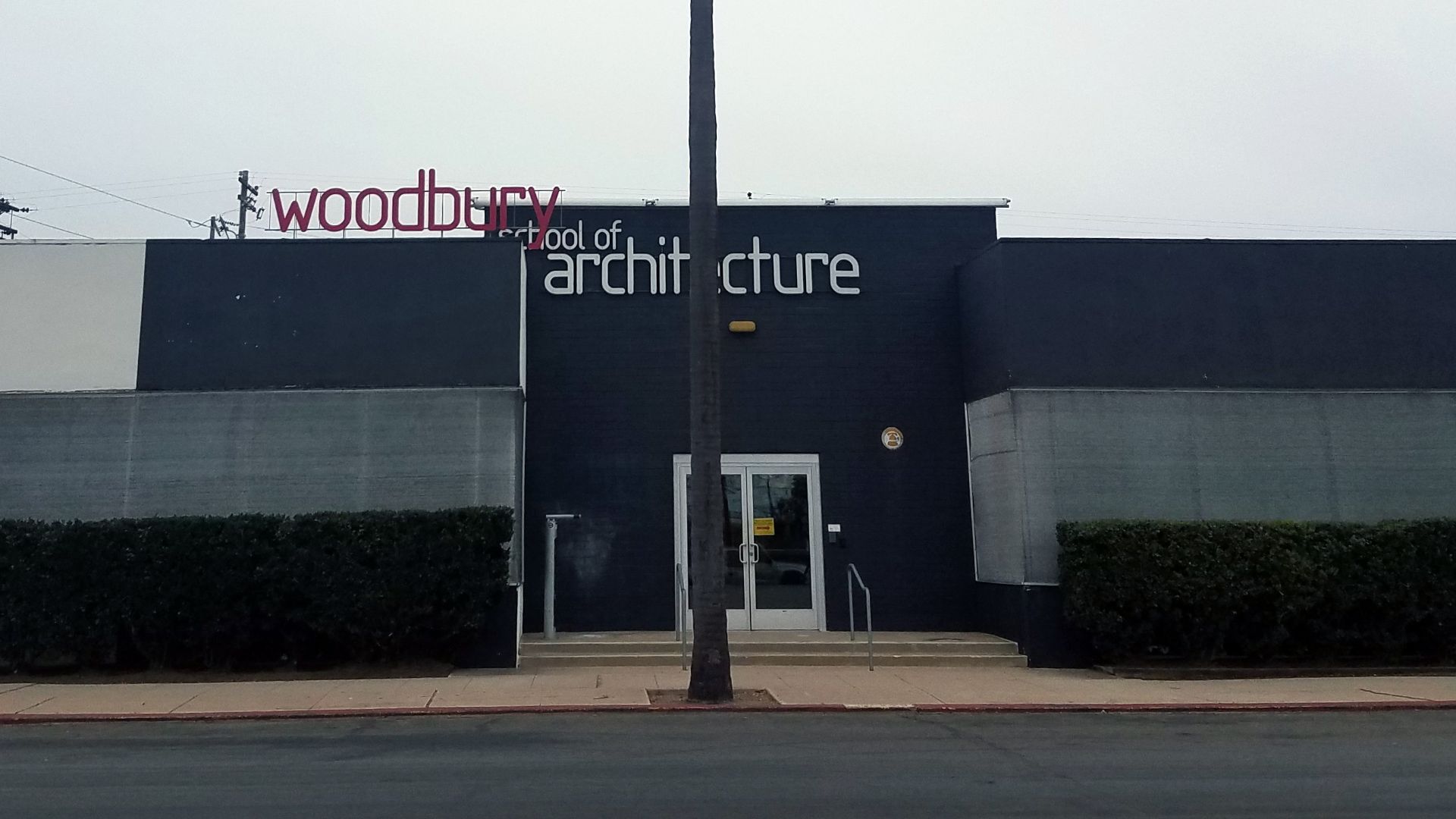
Behind the studio shine, Burbank quietly hands students a steep bill. The wallet-friendliness score sits near the bottom, and the social environment doesn’t do much better. Woodbury University brings academic life, but high rents and competitive entertainment jobs make everyday living feel like a balancing act.
 RightCowLeftCoast, Wikimedia Commons
31. Azusa, California
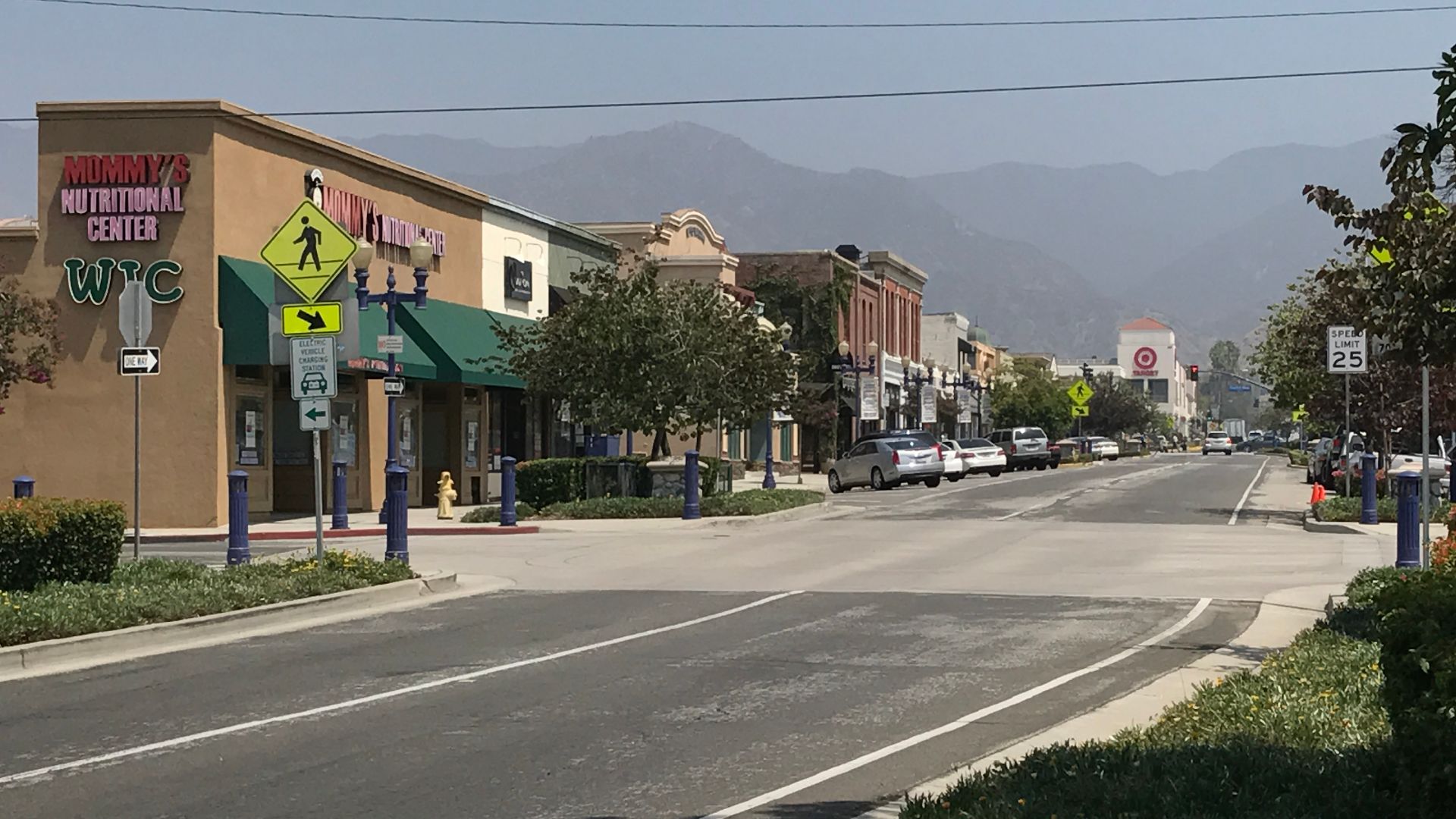
It’s easy to assume a mountain backdrop helps the student experience, but Azusa proves scenery isn’t everything. Ranked extremely low overall, the city struggles with affordability and social engagement. Azusa Pacific anchors the area, yet limited amenities and high living costs keep campus life from feeling truly vibrant.
30. San Bernardino, California
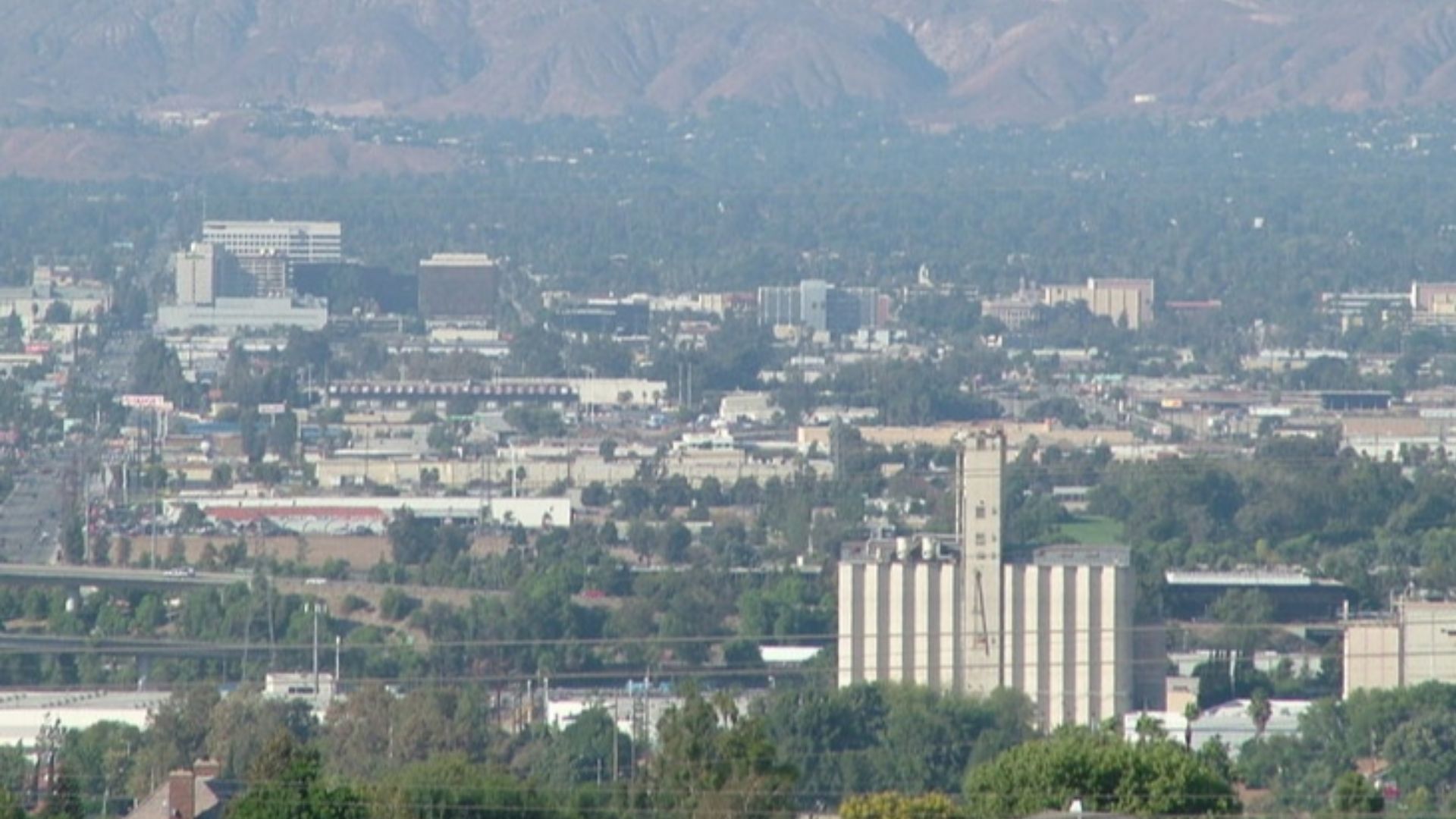
Students here learn quickly that a rough social environment score changes everything. San Bernardino posts high crime levels and ranks near the bottom socially. Local colleges work hard, yes, but limited transit and economic stagnation shape a setting where students constantly adjust expectations.
 User:Atomicwarrior76, Wikimedia Commons
29. Oakland, California
The thing about Oakland is that the math hits you first. Budgets stretch thin, mostly because rent takes such a big bite. Getting from one part of the city to another demands extra time, and services students rely on don’t land in the places they’re most needed.
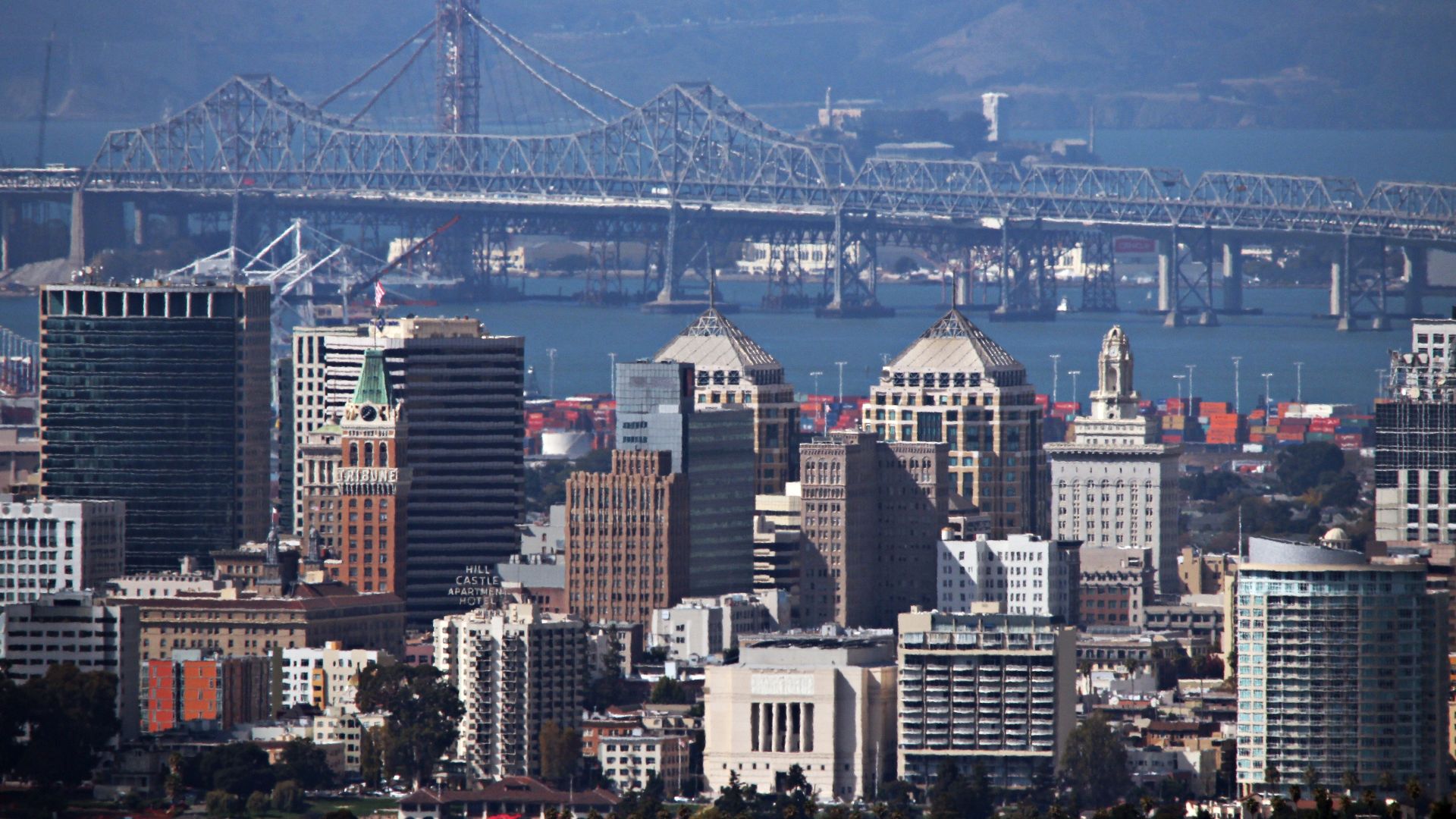 Basil D Soufi, Wikimedia Commons
28. Jackson, Mississippi
Water system issues start your woes here. Then, infrastructure problems set the tone before classes even start. Jackson scores low in economic opportunity, and academic metrics don’t bring relief. Student housing options are limited, and the city’s pace challenges anyone trying to build a steady college rhythm.
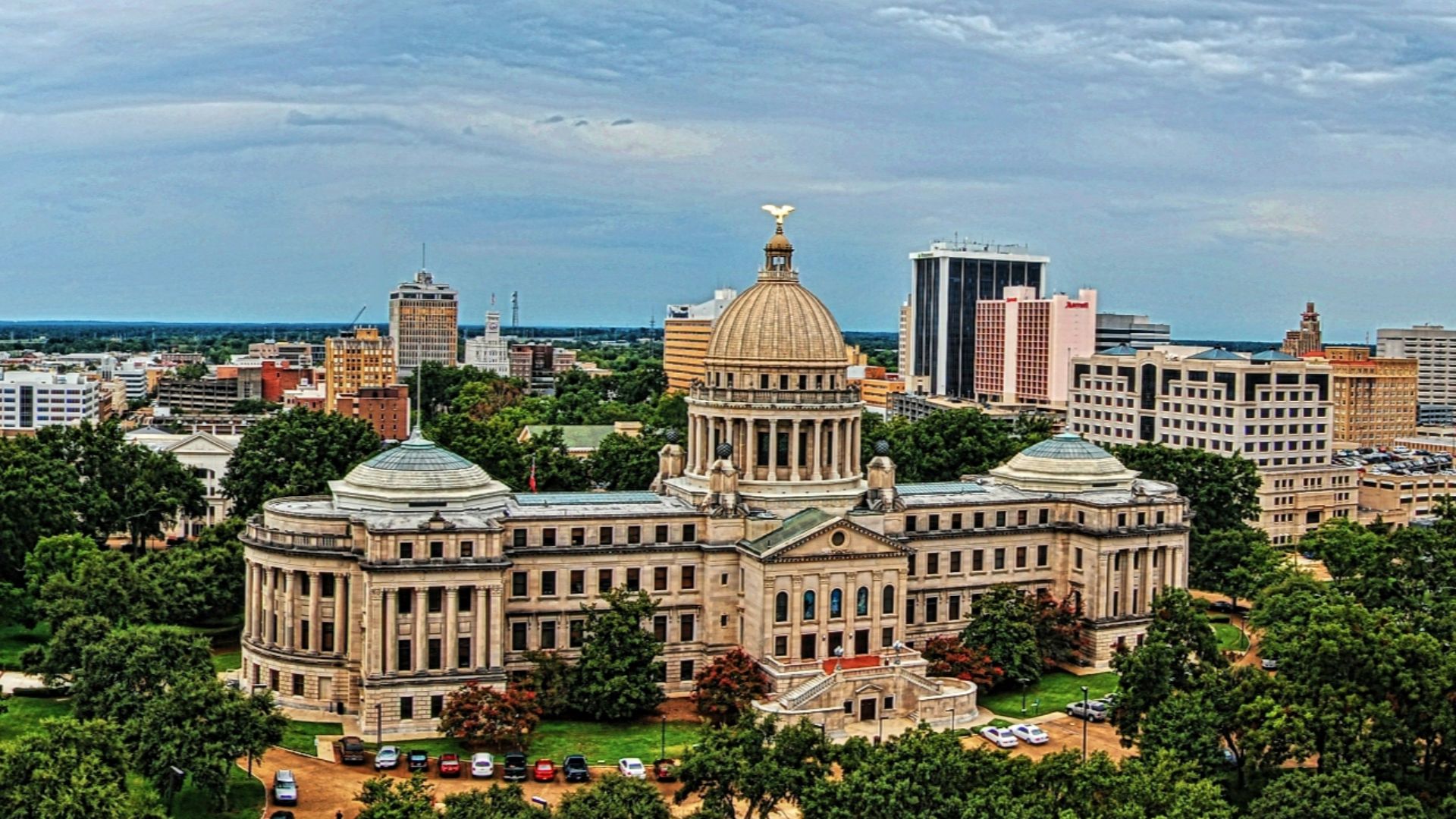 chmeredith from Jackson, MS, USA, Wikimedia Commons
27. Inglewood, California
Newcomers often see big stadiums and assume big student energy, but Inglewood tells a different story. Low social-environment and affordability scores define the experience. High rents cut deep, while rapid development raises prices faster than student life can adapt.
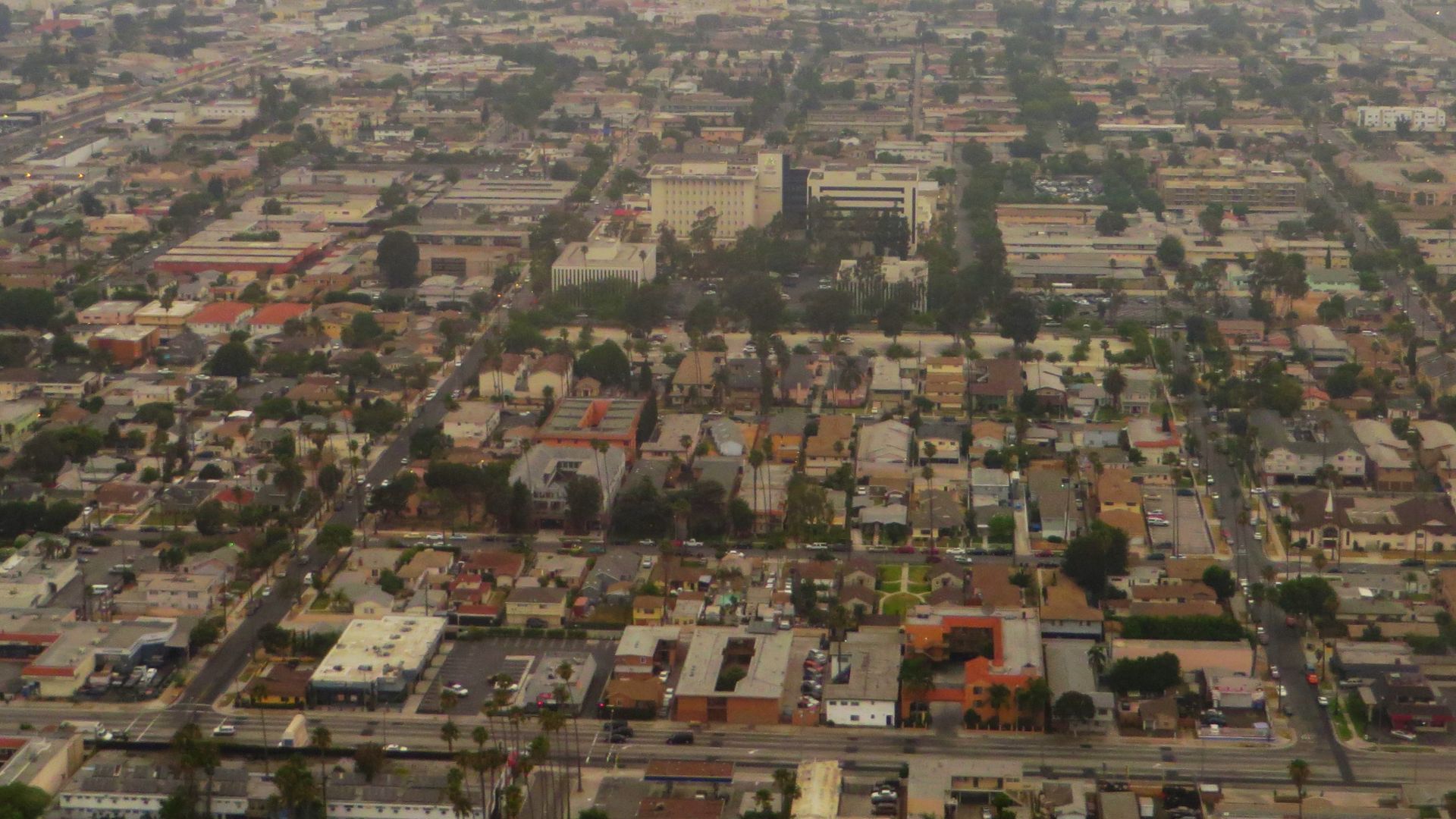 Ken Lund from Reno, Nevada, USA, Wikimedia Commons
26. West Covina, California
There’s a moment in West Covina when students realize the calm is so complete it swallows the campus energy. With most living spaces geared toward families and the city built around cars, the search for connection turns into a slow drift rather than something that sparks on its own.
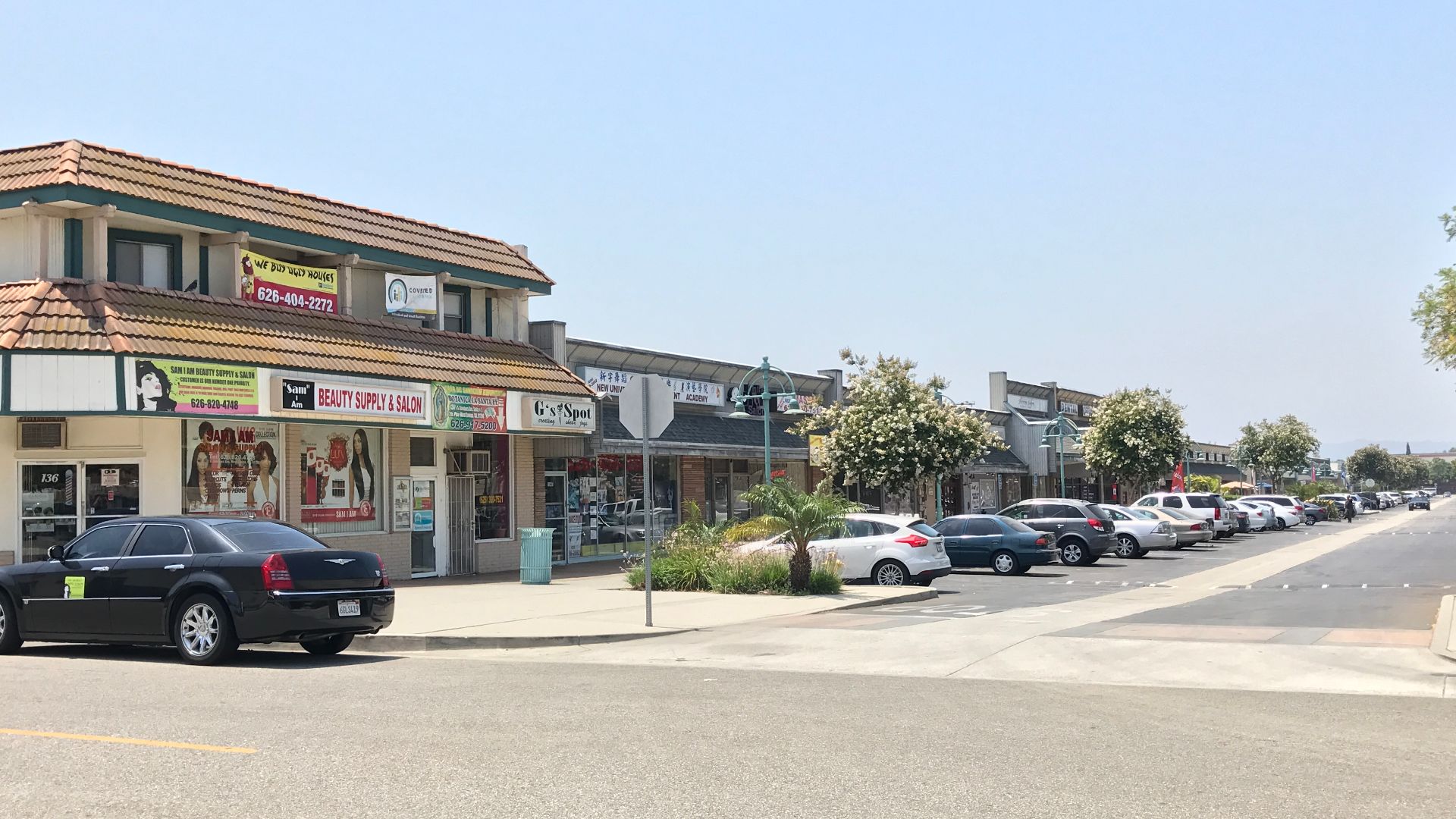
25. Carson, California
Carson brings decent weather but not much momentum for students. With low marks in wallet friendliness and social environment, it’s tough to find a strong campus core. California State University, Dominguez Hills (CSUDH) sits nearby, yet the city’s limited student-focused zones leave the experience feeling more fragmented than fun.
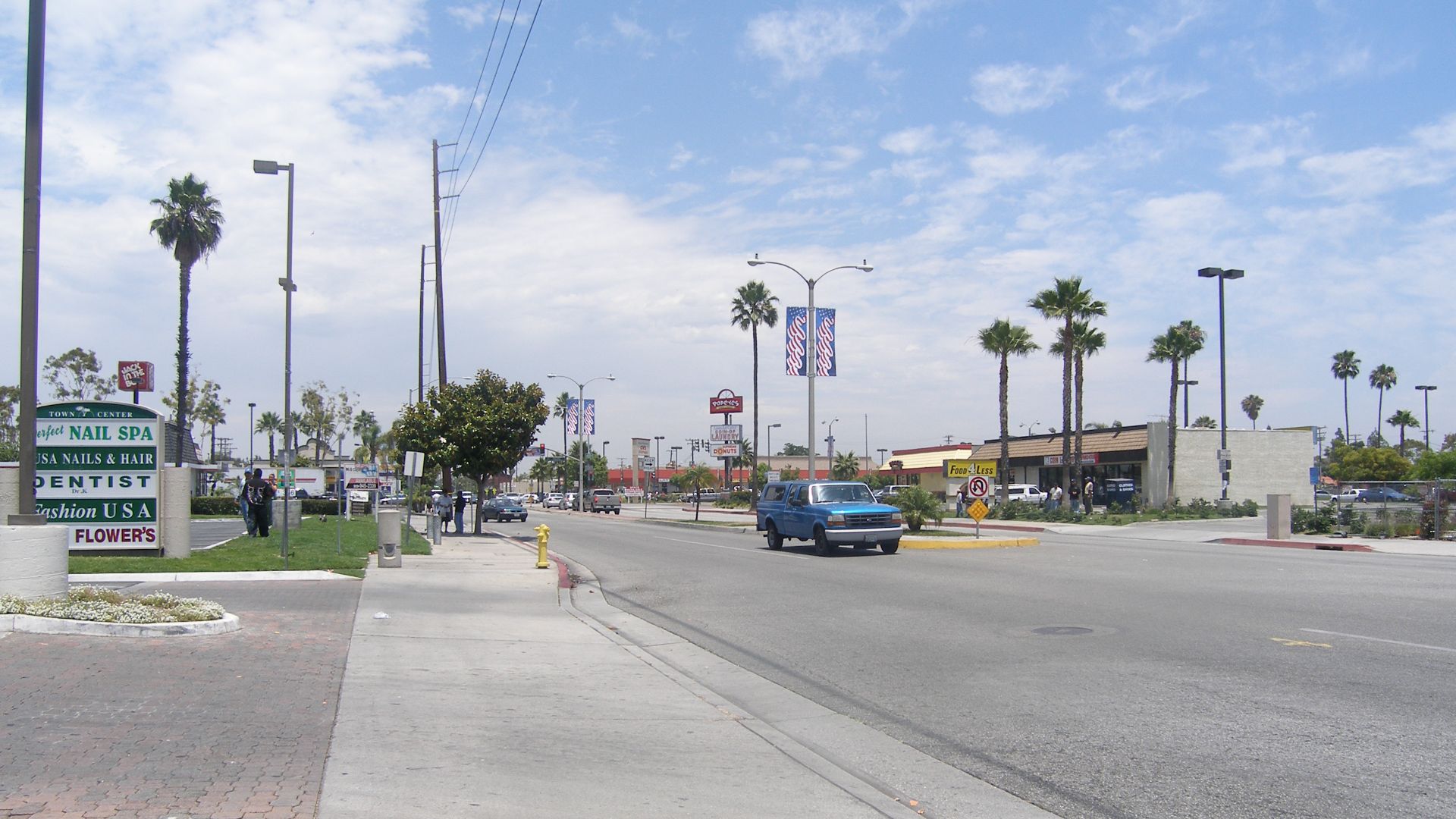 Laurie Avocado, Wikimedia Commons
24. Alhambra, California
Every student hoping for a lively college scene discovers Alhambra runs more on quiet convenience than campus buzz. Affordability scores fall short, and academic opportunity metrics stay modest. Nightlife pushes into Los Angeles, and the city’s commuter-heavy nature keeps student communities from forming easily.
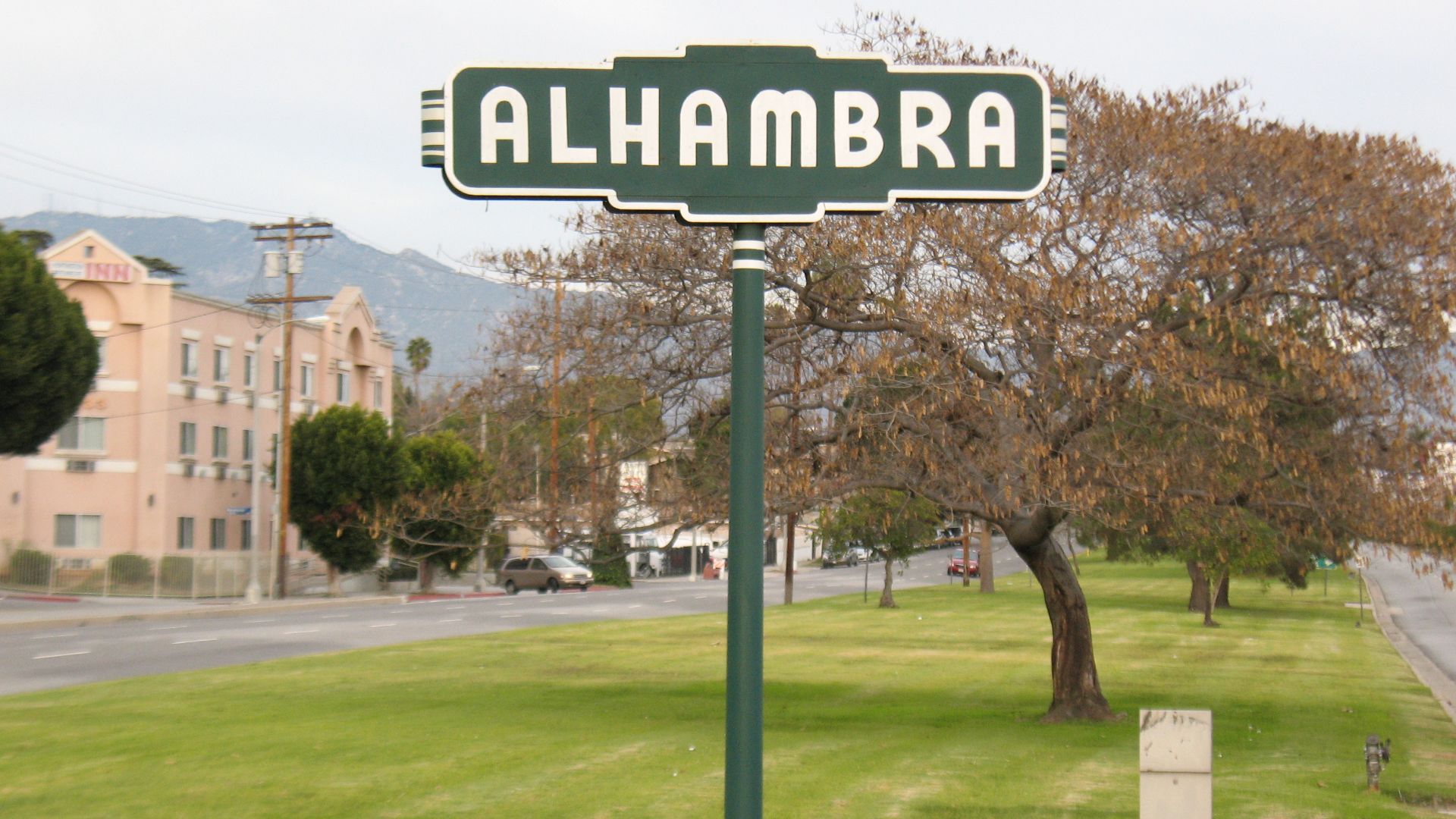 Jey0h (talk), Wikimedia Commons
23. Germantown, Maryland
From far away, Germantown seems easy to settle into, but students quickly learn how spread out their world becomes. Big universities sit well beyond a short ride, and community colleges carry most of the load. With so much travel in the mix, it’s tough for a real campus feeling to take hold.
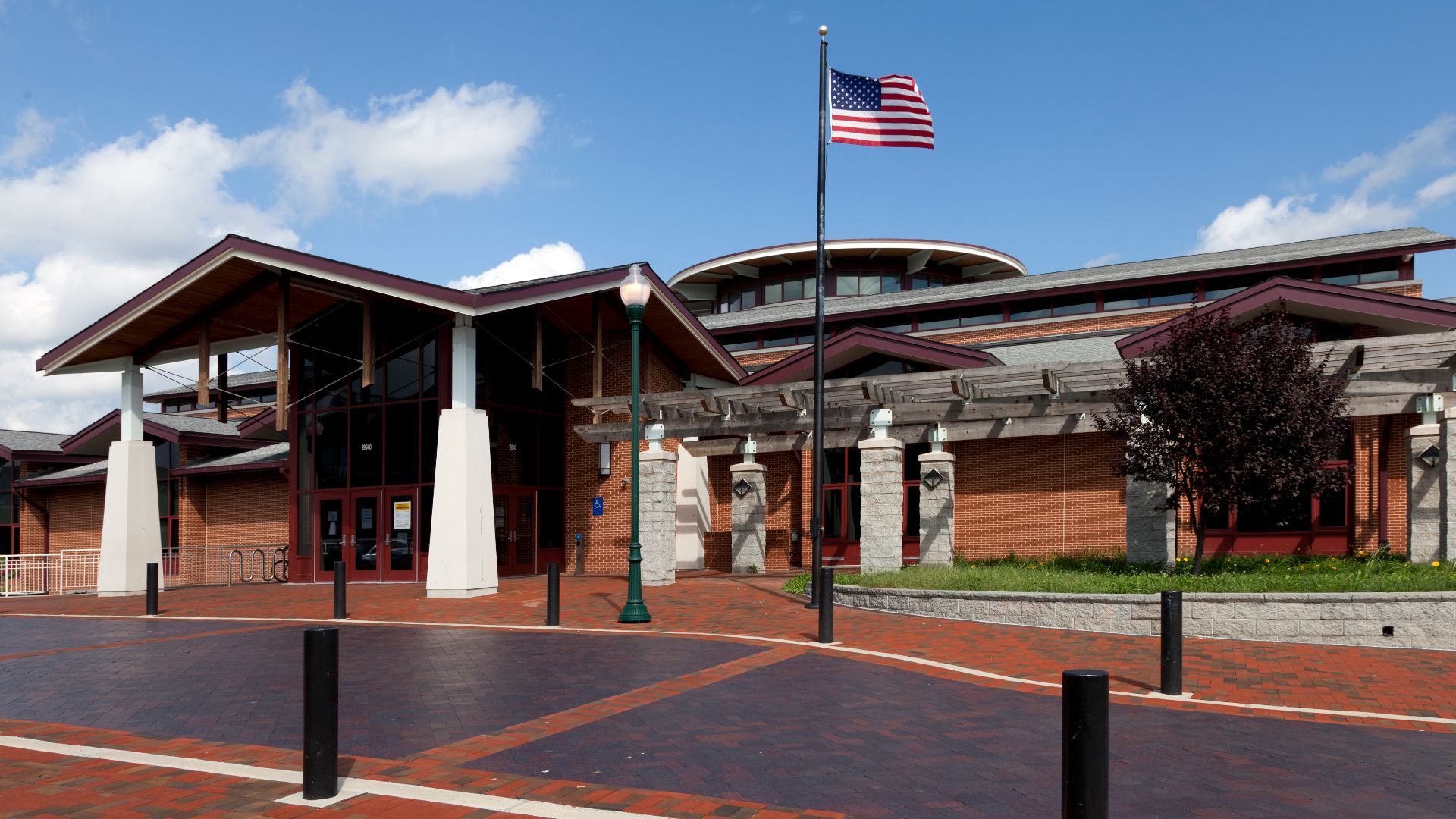 Carol M. Highsmith, Wikimedia Commons
22. Springfield, Massachusetts
Springfield’s blend of historic charm and modern strain defines everyday student life. High crime levels weigh heavily on the city’s appeal, and limited academic opportunity scores push it further down the rankings. Nearby colleges exist, yet downtown’s struggles and uneven off-campus options create a fragmented rather than supportive environment.
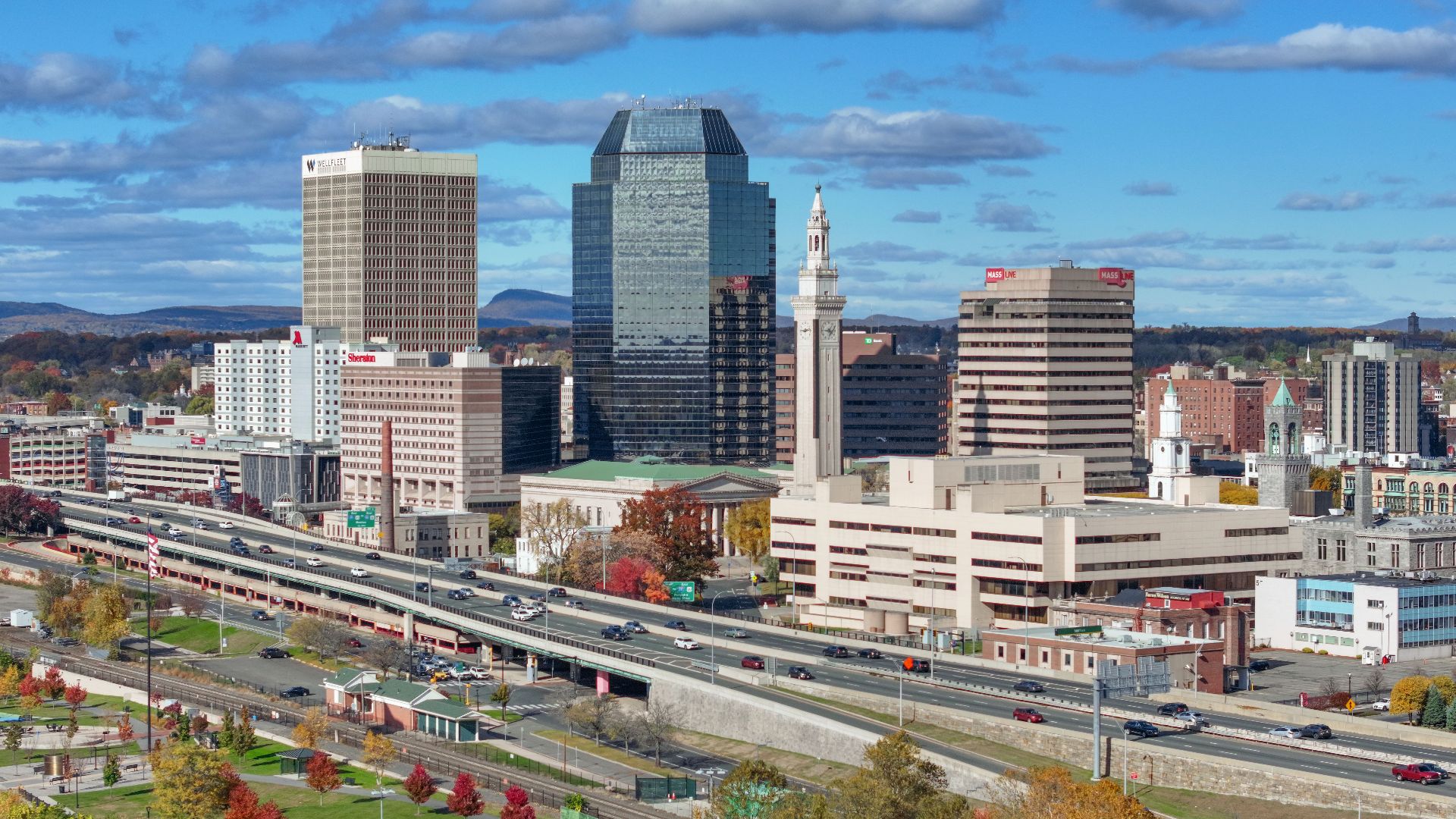 Quintin Soloviev, Wikimedia Commons
21. Flint, Michigan
Flint’s affordability looks great on paper until students measure it against the city’s long-term instability. Weak academic performance is the first struggle. And economic scores pair with a poor social-environment ranking. The water crisis still shadows campus life, and despite multiple colleges, the student community feels spread out and cautious.
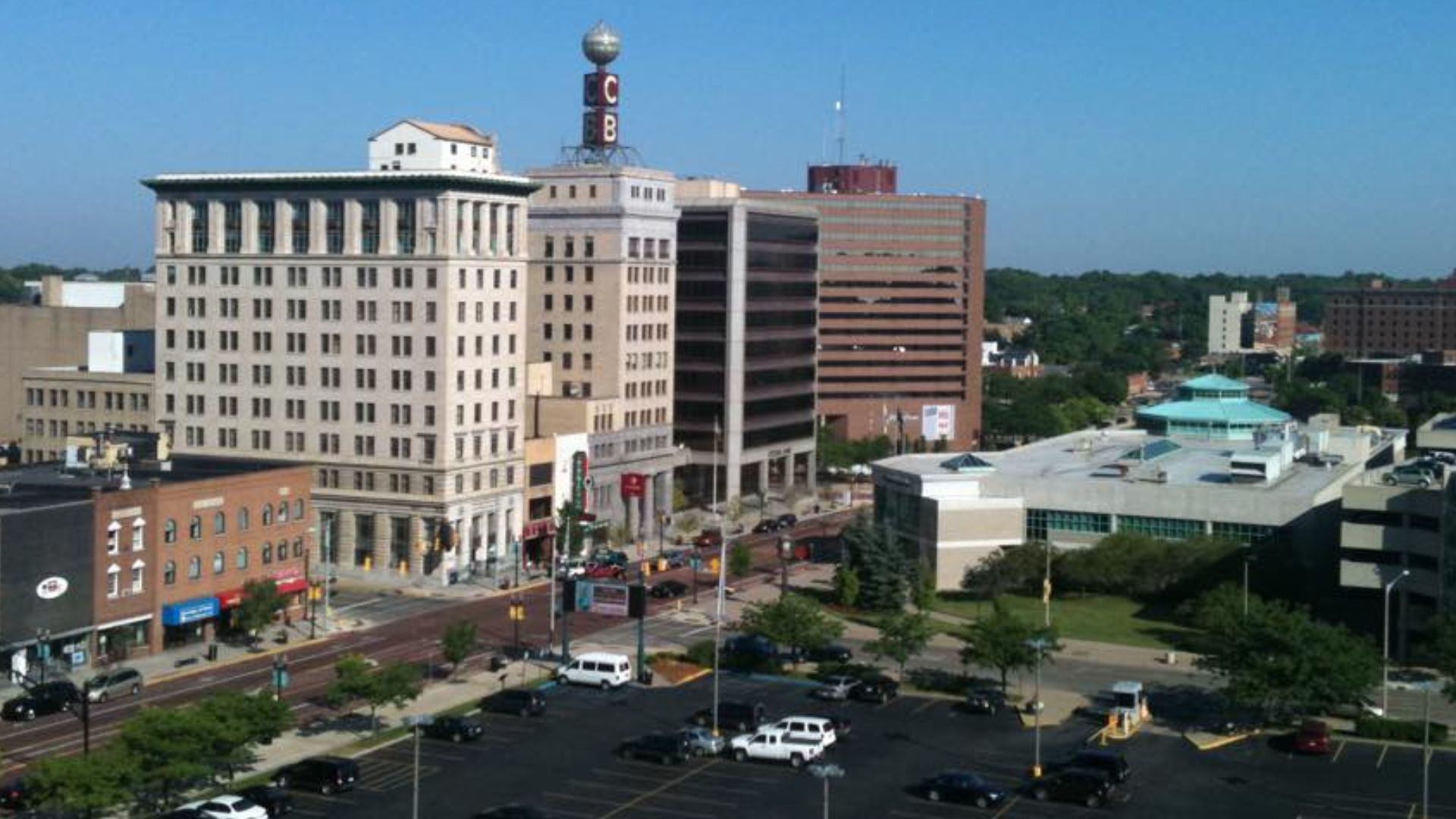 Flintmichigan, Wikimedia Commons
20. New Rochelle, New York
Everything in New Rochelle costs more than students expect, starting with the rent. WalletHub gives the city extremely low affordability and social and environmental scores. Iona University anchors local academics, yet most entertainment and transit conveniences lie far enough away to make the experience pricier than it’s worth.
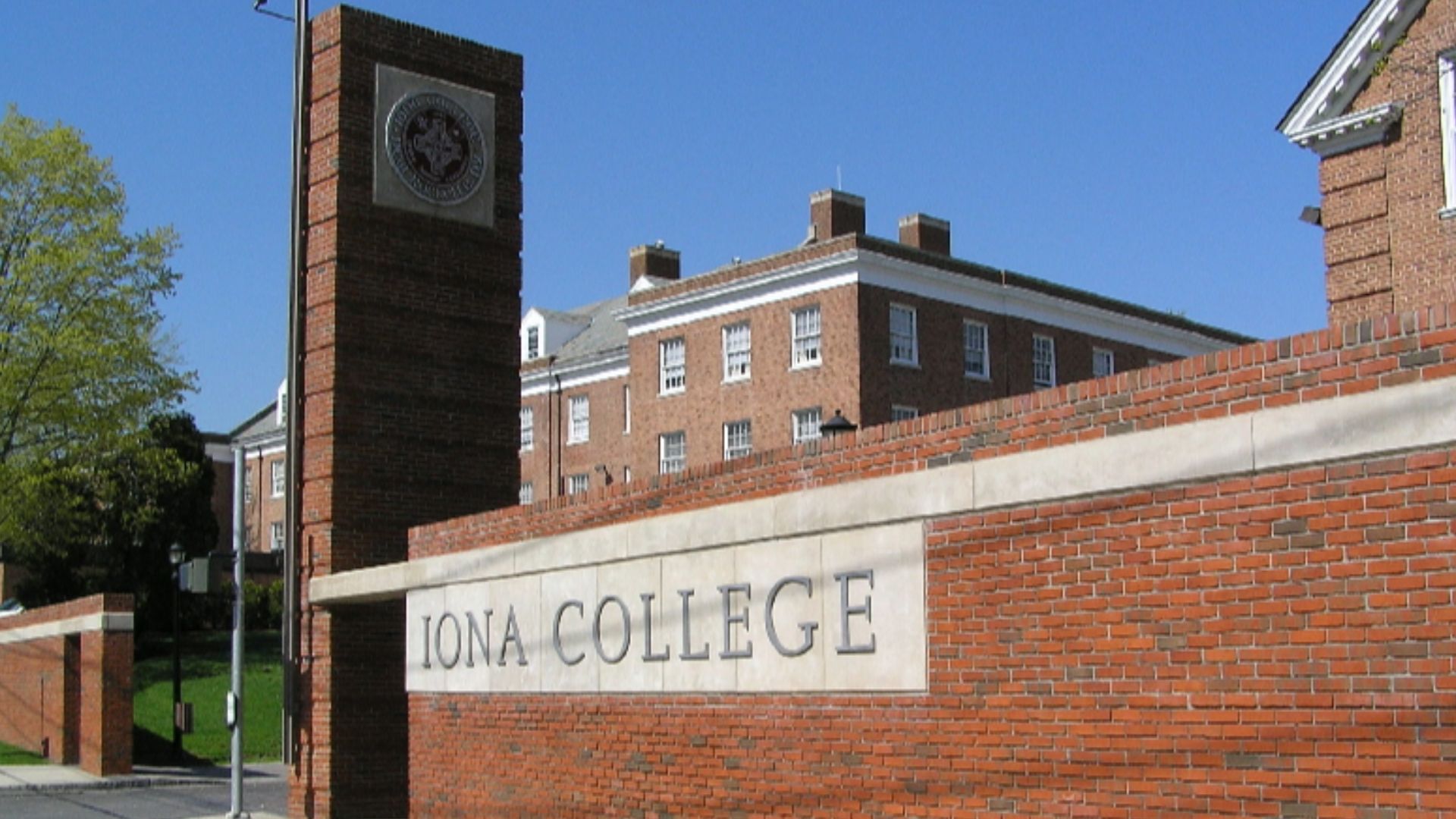 Anthony22 at English Wikipedia, Wikimedia Commons
19. Stony Brook, New York
Quiet, suburban life defines the Stony Brook rhythm. And it begins with high living costs and a weak social environment that shape life around the university. The campus sits somewhat isolated, so many students rely on long trips to New York City for anything that feels lively.
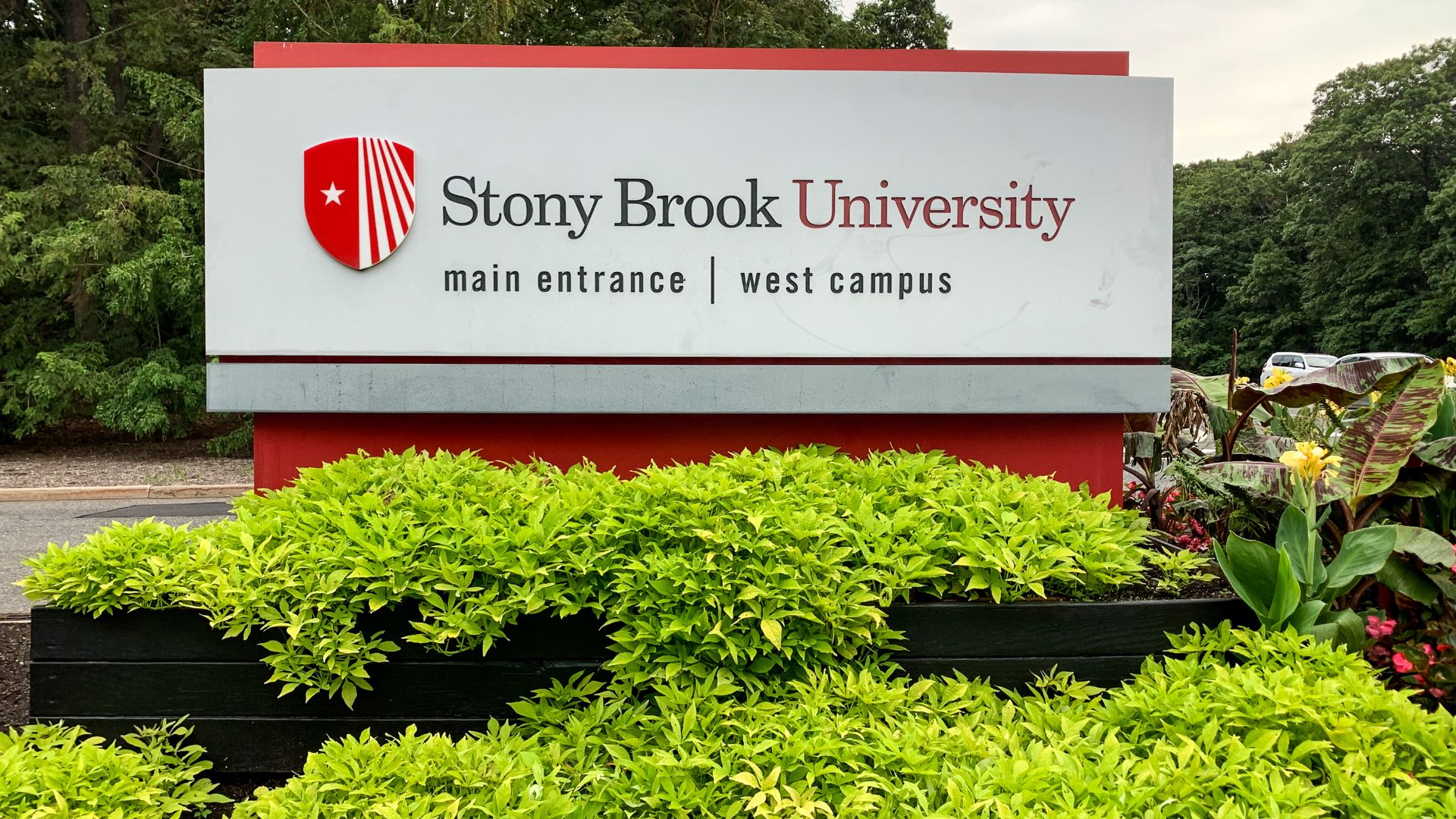 Kenneth C. Zirkel, Wikimedia Commons
18. Kansas City, Kansas
Kansas City, Kansas, greets students with money worries before the semester even settles in, and the social scene doesn’t do much to balance things out. The housing varies wildly, and the industrial backdrop gives the place a jagged rhythm that can make the whole experience feel offbeat.
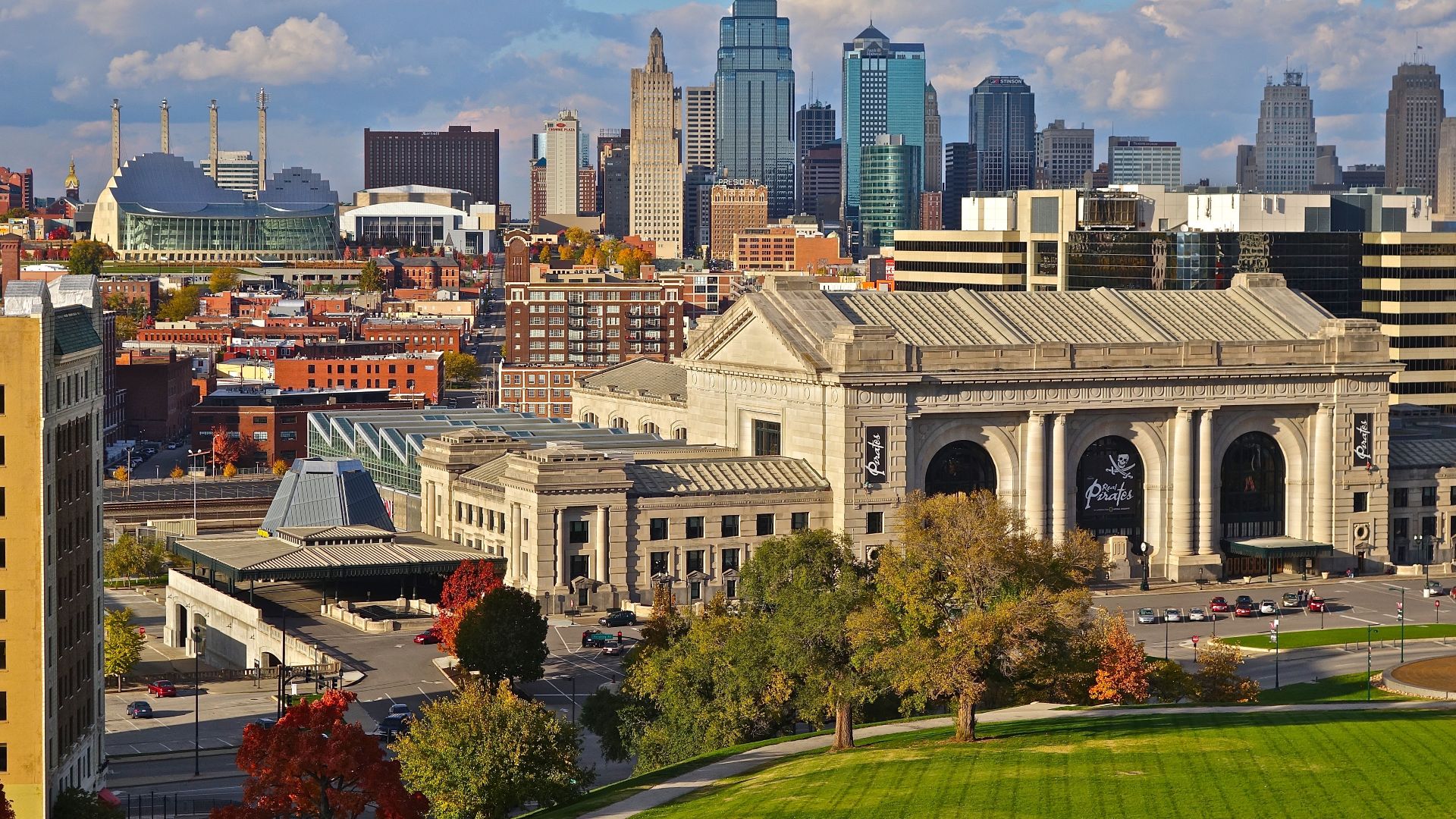 Dean Hochman from Overland Park, Kansas, U.S., Wikimedia Commons
17. Paterson, New Jersey
Anyone expecting a classic college-town setup quickly realizes Paterson isn’t built that way. Low social and academic opportunity scores reflect the challenges students face, and higher-ed options are scarce. Dense neighborhoods offer plenty of activity but little student-oriented space, prompting many to commute elsewhere.
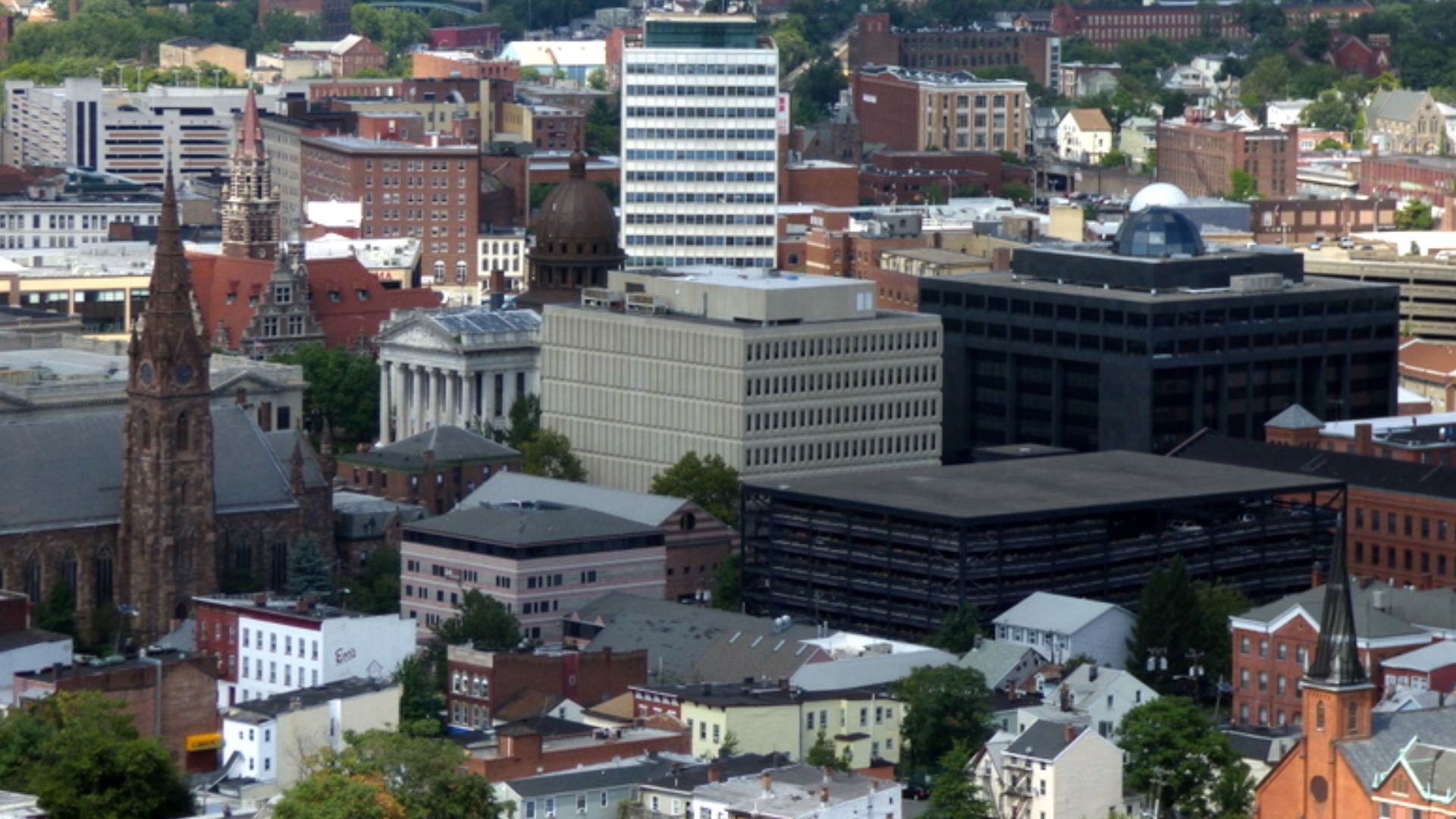 Jared Kofsky/Placenj.com, Wikimedia Commons
16. Augusta, Georgia
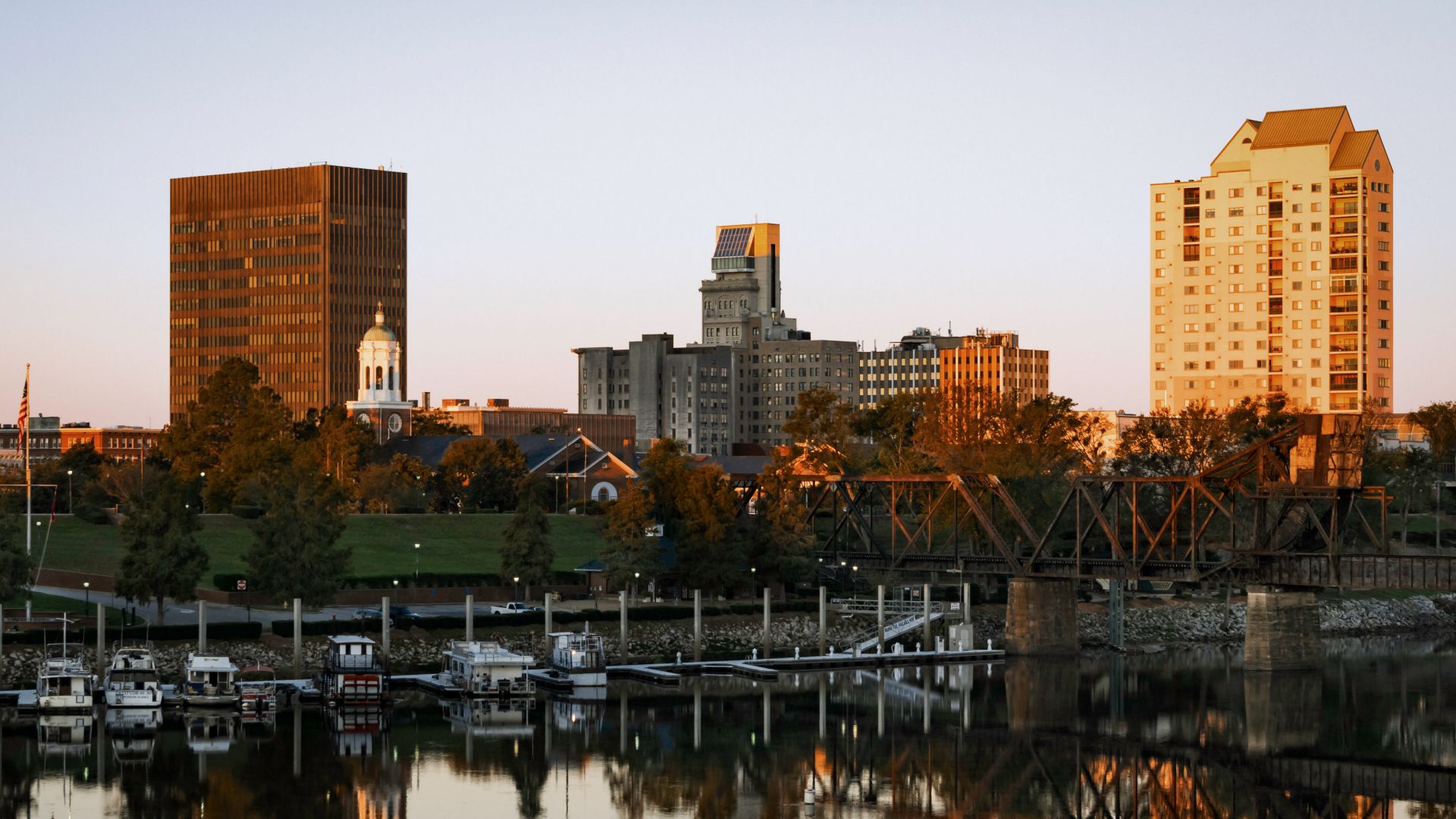
The sun shows up reliably in Augusta, but the student rhythm comes through unevenly. Cultural spaces feel scattered rather than central, and the shifting job scene leaves students unsure where opportunities might land. Everything plays out inside a city that hasn’t quite settled into its own identity.
15. Miramar, Florida
Miramar’s suburban calm sounds great until students try to actually live a college lifestyle. It’s low on wallet friendliness and social environment. Entertainment options require long drives, and most nearby schools are specialized or small. This makes the experience feel more commuter than community.
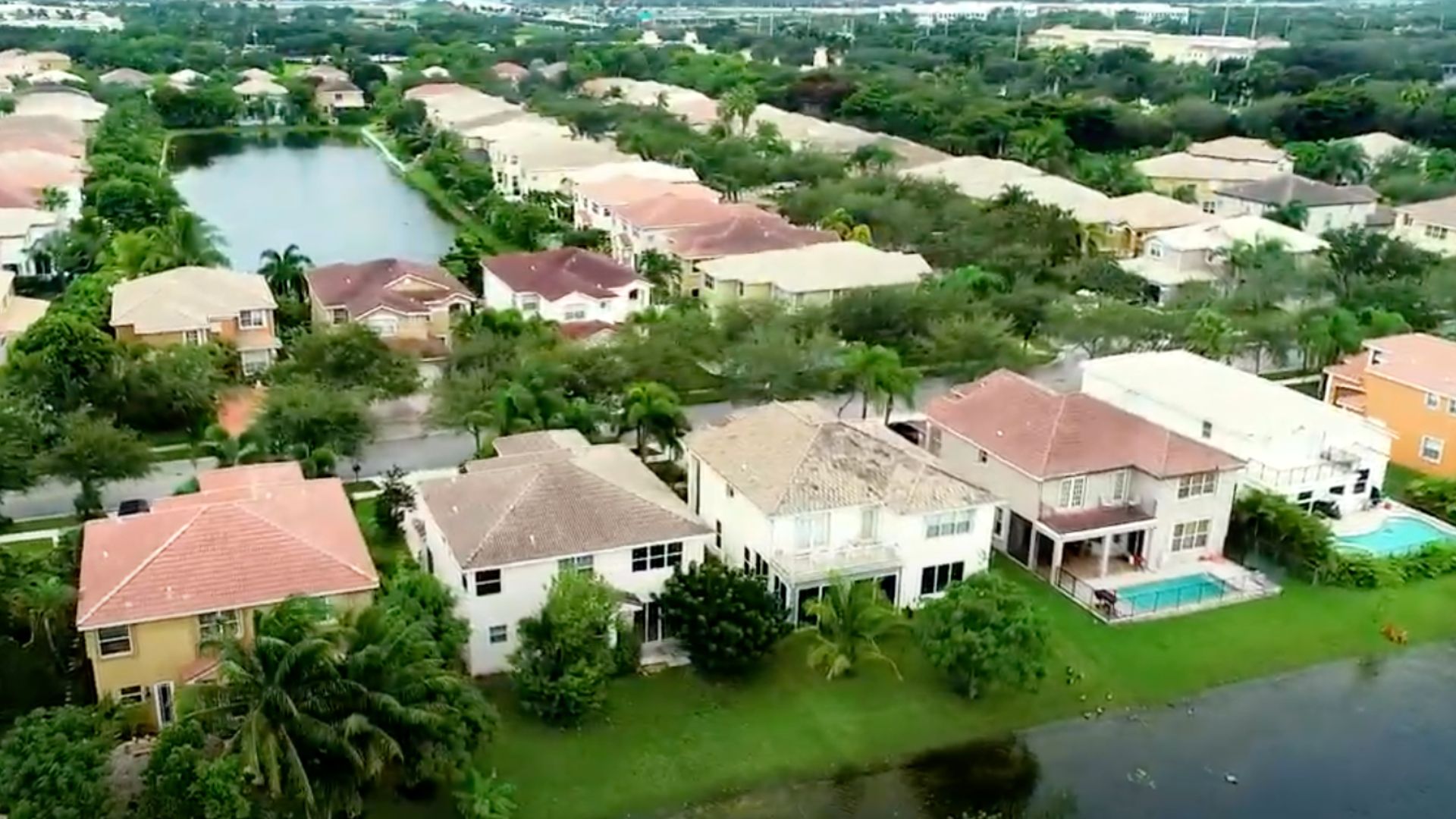 AccuTour Digital Media Solutions, Wikimedia Commons
14. Camden, New Jersey
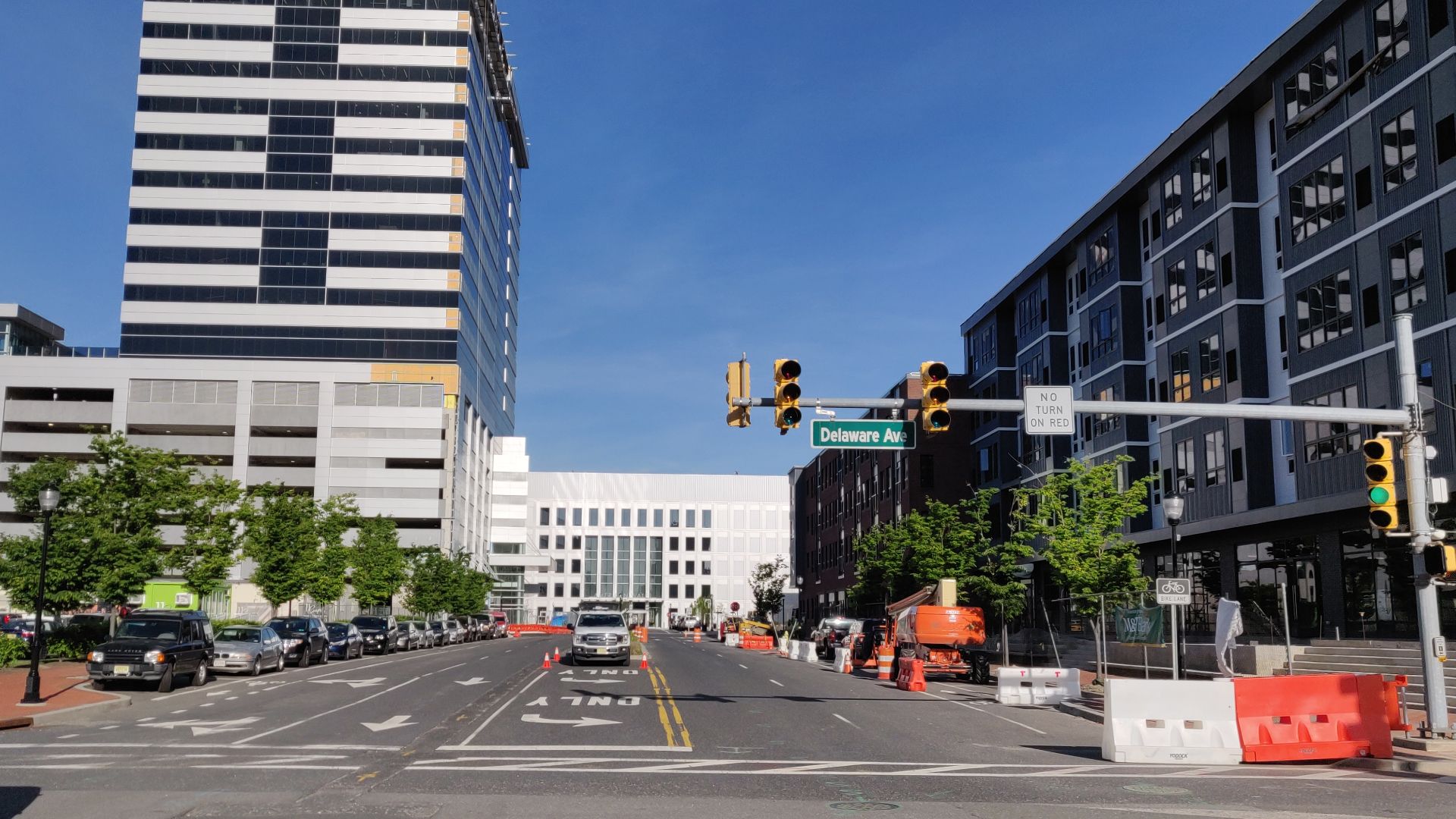
This town gives students the sense that every part of campus life requires extra effort. Camden is low in social environment and academic opportunities, and the long struggle with crime adds another layer. Even nearby institutions can’t create the steady rhythm students look for when everything around them feels unsettled.
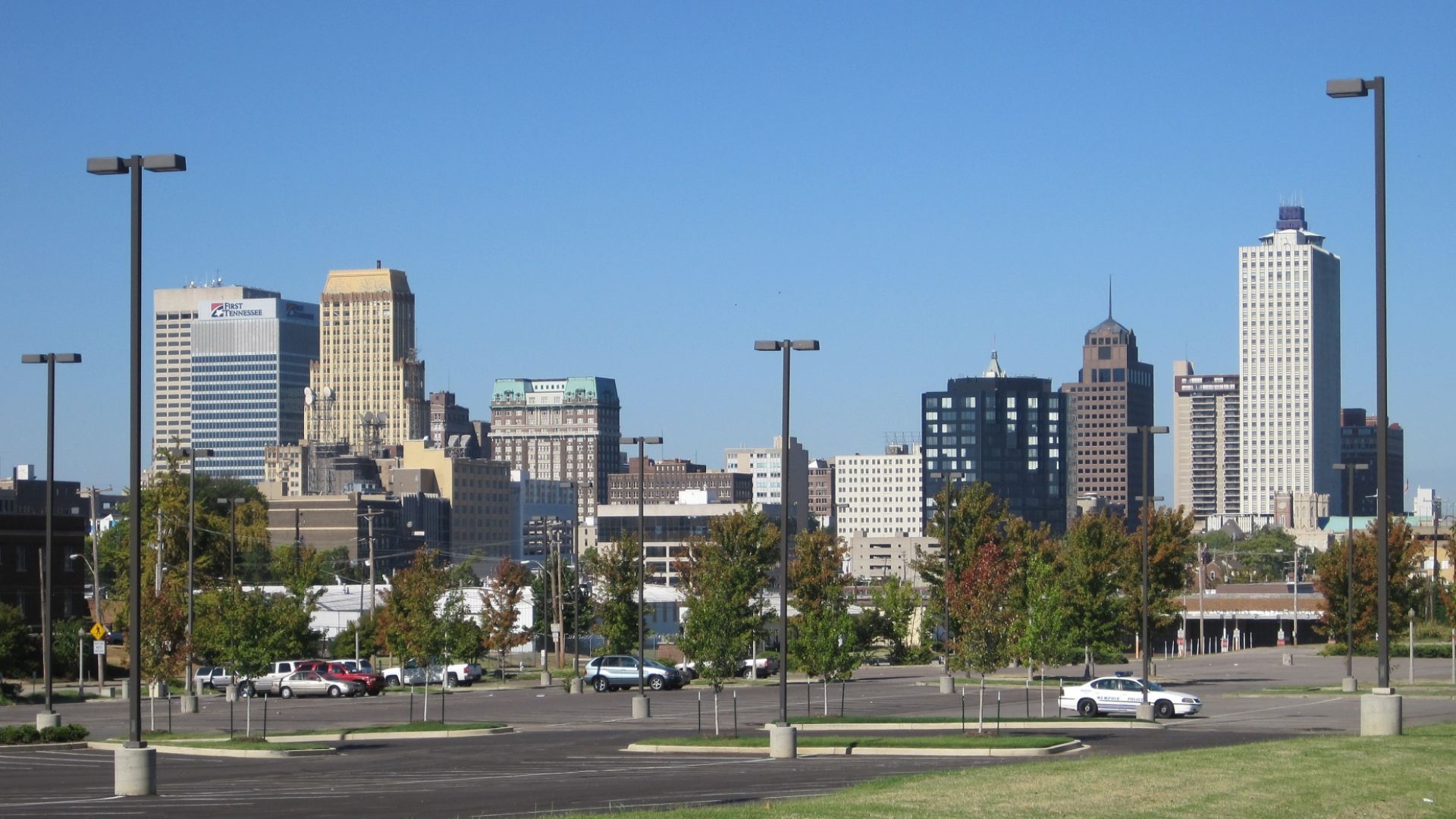
13. Memphis, Tennessee
Memphis has a rich musical history. But unfortunately, the students still feel weighed down by low academic and economic scores. Crime concerns shape the daily atmosphere, and the social scene doesn’t consistently compensate for them. Although colleges operate here, the surrounding reality keeps the student experience from settling into something easy.
 Thomas R Machnitzki, Wikimedia Commons
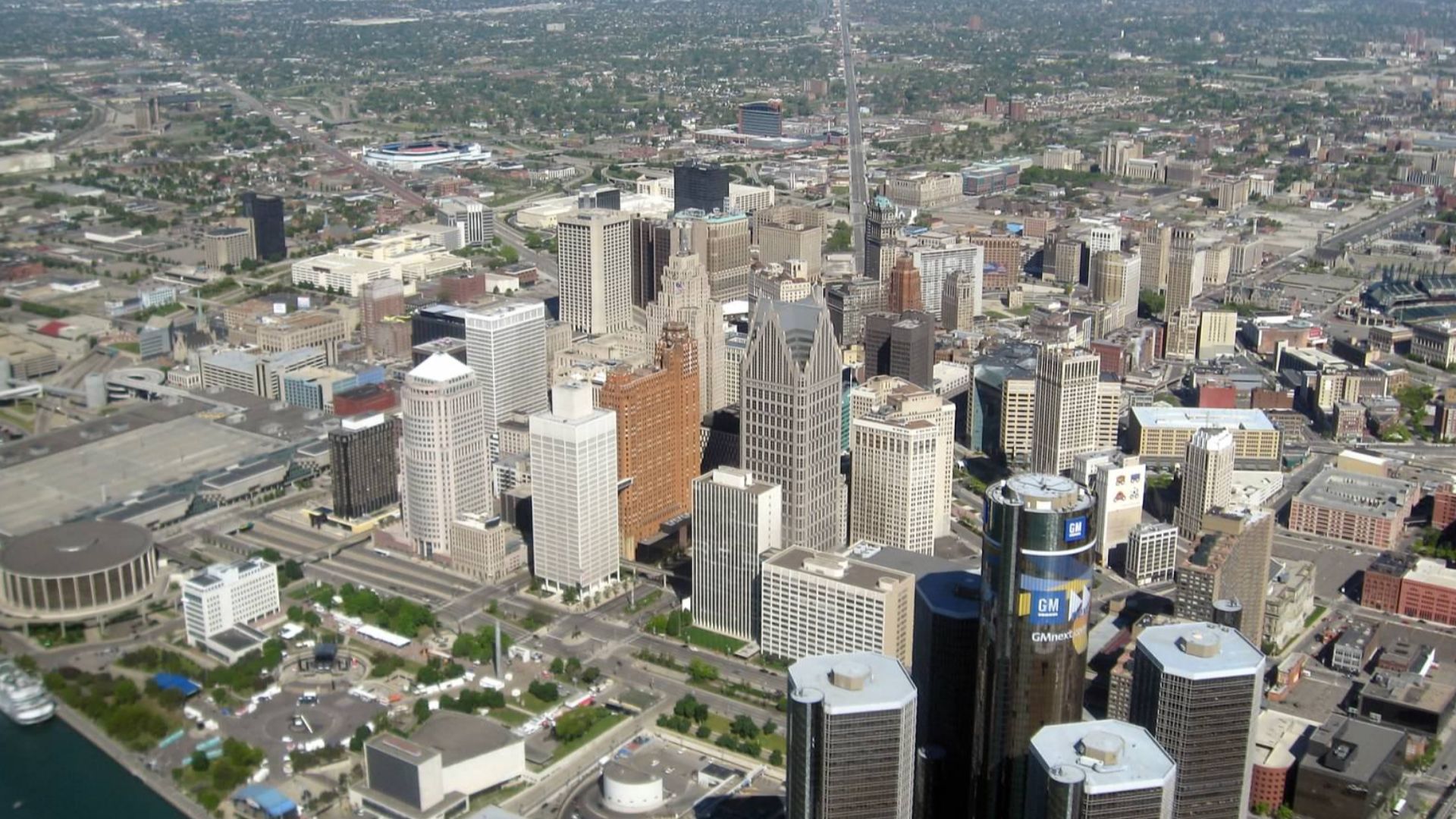
12. Detroit, Michigan
Detroit’s comeback stories don’t erase the challenges students face. Distances feel wide, and the uneven economic scene makes it harder to anchor routines. Students move through a place still rebuilding, and that rebuilding shows up in their day-to-day lives.
 Robert Thompson, Wikimedia Commons
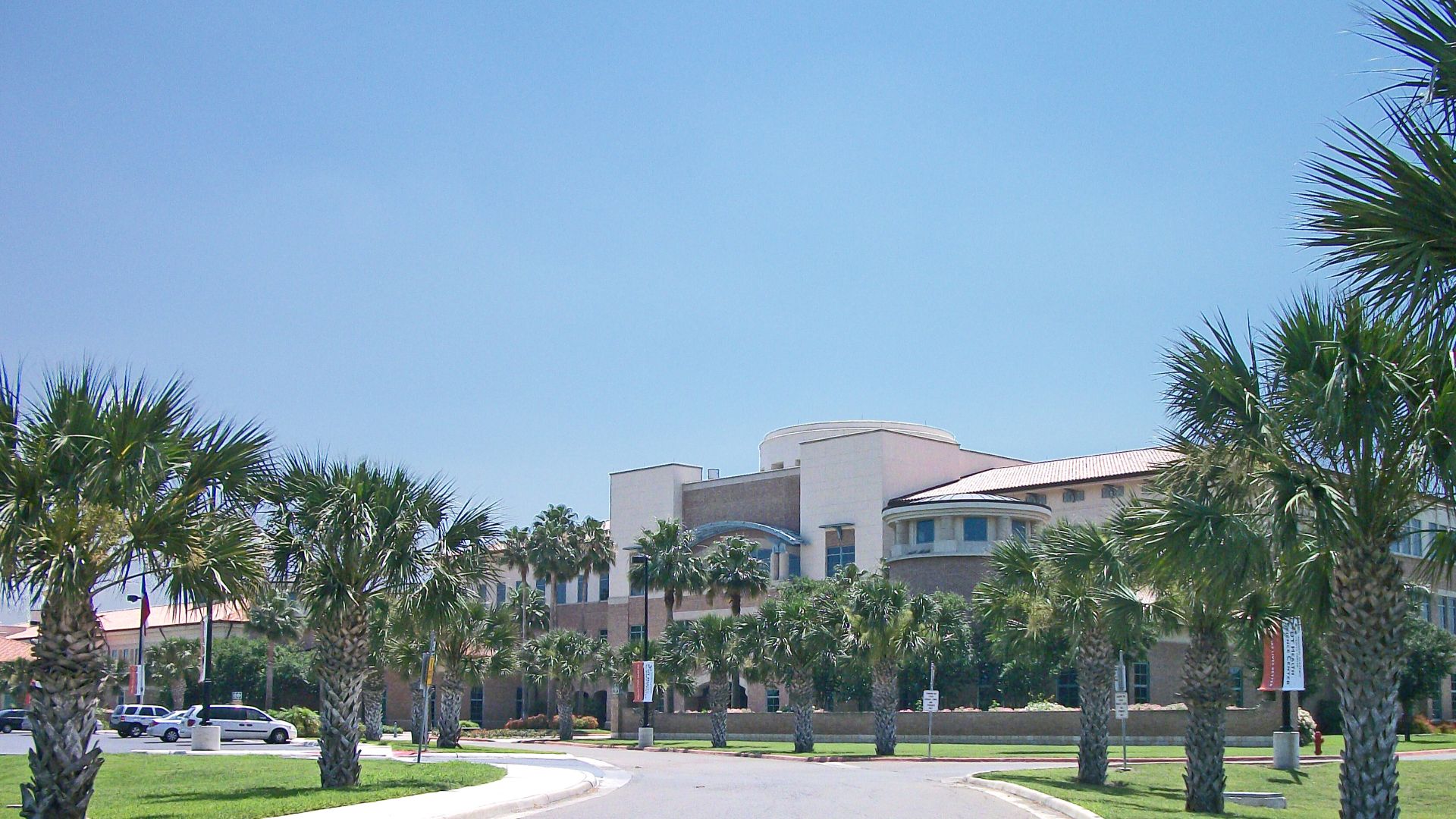
11. Brownsville, Texas
If you arrive in Brownsville thinking warmth will set the tone, the adjustment comes fast. Academic and economic opportunities rank low, and the social atmosphere doesn’t spark much energy. You end up searching for community in a place where campus support feels stretched across too much space.
 Elmopancakes, Wikimedia Commons
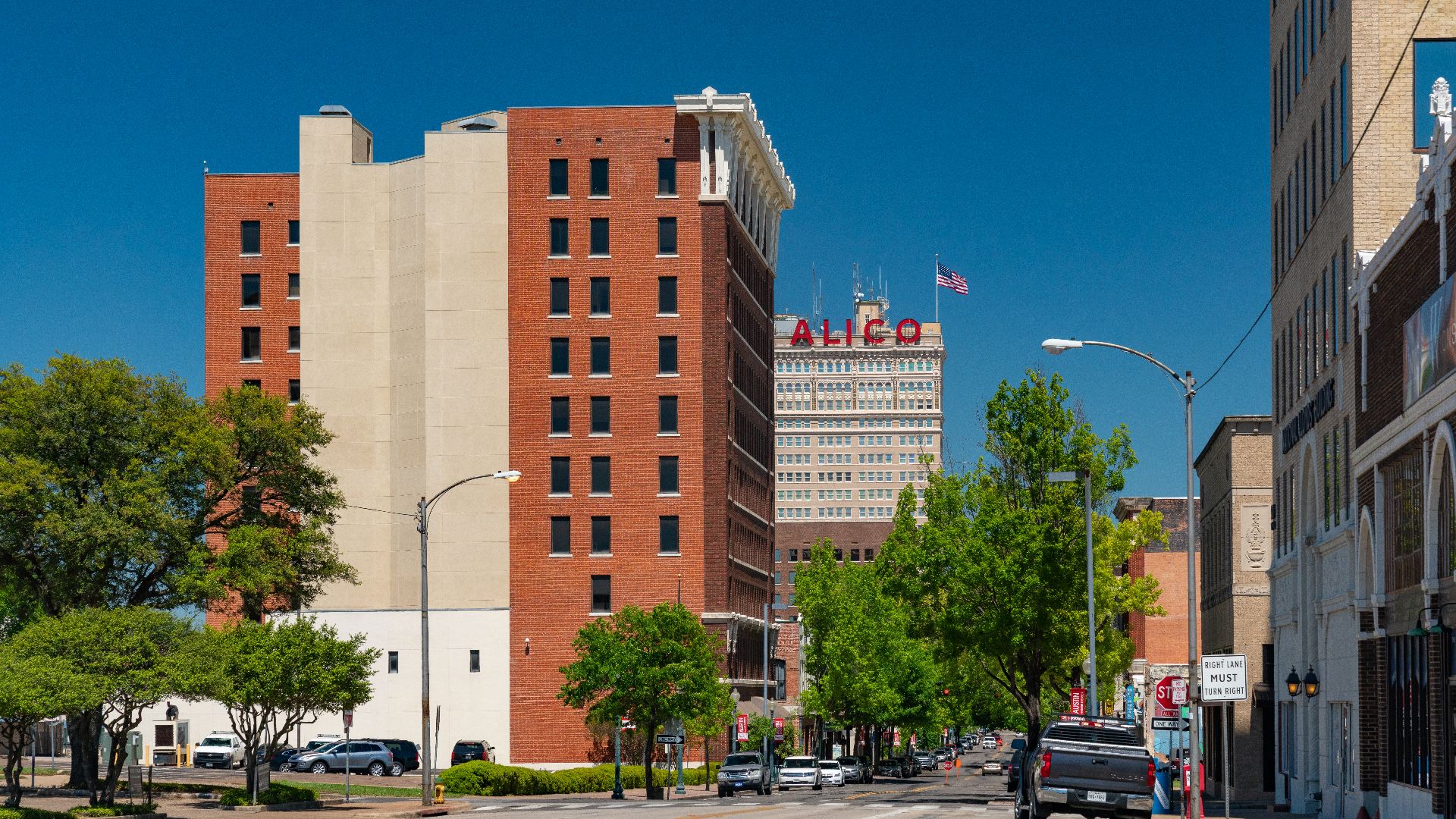
10. Waco, Texas
Despite hosting major schools, this Texas town doesn’t score well for overall student conditions. The city’s layout pulls people in different directions. Students feel that split, especially when routines rely heavily on travel rather than a strong central hub.
 Tony Webster from Minneapolis, Minnesota, United States, Wikimedia Commons
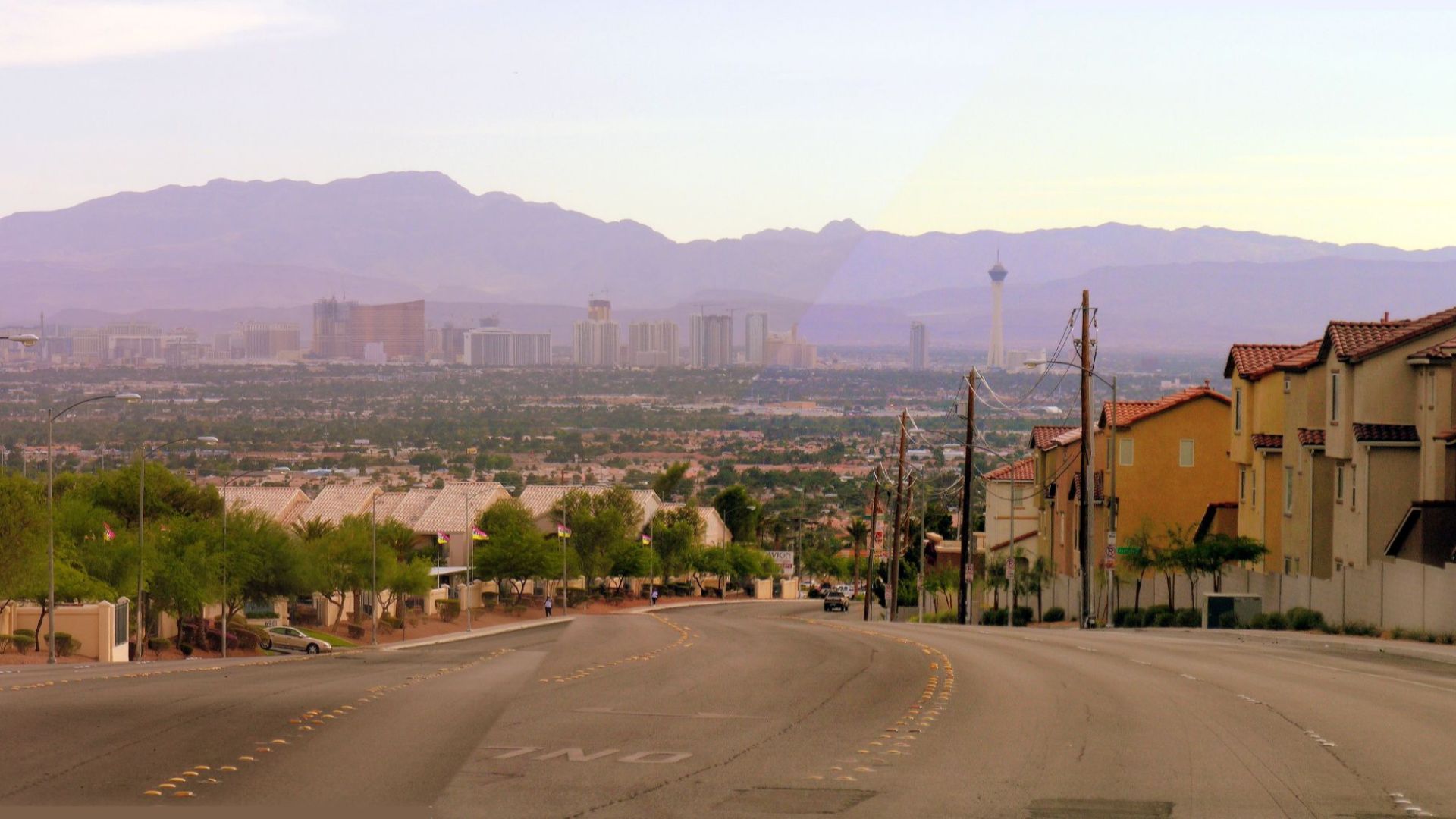
9. North Las Vegas, Nevada
Studying in North Las Vegas doesn’t feel quite as bright as the skyline suggests. The area’s uneven stability shows up in daily planning, and nothing sits close enough to create a natural campus hangout zone. Instead of settling in, students spend their time navigating long stretches between everything.
 Old Shoe Woman, Wikimedia Commons
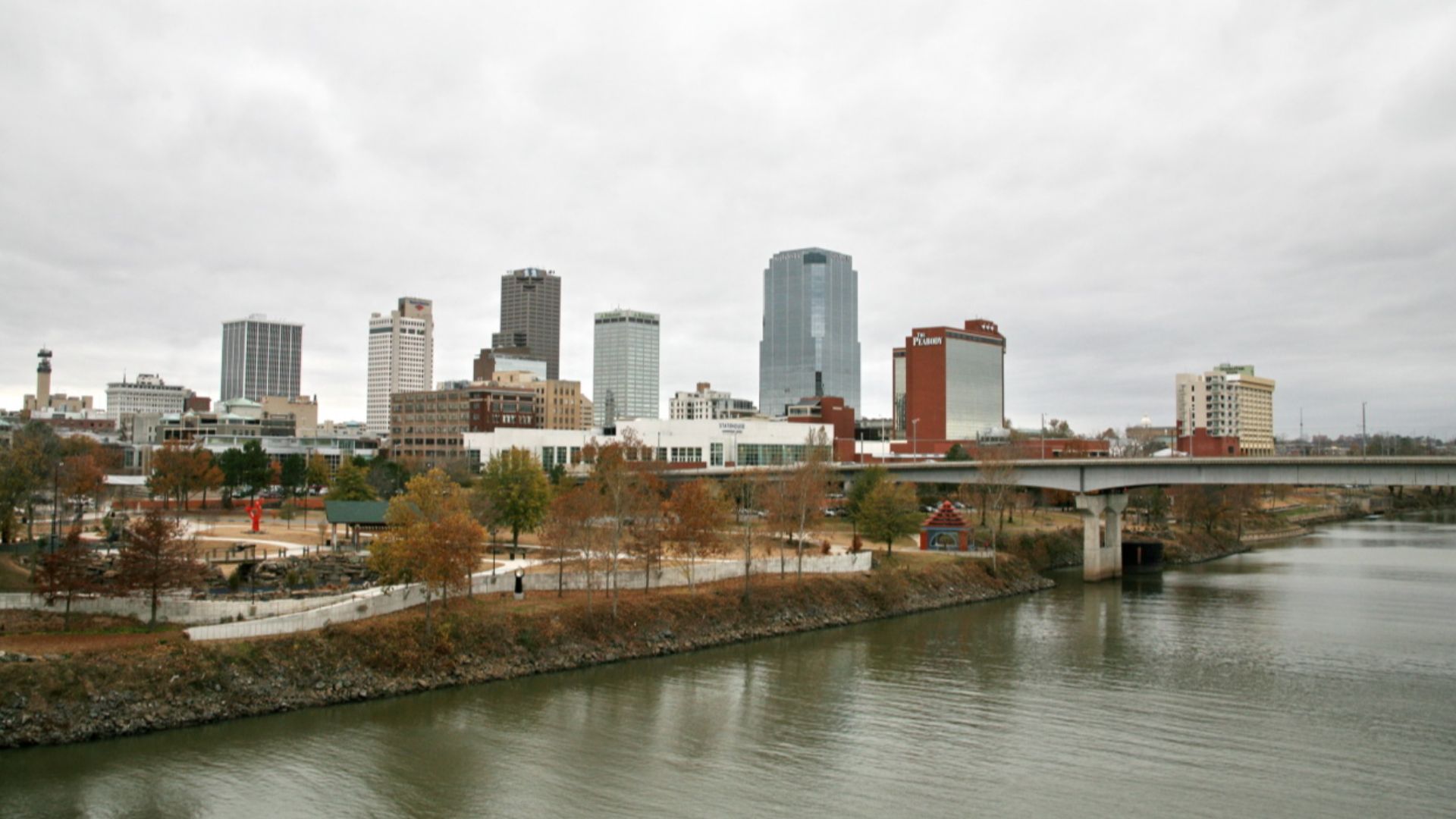
8. Little Rock, Arkansas
Life in Little Rock can feel divided into small bursts of activity separated by long stretches of quiet. The social environment doesn’t hold steady, and that imbalance shapes the students’s experiences. College here wavers between possibility and pause, like it can’t choose a direction.
 Cliff from I now live in Arlington, VA (Outside Washington DC), USA, Wikimedia Commons
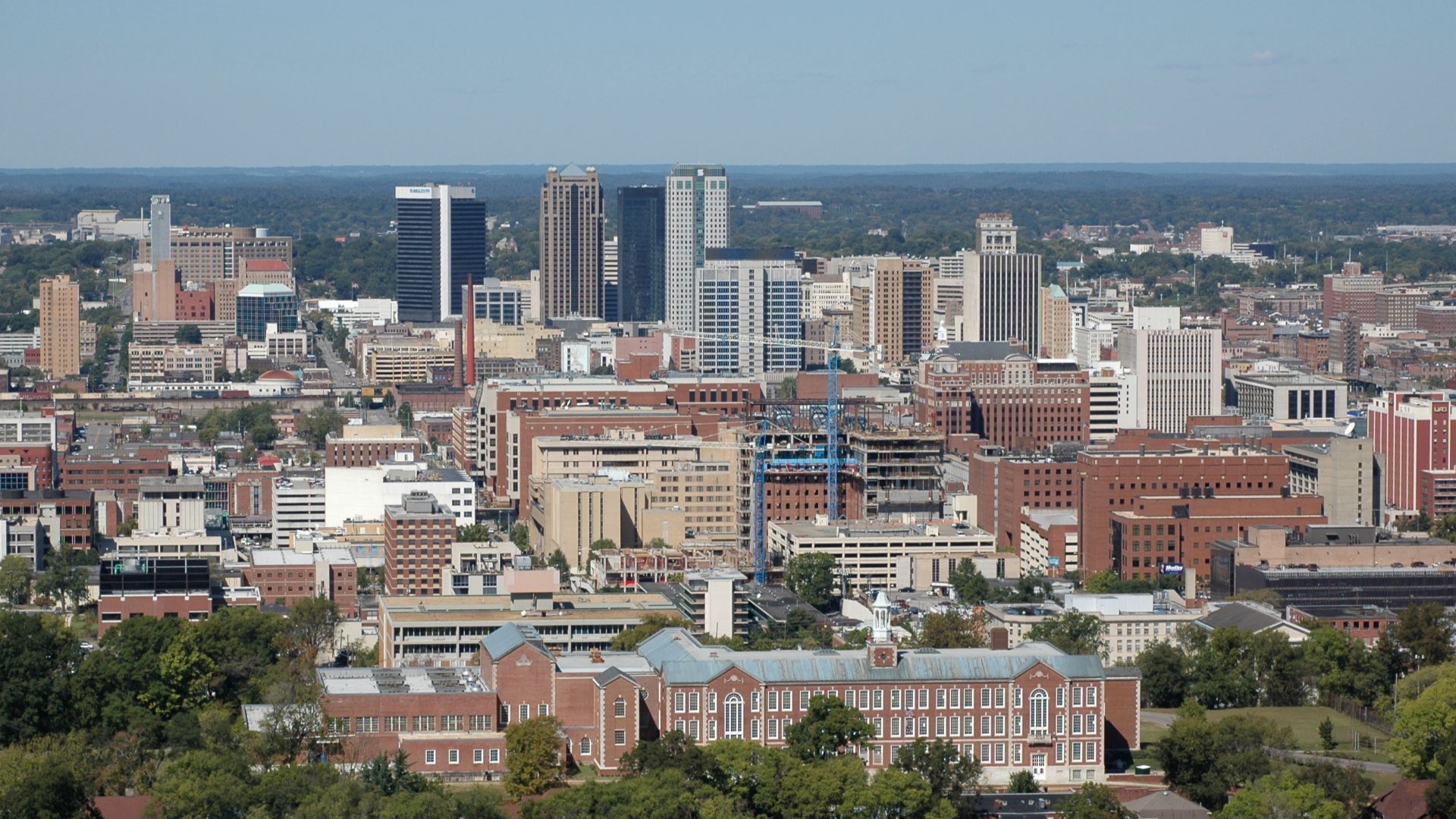
7. Birmingham, Alabama
Birmingham spreads out in ways students don’t expect. The local economy ebbs and flows, shaping how people think about their choices, and the city’s layout means every part of life sits just a bit too far apart. Connections grow, but only through effort rather than proximity.
6. Wichita, Kansas
Wichita’s openness creates a sense of distance that shows up in daily life. Whatever social energy the city has fades early, and students feel that ebb. The stop-and-start rhythm makes it harder to settle into the steady flow most college towns naturally create.
 Quintin Soloviev, Wikimedia Commons
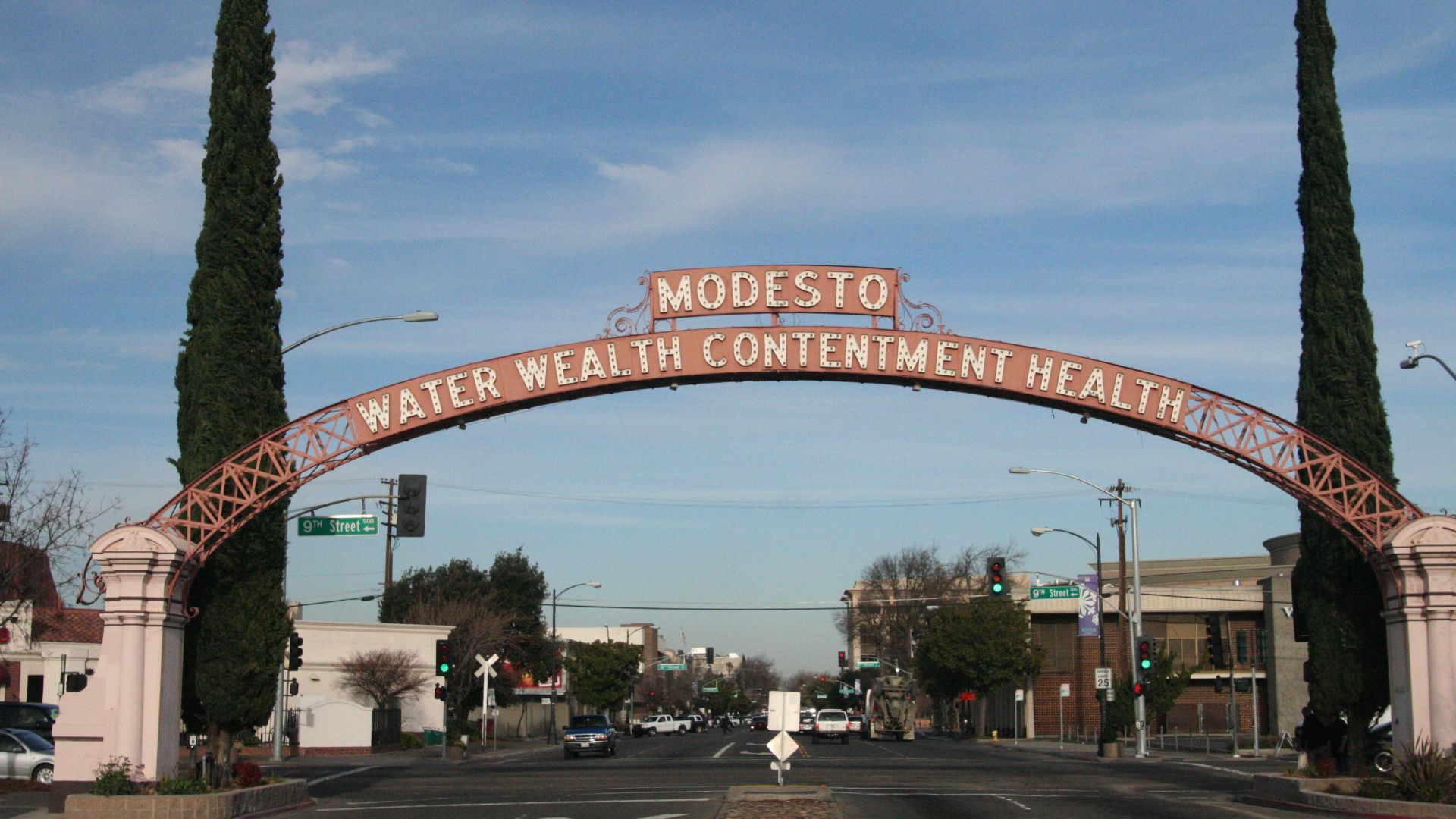
5. Modesto, California
Students trying to settle into Modesto feel the gaps early. WalletHub ranks the city low in both social environment and academic opportunity, and its slower pace settles over everything. Campus moments stay separate, scattered across distances that keep the experience from forming a strong pulse.
 Carl Skaggs, Wikimedia Commons
4. Huntington, West Virginia
Huntington carries small-city charm; however, students still feel the strain of little economic opportunity. The social environment varies from block to block, and job prospects don’t lift the mood. Campus life feels tied to a community still living through long-term challenges, which shapes the college rhythm in quiet ways.
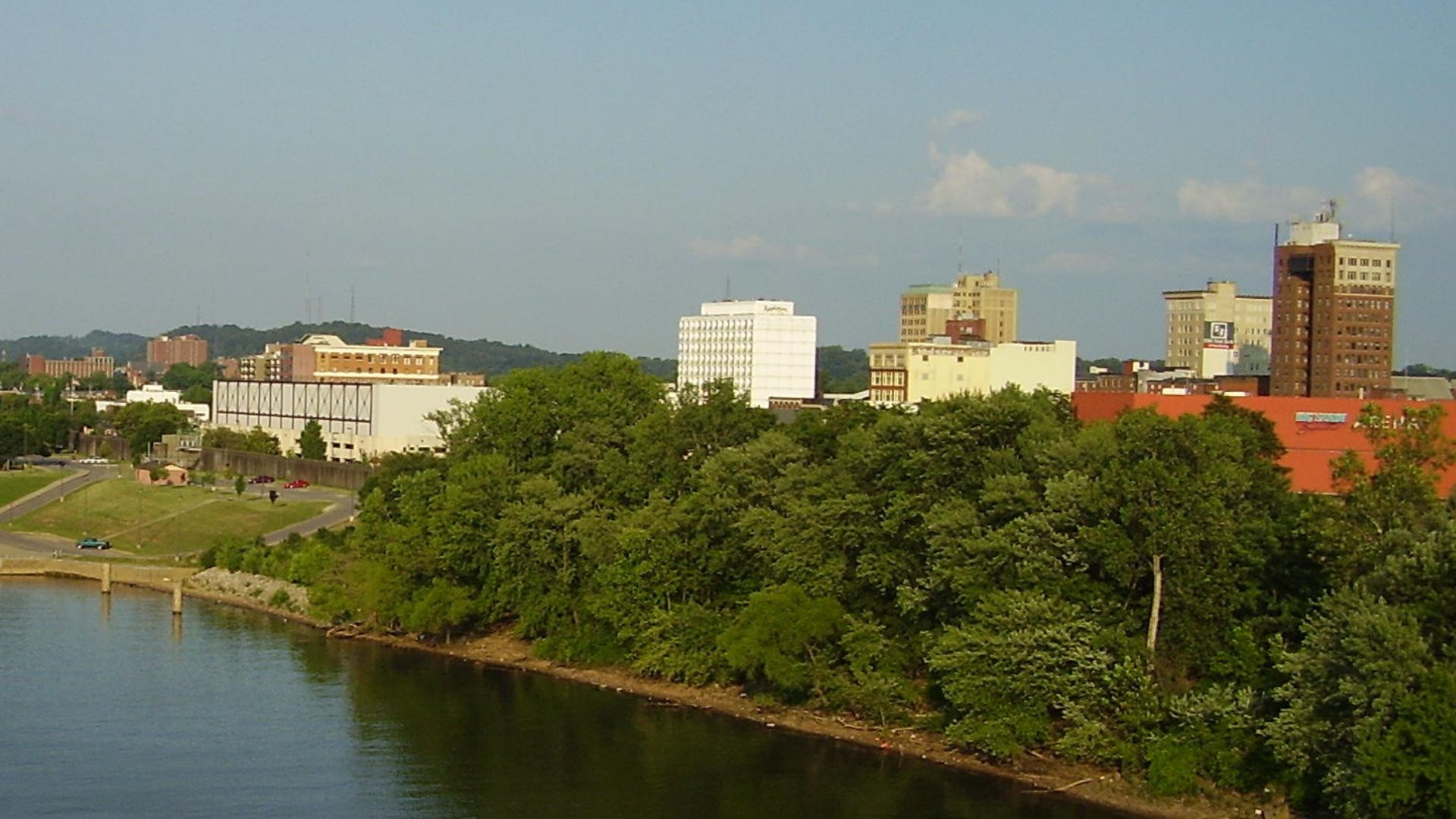 User Youngamerican on en.wikipedia, Wikimedia Commons
3. Fayetteville, North Carolina
Arriving in Fayetteville feels like stepping into a city moving to a different beat. The strong military presence shapes the overall tempo, and the campus experience never settles into a single core area. Students carve out their routines wherever they can, since no single spot becomes the anchor.
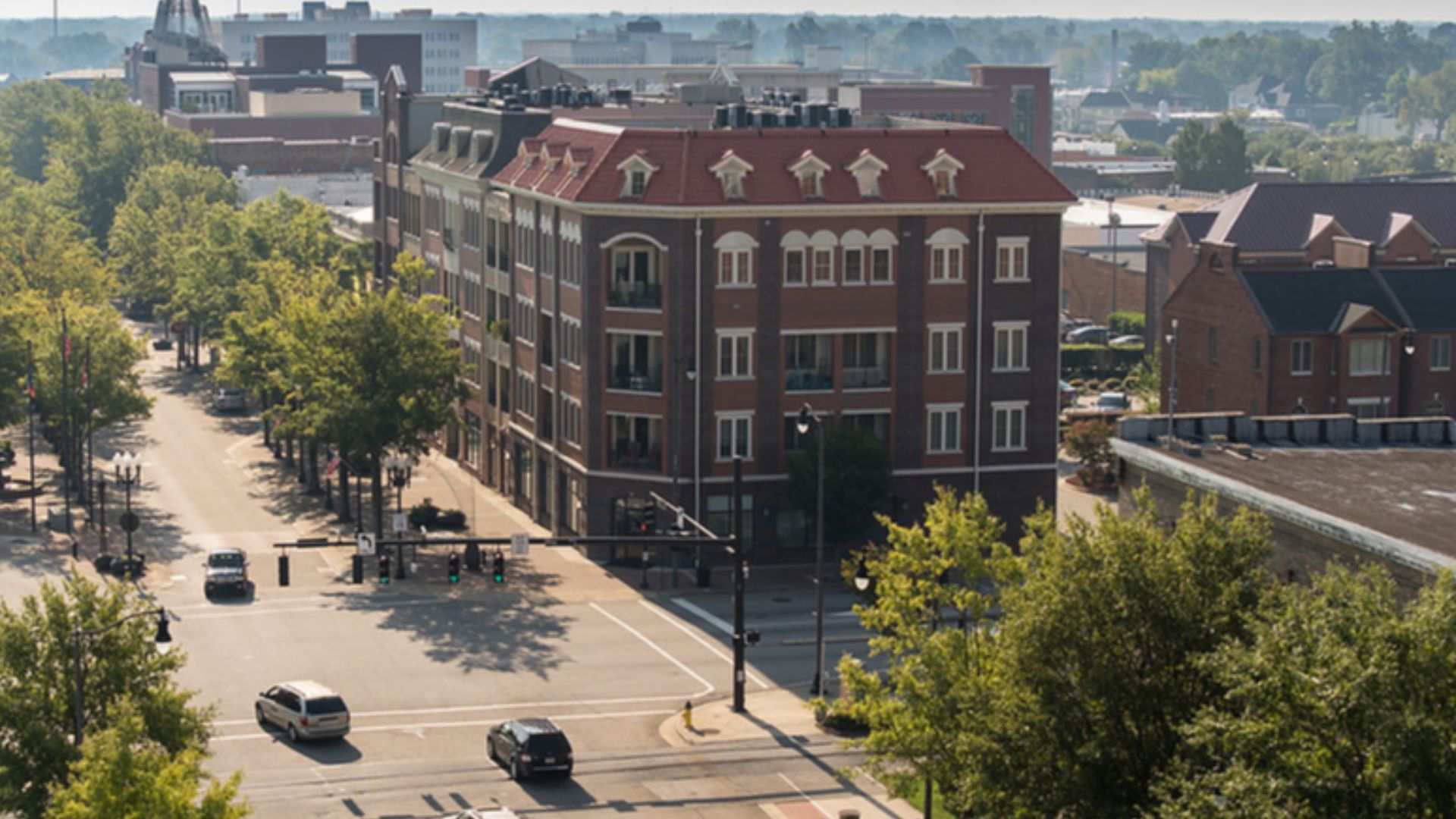 City of Fayetteville, Wikimedia Commons
2. McAllen, Texas
McAllen might win points for climate, but the student vibe doesn’t heat up the same way. Low scores in academic and economic opportunity shape expectations early, and the quiet social atmosphere doesn’t offer much help. With resources scattered, college life takes its time deciding if it wants to show up.
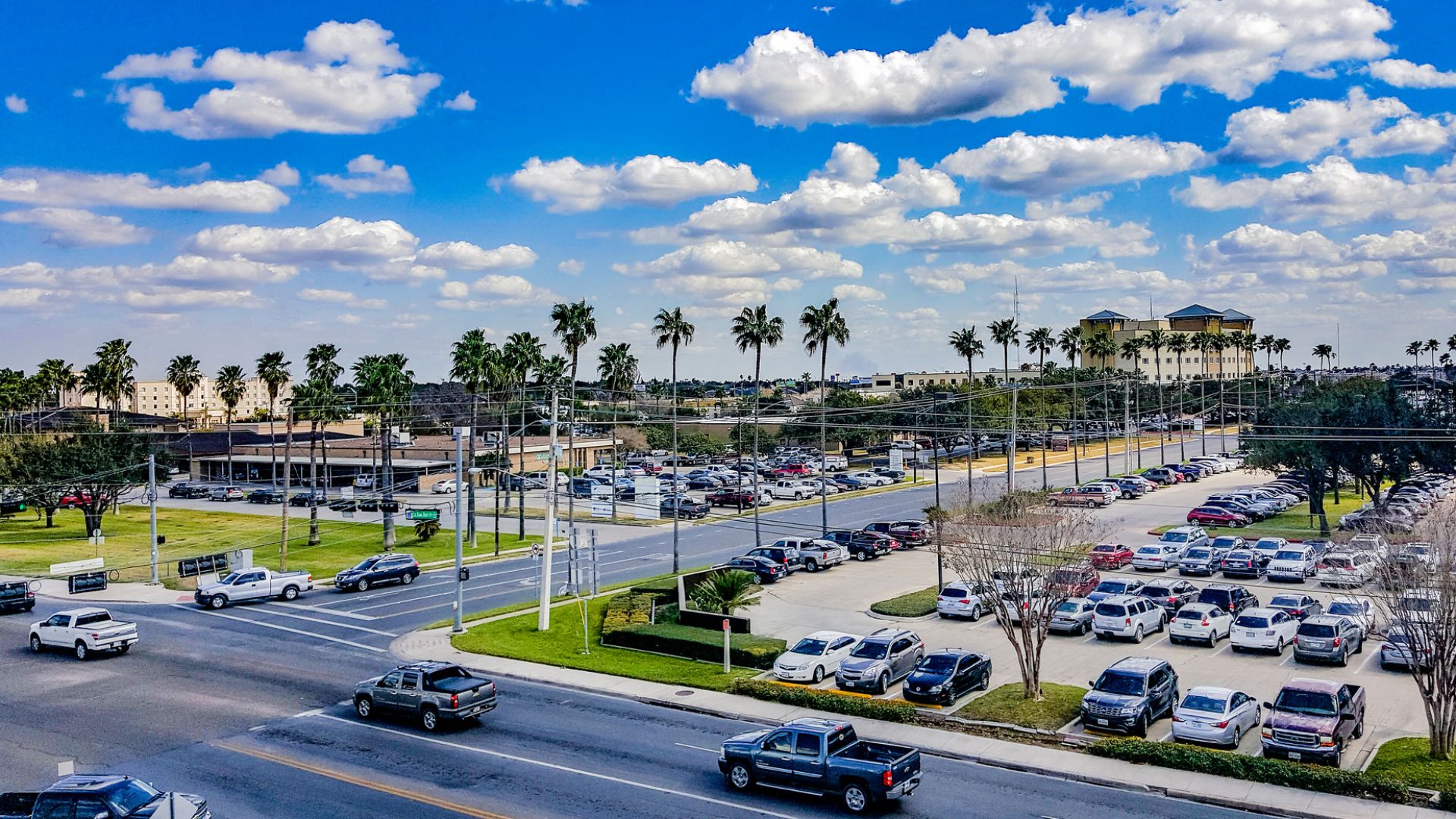 Anthony Acosta, Wikimedia Commons
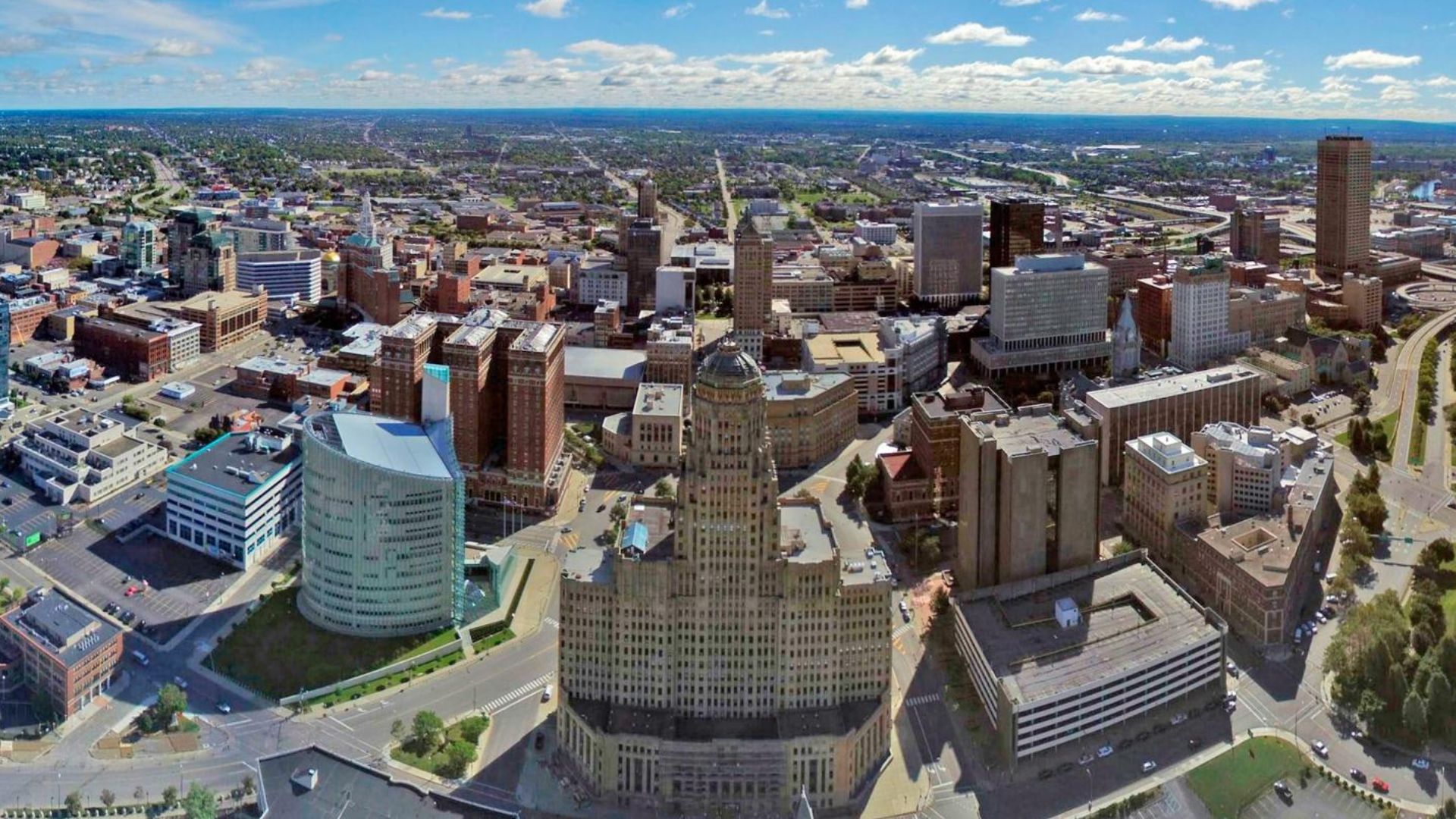
1. Buffalo, New York
This location delivers a strong cultural scene. But the statistics do not match up. WalletHub ranks it low first in academic opportunity and economic opportunity. Winters slow everything down, and the social environment doesn’t always offer the lift students expect. The city’s broader challenges shape another downside.