Remember When Your Job Came With A Few Extras?
Back in the 1980s, getting a good job wasn't just about the paycheck. If you landed a position with the right company, you might get a pension, affordable health insurance, and even a company car. Some of those perks sound pretty unbelievable today, but plenty of Baby Boomers remember them fondly.
A Pension Waiting For You At Retirement
Remember when you could work for the same company for 30 years and retire knowing you'd receive a monthly pension check? Many large employers offered exactly that. You didn't have to become an investment expert or constantly watch the stock market. Put in your years, meet the plan's requirements, and retirement came with a little more peace of mind.

Health Insurance That Didn't Cost A Small Fortune
These days, looking at your health insurance deductions can be enough to ruin a perfectly good morning. Back in the 1980s, many larger employers covered most, sometimes all, of their workers' health insurance premiums. Not everyone had such generous coverage, but those who did certainly appreciated it.

Health Insurance Even After You Retired
Some employees had another reason to stick with their company until retirement. Certain large employers offered health coverage to eligible retirees, sometimes continuing benefits for years after they'd stopped working. Imagine being able to leave your job without immediately worrying about how you'd pay for your next doctor's visit.

Getting Paid To Eat Your Lunch
Believe it or not, some workers actually got paid while they ate lunch. Paid meal breaks were included in certain union agreements and company policies, especially in factories and other established workplaces. You could sit down with your sandwich, catch up with coworkers, and still be on the clock.

A Company Car Sitting In Your Driveway
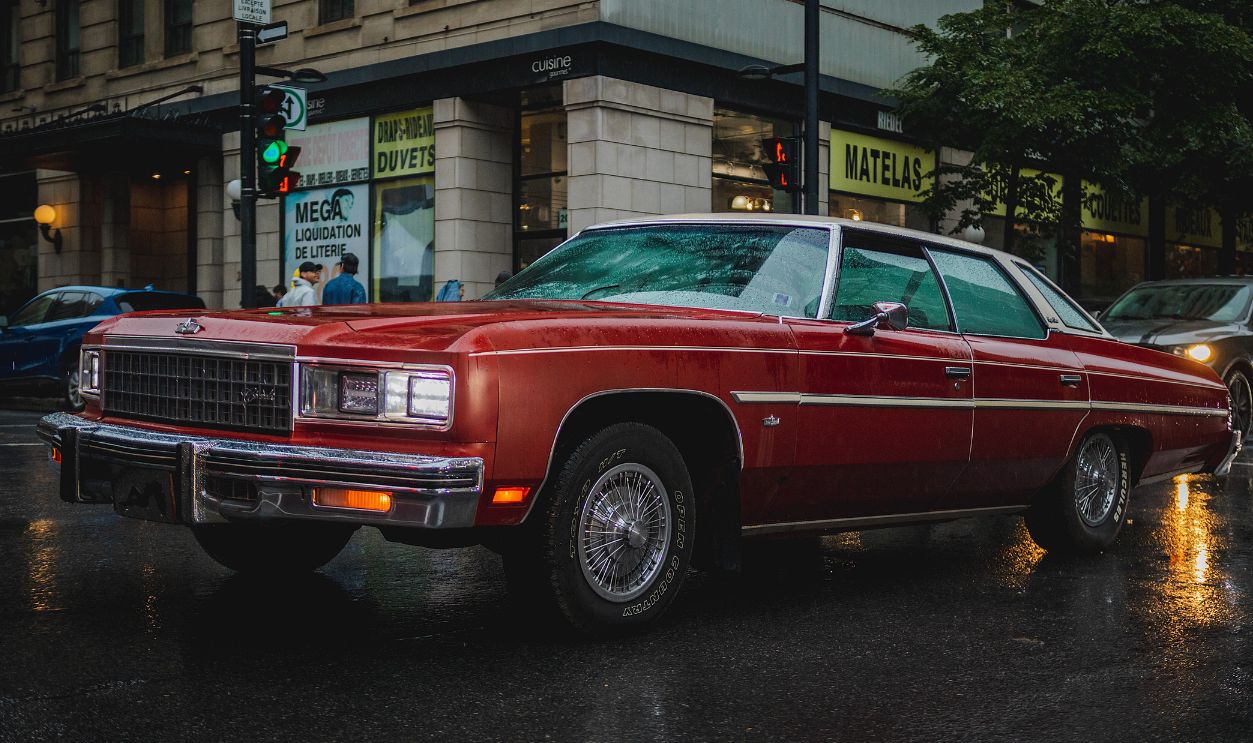
For some salespeople, managers, and executives, having a company car was one of the best parts of the job. Depending on company policy, your employer might cover the insurance, maintenance, and even gas. Some employees could use the vehicle outside working hours, too. That saved a pretty penny.
Dental Coverage That Actually Came In Handy
Nobody enjoys getting a big bill from the dentist. Fortunately, dental insurance became more common among larger employers during the 1980s. Some plans helped cover everything from routine cleanings to fillings. It wasn't the flashiest perk, but anyone who needed a little dental work knew how valuable it could be.

Help Paying For Those Oversized Glasses
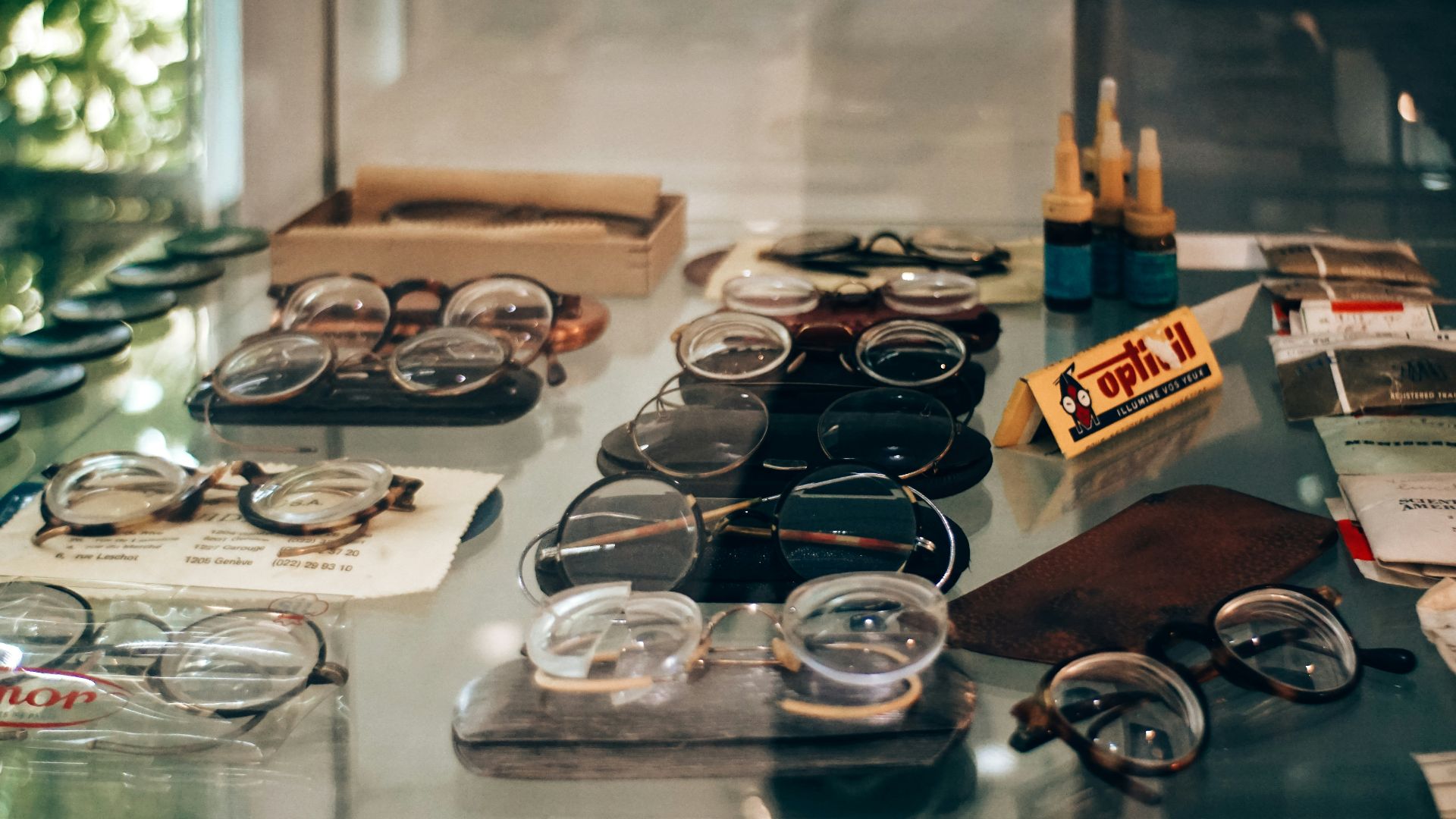
Remember those enormous eyeglass frames everyone seemed to wear in the 1980s? Well, some employees had a little help paying for them. Vision insurance became increasingly popular, with certain employers covering eye exams and contributing toward prescription glasses. Considering how much a new pair could cost, that was welcome news.
Life Insurance Without The Extra Hassle
A lot of established companies included basic life insurance in their employee benefits packages. You might receive coverage worth a year's salary or another set amount without having to shop around for your own policy. It was one less thing to worry about when you had a family depending on you.

Sick Days That Didn't Come Out Of Your Vacation
Remember when calling in sick didn't necessarily mean losing a day of your summer vacation? Many full-time employees had separate allowances for sick leave and vacation time. So, if you caught the flu in February, you could still look forward to that family trip in July without sacrificing your hard-earned days off.

More Vacation Time The Longer You Stayed
Back then, sticking with the same employer could really pay off when vacation season rolled around. Plenty of established companies increased paid vacation time as employees gained seniority. Someone who'd been there for 20 years might enjoy considerably more time off than a new hire. Loyalty had its rewards.

Getting Paid To Stay Home On Holidays
For many office and factory workers, major holidays meant a paid day away from work. Christmas, Thanksgiving, and Independence Day were commonly included in holiday schedules. Some employers even offered floating holidays. Of course, plenty of retail and service workers still had to show up, but paid holidays were a treasured benefit.

Cheap Hot Lunches In The Company Cafeteria
If you worked for a big corporation or factory, you might remember the company cafeteria. Some employers subsidized meals, meaning you could sit down to a hot lunch without spending much money. The food wasn't always five-star dining, but it certainly beat paying restaurant prices every afternoon.

Your Employer Might Pay For College Classes
Want to go back to school and improve your qualifications? Some companies were willing to help pay the bill. Tuition reimbursement programs covered some or all approved educational expenses, usually with a few conditions attached. For employees looking to move up the ladder, that could make a big difference.
 ANDREW HOLBROOKE, Getty images
They Actually Trained You For The Job
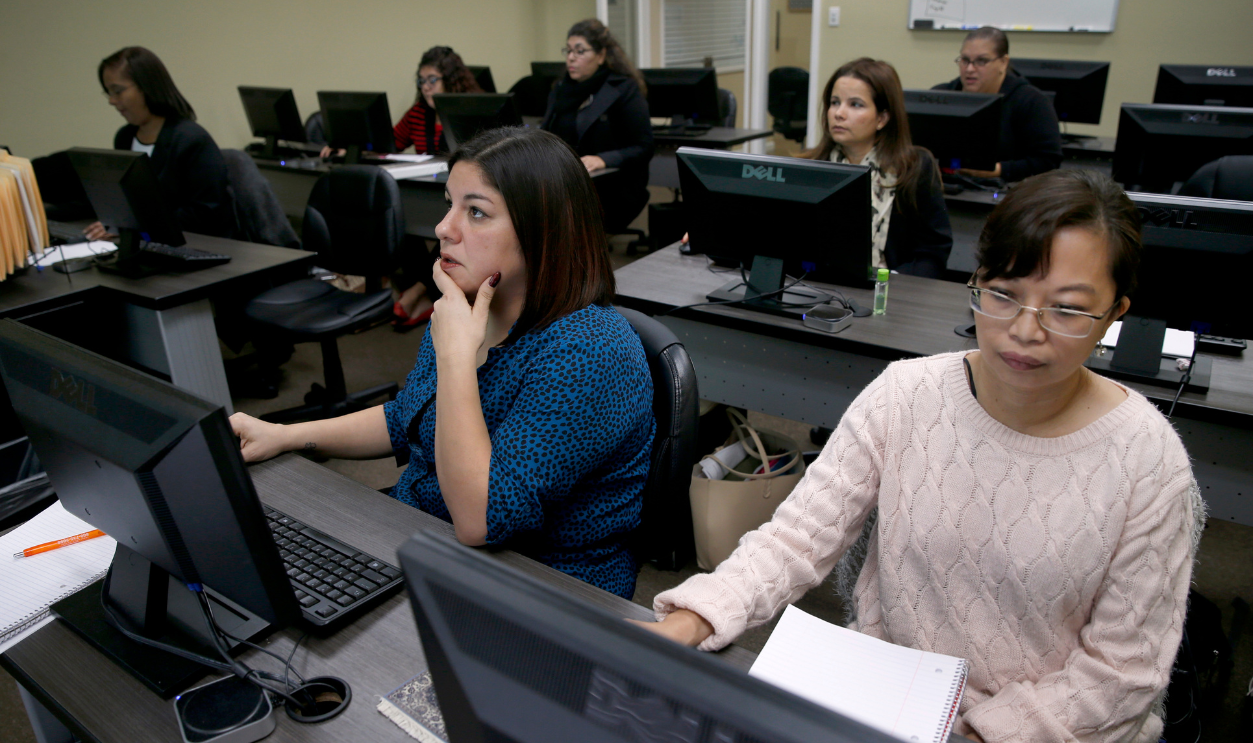
Today, it sometimes feels like employers expect new hires to know everything before their first day. Back in the 1980s, many established companies ran training programs, apprenticeships, and classes to teach workers new skills. You weren't necessarily expected to arrive knowing the business inside and out.
 San Francisco Chronicle/Hearst Newspapers , Getty images
Starting In The Mailroom Could Lead Somewhere
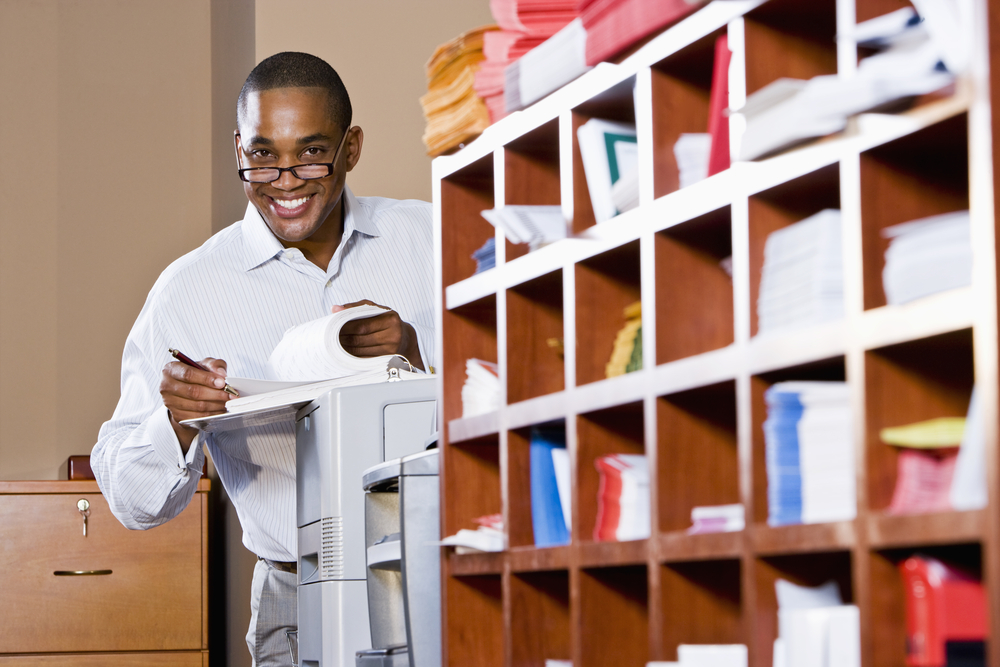
Remember hearing stories about someone who started in the mailroom and eventually became a company executive? Those career paths weren't guaranteed, but they weren't just Hollywood inventions, either. Many large companies preferred promoting experienced employees from within. If you worked hard and stuck around, there was sometimes a clear route upward.
 Golden Pixels LLC, Shutterstock
A Gold Watch For Years Of Service
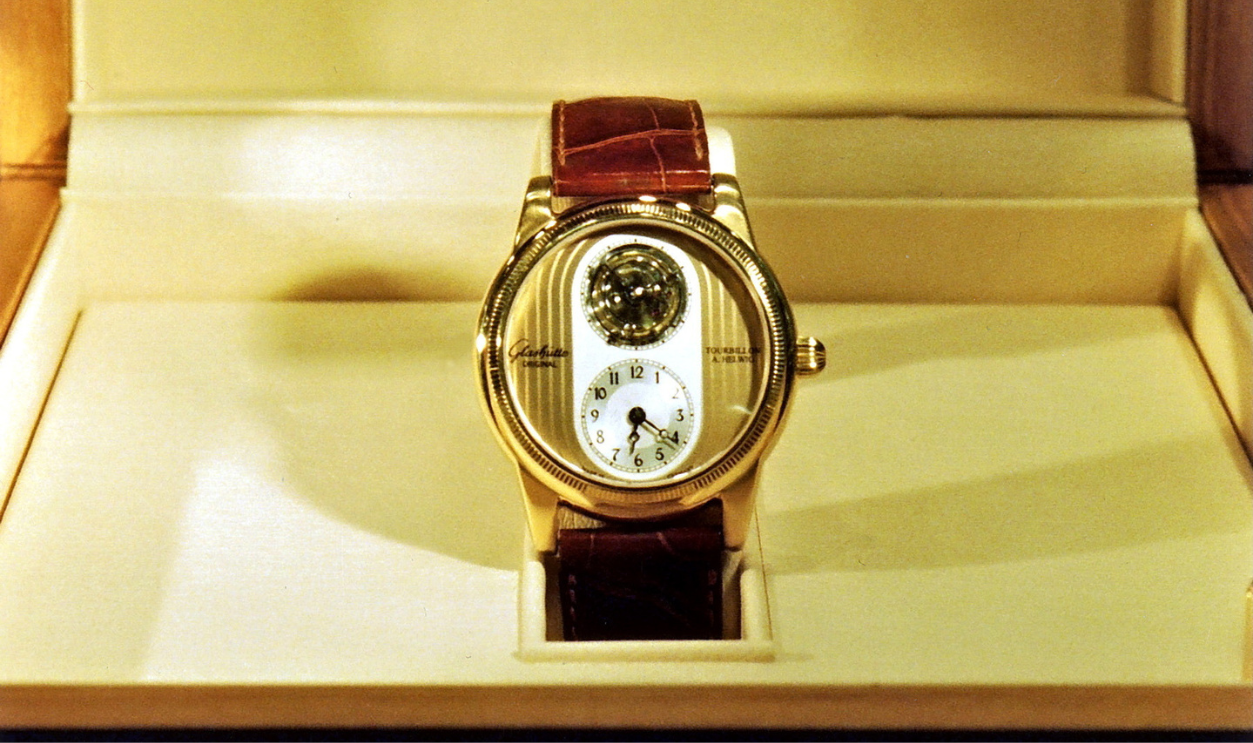
Spend 25 or 30 years at one company, and you might leave with more than a handshake. Some employers handed out gold watches, engraved plaques, or other gifts to celebrate long-serving employees. Those little ceremonies meant something, especially when your coworkers gathered around to recognize all those years of hard work.
Employee Discounts Made Shopping A Little Cheaper
Working for the right company could save your family a surprising amount of money. Department store employees might get discounts on clothing and household goods, while some automobile workers qualified for special vehicle pricing. Airline and hotel employees sometimes enjoyed travel privileges, too. It was a nice bonus when family budgets were tight.

Company Picnics Were A Family Affair
Remember the annual company picnic? The boss might show up in shorts, someone's kids would be running around, and there'd be hamburgers sizzling on the grill. Many employers organized these gatherings for workers and their families. They weren't exactly luxurious vacations, but they gave everyone a chance to enjoy themselves together.

Christmas Parties That Were Actually Worth Attending
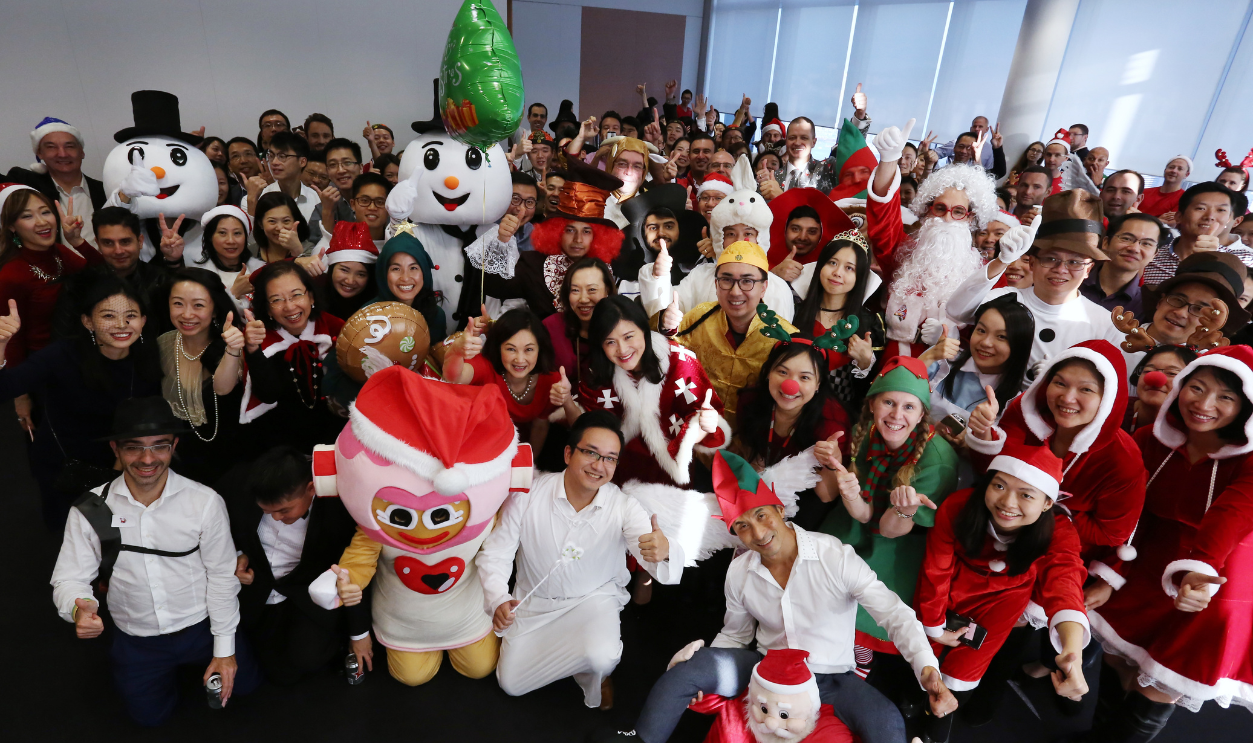
Some companies really knew how to throw a Christmas party back in the 1980s. There might be a rented banquet hall, a proper sit-down dinner, music, and dancing. Employees could sometimes bring their spouses along, too. It was a chance to dress up and celebrate without paying for the whole evening yourself.
 South China Morning Post, Getty images
A Bonus When The Company Had A Good Year
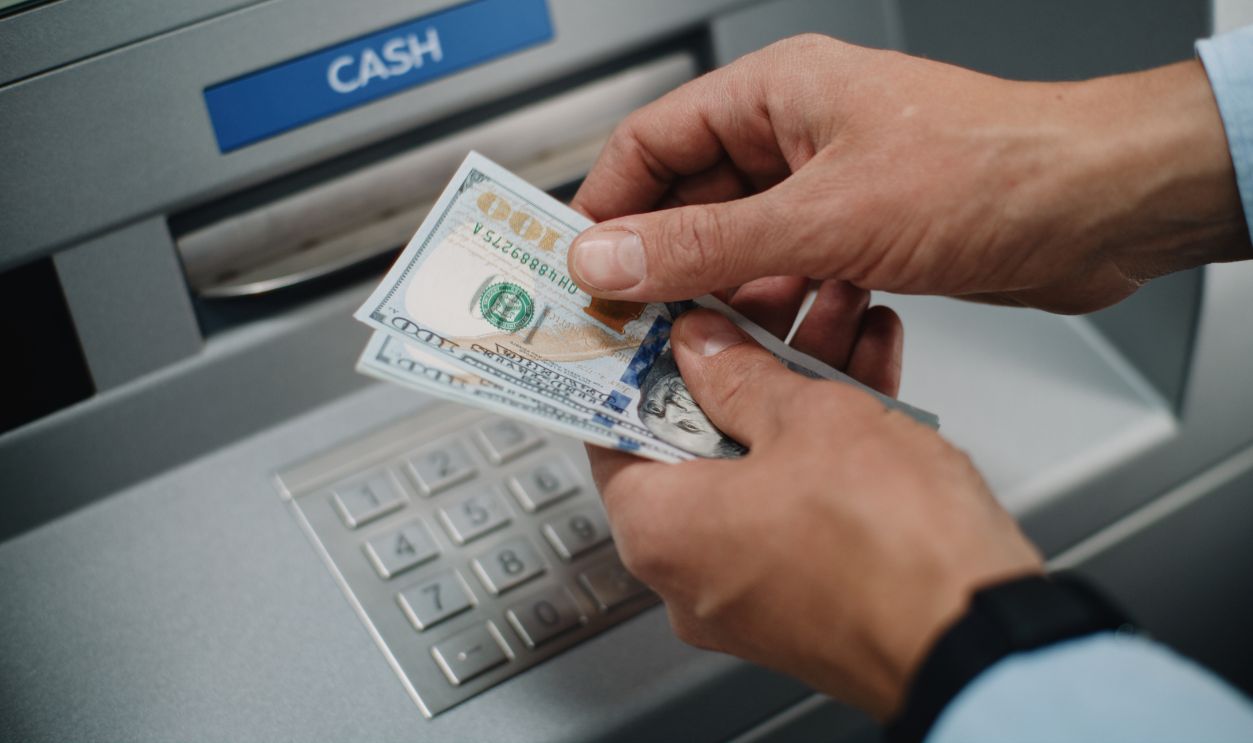
Some employers offered profit-sharing programs that rewarded workers when the business performed well. Depending on the arrangement, employees might receive extra money or contributions to retirement savings. Not everyone qualified, but getting something extra after a profitable year certainly made company success feel a little more personal.
 Frame Stock Footage, Shutterstock
Financial Help If You Couldn't Work
If an employee became seriously ill or injured, disability insurance could provide some financial breathing room. Many larger employers offered coverage that replaced part of a worker's income during qualifying absences. It didn't mean receiving a full paycheck while recovering, but it could help keep the household bills under control.

Personal Days For When Life Got In The Way
Sometimes you needed a day off that wasn't really a vacation or a sick day. Maybe the plumber was coming, or you had a family matter to sort out. Some employers offered personal days for exactly those situations, letting employees handle everyday responsibilities without dipping into their vacation allowance.
 Houston Chronicle/Hearst Newspapers, Getty Images
Coffee Breaks That Were Part Of The Workday
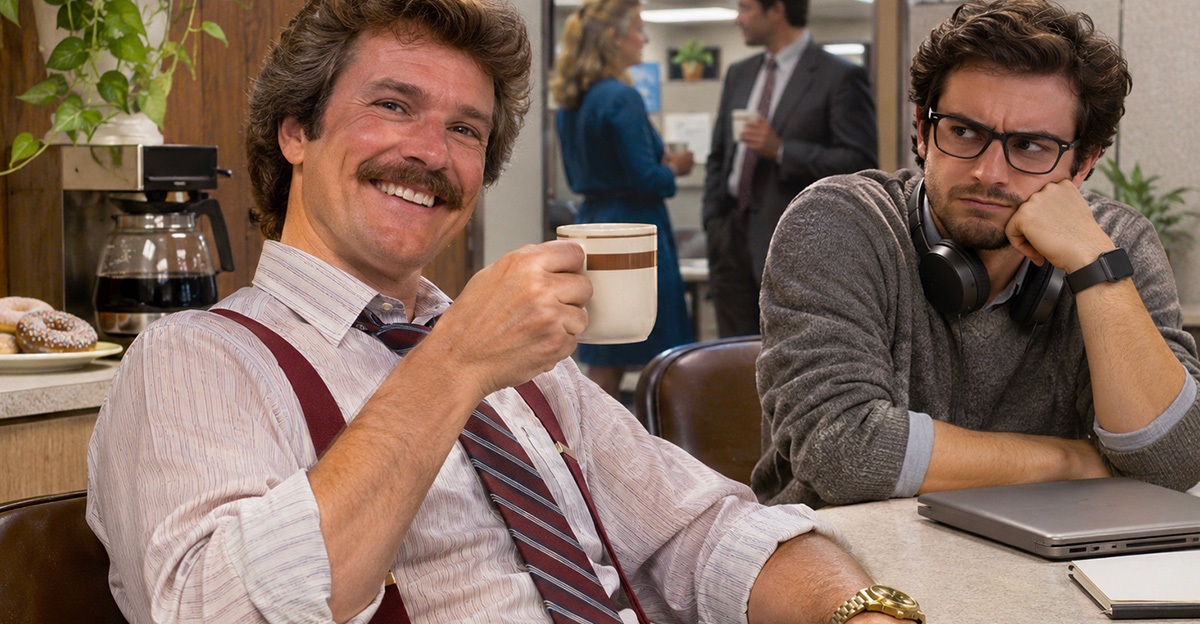
Remember when everyone seemed to gather around the coffee machine at the same time? In many offices and unionized workplaces, paid rest breaks were a regular part of the day. You could stretch your legs, grab a coffee, and share a little office gossip before getting back to work.
 San Francisco Chronicle/Hearst Newspapers, Getty images
When Five O'Clock Really Meant Going Home
One thing many Baby Boomers remember fondly is leaving the office and actually being finished for the day. Without smartphones, work emails couldn't follow you to the dinner table. Plenty of people still worked long hours, of course, but many traditional office jobs had a much clearer line between work and home.

Extra Money Going Into Your Retirement Savings
During the 1980s, 401(k) retirement plans started becoming more familiar to American workers. Some companies matched employee contributions, giving workers extra money toward retirement. A few even offered these savings plans alongside traditional pensions. For employees who qualified, those employer contributions could add up nicely over the years.

Were The Good Old Days Really That Good?
It's easy to look back at the 1980s and think employees had it made. Of course, not everyone enjoyed these perks, especially people working part-time or for smaller businesses. But for those lucky enough to land a job with generous benefits, there was plenty to appreciate. No wonder so many Baby Boomers still talk about those days.

You May Also Like:
Once-Dominant Brands That Couldn’t Survive A Cheaper Competitor. How Many Do You Remember?