
Why Do Cashiers Always Say “You Can Just Tap”?
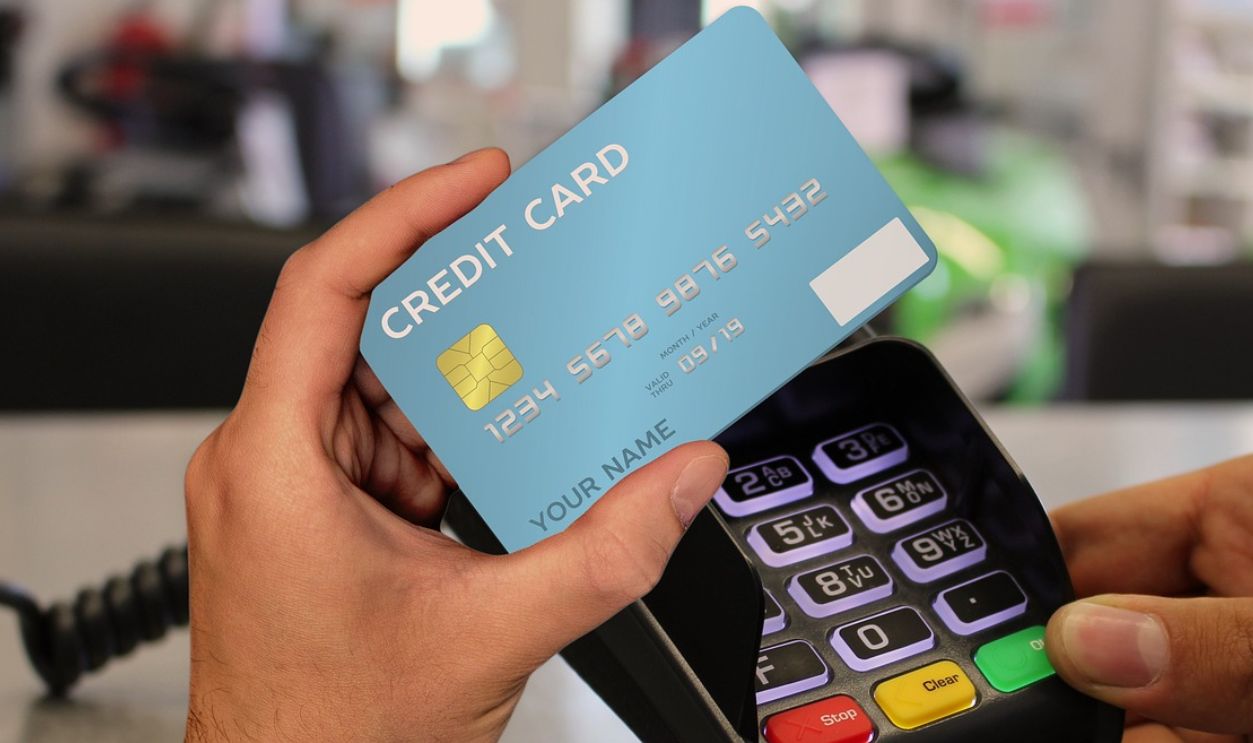
It happens almost everywhere now. Before you even reach for the card reader, they’re already suggesting tap. It sounds like a small convenience—but it isn’t random. Behind that tiny wave symbol is a quiet shift in how stores manage risk, speed, and money. And most customers have no idea it’s happening.

Swipe Used to Rule Everything
For decades, magnetic stripe cards were the standard in the U.S. You’d swipe, sign, and move on. Back then, inserting or tapping wasn’t an option—swipe was the only way cards worked. The stripe contains static data, meaning the same information is transmitted every time. That made it surprisingly easy for criminals to copy and create counterfeit cards.
Counterfeit Fraud Was Exploding
Before chip cards rolled out widely in the mid-2010s, the U.S. accounted for a massive share of global card fraud. According to Nilson Report data, the U.S. once represented nearly half of worldwide card fraud losses—despite far less than half of global card volume.

Then Came the EMV Liability Shift
In October 2015, major card networks implemented what’s known as the EMV liability shift. EMV stands for Europay, Mastercard, and Visa—the companies that developed the chip standard. And this policy quietly changed who pays when fraud happens.

Who Pays Depends on the Technology
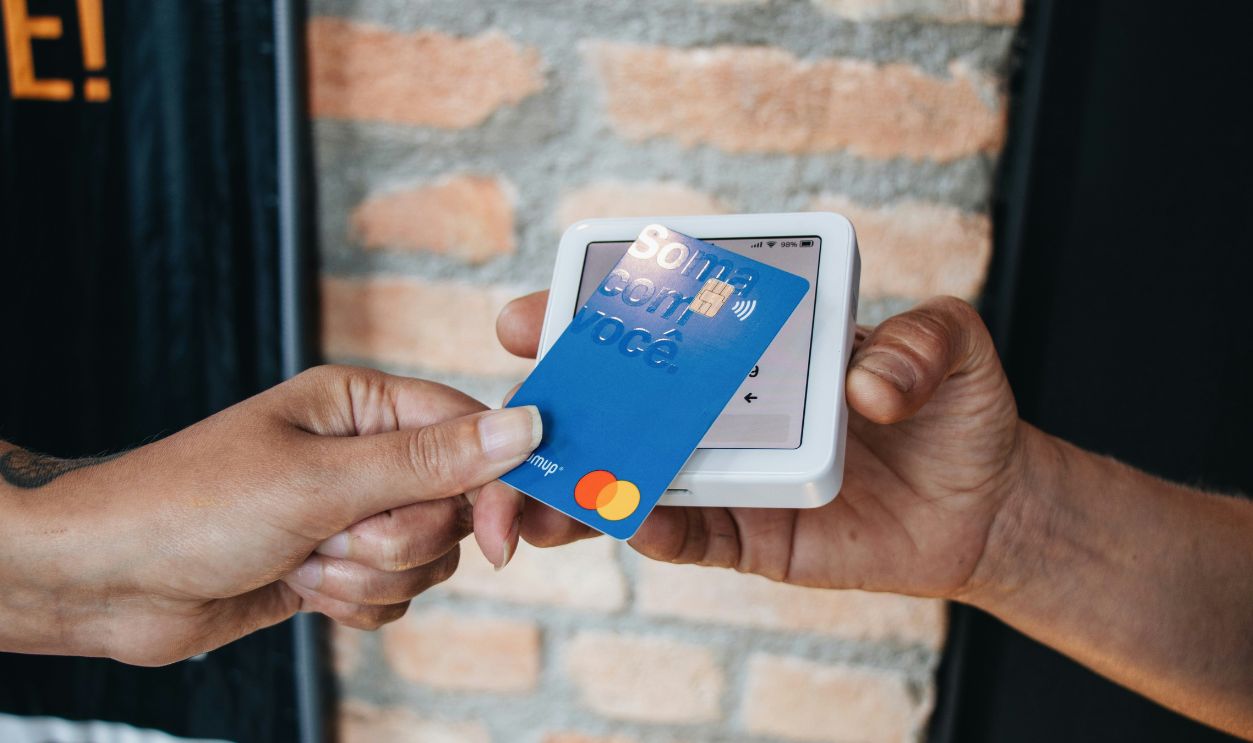
After the liability shift, if a store had chip-capable terminals but allowed a swipe—and fraud occurred—the store could be held financially responsible. But if the customer inserted or tapped using chip technology, liability often shifted to the card issuer instead. In simple terms: swipe uses the old magnetic stripe, insert uses the chip, and tap uses the same chip technology—just wirelessly.
Translation: Swipe Can Cost Stores Money
If a counterfeit card is swiped and the terminal wasn’t using the more secure chip process, the retailer might eat the loss. That means chargebacks, fees, and lost merchandise. Encouraging tap helps reduce that exposure.
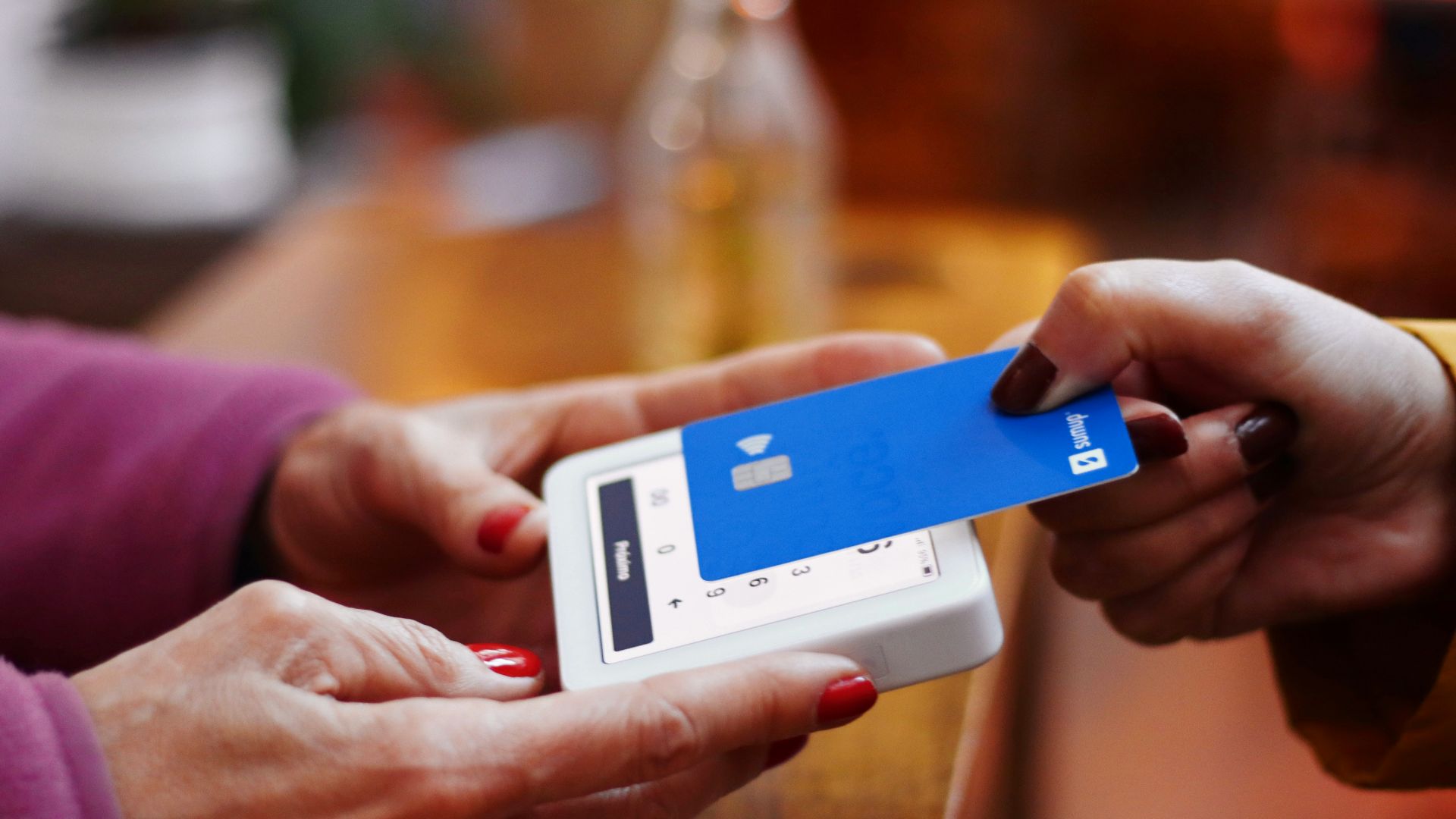
Tap Adds Another Layer of Security
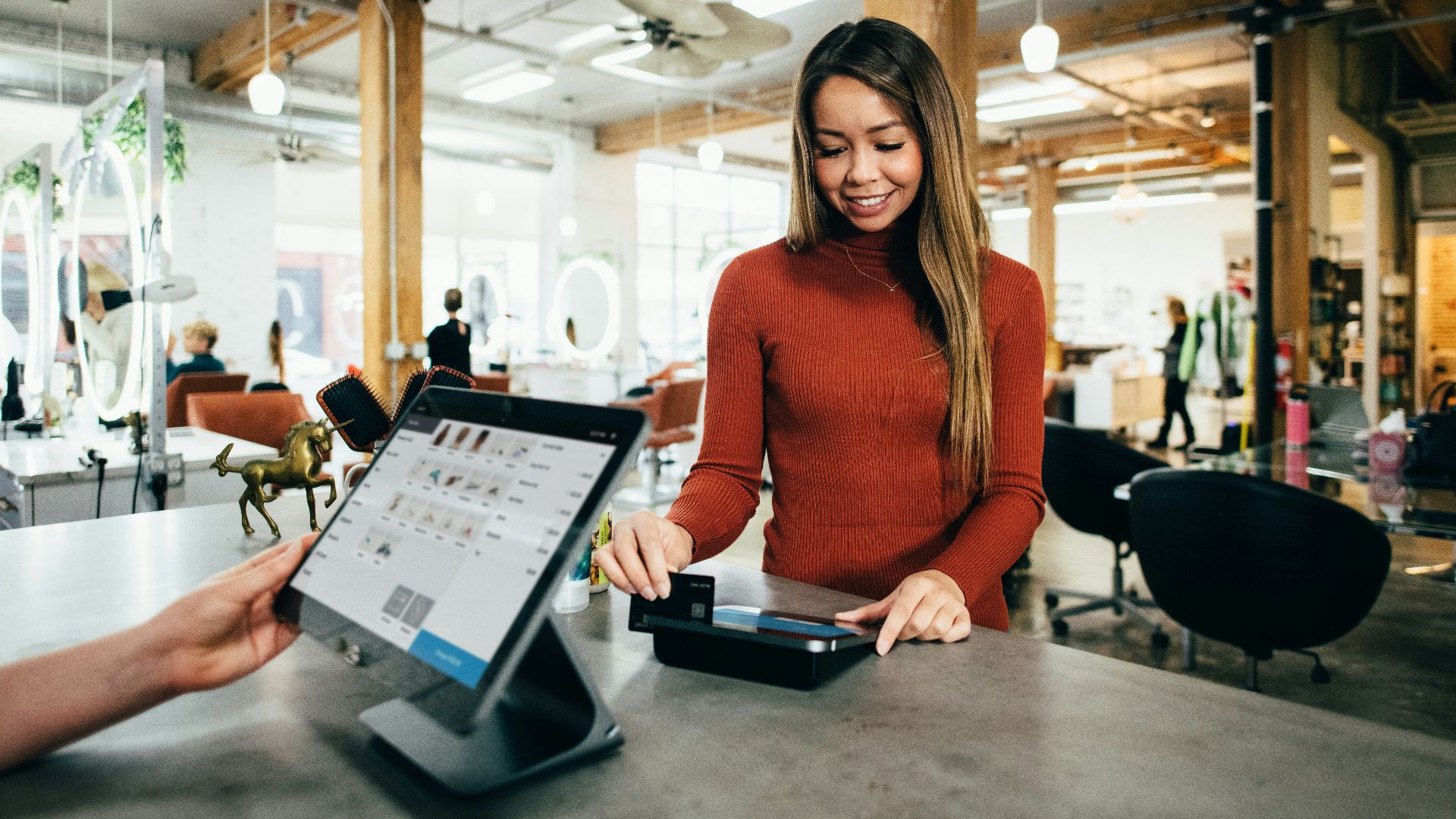
Both chip (inserting your card) and tap (contactless) use EMV technology, which creates a unique encrypted code for every transaction. Contactless payments also rely on tokenization, and swipe, by contrast, sends the same static data every time—which is why it’s far easier to clone.
What About Tapping With Your Phone or Watch?
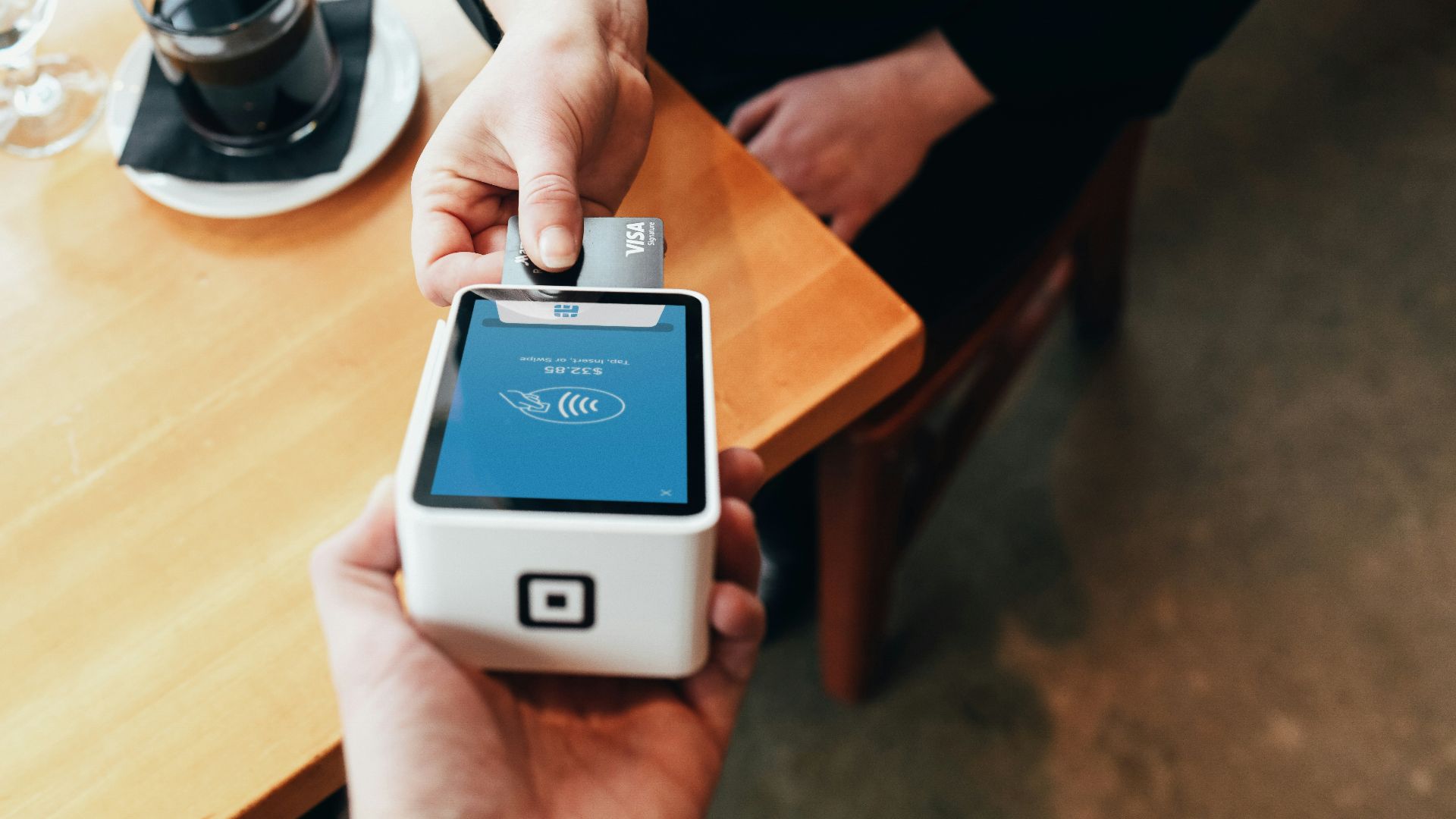
Using Apple Pay, Google Pay, or a smartwatch isn’t the same as tapping your physical card—it’s even more secure. Mobile wallets use tokenization, meaning your real card number isn’t shared with the store at all. Each transaction generates a one-time encrypted code, and you usually verify it with Face ID, fingerprint, or a passcode. For retailers, it runs on the same contactless system—but adds device authentication on the consumer side, which can further reduce fraud risk.
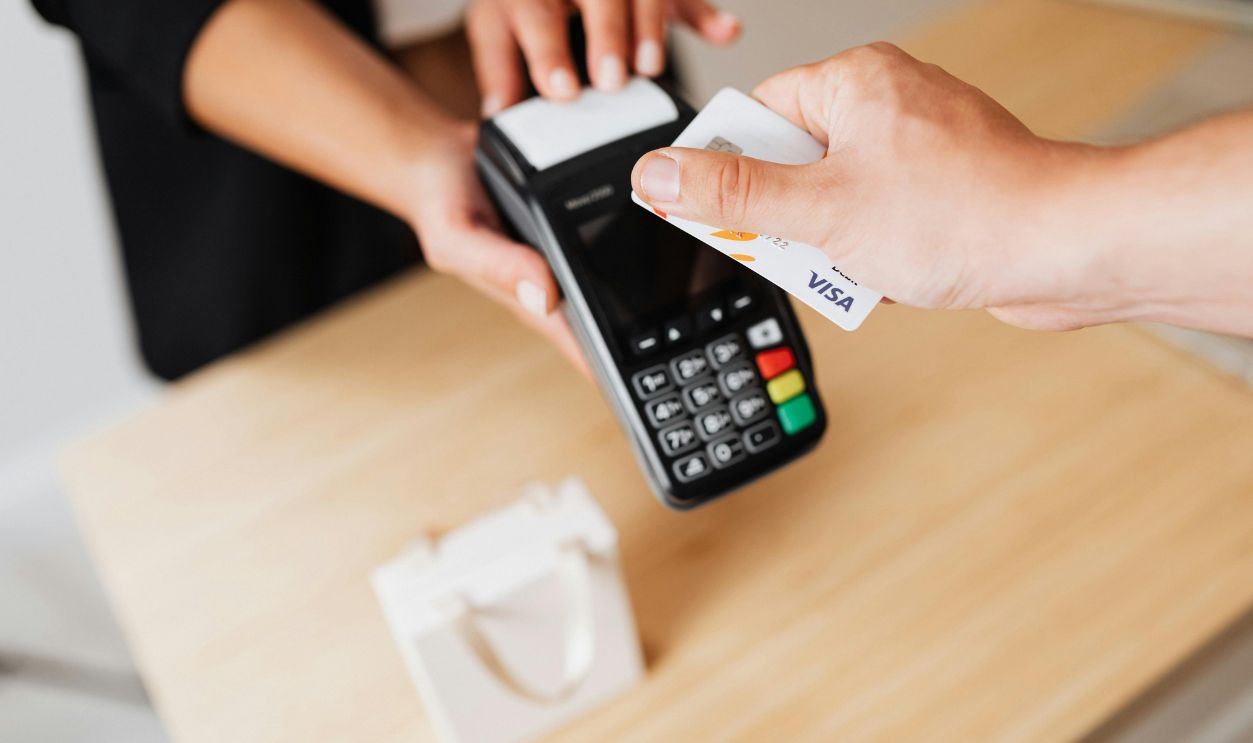
 Mikhail Nilov, Pexels, Modified
Fraud Losses Actually Dropped
Since EMV adoption increased in the U.S., counterfeit card fraud at physical retail locations has fallen significantly. Visa has reported that counterfeit fraud dropped by more than 70% at EMV-enabled merchants within the first few years after the 2015 liability shift.
Swipe Is Now the Weak Link
Magnetic stripes still exist for backward compatibility—but they’re widely considered outdated. That’s why many new cards don’t even print raised numbers anymore. The industry is slowly phasing out old swipe technology entirely.

It’s Not Just About Fraud
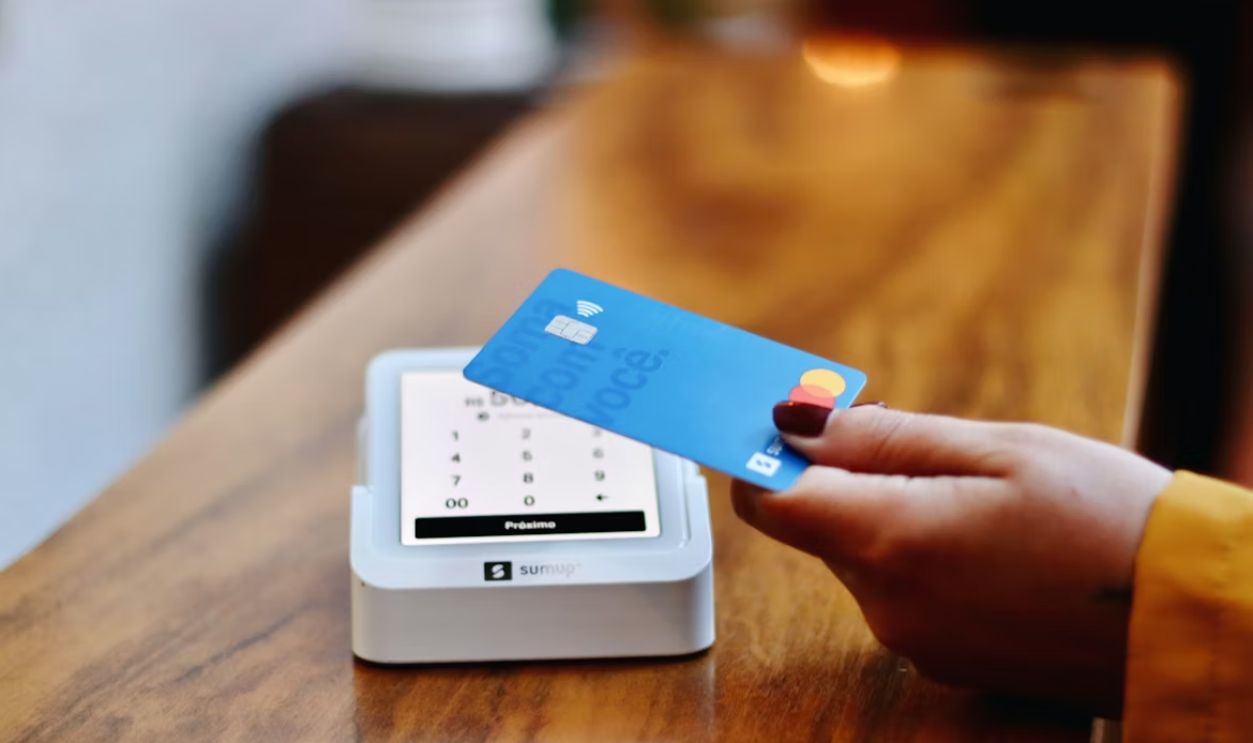
Tap transactions are also faster. Visa has reported that contactless transactions can be completed in seconds—often 10–20% faster than inserting a chip. In high-volume stores, shaving even a few seconds per customer adds up quickly.
Faster Lines Mean More Sales
Retail is about throughput. During peak hours, speed matters. If customers move through checkout more quickly, stores can serve more people without adding staff. Tap helps keep lines shorter and customers happier.

Customers Prefer It, Too
Contactless usage has surged in recent years. According to Mastercard, a majority of consumers say they prefer contactless payments for everyday purchases. Once people get used to tapping, going back to swiping feels outdated.

Pandemic Acceleration
During COVID-19, contactless payments jumped significantly as shoppers looked for touch-free options. That behavior stuck. Many retailers upgraded terminals during that period, further reducing reliance on magnetic stripe transactions.

Chargebacks Are a Headache
When fraud happens, stores deal with more than just lost money. Chargebacks require documentation, staff time, and sometimes disputes with card networks. Reducing fraud risk reduces operational hassle.
It’s About Risk Management
Retailers operate on thin margins. A few fraud losses here and there might not seem huge—but across thousands of transactions, it adds up. Tap reduces the statistical likelihood of counterfeit fraud.

Interchange Fees Don’t Change Much
Some people assume stores prefer tap because it lowers processing fees. In most cases, that’s not the main driver. Interchange fees are generally similar whether you tap or insert—so the real incentive is liability protection and fraud reduction.
Why Swipe Is Still Allowed
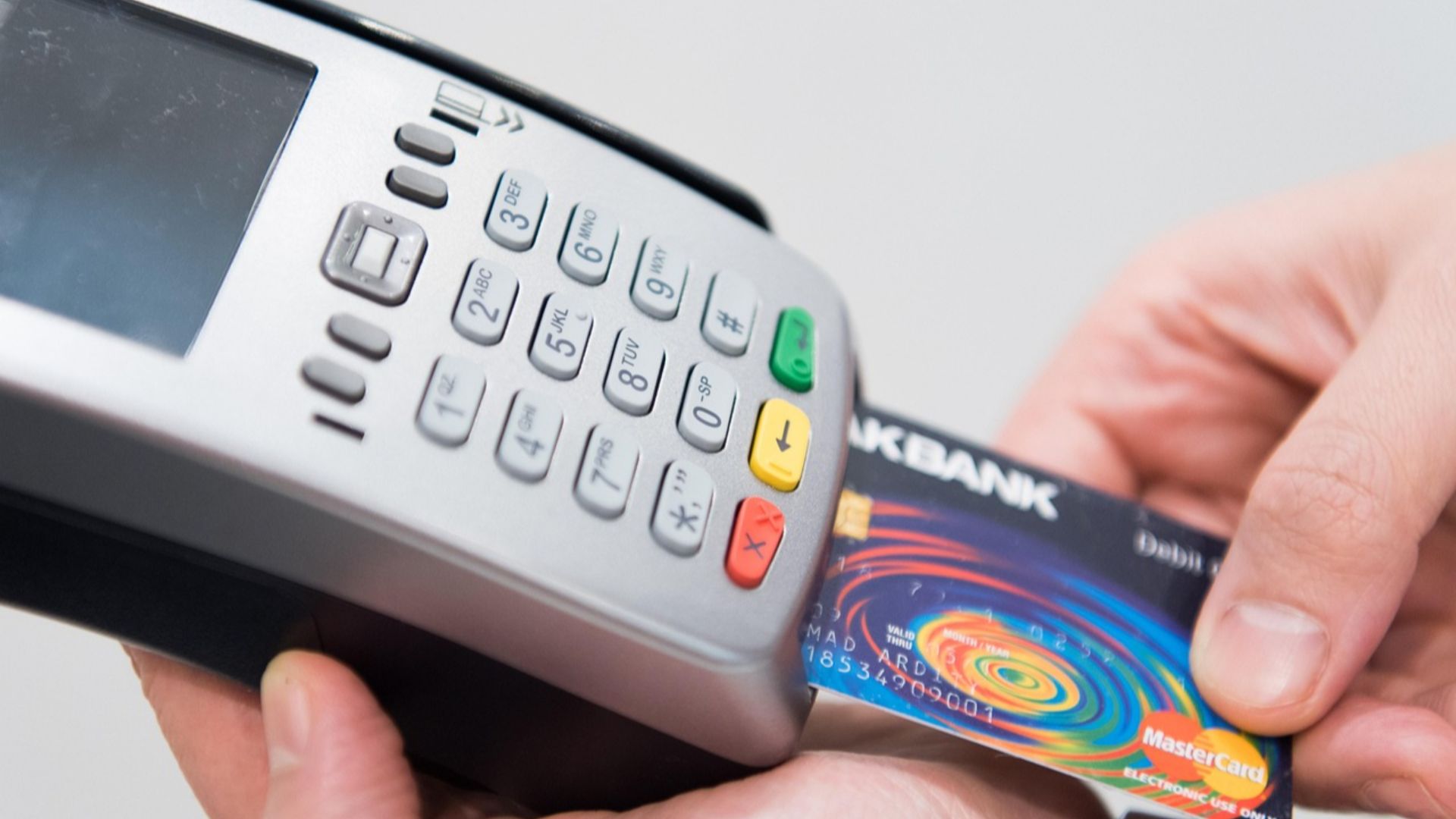
You might wonder: if swipe is riskier, why not remove it entirely? The answer is compatibility. Some older cards and foreign-issued cards still rely on magnetic stripes, so terminals keep the option available—for now.
Other Countries Moved Faster
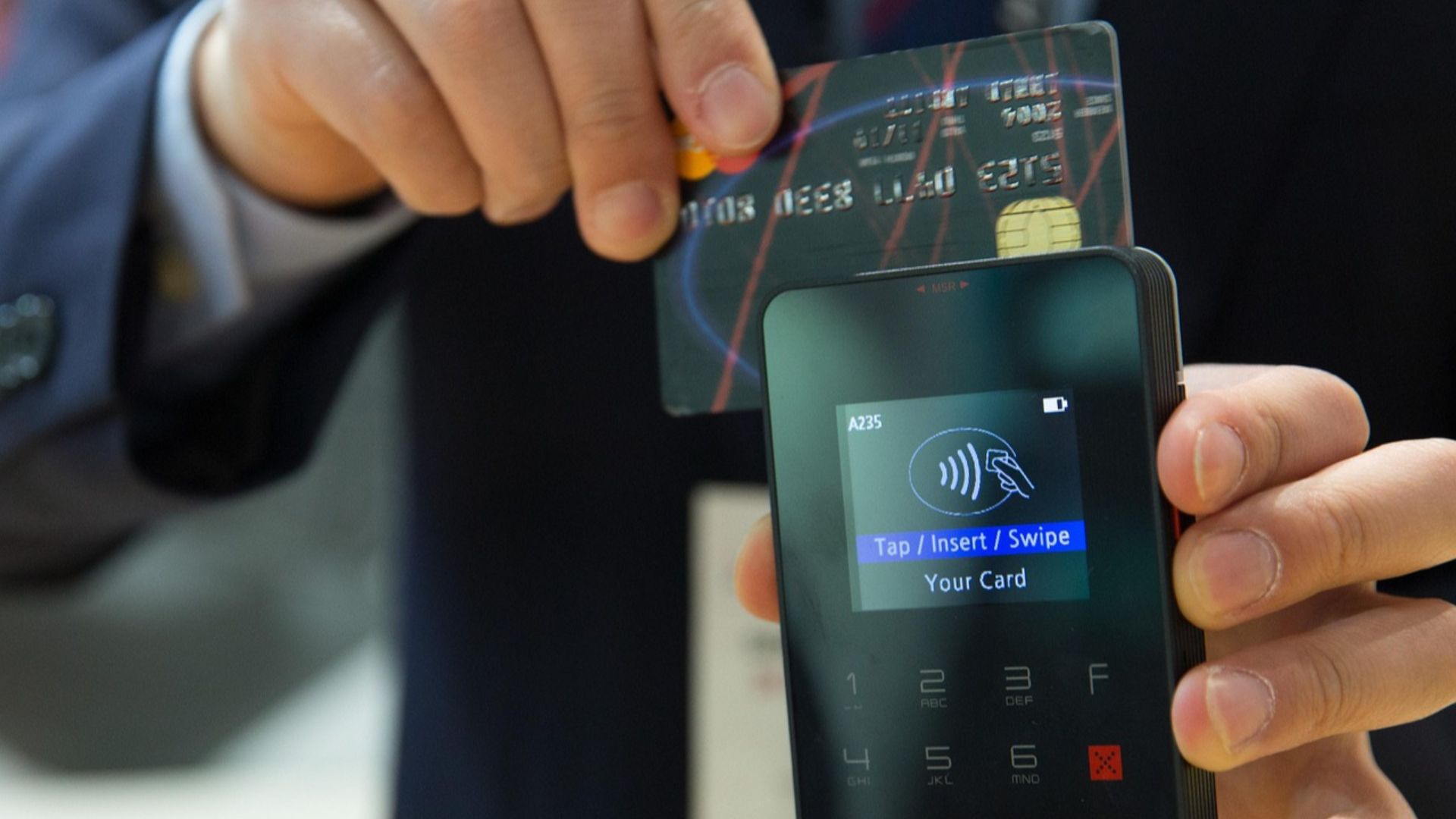
Europe adopted chip-and-PIN technology years before the U.S. As a result, counterfeit fraud shifted geographically toward markets that still relied heavily on magnetic stripe—like America at the time.
The U.S. Was Late to the Game
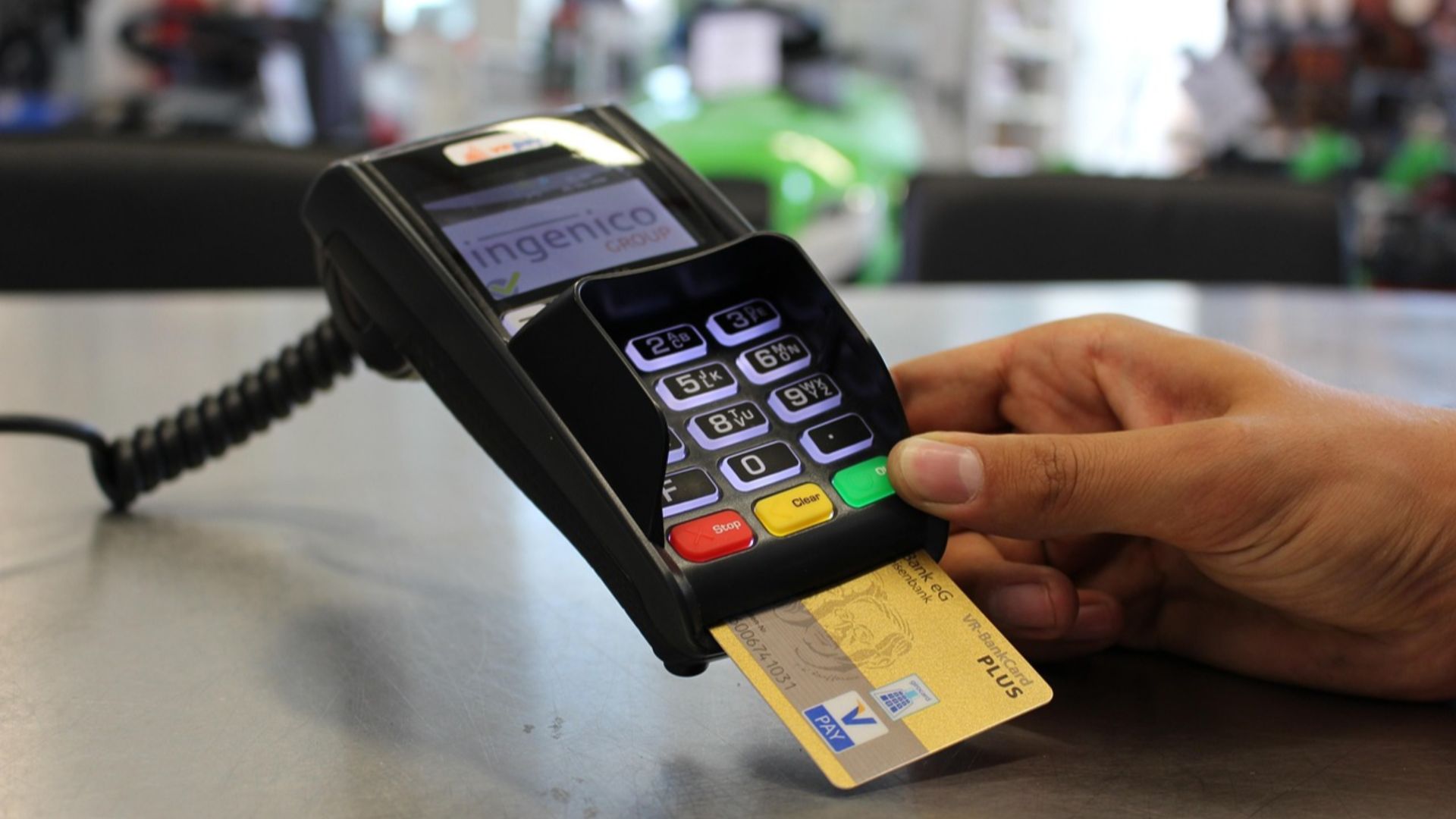
The U.S. had strong fraud monitoring systems, which delayed chip adoption. But as global fraud patterns evolved, card networks pushed for EMV to reduce counterfeit activity at physical retail locations.

You’re Protected, Too
Using tap doesn’t just protect stores. It also protects cardholders. Federal law limits consumer liability for unauthorized credit card charges, and zero-liability policies from card networks add another layer of protection.
The Disappearing Swipe Era
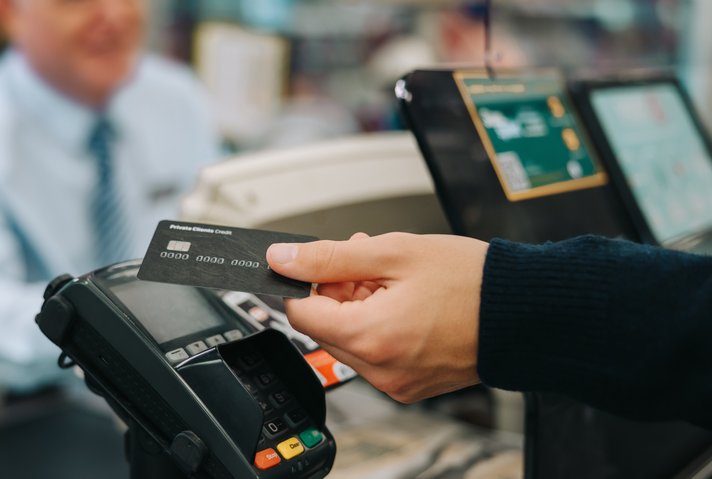
Some payment networks have announced plans to phase out magnetic stripes on many new cards in coming years. As tap and mobile wallets grow, swipe may become a relic—like signing receipts for every purchase.
Does Anyone Even Swipe Anymore?
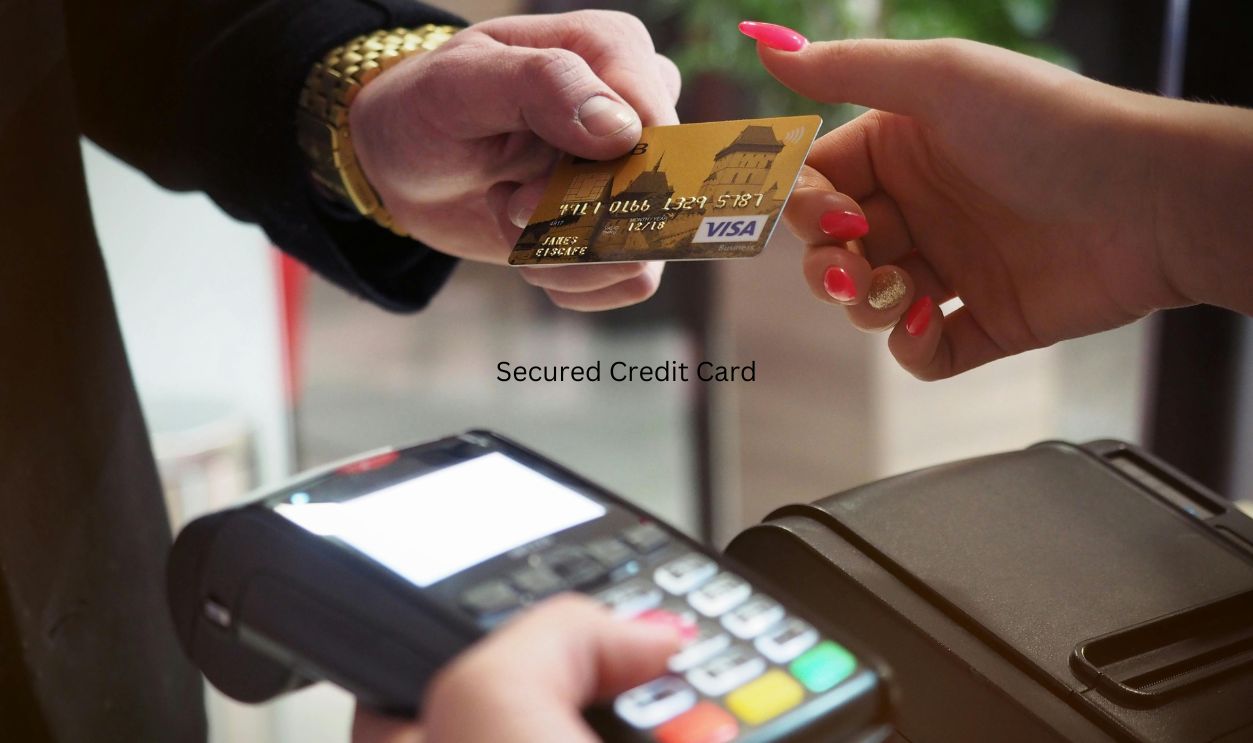
Technically, yes—but it’s becoming rare. Most in-store card payments now use chip or contactless technology, and swipe is increasingly used as a backup option. You’ll usually see it when a chip won’t read, a card is older, or a terminal hasn’t been upgraded.
So Why Do Cashiers Suggest Tap?
It’s not a secret upsell. It’s not a trick. It’s not about collecting extra data. It’s a simple risk equation: tap transactions are more secure, shift liability in many cases, and move customers through the line faster.

The Bottom Line
That little wave symbol on your card isn’t just about convenience. It represents a major shift in fraud prevention, retail economics, and who absorbs financial risk. So the next time someone says “You can just tap,” now you know—there’s a business reason behind it.

You Might Also Like: