Medical Debt Can Become A Trap Fast
A buy-now-pay-later plan can sound like a lifeline when a medical bill is sitting there, scary and urgent. Smaller payments feel more manageable than one giant bill. But once the installments start stacking up, the relief can turn into panic. The first move is not shame. It is slowing everything down.

First, She Should Verify The Medical Bill
Before focusing only on the buy-now-pay-later payments, she should make sure the original medical bill was correct. Medical bills can contain mistakes, duplicate charges, insurance errors, wrong coding, or charges that should have been adjusted. If the bill was wrong, financing it may have turned a billing mistake into a debt problem.
 https://kaboompics.com/, Pexels
Ask For An Itemized Bill Immediately
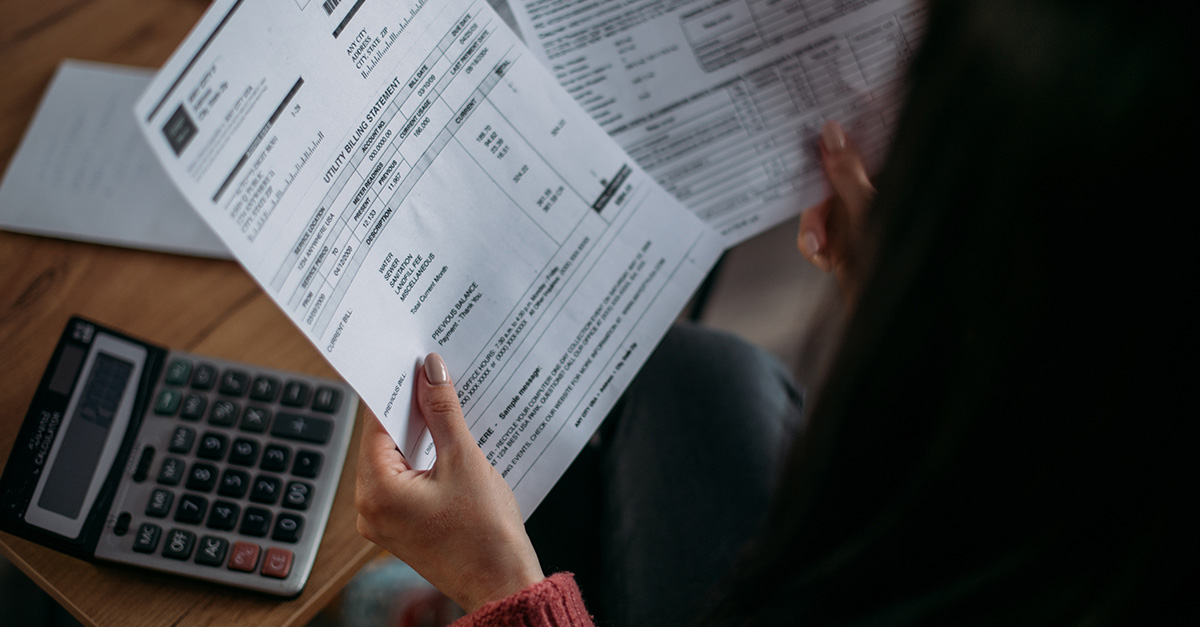
A basic statement is not enough. She should ask the provider for an itemized bill showing every charge, service, date, code, payment, adjustment, and insurance response. This gives her something concrete to review. Without an itemized bill, she is basically trying to solve a puzzle while missing half the pieces.

Compare It Against Insurance Documents
If she had insurance, she should compare the bill with her explanation of benefits. Did insurance process the claim? Was the provider in network? Did the bill reflect the insurer’s allowed amount? Did the provider charge more than expected? Consumer protection guidance recommends checking whether insurance payments are reflected properly.

Do Not Assume The Payment Plan Means The Bill Was Fair
This is the tricky part. Once a medical bill gets moved into a financing plan, it can feel “settled.” But that does not automatically mean the amount was accurate or affordable. If she financed a bill that should have been reduced, appealed, corrected, or covered, she may need to go back to the provider and insurer.

Find Out Exactly What Kind Of Plan She Used
Not all buy-now-pay-later or medical payment plans work the same way. Some charge no interest if paid on time. Others may include late fees, deferred interest, account freezes, collections, or credit consequences. She needs to read the agreement and identify the lender, payment schedule, fees, interest terms, and missed-payment rules.

Buy-Now-Pay-Later Is Still Debt
Buy-now-pay-later can feel different from a credit card because it is packaged as simple installments. But consumer finance regulators generally treat these plans as a form of credit, and federal consumer guidance warns that they are not risk-free. If she cannot make the payments, she needs to treat this like a real debt issue, not a personal failure.

She Should List Every Payment Due
The next step is a plain, honest list. Payment amount, due date, lender, remaining balance, late fee, bank account used, and whether automatic payments are turned on. Buy-now-pay-later debt becomes dangerous when payments are scattered across apps, emails, and bank withdrawals. One clean list helps her see the full picture.

Automatic Payments Can Make Things Worse
Many buy-now-pay-later plans pull payments automatically. That may be convenient when money is available, but brutal when it is not. A payment that overdraws her account can trigger bank fees and more stress. She should check whether autopay is active and whether changing the payment method is allowed.

Contact The Buy-Now-Pay-Later Company Before Missing Payments
If she knows she cannot keep up, she should contact the buy-now-pay-later provider before the next missed payment. Ask about hardship options, due-date changes, payment pauses, revised schedules, fee waivers, or settlement options. The answer may be no, but asking early is usually better than waiting until the account is already in trouble.

Contact The Medical Provider Too
Even if the bill was financed, the medical provider may still be worth contacting. Ask whether financial assistance, charity care, uninsured discounts, income-based adjustments, or billing corrections are available. Some hospitals and clinics have assistance programs, but patients often have to ask directly and apply.

Charity Care May Still Be Available
Nonprofit hospitals often have financial assistance policies, and some patients qualify without realizing it. If she used buy-now-pay-later financing because she felt rushed, she may have skipped the assistance process. She should ask the hospital’s billing office whether she can still apply for financial assistance or retroactive charity care.

She Should Avoid Adding More High-Cost Debt
When payments get overwhelming, the temptation is to put them on a credit card, take a payday loan, or use another buy-now-pay-later plan. That can make the problem worse. Consumer protection guidance warns that paying medical charges with high-cost credit can increase what people owe through interest and fees.
 https://kaboompics.com/, Pexels
Prioritize Essentials First
Medical debt matters, but rent, food, utilities, transportation, insurance, and necessary medication usually come first. She should not skip groceries or fall behind on housing to keep a payment app happy. A realistic budget helps her decide what can be paid, what needs negotiation, and what simply cannot fit right now.

Check Whether The Debt Could Affect Her Credit
Buy-now-pay-later credit reporting can be confusing. Some lenders may not report regular payment history to major credit bureaus, but failure to repay may eventually be reported by a debt collector. She should review the agreement and monitor her credit reports if the account becomes delinquent.

Medical Collections Have Special Reporting Rules
Medical debt is treated differently from many other debts in credit reporting. Federal consumer guidance notes that certain paid medical collections, smaller medical collections, and some recent medical collections should not appear on credit reports. If incorrect medical debt shows up, she can dispute it with the credit reporting companies.

She Should Keep Every Record
She should save bills, itemized statements, insurance documents, buy-now-pay-later agreements, emails, hardship requests, payment confirmations, chat transcripts, and notes from phone calls. Documentation gives her leverage. It also protects her if the provider, lender, insurer, or collector later says something different.

Do Not Ignore Debt Collectors, But Do Not Panic Either
If the debt goes to collections, she should not automatically pay just because someone calls. She can request debt validation, compare the amount to her records, and check whether the bill was already paid, covered, reduced, or legally disputed. Medical collections are often messy, so verification matters.

A Nonprofit Credit Counselor May Help
If the payments are part of a larger debt problem, a nonprofit credit counselor can help her review the budget and options. The goal is not to magically erase the bill. It is to figure out whether she needs a hardship plan, debt-management help, provider negotiation, or legal or consumer-protection guidance.
 https://kaboompics.com/, Pexels
She Should Watch For Shame-Based Decisions
Medical debt can feel humiliating, especially when someone used a payment plan because they were trying to be responsible. But shame makes people avoid calls, skip paperwork, and accept bad terms. She should treat this as a billing and cash-flow problem, not a character flaw.

Family Help Should Come With Clear Limits
If relatives want to help, that can be kind. But it should not become vague, emotional, or open-ended. A one-time payment, temporary bridge loan, or help reviewing documents may be useful. Everyone should be clear whether money is a gift, loan, or shared responsibility before family tension joins the debt problem.

Her First Goal Is Breathing Room
She does not need to solve the whole thing in one day. The first goal is breathing room: verify the bill, understand the buy-now-pay-later contract, stop avoidable fees, contact the lender, ask the provider about assistance, and protect essentials. Panic shrinks choices. Information gives her choices back.

The Best First Move Is Paperwork, Not Another Payment
It may sound boring, but the smartest first step is getting organized. She should gather the itemized medical bill, insurance documents, buy-now-pay-later agreement, payment schedule, and bank records. Then she can challenge errors, request help, negotiate payments, and decide what she can realistically afford without digging a deeper hole.

You May Also Like:
Americans Are Fleeing These 50 Cities In Droves
Extreme Couponing: Is It Worth It?
The Money Promises Parents Should Never Make Without Checking The Numbers First