A Century of Prices at the Pump
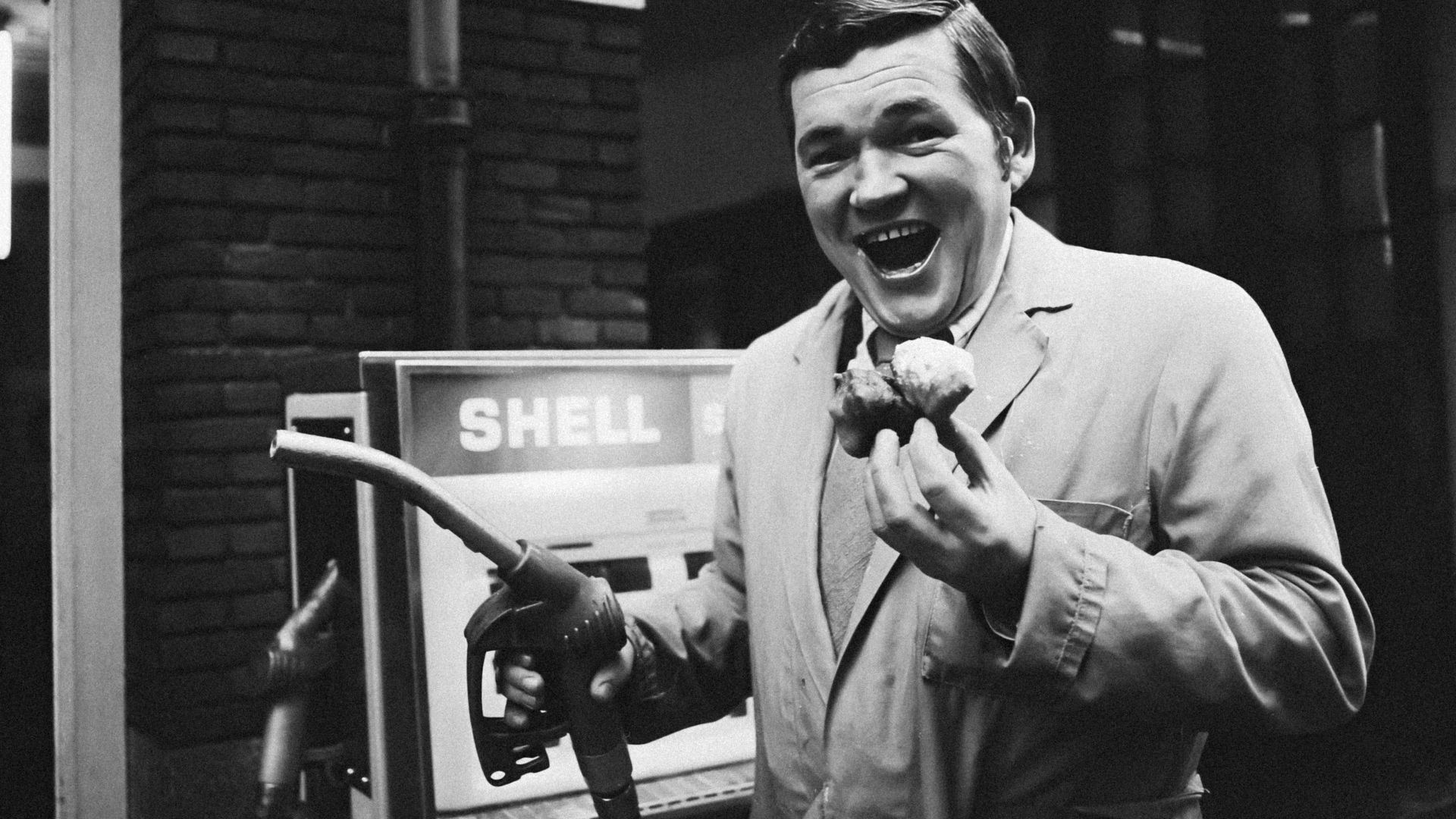
Gasoline has climbed from pennies per gallon to several dollars, but the numbers on old station signs do not tell the complete story. Once inflation, taxes, oil shortages and changing vehicle efficiency are considered, some supposedly cheap decades were surprisingly expensive.
Which generation actually enjoyed the best deal?
How the Prices Were Calculated
Each decade’s figure is the average of its available annual U.S. gasoline prices. The 2020s average covers 2020 through 2025 because the decade is incomplete.
Inflation-adjusted figures use the Consumer Price Index to express prices in October 2026 dollars. Historical fuel grades and data-collection methods changed over time, so these are broad household-cost comparisons.
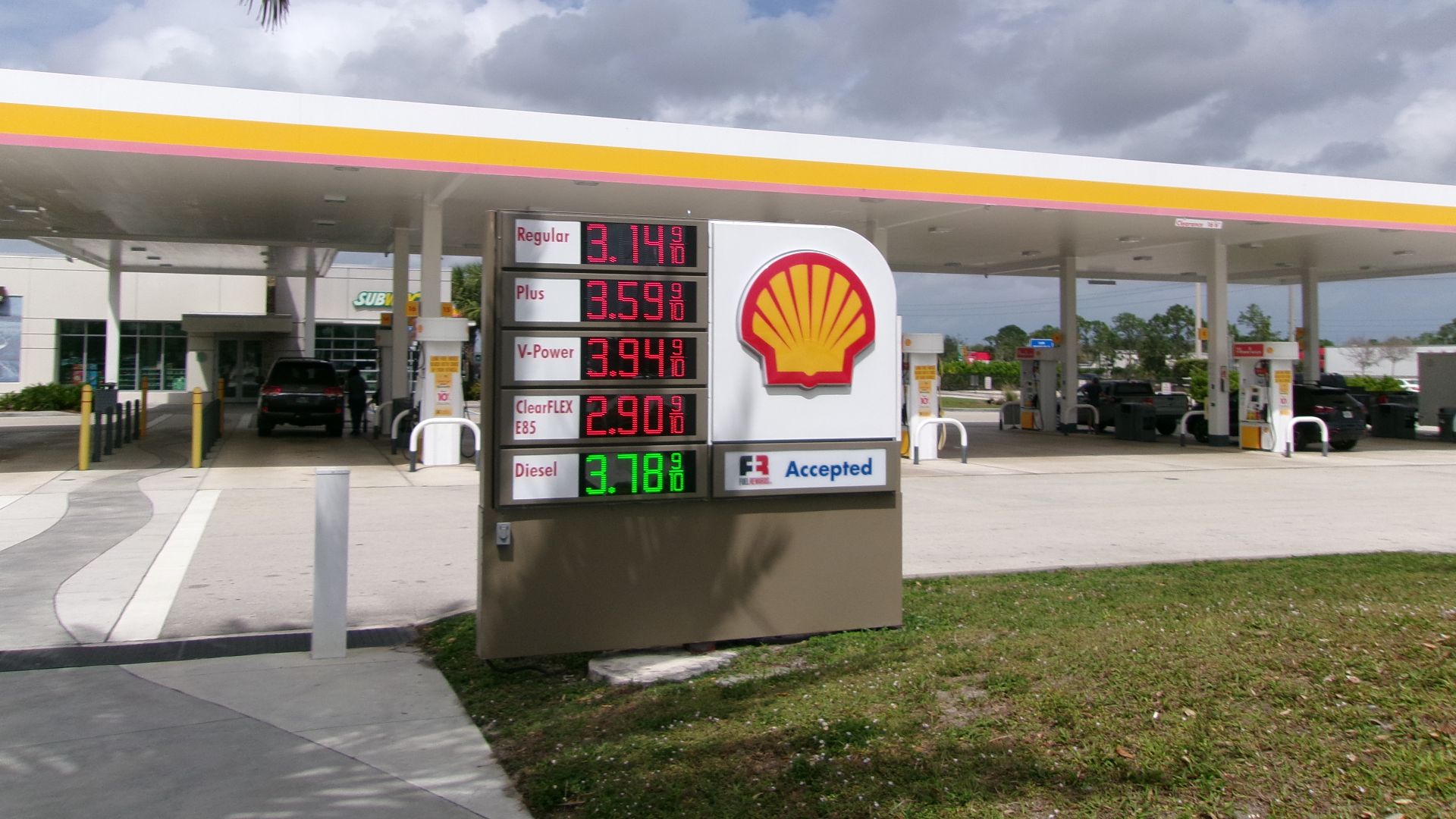
Today’s Benchmark: Approximately $3.69
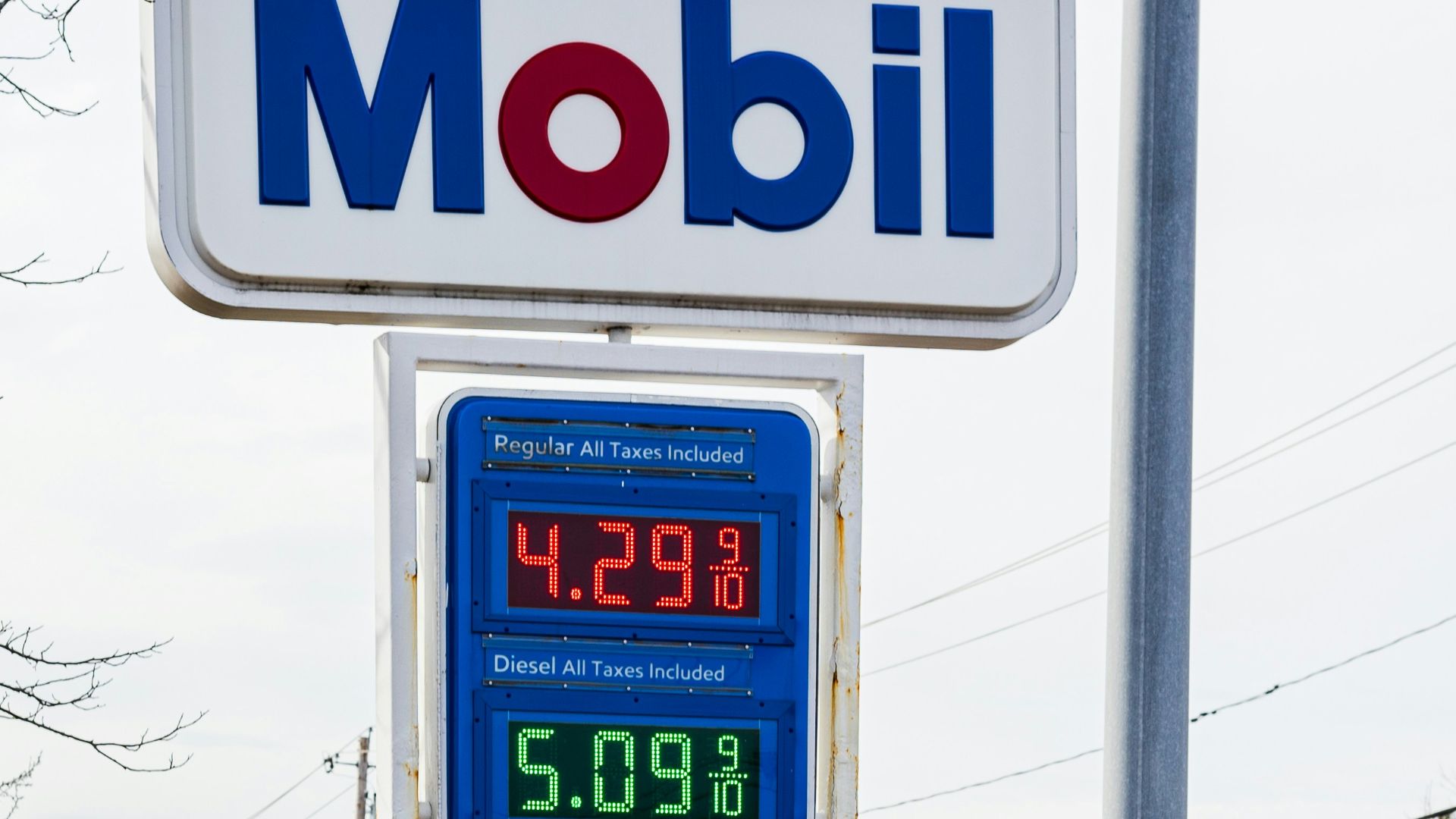
AAA reported a national average of approximately $3.69 per gallon for regular gasoline on November 20, 2026. At that price, filling a 15-gallon tank costs roughly $55.35.
Actual prices vary by state, city, fuel formulation and individual station.
The 1930s: Approximately 18.9 Cents
Gasoline averaged approximately 18.9 cents per gallon during the 1930s. A 15-gallon purchase therefore cost only about $2.83 in the money of the period.
Adjusted using the CPI, however, the decade’s average equals approximately $4.51 per gallon in October 2026 dollars.
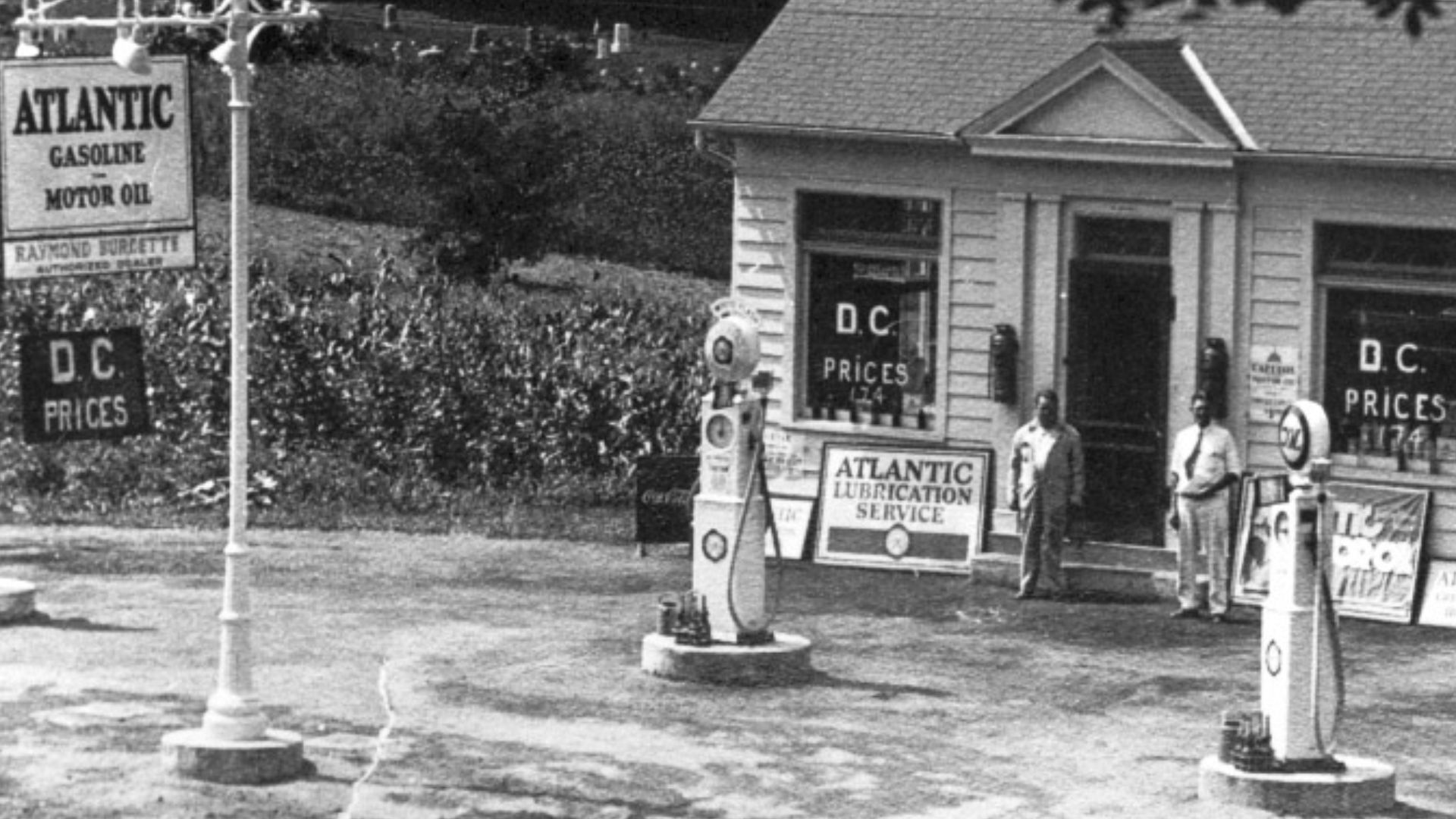 City of Gaithersburg, Wikimedia Commons
Depression-Era Gas Wasn’t Truly Cheap
Today’s $3.69 average is roughly 18% below the CPI-adjusted 1930s average. Overall consumer prices and wages fell during the Great Depression, but gasoline did not decline by the same proportion.
For households struggling with unemployment or reduced wages, even a 19-cent gallon could represent a meaningful expense.
 Warren K. Leffler, Wikimedia Commons
The 1940s: Approximately 21.7 Cents
The average rose to approximately 21.7 cents per gallon during the 1940s. A 15-gallon purchase would have cost around $3.25 at the decade’s average price.
Adjusted for inflation, that gasoline equals approximately $3.95 per gallon today, slightly more than the current national average.
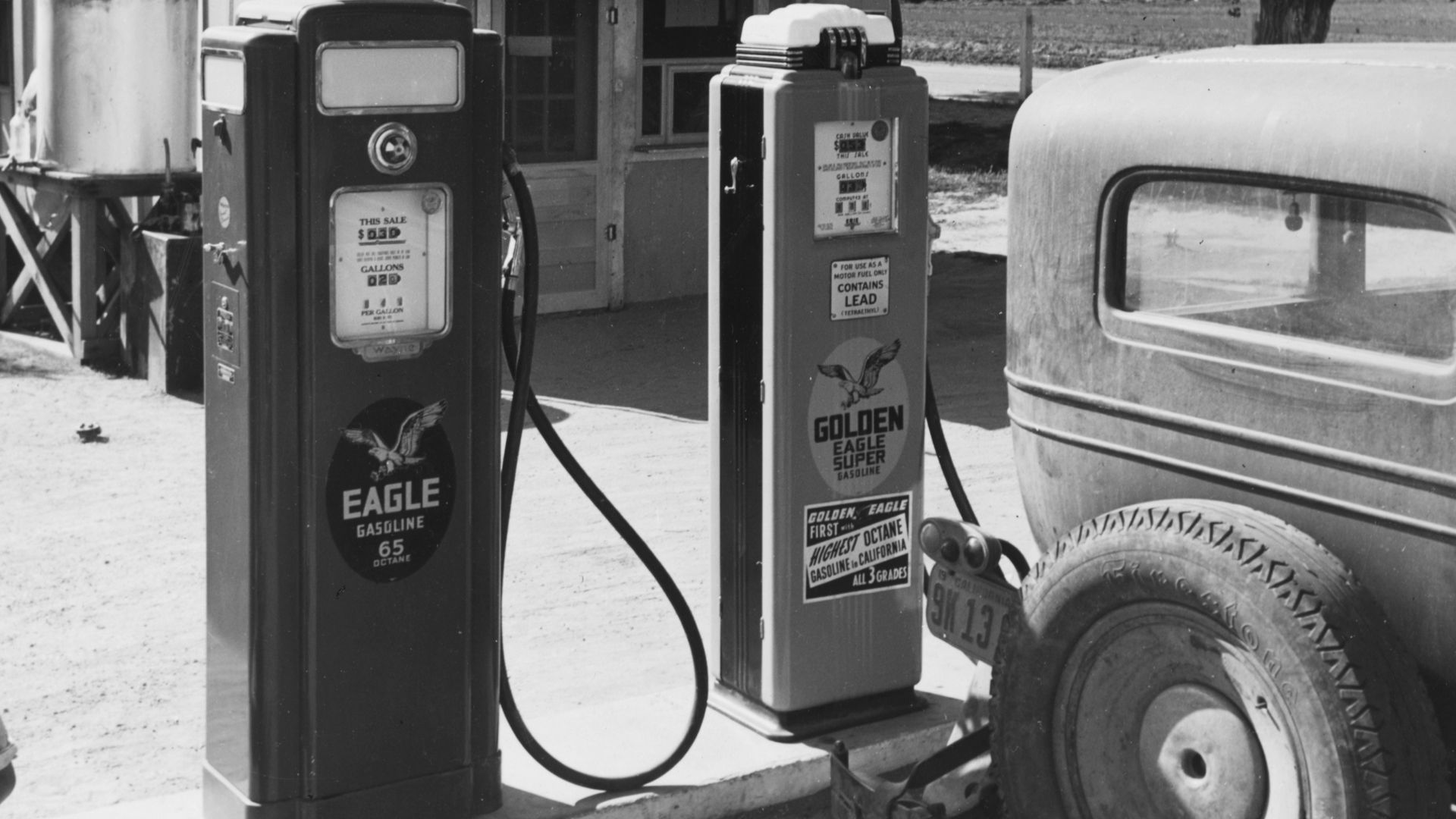 Dorothea Lange, Wikimedia Commons
Wartime Rationing Mattered More Than Price
Gasoline’s posted price does not capture the full experience of World War II. The federal government rationed gasoline to conserve rubber and fuel, restricting how much civilians could purchase.
For many drivers, availability was the problem. An inexpensive gallon offered little comfort when a ration coupon limited the number of gallons available.
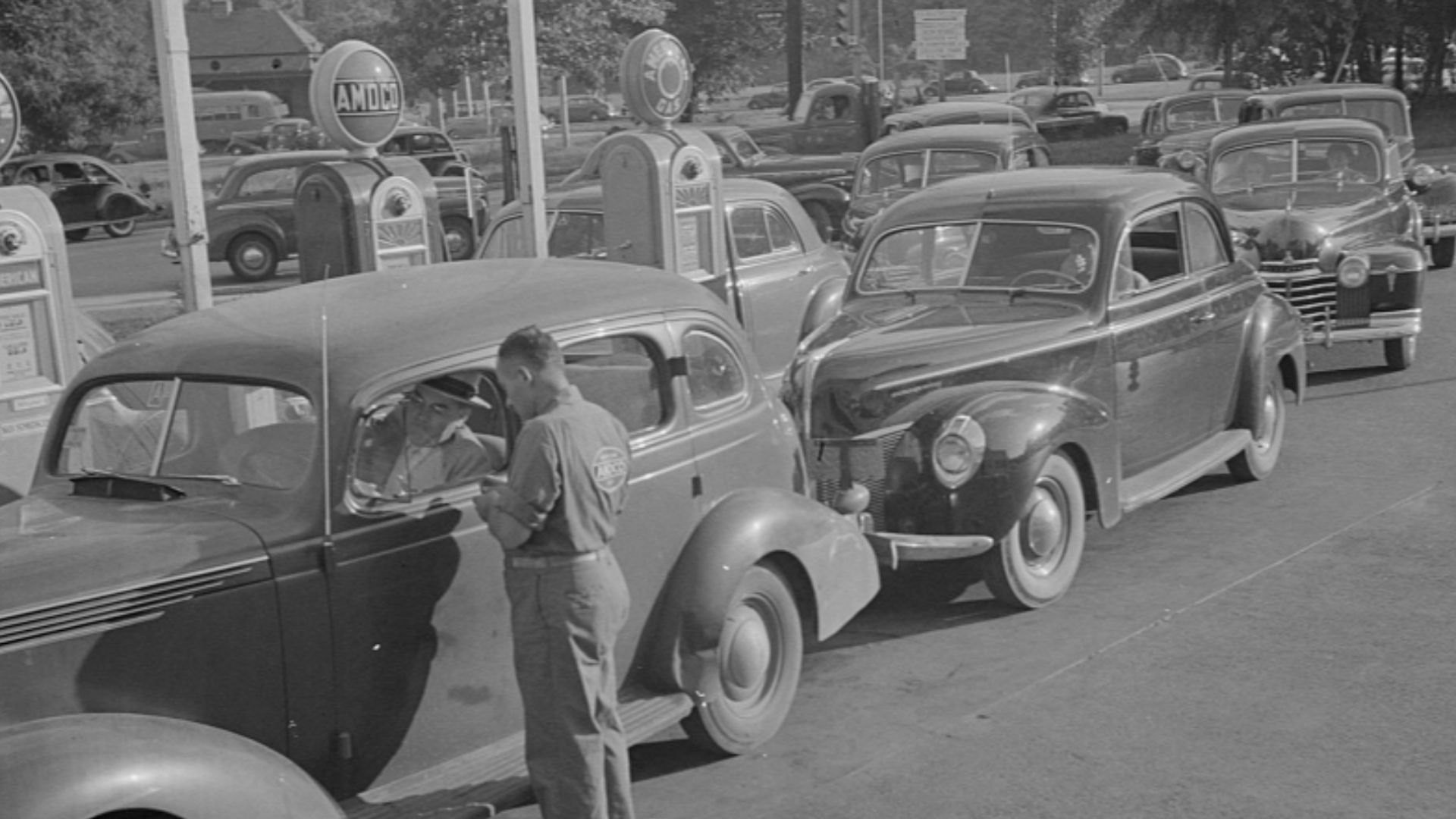 Marjory Collins, Wikimedia Commons
The 1950s: Approximately 29 Cents
Gasoline averaged approximately 29 cents per gallon during the 1950s. At that price, 15 gallons cost about $4.35.
Expressed in October 2026 dollars, the decade’s average equals roughly $3.62 per gallon. That is only about seven cents below today’s $3.69 national average.
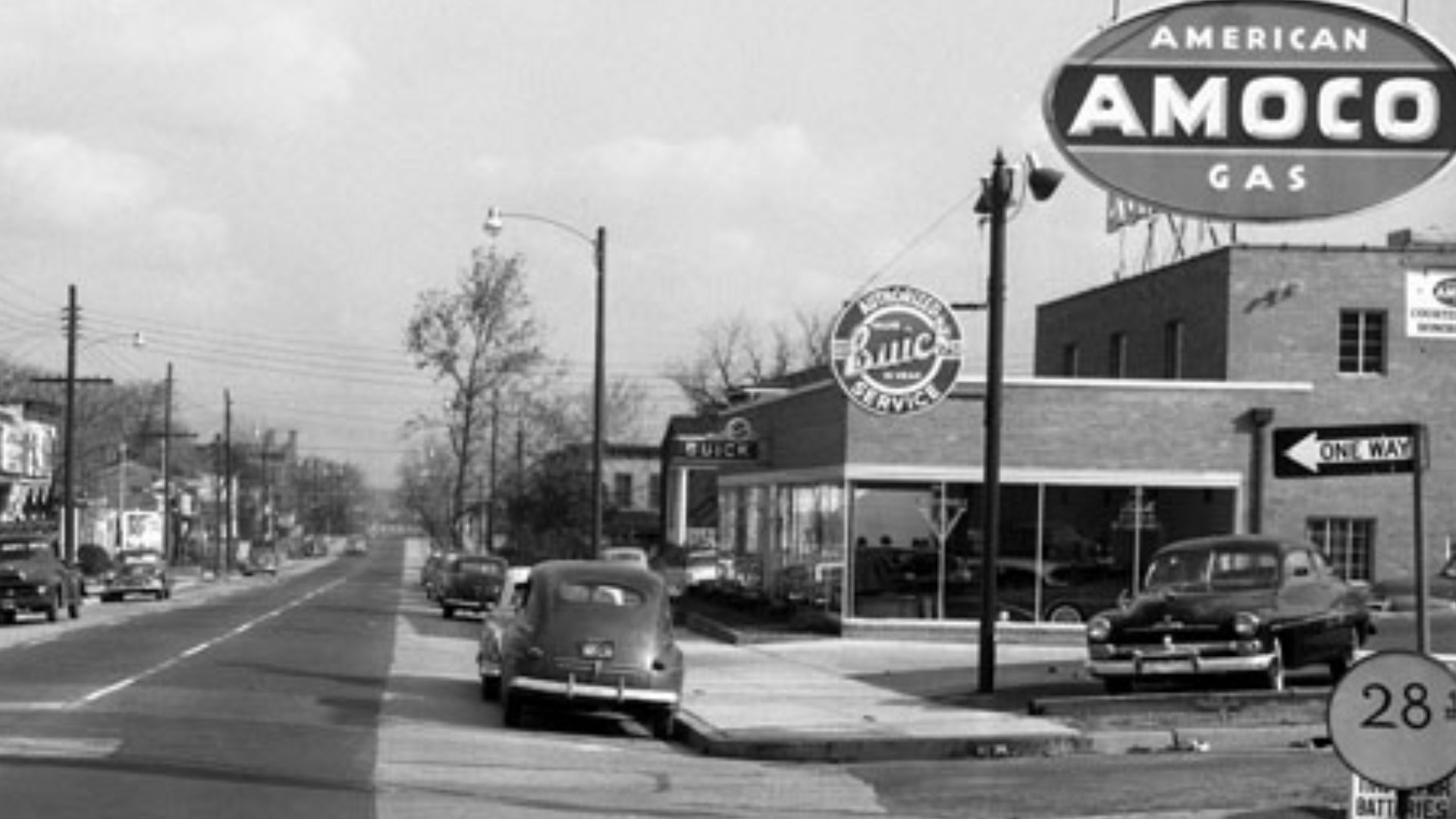 The Library of Virginia from USA, Wikimedia Commons
Cheap Fuel Helped Reshape America
Growing suburbs, expanding automobile ownership and construction of the Interstate Highway System encouraged Americans to drive farther. Gasoline remained below 31 cents throughout the decade.
Large cars and relatively weak fuel economy meant households purchased plenty of it, even if each individual gallon looked wonderfully inexpensive.
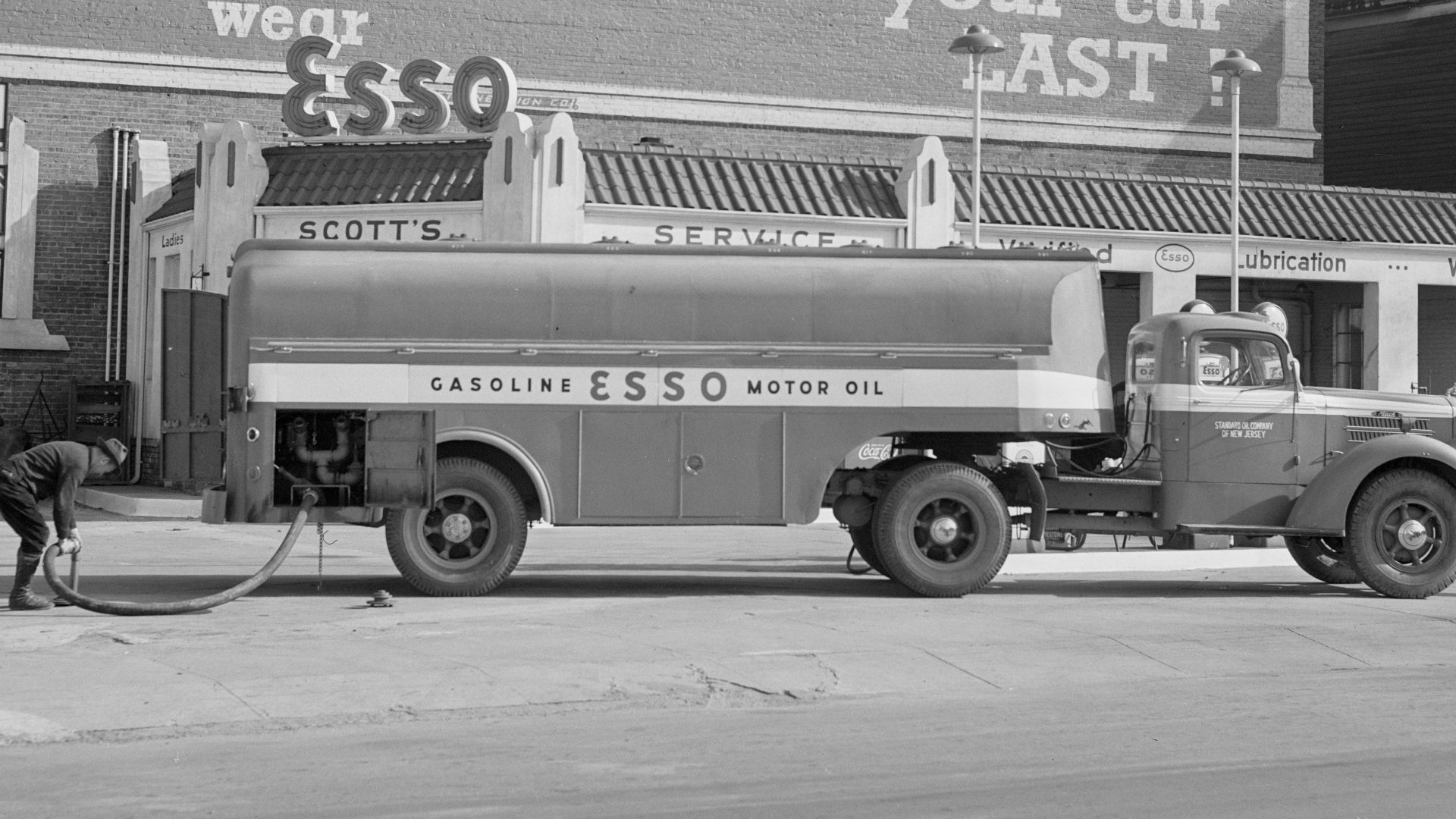 John Vachon, Wikimedia Commons
The 1960s: Approximately 31.8 Cents
Gasoline averaged approximately 31.8 cents per gallon during the 1960s. A typical 15-gallon purchase cost just $4.77 in the money of the time.
After adjusting each year with the CPI, the decade’s average equals approximately $3.36 per gallon in October 2026 dollars.
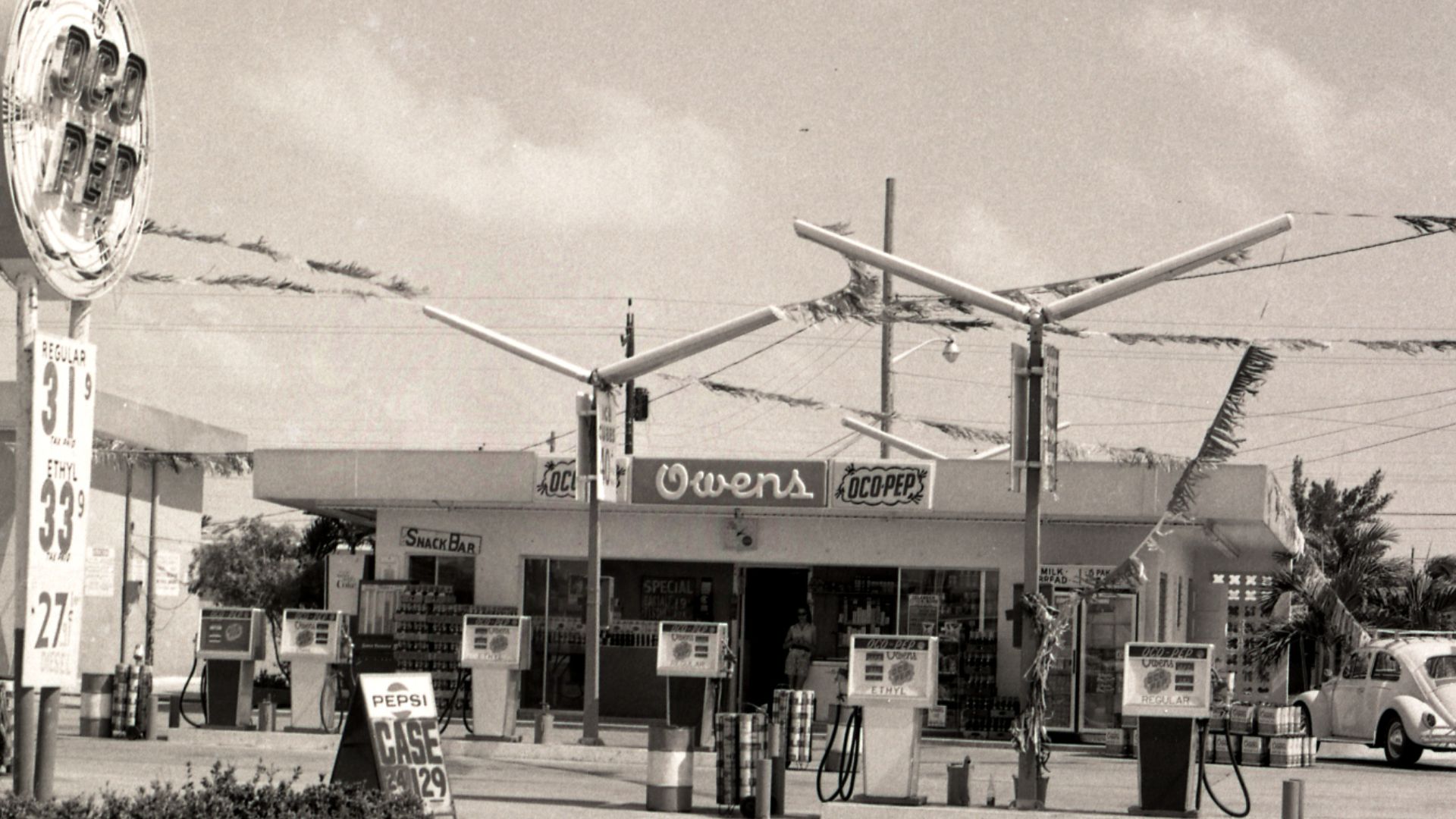 Florida Keys--Public Libraries, Wikimedia Commons
The Most Stable Decade at the Pump
The annual average moved from 31.1 cents in 1960 to 34.8 cents in 1969, a nominal increase of only 3.7 cents.
Today’s $3.69 average is approximately 10% higher than the inflation-adjusted 1960s average, making the decade genuinely cheaper, though not nearly as cheap as its pump signs imply.
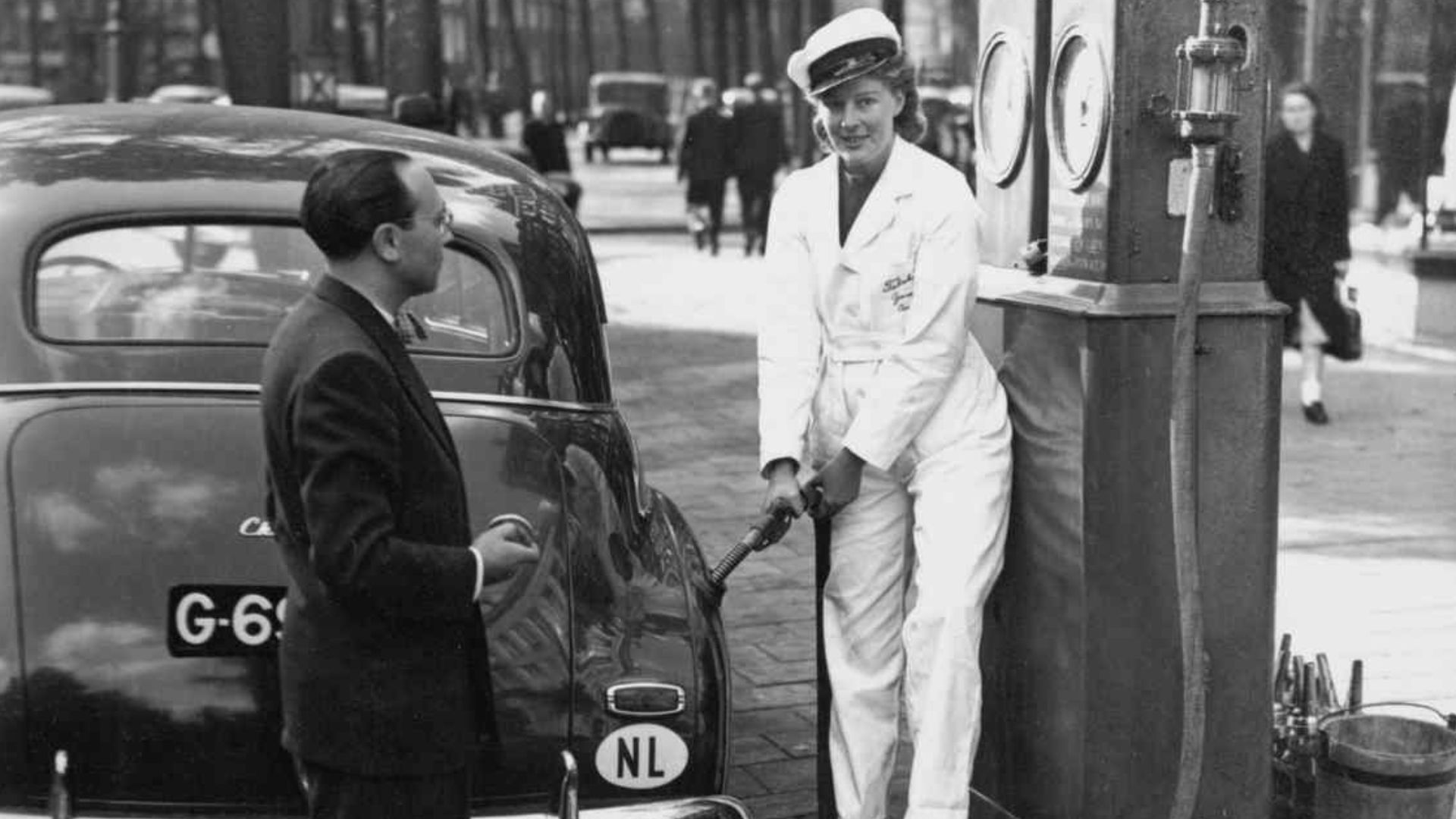
The 1970s: Approximately 54.1 Cents
Across the entire 1970s, gasoline averaged approximately 54.1 cents per gallon. A 15-gallon purchase cost about $8.12 at the decade’s average.
Adjusted for inflation, that equals approximately $3.42 per gallon today. The decade-wide figure conceals an enormous increase during its final years.
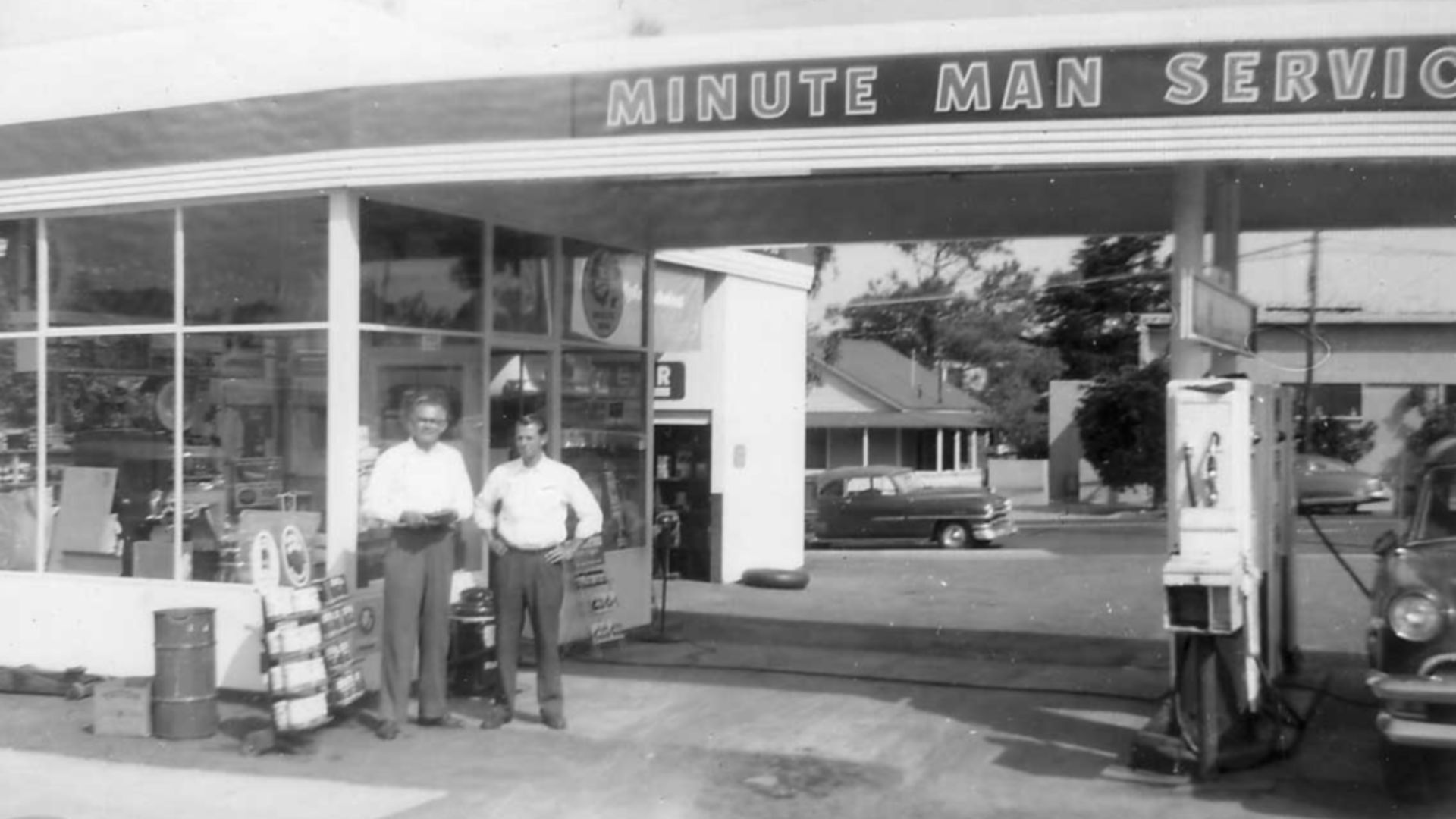 Bruce Robinson, Wikimedia Commons
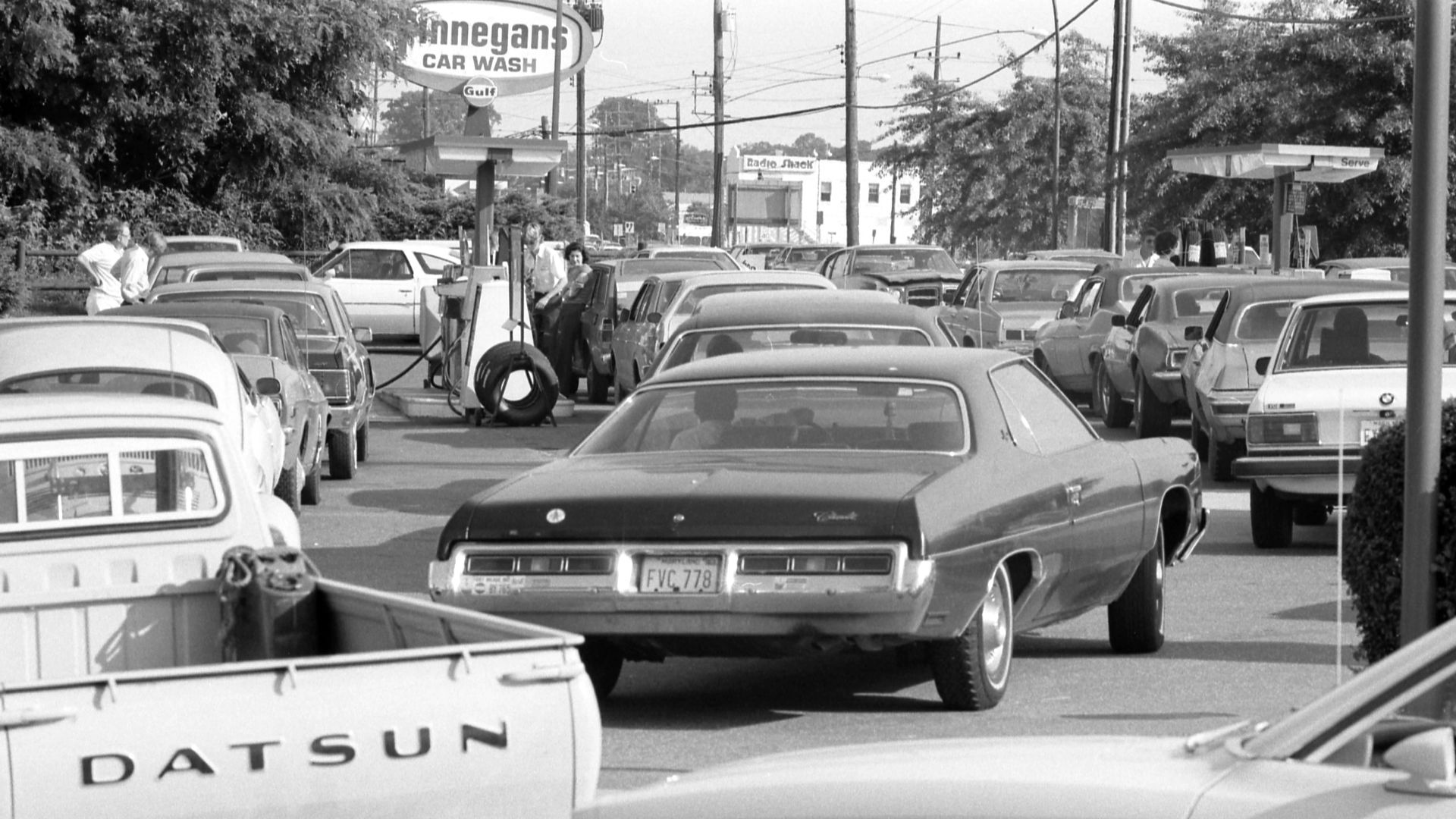
The Oil Crises Changed Everything
Gasoline averaged 38.8 cents in 1973 but jumped to 53.2 cents in 1974 following the Arab oil embargo. It reached approximately 90.3 cents by 1979 amid another global oil shock.
Long lines, shortages and rapidly changing prices shattered the stability Americans had known during the previous decades.
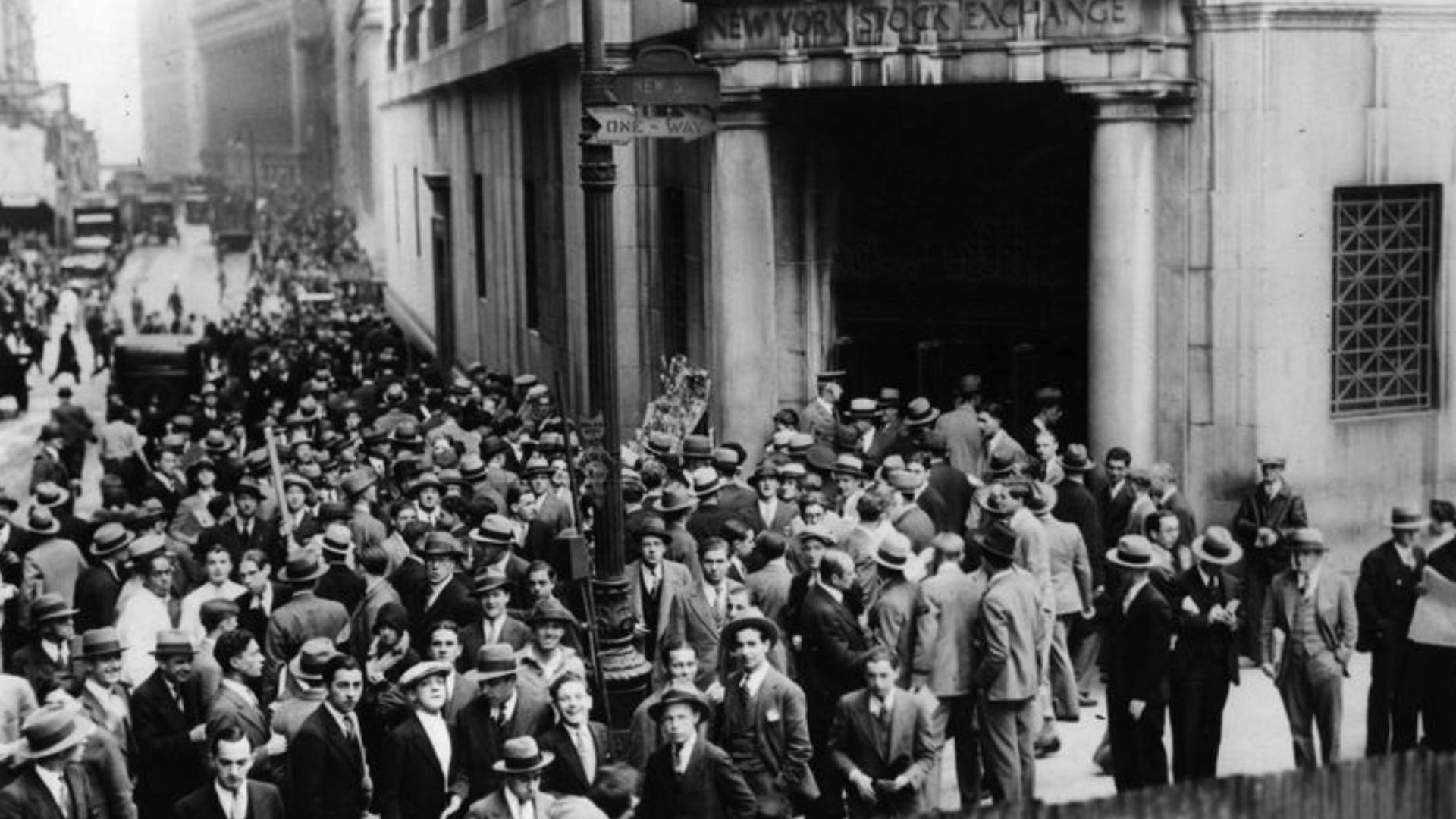 Chinmaya S Padmanabha, Wikimedia Commons
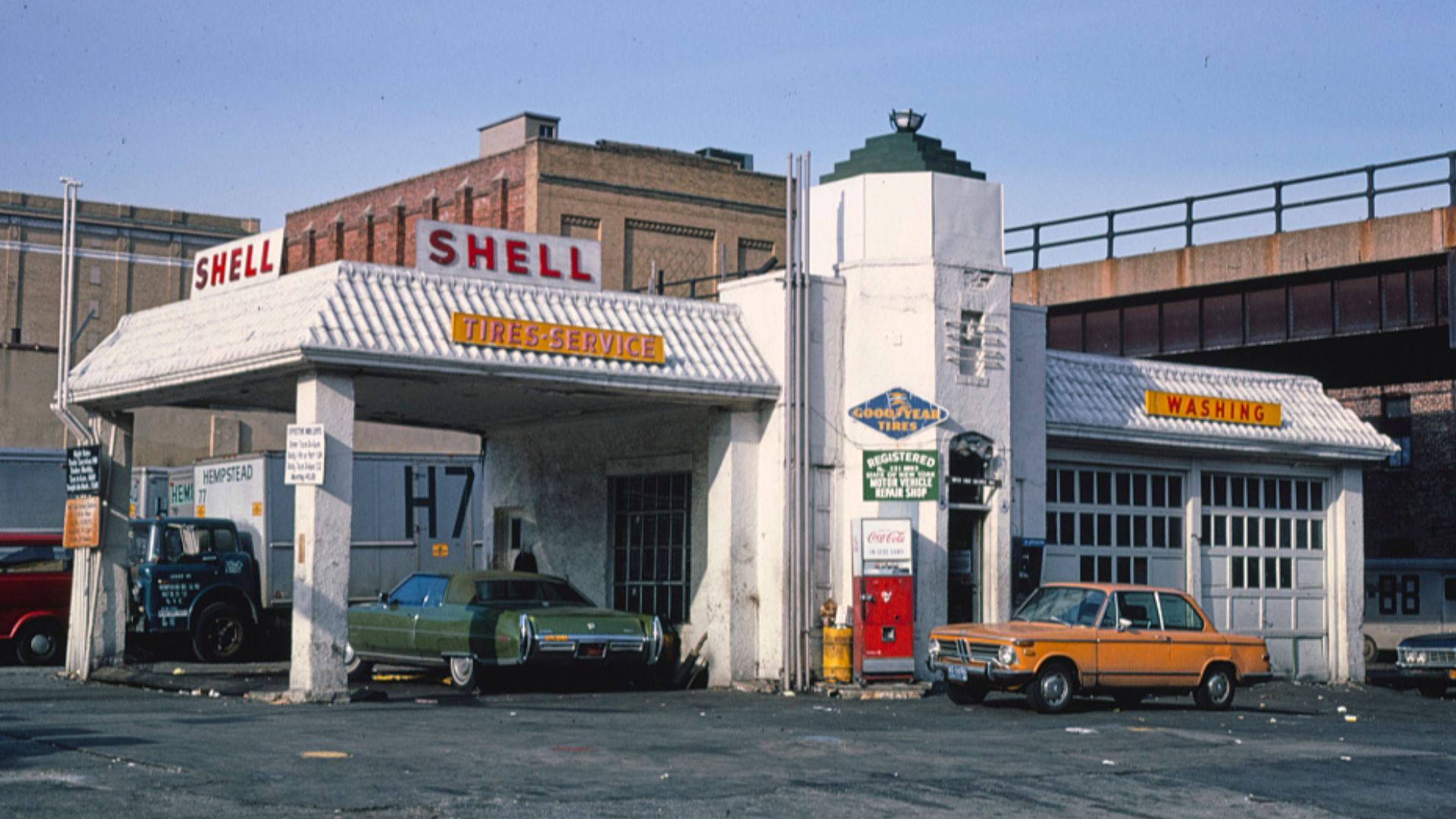
The 1980s: Approximately $1.14
The 1980s were the first decade in which the overall average exceeded one dollar per gallon. Gasoline averaged approximately $1.14, making a 15-gallon purchase cost around $17.13.
In October 2026 money, the decade’s average equals roughly $3.78 per gallon, slightly more than today’s price.
 The Library of Congress from Washington, DC, United States, Wikimedia Commons
The Decade Began With a Price Shock
Gasoline averaged approximately $1.25 in 1980 and $1.38 in 1981. In current purchasing power, those were among the costliest years in the historical series.
Prices declined later in the decade, falling below one dollar in 1986 after global oil prices collapsed.
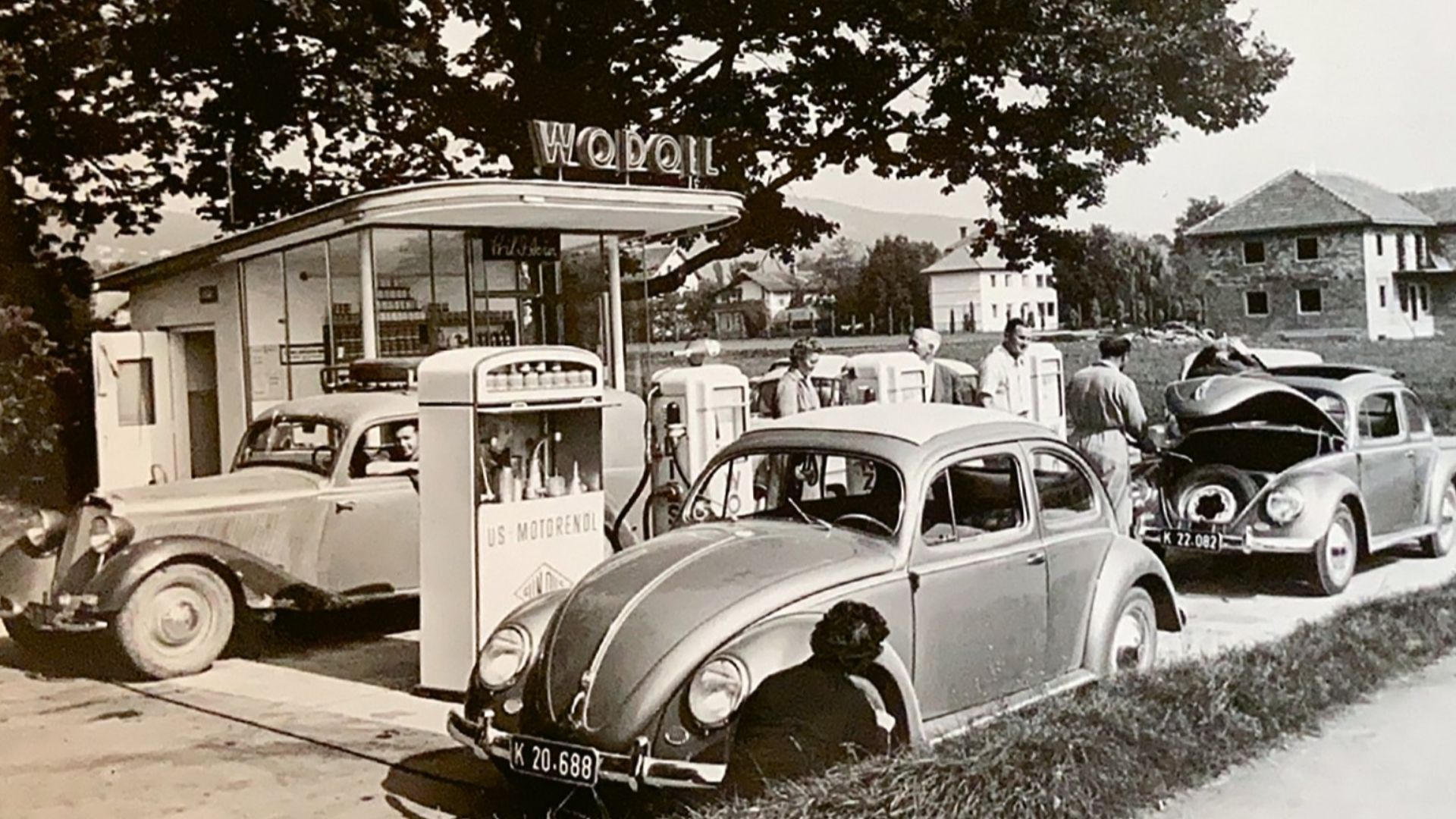
The 1990s: Approximately $1.15
Gasoline averaged approximately $1.15 per gallon during the 1990s, barely more than the nominal average of the 1980s. A 15-gallon purchase cost about $17.23.
Adjusted for inflation, the decade’s average equals approximately $2.60 per gallon today, far below the current national average.
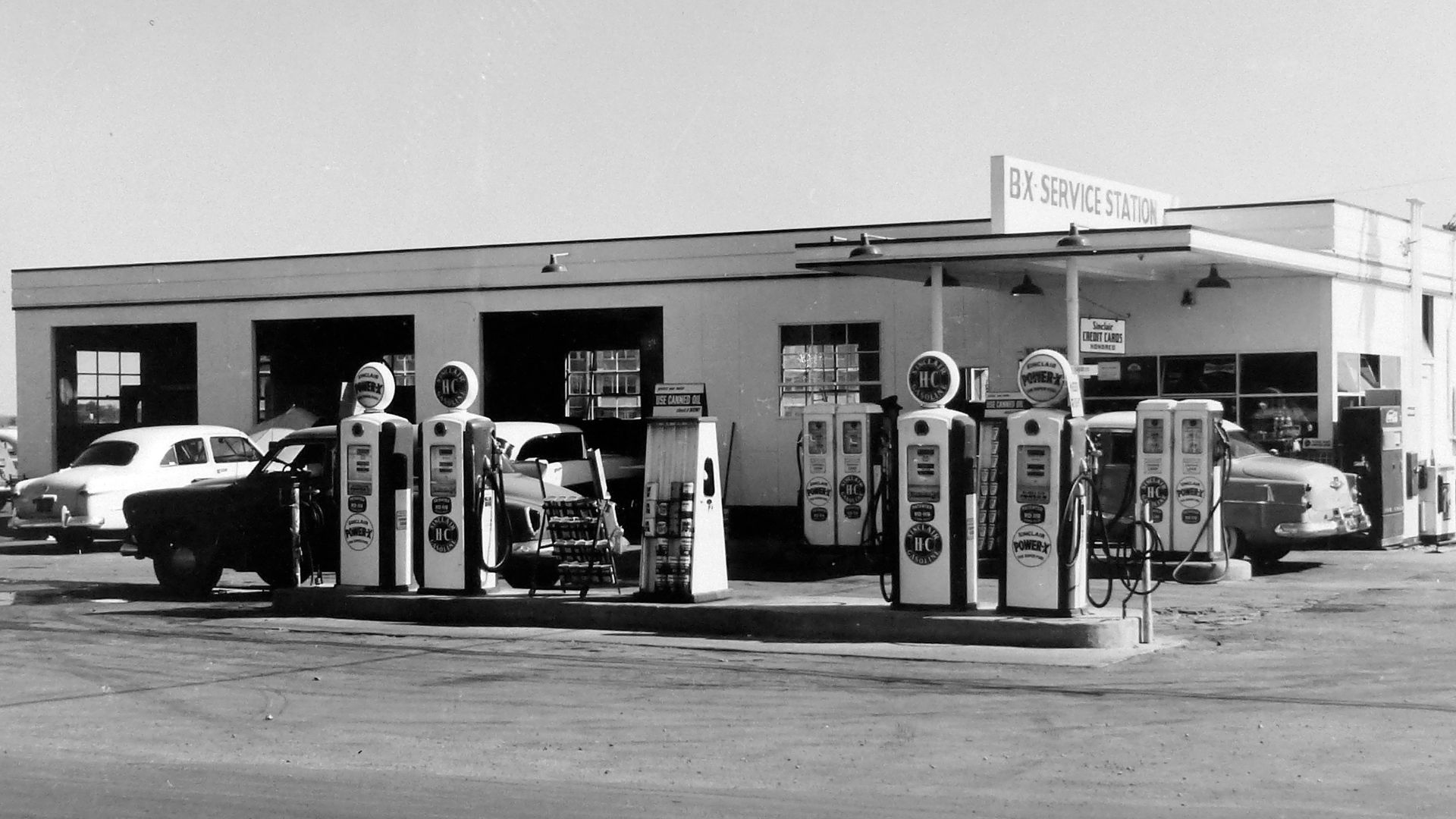
The Best Decade for Inflation-Adjusted Prices
Of the ten decades compared here, the 1990s had the lowest average gasoline price after CPI adjustment. Today’s $3.69 gasoline is approximately 42% more expensive.
Stable oil supplies, relatively low crude prices and limited general inflation helped keep fuel unusually affordable throughout much of the decade.
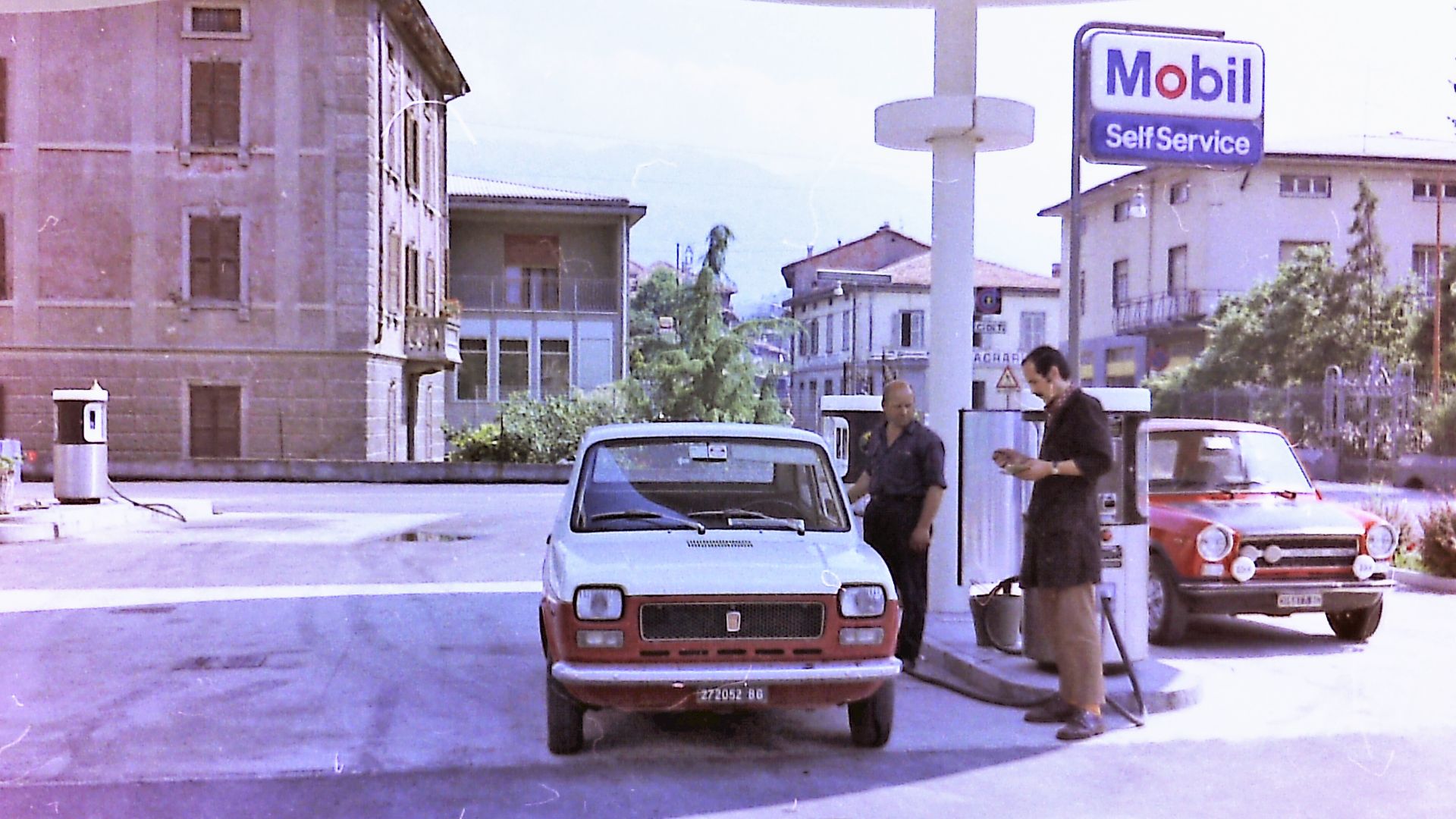
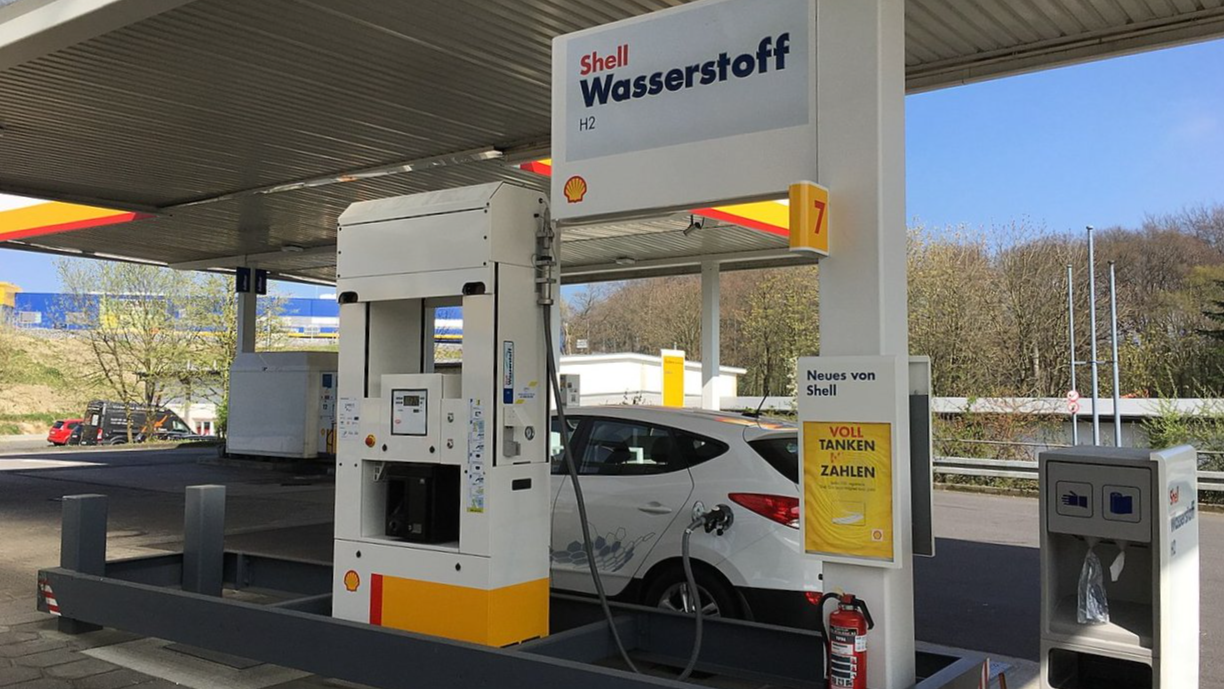
The 2000s: Approximately $2.11
Gasoline averaged approximately $2.11 per gallon during the 2000s, making a 15-gallon purchase cost around $31.65.
Adjusted for inflation, the decade’s average equals approximately $3.62 per gallon in October 2026 dollars, almost identical to the inflation-adjusted 1950s average.
 Dr. Artur Braun, CC BY-SA 4.0, Wikimedia Commons
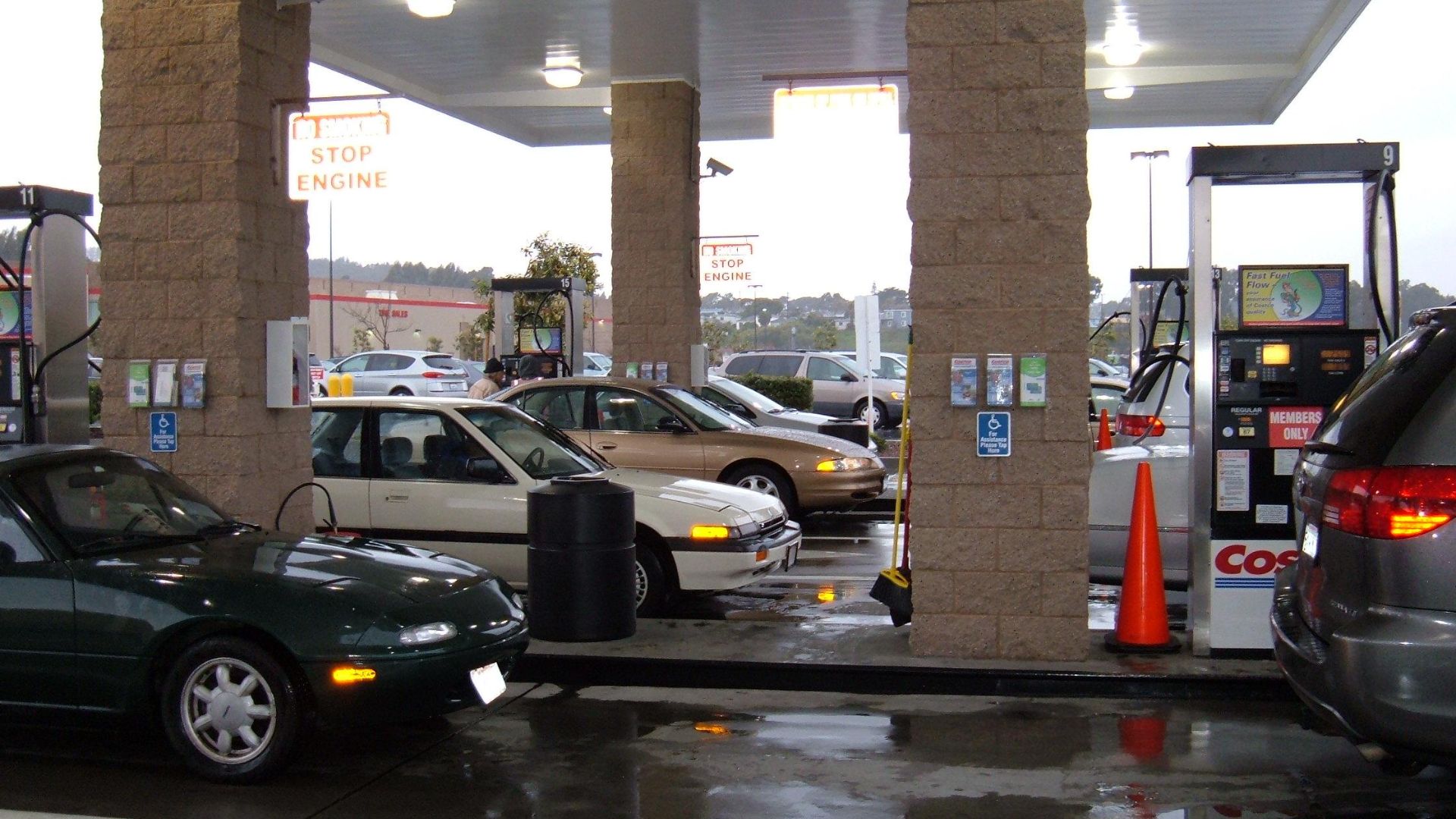
Prices Climbed Before the Financial Crisis
The national annual average rose from approximately $1.51 in 2000 to $3.27 in 2008 as oil prices surged. It then dropped to about $2.35 in 2009 during the Great Recession.
Few decades demonstrate more clearly how quickly economic conditions can reverse prices at the pump.
 BrokenSphere, Wikimedia Commons
The 2010s: Approximately $2.92
Gasoline averaged approximately $2.92 per gallon during the 2010s. A 15-gallon purchase at that average cost around $43.84.
Adjusted for inflation, the decade’s average equals approximately $4.18 per gallon today. That makes the current national average about 12% lower.
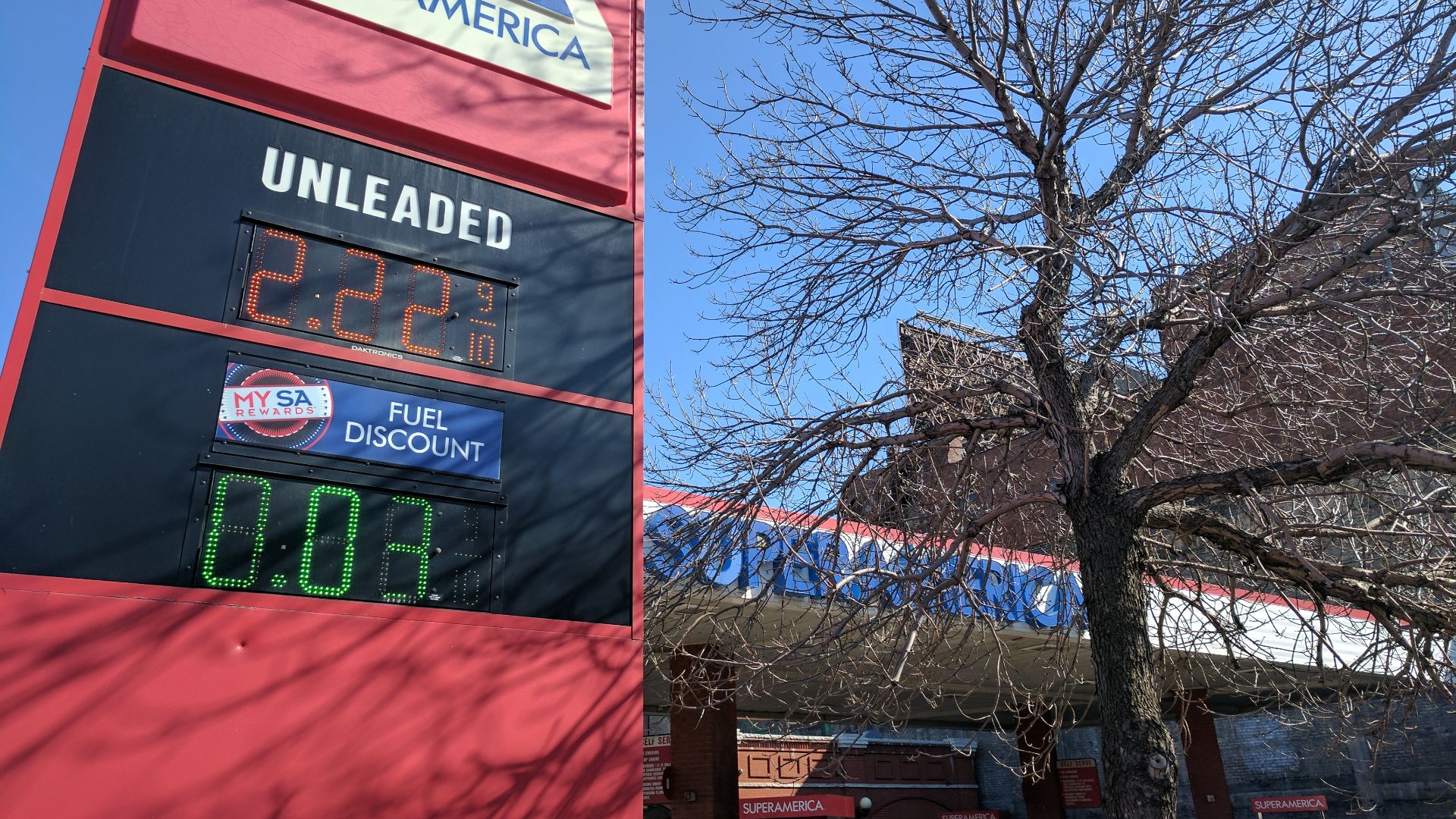
Two Very Different Halves
Annual gasoline prices remained above $3 from 2011 through 2014, peaking at approximately $3.64 in 2012. Prices then fell sharply, averaging around $2.14 in 2016.
Increasing oil production and lower crude prices gave drivers substantial relief during the decade’s second half.
The 2020s So Far: Approximately $3.24
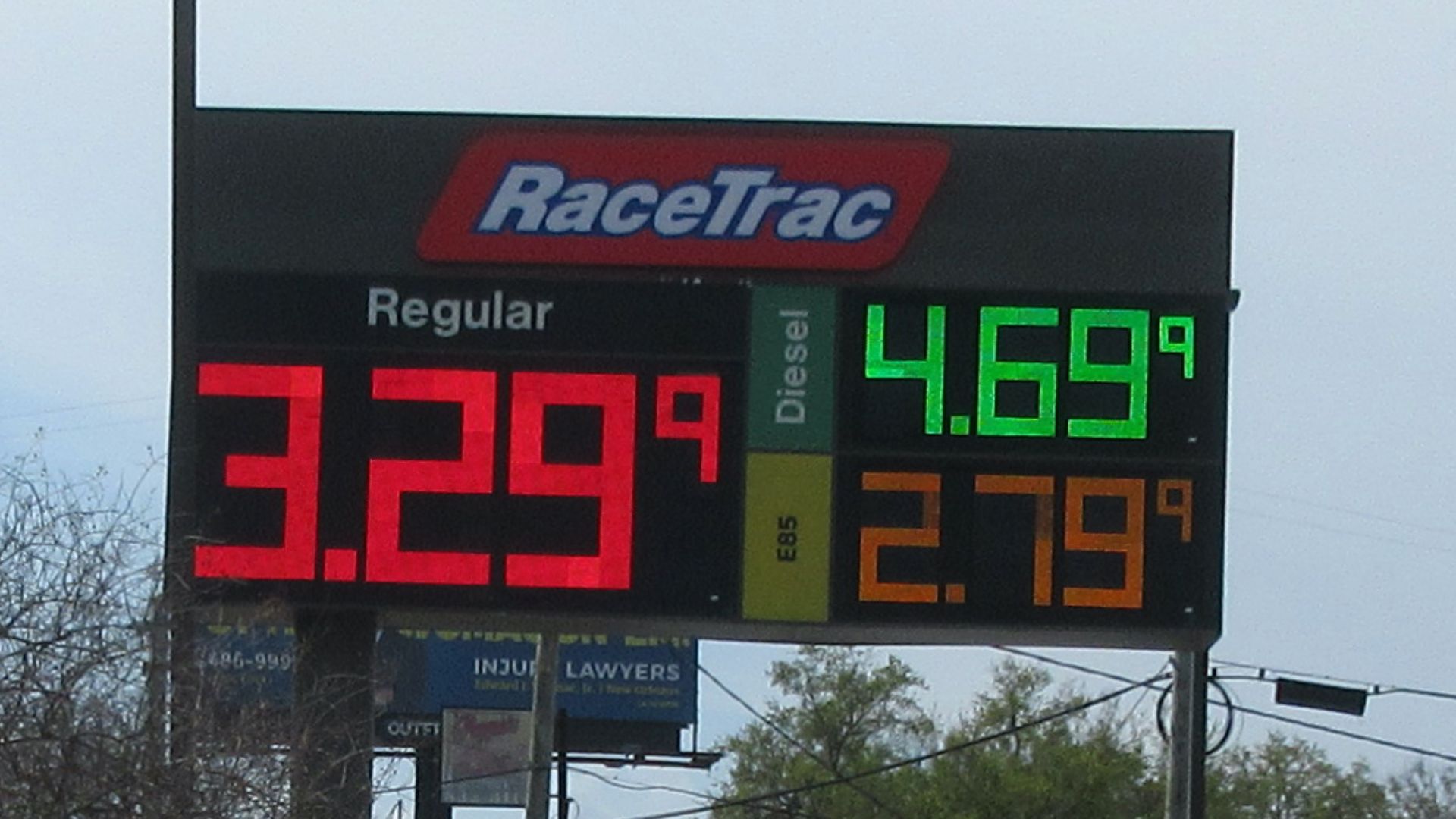
From 2020 through 2025, gasoline averaged approximately $3.24 per gallon. The lowest annual figure was roughly $2.17 in 2020, while 2022 reached approximately $4.09.
Adjusted into October 2026 dollars, the partial-decade average is about $3.71, nearly identical to today’s $3.69 price.
 Infrogmation, Wikimedia Commons
Taxes and Fuel Economy Complicate the Comparison
The federal gasoline tax was four cents throughout the 1960s but is 18.4 cents today. State taxes and fees now average roughly another 33 cents.
Modern vehicles also travel farther on a gallon. Better fuel economy can reduce the cost per mile even when the pump price is higher.
The Cheapest Sign Wasn’t Always the Best Deal
The 1930s had the lowest nominal average at roughly 18.9 cents, but gasoline was expensive relative to other household prices. The 1990s delivered the lowest CPI-adjusted decade average at about $2.60 in today’s money.
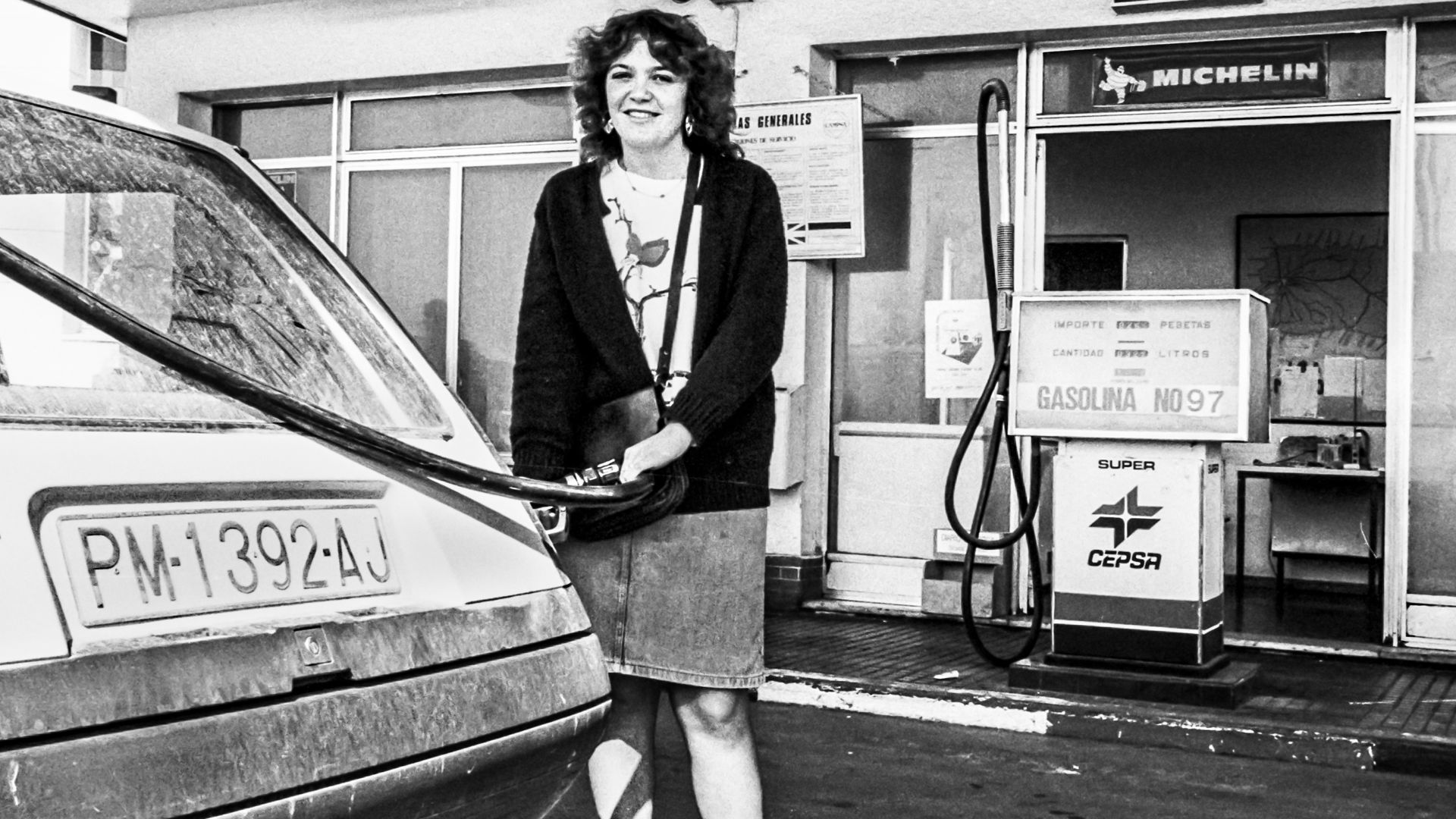
Those dollar-a-gallon memories were not merely nostalgic. For many drivers, they represented a genuinely exceptional bargain.
 Carolina Latorre Canet, Wikimedia Commons
Gas Prices Have Come Full Circle
Today’s $3.69 average is close to the inflation-adjusted averages of the 1950s, 1980s, 2000s and the 2020s so far. The numbers displayed on the pump have changed dramatically, but their purchasing-power cost has repeatedly returned to a similar range.
The major exceptions were the unusually affordable 1990s and the expensive, economically painful 1930s.
You May Also Like: Old-School Skills That Helped Baby Boomers Earn Extra Cash On Weekends