
Your Teller Remembers More Than You Think
Most people walk into a bank believing they are perfect customers. Bank employees may remember things a little differently.
Some habits slow down the entire branch. Others trigger security procedures, create expensive mistakes, or worse. Bank workers have shared the same complaints repeatedly—how many of these ring true to you?

Talking On The Phone At The Counter
You finally reach the teller, then spend the entire transaction talking to somebody else. Now the employee has to interrupt your conversation every time they need an account number, signature, answer, or basic confirmation. Unless that call involves an actual emergency, finish it before reaching the counter.
 https://kaboompics.com/, Pexels
Walking Up Before You Are Called
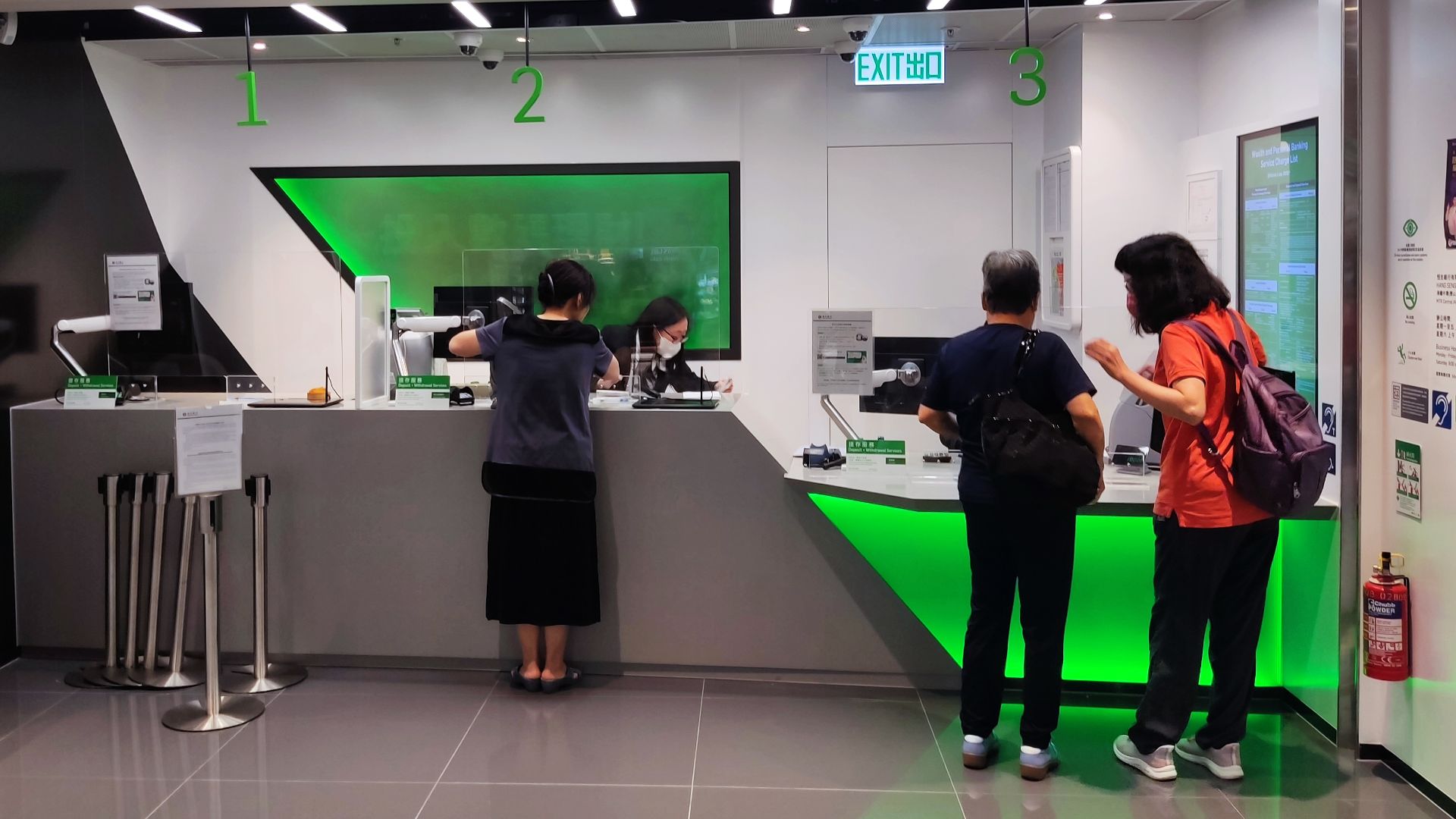
An empty teller window does not always mean the employee is ready. They may be balancing cash, completing paperwork, reviewing the previous transaction, or handling something that cannot be interrupted. Wait for the little wave. Charging forward because nobody else is in line does not make the process begin faster.
 LauiADOAU 22523, Wikimedia Commons
Showing Up Without Identification
You may know exactly who you are. Unfortunately, “Come on, it’s obviously me” is not a recognized form of identification. Bailey Lovell, then a Bank Independent branch employee and former teller, explained that banks are entrusted “to always protect your funds and financial information.” That little ID request is part of the protection—not a personal insult.

Dumping Loose Change On The Counter
That giant jar of coins may represent years of disciplined saving. To the teller, it may represent the rest of Tuesday. Coin policies vary by bank. Some branches have machines, some require rolled coins, and some limit the service. Call before arriving with enough loose change to alter the suspension on your car.

Expecting Them To Remember Your Account Number
Small-town bank employees sometimes recognize customers, their families, and possibly the car they parked outside. That does not mean they have memorized everyone’s account details. Bring your debit card, account information, identification, or whatever your branch normally requests. “You know me” gives the teller surprisingly little to type into the computer.

Sending Somebody Else To Handle Your Banking
Handing your debit card to your spouse, sibling, assistant, or remarkably responsible-looking neighbor does not automatically give that person permission to manage your account. Unless they are properly authorized, employees may have to refuse the transaction. Getting angry at the teller will not magically add their name to the paperwork.
Blaming The Teller For Every Fee
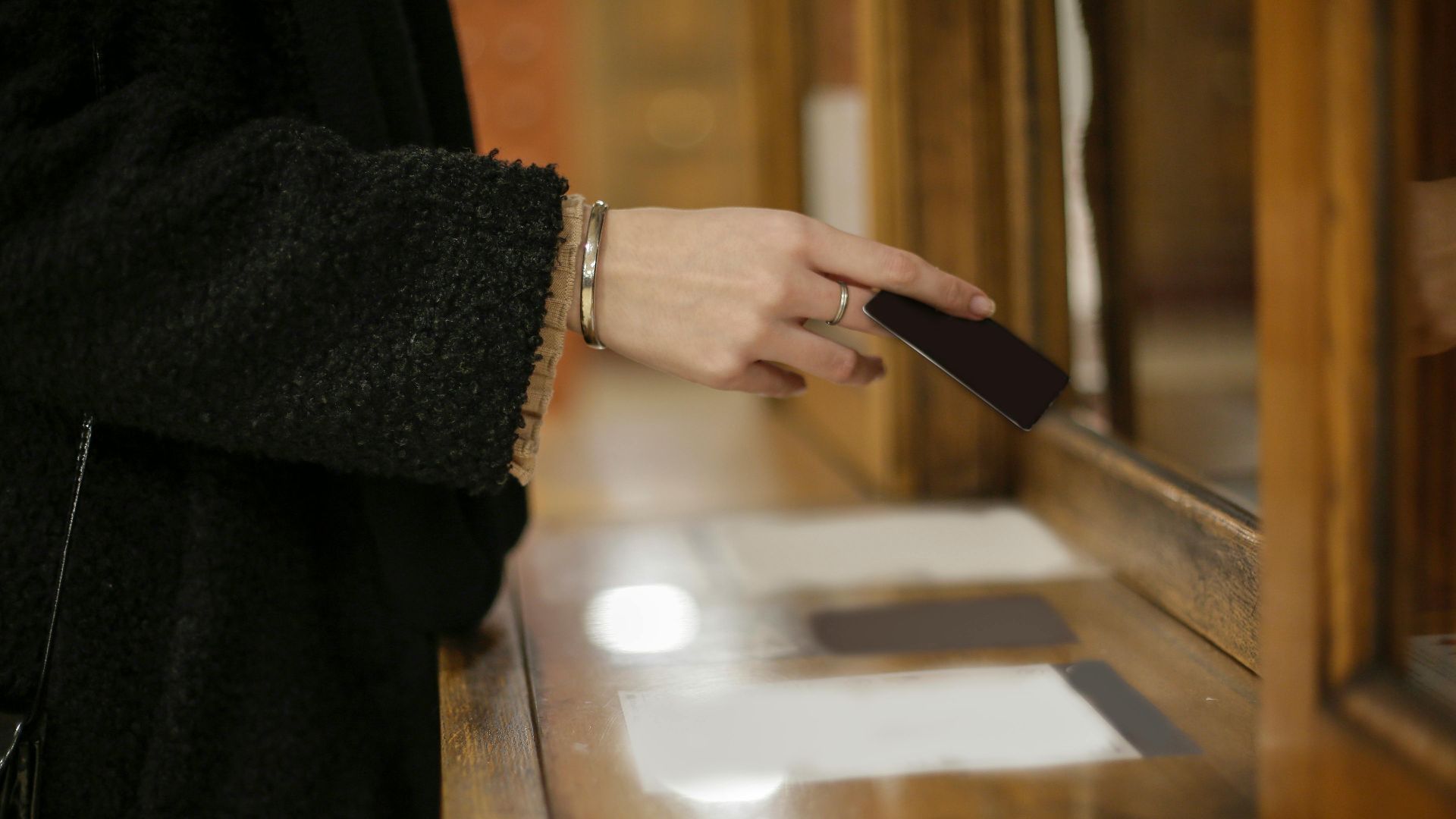
Tellers do not personally invent overdraft fees, account requirements, interest rates, minimum balances, or replacement-card charges during quiet moments behind the counter. They may explain the fee, request a review, or direct you to somebody with more authority. Yelling as though they secretly receive the money is unlikely to improve the conversation.
 https://kaboompics.com/, Pexels
Demanding A Fee Waiver Because You Are Loyal
Banks sometimes waive fees as a courtesy, depending on policy and account history. That does not mean every employee has unlimited waiver powers. Mentioning your loyalty is reasonable. Delivering a ten-minute speech about everything your family has endured since opening the account in 1987 is less likely to unlock a hidden executive override.
 Department of Foreign Affairs and Trade, Wikimedia Commons
Asking About Another Adult’s Account
Parents are especially fond of this one. Their grown child has an account at the same bank, so surely the teller can mention the balance, recent purchases, or where all that money keeps disappearing. Nope. Once the child is an adult, being the person who raised them does not make you an authorized account holder.

Bringing The Whole Family Into The Conversation
You may be comfortable discussing your finances in front of your children, cousin, neighbor, and the person who drove you there. The bank employee cannot assume that comfort. Be clear about who is allowed to hear account information. Otherwise, the teller may spend the conversation trying not to reveal anything while six people answer every question for you.

Arriving Two Minutes Before Closing
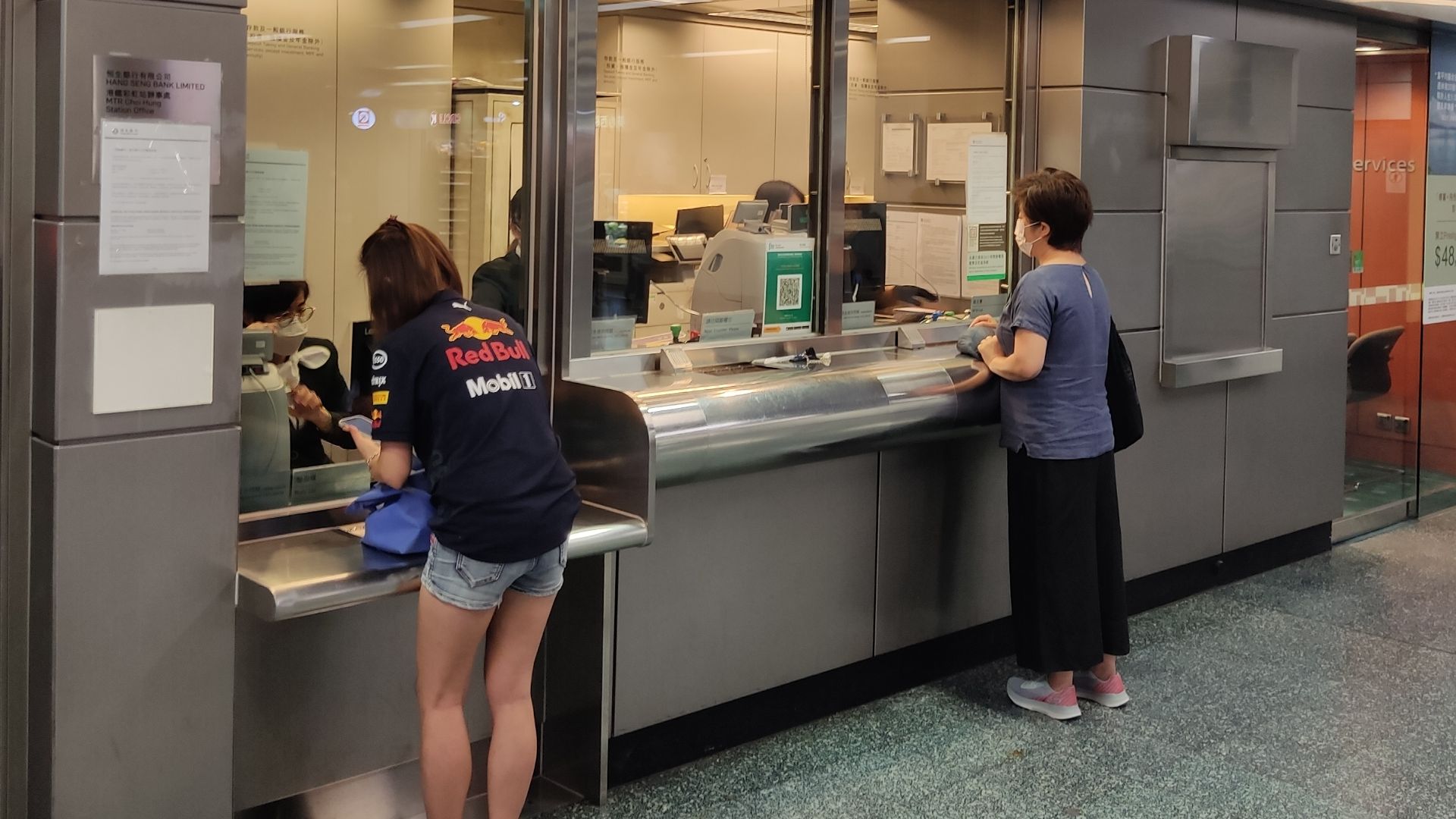
A quick deposit near closing is one thing. Opening several accounts, replacing a card, arranging a wire, disputing six transactions, and requesting a large stack of cash is another. The doors may technically be open, but some banking tasks require time, approvals, phone calls, and employees who have not already started closing procedures.
 TMMSUMERA LVINGO, Wikimedia Commons
Treating The Drive-Thru Like A Private Banking Office
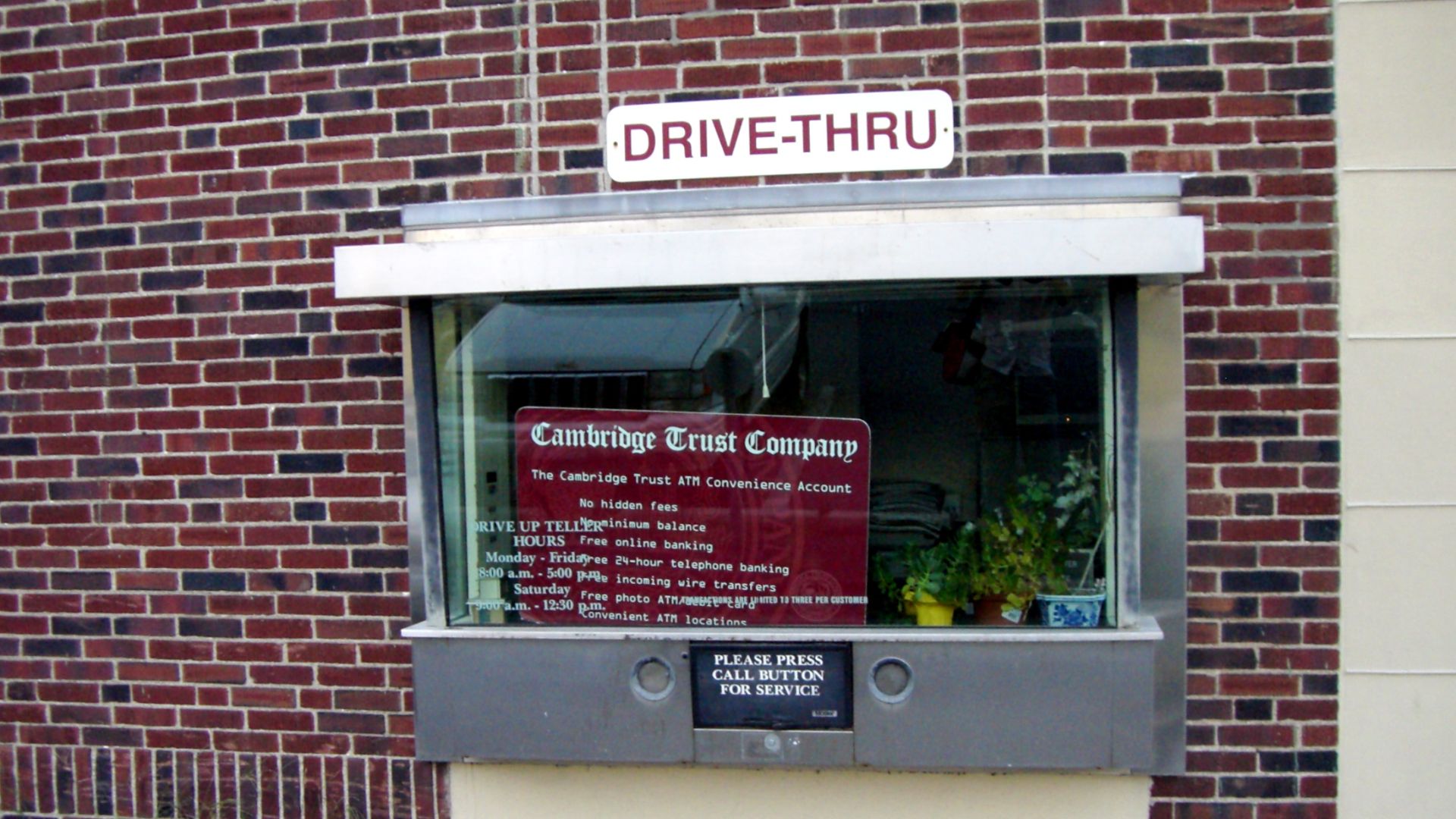
Drive-thru lanes work beautifully for straightforward deposits and withdrawals. They are less ideal for estate questions, account ownership changes, loan applications, complicated disputes, or a detailed review of your retirement plans. When the employee suggests coming inside or booking an appointment, they are not trying to ruin your afternoon.
 Frank Hebbert, Wikimedia Commons
Waiting Until The Counter To Get Organized
You waited in line for ten minutes with a check, cash, deposit slip, and identification somewhere inside your bag. Then you reached the teller and began the archaeological dig. Use the waiting time. The people behind you will appreciate it, and the teller will not have to watch you empty twelve receipts and a peppermint onto the counter.
Revealing Your Transactions One At A Time
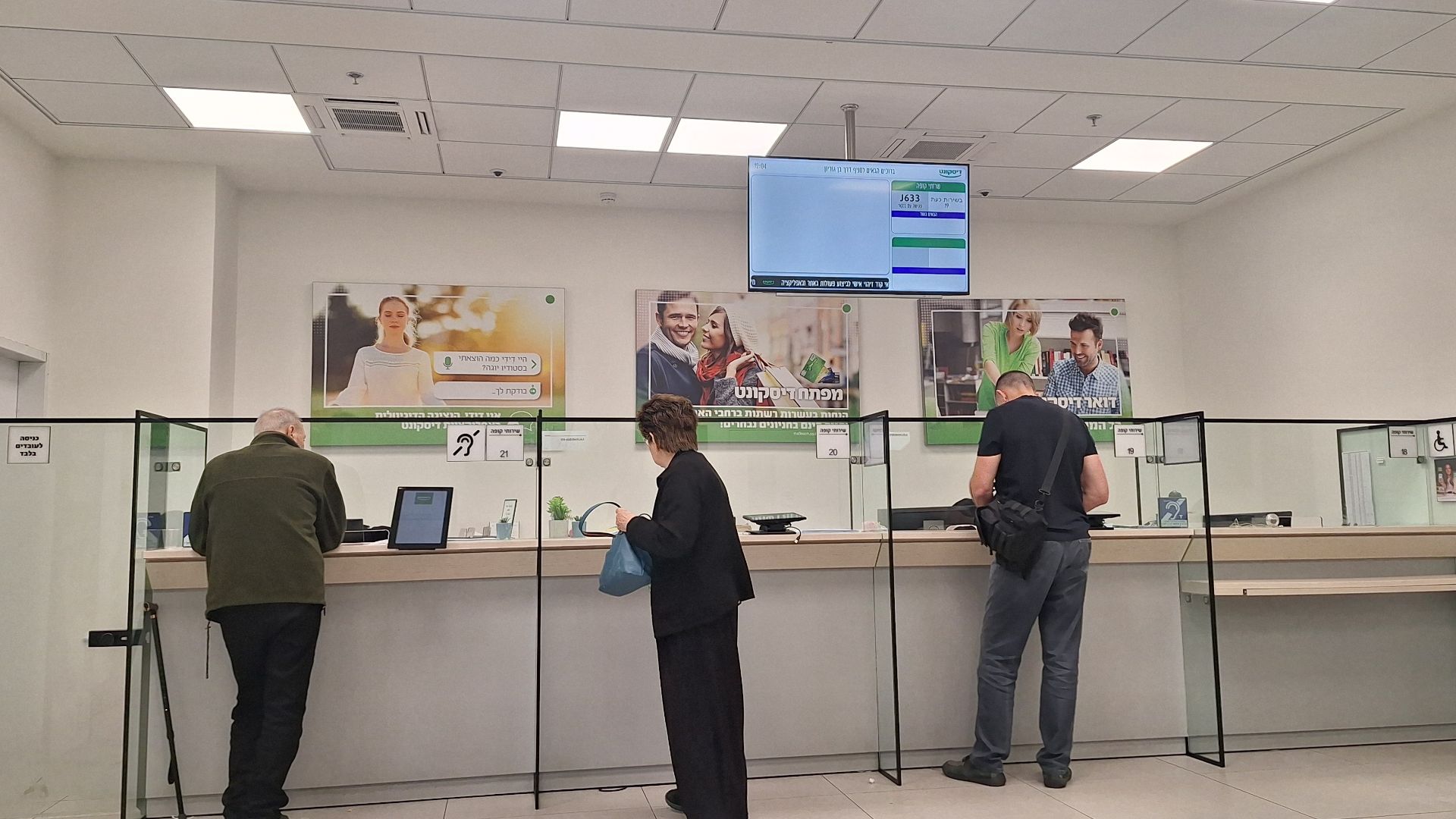
First, you need a deposit. Once that is completed, you remember the withdrawal. Then comes a transfer. Then a cashier’s check. Then something involving your grandson. Tell the employee everything at the beginning. Tellers can usually arrange multiple transactions efficiently, but only when they know the full performance has more than one act.
 AMISOM Public Information, Wikimedia Commons
Forgetting To Endorse Your Check
A missing signature may look like a tiny oversight. It can still prevent or delay a deposit, particularly when the check is processed through an ATM or mobile system. Check the payee, amount, date, and endorsement before handing it over. Discovering the problem after the original check has disappeared creates a much less charming afternoon.

Handing Over A Mystery Stack Of Checks
Business customers sometimes arrive with a thick pile of checks facing different directions, mixed with deposit slips, cash, notes, and receipts. Then they announce the total from memory. Organize everything before visiting. Bank employees enjoy puzzles as much as anyone, but probably not when the answer determines whether their drawer balances.

Handing Them Damp Or Dirty Cash
Money has lived many lives before reaching a bank counter. Employees would prefer not to hear about the most recent one. Cash retrieved from sweaty clothing, wet pockets, food containers, or mysterious household locations still has to be handled and counted by another person. A wallet, envelope, or small bag works wonderfully.

Requesting A Huge Cash Withdrawal Without Warning
A bank account may contain your money, but an individual branch does not necessarily keep unlimited cash in every denomination. For a particularly large withdrawal, calling ahead may give the branch time to confirm availability and prepare it safely. Otherwise, your dramatic cash pickup may become an appointment for another day.

Changing The Bill Mix After It Is Counted
The teller carefully counts your withdrawal. Then you decide you want fewer twenties, more fifties, several tens, and perhaps a decorative layer of five-dollar bills. Ask for your preferred denominations at the beginning. Recounting everything is not impossible. It is simply one of those moments when an employee’s smile becomes noticeably more professional.
 https://kaboompics.com/, Pexels
Asking How To Avoid The $10,000 Report
Banks generally must file a Currency Transaction Report when cash-in transactions or cash-out transactions total more than $10,000 in a single business day. Breaking transactions into smaller amounts specifically to avoid that report is called structuring—and it can create a much larger problem than filling out a form. The teller cannot help you find a clever little way around federal rules.

Getting Angry When They Ask About The Cash
Questions about a large or unusual transaction can feel intrusive. They may also be required by bank procedures or intended to identify suspicious activity and protect customers from scams. The teller probably does not personally care why you need the money. They do care about completing the transaction correctly and keeping their job.

Hiding The Real Reason For A Withdrawal
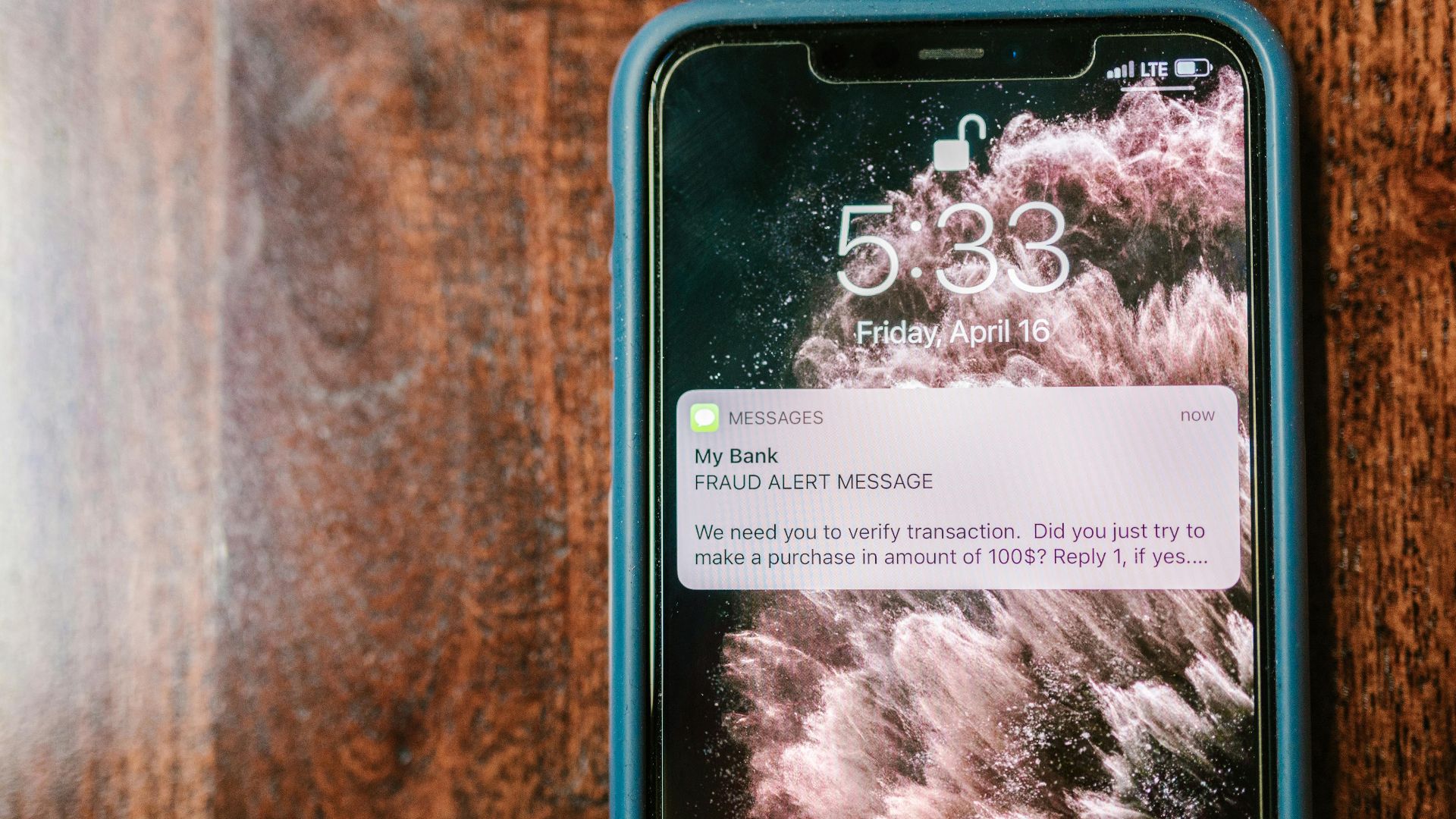
If somebody instructed you to withdraw cash for an investment, emergency, government payment, online romance, computer repair, or relative in trouble, tell the bank employee. Customers occasionally lie because the person requesting the money warned that the bank would “interfere.” That warning should be doing considerably more work than it is.
Ignoring A Fraud Warning Because The Person Seemed Nice
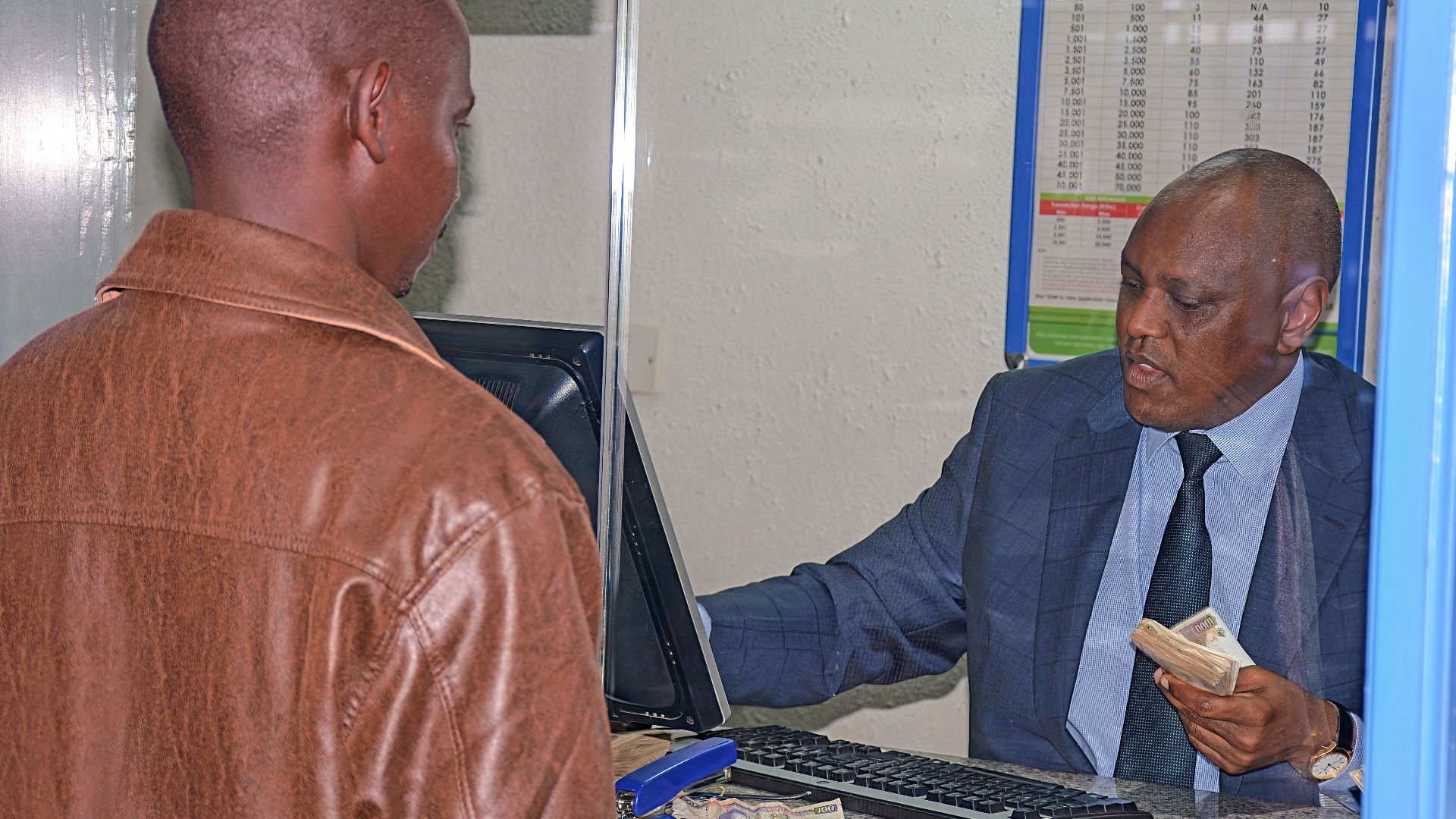
Bank employees occasionally watch customers send money into situations packed with warning signs. After a Maine customer claimed he needed cash to build a deck—despite living in a condo—his banker kept asking questions. Bank president Andrew Silsby said, “The customer teared up and pulled out his phone,” revealing that the fraudster was listening to the entire conversation.
Depositing A Check From An Online Stranger
A stranger sends you a check, asks you to deposit it, then wants some of the money returned or forwarded elsewhere. Amazingly, the check appears in your available balance. That does not mean it cleared. Counterfeit checks can look convincing, and customers may be responsible when the problem is eventually discovered.
Spending The Money Before The Check Clears
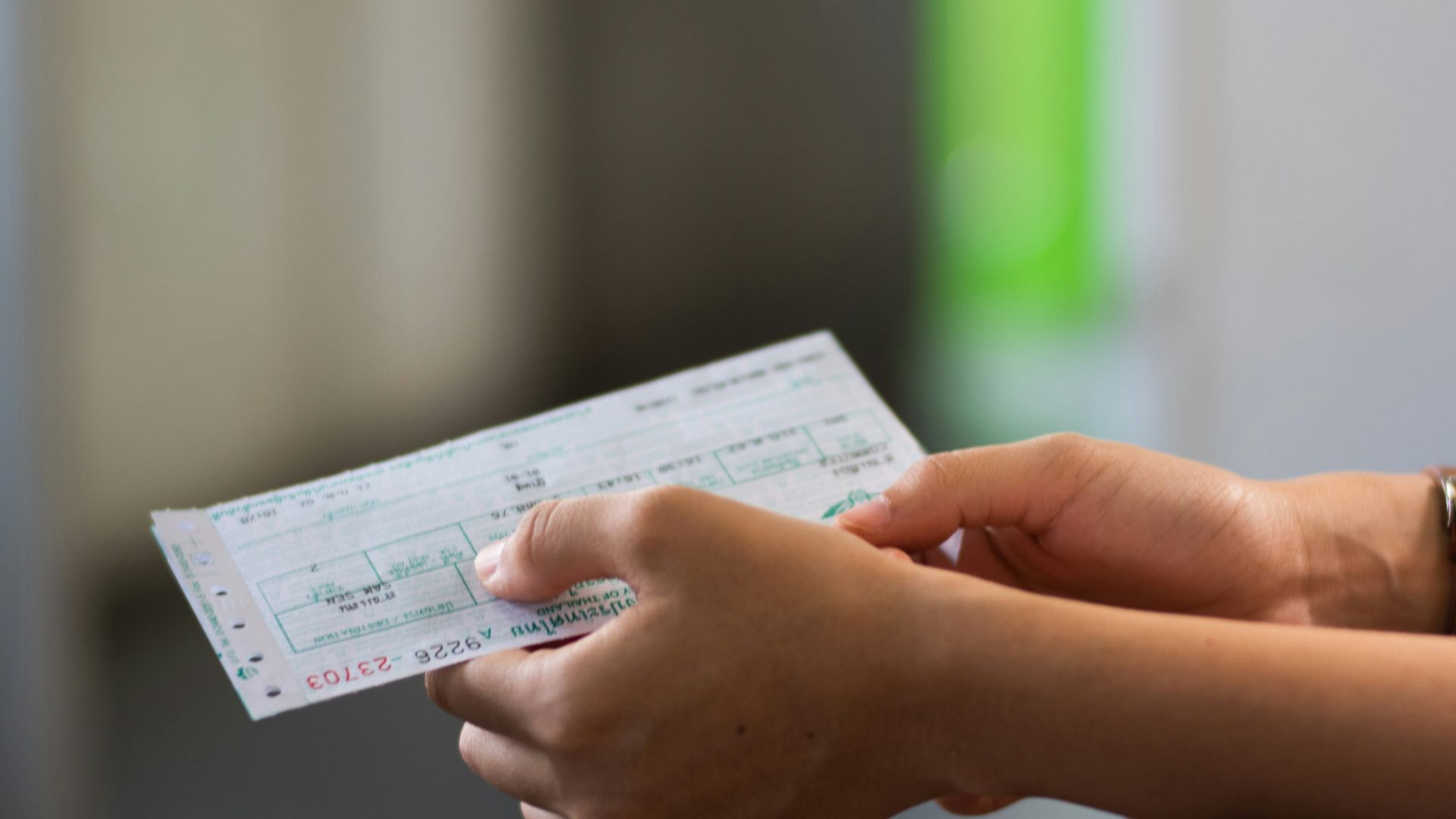
Funds becoming available is not always the same as a check being permanently verified. That distinction becomes painful when the customer withdraws the money, sends it away, and discovers days later that the original check was worthless. A bank employee who sounds cautious may be trying to save you from an extremely expensive lesson.
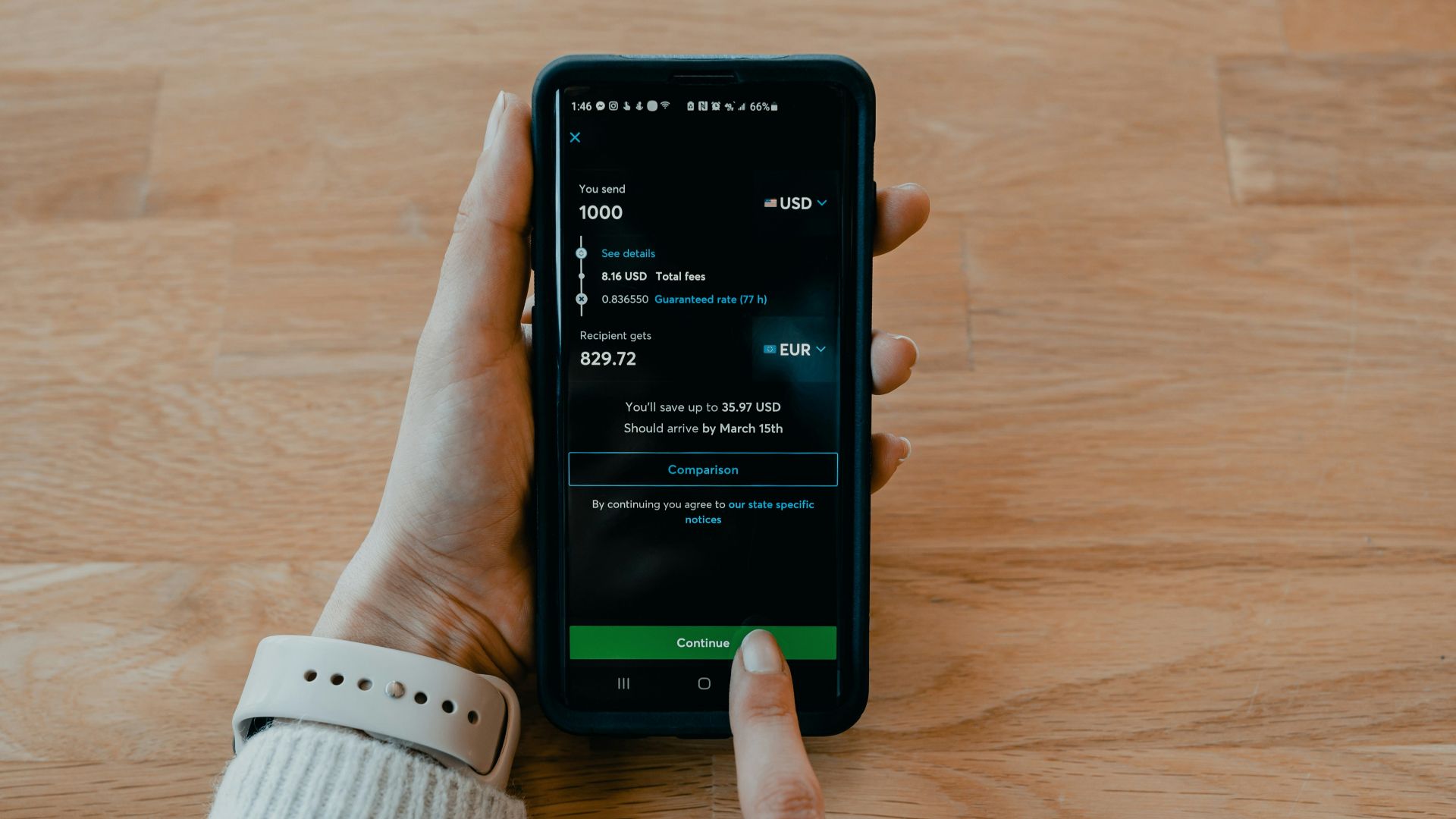
Demanding That A Deposit Hold Disappear
Check holds are frustrating, especially when you need the money immediately. The teller at the window may not have the authority to remove one simply because your explanation is excellent. Availability depends on the deposit, timing, bank policy, account history, and applicable rules. Deposits made after a cutoff may also count as arriving the next business day.
 AMISOM Public Information, Wikimedia Commons
Expecting An Instant Fraud Refund
Reporting an unauthorized transaction should happen quickly. Receiving the final result may not. Banks generally need time to investigate electronic transaction disputes, and federal rules provide specific investigation periods. Provisional credit may apply in some cases, but the teller cannot press a giant “put it back” button beneath the counter.

Calling A Purchase You Authorized “Unauthorized Fraud”
You recognize the transaction because you made it. That means it is not an unauthorized charge, even if you regret the purchase or dislike what you received. You may still have a valid merchant or billing dispute—but describe what actually happened. Calling every disappointing purchase “fraud” sends the bank down the wrong investigative path.

Arguing With The Teller About Bank Policy
Employees frequently explain rules they did not write and cannot change. Holds, identification requirements, closing times, withdrawal limits, and account restrictions are rarely personal decisions made after looking at you. Ask whether another option exists. Do not spend twenty minutes trying to defeat a policy through sheer volume.

Rushing Them Through The Transaction
Nobody visits a bank hoping to remain there until dinner. Still, financial transactions are one place where accuracy beats shaving eighteen seconds off the visit. Former bank teller Will Ferrell admitted, “The nerves never calmed down” during his brief banking career. Tapping the counter and announcing that you are late probably will not bring out anybody’s best work.

Refusing To Listen To The Explanation
Some customers begin arguing before the employee reaches the second sentence. That is unfortunate because the third sentence may contain the solution. Let the teller explain what happened, what they can do, and who may have more authority. You can still be annoyed afterward, but at least you will know why.

Raising Your Voice To Get A Manager
Requesting a manager is completely reasonable when an issue cannot be resolved. Treating increased volume as a higher level of bank authentication is not. A manager may have additional authority, but raising your voice does not transform an unavailable service into an available one. It mostly transforms a frustrating transaction into a story employees repeat later.
 https://kaboompics.com/, Pexels
Forgetting To Update Your Contact Information
Banks send security alerts, replacement cards, statements, and verification messages using the information attached to your account. If you changed your phone number three years ago and moved twice, do not act stunned when the bank cannot reach you. Keeping those details current can prevent a surprisingly large collection of avoidable problems.

Announcing “One More Thing” Five Times
“One more thing” is rarely one more thing at a bank. It is usually the opening line for a second transaction, a missing document, a forgotten dispute, and a story about something unusual that happened at an ATM last spring. Give employees the full list early. Everybody loves a surprise, except the twelve people waiting behind you.

Treating Employees Like They Are Handling Your Money
Bank employees deal with strict procedures, worried customers, fraud attempts, long lines, and occasional situations that belong in a sitcom. Banking consultant Dave Martin put the human side neatly: “Customers do not visit branches. They visit bankers.”
Bring identification, arrive prepared, listen to the explanation, and speak to them like human beings. You may be amazed by how smoothly banking can go.

You Might Also Like:
My bank declined my debit card even though I had enough money. What am I supposed to do?