The Embarrassing Decline That Happens To Almost Everyone
You swipe your debit card at the grocery store, the gas pump, or a restaurant, and suddenly the terminal flashes “declined.” You check your banking app and see that your account still has money in it. It feels confusing, stressful, and sometimes humiliating. The good news is that a declined debit card does not always mean you are broke or that your bank made a major mistake.

Your Bank May Think The Transaction Looks Suspicious
Banks constantly monitor debit card purchases for signs of fraud. If your spending pattern suddenly changes, the bank may temporarily block the transaction even if you have enough money available. A large purchase, an out-of-state transaction, or shopping at an unfamiliar retailer can all trigger a security hold.
Traveling Can Trigger An Automatic Decline
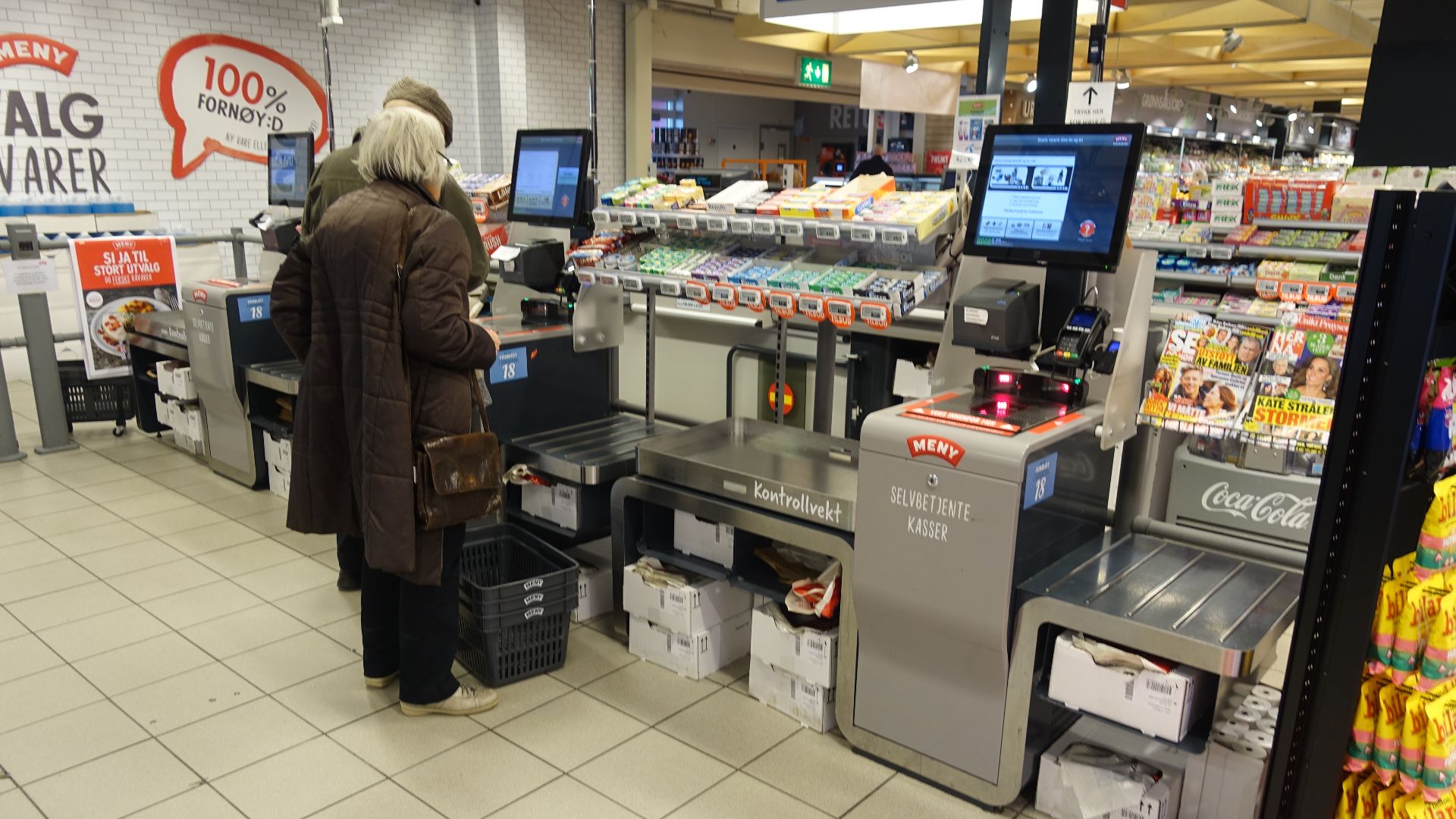
Many banks flag purchases that happen far from your usual location. If you recently traveled to another state or country without notifying your bank, the fraud system may assume your card was stolen. Some banks still recommend setting a travel notice before leaving home.

Online Purchases Often Face Extra Scrutiny
E-commerce fraud remains a major issue for banks and retailers. Your debit card may get declined online if the merchant’s payment processor sees mismatched billing information or unusual purchasing behavior. Even a small typo in your ZIP code can stop the payment from going through.

Gas Stations Can Freeze More Money Than You Expect
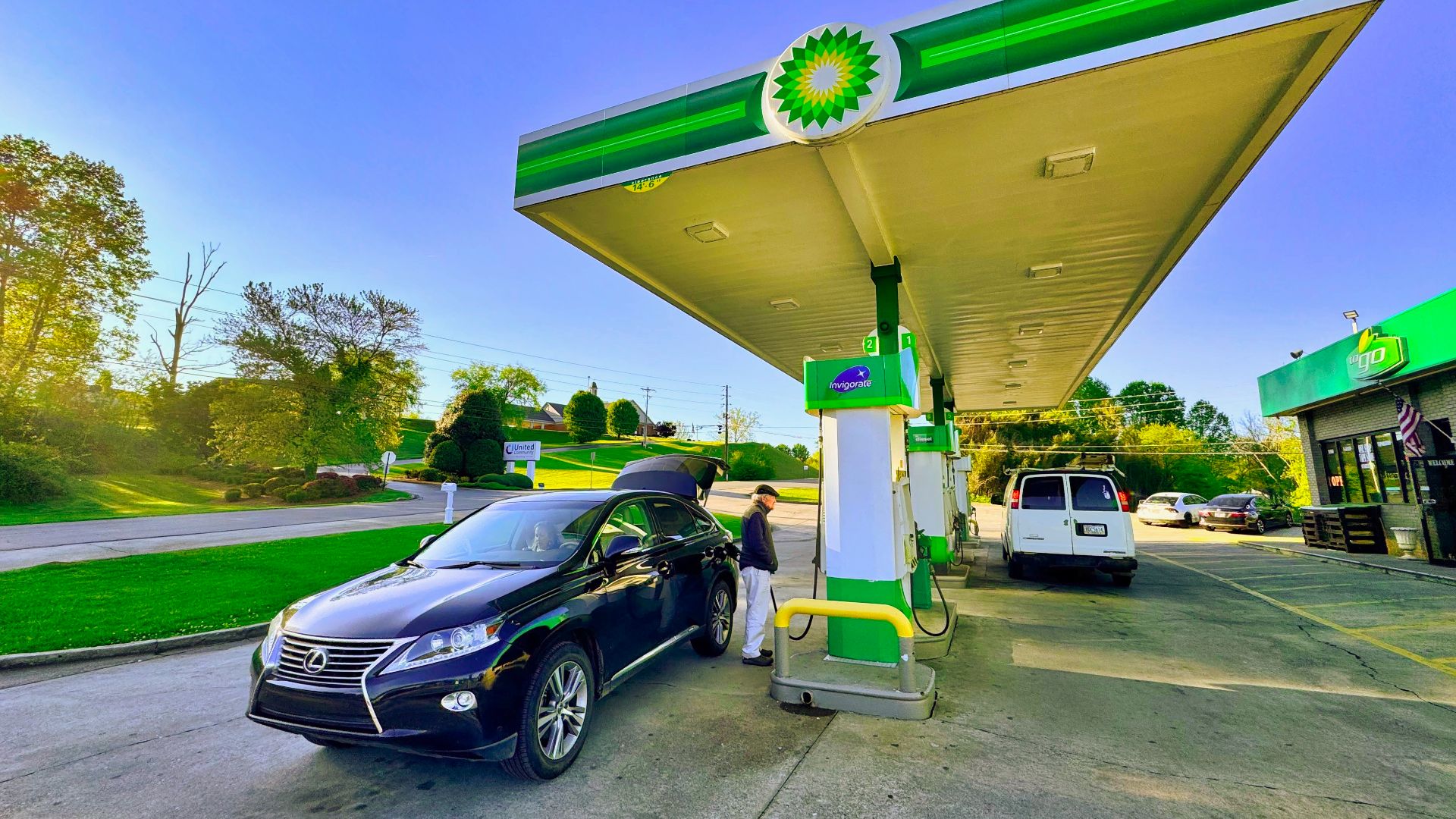
Paying at the pump can create a temporary authorization hold that ties up part of your balance. Some stations place holds ranging from $50 to more than $150 before you finish fueling. If your available balance drops below the purchase amount because of the hold, your next transaction could be denied.
 Harrison Keely, Wikimedia Commons
Hotels And Rental Car Companies Use Large Holds
Hotels and rental car agencies often place temporary deposits on debit cards. These pending charges can stay on your account for several days after checkout or after you return the car. Even though the money technically belongs to you, the bank may treat it as unavailable during that period.

Pending Transactions Can Create A False Balance
Your banking app may display two balances. One is the current balance, and the other is the available balance. If several purchases are still pending, your available balance could be lower than you realize, causing your debit card transaction to fail.

Daily Spending Limits Might Be The Real Problem
Most banks place daily purchase limits on debit cards for security reasons. Even customers with thousands of dollars in their accounts can hit these limits. If you make multiple purchases in one day or attempt a large transaction, your bank may automatically reject it.
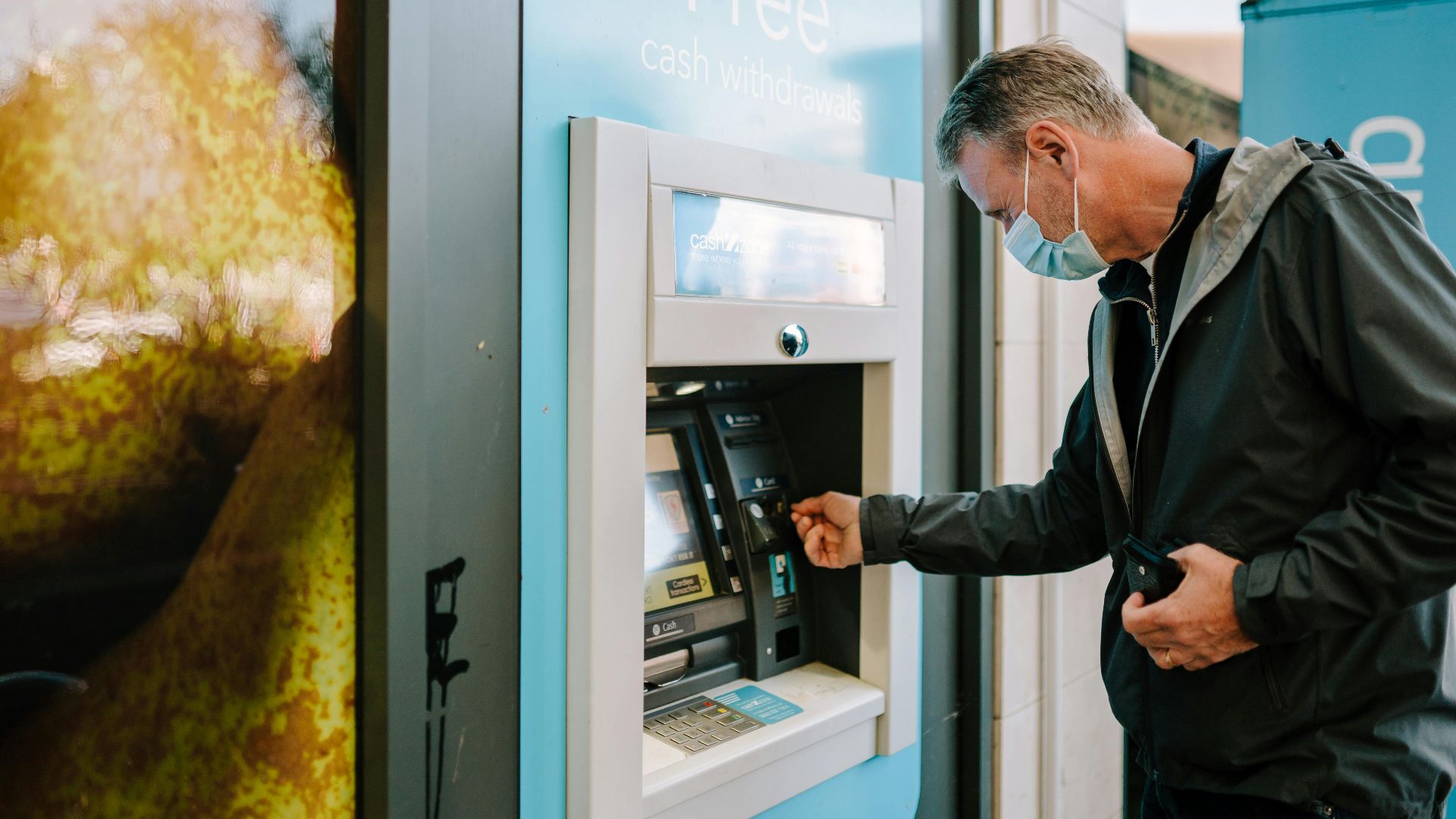
ATM Withdrawal Limits Also Matter
Debit cards usually come with separate daily ATM withdrawal caps. If you recently withdrew a large amount of cash, the bank may temporarily restrict additional transactions. This can happen even if you still have money sitting in your checking account.
 Centre for Ageing Better, Pexels
Your Card May Have Expired Without You Noticing
Expired cards remain surprisingly common. Many people forget to activate replacement cards that arrive in the mail. Others continue using an old card long after the expiration date printed on the front has passed.

A Locked Card Can Cause Instant Problems
Some banking apps allow customers to lock or freeze their debit cards with a single tap. You may have accidentally locked the card yourself without realizing it. In other cases, the bank may have frozen the card after detecting suspicious activity.
 Vitaly Gariev, Pexels, Modified
Merchant Payment Systems Sometimes Fail
The problem may not be your bank account at all. Retailers occasionally experience software outages or connection problems with payment processors. If multiple customers at the same store are struggling to pay, the merchant’s system may be the actual issue.

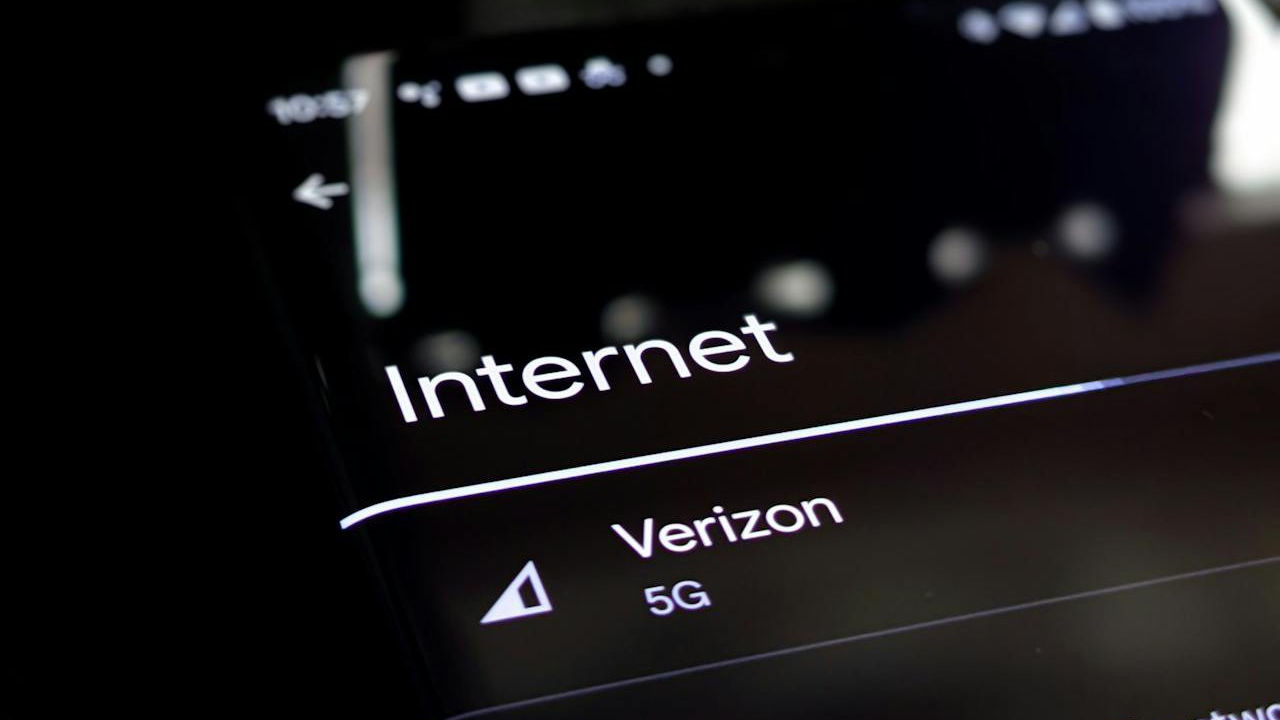
Weak Internet Connections Can Interrupt Transactions
Modern debit card systems depend heavily on internet connectivity. A poor connection at the register can interrupt communication between the retailer and your bank. In many cases, simply trying again a few minutes later solves the problem.
Chip Readers Frequently Malfunction
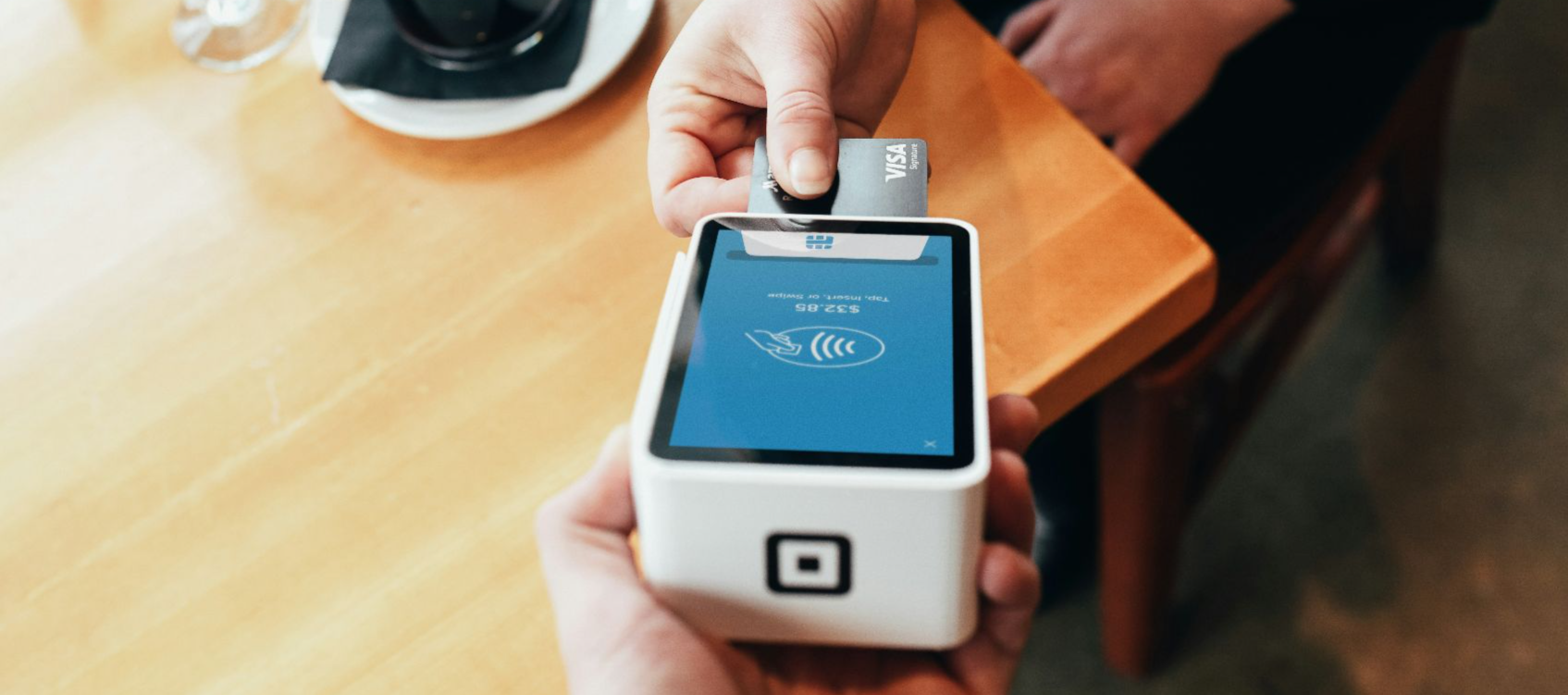
Debit card chips wear down over time. Dirty or damaged chip readers can also prevent transactions from processing properly. If your chip keeps failing, inserting the card again or using tap-to-pay may work instead.
 ING Nederland, Wikimedia Commons
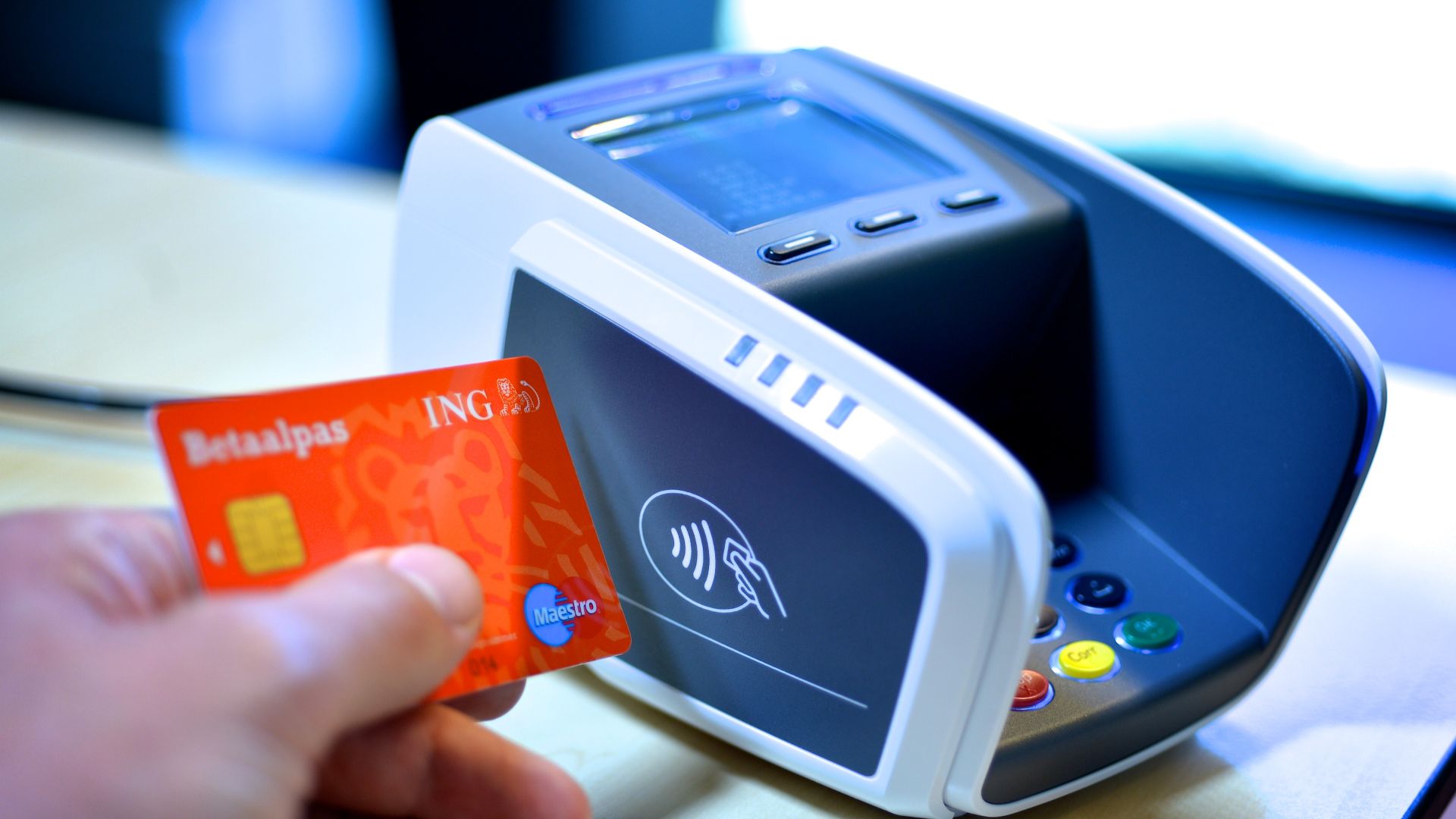
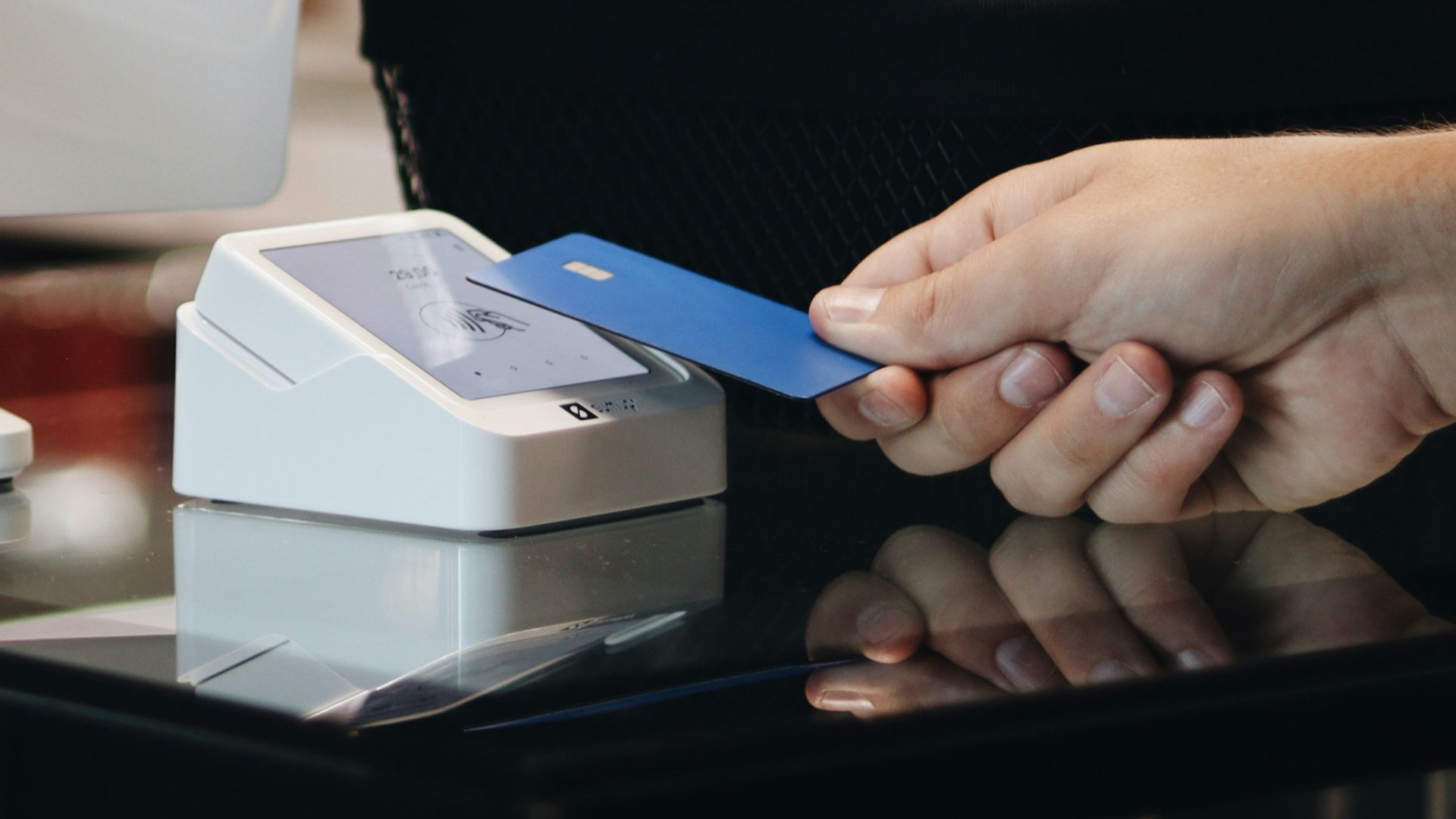
Contactless Payments Are Not Always Reliable
Tap-to-pay technology is convenient, but it is not perfect. Some terminals struggle to read digital wallet payments or contactless cards. Switching to the chip reader or magnetic stripe can sometimes bypass the issue immediately.
Your Bank Could Be Experiencing A Technical Outage
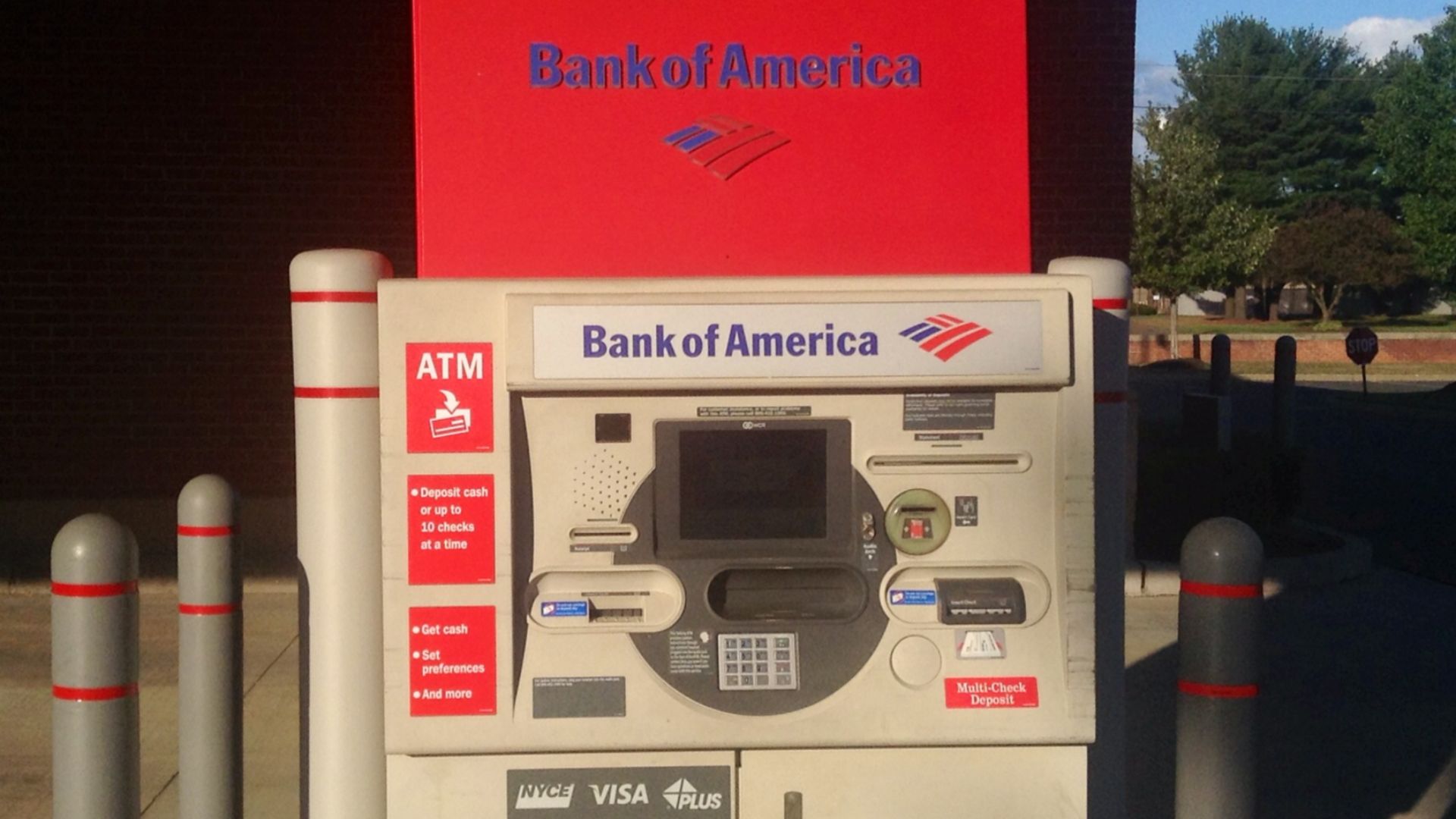
Banks occasionally suffer system-wide outages that interrupt debit card processing. During these outages, customers may see declined purchases, failed ATM withdrawals, or missing account information. Major banks have experienced these technical disruptions in recent years.
 Mike Mozart from Funny YouTube, USA, Wikimedia Commons
Overdraft Settings Can Affect Approval
Some banks decline transactions automatically if overdraft protection is turned off. Others may reject purchases that would leave only a small cushion in the account. Reviewing your overdraft settings can help you understand how your bank handles borderline transactions.
 KaterynaUKR, www.shutterstock.com
Subscription Charges Can Drain Available Funds
Streaming services, gym memberships, and automatic bill payments sometimes hit accounts earlier than expected. A forgotten subscription charge can reduce your available balance just enough to trigger a decline. Reviewing recent transactions often reveals the culprit.

Small Test Charges May Temporarily Reduce Your Balance
Certain merchants place tiny temporary authorization charges on debit cards to verify the account. These charges are usually reversed quickly, but they can briefly affect your available balance. Multiple test charges at once can create confusion for consumers.

Fraud Alerts May Require Immediate Verification
If the bank suspects fraud, it may send a text, email, or app notification asking you to confirm recent purchases. Until you respond, your card could remain blocked. Checking your messages right away may restore access quickly.

Calling The Bank Should Be Your First Step
If your debit card gets declined unexpectedly, contact your bank immediately. Customer service representatives can explain whether the issue involves fraud protection, spending limits, technical problems, or pending charges. Most issues can be resolved within minutes once identified.

Checking Your Available Balance Is Essential
Do not rely only on your current account balance. Always look at your available balance before making another purchase. This number reflects pending holds and gives a more accurate picture of how much money you can actually spend.

Using Credit Instead Of Debit May Offer More Protection
Credit cards generally provide stronger fraud protections than debit cards. When a debit card is compromised, stolen money comes directly out of your bank account until the issue is resolved. Credit card disputes usually do not immediately affect your checking balance.

Keeping Backup Payment Methods Helps Avoid Panic
Financial experts often recommend carrying more than one payment method. A backup credit card, extra debit card, or emergency cash reserve can prevent stressful situations during payment problems. Even a temporary bank outage becomes less disruptive when you have alternatives.

Mobile Banking Apps Can Prevent Surprises
Modern banking apps make it easier to monitor balances, freezes, and fraud alerts in real time. Many apps allow you to instantly unlock cards, dispute charges, and raise spending limits temporarily. Staying active in your banking app can help you catch issues before they become emergencies.

Updating Your Contact Information Matters
Banks rely on current phone numbers and email addresses to verify suspicious activity. If your contact information is outdated, fraud alerts may never reach you. That delay can leave your card frozen longer than necessary.

Understanding Holds Can Save You Stress
Authorization holds confuse many consumers because the money still appears in the account balance. However, the bank treats those funds as temporarily unavailable until the merchant finalizes the transaction. Understanding how holds work can help you avoid accidental declines.

Most Debit Card Declines Have Simple Solutions
A declined debit card can feel alarming, but the issue is often temporary and fixable. Fraud protection systems, authorization holds, technical outages, and spending limits are among the most common explanations. Taking a few quick steps, including checking your available balance and contacting your bank, can usually get your card working again fast.

You May Also Like:
"My credit card just got declined and I just can't seem to get out of debt. What should I do?"
Places You Should Absolutely Never Use Your Debit Card, According to Experts In Fraud Prevention