Where Your Money Is Unsafe
Using a debit card feels safe during ordinary errands, until a normal swipe sparks panic. Familiar places lower your guard while the balances freeze unexpectedly, and the shock isn’t just losing money, but realizing access can vanish instantly.
 Mikhail Nilov, Pexels, Modified
ATMs In Poorly Lit Or Isolated Areas
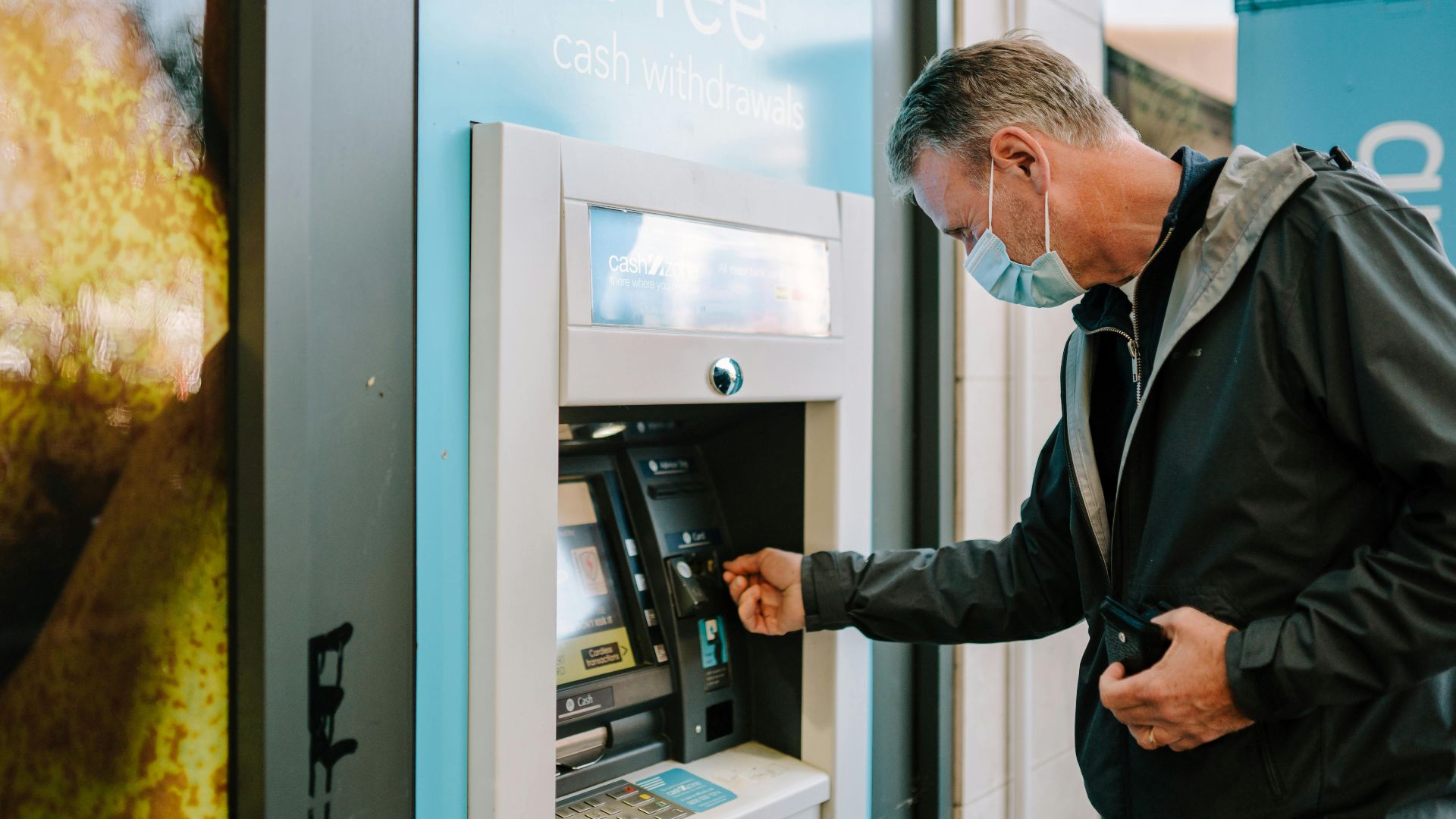
To start with, ATMs hidden away in quiet or poorly lit spots carry more risk than most people realize. Because fewer eyes are around, criminals can install skimmers or hidden cameras without being noticed. If your debit card is compromised here, its stolen PINs can lead to cash withdrawals.
 Centre for Ageing Better, Pexels
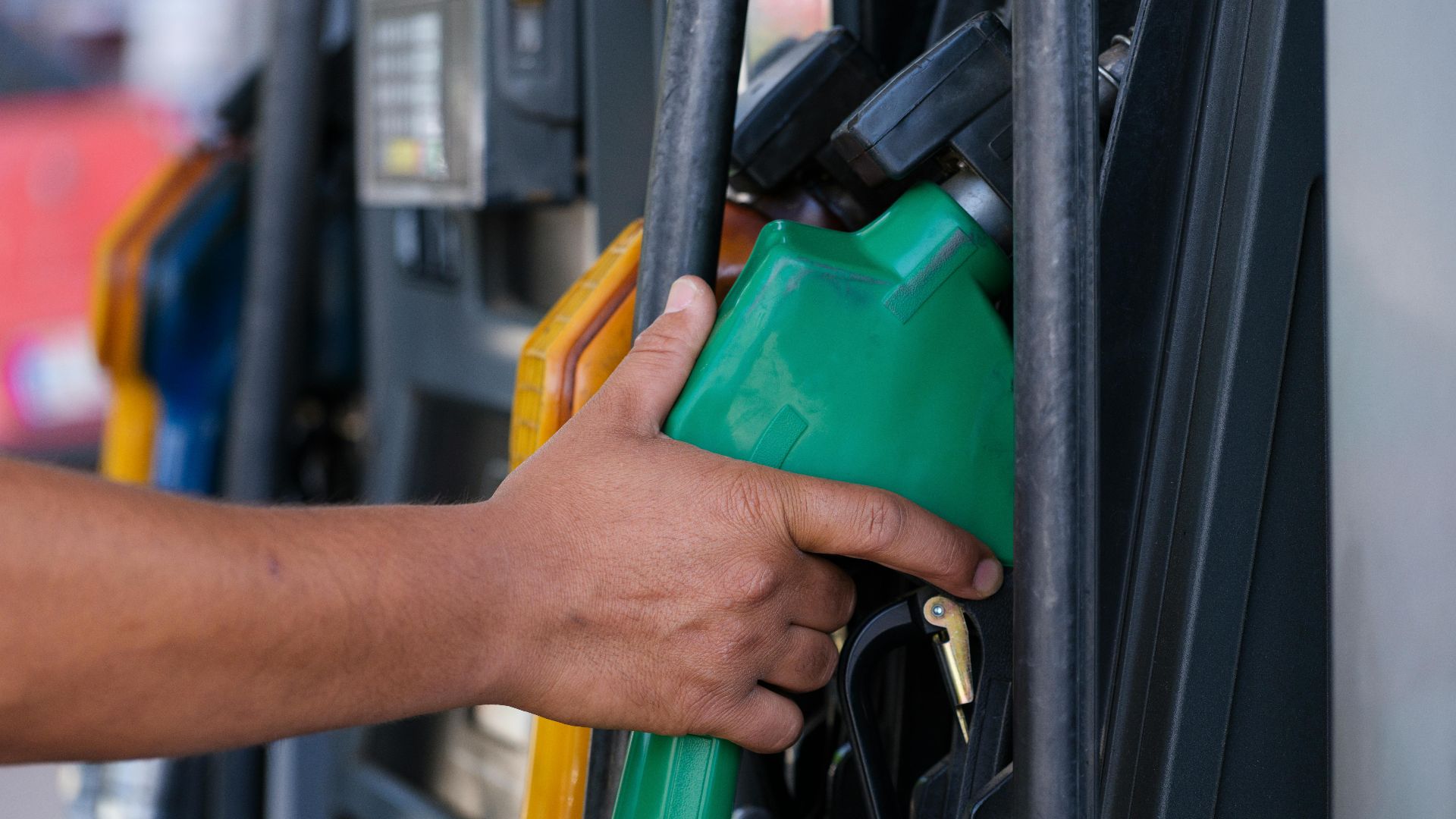
Gas Station Pumps
Gas stations draw frequent skimming activity because pumps sit unattended for long stretches. Access panels also make it possible to hide devices inside the machine, beyond the customer's view. Once installed, these devices can quietly collect card data during normal transactions without obvious signs.
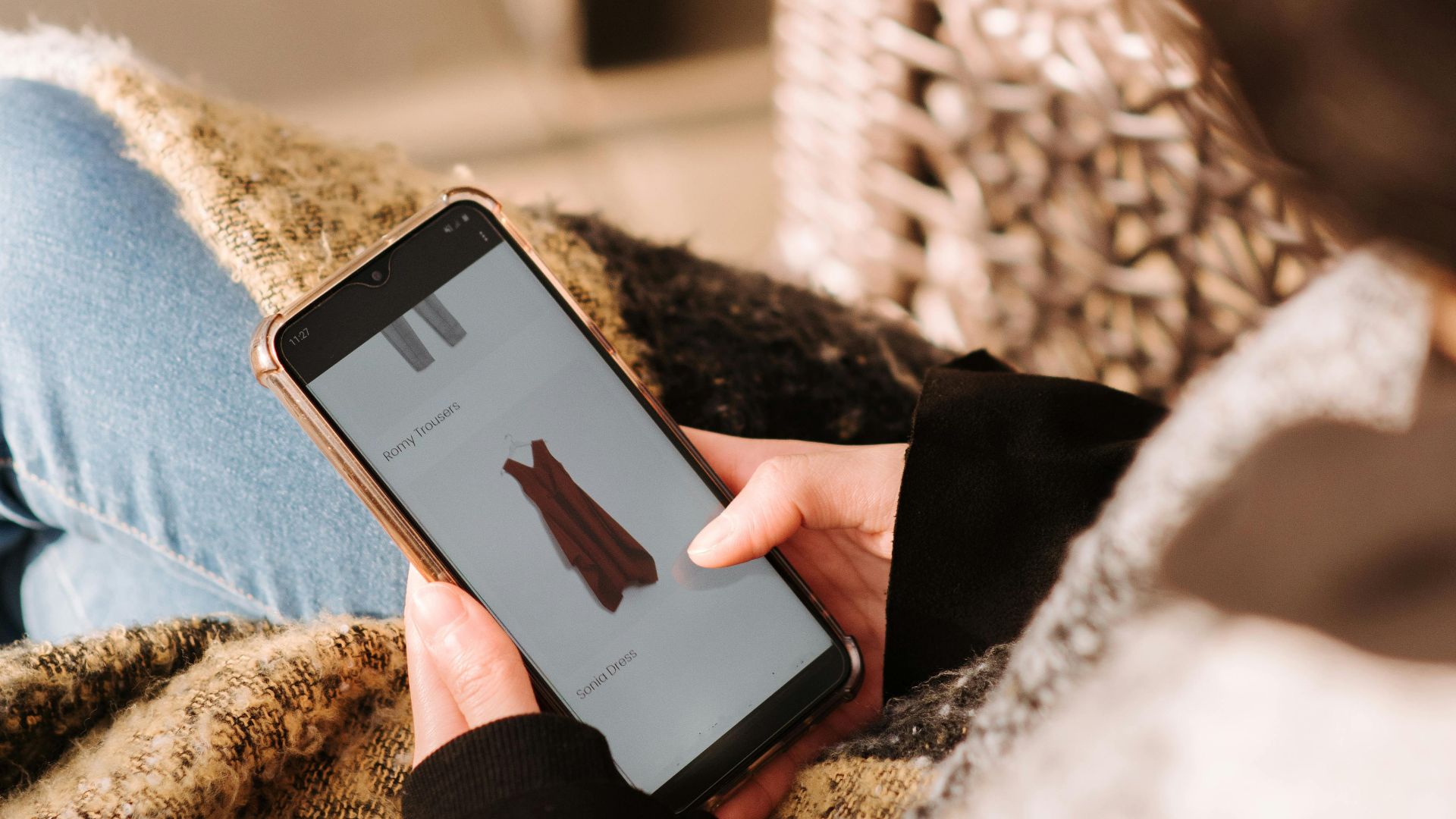
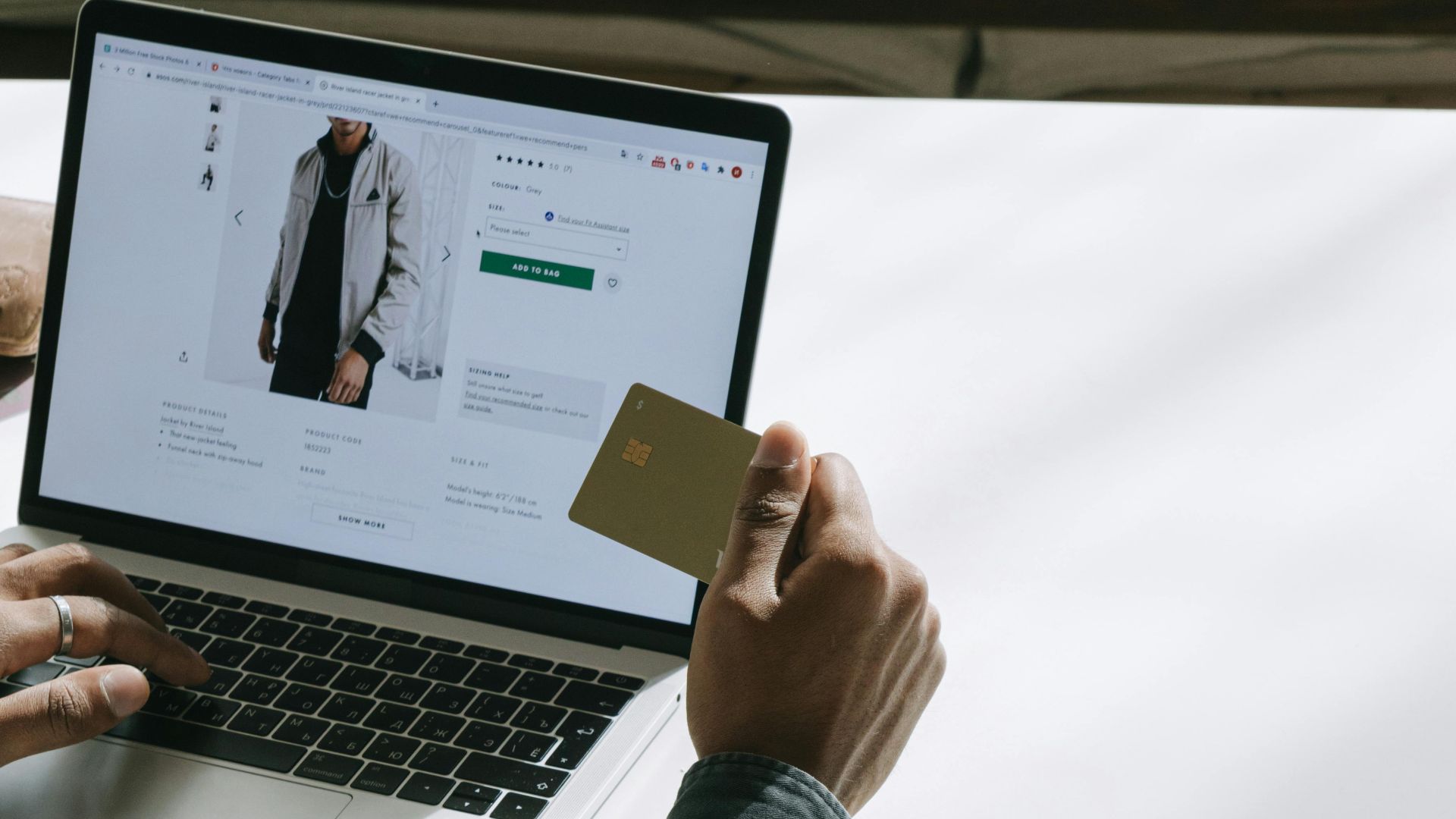
Online Shopping Sites Without HTTPS Encryption
Without HTTPS, payment information isn’t encrypted during checkout, which means data travels in a readable form across the network. Browsers warn users because unsecured sites lack basic safeguards that protect card numbers and verification details from being exposed in transit.
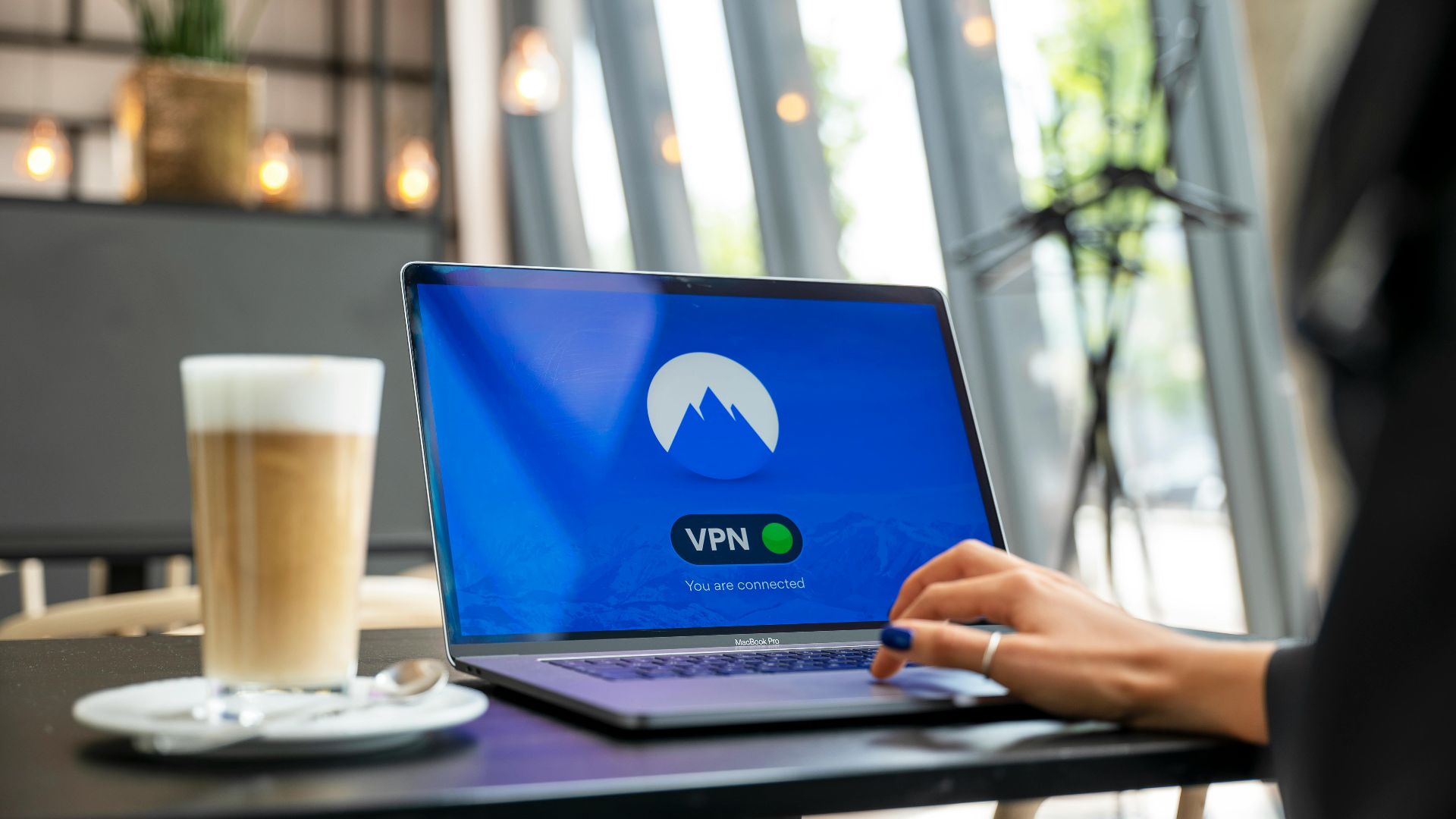
Public Cafes With Wi-Fi Networks
Free networks in busy cafes often lack strong security, making them attractive to cybercriminals. When debit card information is entered on these connections, data can be intercepted in transit. This leaves little time to respond once suspicious activity begins.
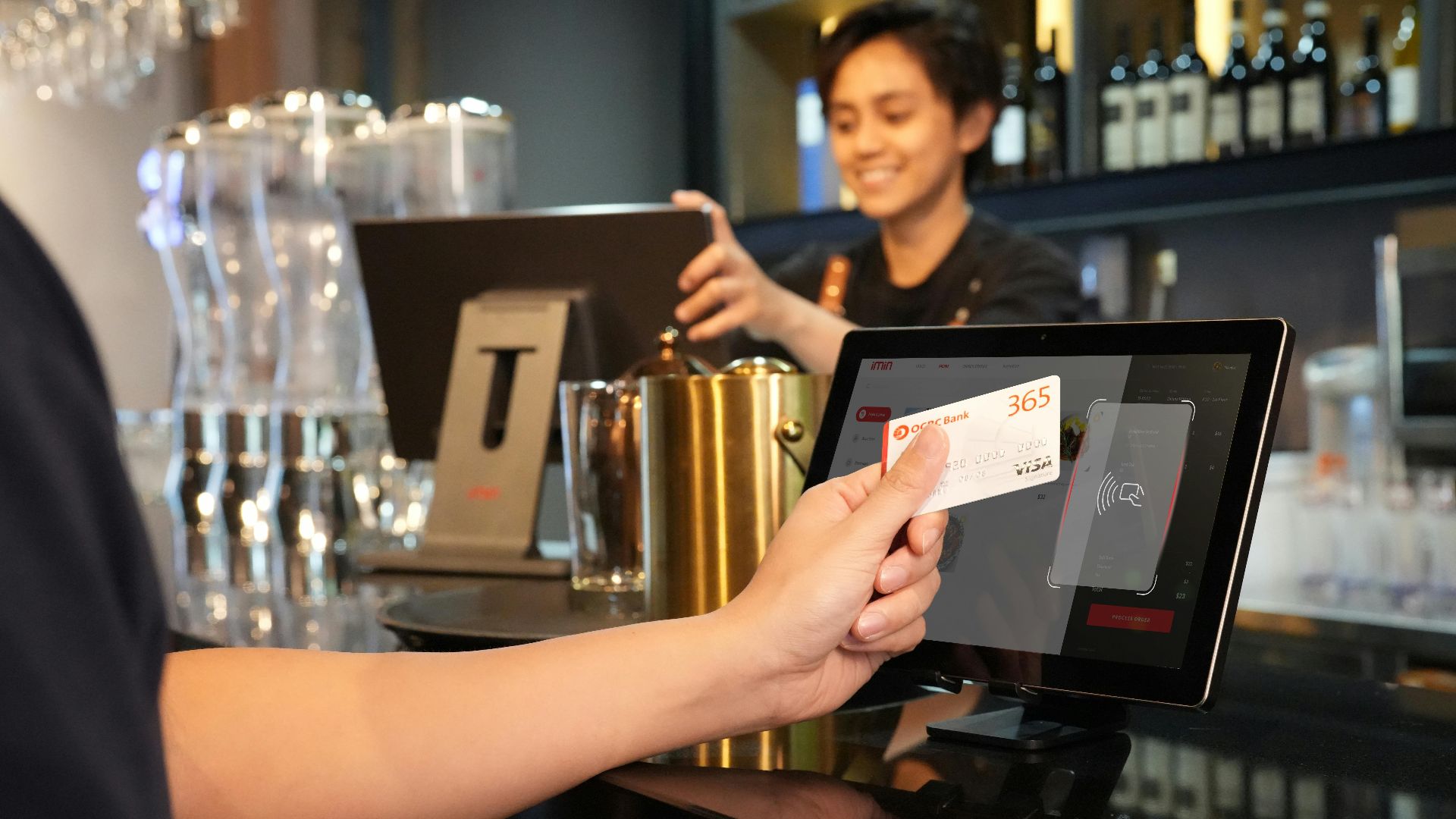
Restaurants Where Your Card Leaves Your Sight
If a restaurant requires taking your card to process payment, it’s worth pausing. Out-of-sight handling increases the risk of card details being copied. For debit cards, especially, experts advise using table-side terminals or contactless options whenever available. You can always pay in cash as well.
Busy Nightclubs
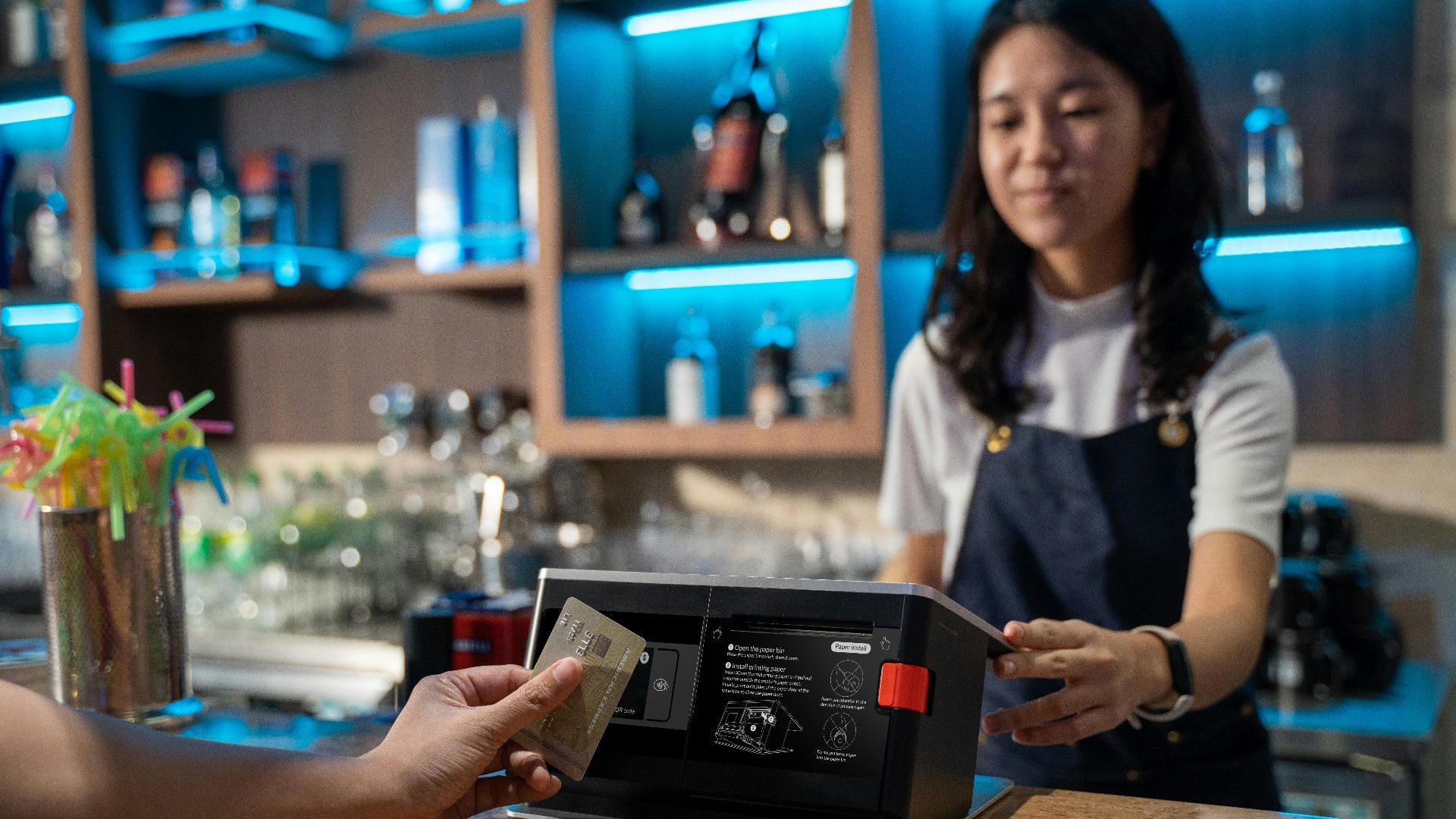
Late-night venues create the perfect mix of distractions and rushed payments. With frequent staff shuffling, the risk of card misuse increases when transactions happen quickly. Even open tabs carry risk, since cards are often taken behind the bar and handled multiple times without direct oversight.
Hotels That Hold Cards For Deposits
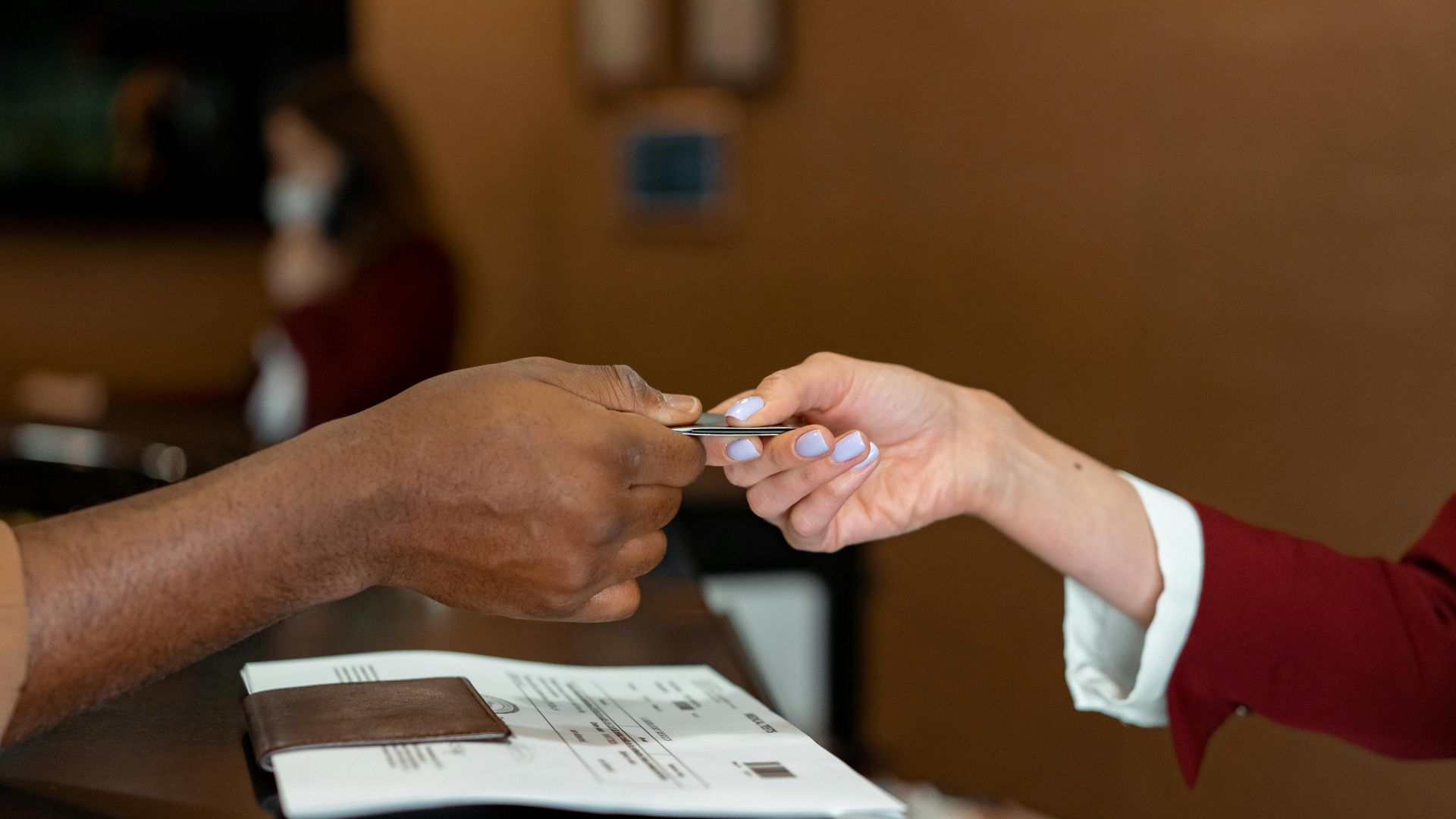
Unexpected overdrafts can happen days after a hotel stay. That’s because debit cards used at check-in often trigger large holds to cover potential charges like room damage or unpaid incidentals, which reduces available balances immediately. Even after checkout, banks may take several days to fully release those funds.
Car Rental Counters Requiring Large Holds
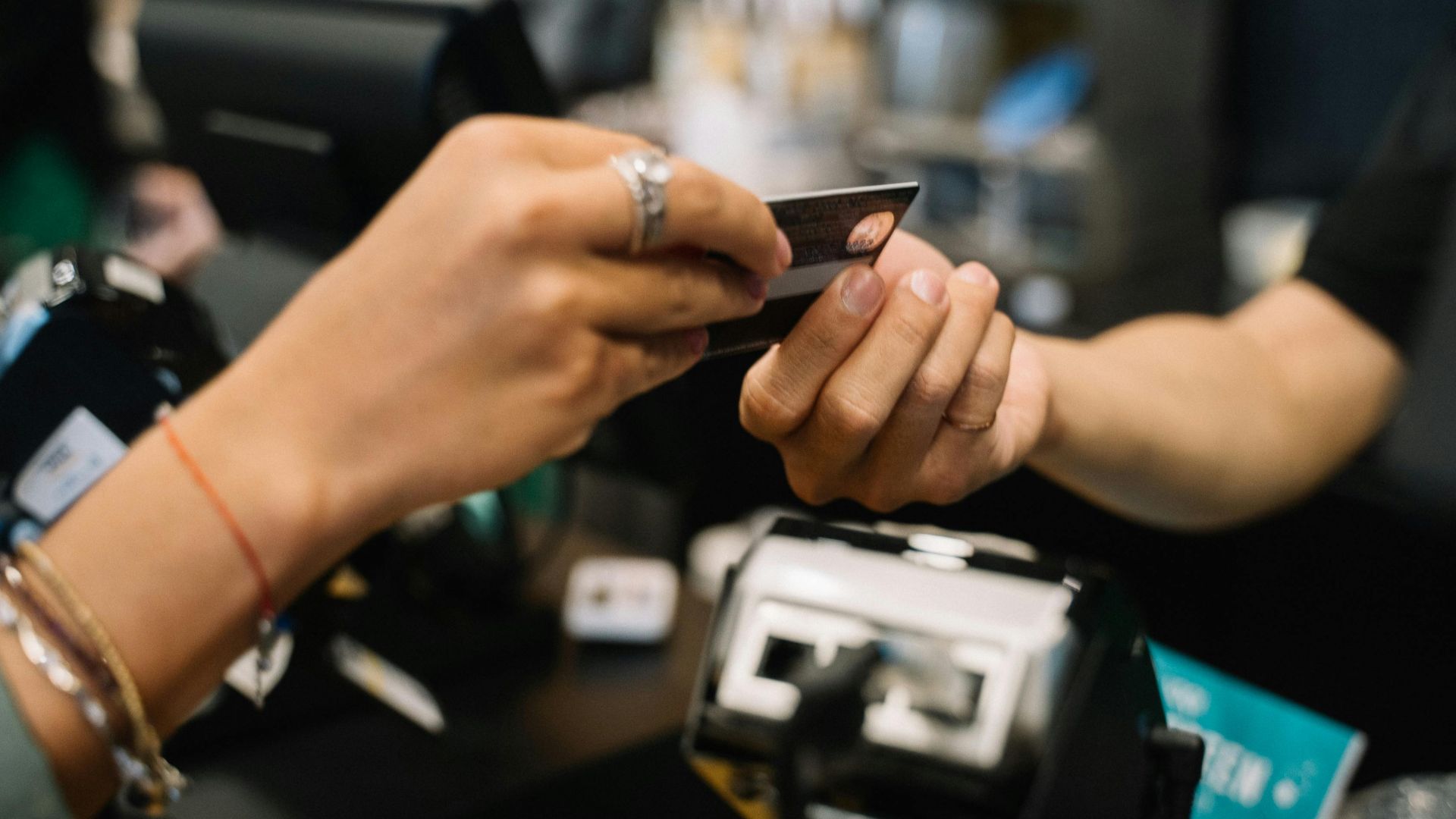
Limited access to your own money can quickly complicate travel plans. Rental companies place large authorization holds when debit cards are used, often exceeding the rental price. Those funds stay locked until the vehicle is returned. This leaves less flexibility for other expenses.
Independent ATMs (Non-Bank)
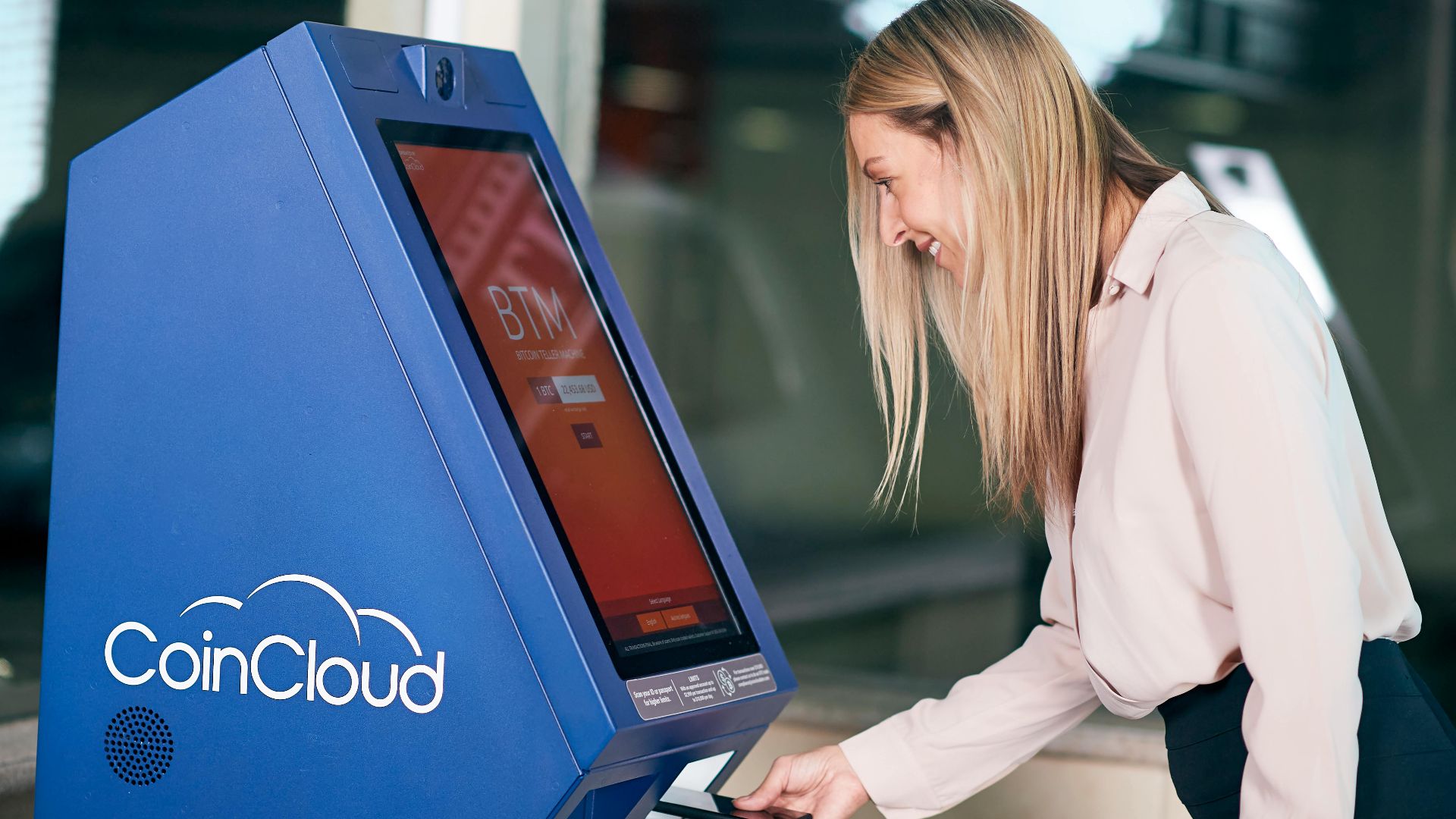
Machines not owned by banks tend to be less supervised and inspected less often. This makes them more attractive targets for skimmers and PIN-capture devices. When a debit card is compromised here, thieves can withdraw cash immediately, without needing your physical card.
Street Vendors With Unsecured Payment Systems
Tracking down a vendor after a problem arises can be nearly impossible. Temporary sellers rely on short-term payment setups that fall short of the security standards used by permanent stores, and some mobile card readers even lack proper encryption or regular software updates.
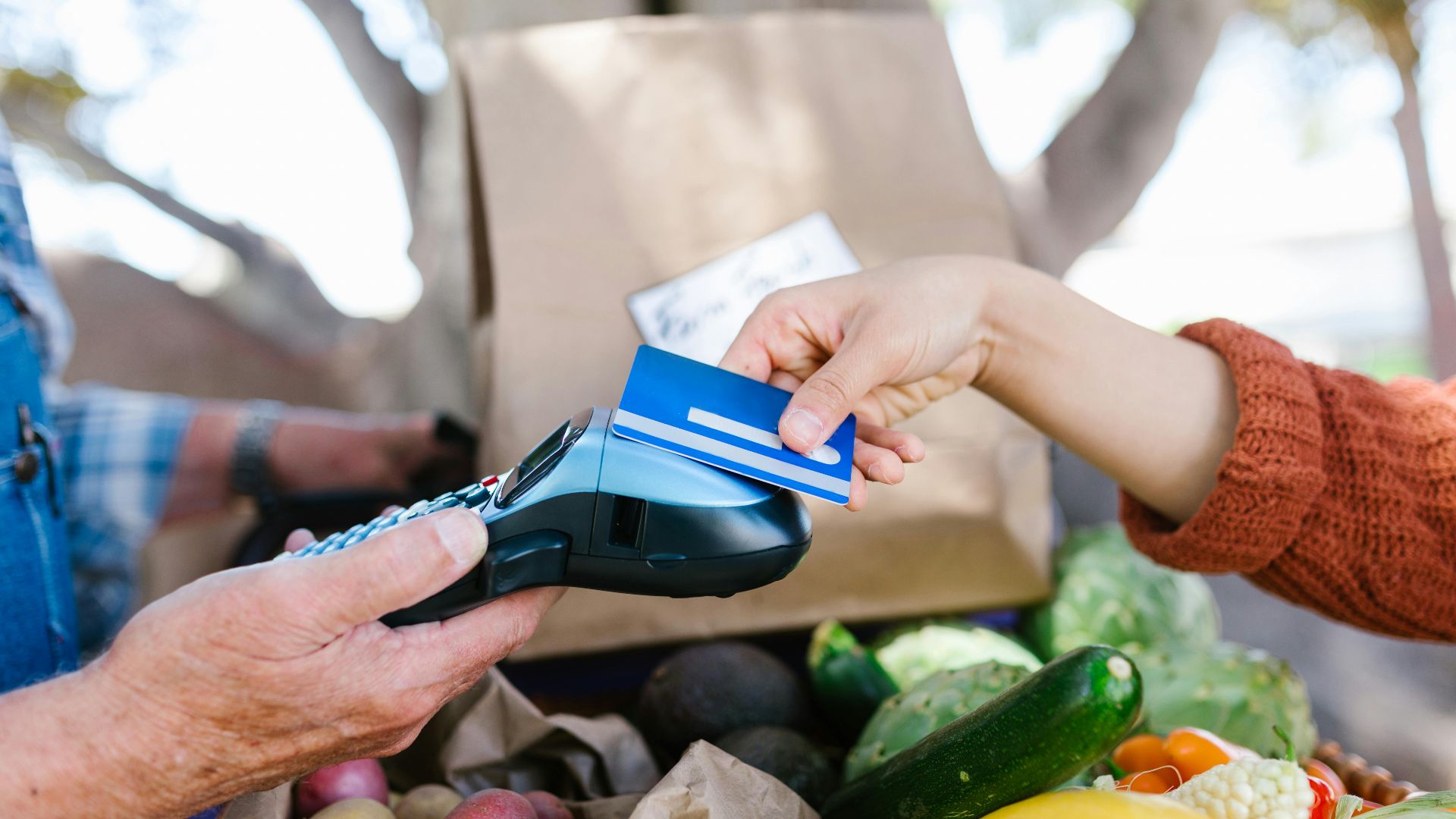
Small-Town Convenience Stores With Outdated POS Systems
Older checkout systems mostly miss critical security updates, which leaves gaps in software and hardware defenses. If systems fall behind, malware can operate quietly in the background and capture card information during normal transactions without alerts or visible warning signs.
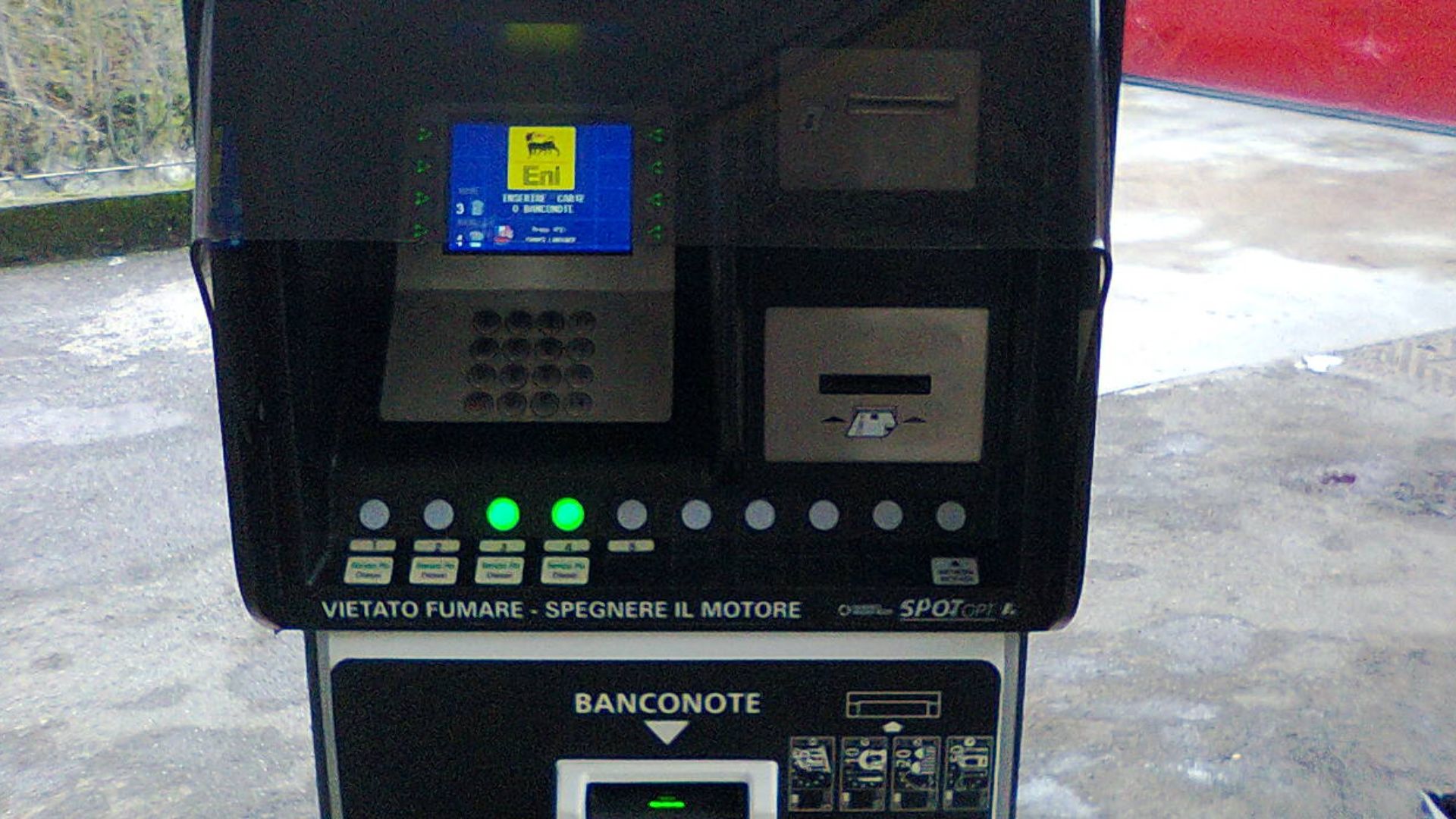
International Travel Destinations With Weak Fraud Protections
If you use a debit card abroad, it can be risky because fraud protections vary widely by country. In some regions, reimbursements are slow or limited. Adding to the risk, some regions still use magnetic stripe transactions, which are easier to exploit than modern chip-based or contactless payments.
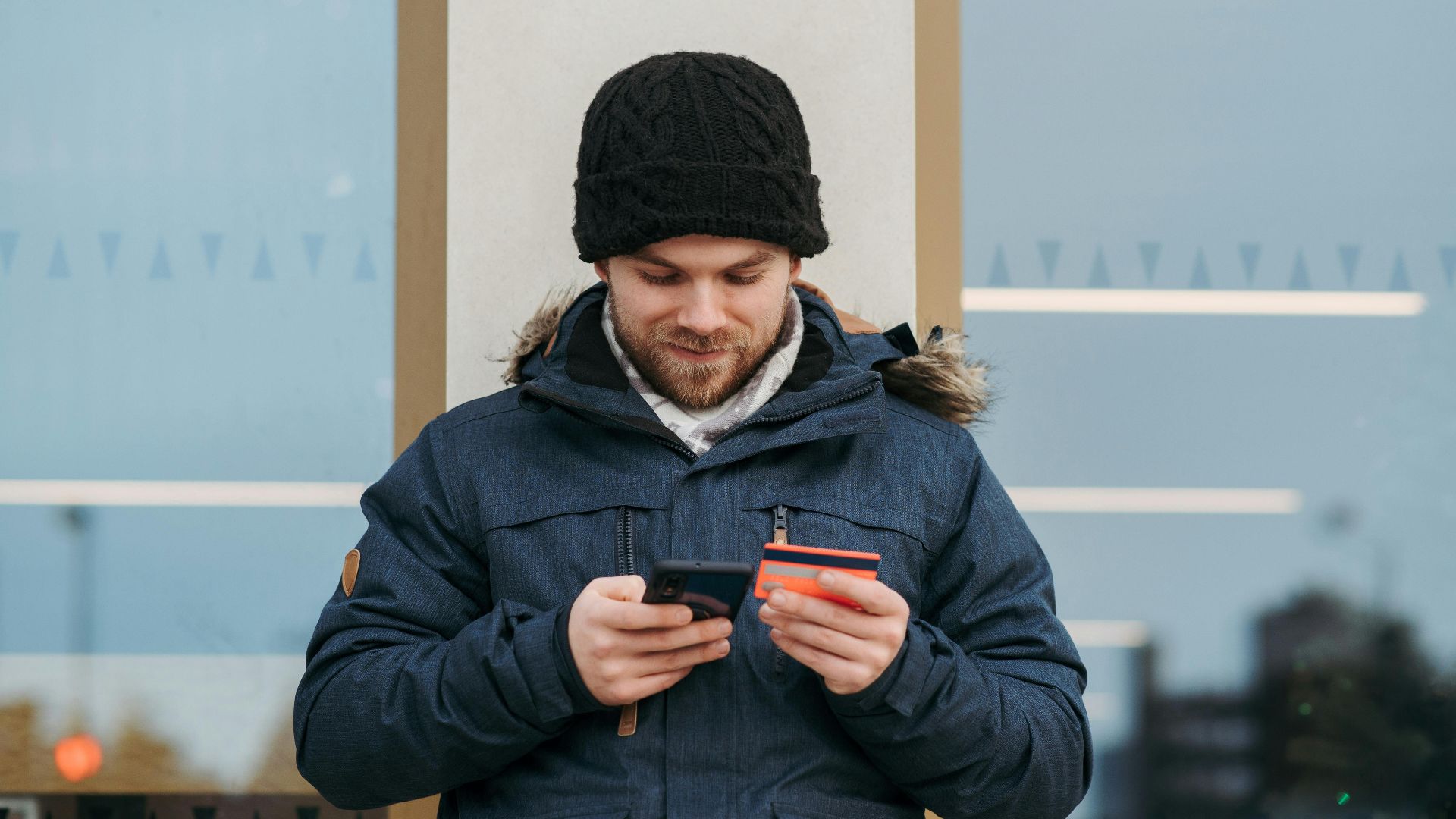
Online Subscription Services With Recurring Billing Risks
Subscriptions usually stop when properly canceled, but debit cards still come with risks. Free trials convert automatically without clear notice, and cancellation delays can allow another billing cycle to process. With debit cards, those charges pull directly from your account.
Charity Donation Kiosks
Temporary donation kiosks mostly appear during emergencies or large public events, which can limit security oversight. Fake or poorly secured kiosks also increase during high-emotion moments. Because these setups disappear quickly, debit card disputes can be harder to trace and resolve.
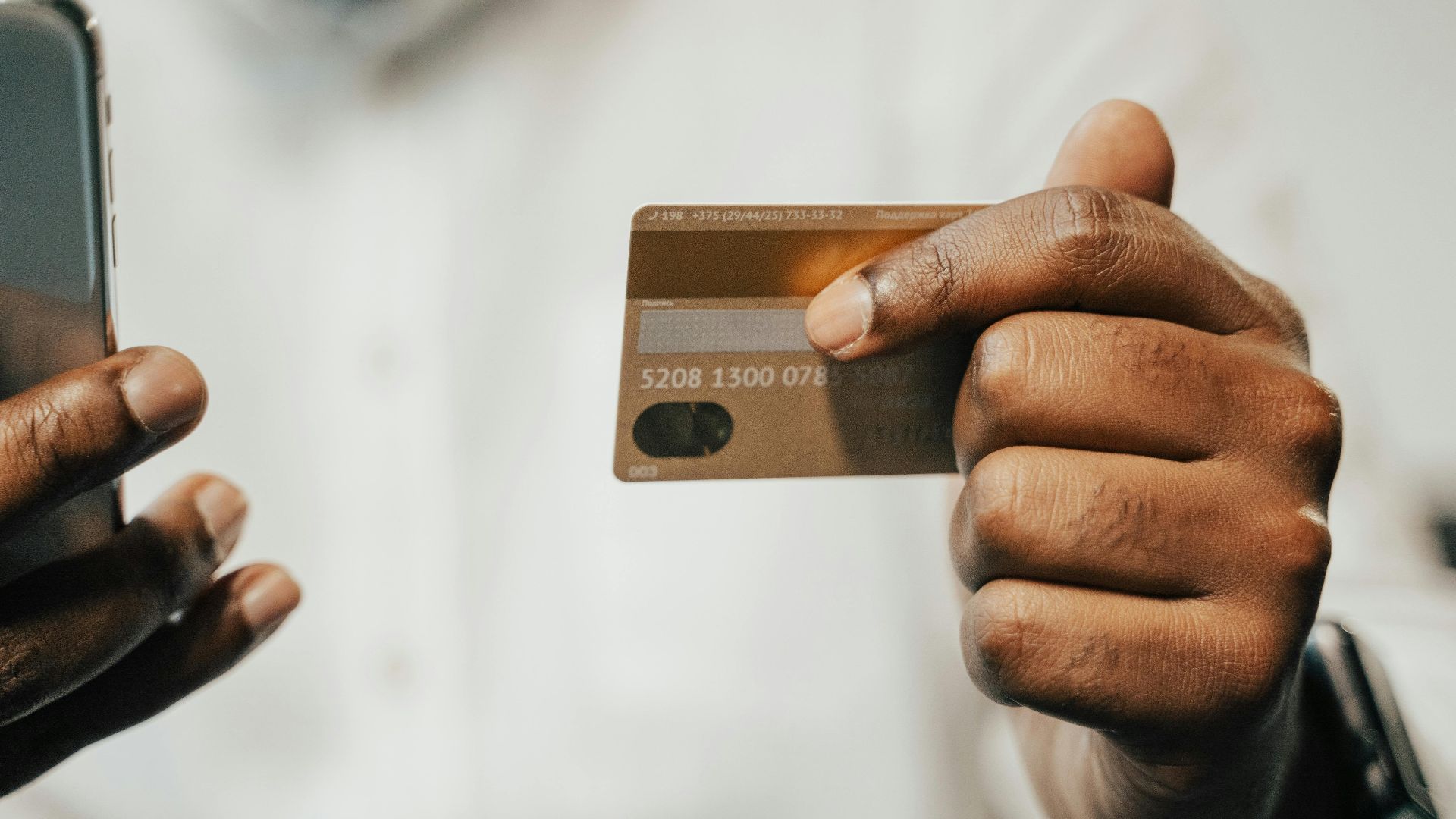
Parking Meters With Card Slots
Unattended payment machines face a higher tampering risk because they sit outdoors with little oversight. Parking meters rarely receive real-time monitoring. This allows unauthorized hardware to remain installed for extended periods without detection, especially on older units with limited security controls.
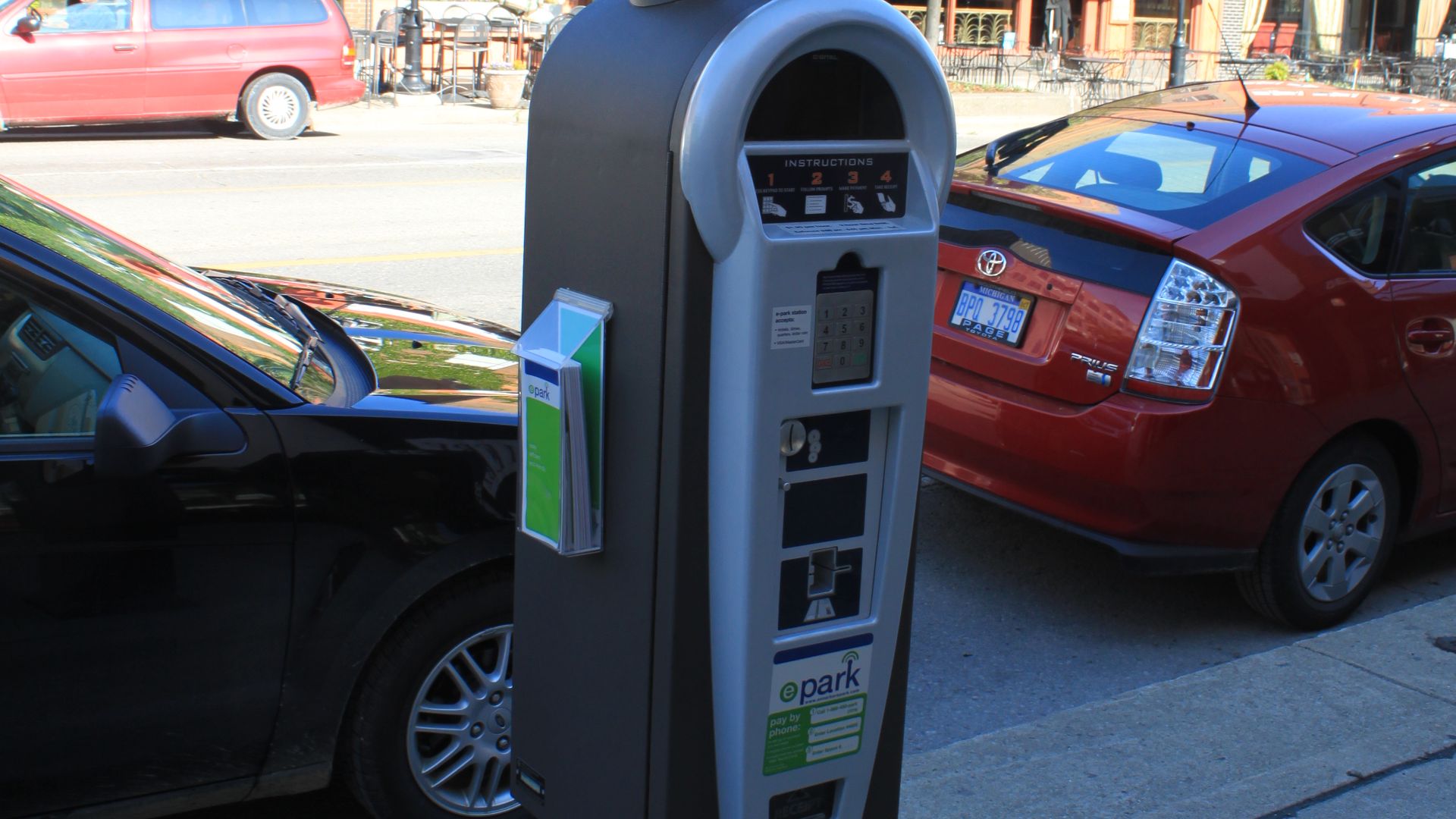 Dwight Burdette, Wikimedia Commons
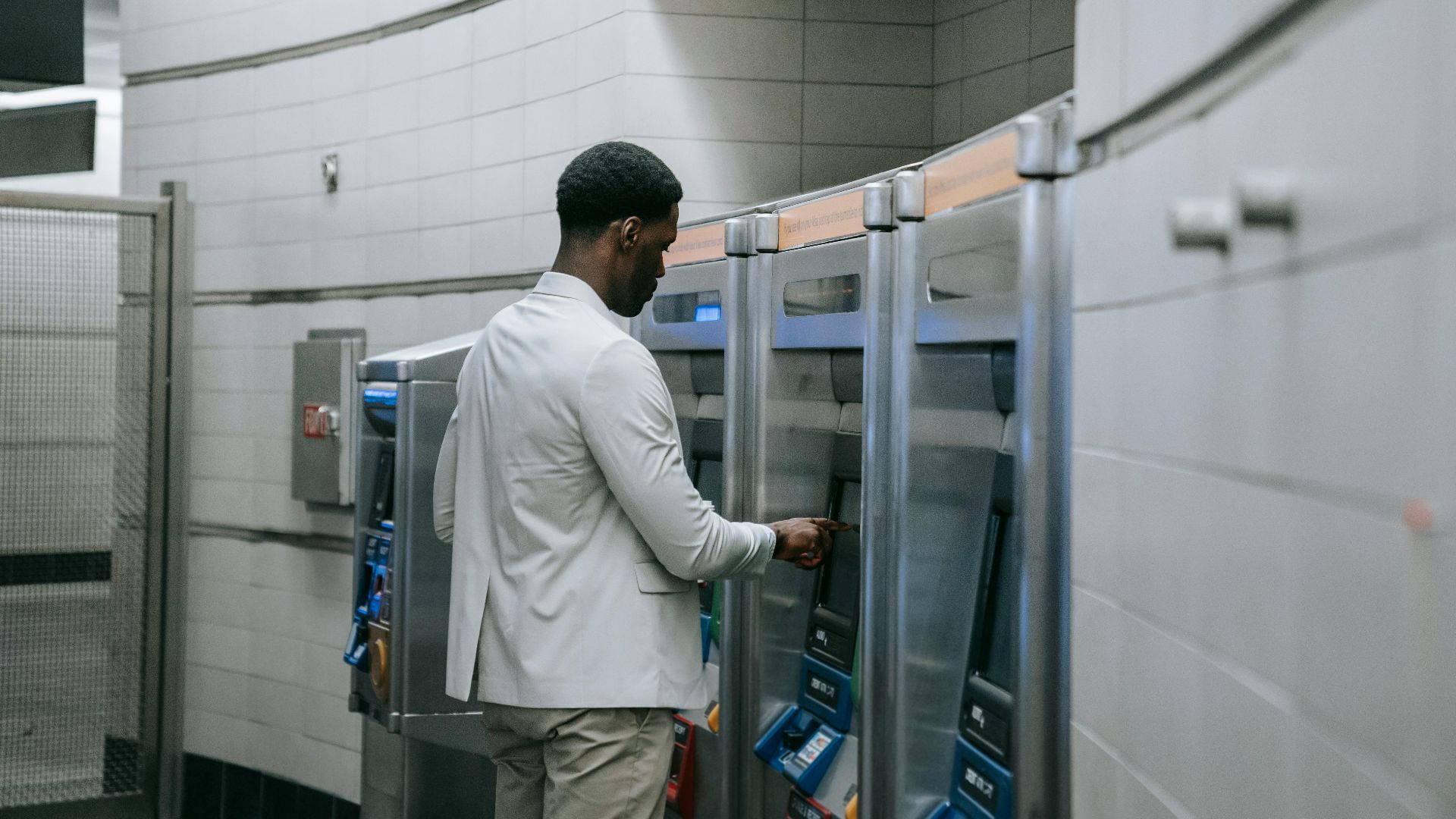
Ticket Kiosks At Stations
Busy transit kiosks are prone to fraud due to constant use and limited supervision. Maintenance checks can also be infrequent, which gives skimmers more time to stay hidden. Some machines still run outdated operating systems, and fraud rings specifically target commuters this way.
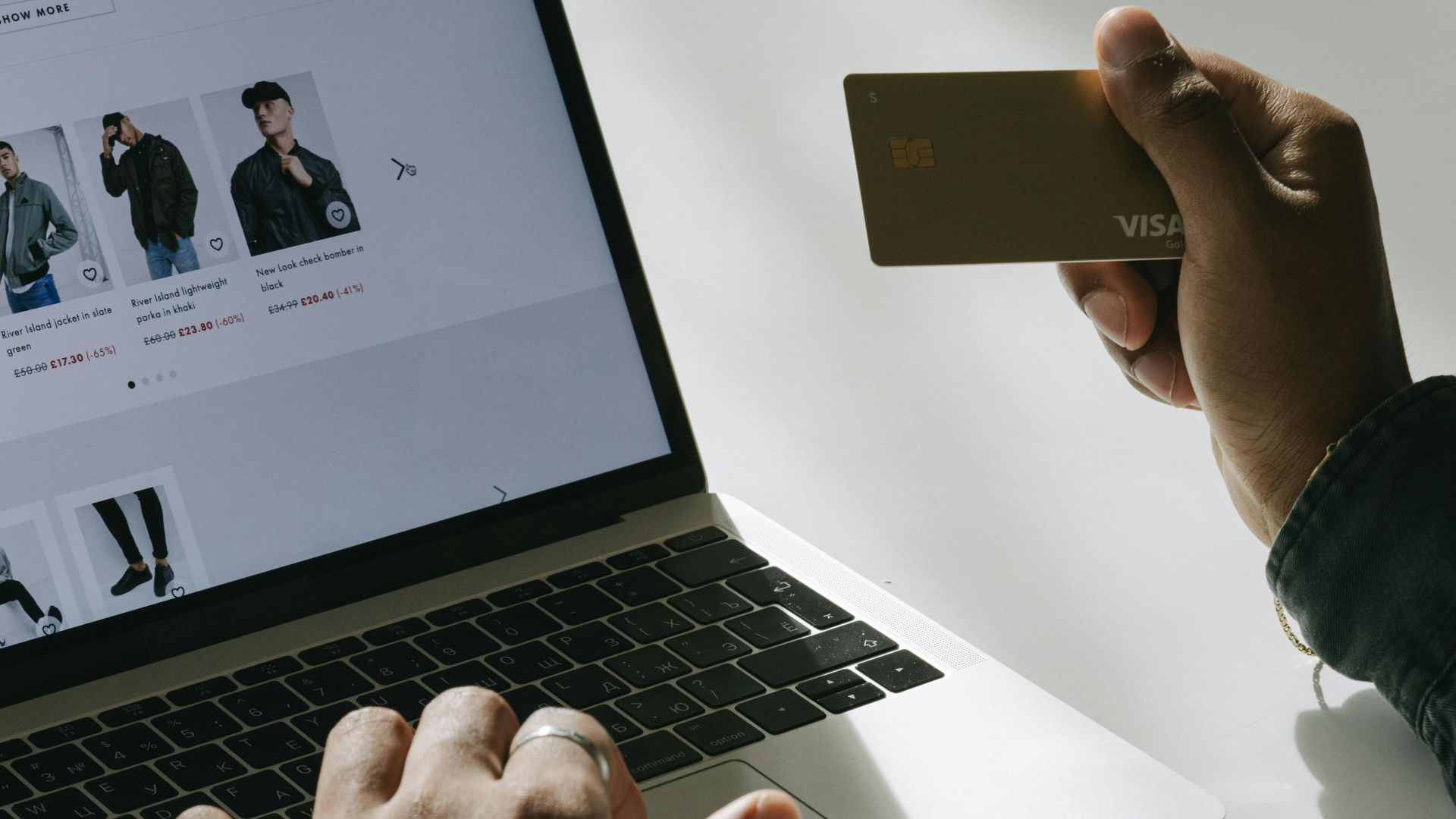
Online Marketplaces With Third-Party Sellers
Buying from third-party sellers adds risk when debit cards are involved. If a seller disappears, disputes become harder to resolve, and marketplace protections often exclude debit transactions. Scam sellers frequently rotate storefronts, and fake listings may vanish within days.
Mobile Apps From Unknown Developers
Apps from unverified developers can quietly log or transmit payment data once installed. Since transactions happen inside the app, browser security warnings are bypassed entirely. A lesser-known issue is that malicious apps mimic trusted brands, even though app stores remove thousands of risky apps each year.
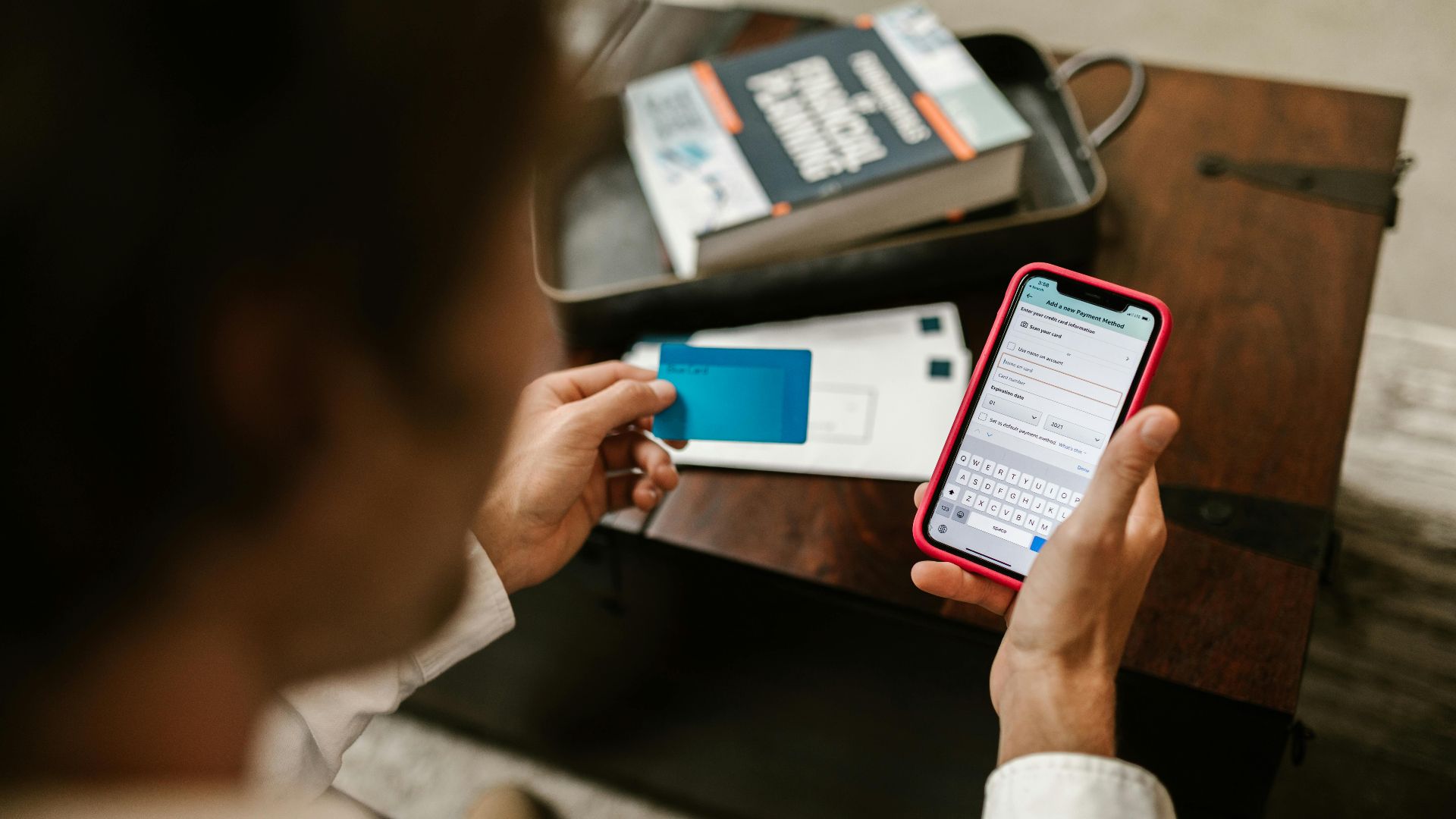
Vending Machines With Card Readers
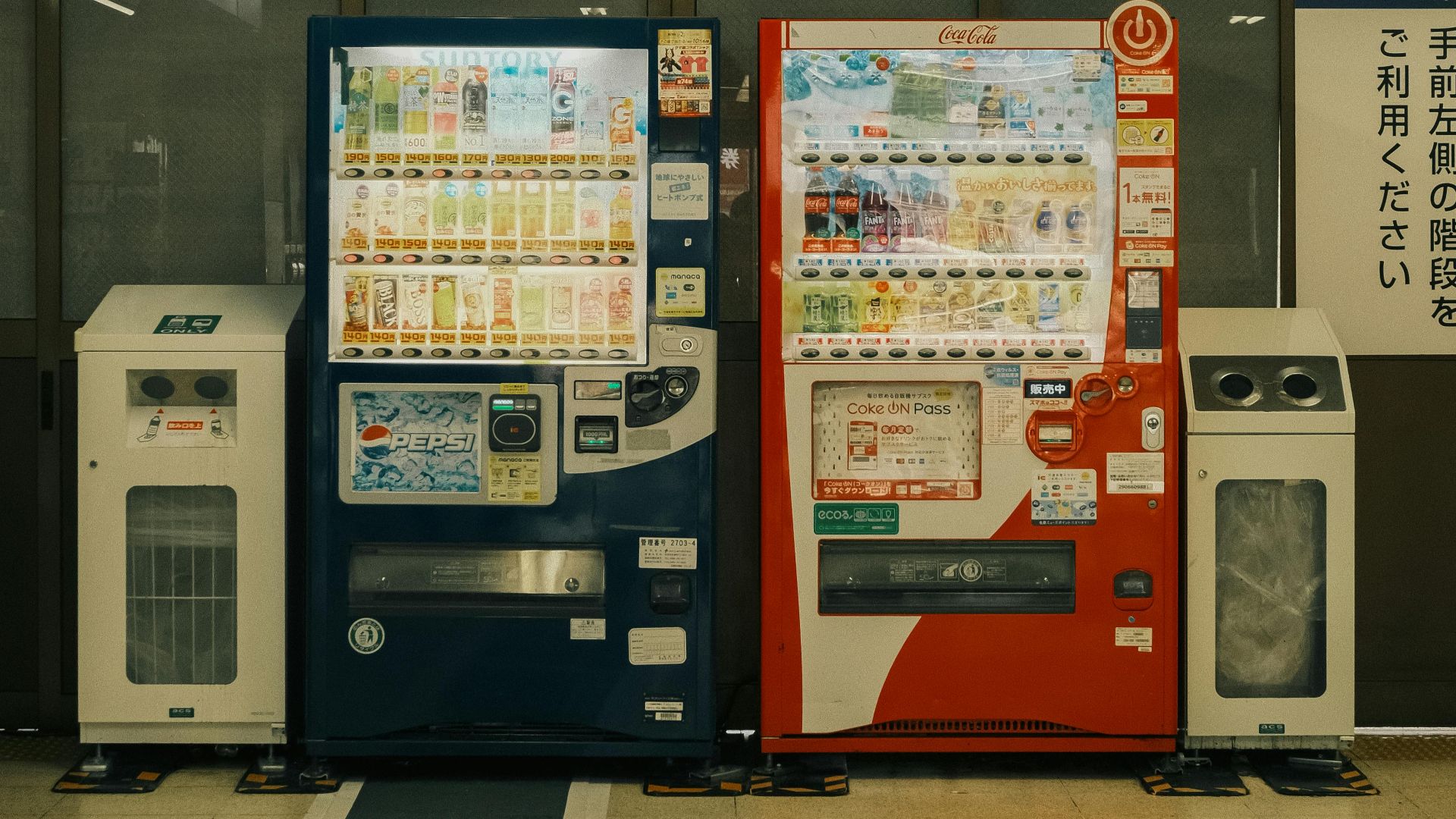
Unattended machines make easy targets because no one is watching closely. Card readers are rarely inspected daily, which gives tampering time to go unnoticed. Some skimmers are disguised as reader upgrades, and older machines may still fall back on magnetic stripe payments.
Online Gaming Platforms With Weak Security
Gaming accounts are frequent targets for credential theft because virtual item reselling creates real-world value. Stolen accounts are often bundled and sold in bulk on underground markets. When payment details are stored, debit-linked wallets allow rapid unauthorized spending once access is gained.

Peer-To-Peer Payment Apps Lacking Safeguards
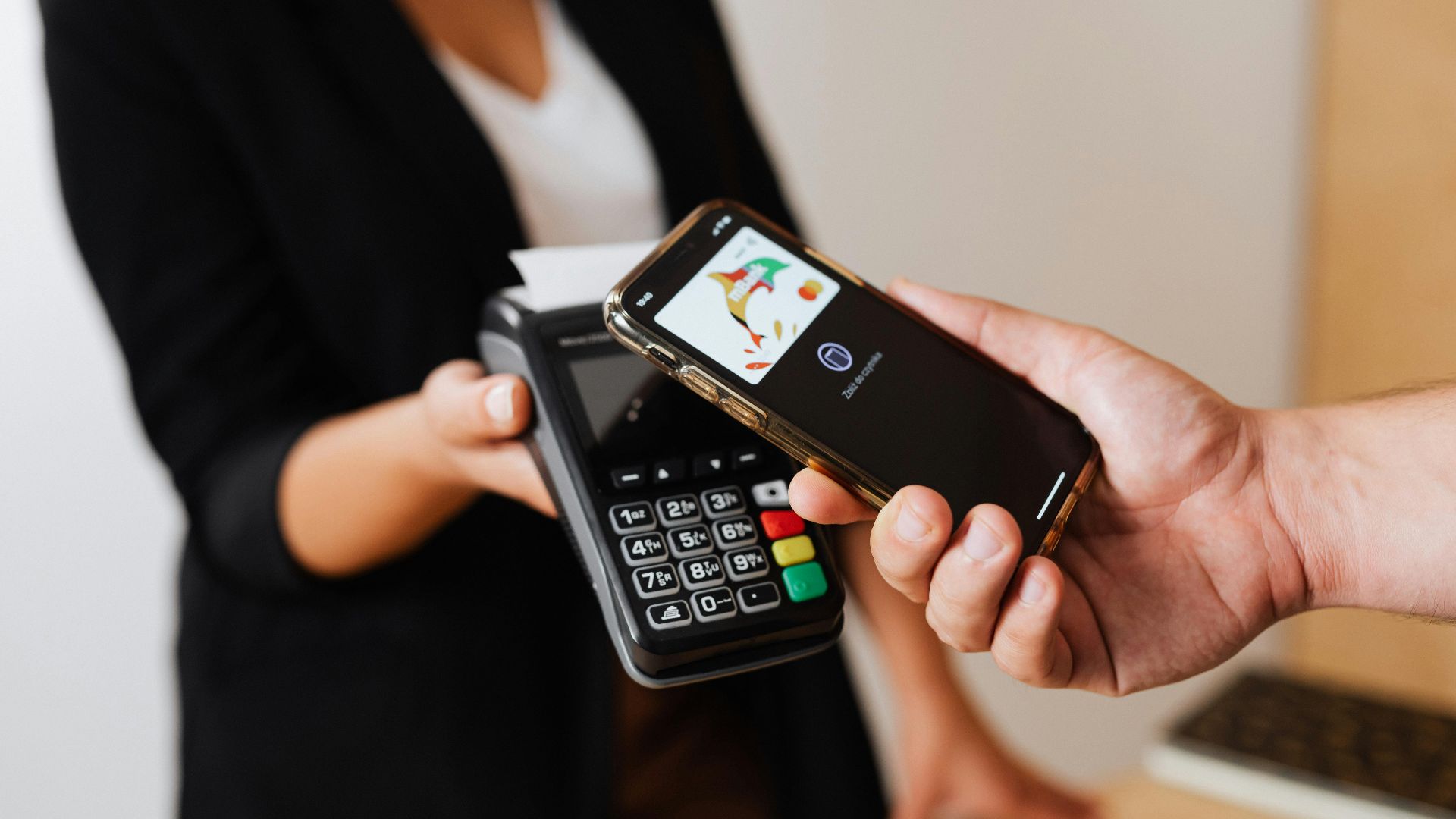
Once a peer-to-peer payment is sent, it is sometimes impossible to reverse it. When debit cards are linked, stolen funds can be withdrawn instantly. Scammers frequently impersonate trusted contacts. Fraud recovery depends heavily on how quickly the victim realizes something went wrong.
 Karolina Grabowska www.kaboompics.com, Pexels
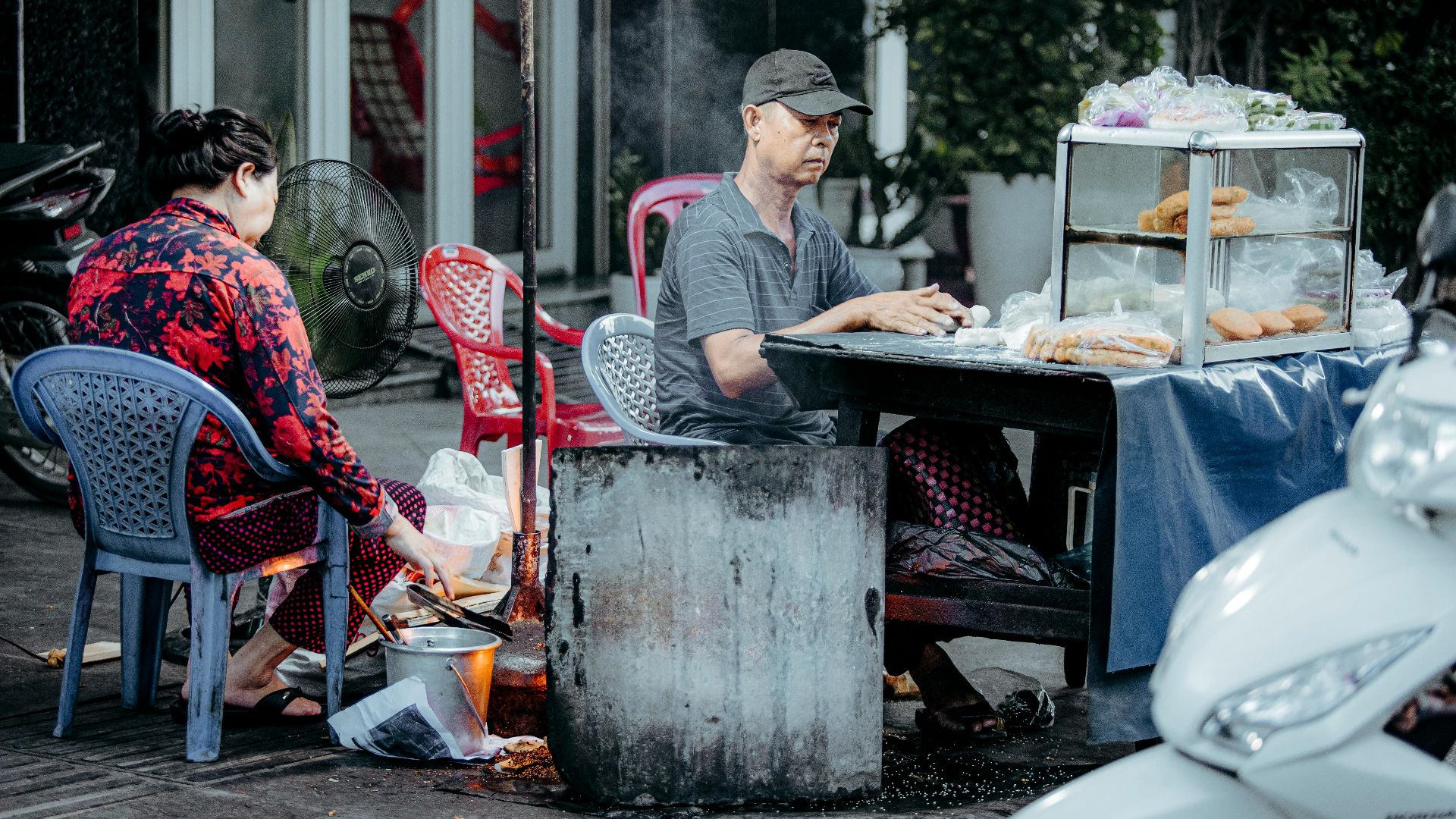
Tourist Attractions With Temporary Vendors
Temporary vendor setups don’t always meet full compliance standards, especially in high-traffic tourist areas. Travelers are also less likely to scrutinize transactions closely. Vendors may rotate between multiple attractions. With the rapid rise of cashless payments, post-pandemic has increased exposure at these locations.
 🇻🇳🇻🇳Nguyen Tien Thịnh 🇻🇳🇻🇳, Pexels
Online Travel Booking Sites Without Fraud Guarantees
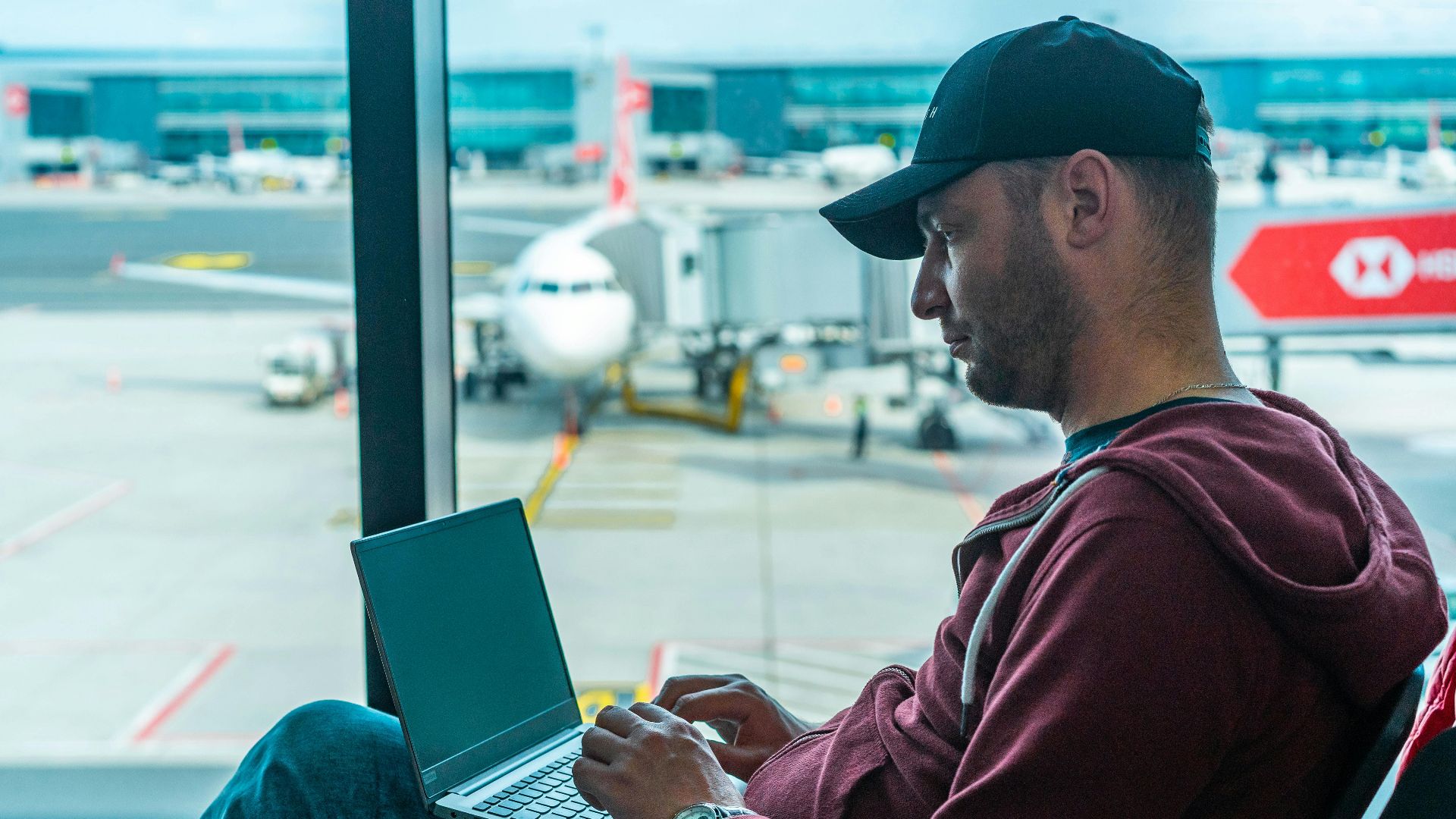
Not all booking platforms offer debit card fraud protection, which makes disputes harder to resolve. Fraudulent charges can immediately reduce travel funds. Fake travel websites tend to spike during peak seasons, and refund timelines stretch beyond planned travel dates to add financial stress.
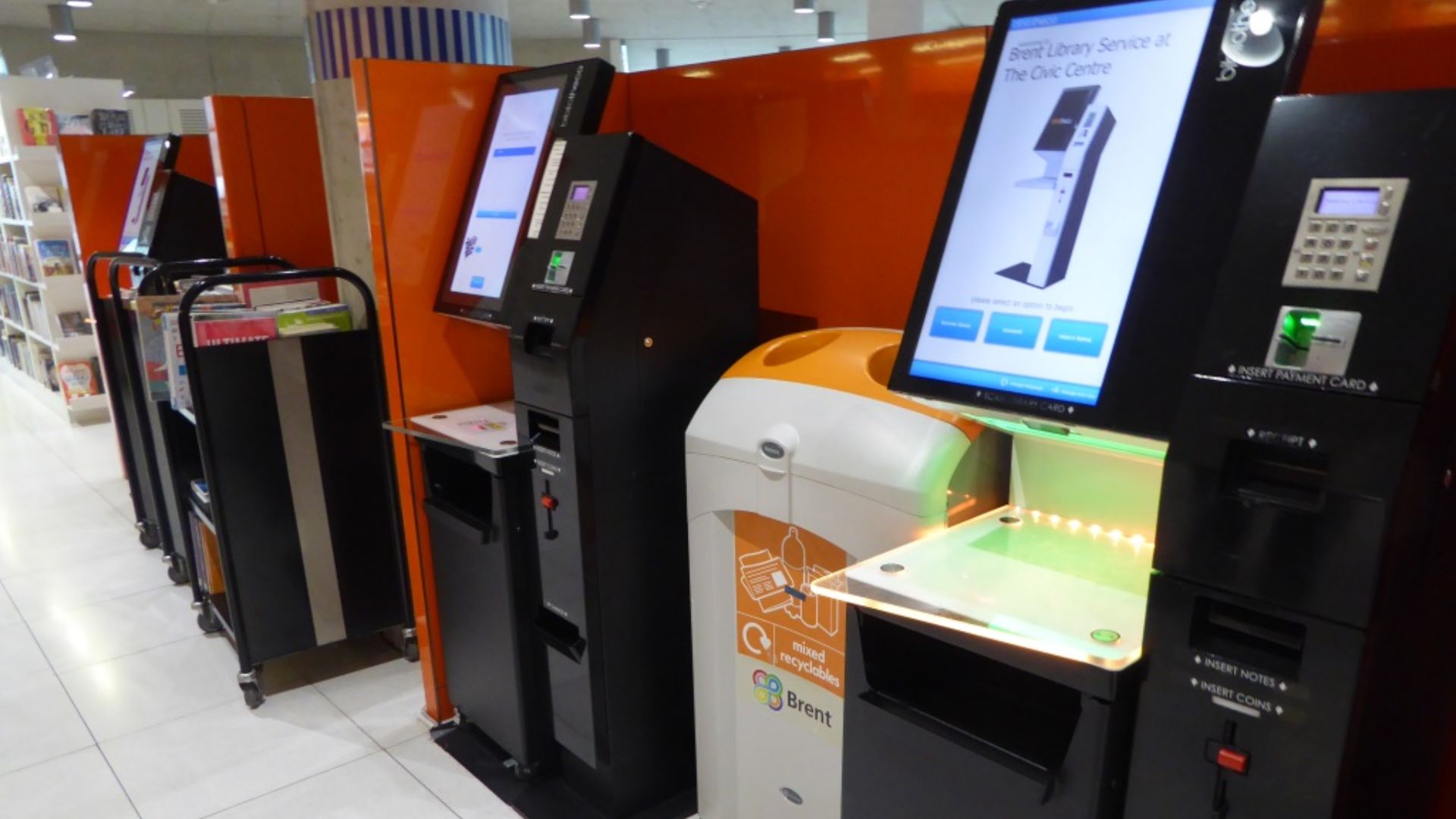
Public Library Payment Kiosks
Many library kiosks rely on older hardware and receive software updates less frequently due to budget constraints. Some systems are shared across municipal departments, and security audits occur less often than in retail environments. It increases vulnerability when debit cards are used for payments.
 Libraries Taskforce, Wikimedia Commons
Toll Booths With Card Readers
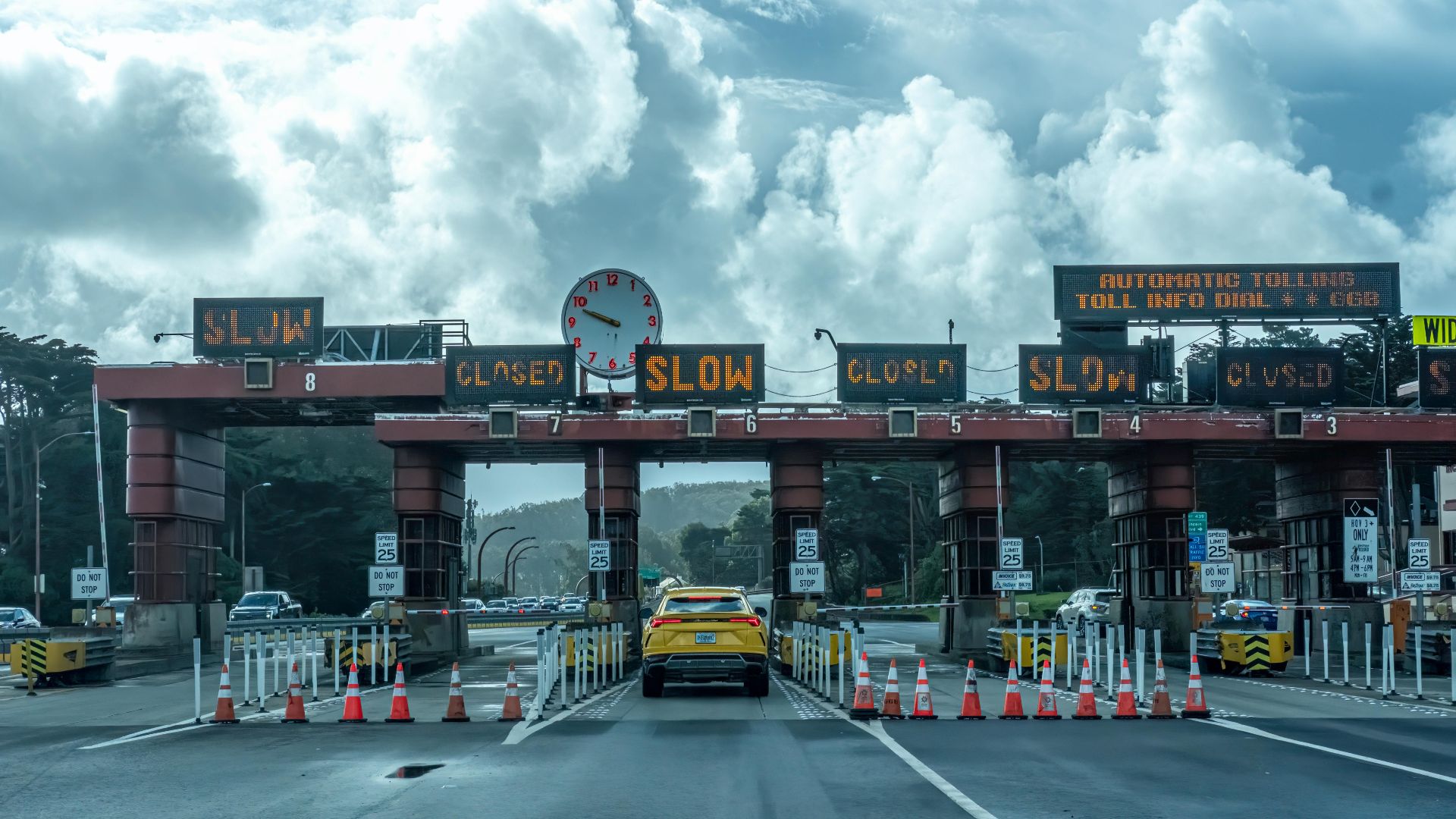
Exposed toll readers receive minimal supervision, and allow debit card data to be captured before issues are detected. While many systems have shifted to contactless payments to reduce fraud, older toll booths remain active in rural areas, where monitoring and updates are less consistent.