When Grief And Money Collide
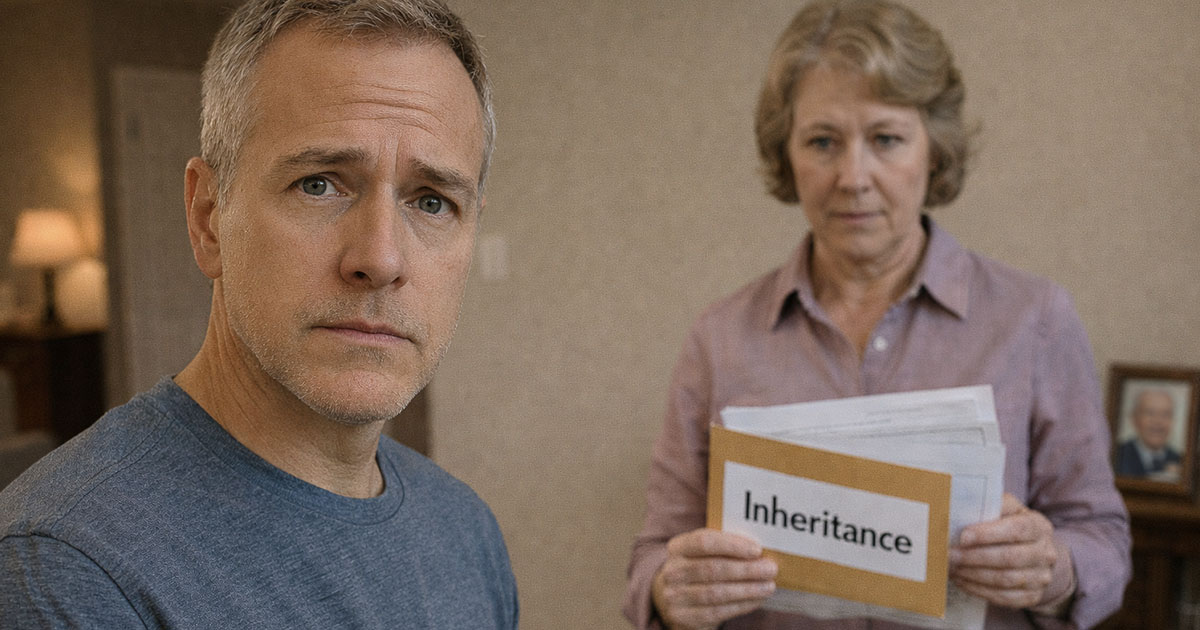
Losing a spouse is devastating enough without legal drama crashing the party. One moment you’re trying to remember how to breathe without them, and the next you’re staring down inheritance claims you never saw coming. This situation feels personal, confusing, and unfair—and you’re not wrong for feeling overwhelmed by it.

The Shock Of “I Left You Everything”
When your husband passed and left everything to you, it likely felt like a final act of love and protection. It was a clear signal: You’re taken care of. So when someone else suddenly appears claiming a share, it can feel like that promise is being undone.

Why This Feels Like A Betrayal
Even if no one did anything “wrong,” this kind of claim can feel deeply personal. You’re not just defending money—you’re defending your marriage, your shared life, and the story you believed about your future. That emotional weight matters, even if the law seems cold about it.

Who Is The Adopted Child, Legally Speaking?
An adopted child is, in the eyes of the law, no different from a biological child. Adoption creates a full legal parent-child relationship, including inheritance rights—unless those rights were explicitly limited in a will or trust.
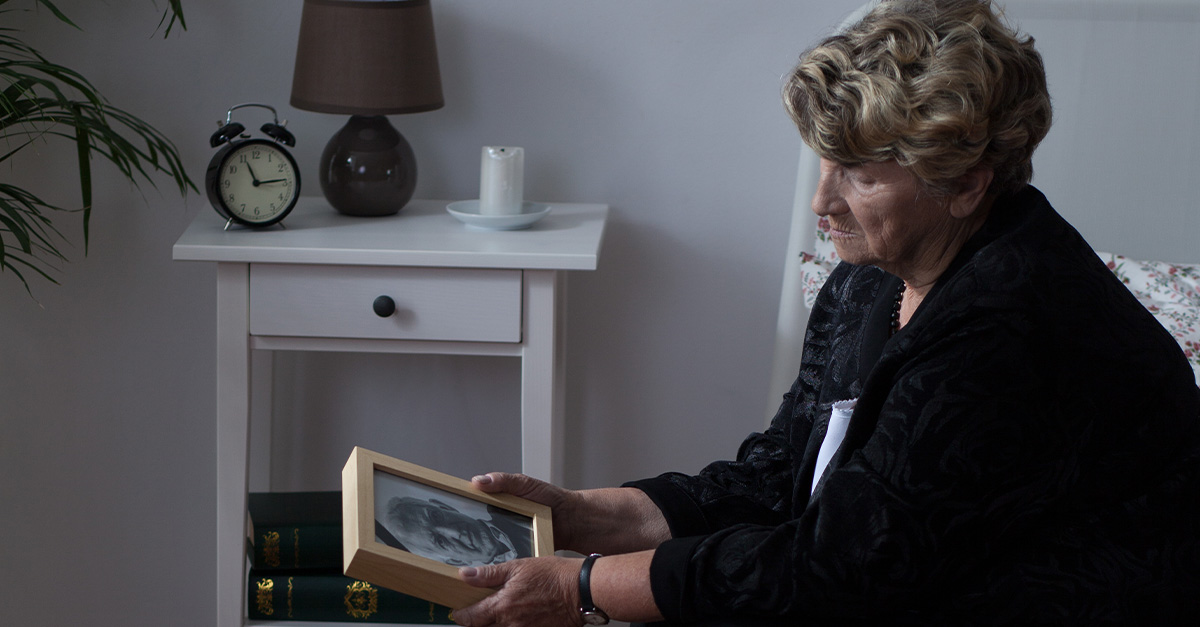
 Karolina Grabowska www.kaboompics.com, Pexels
What The Will Actually Says Matters
The single most important document here is the will itself. Did it name you as the sole beneficiary? Did it mention children at all? Did it include language like “intentionally omitted”? Small wording differences can dramatically change how courts interpret intent.

When A Will Is Clear—and When It Isn’t
If the will clearly leaves everything to you and explicitly excludes other heirs, that strengthens your position. But if it’s vague, outdated, or silent about children, courts may step in to “fill the gaps,” sometimes in ways you didn’t expect.

Pretermitted Heirs And Why They Matter
Many states have laws protecting “pretermitted heirs”—children unintentionally left out of a will. If the adopted child wasn’t mentioned at all, they may argue they were forgotten, not excluded. That argument can carry real legal weight.

Did The Adoption Happen Before Or After The Will?
Timing matters a lot. If the adoption occurred after the will was written, courts are more likely to assume your husband intended to provide for the child but never updated the document. If it happened before, the omission may look more intentional.

Community Property Vs. Separate Property
Depending on where you live, some assets may already be legally yours regardless of inheritance claims. Community property states, for example, typically consider assets acquired during marriage as jointly owned—meaning half was already yours before the will even comes into play.

Not Everything Is Always On The Table
Life insurance policies, retirement accounts, and payable-on-death accounts often bypass the will entirely. If you’re the named beneficiary, those assets are usually protected from inheritance disputes, no matter who is claiming what.

Why Emotions Can Derail Good Decisions
Grief has a way of amplifying fear and anger. That’s normal—but it can also lead to rushed decisions, unnecessary legal battles, or settlements you later regret. Pausing, breathing, and getting clarity is not weakness; it’s strategy.

Before You Panic, Get The Facts
It’s tempting to jump straight to worst-case scenarios. Resist that urge. Gather documents, timelines, and financial details first. Knowing exactly what assets exist and how they’re titled will ground you in reality instead of fear.

Talk To An Estate Attorney—Not The Internet
This is not a Google-your-way-through-it situation. A qualified estate or probate attorney can tell you, quickly and clearly, where you stand. Many offer initial consultations that can save you months of stress and thousands of dollars.

Mediation Might Be A Middle Ground
Not every inheritance dispute has to end in a courtroom showdown. Mediation allows both sides to negotiate with guidance, often preserving assets and sanity. It’s especially worth considering if you want closure more than combat.

Ask Yourself What You Actually Want
Do you want to protect your financial security at all costs? Avoid a prolonged fight? Honor what you believe your husband truly wanted? There’s no “correct” answer—only the one you can live with after the dust settles.

The Cost Of Fighting Isn’t Just Financial
Legal battles drain more than bank accounts. They drain energy, time, and emotional resilience—resources already stretched thin by loss. Sometimes “winning” on paper feels very different in real life.

Boundaries Are Not Cruel
If the adopted child reaches out directly, you’re not obligated to engage without legal counsel. Protecting yourself is not selfish. It’s responsible—especially when emotions and money are both in play.

You Are Not Stealing From Anyone
If the will legally left everything to you, honoring it is not immoral or greedy. Your husband made a choice. Respecting that choice doesn’t erase compassion—it simply acknowledges reality.

Guilt Is A Terrible Financial Advisor
Survivors often feel pressured to “do the right thing,” even when no one can define what that means. Be wary of decisions driven purely by guilt. Generosity should be chosen freely, not extracted under emotional duress.

Rebuild A Team Around You
This isn’t something you should navigate alone. An attorney, a financial advisor, and even a therapist can help you see clearly when grief fogs your judgment. Support is a tool, not a luxury.

What If You Decide To Share Anyway?
If you choose to offer a settlement, do it thoughtfully and legally. Structured agreements can protect you long-term while providing closure. Informal promises or handshake deals often create new problems down the line.

Protecting Your Future Still Matters
You are allowed to prioritize your housing, healthcare, and stability. Being a widow doesn’t mean your needs disappear. Planning for your future is not disrespectful to the past—it’s how you survive it.

This Situation Doesn’t Define You
Inheritance disputes can make people feel judged or villainized. Remember: this is a legal and financial issue layered on top of grief. It does not reflect your character, your love, or your worth.

Grief Changes How We See Everything
What feels urgent today may feel different six months from now. When possible, give yourself time before making irreversible decisions. Healing often brings clarity that panic cannot.

You’re Allowed To Be Conflicted
You can feel sympathy and frustration. You can miss your husband and be angry about this mess. Human emotions are not tidy, and you don’t need to simplify them for anyone else’s comfort.

Finding Peace After The Paperwork
Eventually, the legal process will end. What matters most is that you emerge financially stable, emotionally intact, and at peace with your choices. There’s no perfect outcome—only the one that lets you move forward with dignity.

The Bottom Line
When loss and money collide, confusion is inevitable—but you are not powerless. Learn your rights, protect your future, and make decisions that align with both the law and your values. This chapter is painful, but it doesn’t get to write the rest of your story.

You May Also Like:
More Store Closures Are Coming In 2026 After Losing Thousands In 2025