When The Unthinkable Happens
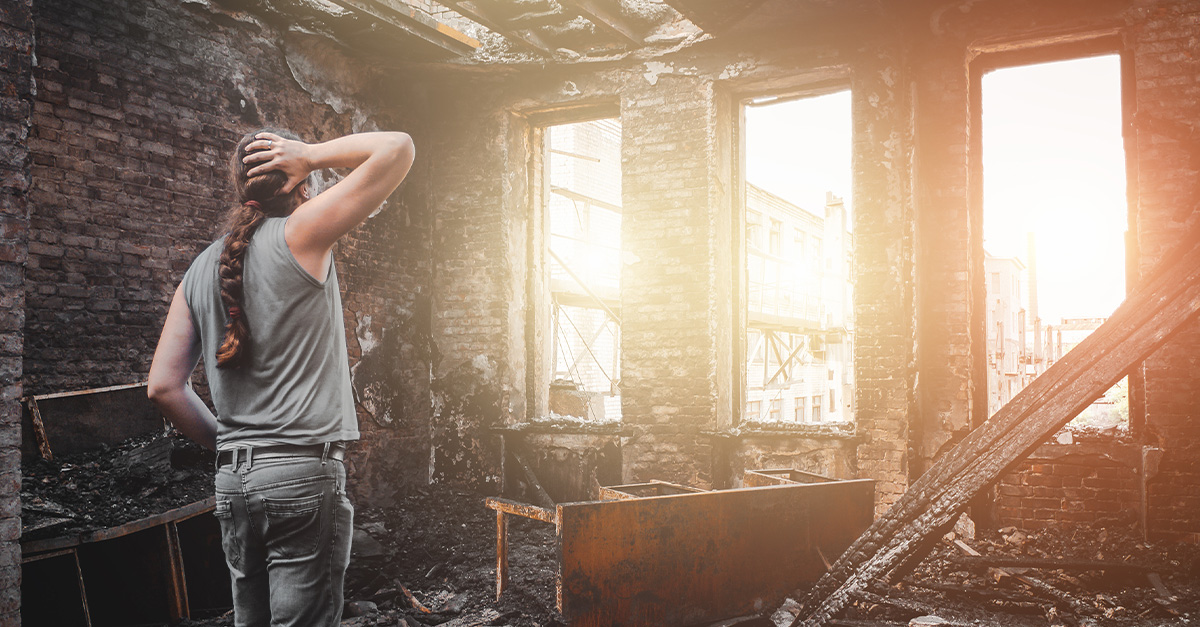
One minute you’re arguing with your smoke alarm for being dramatic, the next you’re standing on the sidewalk watching firefighters do their thing. Your apartment burned down. You had renter’s insurance (good job), but now you find out your landlord wasn’t insured (…what?). Let’s talk through what actually happens next—financially, legally, and emotionally—without the panic spiral.

First Things First: Are You Safe?
Before money, policies, and blame, the only priority is safety. If you were injured, seek medical care immediately and keep records of every visit. Even minor smoke inhalation matters. These records can affect insurance claims and potential liability issues later, so don’t brush them off.

What Tenant’s Insurance Actually Covers
Renter’s insurance is designed to protect you, not the building. Typically, it covers your personal belongings, additional living expenses (like hotels and meals), and personal liability. It does not cover the structure itself. That distinction becomes very important when your landlord turns out to be uninsured.
 LightField Studios, Shutterstock
The Awkward Twist: Your Landlord Wasn’t Insured
This discovery feels shocking—and a little rage‑inducing—but it doesn’t automatically void your coverage. Your renter’s insurance still works the same way. The real problem lands squarely on your landlord, not you, even though their lack of insurance can complicate the bigger picture.

Why Your Landlord’s Insurance Matters (And Why It Doesn’t)
Your landlord’s insurance would normally cover the building and their lost rental income. Without it, they’re exposed to massive losses. But here’s the key point: their mistake does not cancel your renter’s policy. Your insurer doesn’t suddenly shrug and walk away.

What You’re Still Covered For As A Renter
You’re still entitled to coverage for your destroyed or damaged belongings, plus “loss of use” coverage that pays for temporary housing and extra living costs. Think hotels, short‑term rentals, increased food expenses, and even laundry costs if you’re displaced.

Temporary Housing: Where You Sleep Tonight
Loss‑of‑use coverage kicks in fast, sometimes within days. Call your insurer as soon as possible and ask about housing options. Some insurers book hotels directly. Others reimburse you later. Keep every receipt. If it feels annoying now, it’ll feel amazing later when you get reimbursed.

Replacing Your Stuff Without Losing Your Mind
After a fire, everything smells like smoke and emotions run high. Make a list of everything you owned—yes, everything. Clothes, electronics, kitchen junk drawers. Insurers know this is overwhelming, but detailed lists lead to better payouts. Photos, emails, and bank statements help.

Understanding Actual Cash Value Vs Replacement Cost
If your policy pays “actual cash value,” depreciation applies (your five‑year‑old couch gets five‑year‑old couch money). Replacement‑cost coverage pays what it costs to buy a new version today. This difference can mean thousands of dollars, so check your policy carefully.

Filing Your Claim The Smart Way
Call your insurer immediately, even if you don’t have all the details yet. Start the claim, get a claim number, and ask what they need next. Early communication signals cooperation—and that matters more than you might think in complex claims.

Deadlines You Really Don’t Want To Miss
Insurance claims have deadlines for filing, submitting inventories, and providing proof of loss. Miss them and you risk reduced payouts or denial. Put reminders in your phone. This is one of those moments where organization directly equals money.

When The Fire Wasn’t Your Fault
If faulty wiring, an old appliance, or building neglect caused the fire, your landlord may be legally responsible—even without insurance. Your insurer may pay you first and then pursue the landlord through a process called subrogation. That’s their problem, not yours.

When The Fire Might Have Been Your Fault
If the fire started due to something you did (hello, unattended candle), renter’s insurance still usually covers your belongings and housing. Liability coverage may also protect you if the landlord sues—up to your policy limits. This is where having insurance really proves its worth.

Can Your Insurer Go After Your Landlord?
Yes. If your insurer believes the landlord’s negligence caused the fire, they can attempt to recover their payout from the landlord. This doesn’t reduce your claim. It just means the insurance companies and lawyers start arguing so you don’t have to.

Can You Go After Your Landlord?
Possibly. If the landlord violated housing codes, failed to maintain the property, or misrepresented insurance coverage, you may have legal options. This is highly state‑specific, so a tenant‑rights attorney or legal aid clinic can help you assess whether it’s worth pursuing.

What Happens To Your Lease Now?
In many cases, a fire makes the apartment legally uninhabitable, which can terminate the lease. That means no more rent obligations going forward. Check your lease language and local tenant laws to confirm how this works where you live.

Rent, Deposits, And The Question Everyone Asks
You generally don’t owe rent for a unit you can’t live in. Your security deposit should be returned, minus legitimate deductions. If the landlord is financially wrecked, collecting may be tricky—but legally, the money is still yours.

Dealing With Utilities, Subscriptions, And Mail
Cancel utilities immediately to avoid surprise bills. Update your address with banks, insurers, and employers. Forward your mail. These small admin tasks prevent financial headaches at a time when you really don’t need more stress.

Documenting Losses Like A Pro
Take photos and videos of damage if access is allowed. Save adjuster emails, claim letters, and receipts in one place. Cloud storage is your friend here. If something feels important, save it. Future‑you will be grateful.

Working With Adjusters Without Getting Steamrolled
Adjusters aren’t villains, but they do work for the insurance company. Be polite, thorough, and persistent. If an offer seems low, ask how it was calculated. You’re allowed to push back—with facts.

When To Consider A Lawyer (And When Not To)
If injuries are involved, large sums are at stake, or the landlord is hostile, a lawyer can help. For straightforward renter’s insurance claims, you usually don’t need one. Free legal aid organizations are a great first stop.

Government Aid And Disaster Assistance Options
If the fire is part of a larger declared disaster, you may qualify for government assistance, grants, or low‑interest loans. These programs don’t replace insurance but can fill gaps, especially for immediate needs.

Tax Breaks You Might Not Know About
Some uninsured losses may be tax‑deductible in specific circumstances. This is highly nuanced, but it’s worth asking a tax professional before filing. Disasters sometimes come with small silver linings—emphasis on small.

Emotional Fallout Is Financial Too
Displacement, stress, and grief affect your ability to work and make decisions. Give yourself grace. If counseling or mental‑health services are needed, check whether your insurance or employer benefits help cover them.

Common Myths That Make Bad Situations Worse
Myth: “My landlord’s lack of insurance ruins me.” False. Myth: “I should wait before calling my insurer.” Also false. Acting quickly and understanding your rights makes a massive difference in outcomes.

How To Protect Yourself Next Time
In the future, confirm landlord insurance in writing, choose replacement‑cost coverage, and photograph your belongings annually. Renter’s insurance is cheap—but only powerful when it’s set up correctly.

You’ll Get Through This
A fire is chaotic, unfair, and exhausting—but financially, you’re not starting from zero. Your renter’s insurance still matters, your landlord’s mistake isn’t yours to fix, and step by step, this mess becomes manageable. You’ve got this—even if it doesn’t feel like it yet.

You May Also Like: