
Not Much Left To Hold Onto
Your father just passed away, leaving very little money or property behind. When you went to try to clean out his apartment, the landlord informed you that you first have to pay the outstanding rent. You’re grieving, overwhelmed, and not even sure if you’re legally responsible for paying rent that was your father’s responsibility, not yours.

You Aren’t Responsible For His Rent
As a general rule, the child doesn’t inherit their parent’s debts. Rent owed at the time of the parent’s death typically is assigned to the estate, not surviving children. Unless you co-signed the lease or personally agreed to pay, the landlord normally can’t demand payment from you directly.

The Estate Owes Any Unpaid Rent
Any money owed goes against the estate, even if the estate has little or nothing in it. If your father didn’t leave any assets or only minimal ones, the landlord may simply be out of luck, as unfortunate as that is. Creditors cannot collect what does not exist.

The Lease Doesn’t Transfer To You
A lease doesn’t transfer automatically to family members after death. If you weren’t a tenant or co-signer, you didn’t assume the lease obligations. The landlord has absolutely no right to retroactively turn you into a tenant just because you’re the one left to handle your father’s affairs.

Landlords Often Use Pressure Tactics During Grief
Some landlords may pressure family members to pay up simply because they know estates are confusing and emotional. This doesn’t make the demand lawful. In fact, it’s wrong. Knowing your rights, and understanding where they begin and end helps you avoid paying money you do not actually owe.

Cleaning Out The Apartment Is Usually Allowed
Many jurisdictions allow next of kin or executors to access the apartment to retrieve belongings by law, even if rent is still owing. The landlord may restrict access only under highly specific legal procedures, and not as leverage to demand payment.

Get Everything In Writing
Get the landlord’s demand in writing, including why they believe you owe rent personally. This often puts the brakes on improper demands and generates a paper trail. Avoid making any verbal promises or on-the-spot payments that can tie your hands while you clarify your legal position.
If You’re The Executor Or Administrator
If you’re the executor or court-appointed administrator, your duty is to act on behalf of the estate, not yourself. That role doesn’t make you personally liable for the estate’s debts. It simply means you handle the claims using whatever assets exist in the estate.

If There Are No Assets, Say So
If your father’s estate has little or no money, then you’re legally entitled to state that plainly in writing. Many creditors stop pursuing payment once they get it through their heads that the estate is insolvent. There is no obligation to use your own personal funds to make creditors whole.

The Landlord May Have A Claim Against The Estate
The landlord can file a claim against the estate for unpaid rent. But again, if the estate lacks the necessary funds, the claim goes unpaid. That’s a perfectly normal outcome in probate, not misconduct on your part.

Watch For Illegal Self-Help Tactics
Some unscrupulous landlords will threaten to lock out family members or even discard belongings. That may violate tenant and estate laws. Personal property normally has to be handled through lawful abandonment or estate procedures, not unilateral disposal.

Don’t Mix Your Money With The Estate
You shouldn’t be paying any rent from your personal account unless advised to do so by an attorney. Once you pay, it can be hard to recover the money. Keeping your own finances separate from the estate protects you from unintended liability.
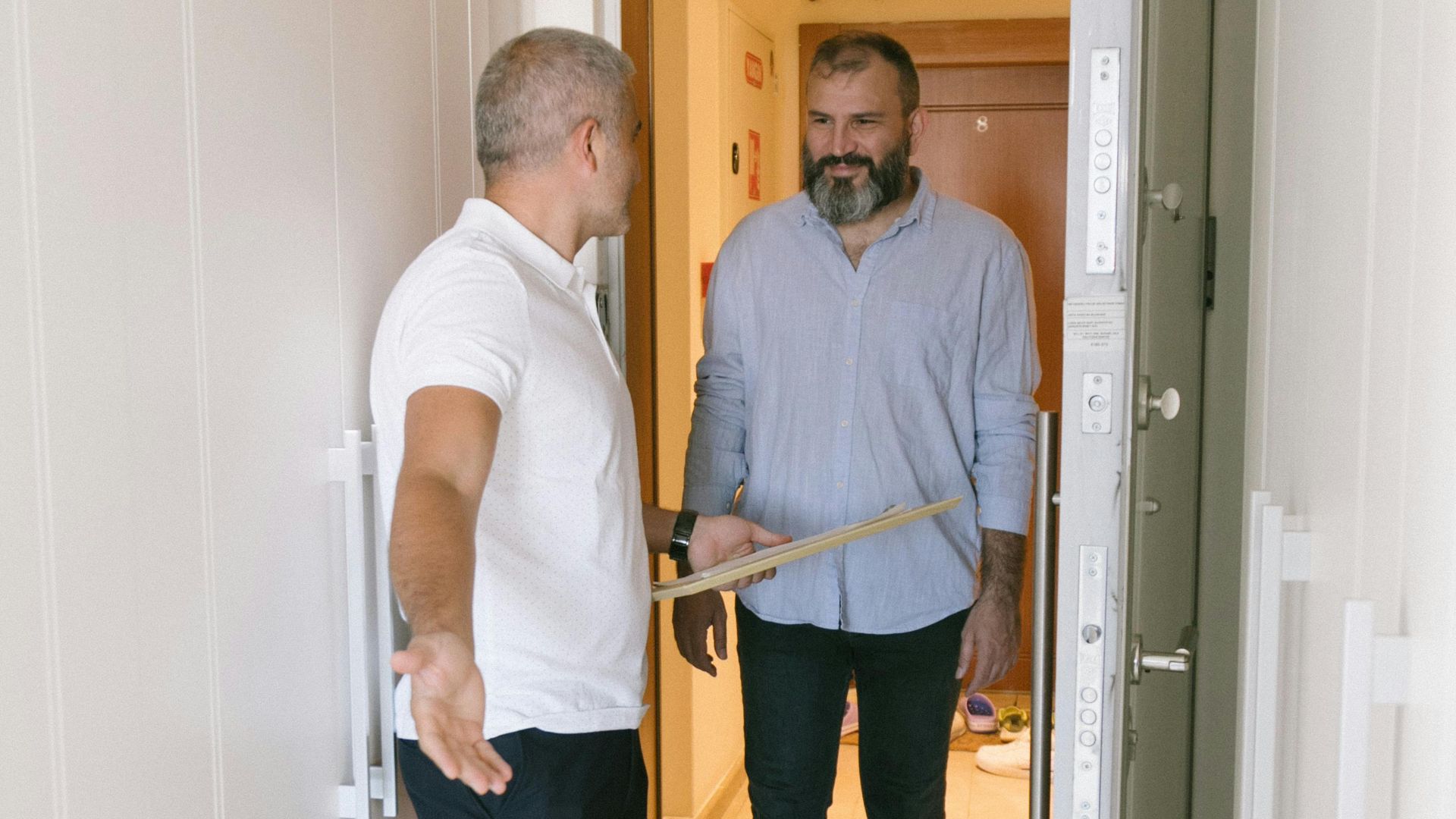
 Photo By: Kaboompics.com, Pexels
Short Access Agreement
You can request limited access to remove your dad’s belongings without having to pay his outstanding rent. Many landlords agree once they understand you’re not trying to live there or delay turnover. A brief written agreement is usually sufficient to defuse the conflict.

Consider Involving The Probate Court
If the landlord continues to block access unfairly, probate court can clarify your rights quickly. Courts generally prioritize estate administration and take a very dim view of creditors who try to hold property hostage to extract payment. They will put a stop to that nonsense quickly.

Local Tenancy Laws May Still Apply
Even after death, tenant laws often govern how and when a landlord can retake possession. Notice periods and procedures matter. A landlord cannot usually bypass these rules just because the tenant has died.

Free Or Low-Cost Legal Help May Be Available
Legal aid clinics and probate hotlines are accustomed to handling exactly these kinds of disputes. A short conversation with them can confirm that you’re not personally liable and give you some firm legal language to end improper demands.

Emotional Pressure Doesn’t Create Legal Duty
Depending on your personality and experience with this kind of thing, you may feel a moral pull to “do the right thing,” especially while grieving. But honoring your father doesn't mean paying debts you don't owe. That attitude leaves you at risk of being taken advantage of by people like this landlord. Preserving your own financial stability matters, too.

If You Pay Voluntarily, It’s Final
Once you pay your dad’s rent voluntarily, you typically can’t force reimbursement later. That’s why it’s so critical to understand your position first, before you do anything. Creditors tend to rely on voluntary payments when their own legal claims are weak.

Keep Records Of Everything
Save every text, email, and letter from the landlord. Documentation protects you if disputes escalate or if belongings go missing, which, judging by the landlord’s behavior, is not out of the question. Written records often resolve conflicts a lot more quickly and comprehensively than emotional back-and-forth.

Think Before You Act
You aren’t responsible for your father’s rent unless you personally agreed to be. The landlord can pursue the estate all he wants, but he cannot pursue you personally. Slow down, keep all your payments separate, get any demands in writing, and seek brief legal guidance before you allow yourself to get roped into doing anything.

You May Also Like: