A Life, A Loss And A Big Stack Of Cash
After your dad passed away, you and your brother were absentmindedly rummaging through his belongings. Then you were thunderstruck to find $32,000 in cash that he had squirreled away in the house. Your brother is over the moon, and wants to tuck it back into a safe to spend as he likes, but you’re uneasy. You worry about legal, tax, and financial risks if that money never sees a bank account. Understandably, you’re wondering what’s actually the right way to handle this money for both of you.

Finding Cash After A Death Gets Complicated
Finding cash while you were rooting around in drawers in your deceased parent’s home will raise more than a few eyebrows. It isn’t just the found money — it actually becomes part of your father’s estate and must be handled according to law. Paying bills, passing on inheritances, and settling taxes all flow through the estate process, and undisclosed assets can cause you some serious legal headaches if they’re not reported properly.

Estate Administration And Legal Responsibility
When someone dies, their estate, that is, all of their assets, must be collected, inventoried, and used to pay off debts and taxes before beneficiaries get their share of what’s left. Executors named in a will or administrators appointed by a court are legally responsible for reporting all assets, including cash found after death. Failing to do this can expose you to liability.

You Can’t Just Hide The Money In A Safe
While it may be tempting to put the cash in a personal safe and spend it at your leisure, once your father is deceased, that money is no longer solely yours or your brother’s to use. Treating it like private property could violate estate laws, fiduciary duties, and tax reporting requirements, especially if other heirs or creditors exist.

What The IRS And States Expect
The Internal Revenue Service and many states require executors to report the fair value of all assets in estate tax returns and probate filings. Unreported cash can lead to penalties, back taxes, or claims of fraud if found out later, even years down the road when someone audits the estate or files a claim.

Start With The Estate Inventory
The first step is to make that cash part of the official estate inventory before you do anything else. Document it carefully with exact counts, dates, and the circumstances of discovery. This generates a clear paper trail and protects both you and your brother from being ensnared in any future disputes with heirs or tax authorities.

Talk To The Executor Or Probate Court
If your father named an executor in his will, they are the one who should handle the money. If there’s no will, a probate court may appoint an administrator. In either case, the executor or administrator is obligated to account for all estate assets, including any large sums of cash found lying around after death, before distribution.

Should You Deposit The Cash Into A Bank?
Once the cash is properly inventoried as part of the estate, the safest and most transparent approach is usually to deposit the cash into an estate account at a bank. An estate account is kept apart from personal accounts and is used to settle debts, expenses, and taxes before inheritances are doled out to beneficiaries.

Choosing Lump Sum Versus Smaller Deposits
From a purely practical point of view, depositing a large amount all at once can trigger bank reporting requirements under Bank Secrecy Act rules, such as currency transaction reports for deposits over $10,000 dollars. It’s legal to deposit it all at once, but the bank will report it. Splitting deposits doesn’t avoid reporting and can look suspicious if you do it to evade the rules. You won’t be fooling anybody.

What Happens With Bank Reporting Rules
Banks are required to file a Currency Transaction Report for all cash deposits over $10,000. This isn’t a penalty or accusation, it’s a legal requirement. Trying to avoid reporting by making smaller deposits, a practice known as structuring, can itself be illegal and draw unwelcome scrutiny.

Opening An Estate Bank Account
To avoid confusion or personal liability, open an estate bank account in the name of the estate once probate begins. Funds deposited into that estate account are clearly identified and separated from personal finances, making accounting easier and protecting you from any claims of impropriety.

Documentation You’ll Need At The Bank
To open an estate account and deposit the cash, the bank will normally want the deceased’s death certificate, the executor’s identification, and probate documentation. Bringing these in early helps the process go smoothly and shows that you’re following the proper legal protocol.

Estate Debts Are Paid First
Before beneficiaries get anything, estate debts and obligations must be satisfied. This includes funeral expenses, creditor claims, and possibly taxes. The estate account is where these are paid from, not from personal bank accounts, which is why proper deposit matters.

Keeping Records For Heirs And Auditors
Keeping meticulous records of every dollar deposited and spent from the estate account protects everyone involved. If someone comes back later and starts probing around, asking how money was handled, clear documentation makes the answers straightforward and avoids damaging disputes.

You Vs Your Brother
If you and your brother disagree about what to do with the money, try to resolve it together or with the executor’s guidance. Try to restrain yourselves from spending or withholding funds. The conflict may drag on interminably, in which case your brother could become sullen and/or difficult to deal with. In this case, a mediator or attorney can help the two of you work through things and ensure that decisions align with legal requirements and family fairness.

Legal Advice And Financial Guidance
Estate law and tax law can be complex. Consulting an attorney with experience in probate matters and a tax professional familiar with estate tax implications ensures that you handle the cash properly and don’t run into unexpected penalties or liabilities later.

After Debts And Taxes Are Settled
Once estate debts and taxes are paid off in full, anything left can be distributed to heirs according to the will or state law. At that point, if the estate closes and you each get your share, you can decide how to handle your portion in a bank, investments, or otherwise.

Keeping It In A Safe Is Risky
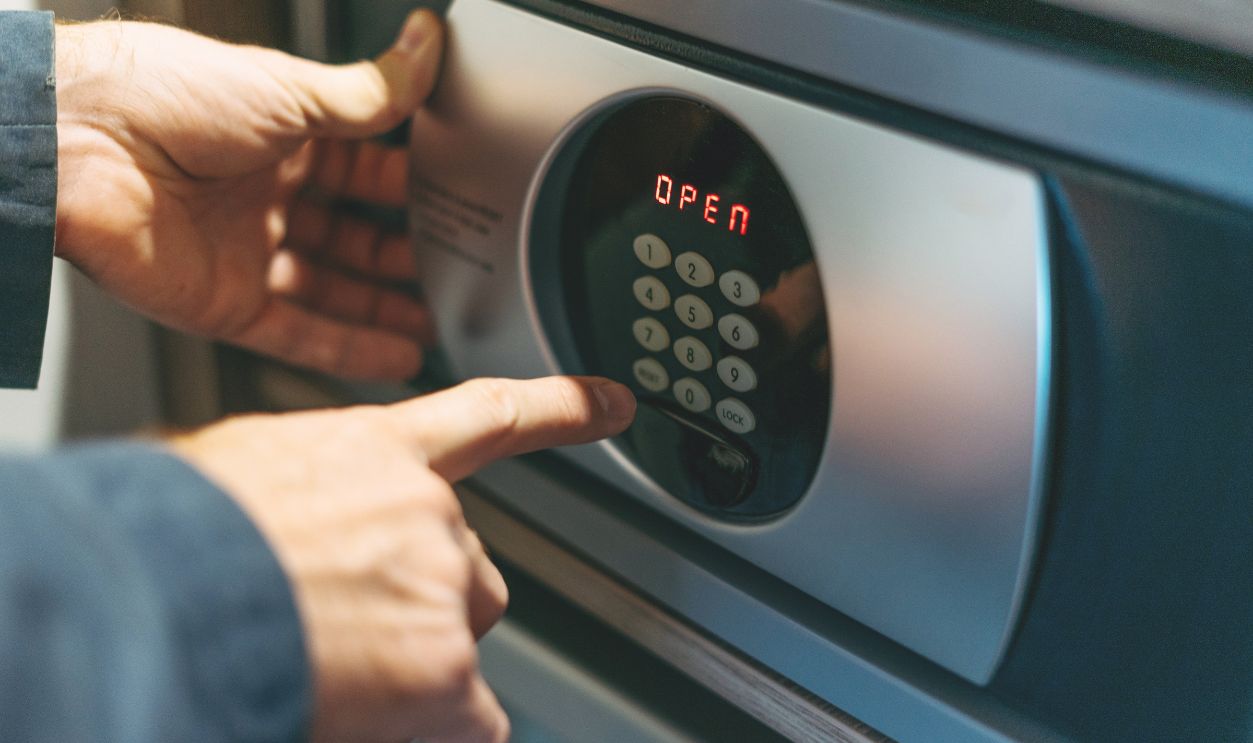
Even with the best intentions, keeping large amounts of cash in a home safe invites risk such as theft, loss, fire, or flood. Banks, credit unions, and estate accounts are all insured, traceable, and designed to protect significant assets far better than a home stash ever could.
 Galina Zhigalova, Shutterstock
Moving Forward With Confidence
Finding cash in a loved one’s home can feel like a glorious windfall! But it also carries responsibility. By treating it as part of your father’s estate, opening an appropriate account, and following legal and tax protocols, you protect yourselves and honor your family’s legacy responsibly and transparently.

You May Also Like: