

A Confusing Discovery
You notice your husband regularly buying large money orders with a rewards credit card, then depositing them into a bank account and paying the card off almost immediately. He maxes out your joint credit card to claim to get the maximum points. It seems a bit chaotic, and looks suspicious. You may wonder whether he is committing fraud. The answer is more nuanced than a simple yes or no.
 AlyshaYogi, Shutterstock; Factinate
Understand Manufactured Spending
What you are describing closely resembles a practice known as manufactured spending. The goal is to generate legitimate credit card purchases that earn points, miles, or cash back without permanently increasing household spending. Many travel enthusiasts have used variations of this strategy for years.

Not Automatically Illegal
Buying money orders is not, by itself, illegal in the United States. Neither is paying off your credit card with money that originated from your own accounts. Criminal fraud generally requires deception for unlawful financial gain, which is different from simply maximizing credit card rewards.

Banks See Patterns
Financial institutions routinely monitor unusual account activity. Large numbers of money order purchases, rapid deposits, and repeated payments may trigger automated reviews. That does not necessarily mean anyone believes a crime occurred, but it can lead to additional questions or temporary account restrictions.

Terms Still Matter
Even if the activity is lawful, it may violate the terms and conditions of certain credit card rewards programs. Card issuers reserve the right to deny bonuses, close accounts, or confiscate rewards if they determine someone is abusing promotional offers or earning points in prohibited ways.

Rewards Have Limits
Many credit card welcome bonuses are intended for ordinary consumer spending. If an issuer concludes purchases were primarily made to manufacture rewards instead of buying goods or services, it may refuse to honor those bonuses or even shut down future participation in the program.

Merchant Policies Differ
Not every retailer allows customers to purchase money orders with a credit card. Some accept only debit cards or cash. Others have strict dollar limits or require identification. Availability varies widely depending on the business and the location.
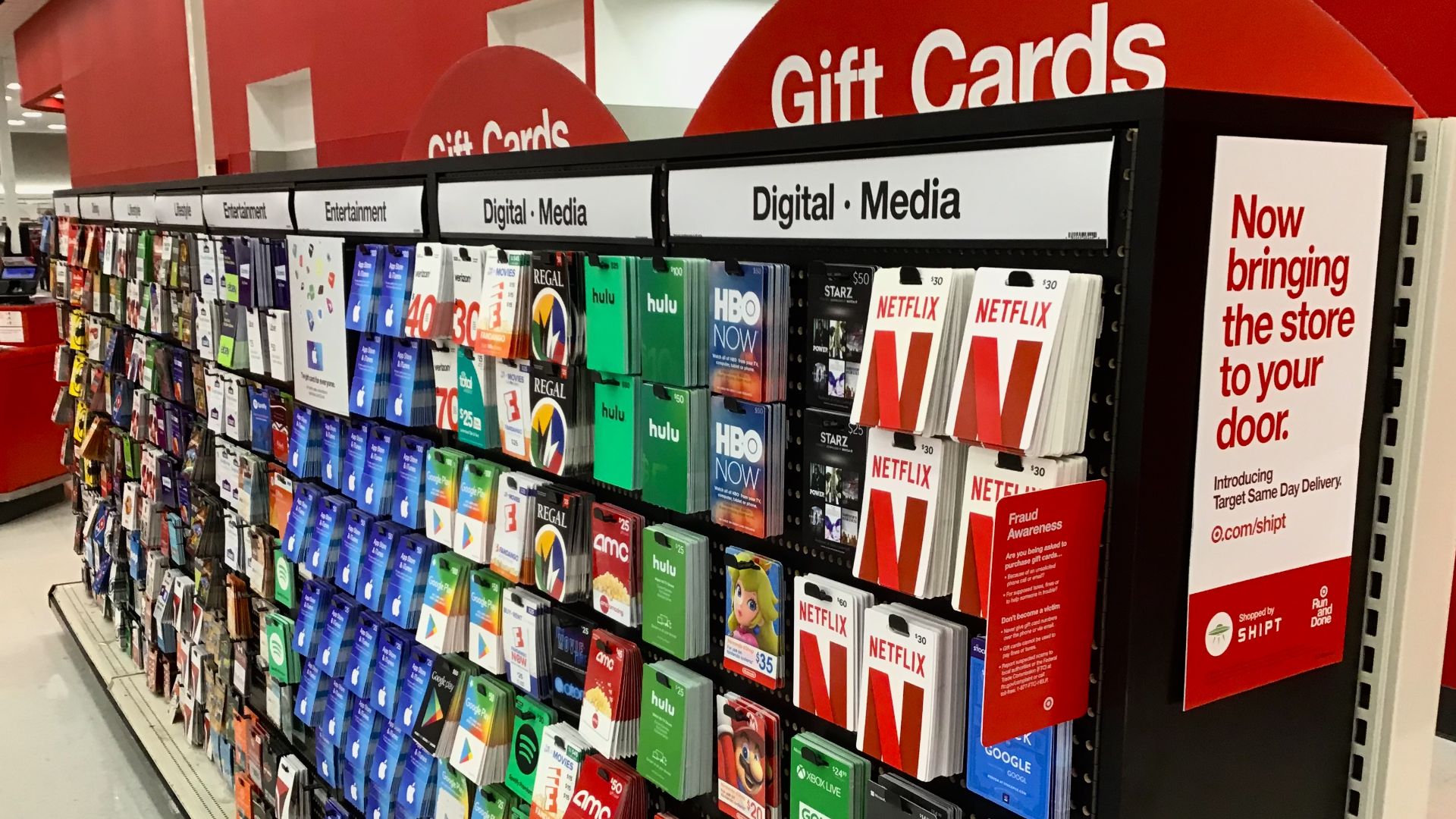 Mike Mozart from Funny YouTube, USA, Wikimedia Commons
Banks File Reports
Banks and credit unions are required to monitor transactions for suspicious activity under federal anti-money laundering laws. If unusual behavior appears inconsistent with a customer's normal financial profile, employees may review the account or file required reports without notifying the customer.

Suspicious Is Different
A transaction can appear unusual without being illegal. Financial institutions evaluate patterns, context, and customer history before deciding whether further review is appropriate. Honest customers sometimes experience temporary holds simply because their activity falls outside expected norms.
Communication Matters
If your spouse never explained what he was doing, your concern is understandable. Secretive financial behavior often creates more anxiety than the activity itself. Healthy financial relationships depend on transparency, especially when significant amounts of money are moving through shared accounts.

Ask Direct Questions
Rather than assuming wrongdoing, ask your husband exactly how the process works. Find out why he buys money orders, how the balances are repaid, whether any debt remains outstanding, and what rewards he expects to earn from the transactions.

Watch For Debt
One reassuring sign is whether every credit card balance is paid in full before interest begins accumulating. Manufactured spending generally becomes much less attractive if finance charges outweigh the value of rewards earned through the strategy.

Separate Fraud Concerns
Fraud usually involves lying to obtain money or property that does not belong to you. Simply purchasing financial instruments with your own available credit is different from identity theft, forged documents, or intentionally deceiving a lender about material facts.
Consider Financial Risk
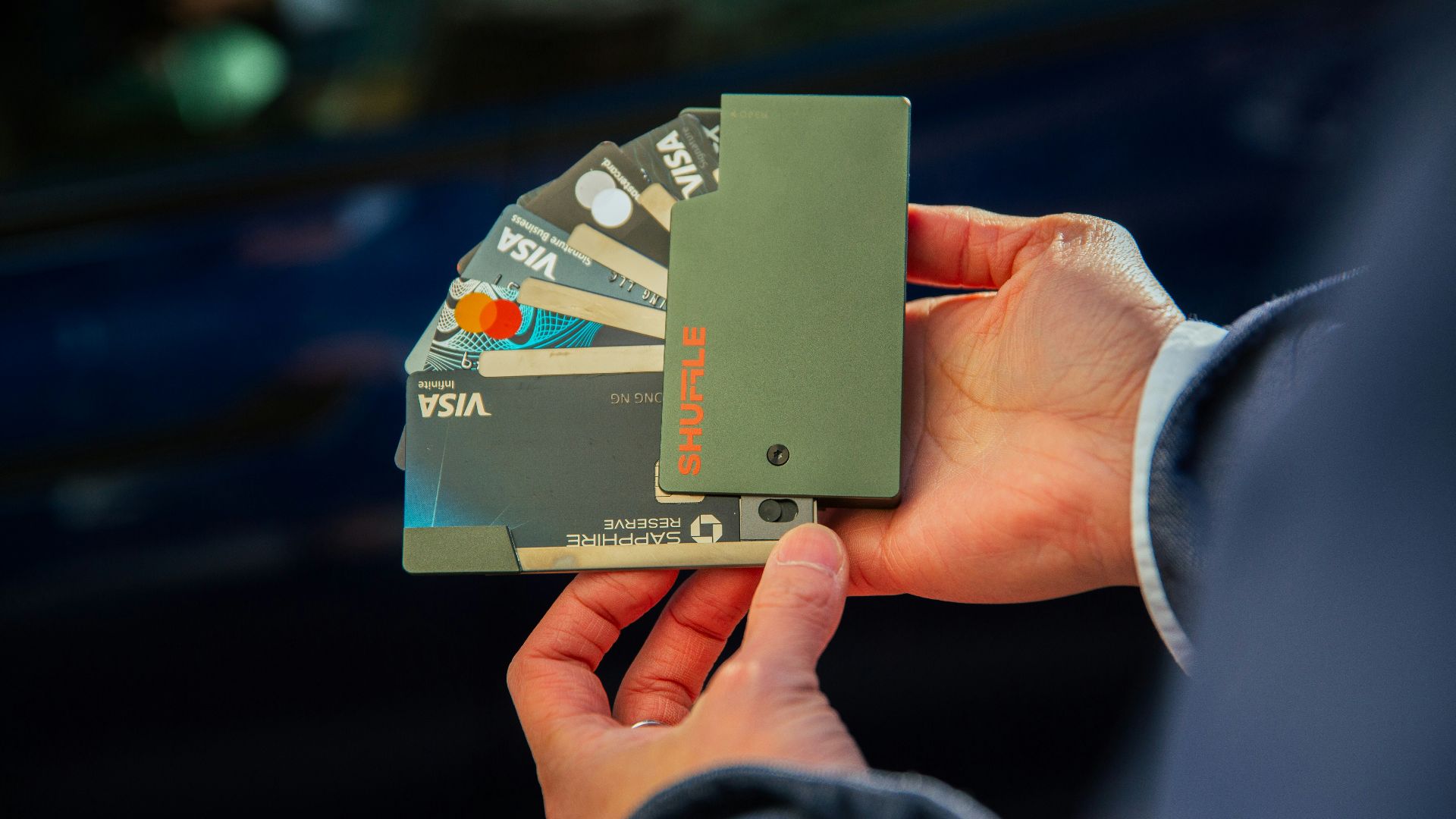
Even legal strategies carry risks. A frozen account, canceled rewards card, or mistaken fraud investigation could temporarily disrupt your family's finances. Think beyond the rewards themselves and consider how much inconvenience your household could tolerate.
Shared Accounts Matter
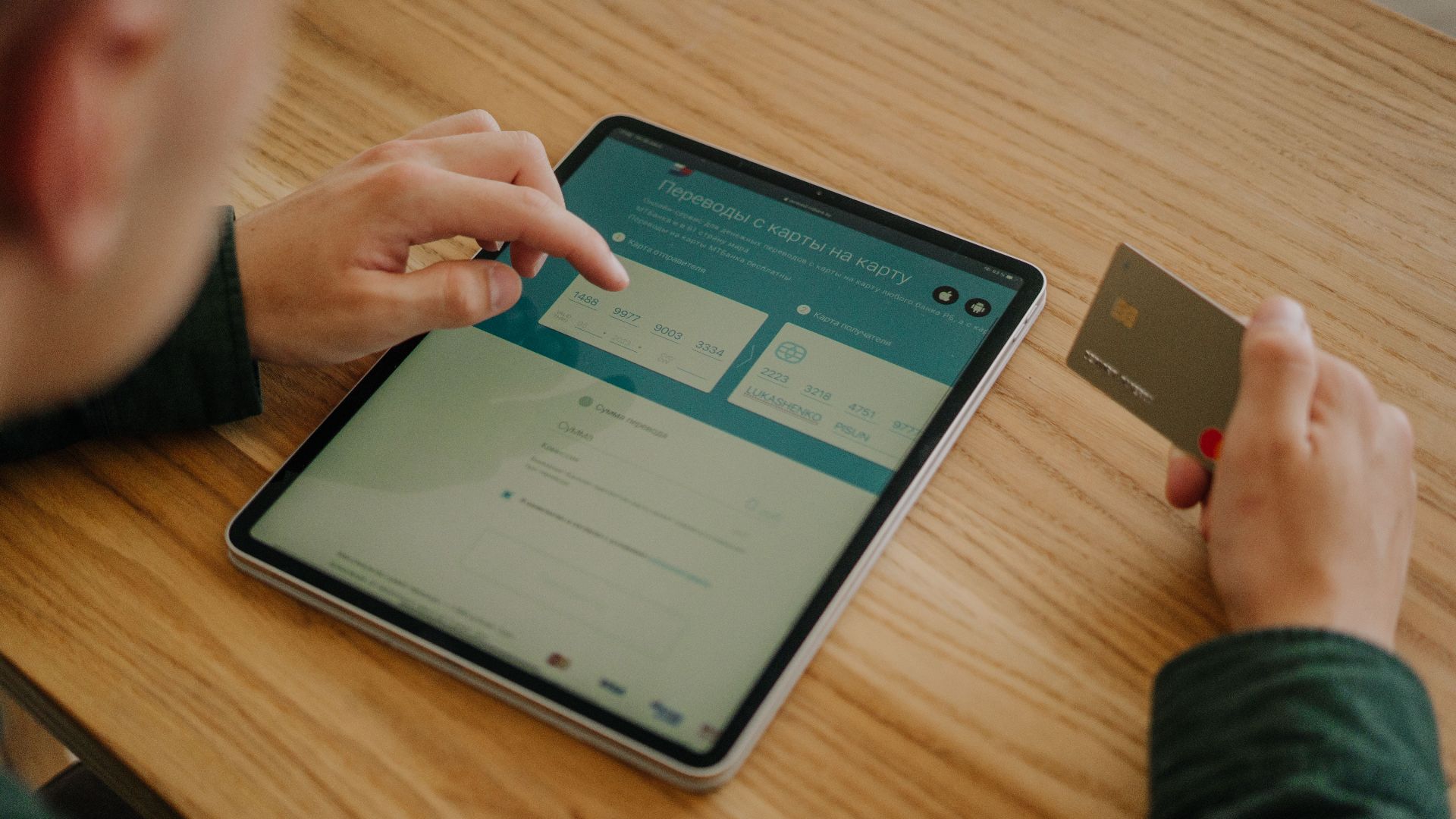
If your joint checking account handles your mortgage payments, emergency savings, and everyday bills, you may not want unusually complex reward strategies running through that same account. Separating routine household finances from experimental activities can reduce potential disruptions.

Credit Scores Count
Opening numerous credit cards within a short period can temporarily lower credit scores through hard inquiries and reduced average account age. While responsible management often minimizes long-term effects, frequent applications should fit into your broader financial goals.

Closing Cards Carefully
Some people close new cards immediately after earning welcome bonuses, but doing so can create additional concerns with card issuers. In many situations, converting a card to a no annual fee version instead of canceling it outright may be the better long-term approach.

Keep Good Records
Maintain organized records showing where the money originated, where it went, and how each credit card was repaid. Clear documentation makes it easier to answer questions from banks and resolve misunderstandings if account activity is reviewed.

Don't Hide Activity
Trying to conceal transactions from financial institutions or family members creates unnecessary problems. Honest disclosure within your household and accurate information provided to banks are far better than hoping nobody notices unusual financial patterns.

Evaluate The Rewards
Before continuing, compare the value of the points earned against annual fees, time spent driving between stores, potential account closures, and administrative hassle. What appears profitable on paper may produce only modest real-world financial benefits.

Know Your Comfort Level
You do not have to participate simply because your spouse enjoys the strategy. If complicated financial techniques make you uncomfortable, it is reasonable to discuss limits, separate accounts, or different approaches that better match your family's risk tolerance.

Protect Household Finances
Keep emergency savings, mortgage payments, and essential bill-paying separate from any rewards experiments whenever practical. If something goes wrong with one account, your family's core financial obligations should remain unaffected.

When To Seek Help
If you discover hidden debt, unpaid balances, forged signatures, tax problems, or intentionally false information provided to banks, the situation moves well beyond rewards optimization. At that point, consulting a qualified attorney or certified public accountant may be appropriate.

The Bottom Line
Your husband's rampant money order and gift card purchases are not automatically fraudulent simply because they appear unusual. However, they can violate card issuer rules, attract bank scrutiny, and create unnecessary financial complications. Understanding the risks together is far more valuable than assuming either complete innocence or criminal wrongdoing.

You May Also Like:





.jpg)