Groceries Are More Expensive Than Ever In 2026. Here Are The Reasons Why.

Groceries Are More Expensive Than Ever In 2026. Here Are The Reasons Why.


April 1, 2026 | J. Clarke

Groceries Are More Expensive Than Ever In 2026. Here Are The Reasons Why.


When Your Grocery Bill Starts Feeling Personal

Grocery shopping used to be one of those routine errands you didn’t think twice about—grab a few things, maybe toss in a treat, and head out. Now? It feels like every trip ends with you staring at the total wondering how it got that high. Even as inflation headlines calm down, your receipt is telling a completely different story.

So what’s actually behind these stubbornly high prices? Let’s break it down in plain English.
photo-of-elderly-woman-buying-groceriesKampus Production, Pexels.com

Advertisement

Supply Chains Still Aren’t Back To Normal

Even though things look more stable than a few years ago, the supply chain never fully snapped back to what it used to be. There are still delays, inefficiencies, and added steps that make everything more expensive to move around. By the time food makes it from farms to shelves, those extra costs are already baked in.
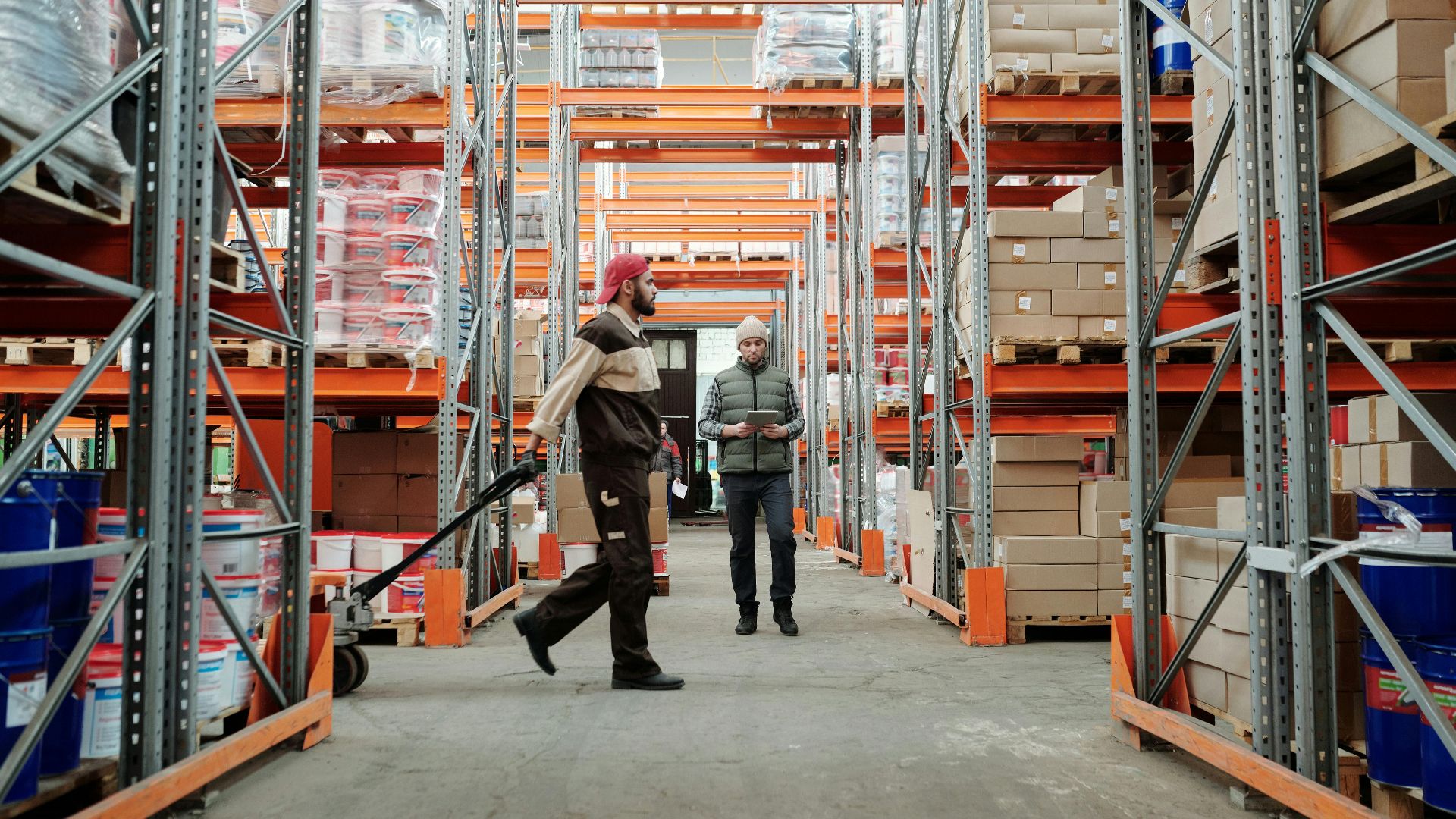
Two workers manage inventory in a spacious warehouse aisle.Tiger Lily, Pexels

Advertisement

Workers Cost More—And That Adds Up

Wages have gone up across the board, from farm labor to grocery store employees, and that’s something businesses have to account for. When it costs more to hire and keep workers, those expenses don’t just disappear—they show up in the price of your groceries. It’s one of those invisible costs you don’t notice until checkout.
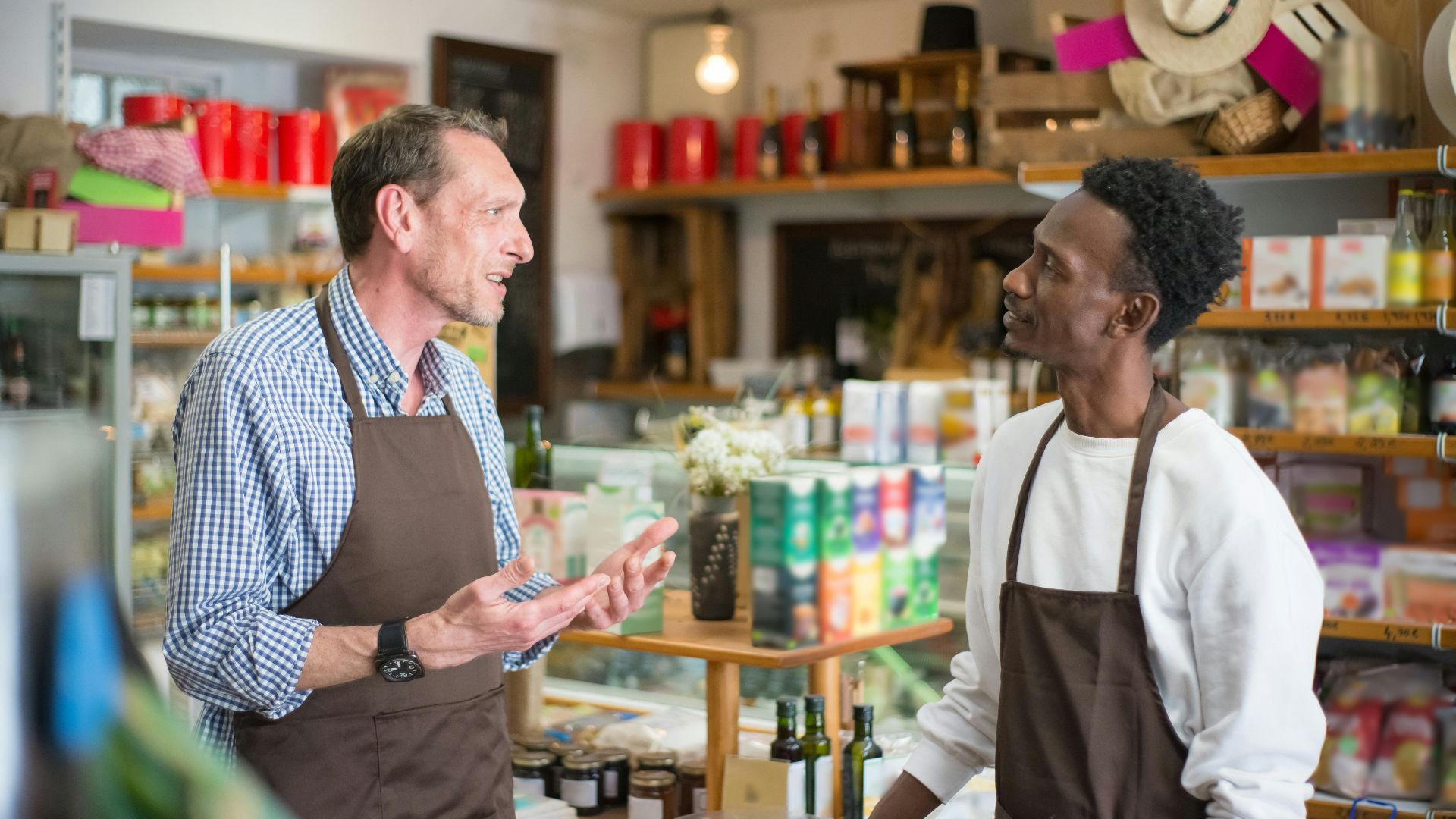
Two colleagues in aprons conversing in a grocery store setting.Kampus Production, Pexels

Advertisement

Weather Is Messing With Food Supply

Unpredictable weather has made farming a lot harder than it used to be. Droughts, floods, and weird growing seasons mean crops don’t always produce the same yields. When there’s less food available, prices naturally climb—and sometimes fast.
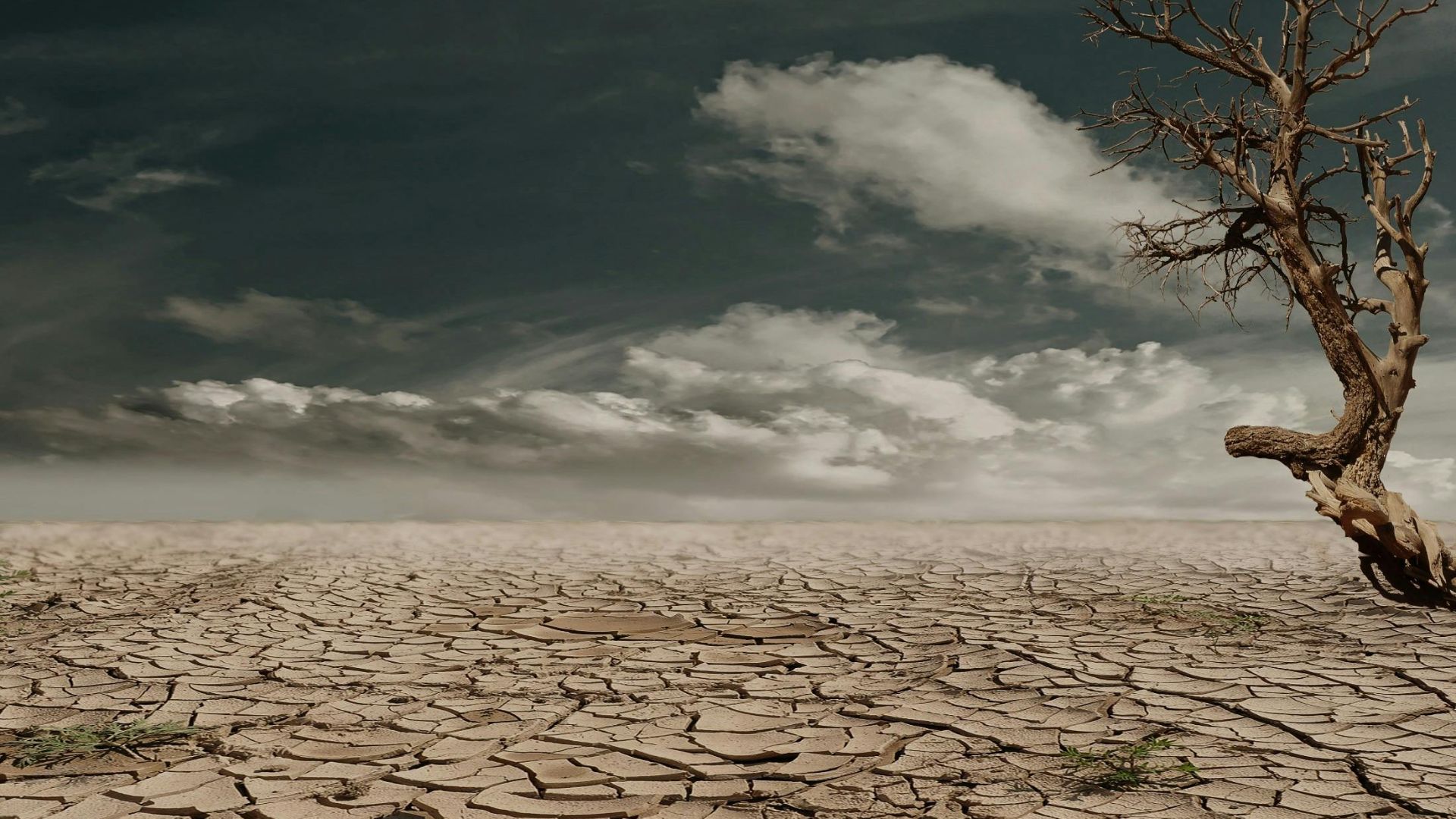
A solitary tree stands against a cracked, arid landscape under a cloudy sky, illustrating drought and desertification.Pixabay, Pexels

Advertisement

Energy Costs Are Quietly Raising Prices

It takes a surprising amount of energy to get food onto your plate, from farming equipment to refrigeration and shipping. When gas or electricity prices go up, it doesn’t take long for grocery prices to follow. It’s not obvious, but it affects nearly everything you buy.
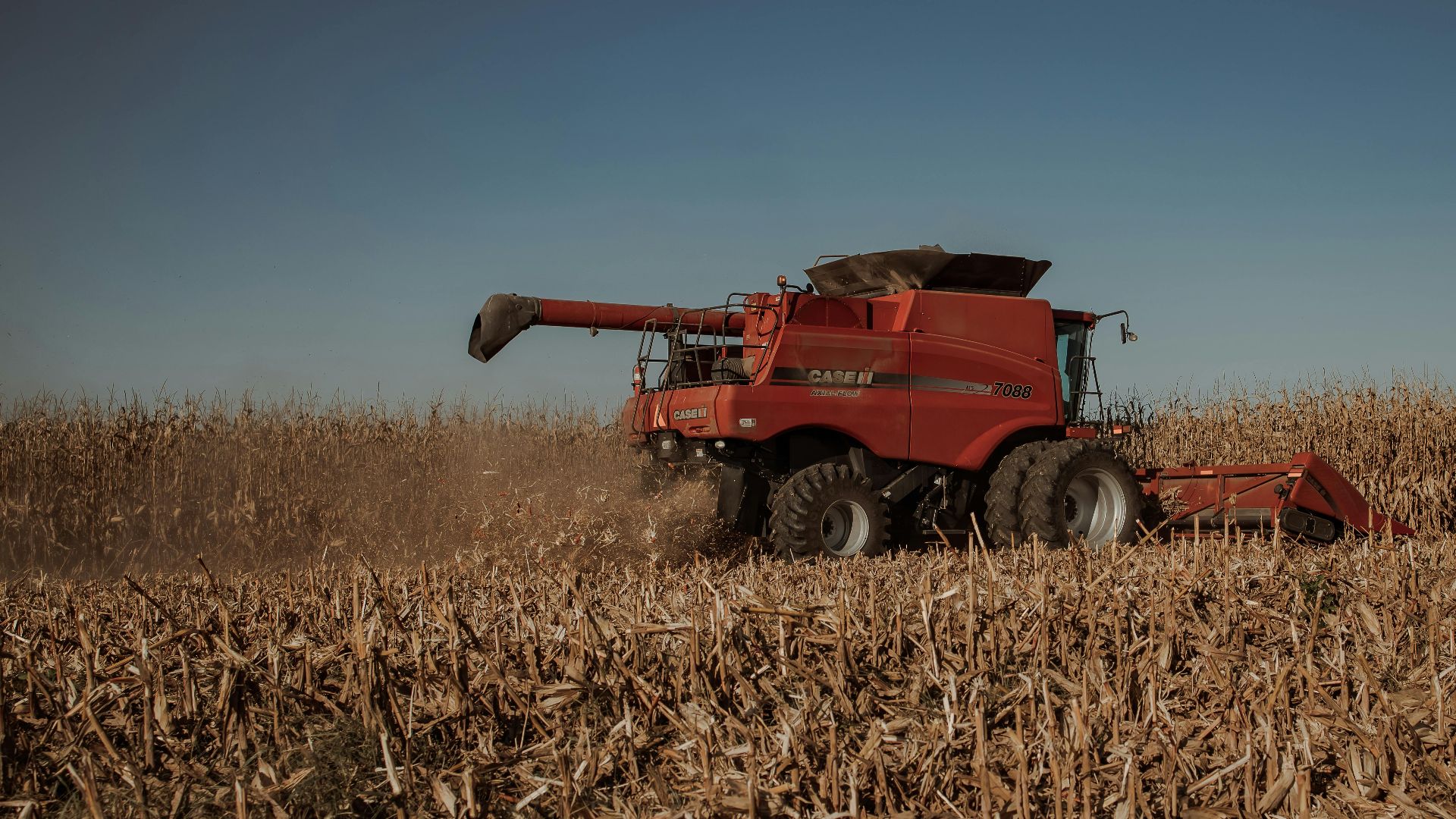
Red combine harvester harvesting corn under a clear sky, showcasing modern agriculture.melissa mayes, Pexels

Advertisement

Even Packaging Is More Expensive

It’s not just the food you’re paying for—the packaging has gotten pricier too. Materials like plastic, cardboard, and aluminum have all increased in cost. So even something as simple as a boxed snack carries more hidden expense than it used to.
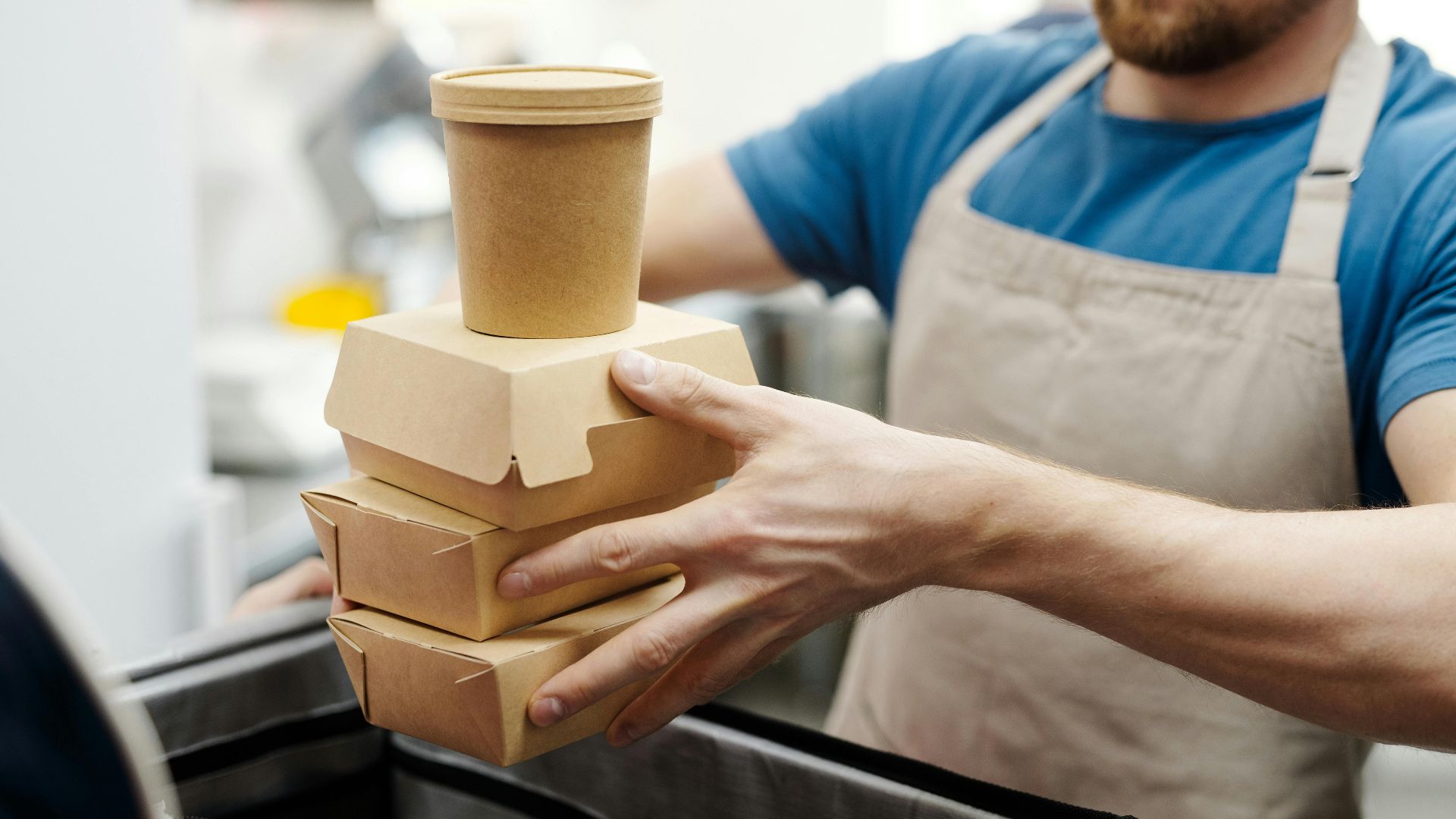
Man wearing apron stacks eco-friendly food containers for takeaway delivery in a kitchen setting.Norma Mortenson, Pexels

Advertisement

Grocery Stores Are Playing It Safer

Retailers have changed how they operate, and a lot of it comes down to protecting their bottom line. Between higher operating costs and things like theft, stores are less willing to take risks with pricing. That usually means higher base prices and fewer chances to snag a real deal.
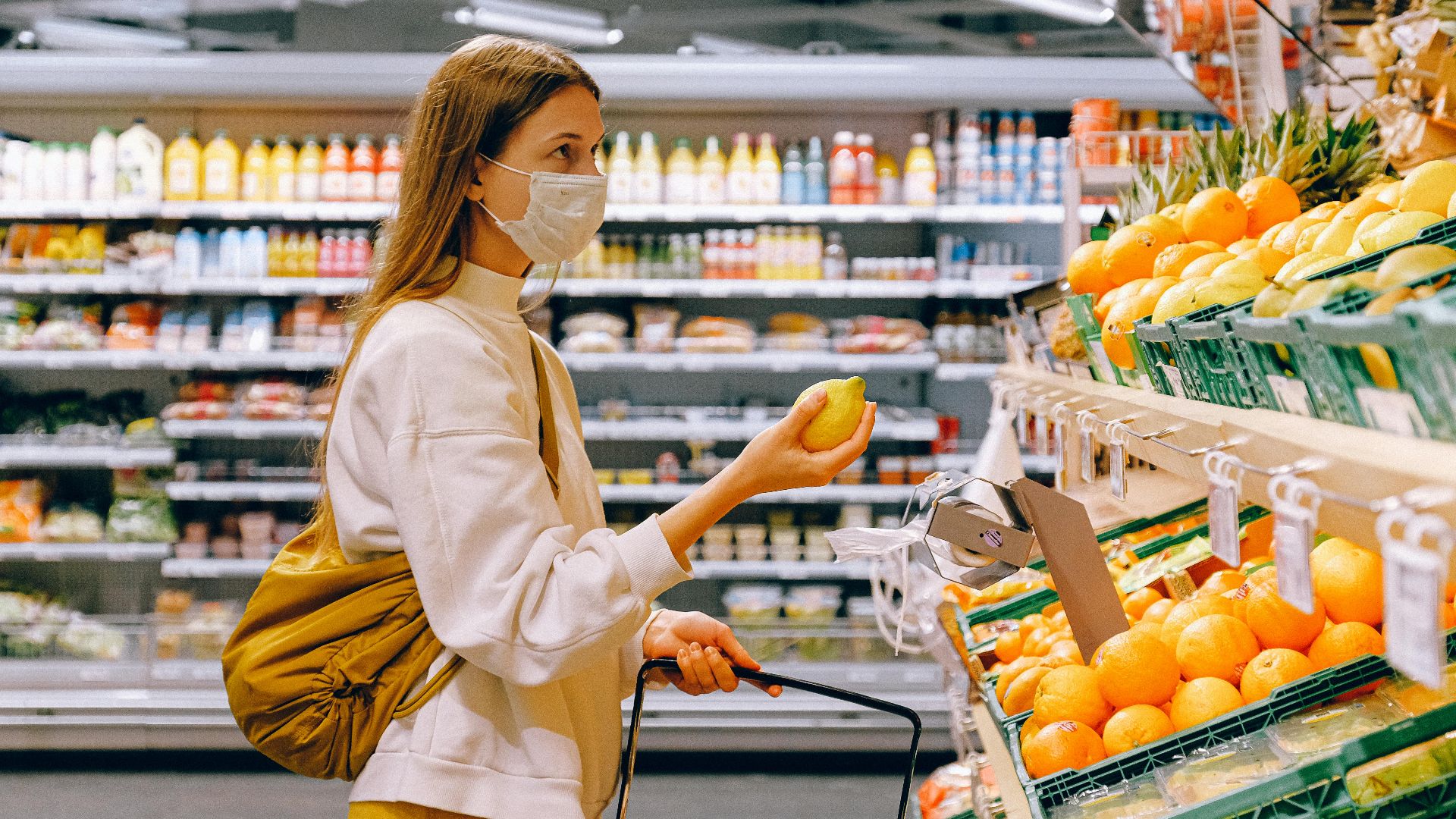
A woman wearing a face mask shops for fruits in a supermarket during a pandemic.Anna Shvets, Pexels

Advertisement

Shrinkflation Is Still Sneaking In

You’ve probably noticed this one without realizing it has a name. Packages are getting smaller, but the prices aren’t dropping with them. So even when something “looks” the same price, you’re actually getting less for your money.
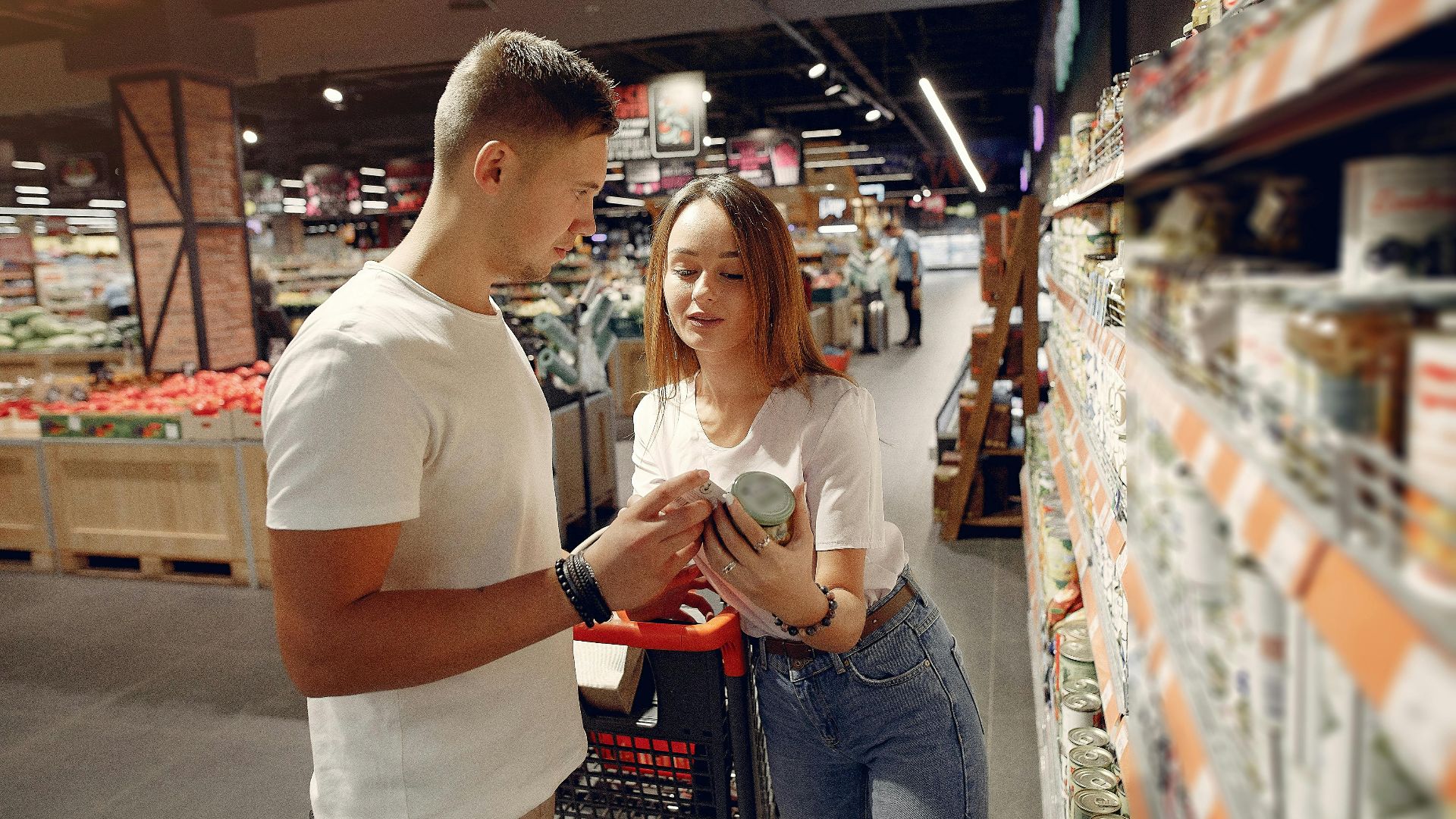
A young couple looking at canned goods in a supermarket aisle, shopping together.Gustavo Fring, Pexels

Advertisement

People Haven’t Stopped Buying

Here’s the thing—people still need groceries, no matter the price. And because demand hasn’t really dropped, companies don’t feel a ton of pressure to lower prices. As long as shoppers keep buying, higher prices tend to stick around.
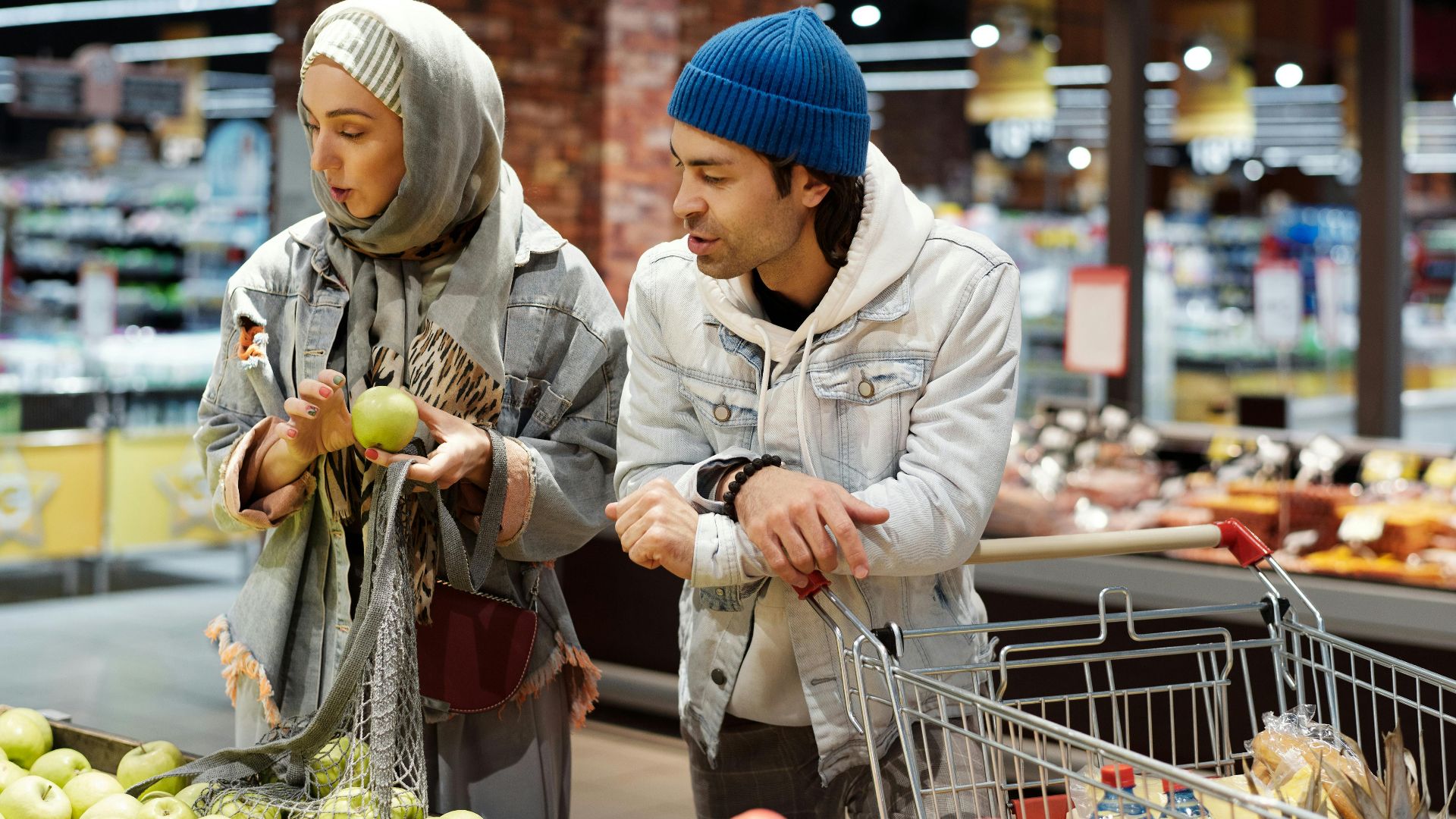
A Middle Eastern couple shopping for apples at a supermarket, engaging in conversation.Jack Sparrow, Pexels

Advertisement

Store Brands Are Taking Over

More shoppers are reaching for store-brand items to save money, which has made private labels more popular than ever. But here’s the twist—stores make better margins on those products. That gives them more control over pricing, which doesn’t always lead to lower costs overall.
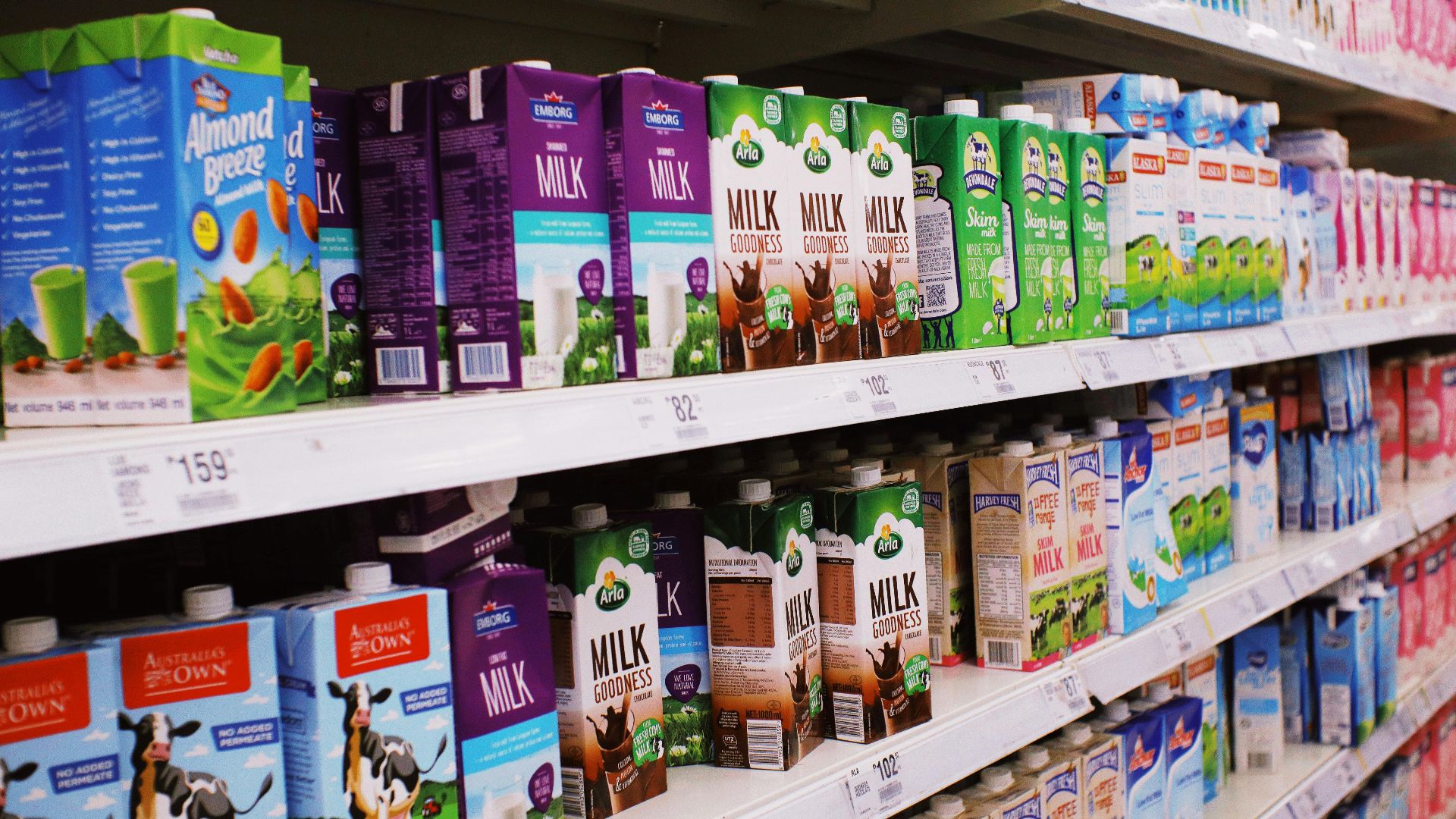
Various milk cartons displayed on shelves in a bright supermarket aisle.Nothing Ahead, Pexels

Advertisement

Prices Don’t Drop As Fast As They Rise

Once prices go up, they have a funny way of staying there. Companies have realized that if customers accept a higher price, there’s no rush to bring it back down. So even when costs ease up behind the scenes, prices often don’t follow.
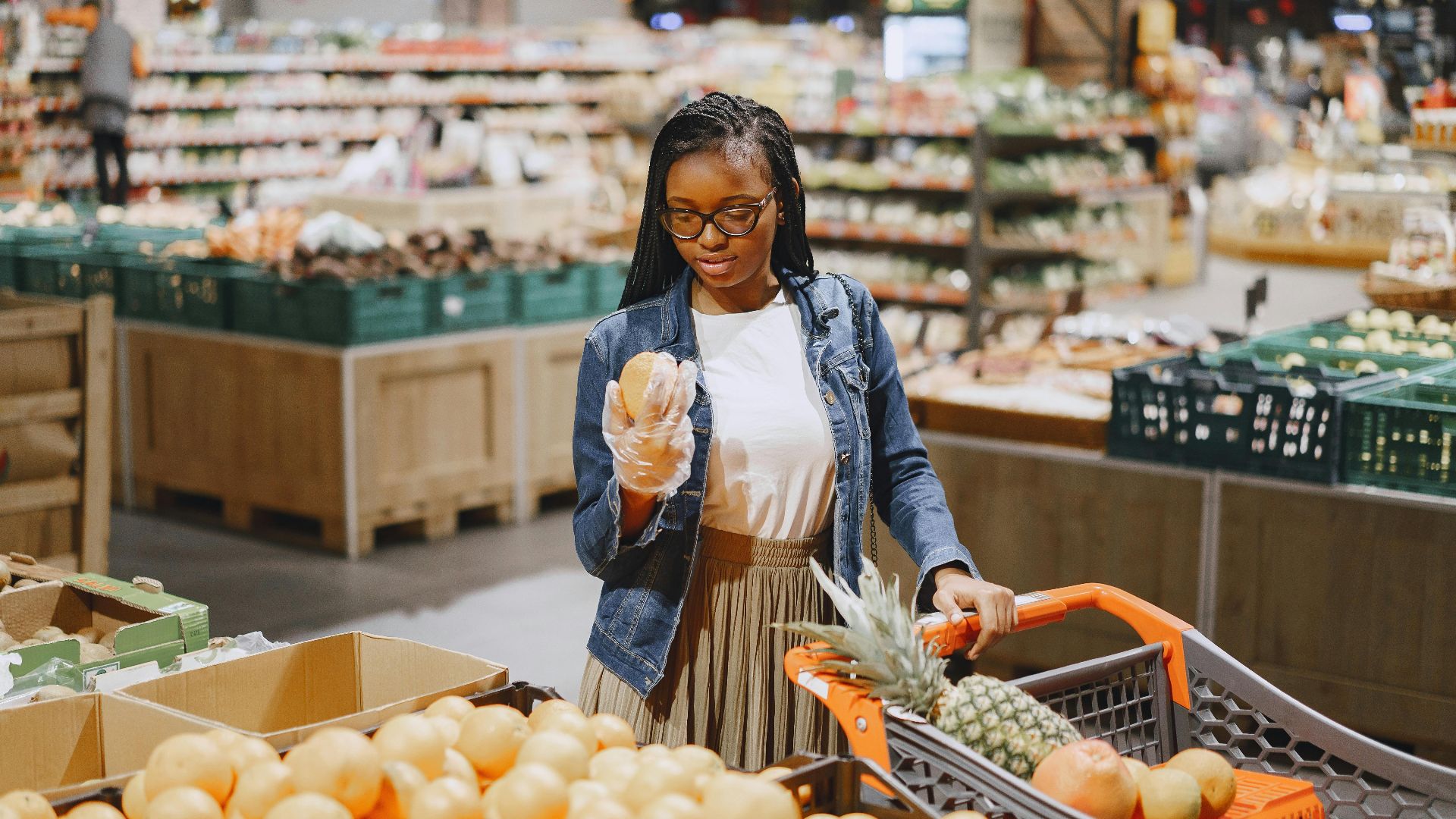
A woman shopping for fresh produce in a vibrant supermarket setting.Gustavo Fring, Pexels

Advertisement

Transportation Is Still Pricey

Getting food from point A to point B isn’t cheap, and it hasn’t gotten much better. Fuel costs, driver shortages, and general logistics issues all add to the final price tag. By the time something reaches your cart, it’s already picked up extra cost along the way.
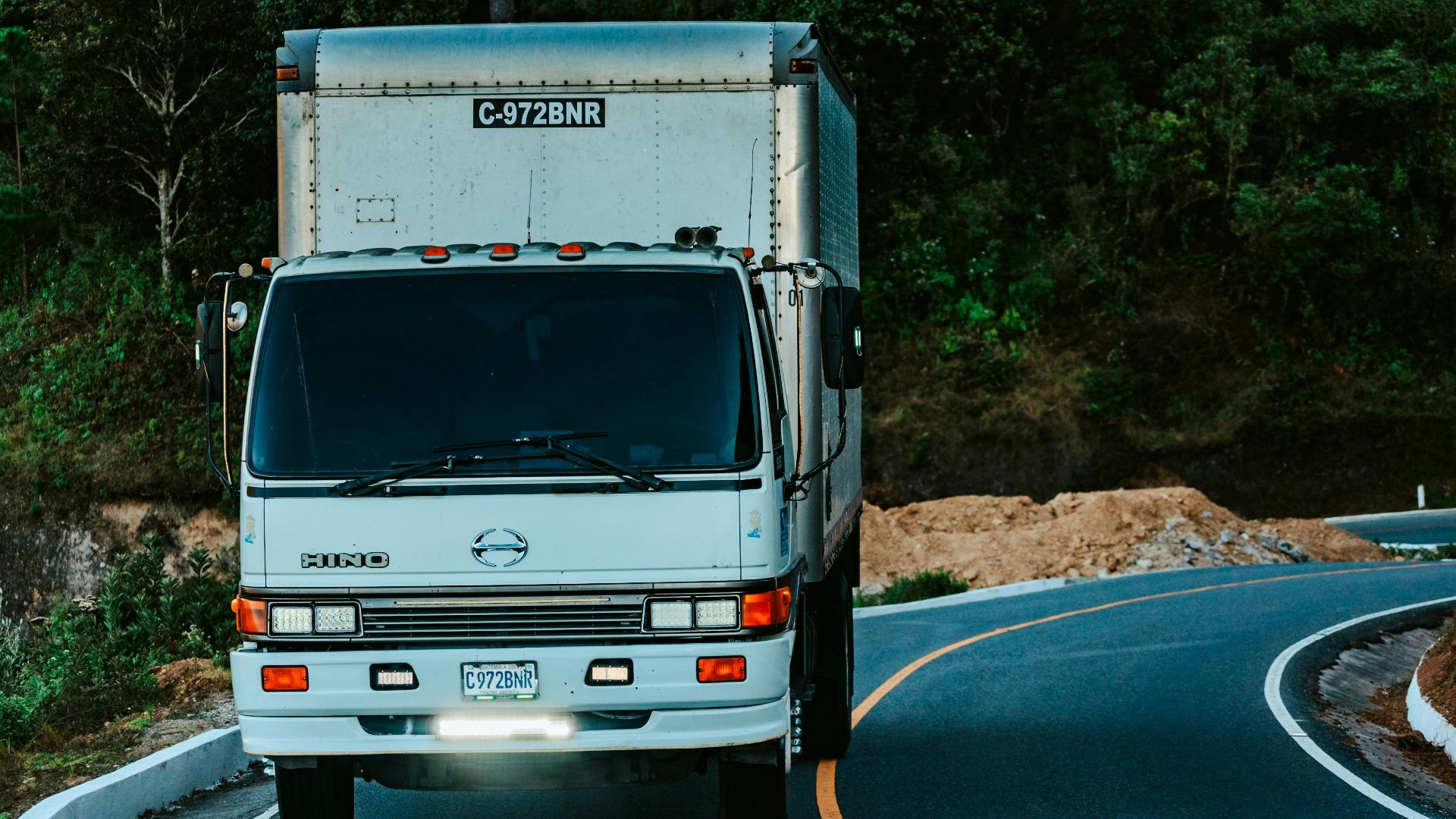
A white truck driving on a winding road surrounded by dense green forest plants.Feli Art, Pexels

Advertisement

Imported Foods Cost More Now

A lot of what you buy comes from outside the country, and global trade hasn’t exactly been smooth lately. Shipping issues, currency changes, and international tensions have all made imports more expensive. That shows up in everyday items like coffee, seafood, and produce.
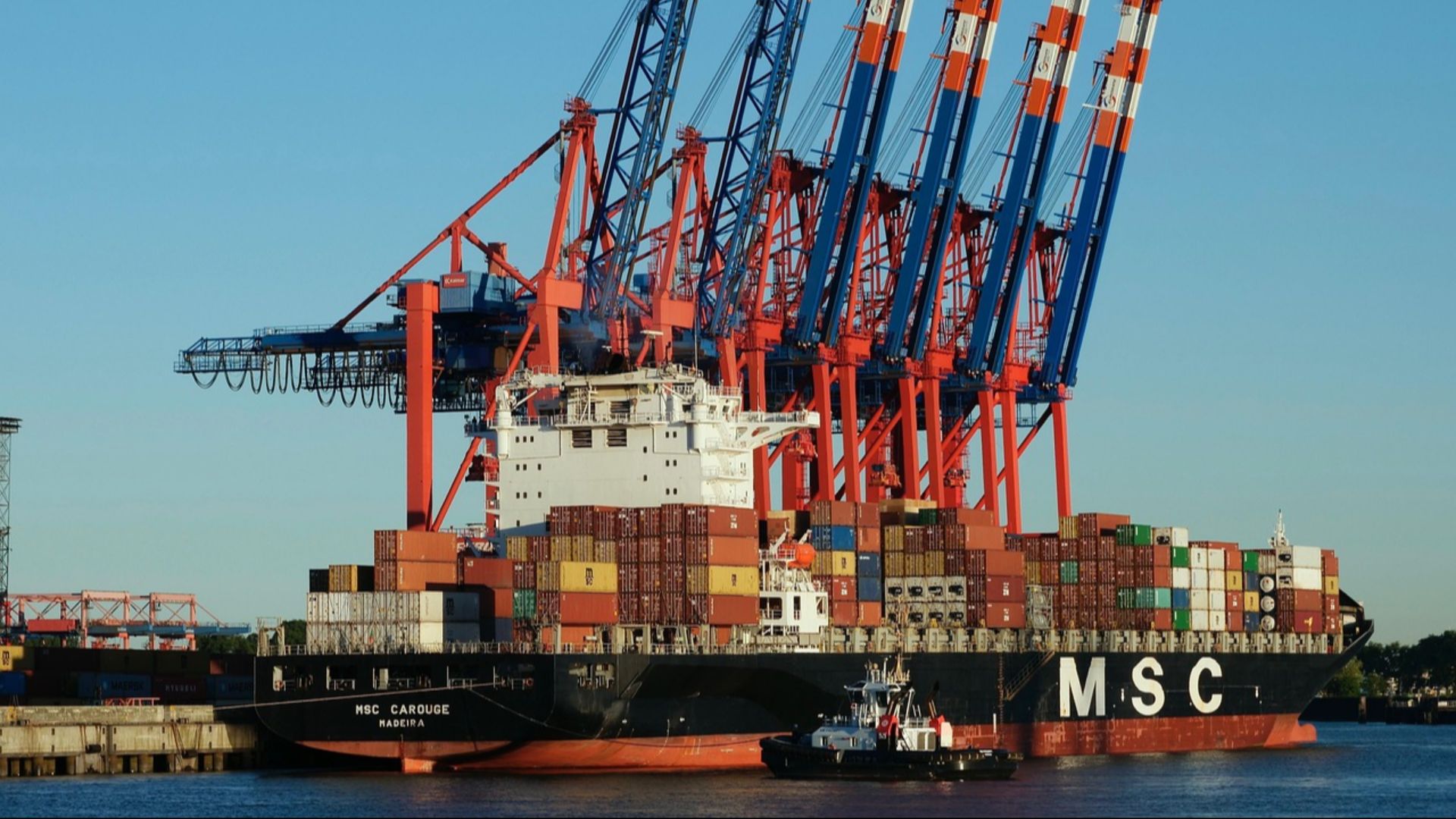
wasi1370wasi1370, Pixabay

Advertisement

Farmers Are Paying More To Produce Food

Farming itself has gotten more expensive, from fertilizer to equipment to land costs. When it costs more to grow food, that increase doesn’t stay at the farm—it moves right down the chain. Eventually, it lands on your grocery bill.
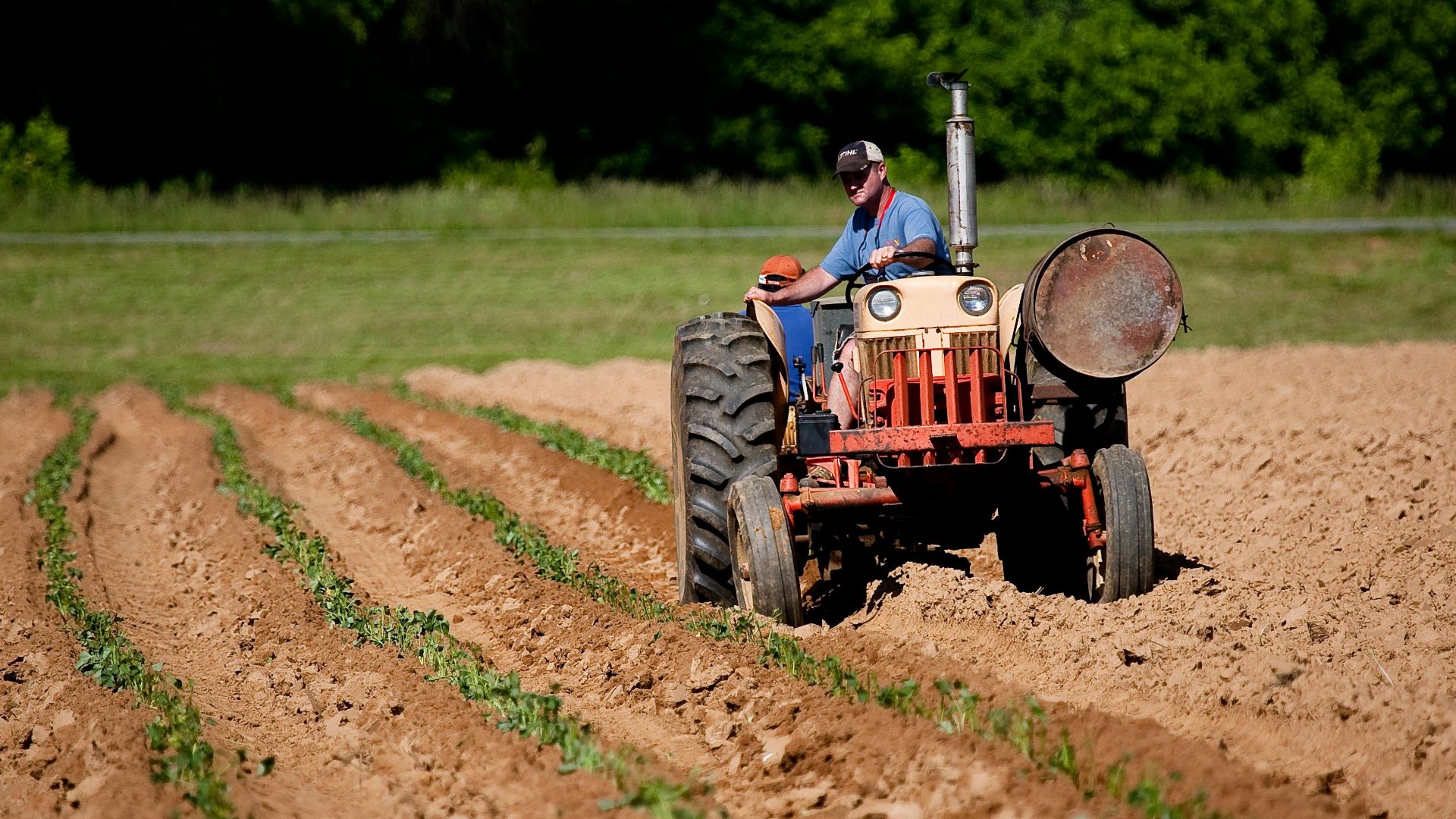
A farmer driving a tractor plowing rows in a rural North Carolina field on a sunny day.Mark Stebnicki, Pexels

Advertisement

Food Waste Is Still Driving Costs

A surprising amount of food never actually gets eaten—it’s lost somewhere between production and the store shelf. When companies lose product like that, they make up for it by charging more for what does sell. It’s not obvious, but it plays a role in higher prices.
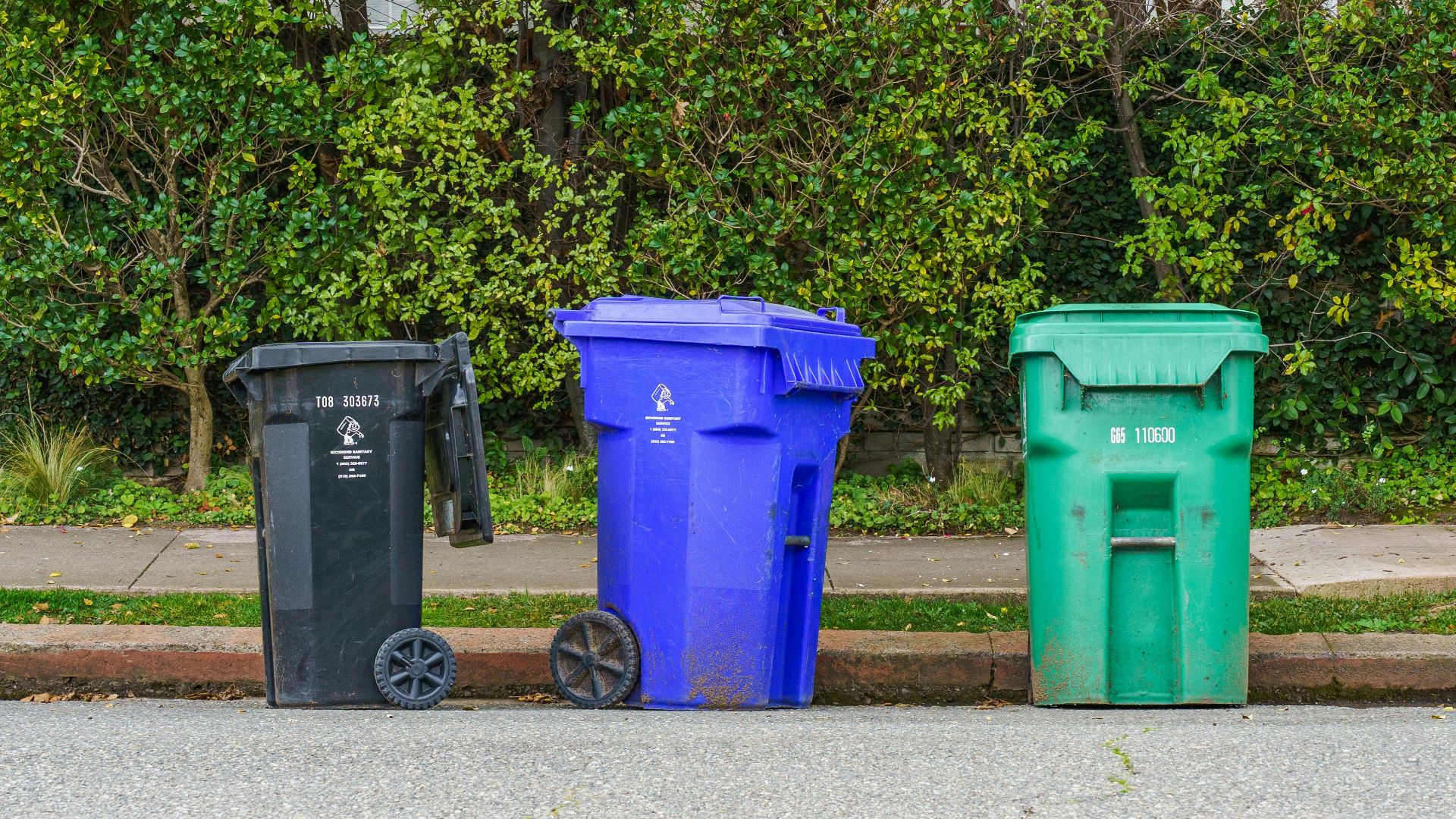
Black, blue, and green recycling bins on the street curb, ready for collection.Robert So, Pexels

Advertisement

Sales Aren’t As Good As They Used To Be

If you feel like deals aren’t really deals anymore, you’re not imagining it. Discounts are less frequent and often not as deep as they used to be. Stores are being more cautious, which means fewer chances to actually save.
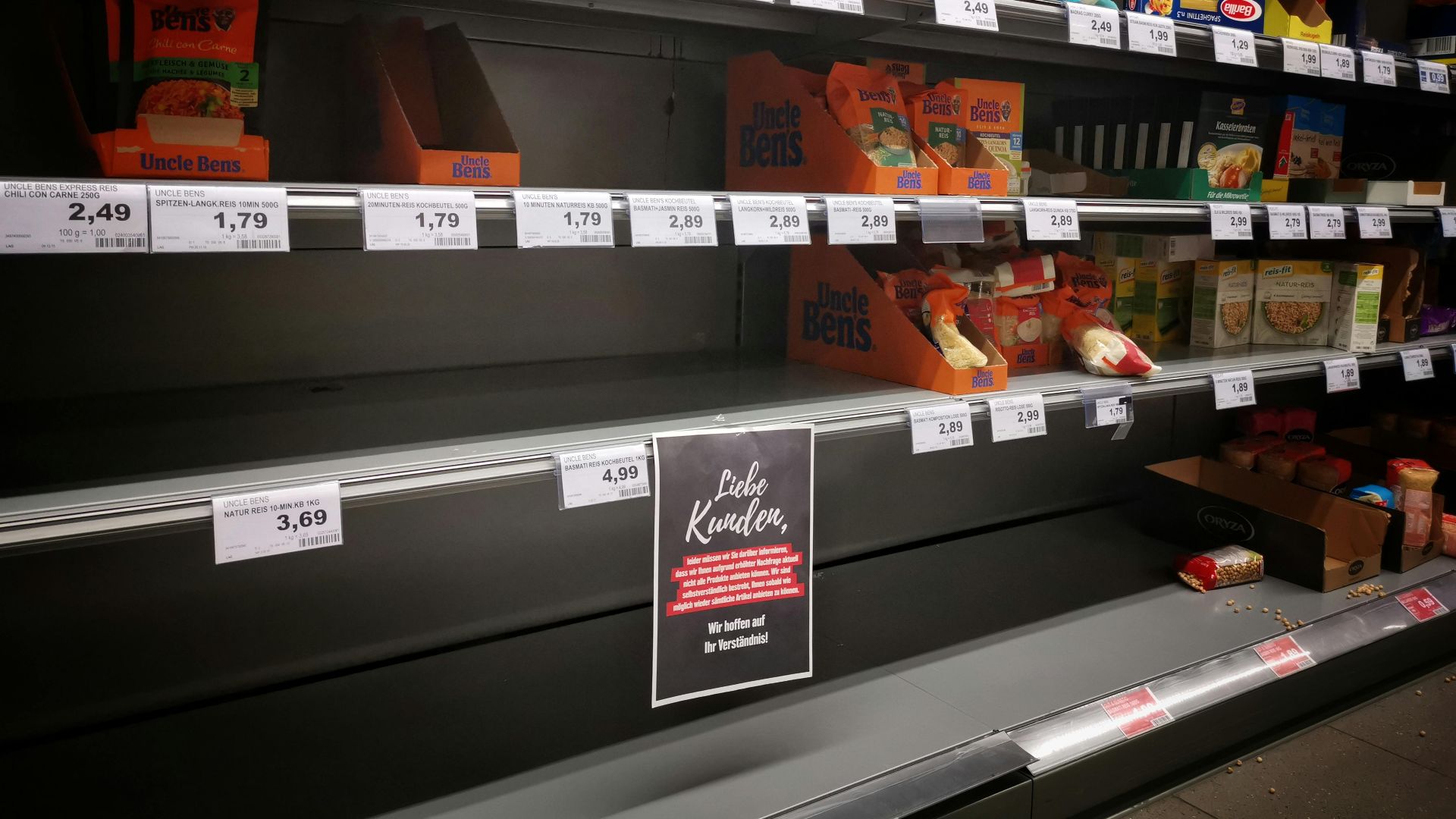
Half empty shelves with assorted products in jars and containers in supermarket during quarantineRoy Broo, Pexels

Advertisement

People Are Still Buying Premium Items

Even with higher prices, a lot of shoppers are still choosing organic, specialty, or name-brand products. That behavior signals to companies that people are willing to spend more. And when that happens, prices across the board tend to stay elevated.
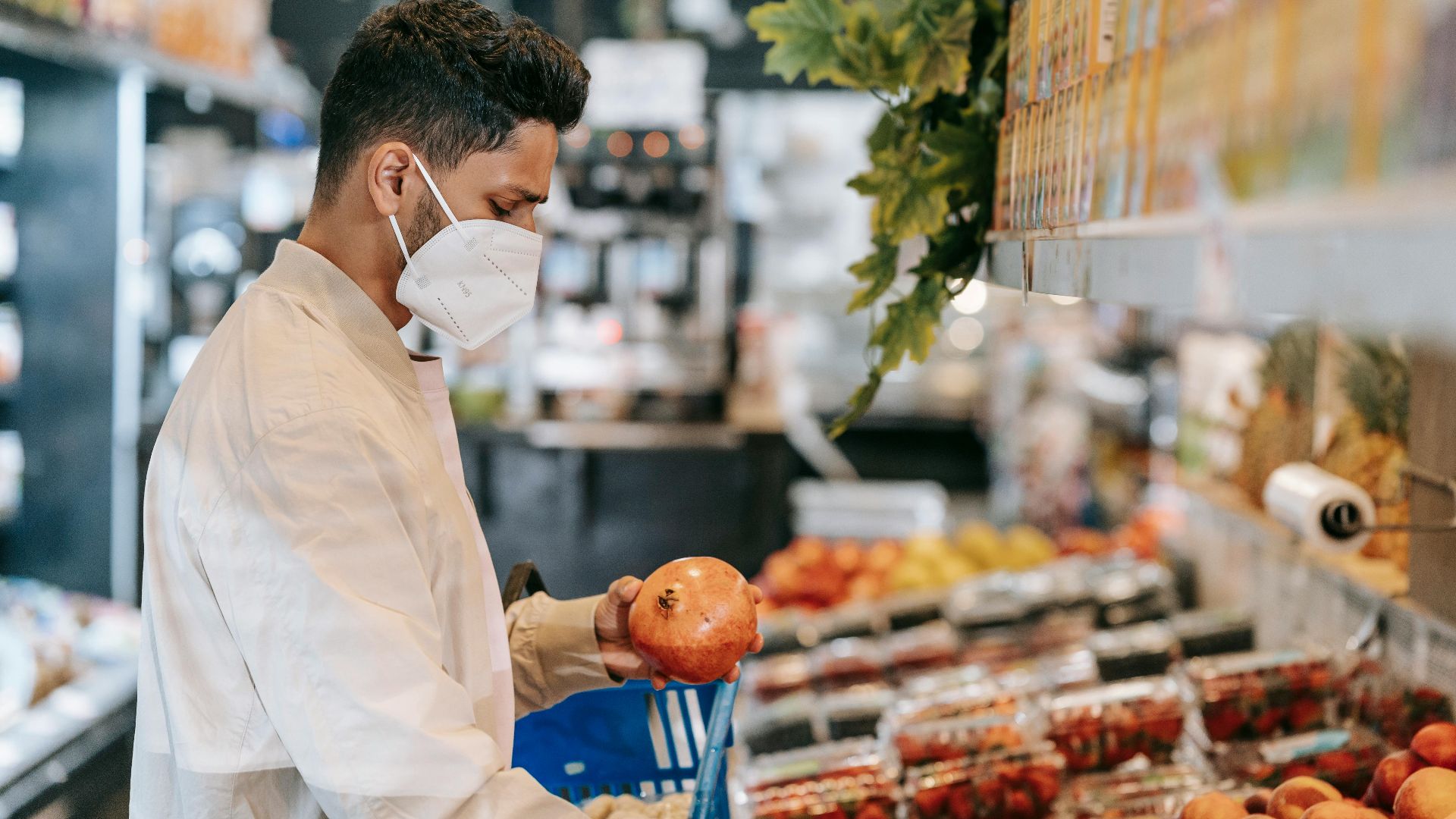
Side view of young Hispanic man in protective mask choosing fresh pomegranate from stall in supermarket during coronavirus pandemicMichael Burrows, Pexels

Advertisement

Technology Isn’t Cheap

All those self-checkouts, inventory systems, and smart store upgrades come at a cost. While they make shopping more convenient, they’re expensive for retailers to install and maintain. And like everything else, those costs eventually get passed along.
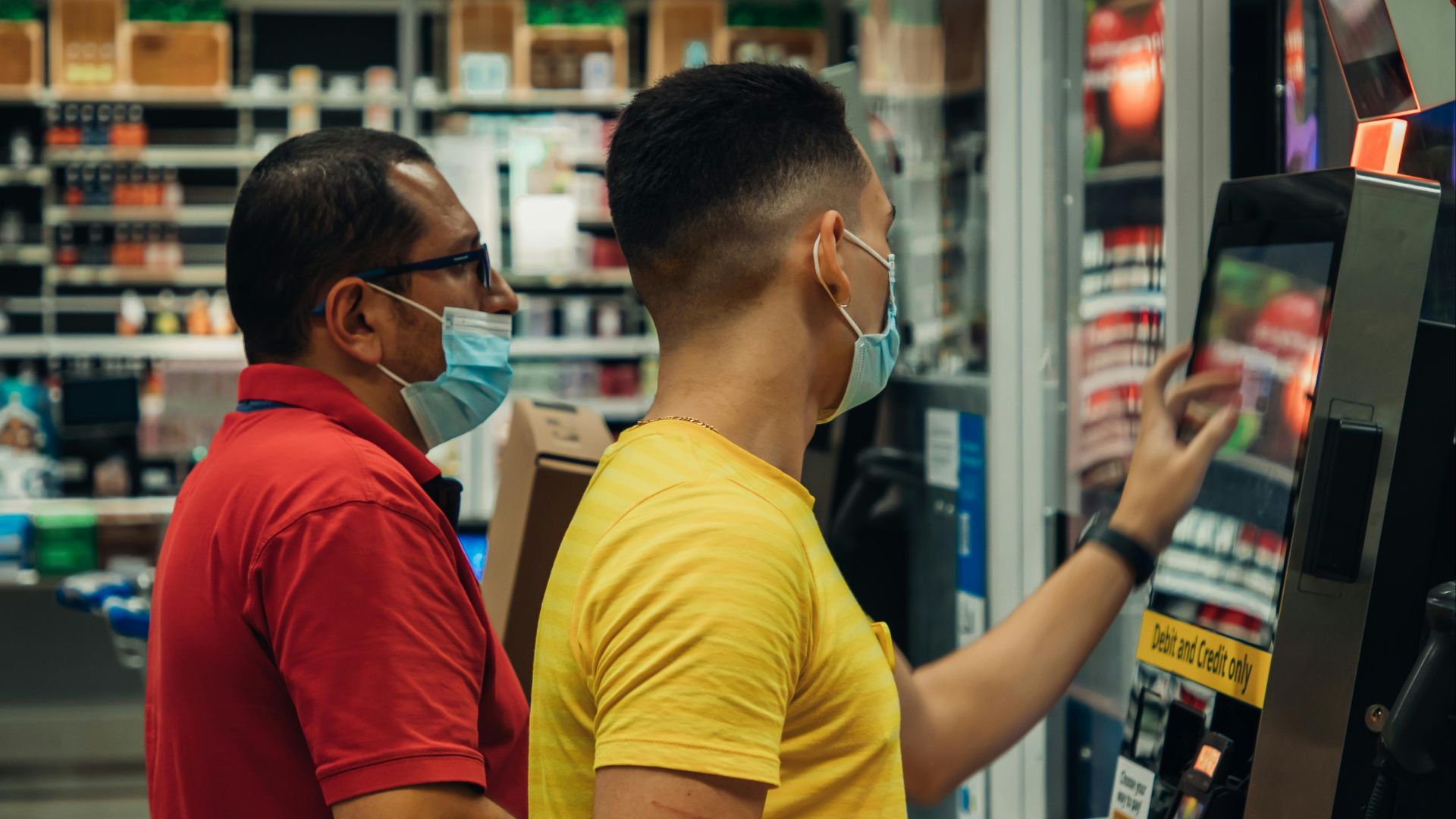
Two men wearing masks using a self-checkout machine in a grocery store.On Shot, Pexels

Advertisement

Global Conflicts Are Affecting Supply

World events have a bigger impact on your grocery bill than you might think. Conflicts in key regions can disrupt farming, shipping, and exports. When supply gets uncertain, prices usually head upward.
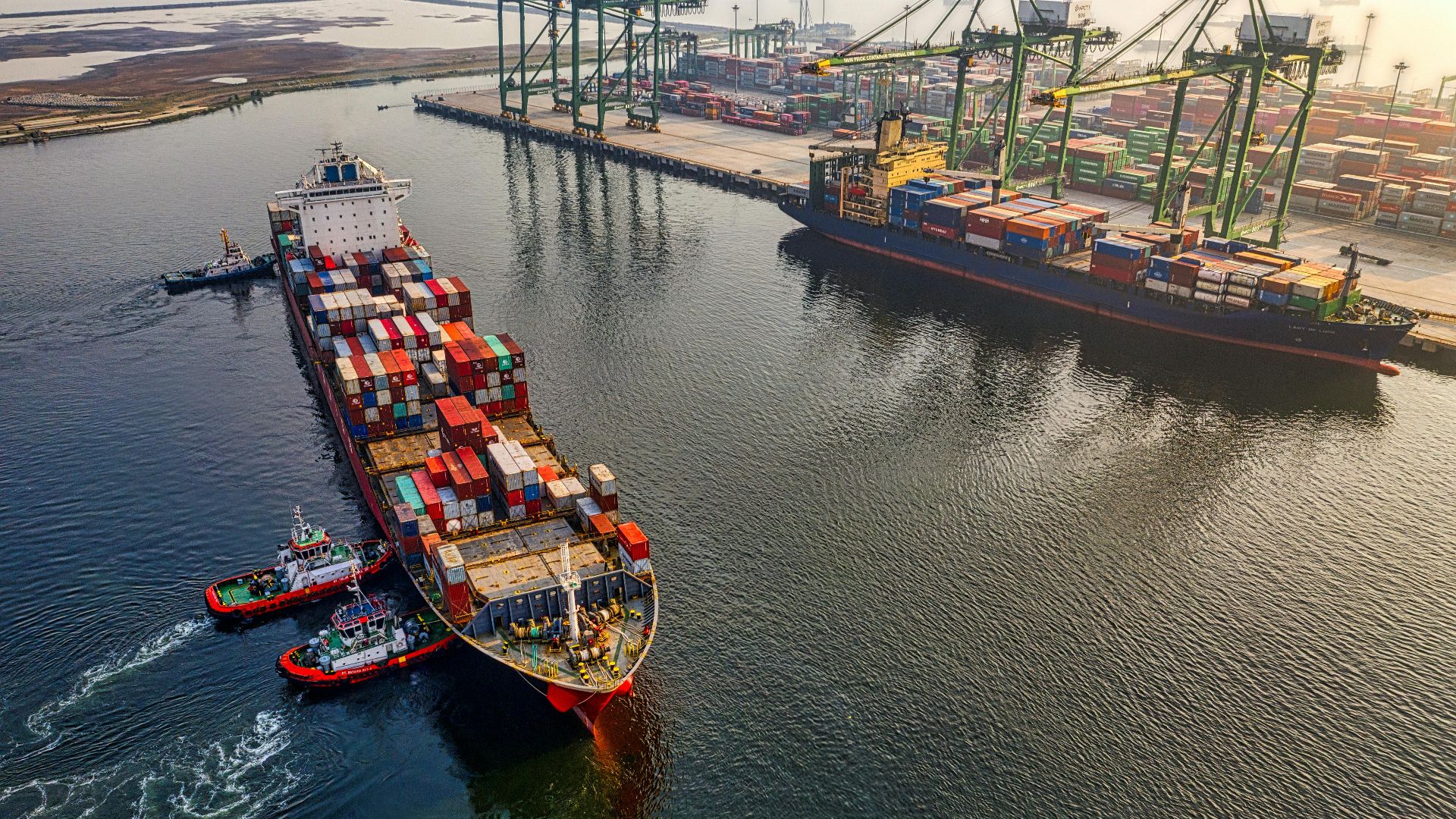
Aerial shot of cargo ships and cranes at North Jakarta port, showcasing global shipping and logistics.Tom Fisk, Pexels

Advertisement

Inflation Slowed—But Prices Didn’t

You’ve probably heard that inflation is cooling, but grocery prices didn’t get the memo. That’s because prices tend to settle at a new normal instead of dropping back down. Once they rise, they rarely fully reverse.
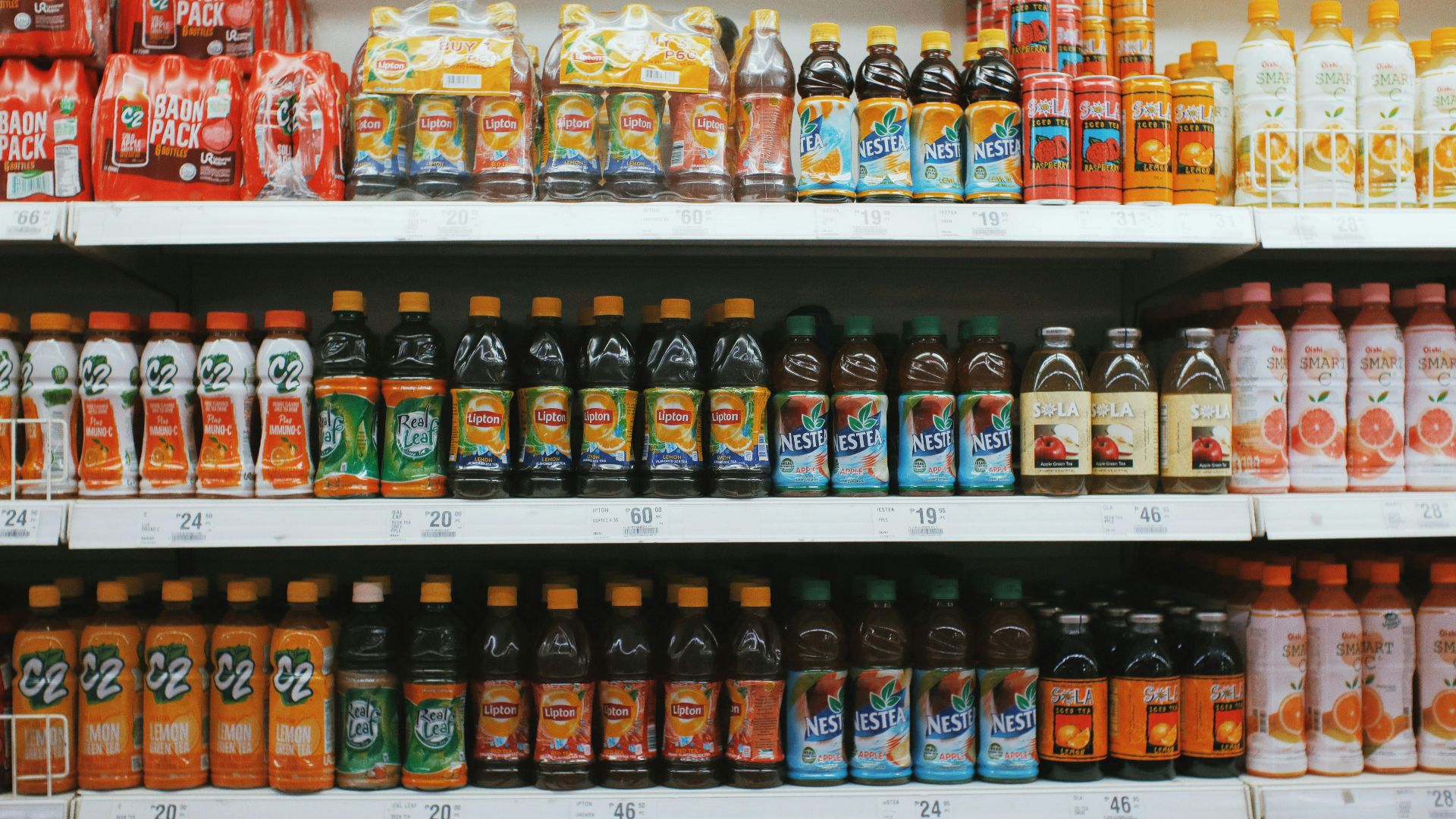
Vibrant rows of assorted drinks on a supermarket shelf, showcasing variety.Nothing Ahead, Pexels

Seasonal Price Swings Feel Worse Now

Food prices have always changed with the seasons, but now those changes feel more dramatic. Weather issues and supply problems can make prices jump faster than expected. One week something is affordable, the next it’s suddenly not.
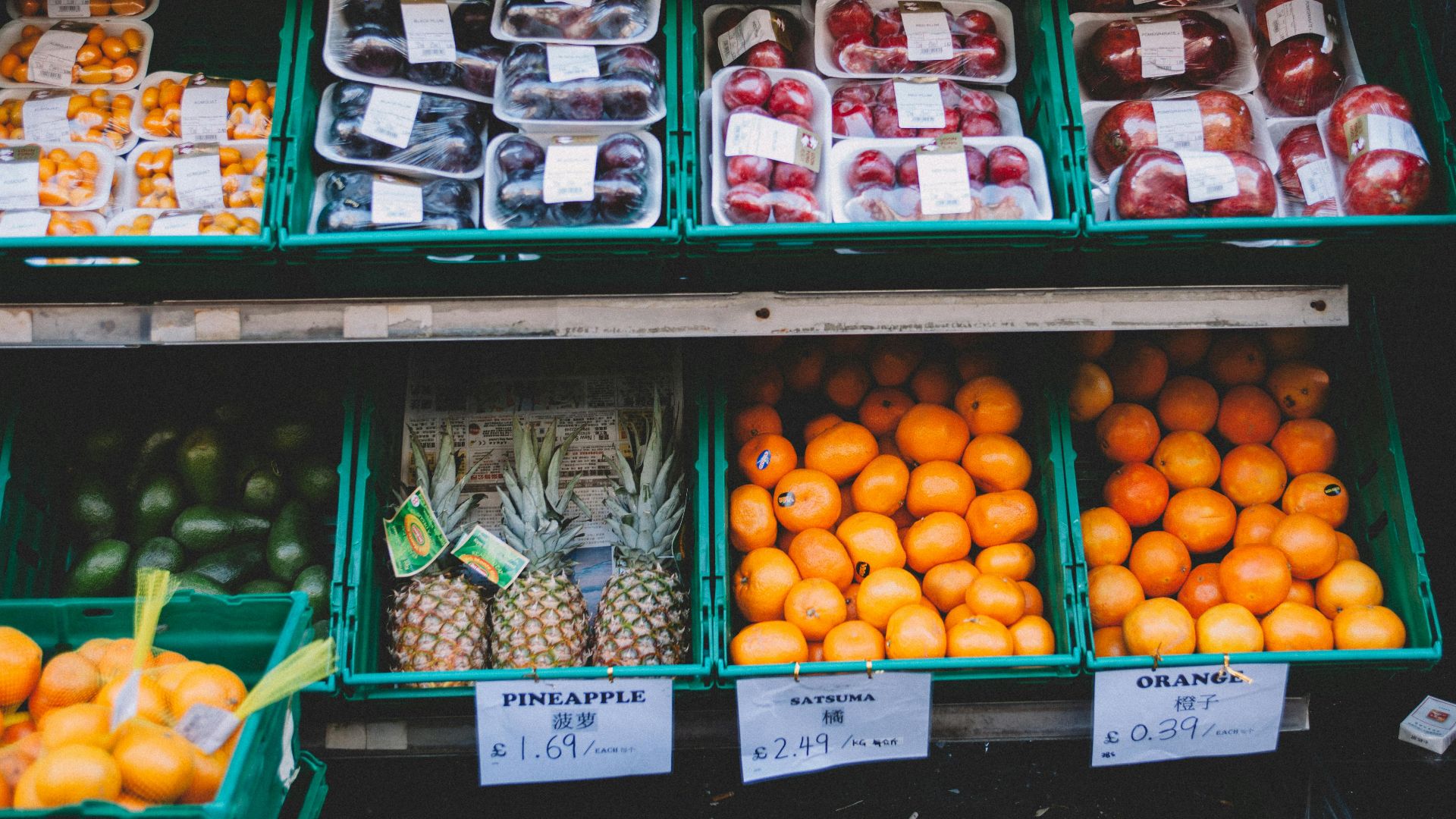
Colorful assortment of fresh fruits displayed in a local market stall with price tags.Clem Onojeghuo, Pexels

Advertisement

Companies Are Protecting Profits

There’s been more attention on how companies price their products, especially during inflation. Some businesses are holding prices higher longer to maintain strong margins. Whether intentional or not, it means shoppers keep paying more.
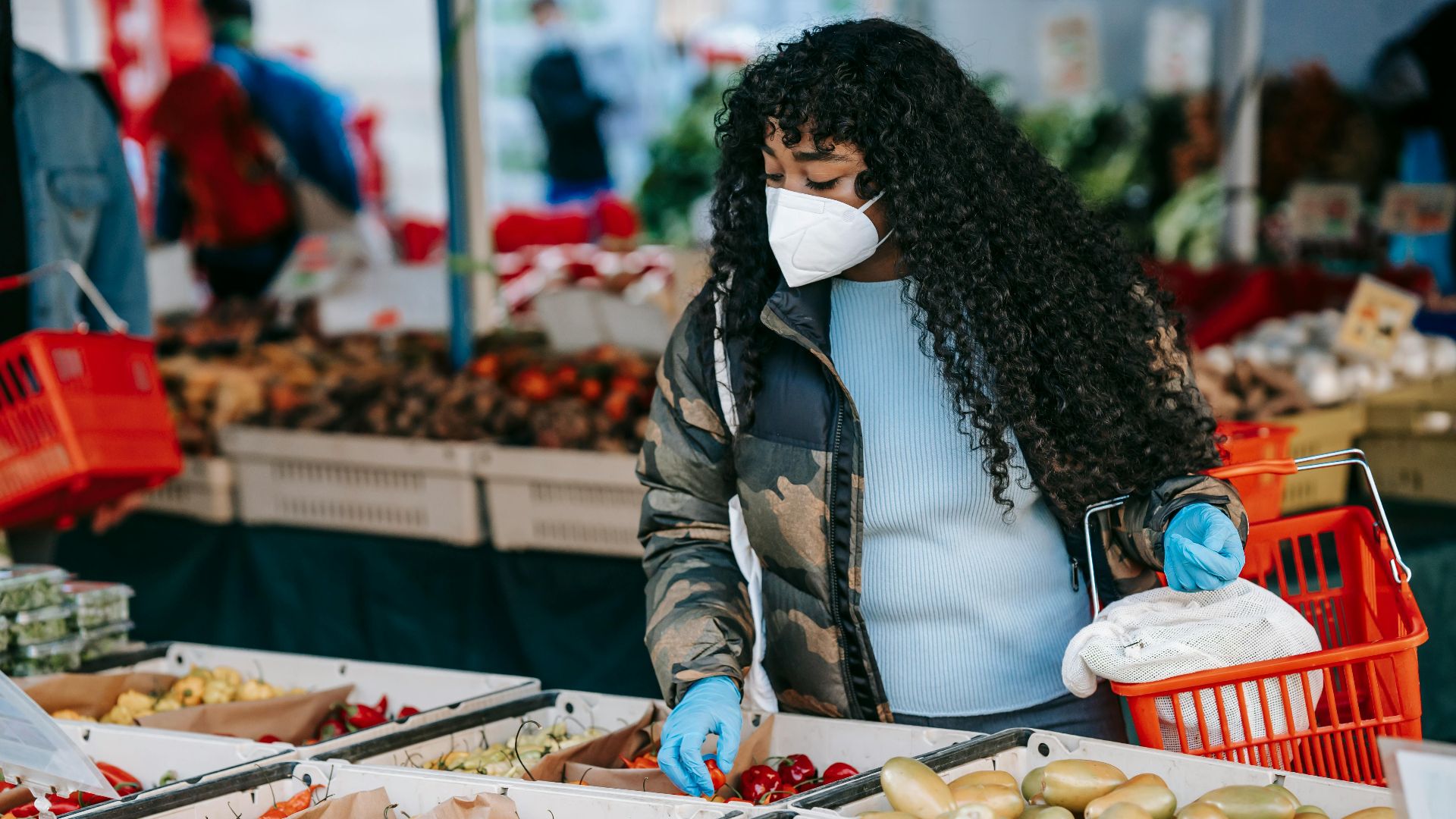
A woman wearing a face mask selects fresh produce at an outdoor market.Uriel Mont, Pexels

Advertisement

This Might Just Be The New Normal

At this point, it’s becoming clear that grocery prices aren’t just temporarily high—they’ve shifted to a new baseline. All these factors combined have changed how food is priced for good. It’s not just your imagination—shopping really is more expensive now.
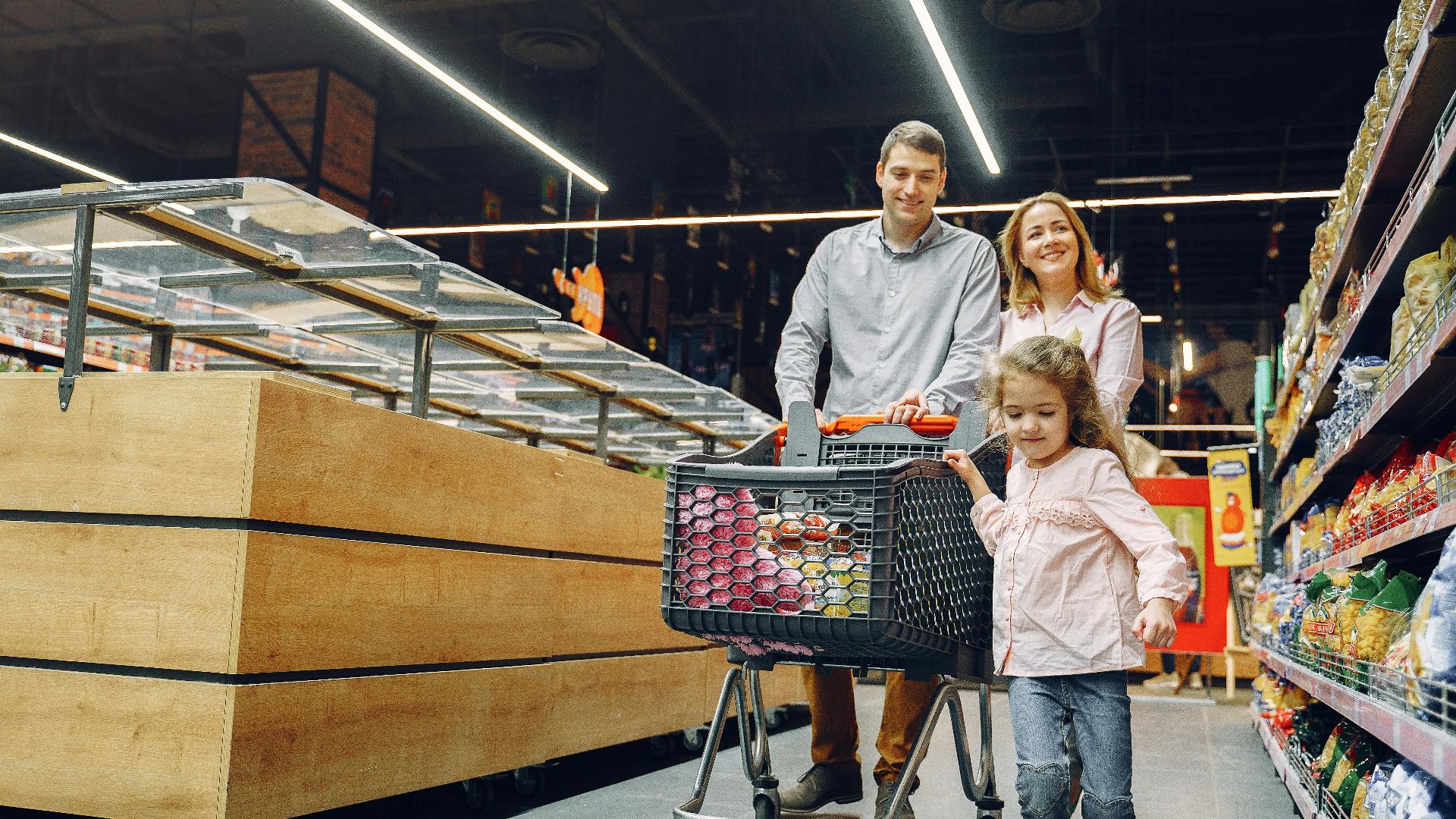
A joyful family shopping together in a supermarket aisle, enjoying their day.Gustavo Fring, Pexels

Advertisement

You May Also Like:

Is Exercising At Home Cheaper Than A Gym Membership?

The 20 Cheapest Countries To Live In

COVID-19 Scams: Be On The Lookout

Source: 12


READ MORE

Cassette Players Internal

Old Cassette Players That Now Sell For Thousands

With the return of analog audio and nostalgia for the '70s through '90s, some old-school tape decks are now selling for hundreds or even thousands.
October 31, 2025 Allison Robertson
concerned man in office with coworker

My coworker says he hasn’t filed taxes in years because he "doesn’t make enough to matter." Is that actually safe?

A lot of people have a coworker, cousin, or friend who swears they have been skipping tax returns for years with no problem. The logic usually goes like this: if income is low, the IRS will not care, so filing is optional. That idea is only partly true, and the missing details are where people get burned. Whether not filing is “safe” depends on income type, filing status, age, and whether taxes were already withheld from paychecks.
March 31, 2026 Miles Brucker

David Bowie Painting Bought For $5 At Donation Center Sells For $88k

Imagine walking into a thrift shop and grabbing a painting for five bucks—only to find out it was made by David Bowie. That’s exactly what happened in Ontario, Canada, and yes, it’s as wild as it sounds. One small painting from a donation center turned into an $88,000 payday.
October 31, 2025 J. Clarke

The FAA's New Air Traffic Control System: Will Automation Replace Human Controllers?

People considering careers as air traffic controllers now wonder if computers will replace humans in the control tower.
October 31, 2025 Penelope Singh

The Most Bizarre Things That Sold High At Auctions

Whether it’s pure nostalgia, obsession, or just plain curiosity, these bizarre items prove that, at the right auction, anything can become a treasure.
March 31, 2025 Binet
Fct Internal + Fb Image

Lovely Travel Destinations Where Tourists Are Told Not To Drive Alone

The idea of driving yourself sounds simple until the road starts feeling tense. In some places, the pressure comes from confusing systems and unfamiliar rules, while in others, solitude behind the wheel carries more serious concerns.
December 31, 2025 Miles Brucker


Disclaimer

The information on MoneyMade.com is intended to support financial literacy and should not be considered tax or legal advice. It is not meant to serve as a forecast, research report, or investment recommendation, nor should it be taken as an offer or solicitation to buy or sell any securities or adopt any particular investment strategy. All financial, tax, and legal decisions should be made with the help of a qualified professional. We do not guarantee the accuracy, timeliness, or outcomes associated with the use of this content.


Dear reader,


It’s true what they say: money makes the world go round. In order to succeed in this life, you need to have a good grasp of key financial concepts. That’s where Moneymade comes in. Our mission is to provide you with the best financial advice and information to help you navigate this ever-changing world. Sometimes, generating wealth just requires common sense. Don’t max out your credit card if you can’t afford the interest payments. Don’t overspend on Christmas shopping. When ordering gifts on Amazon, make sure you factor in taxes and shipping costs. If you need a new car, consider a model that’s easy to repair instead of an expensive BMW or Mercedes. Sometimes you dream vacation to Hawaii or the Bahamas just isn’t in the budget, but there may be more affordable all-inclusive hotels if you know where to look.


Looking for a new home? Make sure you get a mortgage rate that works for you. That means understanding the difference between fixed and variable interest rates. Whether you’re looking to learn how to make money, save money, or invest your money, our well-researched and insightful content will set you on the path to financial success. Passionate about mortgage rates, real estate, investing, saving, or anything money-related? Looking to learn how to generate wealth? Improve your life today with Moneymade. If you have any feedback for the MoneyMade team, please reach out to [email protected]. Thanks for your help!


Warmest regards,

The Moneymade team