A Woodstove, A Chainsaw, And A Very Annoying HOA
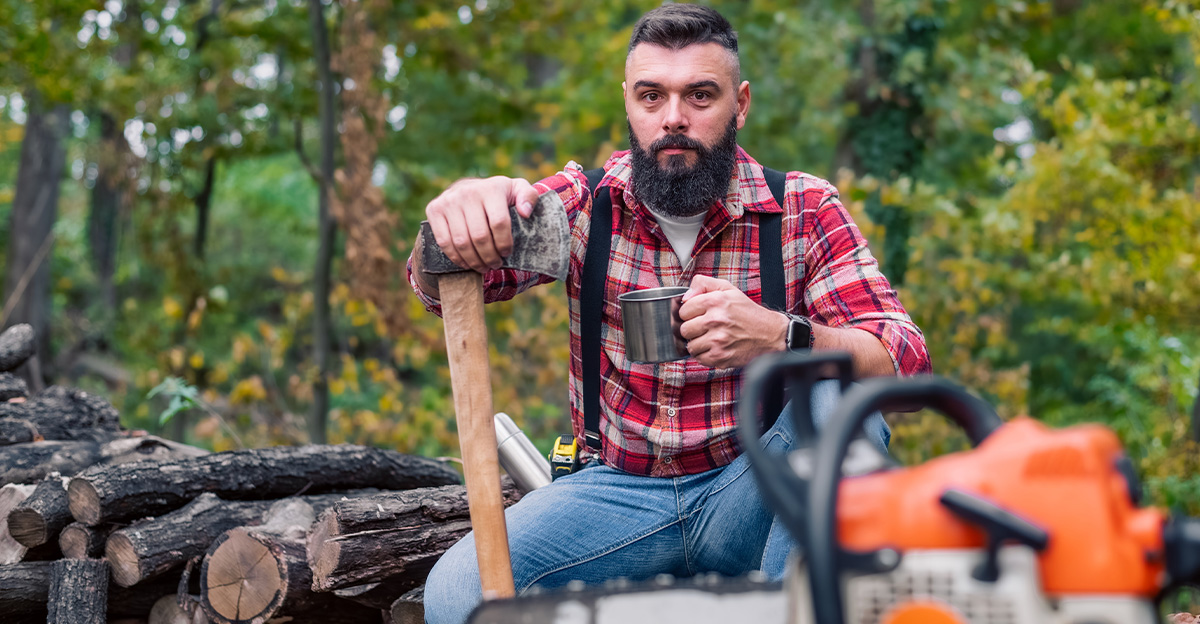
Heating with a woodstove feels wonderfully old-school. You stack logs, build a fire, and enjoy the smug satisfaction of staying warm without worshipping the thermostat. So when you look at a few nearby trees and think, “Well, there’s next winter,” it can be a real shock when the HOA suddenly acts like you’re plotting a forest heist.
Why This Fight Starts So Fast
Tree disputes get heated because they mix money, property rights, appearances, and personality. You see firewood. The HOA sees landscaping, neighborhood uniformity, liability, and a possible board meeting with way too much dramatic finger-pointing. That is why a simple plan to cut a tree can turn into a full-blown suburban showdown before you even sharpen the chain.
The Big Question Is Not “Can I Cut It?”
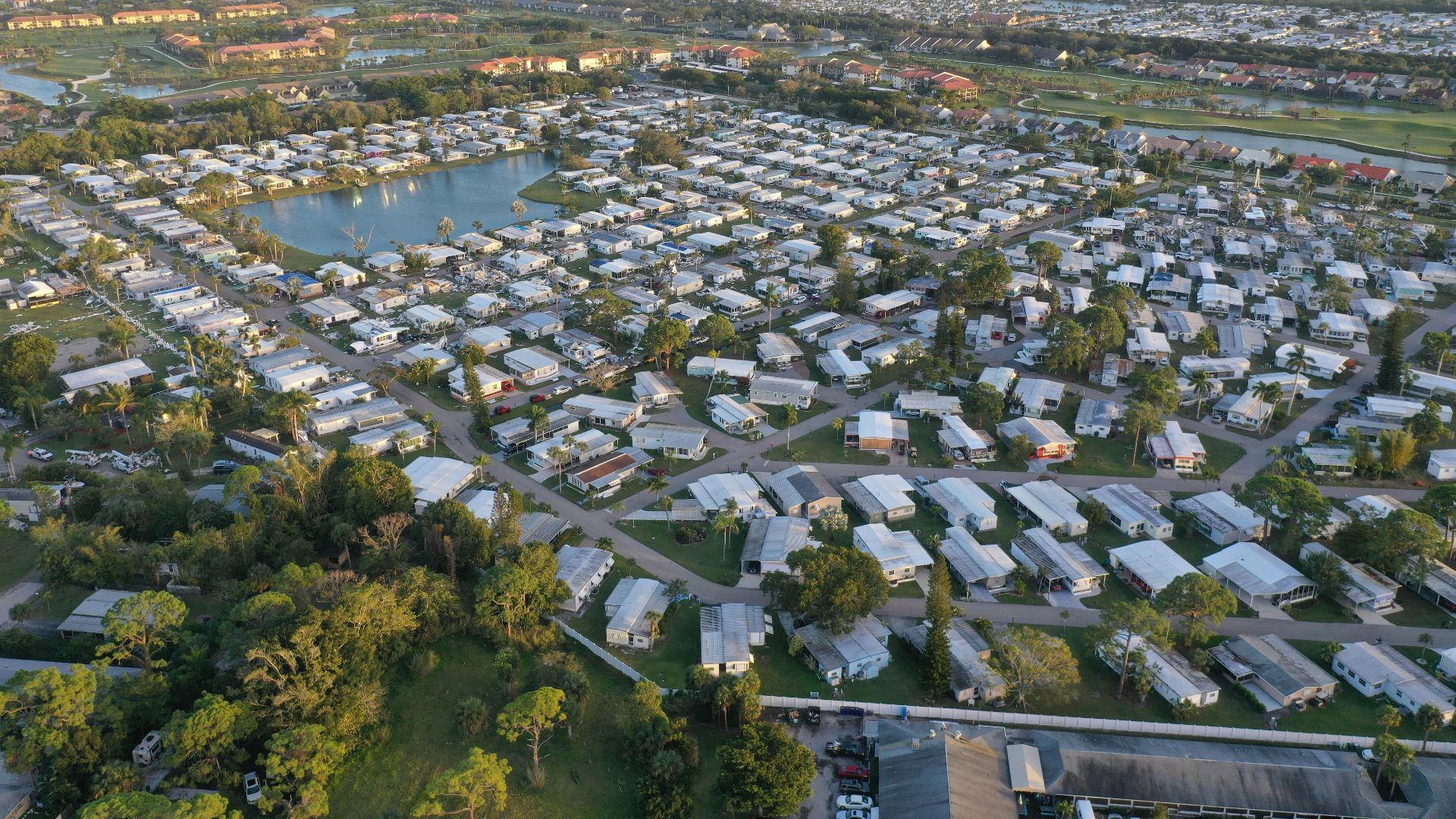
The real question is, “Whose tree is it?” That is the whole game. If the tree sits on HOA-owned common property, the board may absolutely have the power to say no. If it is on your lot, things may still not be simple, because HOA rules often regulate landscaping changes even on owner-controlled property.
Yes, They Might Be Completely Serious
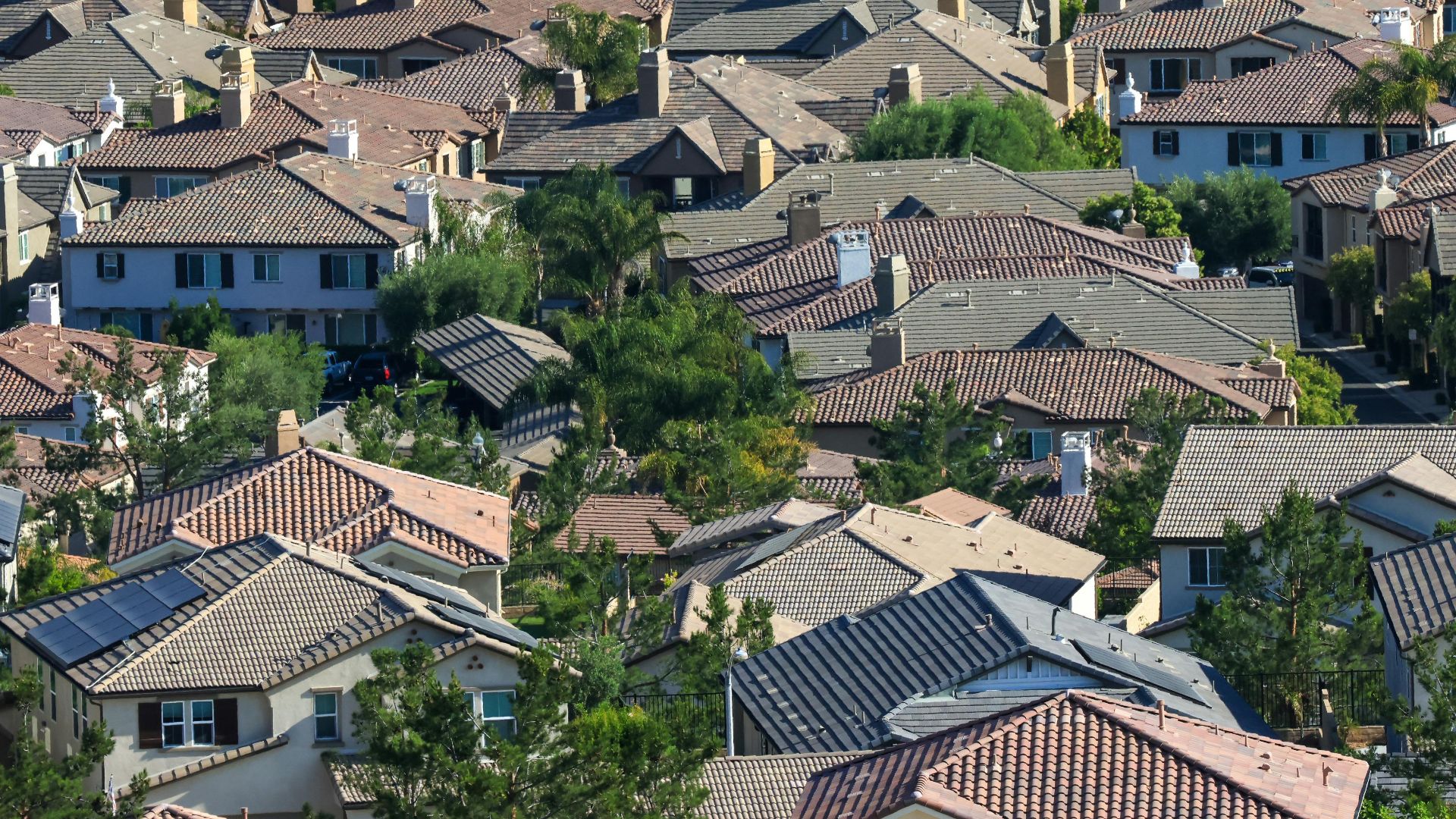
As annoying as it sounds, the HOA may not be bluffing. Community associations commonly enforce rules tied to common areas, exterior appearance, and landscaping. In many neighborhoods, trees are not just random plants with bark; they are part of the planned look of the development, and boards are expected to protect that look.
Common Area Means Hands Off
If the trees are in a common area, that is where your firewood fantasy usually goes to die. Associations often hold title to common areas and are responsible for maintaining them. That means the trees are not community buffet items available to anyone with a pickup truck and a strong back.
The Sneaky Complication: Limited Common Areas
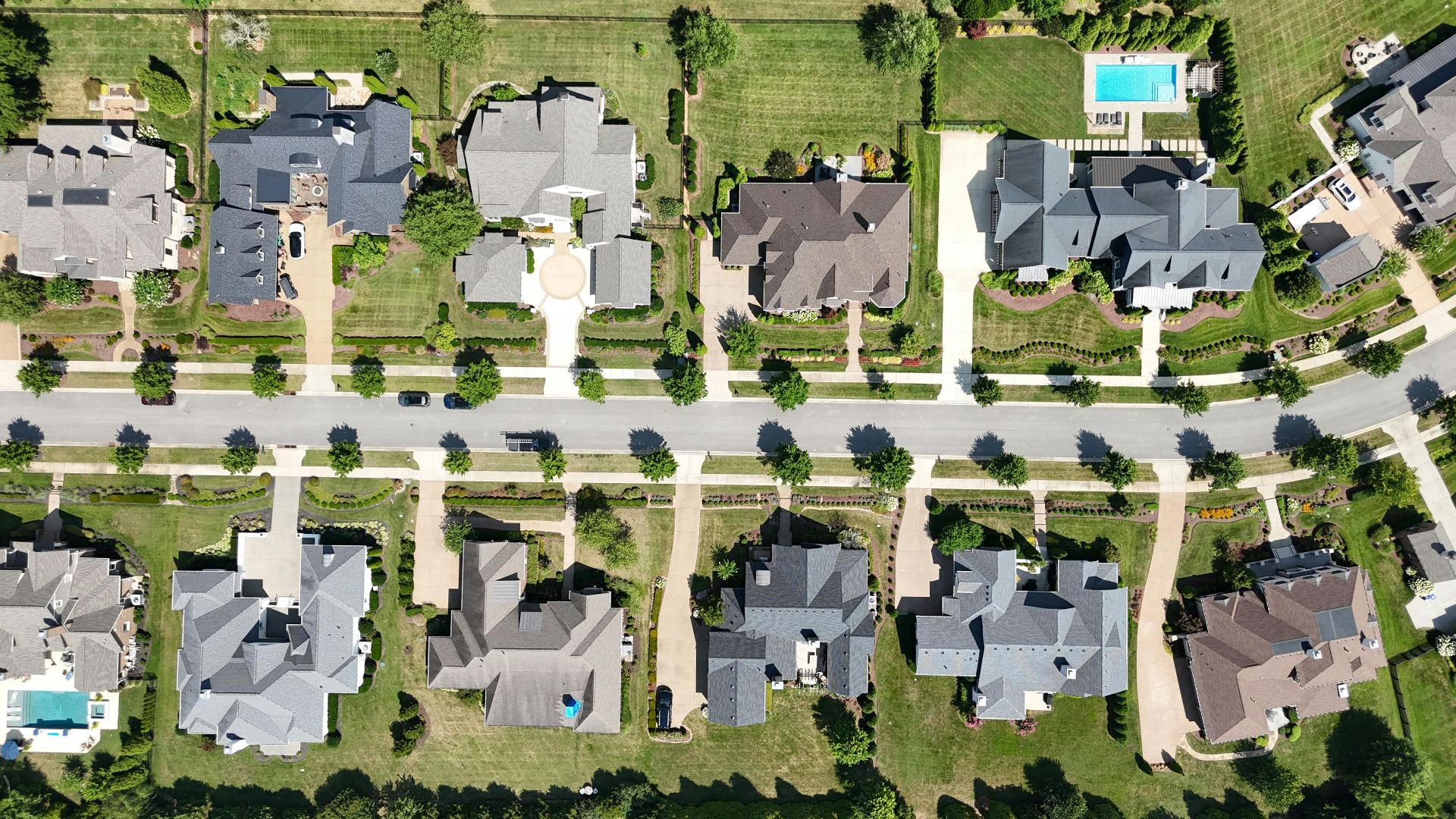
Some neighborhoods have spaces that feel private but are not fully yours. Think strips of land, landscaped edges, shared green belts, or little zones behind homes that only certain owners use. Those areas can be “limited common elements,” which means ownership and maintenance rules may be more complicated than they look.
Your Backyard Might Not Mean Your Rules
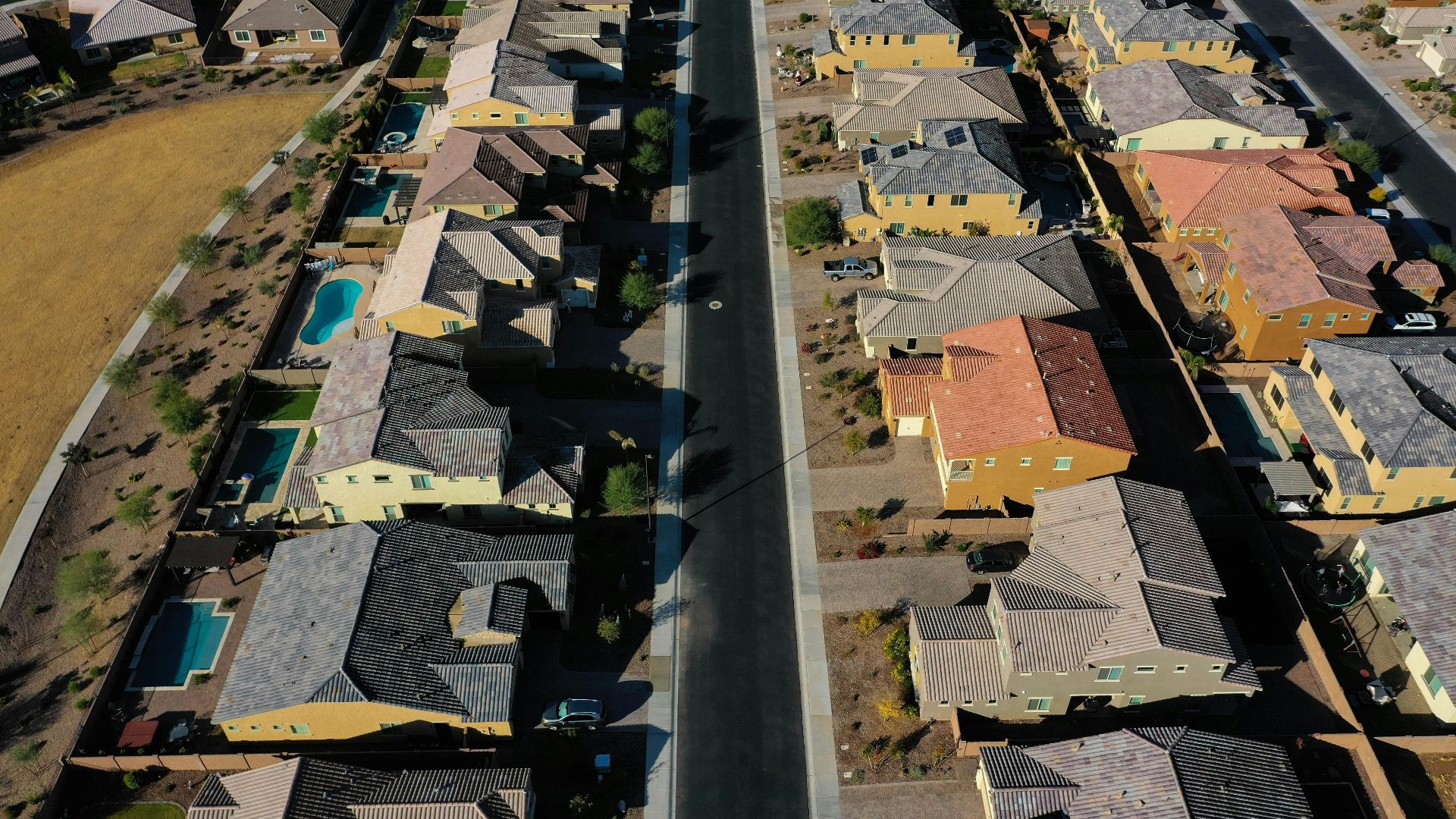
A lot of homeowners assume that if a tree is near their house, it belongs to them. That is not always true. In HOA communities, the plat, deed, and declaration can carve up responsibility in ways normal humans would never guess without reading legal documents and muttering under their breath.
Read The CC&Rs Before You Read The Chainsaw Manual
This is where the boring paperwork becomes the star of the show. CC&Rs, bylaws, plats, and association rules are the documents that usually tell you whether the HOA controls the trees, whether approval is required, and whether removal is flat-out forbidden. The answer is usually there, even if it is buried in legal oatmeal.

Landscaping Rules Are Often Wider Than People Expect
HOA rules do not stop at paint colors and mailbox styles. They often cover trees, shrubs, lawns, visible yard changes, and anything else that affects the neighborhood’s appearance. So even if the tree is on your lot, chopping it down may still require approval.
The HOA Is Also Thinking About Liability
From the board’s point of view, tree removal is not just aesthetic. It can involve insurance risk, injury risk, drainage issues, erosion, falling limbs, and neighbor complaints. If they let one owner cut first and ask questions later, they may worry they are opening the door to a whole parade of “But you let Steve do it” arguments.
What You Hear As “No” Might Really Mean “Paperwork”
Sometimes the HOA is not saying you can never remove a tree. Sometimes it is saying you cannot remove it without approval, a landscape review, an arborist opinion, or proof that the tree is dead, diseased, dangerous, or damaging property. In HOA world, even obvious things often need a form.

Dead Tree? Diseased Tree? Different Story
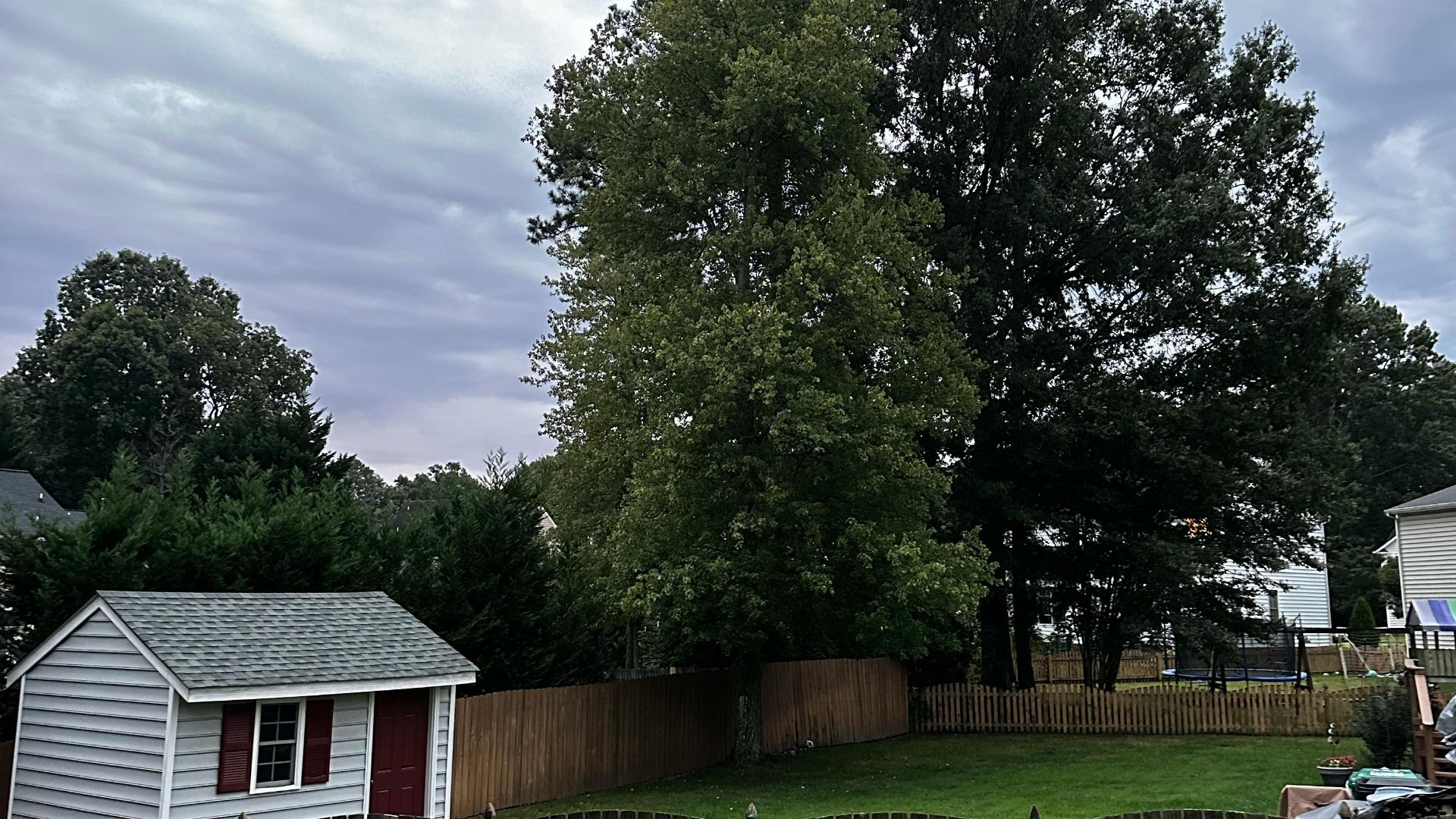
Boards tend to get more flexible when a tree is hazardous. If roots are cracking a walkway, branches are threatening a roof, or the trunk is clearly dying, your argument gets stronger. The key is evidence, because “I would like free firewood” is not the same thing as “this tree is unsafe.”
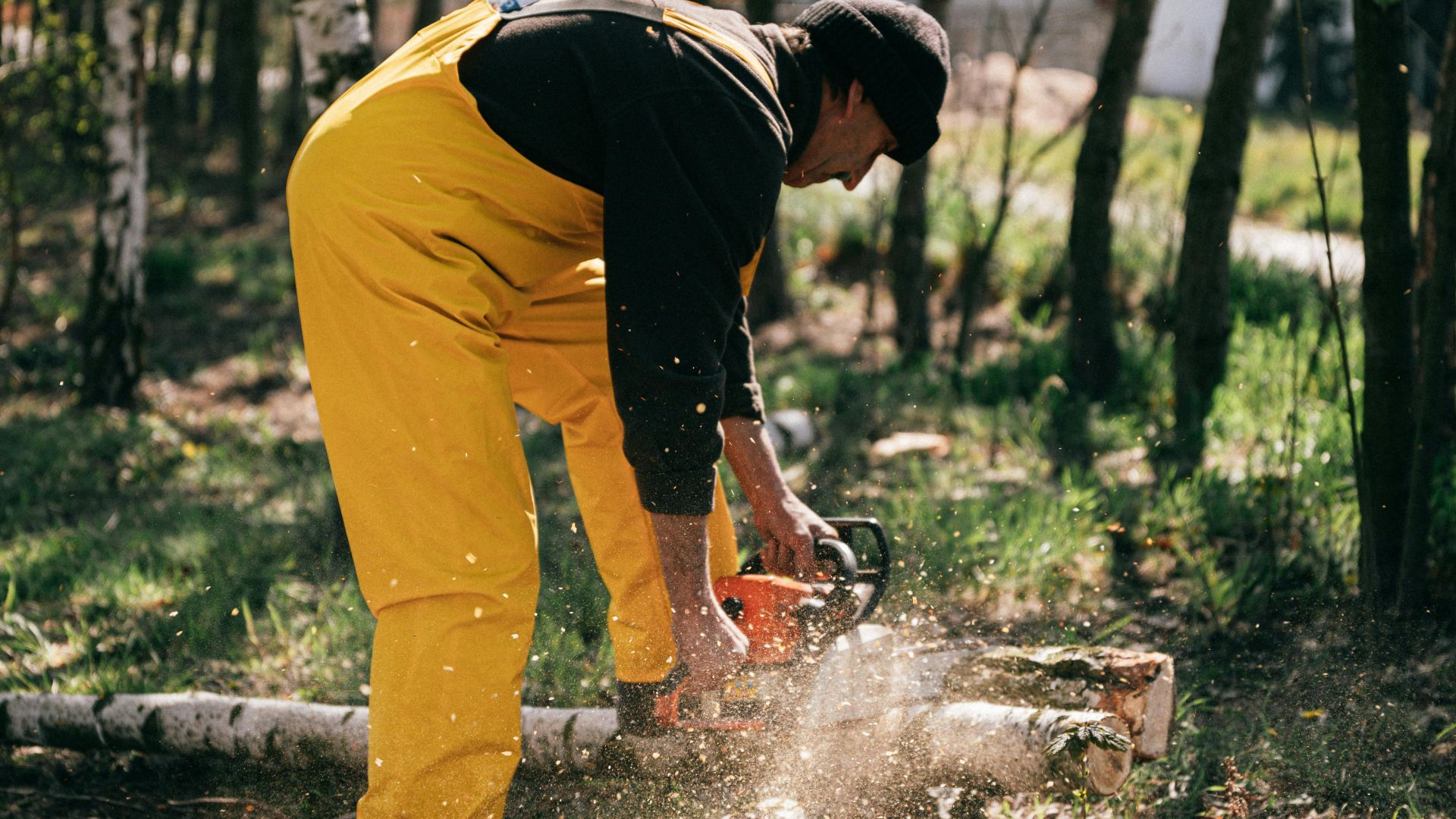
 Helena Jankovičová Kováčová, Pexels
Firewood Need Is Not Usually A Legal Exception
This is the part nobody with a woodstove loves hearing. Wanting fuel for heating does not automatically create a right to harvest trees in an HOA. The board will usually treat that as a personal use issue, not a neighborhood maintenance exception. Cozy intentions do not magically beat recorded covenants.
Why The Board Cares About Precedent
HOAs hate setting precedents they cannot control later. If one person gets to cut a healthy tree for firewood, the next person wants to remove two for a better view, and the next person wants a sunnier garden. Suddenly the neighborhood starts looking less “planned community” and more “everybody had ideas.”
There Is Also The Property Value Argument
Whether you agree with it or not, HOAs often justify tree rules as part of preserving neighborhood appearance and protecting value. Trees can provide shade, screening, visual character, and a finished look. To a board, cutting one down may feel less like routine yard work and more like changing the face of the block.
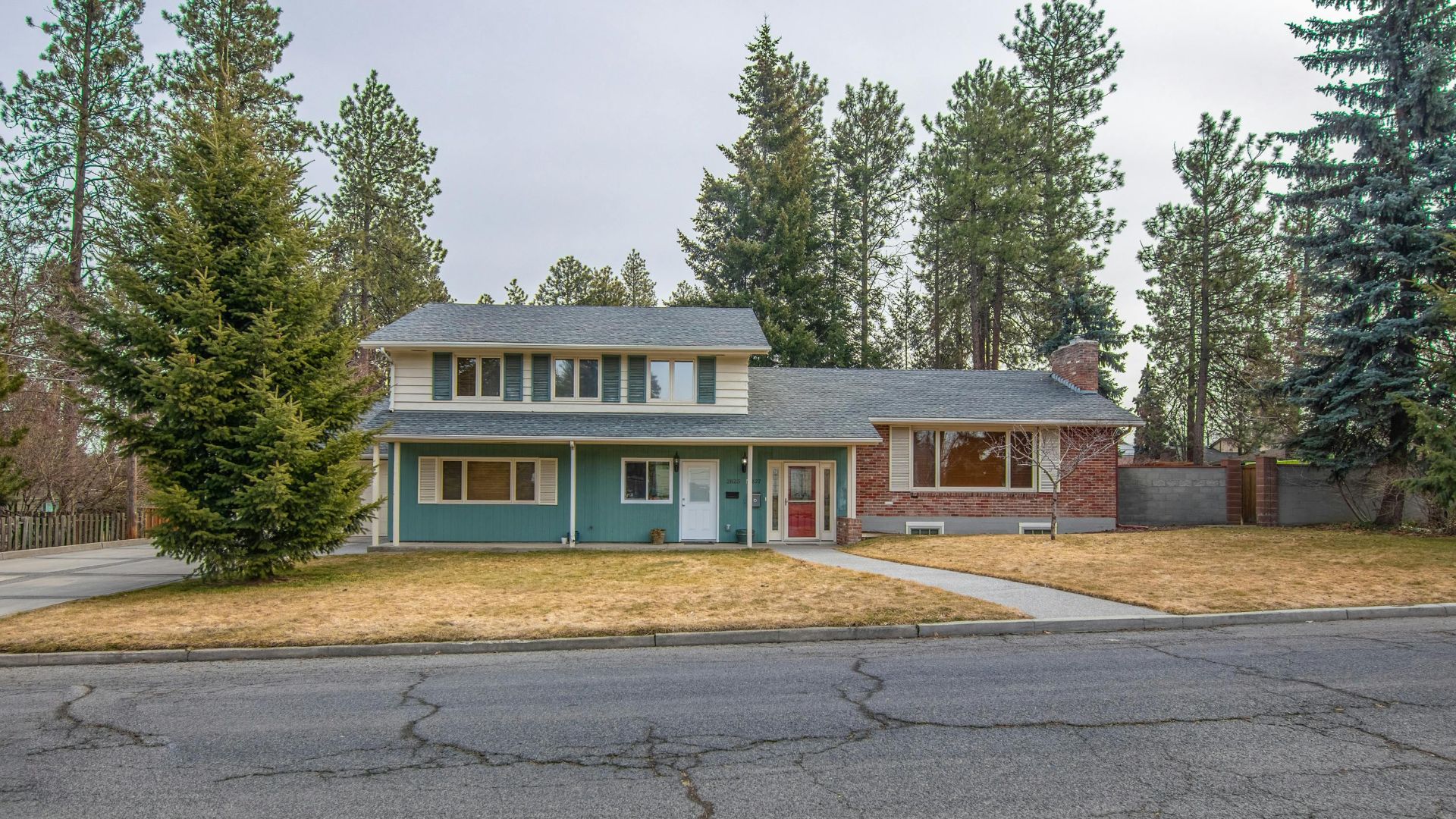
This Is Where Homeowners Get Tripped Up
The biggest mistake is assuming ownership without proof. The second biggest is assuming silence equals permission. The third biggest is thinking nobody will notice. In HOA neighborhoods, somebody always notices. There is practically a law of nature about that, even if it is not written anywhere official.
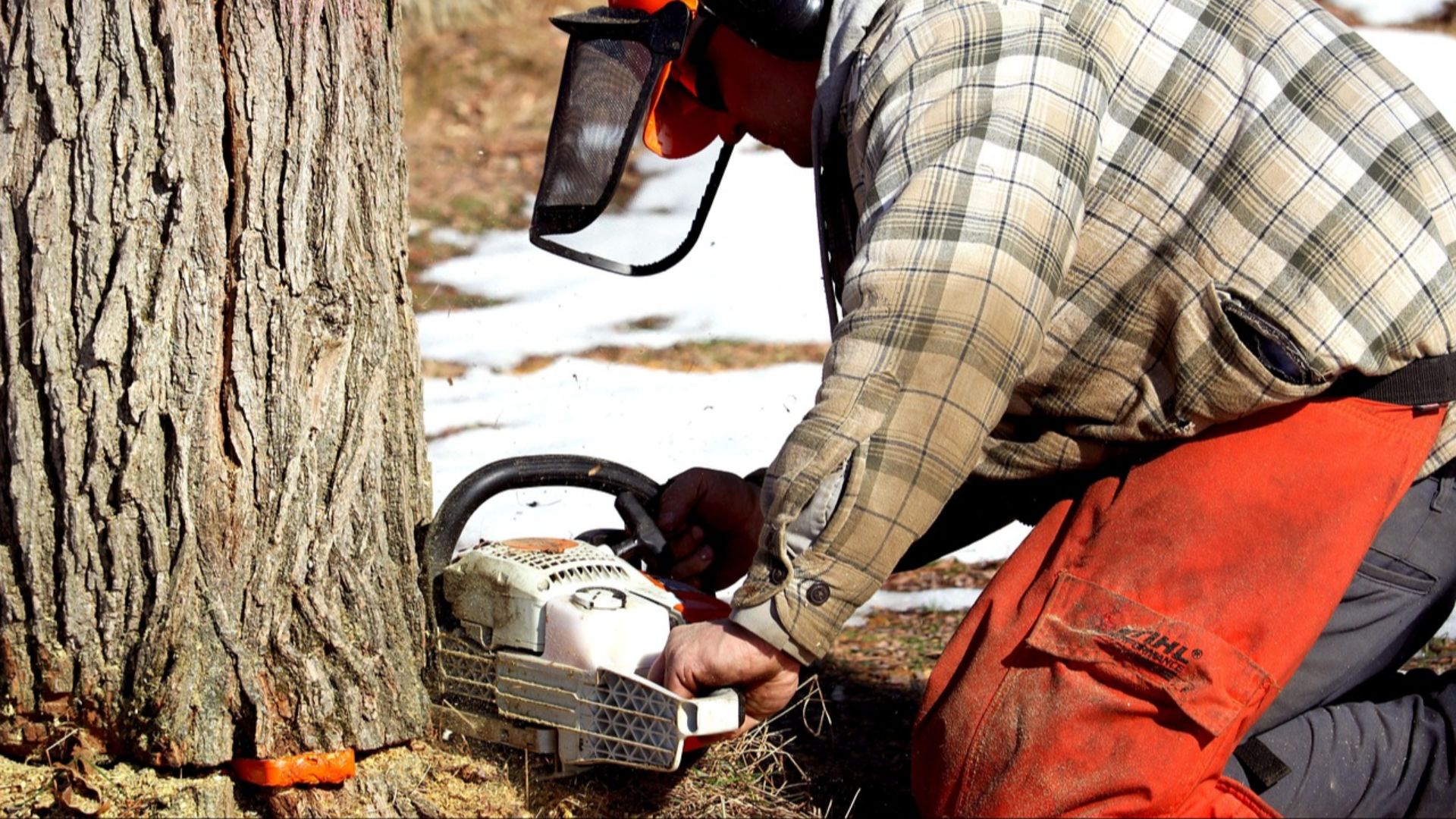
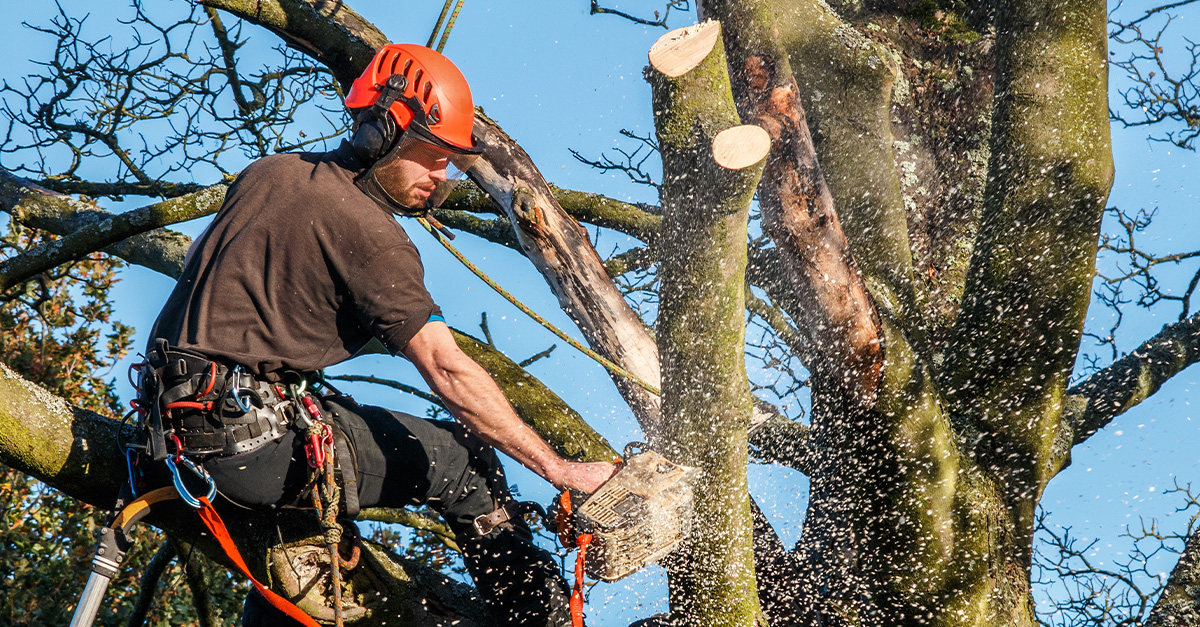
Do Not Test The System With A Weekend Chainsaw Session
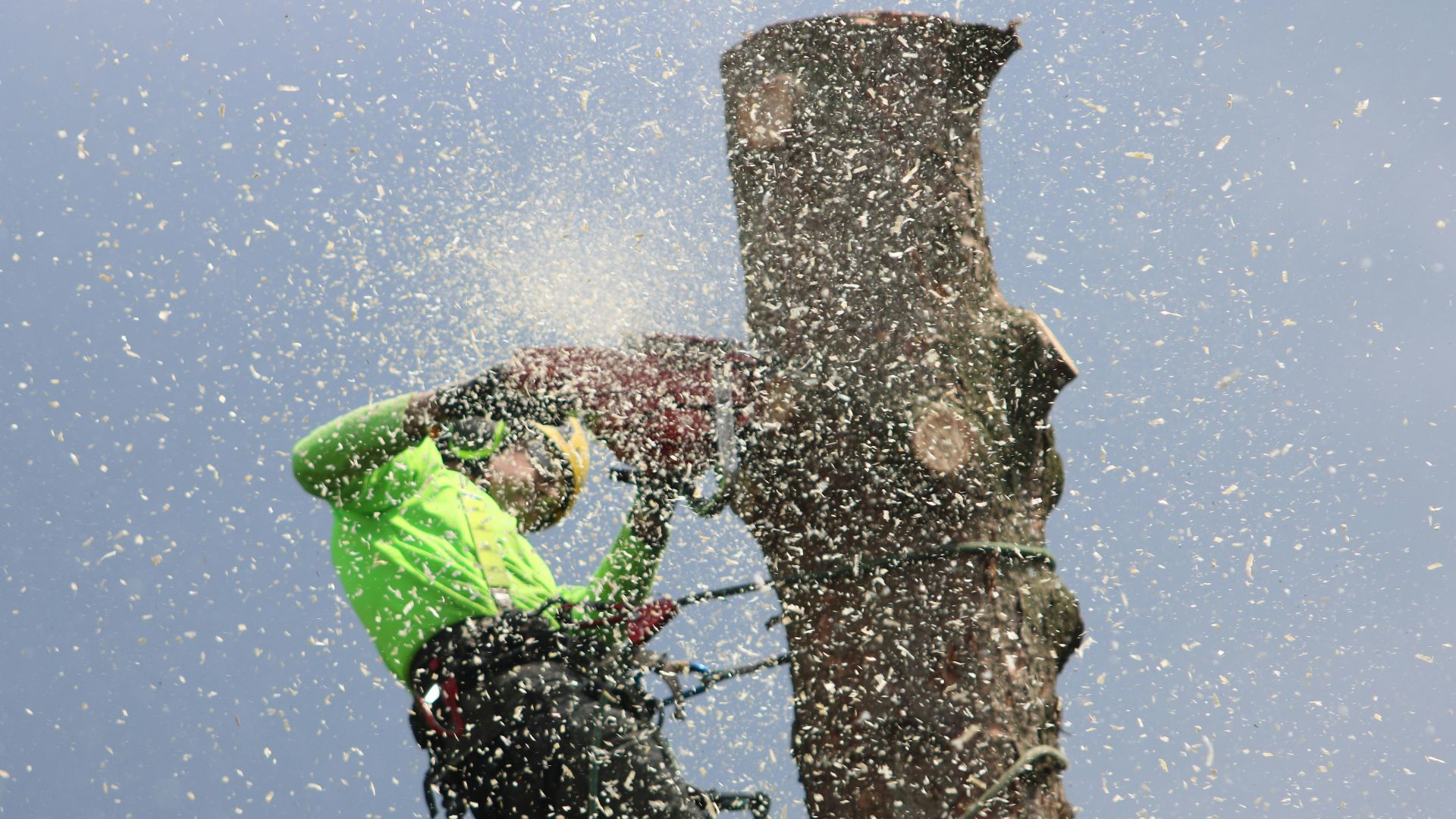
If you cut first and argue later, you may walk straight into fines, violation notices, demands to replace landscaping, or legal trouble. HOA enforcement powers vary by state and documents, but associations commonly can enforce CC&Rs and issue penalties for violations.
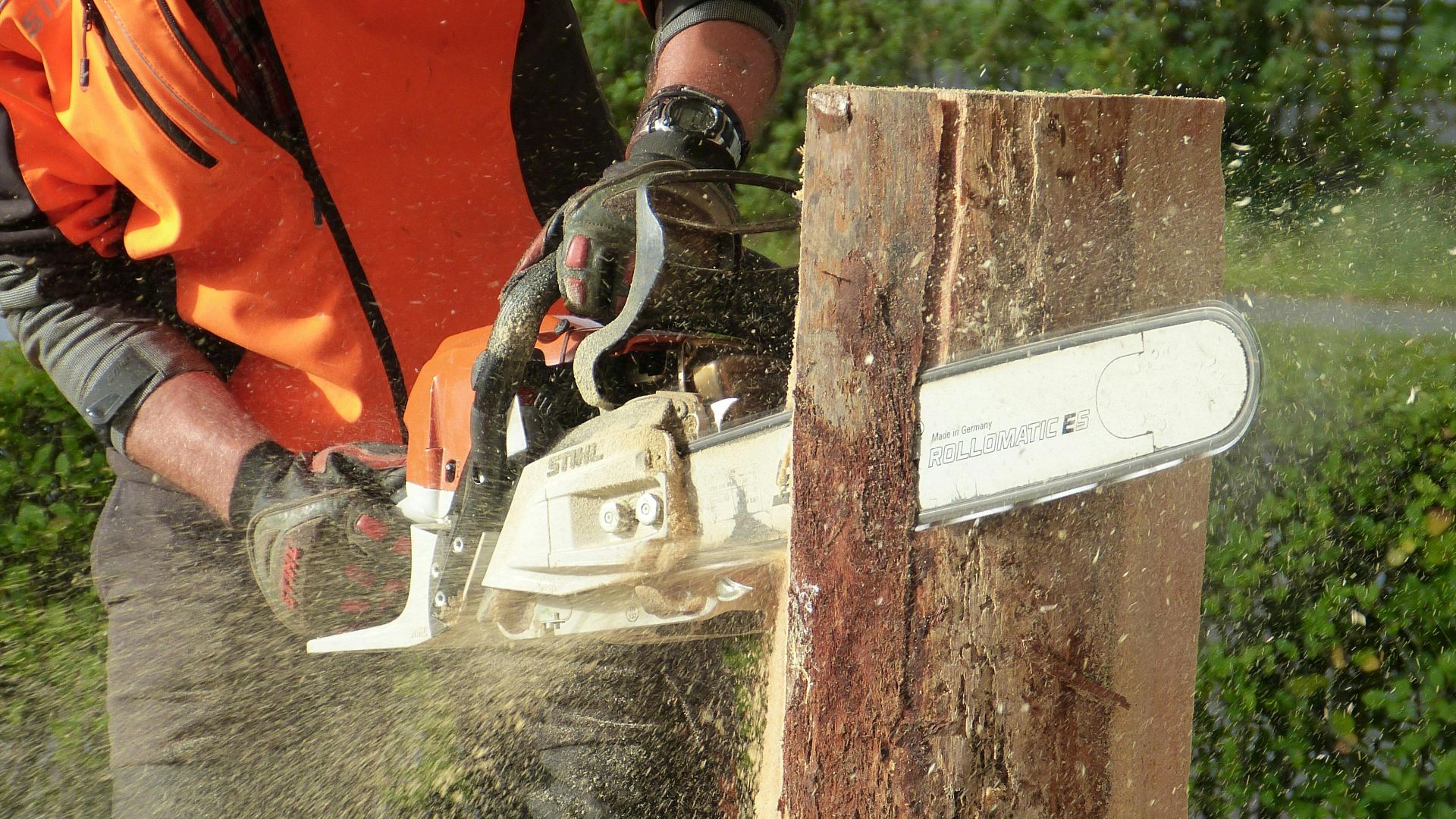
Ask For The Map, Not Just An Opinion
If the HOA says, “Those trees belong to us,” ask them to show you exactly why. Request the plat, site plan, deed language, or governing provision they are relying on. This changes the conversation from neighborhood mythology to actual documents, which is where these disputes should live.

Put Everything In Writing
You want a paper trail, not a parking-lot argument. Ask who owns the tree, which rule applies, whether the area is common or limited common property, and whether there is any approval path for removal. Written answers are calmer, clearer, and much more useful if the dispute escalates.

Bring Evidence, Not Vibes
If you think the tree should come down, build your case properly. Photos, survey information, prior approvals, and an arborist report will do far more for you than saying, “It’s kind of in my way” or “I burn wood, so this seems efficient.” Logic helps; documentation wins.
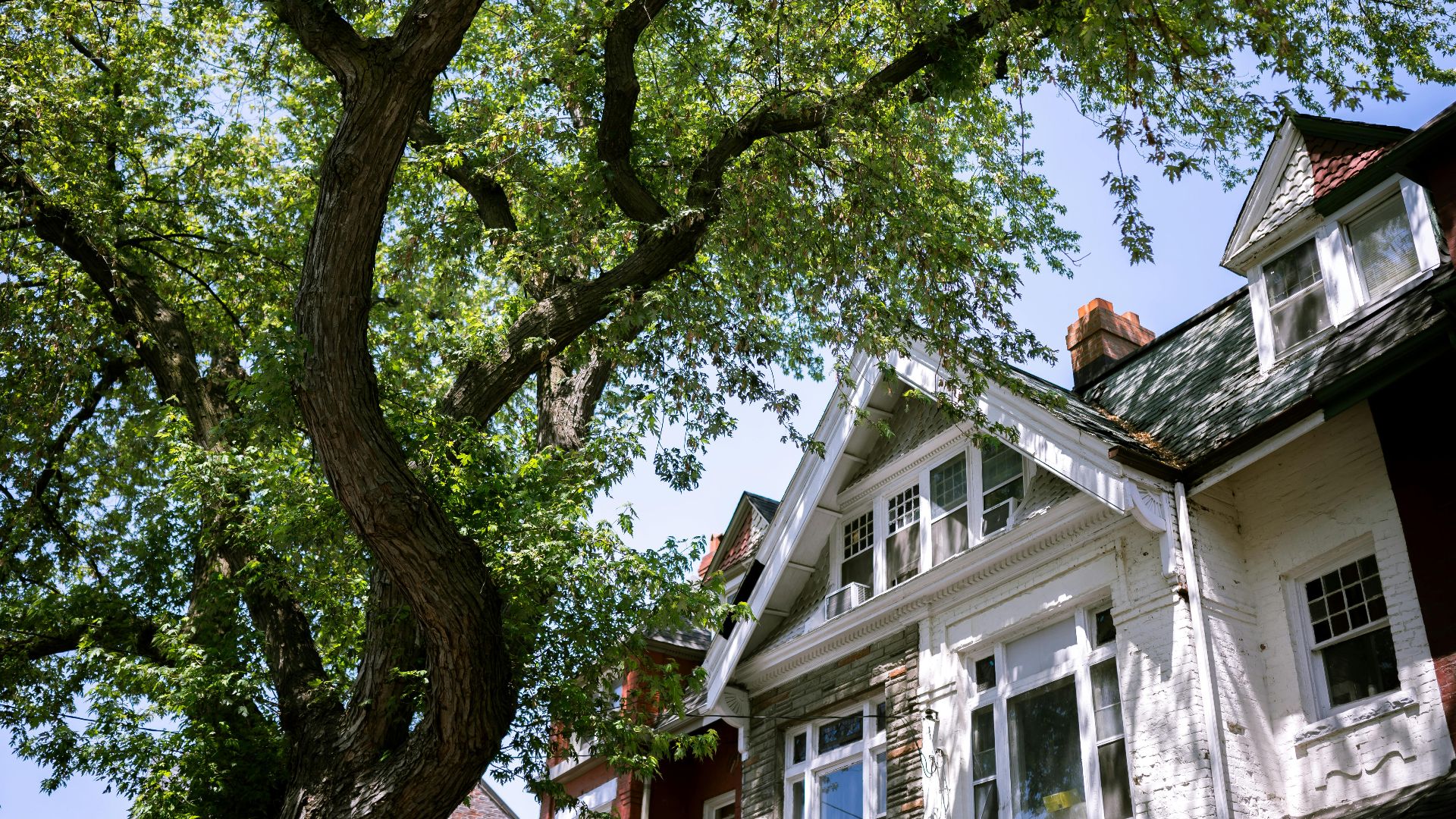
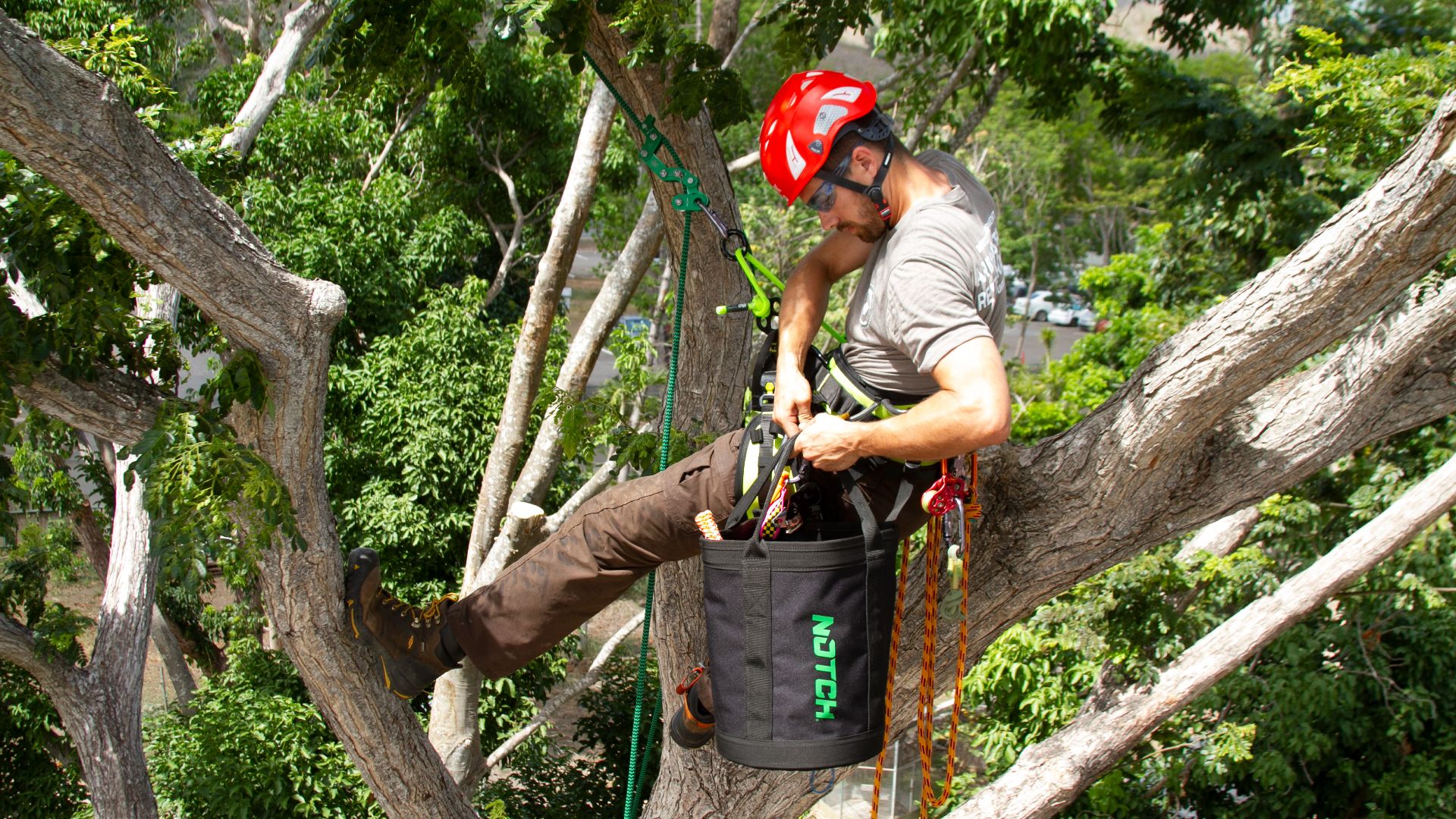
An Arborist Can Change The Entire Tone
A certified arborist can tell you whether the tree is healthy, hazardous, diseased, or already compromised. That matters because “I want the tree” sounds self-interested, while “a professional says this tree is unsafe” sounds responsible. One gets eye-rolls. The other gets taken seriously.
 TreeMinion15, Wikimedia Commons
There May Be A Compromise Available
You might not get permission to cut a healthy tree for fuel, but you may get approval for trimming, removal with replacement, or access to storm-fallen wood the HOA was already planning to clear. Some disputes calm down fast once both sides stop acting like this is a medieval land dispute.
Your Best Leverage Is Precision
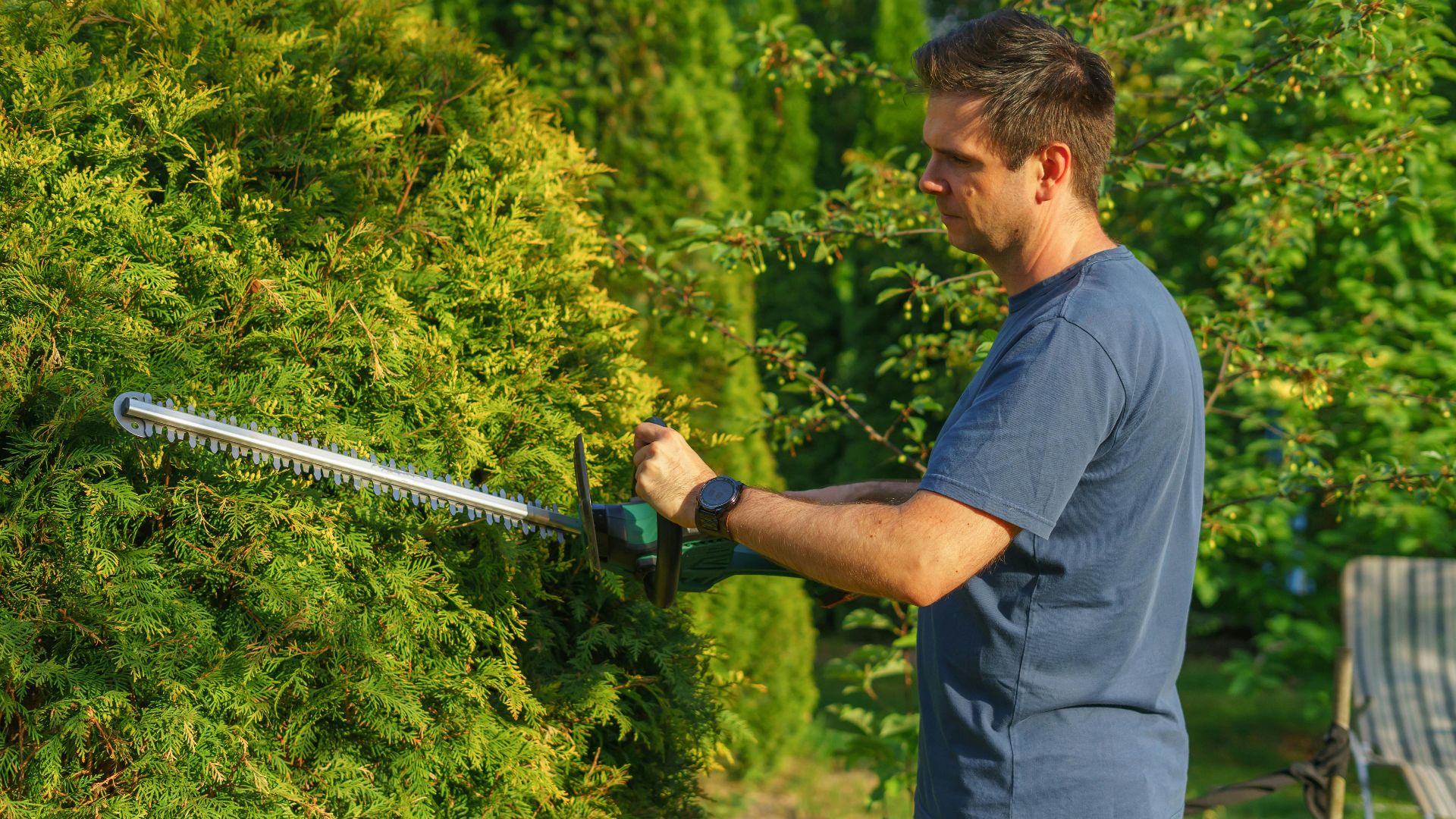
Do not go in asking, “Can I take those trees?” Go in asking, “Can you identify whether these are on my lot or HOA common property, and if they are common property, is there a process for removal if an arborist finds a hazard?” Precise questions get better answers.
 LinkedIn Sales Solutions, Unsplash
When It Is Time To Talk To A Lawyer
If the documents are unclear, the board refuses to show support for its position, or you are facing fines over a tree you believe is yours, this is when a local real-estate or HOA lawyer earns their keep. Tree law plus HOA law is a special kind of headache, and local rules matter.

Also, Do Not Forget Local Tree Rules
Even if the HOA gave you a gold star, city or county rules might still matter. Some places regulate tree removal, protected species, permits, or replacement requirements. So the HOA is not always the only gatekeeper standing between you and your future stack of split oak.
The Emotion Here Is Totally Understandable
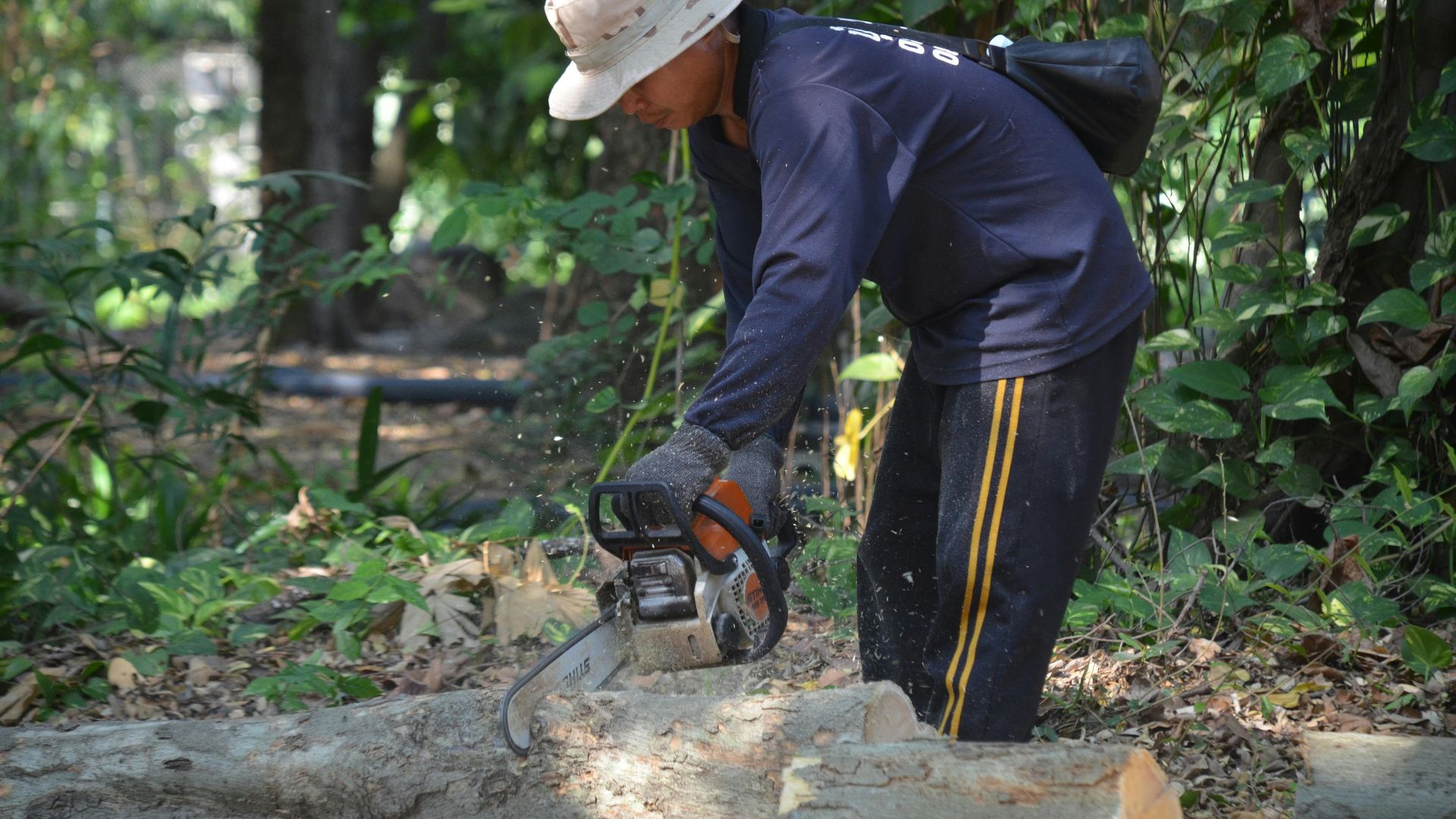
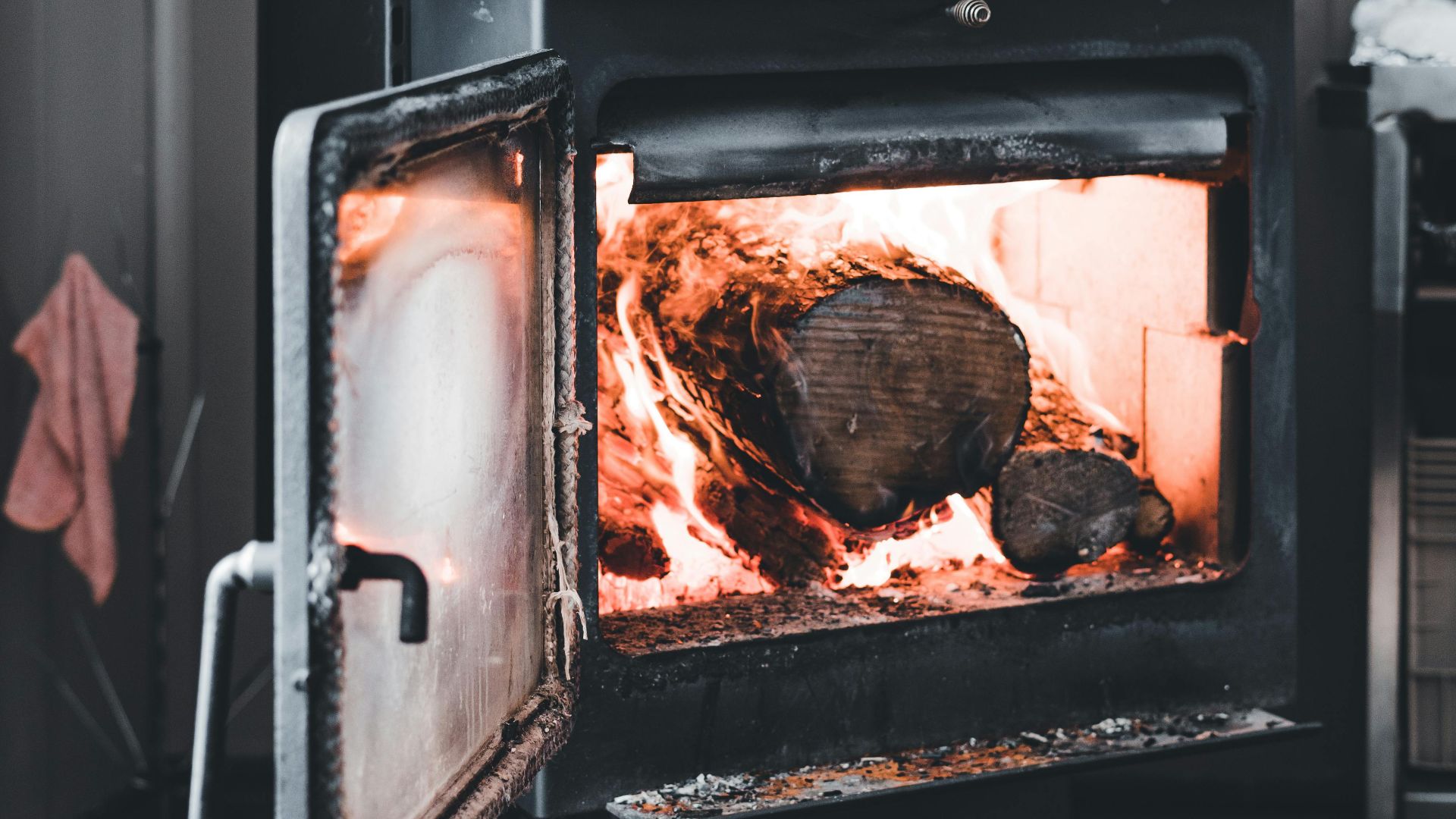
If you heat with wood, you do not see trees the same way as someone who just wants a pretty street. You see winter security. You see savings. You see independence. So yes, it feels ridiculous when an HOA acts like your heating plan is a threat to civilization. But legally, feelings do not decide ownership.
The Most Honest Answer
Are they serious? Very possibly, yes. If the trees are on HOA common property, they may be entirely within their rights to stop you. If the trees are on your lot, they still may be able to regulate removal through the CC&Rs or architectural rules. The only smart move is to verify ownership and authority before touching a saw.

Before You Make Firewood, Make Sure You Are Not Making A Problem
The dream of free heat is great. The dream of free heat plus HOA fines, angry letters, replacement costs, and a legal dispute is much less charming. So yes, your HOA may be serious, and the safest path is gloriously unglamorous: read the documents, check the map, get answers in writing, and leave the tree standing until you know whose tree it really is.
You May Also Like: