
I made a mistake with company inventory and now they’ve deducted money from my paycheck for “lost merchandise.” Can they do this?

I made a mistake with company inventory and now they’ve deducted money from my paycheck for “lost merchandise.” Can they do this?


March 27, 2026 | Sammy Tran

I made a mistake with company inventory and now they’ve deducted money from my paycheck for “lost merchandise.” Can they do this?


When Your Paycheck Suddenly Shrinks

You check your pay stub and notice something alarming. Your employer deducted money for “lost merchandise” or inventory shortages. No warning, no clear explanation, just less money in your account. It seems like it should be flat out illegal. The big question now is whether your employer actually has the right to do this or not.

DockedpaycheckmsnFactinate

Advertisement

Understanding The Basic Rule

In the United States, employers cannot just take money from your paycheck whenever they feel like it. Wage deductions are tightly regulated by federal and state law. In most cases, deductions must be authorized, lawful, and clearly explained. If they are not, they may qualify as wage theft, which can carry serious legal consequences.

A focused man in glasses counting cash at a desk, indicating financial management.Tima Miroshnichenko, Pexels

Advertisement

The Role Of Federal Law

The Fair Labor Standards Act sets the baseline rules for paycheck deductions. It does not completely ban deductions for losses, but it places strict limits on when they are allowed. Most importantly, deductions cannot reduce your pay below minimum wage or cut into overtime compensation.

paycheckAndrey_Popov, Shutterstock

Advertisement

Why “Lost Merchandise” Is A Red Flag

Deductions for lost merchandise, inventory shrinkage, or theft are especially controversial. These losses are generally considered to fall under the cost of doing business. Passing that cost onto employees is often seen as benefiting the employer, which raises legal concerns under federal wage laws.

sergeitokmakovsergeitokmakov, Pixabay

Advertisement

Written Permission Matters

In many states, your employer can’t deduct money for losses unless you gave written authorization ahead of time. This usually means signing a policy or agreement that clearly explains under when and how these deductions would occur. Without that signed written consent, deductions are often unlawful.

A hand holding a pen signing a document, close-up shot with focus on the paper.Tima Miroshnichenko, Pexels

Advertisement

Even With Consent, There Are Limits

Even if you did sign something, it doesn’t give your employer unlimited power. The deduction still must follow wage laws. For example, it cannot bring your pay below minimum wage or violate overtime rules. A signed agreement does not override federal protections.

TumisuTumisu, Pixabay

Advertisement

State Laws Can Be Stricter

This is where things get complicated. Federal law sets a minimum standard, but many states go further. Some states flat-out prohibit deductions for things like inventory shortages or damaged goods unless very specific conditions are met. Others require proof of wrongdoing before any deduction is allowed.

United States Capitol Building in Washington, DC - Segway RiderDavid Maiolo, Wikimedia Commons

Advertisement

When Fault Actually Matters

In some jurisdictions, your employer has to prove that you were responsible for the loss. That could mean negligence, intentional misconduct, or even theft. Without that proof, simply blaming you for missing merchandise is not enough to justify a deduction.

Confident businessman in a suit pointing forward, signifying leadership and focus.Lukas Blazek, Pexels

Advertisement

Mistakes Aren’t Usually Chargeable

If merchandise went missing because of an honest mistake or general store conditions, your employer usually cannot make you pay for it. Courts and regulators often treat these losses as normal business risks rather than employee liabilities.

Judge Signing on the PapersKATRIN BOLOVTSOVA, Pexels

Advertisement

Cash Register Shortages And Similar Cases

Retail environments often try to link cash till shortages directly to employees. While some states allow deductions in these situations, they usually require some form of advance written authorization and notice. Without those safeguards, the deduction may be illegal.

a person is using a tablet on a conveyor beltSimon Kadula, Unsplash

Advertisement

Minimum Wage Trap

One of the biggest legal violations happens when deductions push your pay below the minimum wage rate. Even if everything else is technically allowed, this alone can make the deduction illegal under federal law.

fan of 100 U.S. dollar banknotesAlexander Mils, Unsplash

Advertisement

Exempt Vs Nonexempt Employees

Your classification is important. Salaried exempt employees are generally protected from these kinds of deductions entirely. Docking their pay for losses can be a breach of salary rules and undermine their exempt status, creating major legal exposure for employers.

three men sitting on chair beside tablesAustin Distel, Unsplash

Advertisement

Overpayments Are Different

Employers can sometimes deduct for overpayments, but that is a totally different situation. Overpayments have to be accidental, discovered quickly, and handled carefully. Lost merchandise does not fall into this category, so the rules are not the same.

focus photography of person counting dollar banknotesAlexander Grey, Unsplash

Advertisement

What Your Pay Stub Should Show

Employers are typically required to provide clear documentation of any deduction. That includes the reason, amount, and timing. If your pay stub simply lists a vague charge without explanation, that is another warning sign that something may be wrong.

1854581986 - Andrey_Popov - Holding Paycheck Or Payroll Check Or Insurance Cheque In HandAndrey_Popov, Shutterstock, Modified

Advertisement

What Similar Stories Like This Reveal

Online discussions about this issue often show a pattern. Workers report being charged for theft they didn’t commit or losses of perishables they couldn’t control. In a lot of these cases, commenters point out that employers are trying to shift business risk onto employees improperly.

Professional man intensely working on a computer at his office desk, focused and determined in a business environment.Thirdman, Pexels

Advertisement

First Step: Ask Questions

Start by asking your employer for a detailed explanation. Request documentation indicating why the deduction was made and whether you authorized it. Keep your tone professional but firm. Sometimes these situations come from honest errors rather than intentional wrongdoing.

Two professionals in business attire engage in a thoughtful discussion sitting in a stylish, modern room.Jopwell, Pexels

Advertisement

Second Step: Review Your Agreement

Review your employment contract, handbook, or any documents you signed. Check whether they mention deductions for losses or merchandise shortages. Pay attention to whether the language is specific and whether you actually agreed to it in writing.

Man reading document at kitchen table with coffeeVitaly Gariev, Unsplash

Advertisement

Third Step: Document Everything

Keep copies of your pay stubs, emails, and any written communication. Write down dates and amounts of deductions. This documentation becomes crucial if you need to file a complaint or pursue legal action later.

Crop concentrated African American manager in formal outfit reading important documents while leaning on fence in soft daylightOno Kosuki, Pexels

Advertisement

When To Escalate The Issue

If your employer refuses to fix the issue, you can file a complaint with your state labor department or the U.S. Department of Labor. A lot of workers have been able to recover lost wages this way. In some cases, you may also be entitled to additional damages or penalties, but that is beyond the scope of this article.
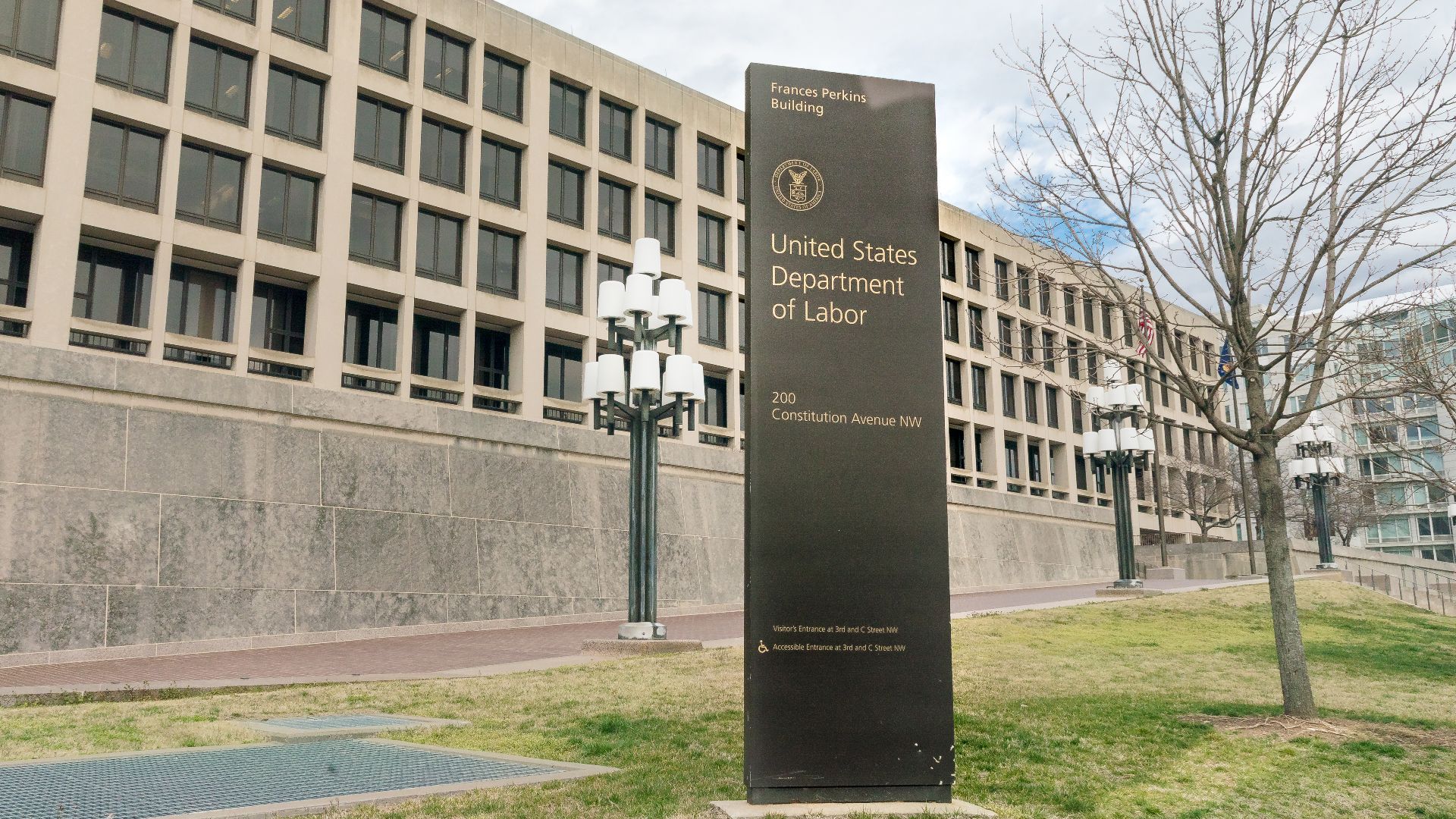
Washington, DC –    
Official Department of Labor Photograph***
Photographs taken by the federal government are generally part of the public domain and may be used, copied and distributed without permission. Unless otherwise noted, photos posted here may be used without the prior permission of the U.S. Department of Labor. Such materials, however, may not be used in a manner that imply any official affiliation with or endorsement of your company, website or publication.
Photo Credit: Department of Labor

Shawn T MooreUS Department of Labor, Wikimedia Commons

Advertisement

Bottom Line

Your employer might be able to deduct money for lost merchandise, but only under very strict conditions. Without written consent, proper justification, and compliance with wage laws, the deduction is likely illegal. If something feels off, trust that instinct and take action to protect your pay.

Shallow Focus of a Man Wearing Brown Leather Jacket while Talking to His ColleagueRDNE Stock project, Pexels

You May Also Like:

I got a promotion at work for great performance, but now a colleague is accusing me of claiming his work as my own. What can I do?

I offered our best part-time worker a full-time job with a raise and benefits, but she said no because she would lose her food stamps. What now?

My employer switched payroll providers and now my paycheck is being withheld for “verification.” Rent is due in two days. What can I do?

Sources: 1, 2, 3, 4, 5, 6, 7, 8, 9, 10, 11, 12, 13, 14


READ MORE

Desk Job

The desk job isn't looking so safe anymore, and the trades are filling the gap

Something is quietly shifting in the American workforce. Professionals who spent years in offices are trading keyboards for tool belts, and the numbers behind that decision are more serious than most people realize.
March 2, 2026 Jane O'Shea

A $10 flea-market find turns out to be a photo of Billy the Kid—one worth millions because of who else is pictured: The man who shot him.

He didn’t think much of it when he bought the old photo for $10 at a flea market. But under the dust and scratches lay something remarkable—a rare glimpse of the legendary Billy the Kid. Yet what stunned historians most wasn’t the outlaw himself…it was the man sitting right next to him.
October 29, 2025 Jesse Singer

10 Hidden Expenses That Are Draining Your Wallet Every Month

Even the most careful budgeters can end up wondering where their money went at the end of the month. Very often it's the small, recurring expenses that quietly add up over time.
May 6, 2025 Miles Brucker

10 Money Habits Of People Who Retire Before 40

Retiring at 40 isn't a pipe dream, and you don't have to be a tech genius, Wall Street bro, or pro athlete to do it. But you have to follow the habits of those who've done it before.
April 15, 2025 Penelope Singh

Once-Boring Postage Stamps That Are Now Jackpot To Collectors

A postmark here, a printing slip there—history has a way of hiding value in plain sight. Some stamps grew from ordinary mail carriers into cultural icons, now ranking among the world’s most sought-after collectibles.
September 16, 2025 Alex Summers
corporateinternal

10 Shocking Corporate Meltdowns

Major corporations seem so stable. That's why shocking corporate meltdowns are so compelling. Here are 10 of the worst ever.
June 14, 2023 Eul Basa


Disclaimer

The information on MoneyMade.com is intended to support financial literacy and should not be considered tax or legal advice. It is not meant to serve as a forecast, research report, or investment recommendation, nor should it be taken as an offer or solicitation to buy or sell any securities or adopt any particular investment strategy. All financial, tax, and legal decisions should be made with the help of a qualified professional. We do not guarantee the accuracy, timeliness, or outcomes associated with the use of this content.


Dear reader,


It’s true what they say: money makes the world go round. In order to succeed in this life, you need to have a good grasp of key financial concepts. That’s where Moneymade comes in. Our mission is to provide you with the best financial advice and information to help you navigate this ever-changing world. Sometimes, generating wealth just requires common sense. Don’t max out your credit card if you can’t afford the interest payments. Don’t overspend on Christmas shopping. When ordering gifts on Amazon, make sure you factor in taxes and shipping costs. If you need a new car, consider a model that’s easy to repair instead of an expensive BMW or Mercedes. Sometimes you dream vacation to Hawaii or the Bahamas just isn’t in the budget, but there may be more affordable all-inclusive hotels if you know where to look.


Looking for a new home? Make sure you get a mortgage rate that works for you. That means understanding the difference between fixed and variable interest rates. Whether you’re looking to learn how to make money, save money, or invest your money, our well-researched and insightful content will set you on the path to financial success. Passionate about mortgage rates, real estate, investing, saving, or anything money-related? Looking to learn how to generate wealth? Improve your life today with Moneymade. If you have any feedback for the MoneyMade team, please reach out to [email protected]. Thanks for your help!


Warmest regards,

The Moneymade team