
The Suspicion Makes Sense
If your friend says the stock market is pointless unless you have insider information, they are tapping into a very old fear. Wall Street has had real scandals, real cheating, and real people who got rich using secrets they were not supposed to have. But that does not mean regular investors are doomed. The real question is not whether markets are perfectly fair, because they are not. It's whether ordinary people can still build wealth without cheating.
 AlphaTradeZone, Pexels, Modified
Insider Trading Is Real, And It Is Illegal
Insider trading usually means buying or selling securities based on important, nonpublic information in breach of a duty of trust. The U.S. Securities and Exchange Commission has long treated that as securities fraud. So your friend is not making things up when they say some people try to win with hidden information. The next point matters just as much: regulators do investigate and prosecute it.
 Richard Bett, Wikimedia Commons
Martha Stewart Became A Famous Example
One of the best-known cases involved Martha Stewart and stock sold in late 2001 after news tied to ImClone Systems. In 2004, Stewart was convicted on charges including conspiracy, obstruction of justice, and making false statements, though not on insider trading itself. The case became a national symbol of how suspiciously timed trades can bring federal scrutiny. It also showed that celebrity status does not put anyone above investigation.
 Gage Skidmore from Peoria, AZ, United States of America, Wikimedia Commons
Raj Rajaratnam Blew The Issue Wide Open
In October 2009, federal prosecutors charged hedge fund manager Raj Rajaratnam in what became one of the biggest insider trading crackdowns in U.S. history. In 2011, he was convicted on multiple counts of securities fraud and conspiracy after prosecutors used wiretaps to show how nonpublic information moved through a network of insiders. The case landed hard because it exposed how executives, consultants, and traders could try to turn secrets into cash. It also showed that authorities can crack open these schemes in dramatic fashion.
 Shankar2001, Wikimedia Commons
Congress Faced Its Own Insider Trading Scandal
Public anger over whether lawmakers could trade on nonpublic information helped lead to the STOCK Act in 2012. The law was meant to clarify that members of Congress and other government employees are not exempt from insider trading rules. It also expanded disclosure requirements for certain financial trades. That episode fed the feeling that the system can look rigged from the top.
 Martin Falbisoner, Wikimedia Commons
There Really Are Unequal Advantages
Even when no law is broken, some investors have better tools, faster technology, and bigger research budgets than others. Big firms can pay for data feeds, analysts, and complex models that ordinary people do not have. That gap is real, and pretending otherwise would be silly. But having an edge is not the same as being guaranteed to win.

Speed Changed The Game
High-frequency trading became a major flashpoint after the 2014 release of Michael Lewis’s book Flash Boys. The book helped popularize the idea that speed advantages and market structure let certain firms profit at others’ expense. Regulators and market insiders argued fiercely over the details, but the controversy highlighted how complicated modern markets had become. For many everyday investors, it deepened the feeling that the system was built for professionals.

The SEC Says Most Investors Are Not Helpless
The SEC has repeatedly said that long-term investing and diversification remain sensible strategies for retail investors. Investor bulletins from the agency warn against chasing rumors, hot tips, and promises of easy profits. That advice exists for a reason. Most people are better off steering clear of secretive stock stories than trying to copy them.

The Data On Active Managers Is Brutal
If insider information were the only way to succeed, you might expect highly paid professional stock pickers to consistently crush the market. In reality, many do not. S&P Dow Jones Indices publishes the SPIVA scorecards, and they regularly show that a majority of actively managed funds lag their benchmarks over long periods. That is a powerful fact because these are professionals with research teams, not amateurs buying stocks on an app.

Long-Term Investors Have A Stronger Case
The classic argument for ordinary investors does not depend on outsmarting everyone else. It depends on owning productive businesses over time and letting economic growth work in your favor. That is the logic behind index investing, which aims to capture market returns rather than beat them. You do not need secret information for that to work.

Jack Bogle Made The Counterargument Famous
In 1976, Vanguard launched the first index mutual fund for individual investors. Founder John C. Bogle argued that low costs, broad diversification, and patience gave ordinary savers a better shot than expensive active strategies. At the time, many people in finance mocked the idea as settling for average. Decades later, indexing became one of the biggest revolutions in personal finance.

Warren Buffett Has Been Blunt About It
Warren Buffett has repeatedly argued that most investors should use low-cost S&P 500 index funds. In his 2013 Berkshire Hathaway shareholder letter, he famously said his instructions for a trust benefiting his wife were to put 90% in a very low-cost S&P 500 index fund and 10% in short-term government bonds. That advice matters because Buffett built his reputation by studying businesses, yet he still recommends simple indexing for most people. He is not saying markets are perfectly fair. He is saying regular investors can still do well.
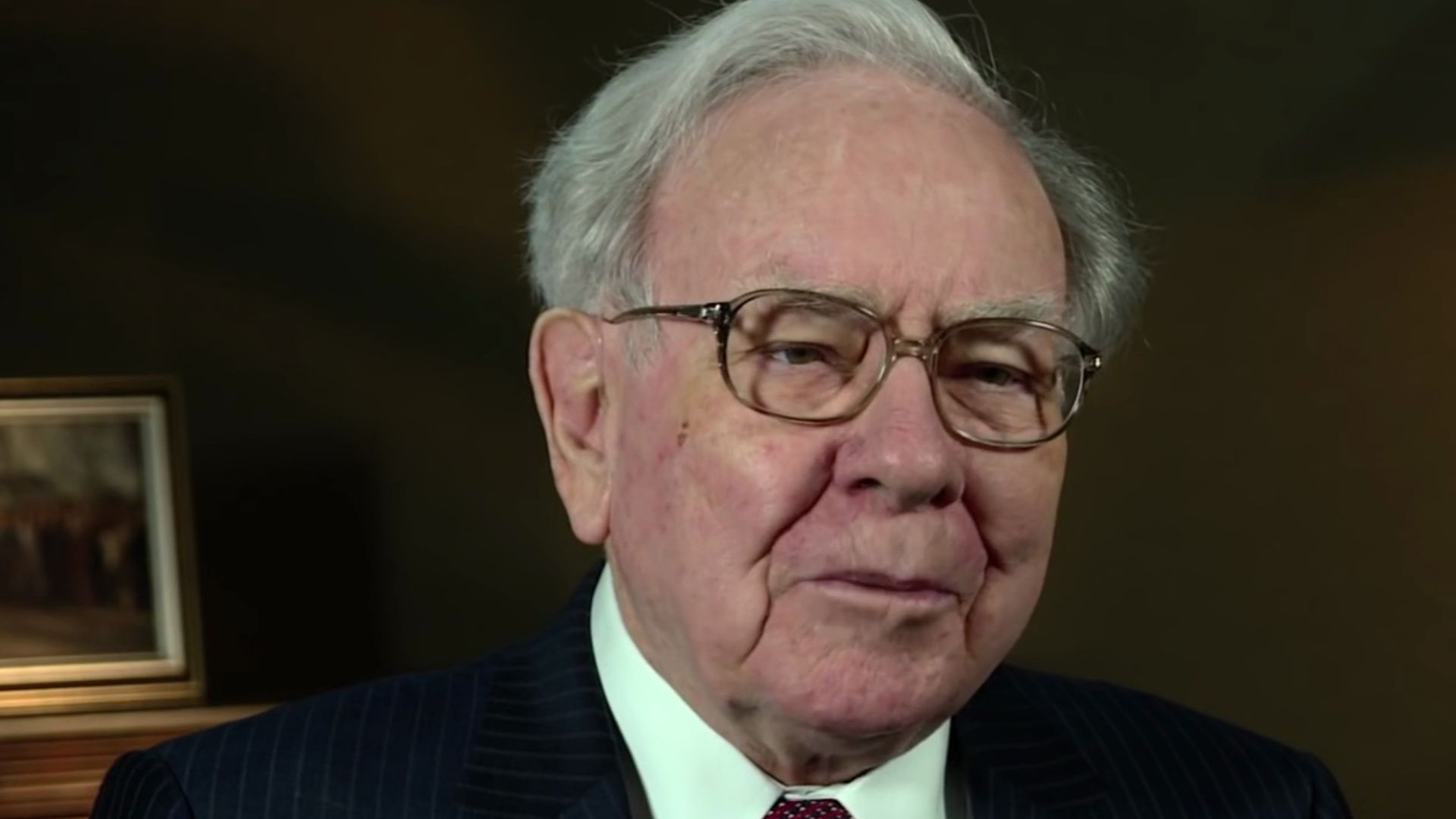 USA International Trade Administration, Wikimedia Commons
Academic Research Also Changed The Debate
In the 1960s, economist Eugene Fama helped develop the efficient market hypothesis, which argued that stock prices quickly reflect available information. The idea has always had critics, especially after bubbles and crashes, but it changed finance. It suggested that consistently beating the market is much harder than many people think. For ordinary investors, that cuts both ways because it means hidden edges are rare and often short-lived.
 Bengt Nyman, Wikimedia Commons
Markets Are Not Perfectly Efficient
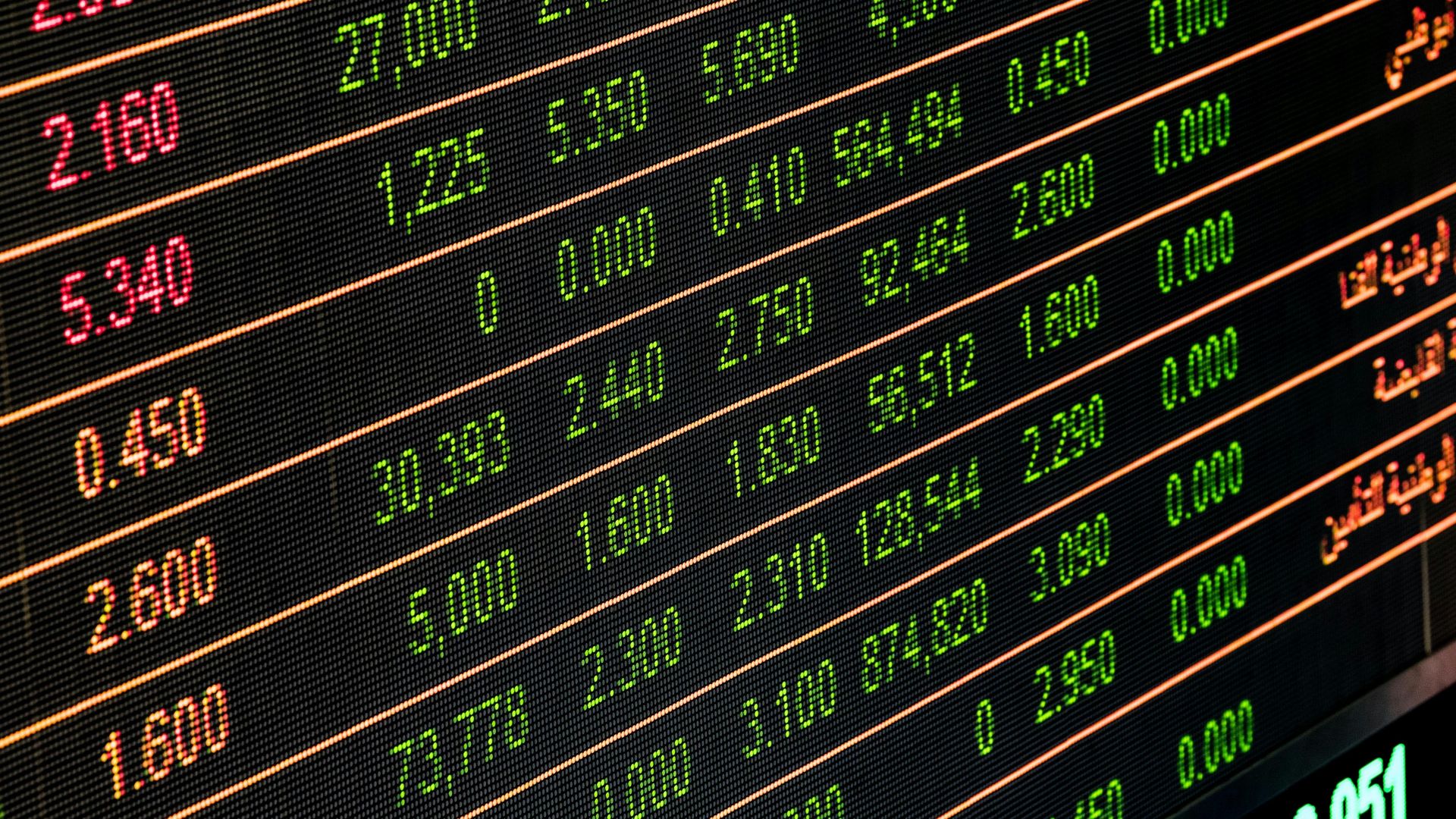
Real life has never matched the neatest textbook version of market efficiency. Bubbles, panics, meme-stock surges, and delayed reactions all show that prices can get weird. Researchers and investors have spent decades documenting odd patterns and human bias. So your friend is right about one thing: markets are messy, emotional, and sometimes unfair.
But Rigged Is A Bigger Claim
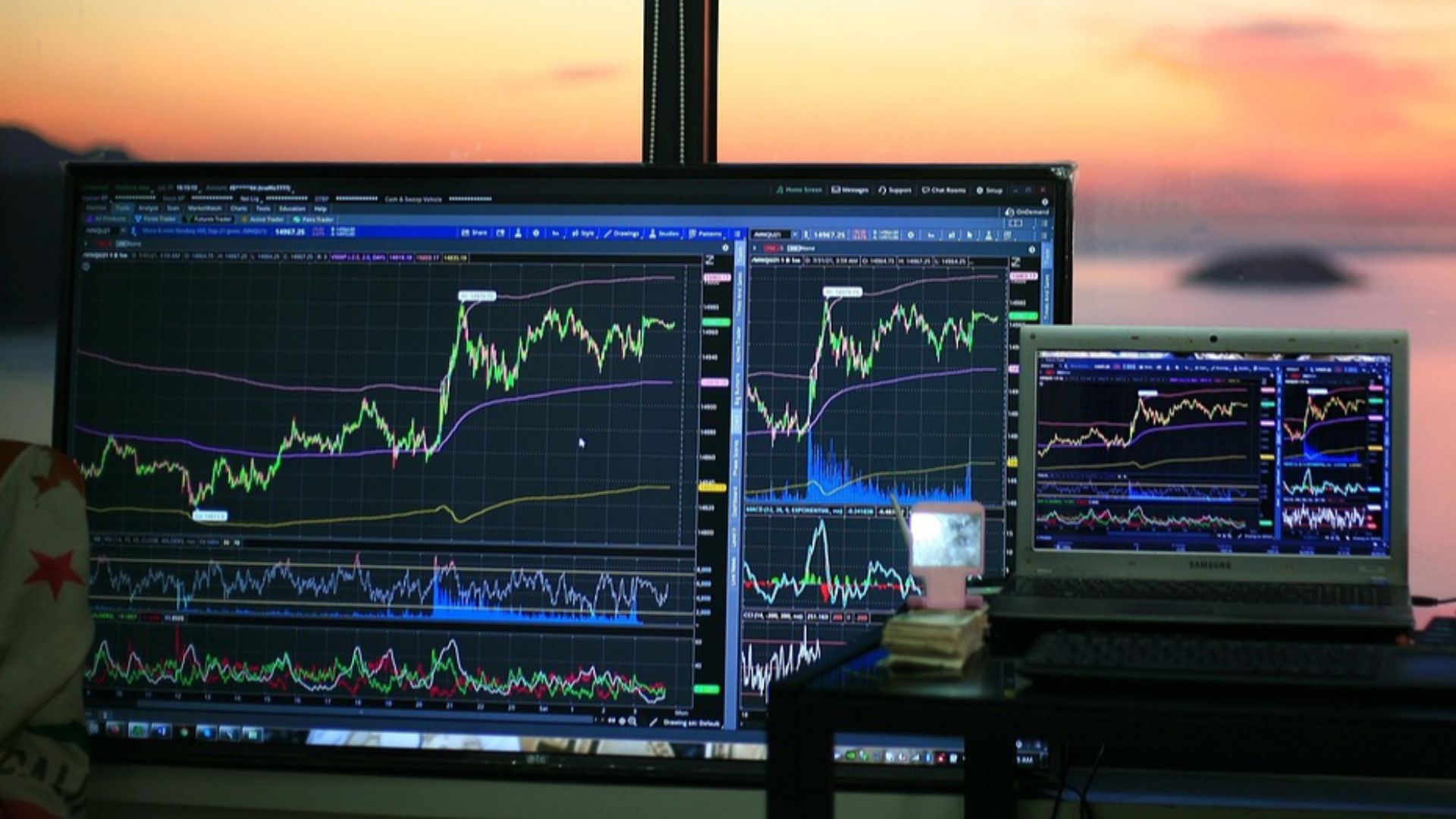
A rigged market would mean ordinary investors have no real chance unless they cheat or join an elite inner circle. That is not what the evidence shows. Investors who buy diversified, low-cost funds and keep contributing over long periods have historically shared in the growth of the economy. They may not win every year, but they do not need insider information to benefit.
History Gives Regular Investors A Real Case
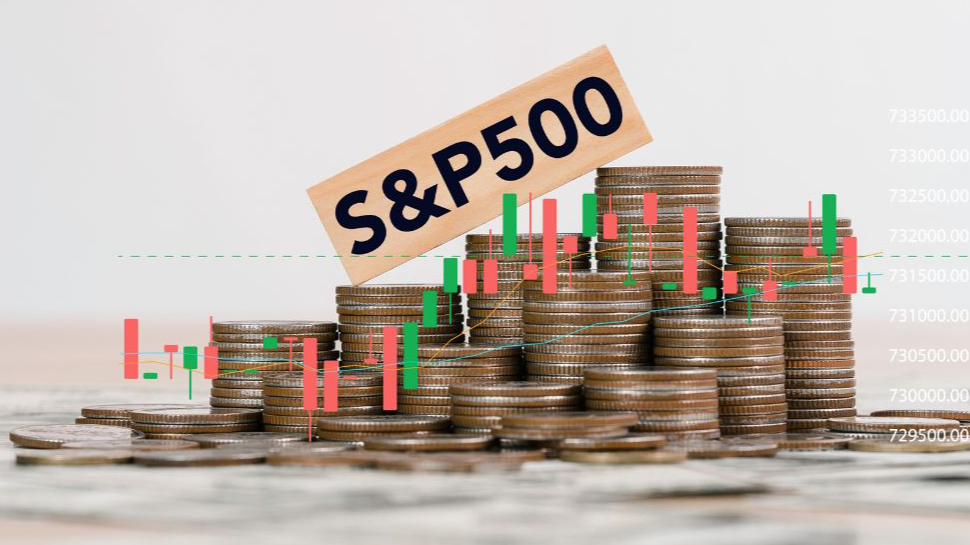
The S&P 500 has delivered positive returns over many long rolling periods, though not every year and never with guarantees. That record includes wars, recessions, inflation shocks, and financial crises. Long-term investing works not because markets are pure, but because companies earn profits, build new things, and grow. Patience has often beaten prediction.
Scandals Hurt Trust For Good Reason
The 2001 Enron collapse and the 2008 financial crisis badly damaged public confidence in markets and institutions. In both cases, ordinary people watched insiders, executives, and major firms make disastrous or deceptive choices while others paid the price. Skepticism after episodes like that is reasonable. Trust has to be earned, and Wall Street has often made that difficult.

The Meme Stock Era Added More Chaos
In early 2021, GameStop became the center of a trading frenzy involving retail traders, short sellers, and online communities. Congressional hearings and an SEC staff report later examined the episode and the plumbing of modern markets. The spectacle left many people feeling either newly empowered or newly suspicious, sometimes both at once. It was another reminder that markets can look more like a street fight than a spreadsheet.

Brokerage Apps Can Blur The Line Between Investing And Gambling
Zero-commission trading made market access easier, which is a real benefit. But easy access can also tempt people into frequent trading, options speculation, and chasing viral tips. Regulators and academics have warned that heavy trading can hurt returns for many individuals. Buying stocks is not pointless, but treating the market like a slot machine usually is.

Costs Matter More Than Hot Tips
One of the least exciting facts in investing is also one of the most important: fees compound against you. Bogle built an empire around that insight, and a mountain of evidence backs it up. If you can control taxes, fees, diversification, and behavior, you are already focusing on the factors that most reliably shape results. None of that requires privileged information.

Behavior Is The Real Hidden Enemy
Many investors do not fail because someone on Wall Street had a secret memo. They fail because they panic, chase performance, trade too often, or put too much money into a few stocks. Research from firms like DALBAR has long pointed to the damage investors can do to themselves through poor timing decisions, though those studies have methodological critics and should be read carefully. The broad lesson still stands. A bad process can do more damage than an unfair market structure.

If You Want To Pick Stocks, Keep Your Expectations Grounded
Some people enjoy researching companies and building a portfolio of individual stocks. That can be reasonable if you understand the risks and do not confuse luck with skill. The problem comes when people assume every loss means the game was fixed against them. Sometimes the simpler answer is that stock picking is hard.

If You Do Not Want To Pick Stocks, That Is Fine Too
You do not have to become a mini hedge fund manager to invest successfully. Broad index funds and target-date retirement funds were built for people who want a practical, low-maintenance plan. That is not surrender. It is often the most evidence-based choice regular savers have.

What Ordinary Investors Can Actually Control
You can control your savings rate, asset allocation, diversification, time horizon, and investing costs. You can also control whether you react to every headline or stick to a steady plan. Those boring choices may not have the thrill of secret intel, but they are the backbone of most successful investing stories. Discipline is not flashy, but it works.

So Is The Market Rigged
The honest answer is that markets contain unfair advantages, occasional abuse, and plenty of behavior that deserves scrutiny. But that is different from saying buying stocks is pointless without insider information. The evidence from index investing, long-term market returns, and active manager underperformance says regular people can still come out ahead. Your friend is right to be skeptical, but wrong to think skepticism makes investing useless.

The Practical Bottom Line
If you are worried the market is stacked against you, do not respond by giving up. Respond by choosing a strategy that does not require special access, perfect timing, or whispered tips from a corporate boardroom. For most adults, that means diversified, low-cost, long-term investing and a healthy distrust of anyone promising an edge. Wall Street may never feel clean, but you do not need a rigged advantage to make the market worth using.