A $5 Coffee Turned Into Something Way More Awkward
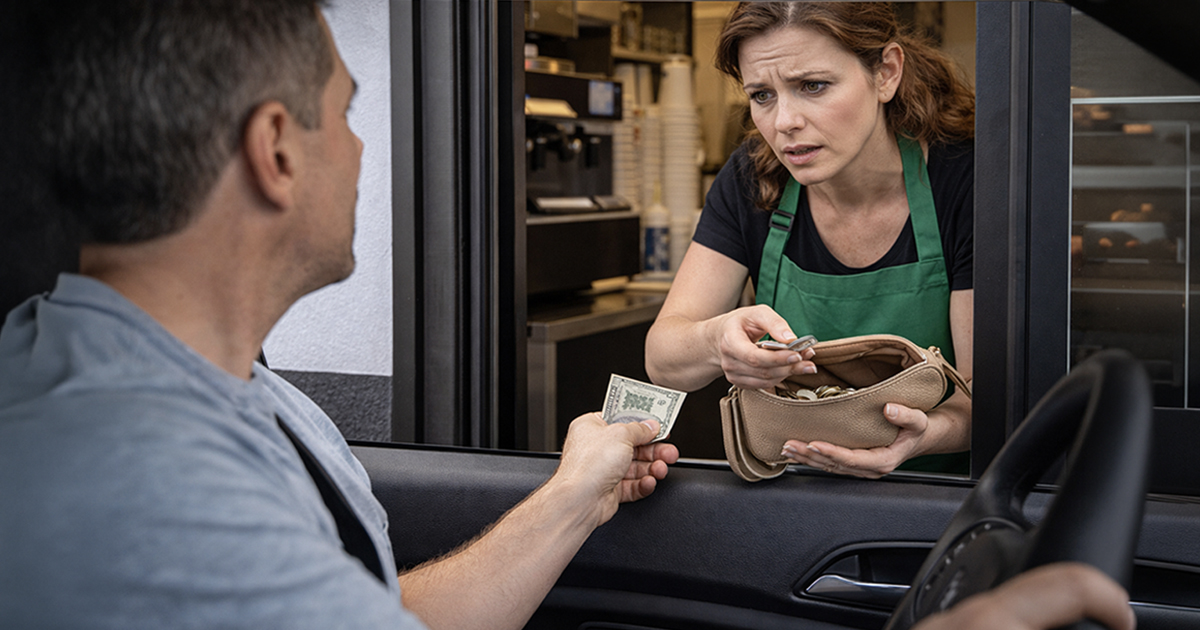
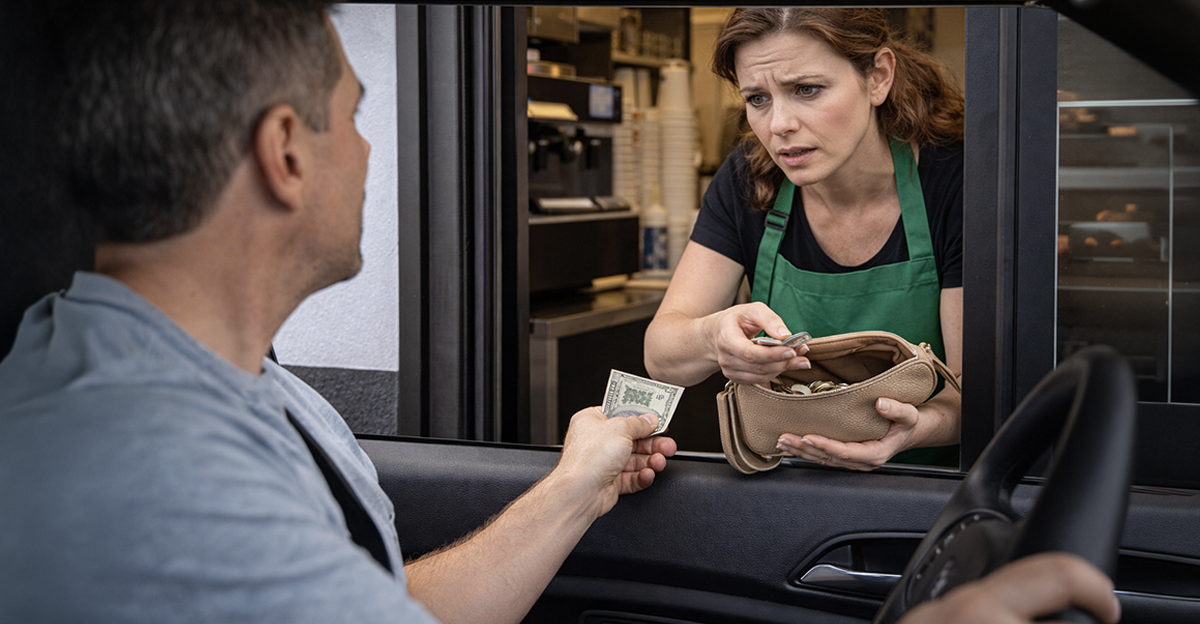
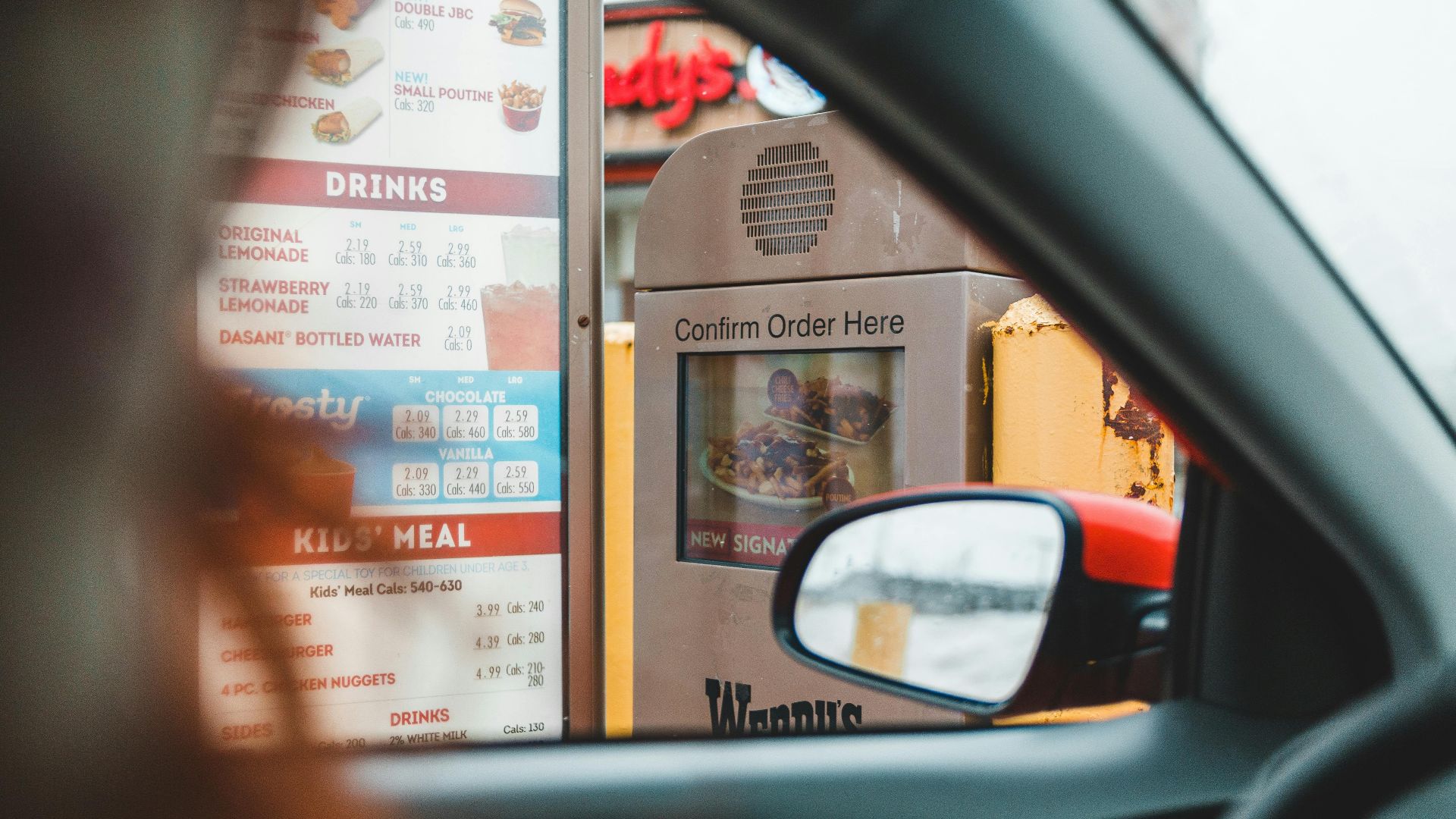
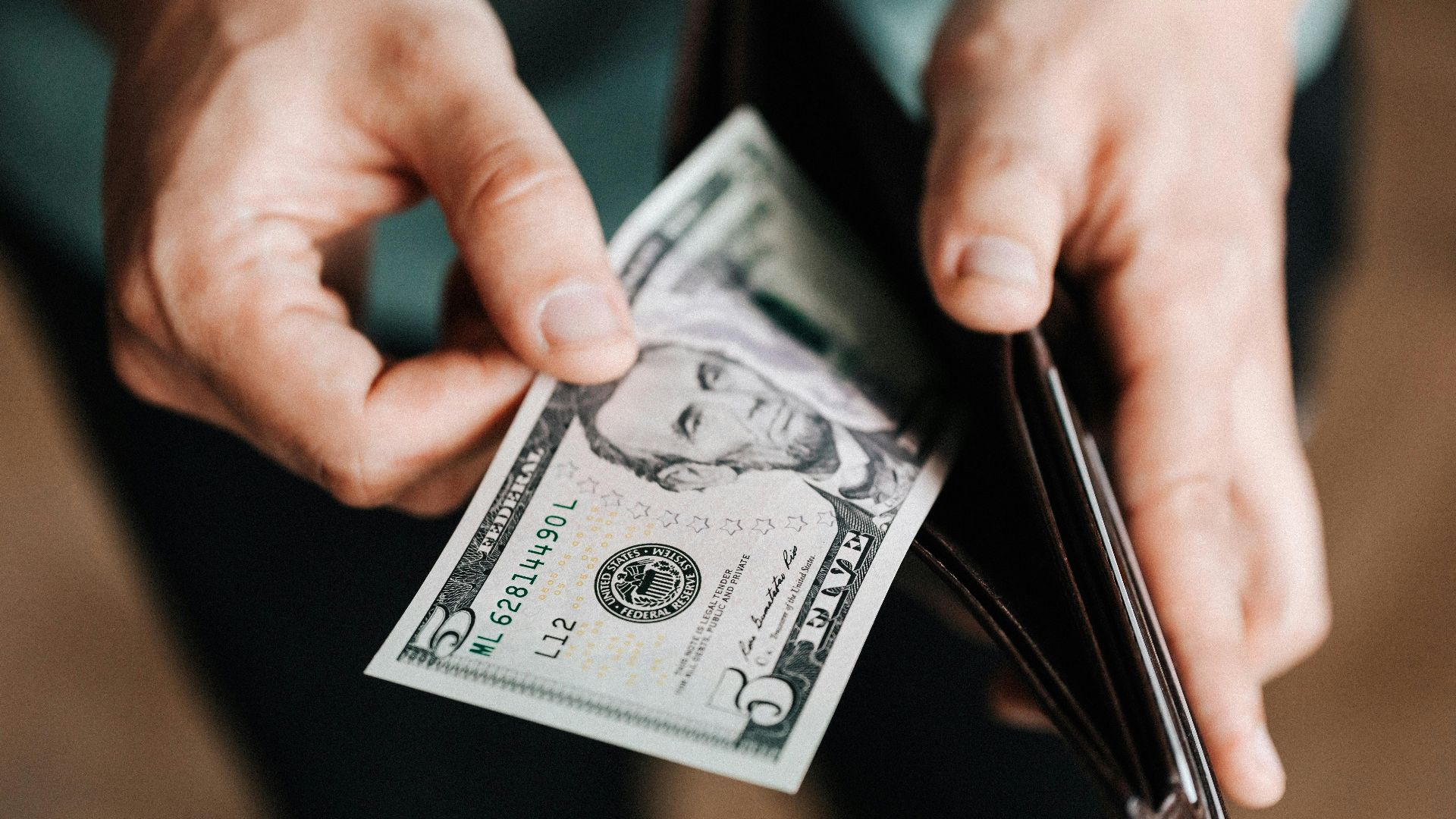
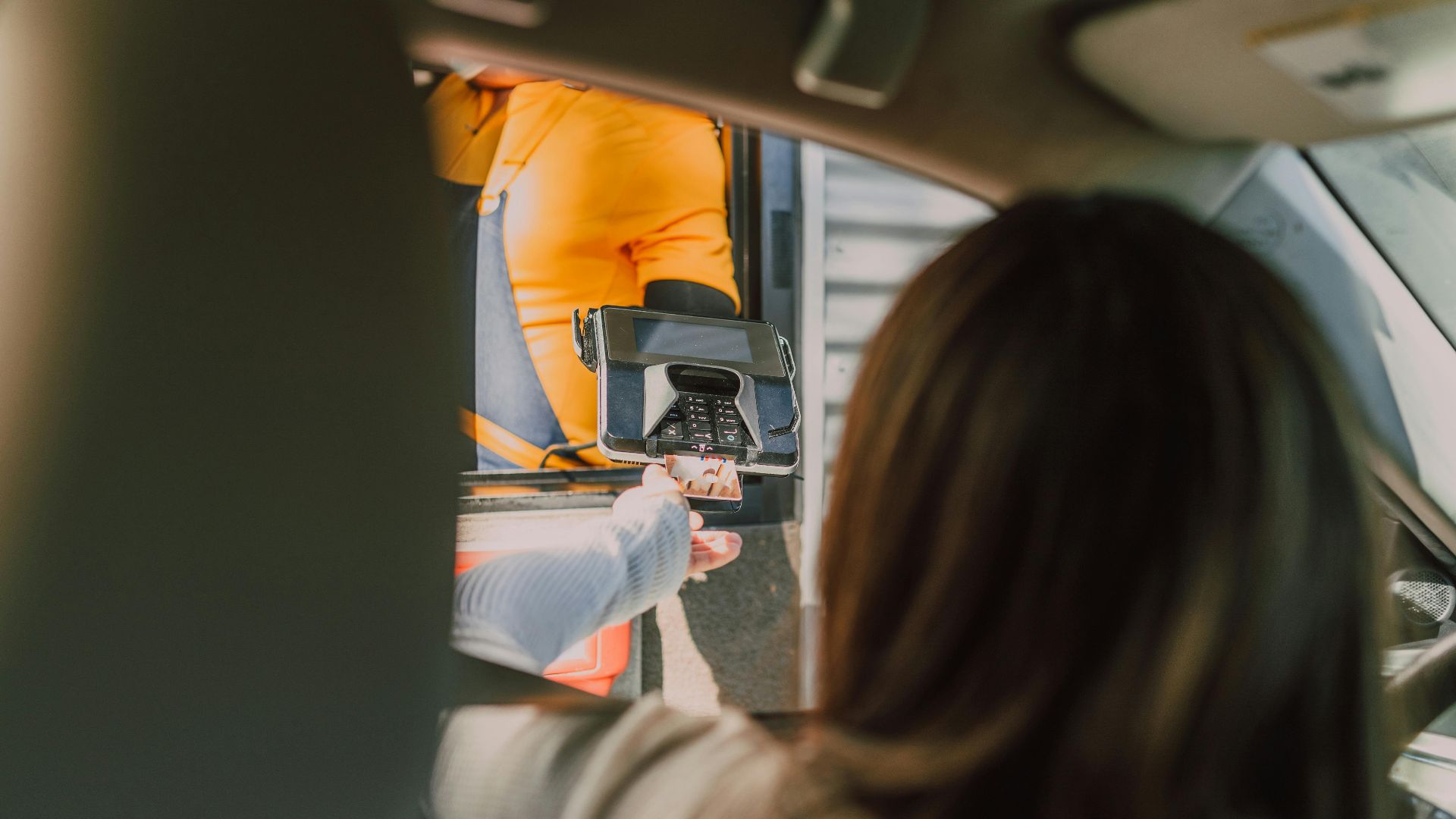
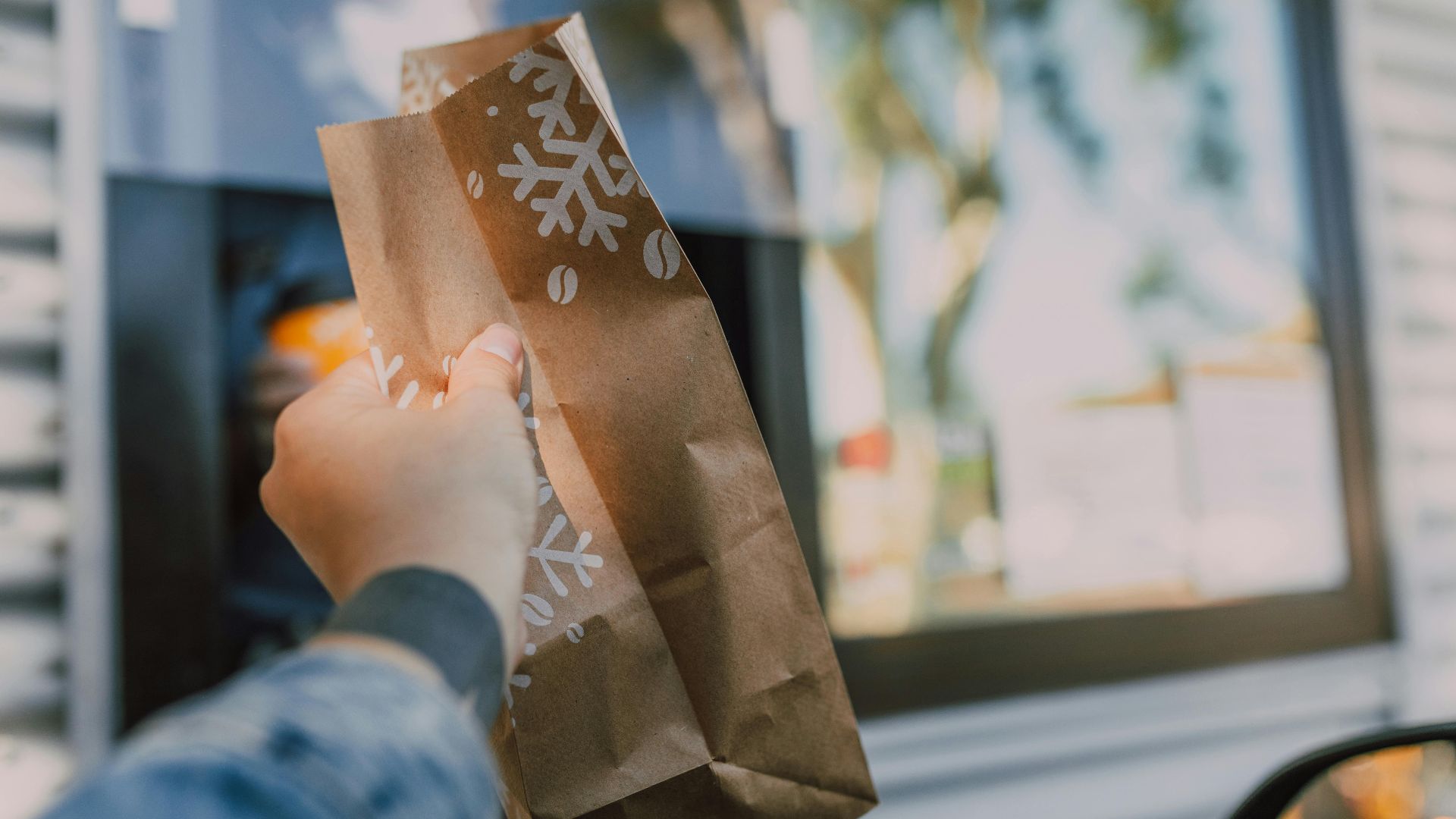
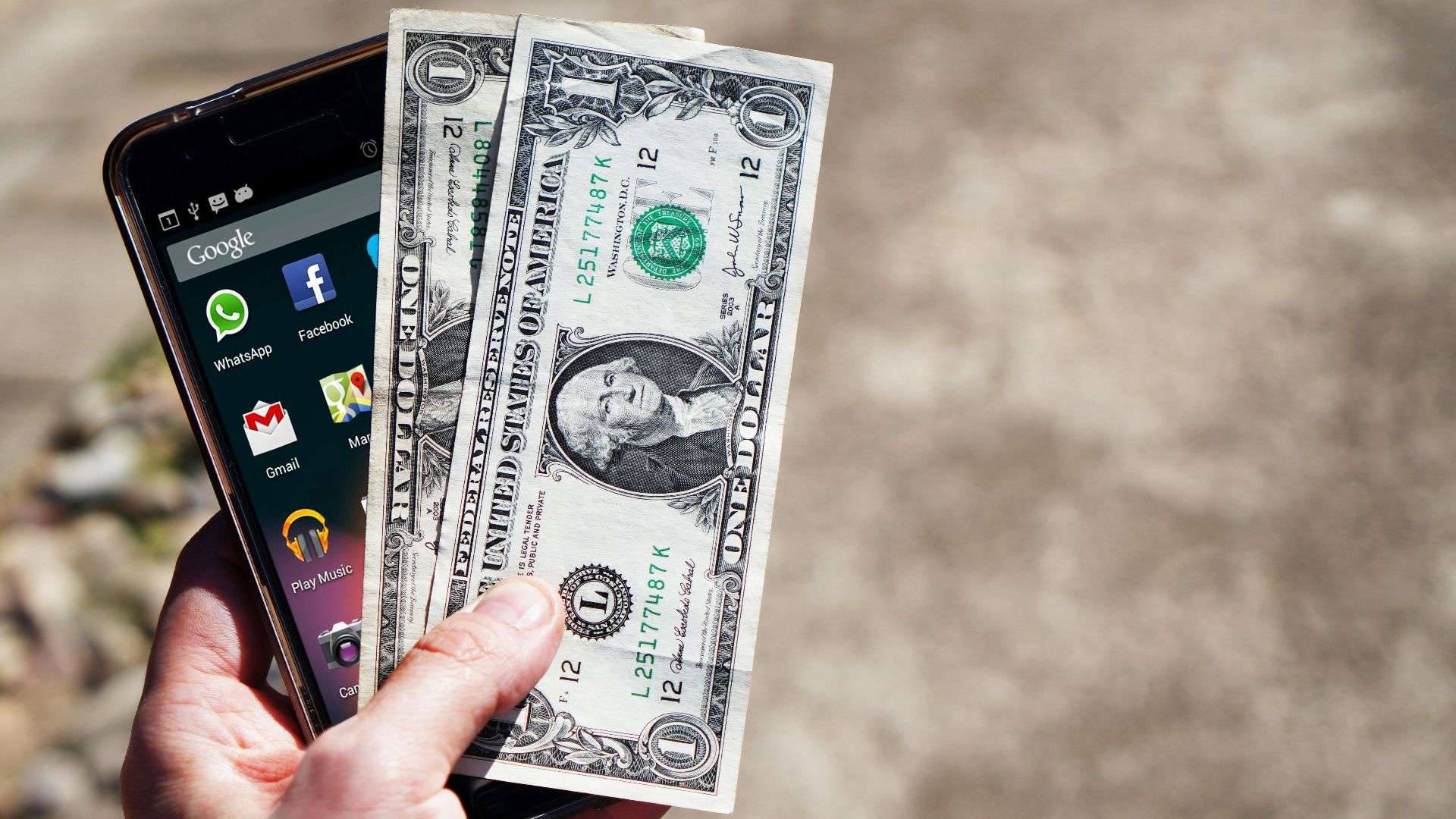
You pull up to a drive-thru, order a simple coffee, and hand over a $5 bill. Suddenly, you’re told they’re not accepting cash. After a brief argument, the employee takes your bill and gives change—from her own purse. Wait… is that even allowed?
Do Businesses Have to Accept Cash?
Surprisingly, no—they don’t always have to accept cash. In the U.S., private businesses can choose which forms of payment they accept unless local laws say otherwise. “Legal tender” doesn’t mean businesses must accept it for every transaction.

What “Legal Tender” Actually Means
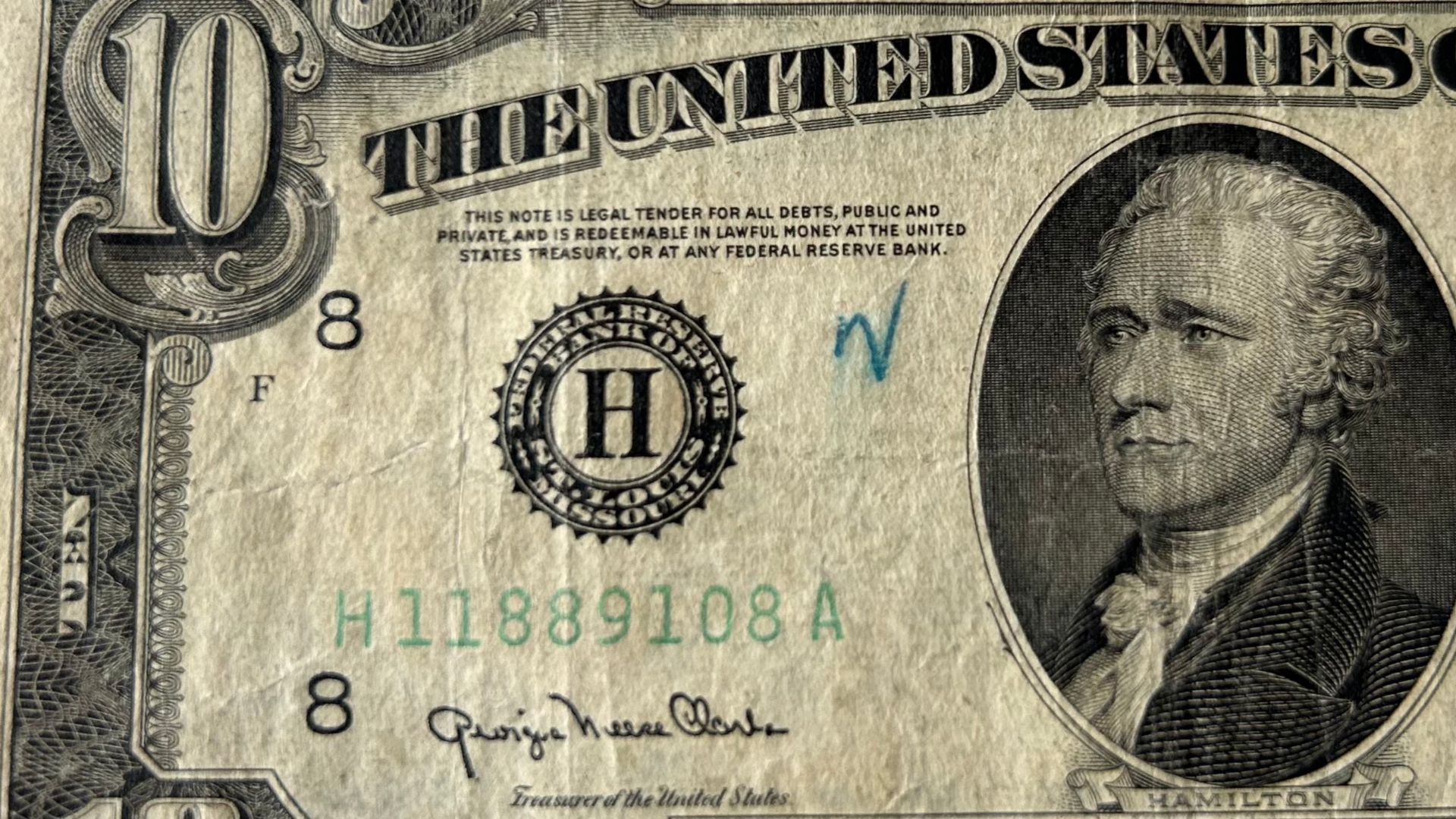
That phrase confuses a lot of people. Legal tender means cash must be accepted for debts, not necessarily for purchases. A coffee order at a drive-thru is a transaction, not a debt—so the rule doesn’t always apply.
 BrayLockBoy, Wikimedia Commons
Why Some Places Refuse Cash
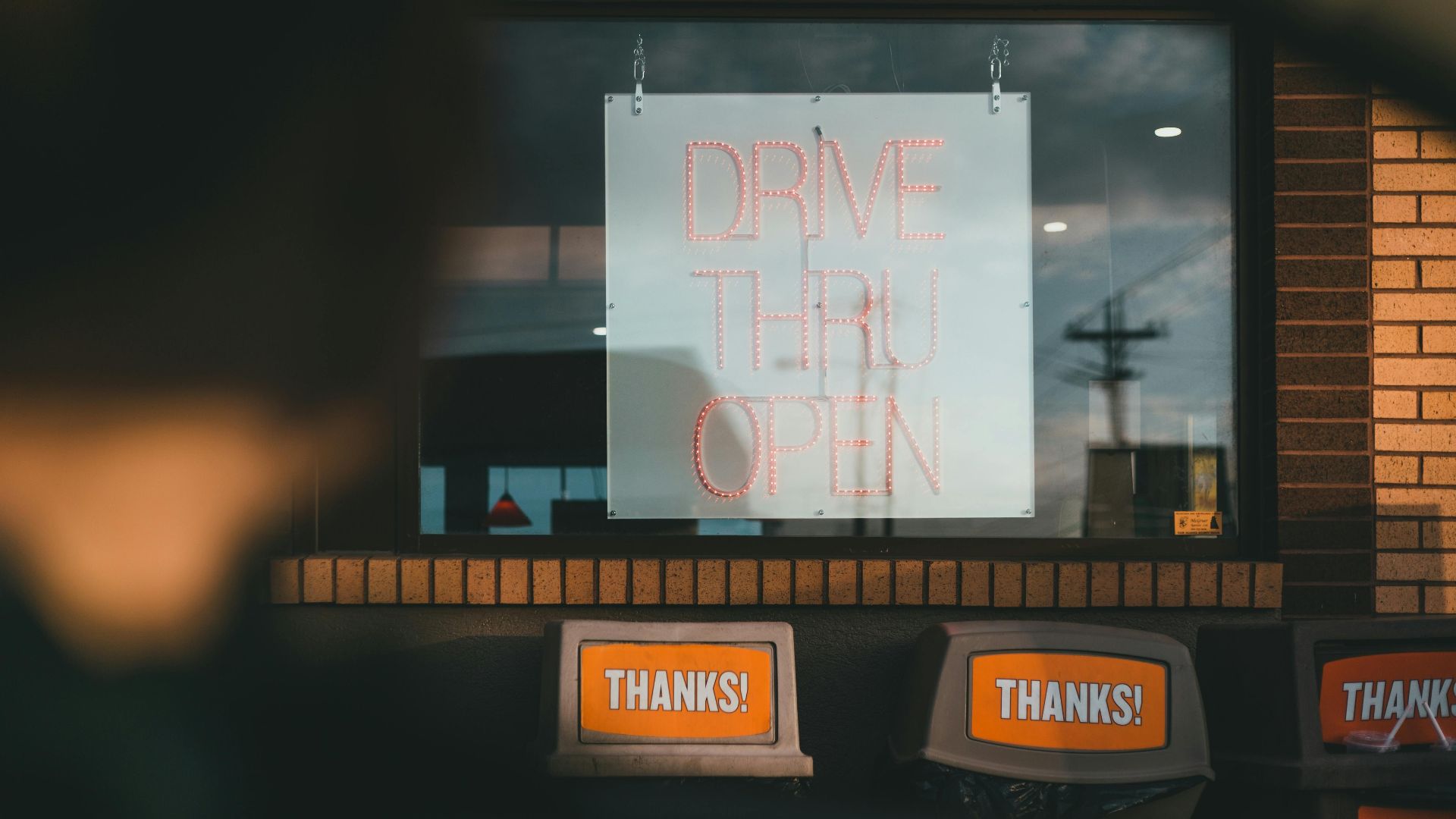
There are a few reasons businesses go cashless. Safety is a big one—less cash means less risk of theft. It also speeds up transactions and reduces errors during busy rushes, especially at drive-thrus.
Temporary “No Cash” Situations
Sometimes it’s not permanent. A store might temporarily stop accepting cash if their register is down, they’re low on change, or there’s a staffing issue. It’s inconvenient, but it does happen more often than people think.
Could This Coffee Shop Legally Refuse Cash?
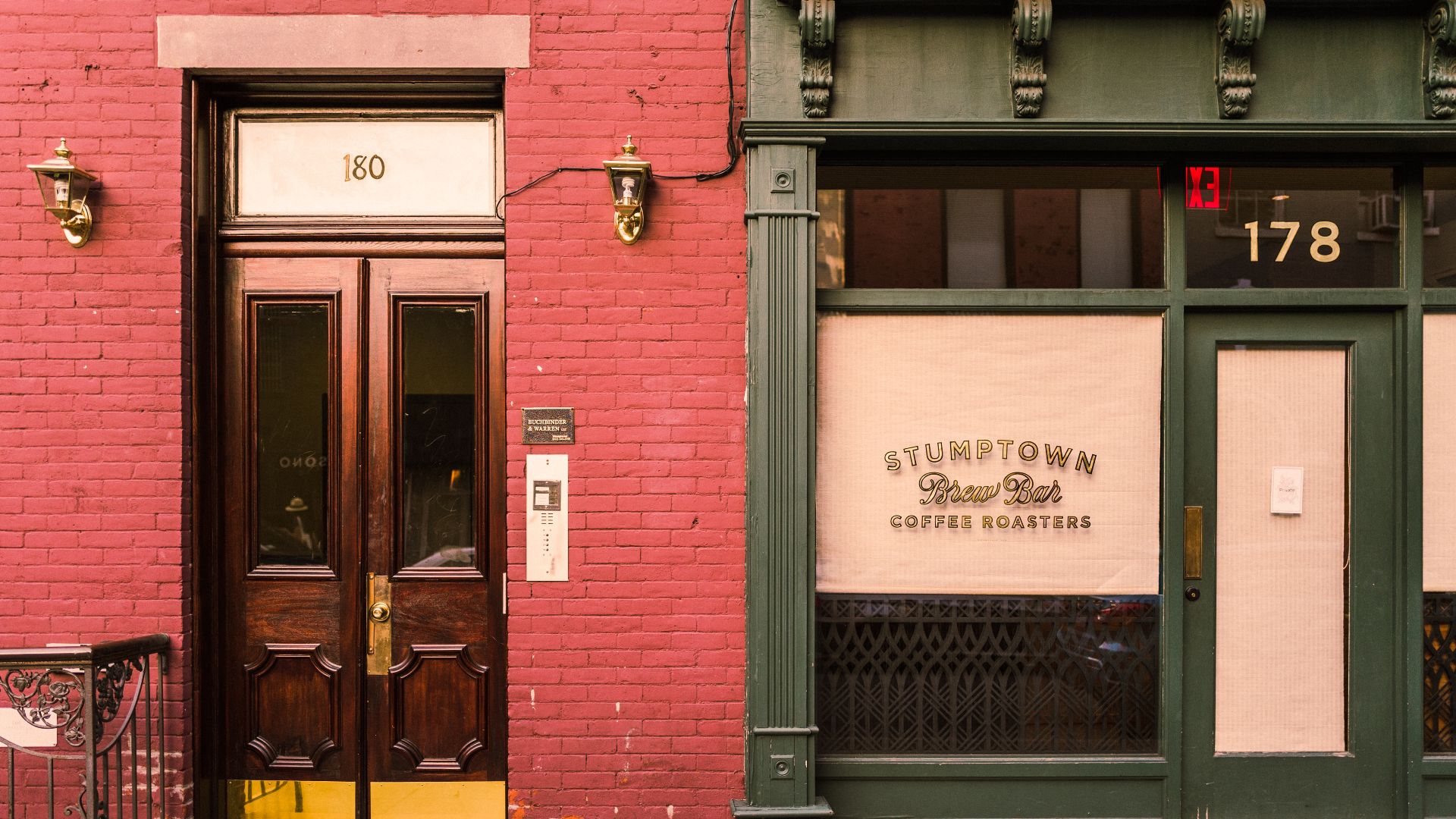
Most likely, yes. Unless your city or state has laws requiring businesses to accept cash, they can refuse it. Some places like New York City or Philadelphia have rules—but many areas do not.
 christian koch xt1an, Wikimedia Commons
Why the Employee Got Flustered
From the worker’s perspective, this situation escalated fast. They were probably following store policy but felt pressured when challenged. That’s when things went off-script—and into a very unusual solution.

Taking Money From Her Own Purse—Is That Allowed?
Technically, no—this isn’t standard or recommended. Employees are not supposed to use personal money to complete transactions. It creates accounting issues and can violate company policy.
Is It Illegal, Though?
It’s not necessarily illegal—but it’s definitely against most workplace rules. The business could face discrepancies in their register, and the employee could get in trouble for not following proper procedures.
Why This Is a Big Deal for the Store
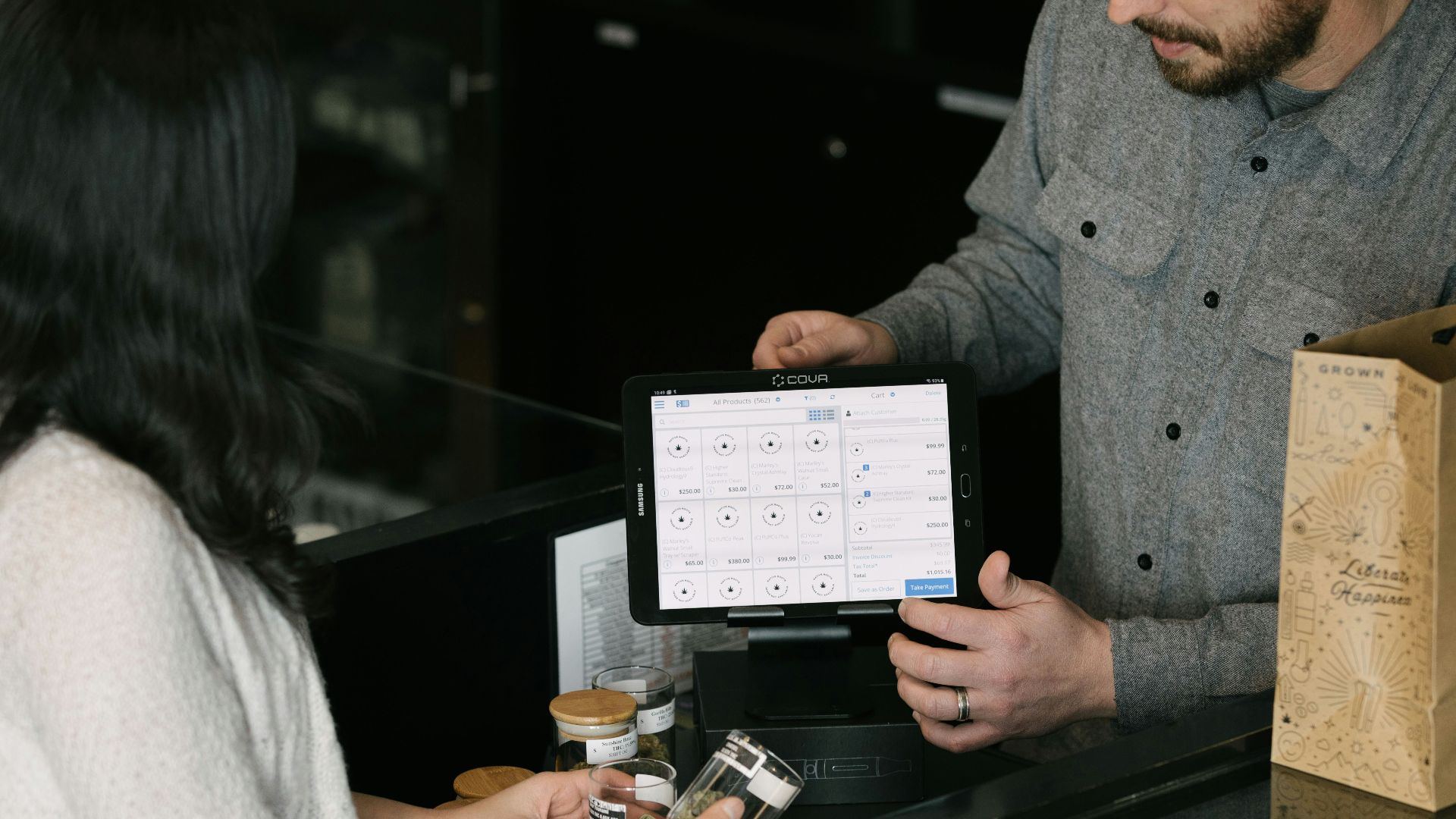
Every transaction needs to match the register exactly. When personal money gets involved, it throws off accounting records. That can lead to audits, write-ups, or even disciplinary action for the employee.
The Risk the Employee Took
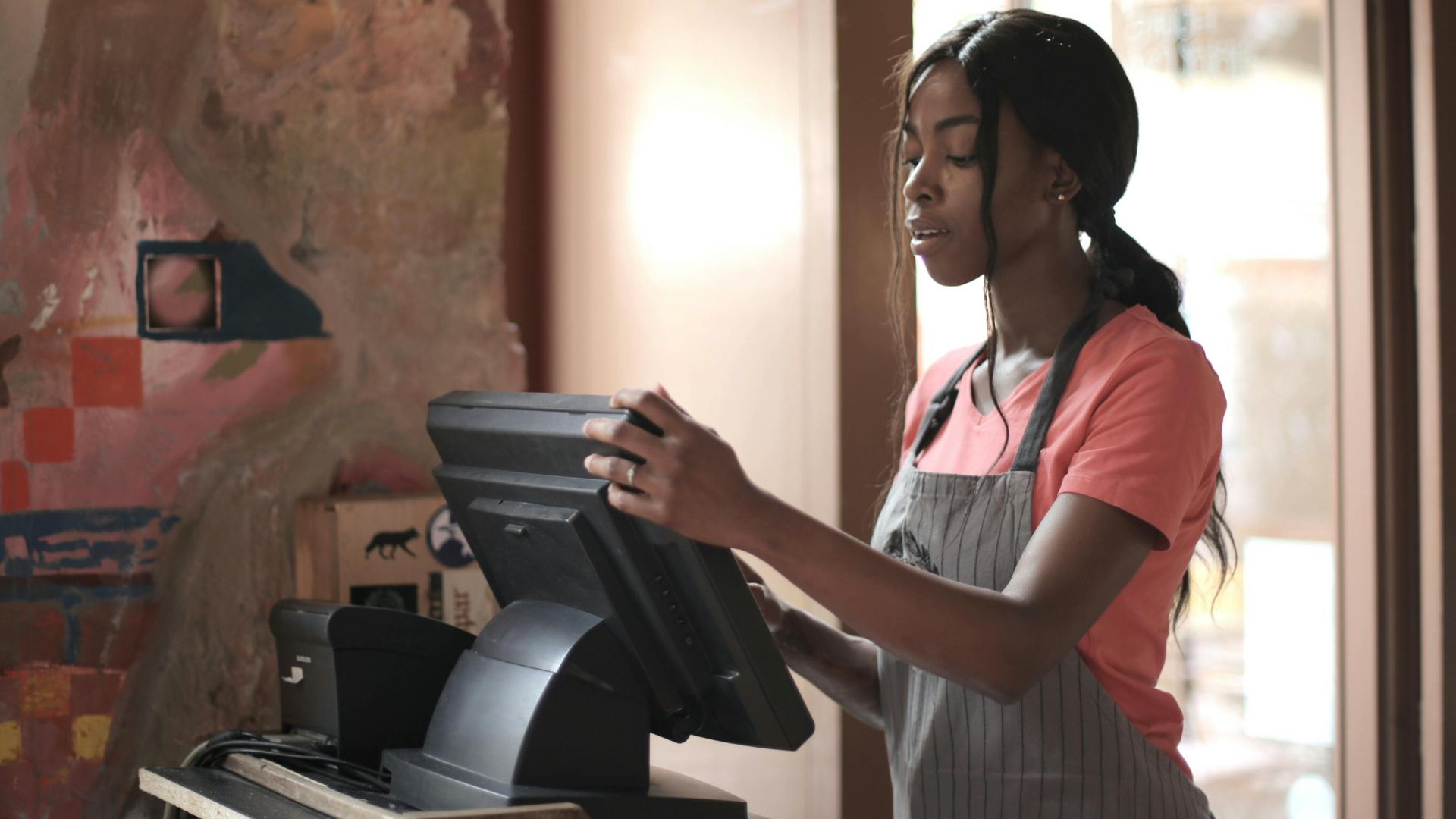
That worker was likely trying to avoid conflict and keep things moving. But in doing so, they put themselves at risk professionally. It’s one of those “nice in the moment, risky later” decisions.
Was the Customer Right to Push Back?
Not entirely. It’s understandable to be frustrated, especially with no other payment method. But insisting they must accept cash isn’t always correct, depending on local laws.

Was the Employee in the Wrong?
Technically, yes—but with context. They broke standard procedure by using personal money. However, they were likely trying to de-escalate the situation rather than cause a problem.
Who’s Actually Responsible Here?
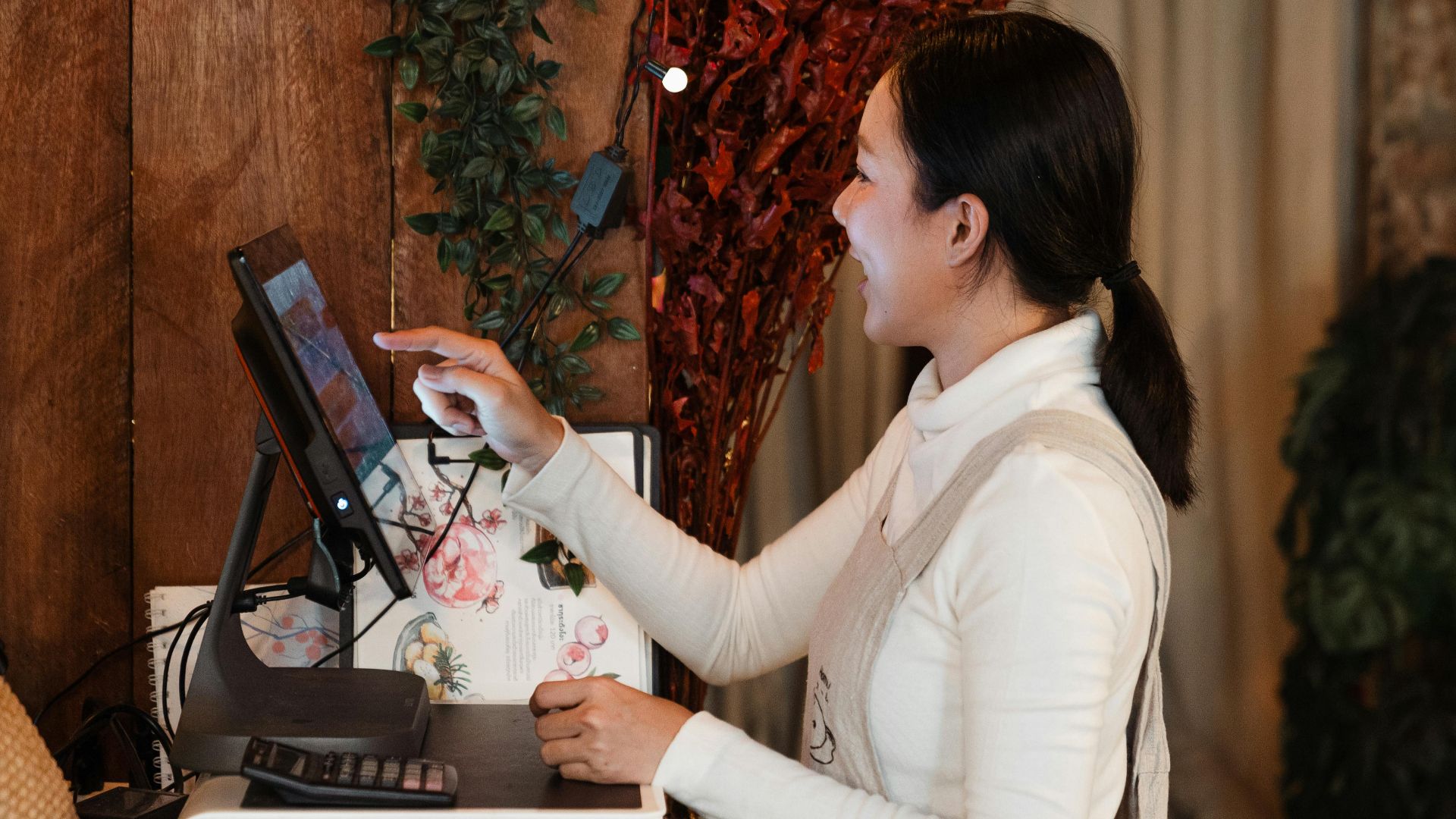
The situation points more to store policy than individuals. If cash wasn’t being accepted, there should have been clear signage or communication before the order was placed.
How This Should Have Been Handled
Ideally, the employee should have politely refused the transaction and explained the policy. The customer could then choose to cancel the order or return later with another payment method.

What You Should Do Next Time
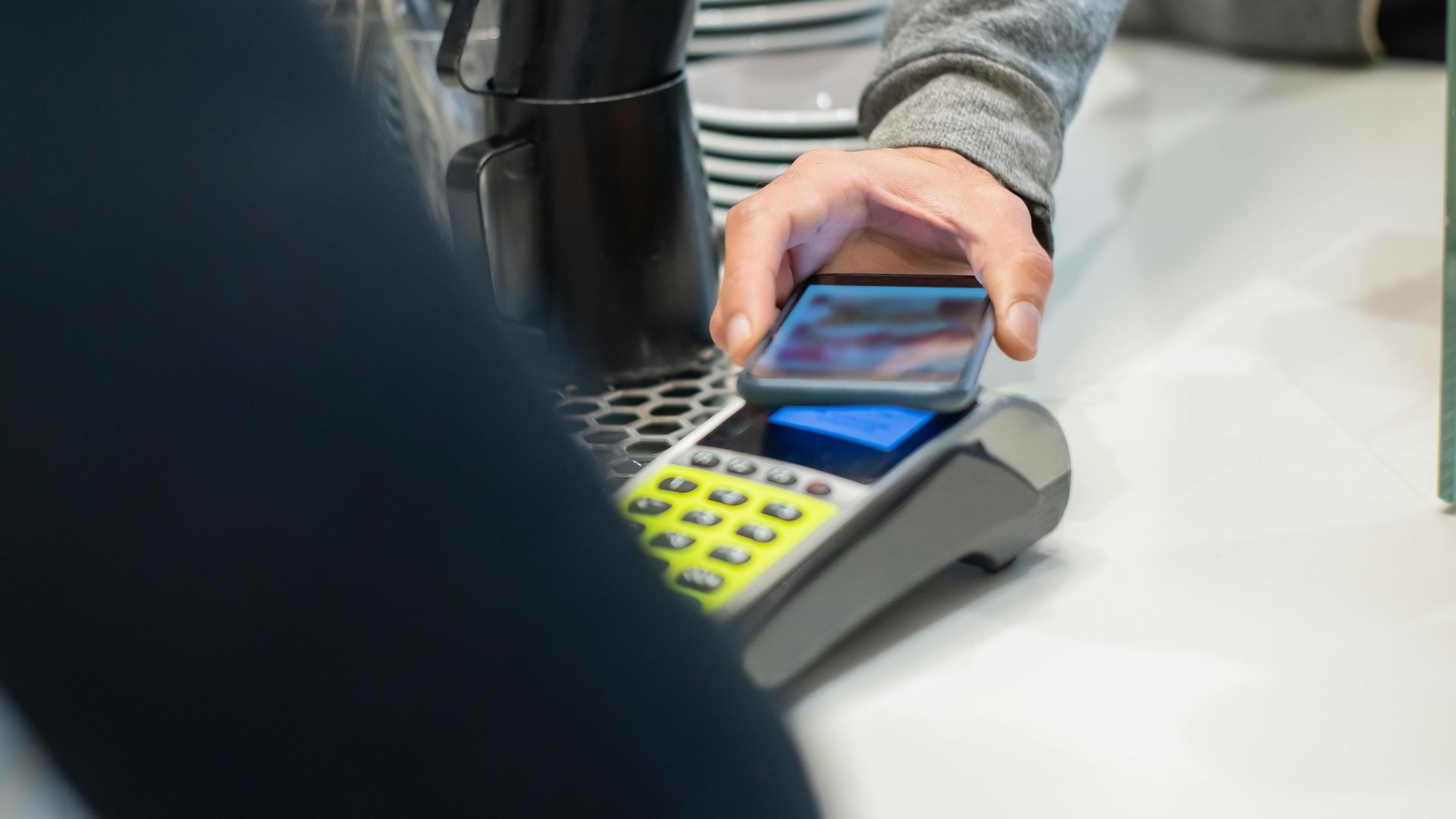
If you only have cash, it’s worth checking ahead—especially at drive-thrus. Many places are shifting toward card-only payments, and it’s becoming more common than people expect.
What Businesses Should Do Better
Clear communication is key. Signs, app notices, or verbal warnings before ordering can prevent situations like this. Nobody wants a payment surprise after already placing an order.

Can You File a Complaint?
Yes, you can contact the company if the situation felt mishandled. Just keep in mind the employee may have been trying to help, even if they didn’t follow proper procedure.

The Bigger Trend—Cash Is Changing
This situation highlights a bigger shift. More businesses are moving away from cash entirely. While it’s still widely used, it’s no longer guaranteed to be accepted everywhere.
So… Was That Entire Situation Allowed?
Partially. The store could likely refuse cash, but the employee shouldn’t have used personal money. Both sides were reacting in the moment, which led to an unusual—and avoidable—outcome.

The Bottom Line Before Your Next Coffee Run
No, businesses don’t always have to accept cash. And no, employees shouldn’t use their own money to fix it. The best move? Be prepared with multiple payment options—and maybe skip the debate at the window.
You May Also Like: