
When $2,000 in Coins Turns Into a Problem
I thought I was doing something smart. For months, I’d been tossing spare change into jars—loonies, toonies, quarters, everything. Eventually, it added up to $2,000. I rolled it all neatly, brought it to my local bank, and expected an easy deposit. Instead, I got a polite but firm “We can’t accept those.” I stood there confused. Aren’t coins legal tender? That moment sent me on a mission to figure out what was actually going on.

Saving Change Felt Like a Win
There’s something satisfying about saving coins. It feels simple and old-school, like you’re slowly building up money without even trying. Every time I filled a roll, it felt like progress. By the time I hit $2,000, I felt proud—like all those little habits had paid off.

The Surprise At The Bank
When I got to the counter, I expected a quick transaction. Instead, the teller paused, looked at the rolls, and called someone over. A few minutes later, I was told they couldn’t take them. Just like that, my plan fell apart.

What “Legal Tender” Really Means
I always thought legal tender meant money had to be accepted everywhere. That’s not exactly true. It just means money can be used to pay a debt. It doesn’t mean a bank or store has to accept any form of payment in any situation.

Banks Have Their Own Rules
Banks are allowed to set their own policies. That includes rules about coins. Some branches limit how many coins they’ll take, and others won’t accept rolled coins at all. It depends on how that branch operates.

Coins Are More Work Than You Think
Handling coins takes time. Staff have to count them, check for mistakes, and sometimes open the rolls to make sure everything is correct. It’s not as simple as dropping them into your account.
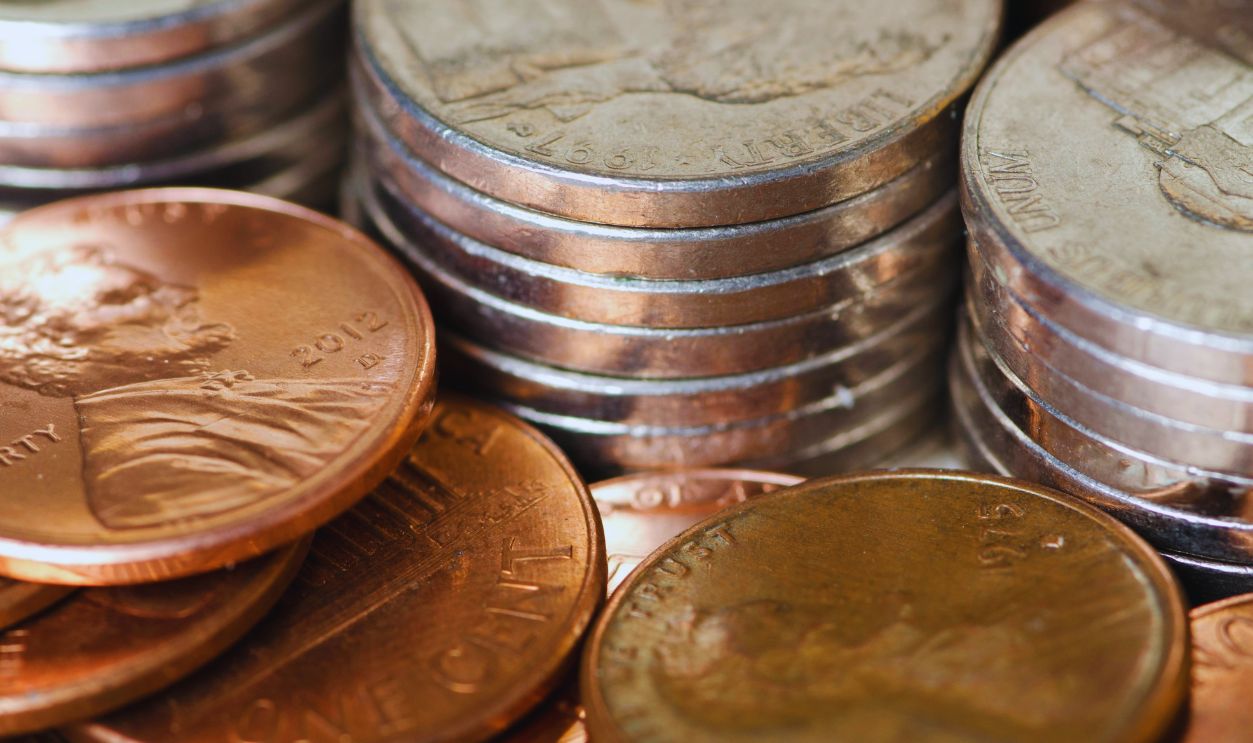
Rolled Coins Aren’t Always Trusted
Even if you counted everything perfectly, the bank doesn’t know that. People make mistakes, and sometimes rolls aren’t accurate. So banks often have to double-check everything anyway, which adds more work.
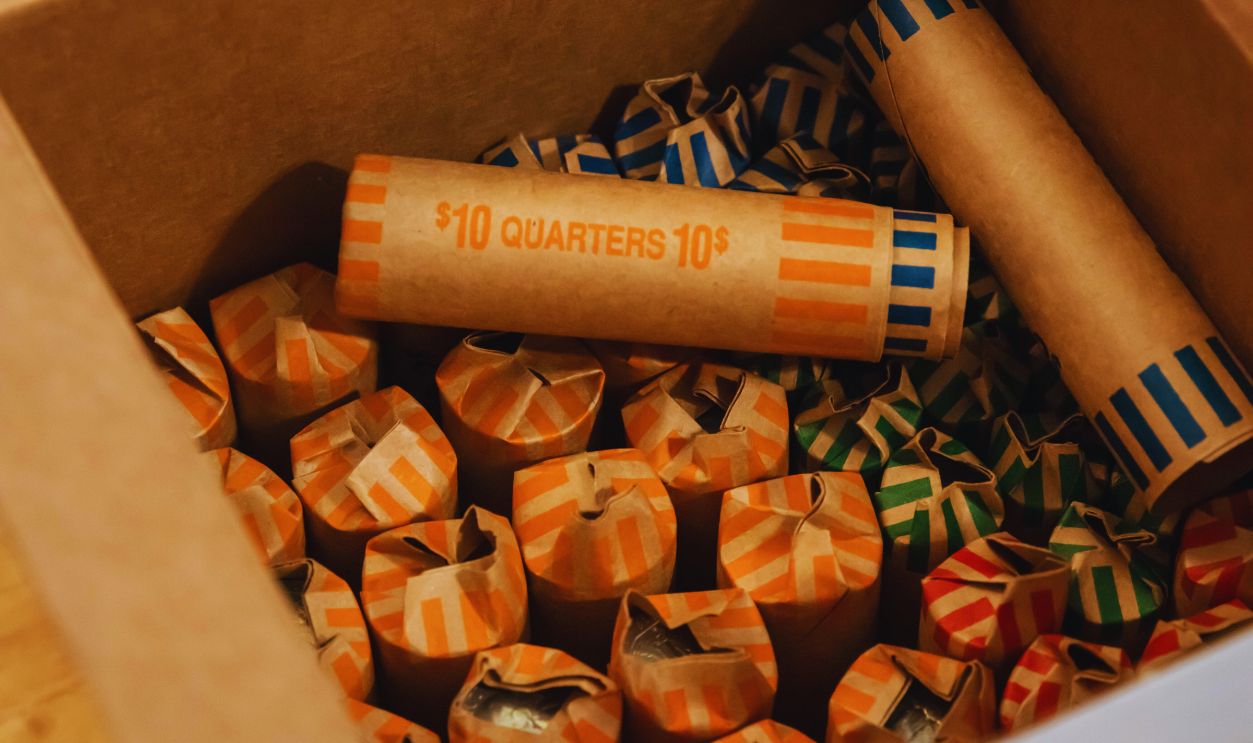
Fewer Coin Machines In Banks
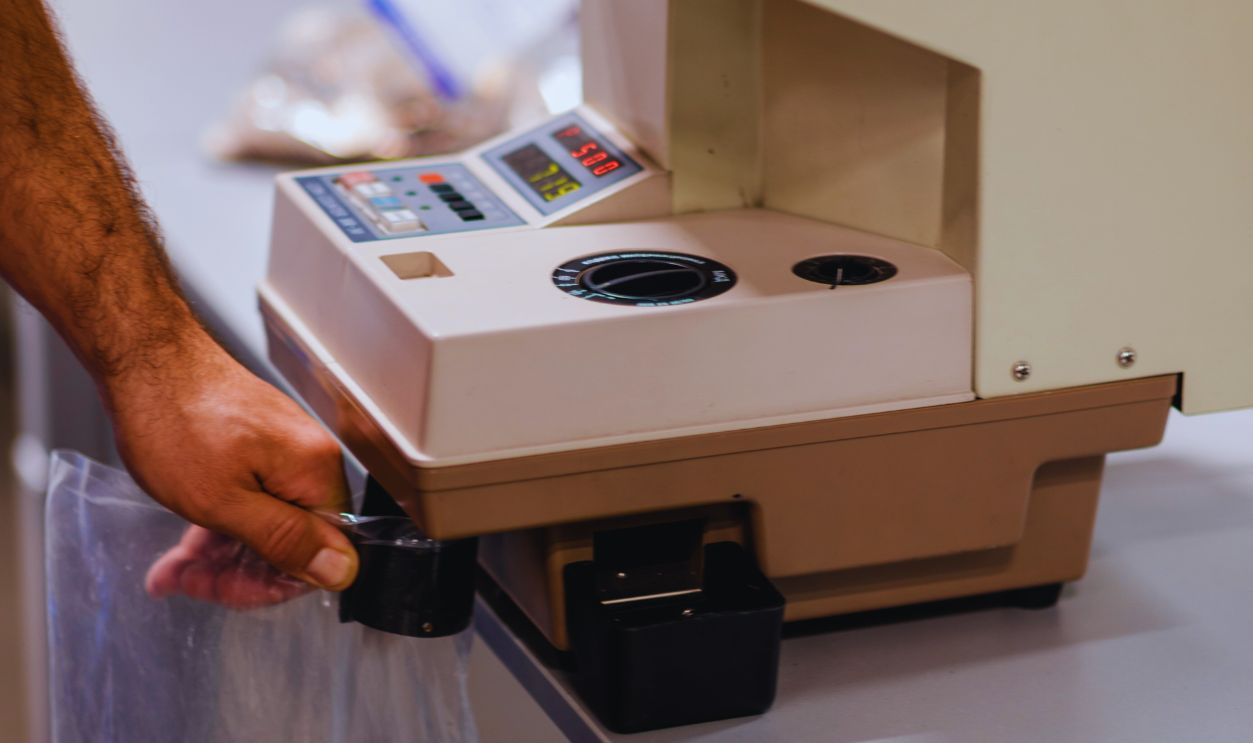
A lot of banks used to have coin-counting machines. Now, many don’t. They were expensive to maintain, and fewer people use them today. Without those machines, everything has to be done by hand.
Stores Can Say No Too
It’s not just banks. Stores can refuse coins as well, especially large amounts. If you try to pay for something expensive with only coins, there’s a good chance they won’t accept it.

Common Misunderstandings
A lot of people think “legal tender” means money must always be accepted. That’s a myth. In reality, businesses and banks have more flexibility than most people realize.

Not All Branches Are The Same
One interesting thing I learned is that policies can change from branch to branch. One location might accept coins, while another won’t. It all depends on their setup.
We’re Moving Away From Cash
These days, fewer people use cash. Most payments are digital—tap, cards, or transfers. Because of that, banks aren’t focusing as much on handling physical money like coins.
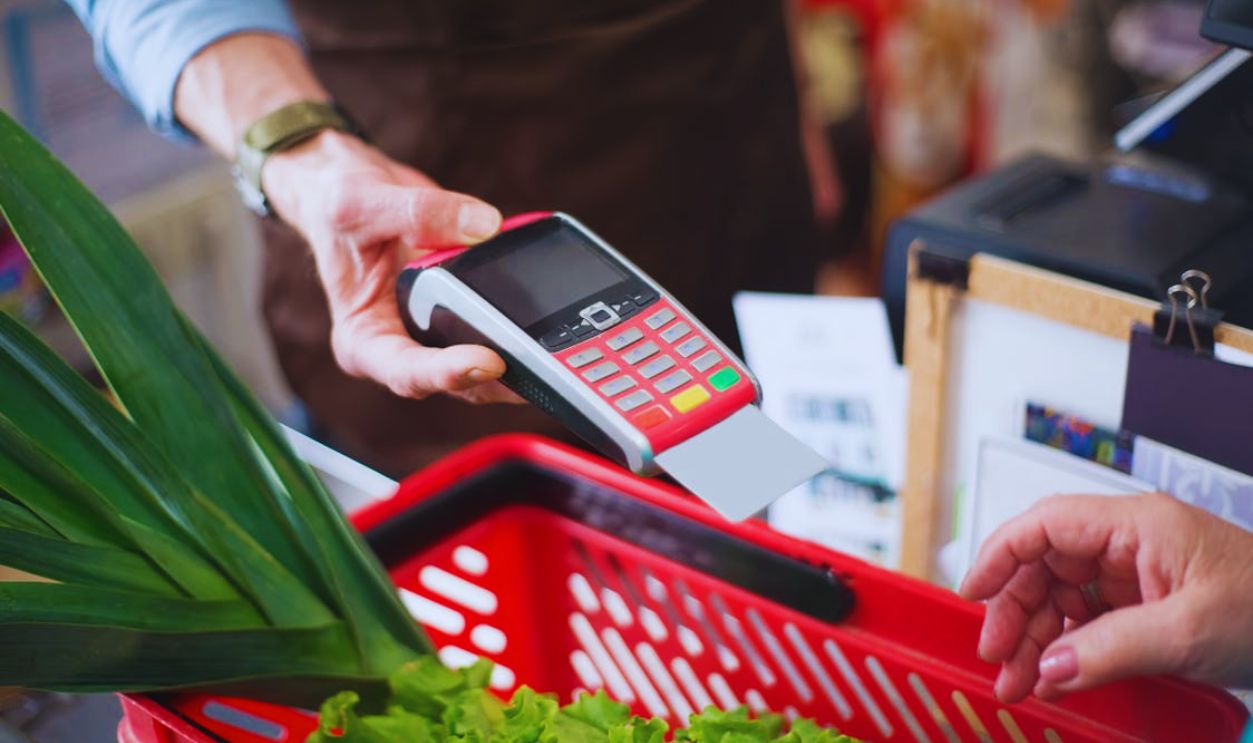
Coins Used To Be Normal
Years ago, bringing coins to the bank wasn’t a big deal. It was part of everyday banking. Now, it feels like coins are more of a hassle than anything else.
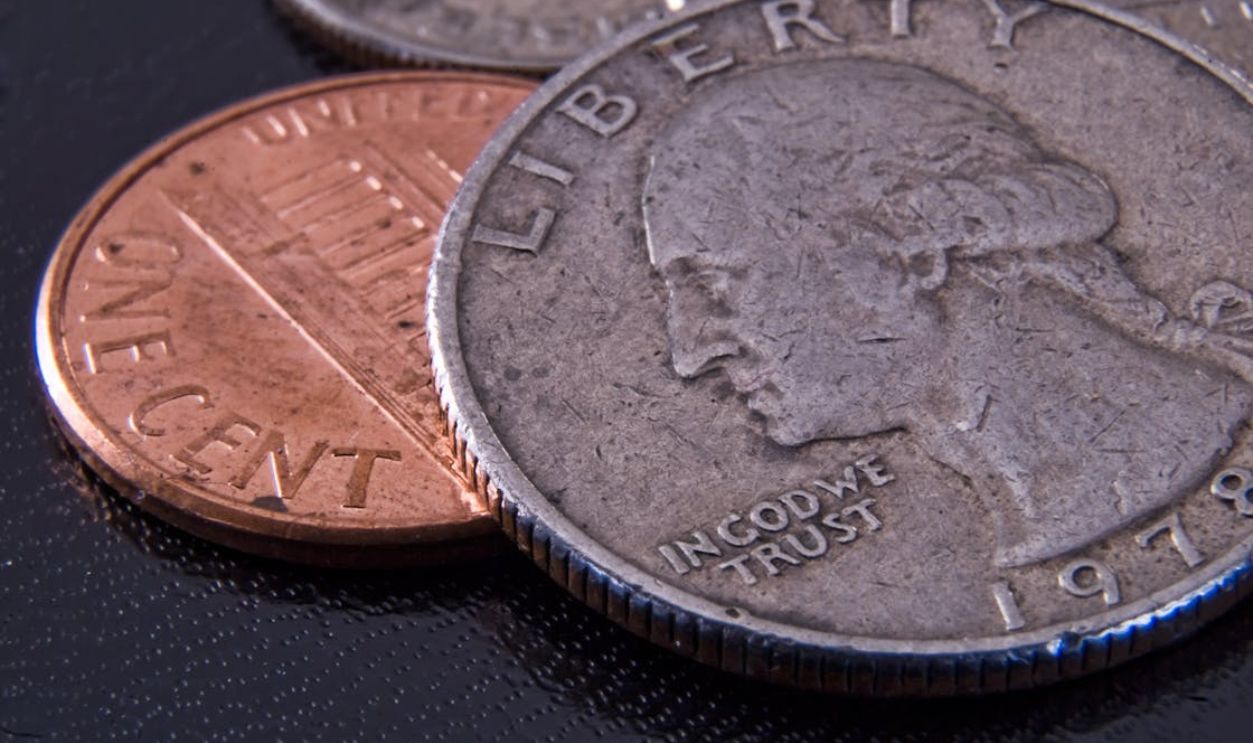
My First Reaction Was Frustration
I won’t lie—I was annoyed. I had taken the time to roll everything neatly, and I thought I was making things easier for them. Being turned away didn’t feel right.

Seeing It From Their Side
But after thinking about it, I understood their point. Processing $2,000 in coins isn’t quick. It could slow everything down and create extra work for the staff.

The Alternatives They Gave Me
The bank suggested a few options. I could use a coin-counting machine somewhere else, bring in smaller amounts, or convert the coins before depositing them.

Coin Machines Often Charge Fees
The downside is that coin machines usually take a cut. Around 10% is common. That means losing a decent chunk of your money just to deposit it.

Some Places Offer Store Credit
Certain stores let you count coins for free if you take the money as store credit. That’s not always ideal, but it can work if you shop there often.

Smaller Deposits Might Work Better
Another option is to bring in smaller amounts over time. It’s slower, but some banks are more willing to accept coins that way.

Always Call Ahead
One thing I wish I had done was call the branch first. It would have saved me the trip—and carrying a heavy bag of coins.

Credit Unions Can Be More Flexible
Some credit unions are more open to accepting coins, especially if you’re a member. It might be worth checking out if your bank says no.

Rolling Coins Might Not Be Worth It
I spent hours rolling those coins, thinking it would help. In the end, it didn’t matter. In some cases, it’s better to skip that step entirely.
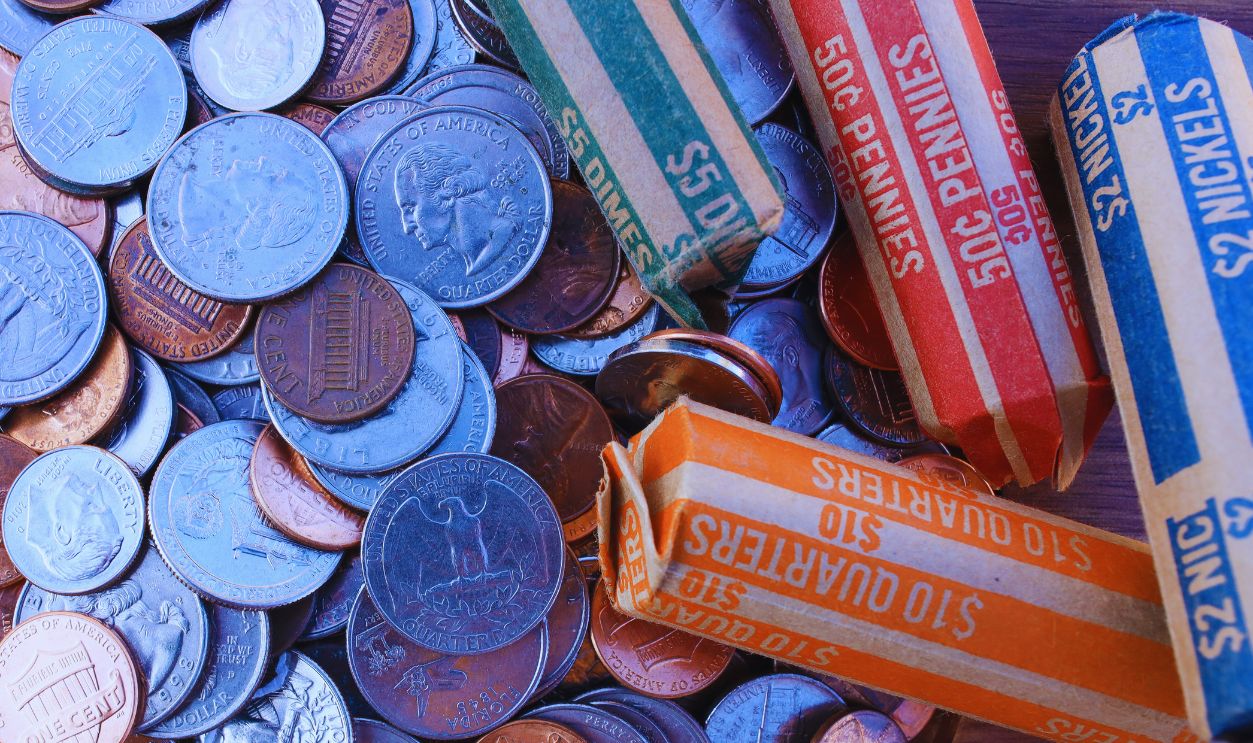 Andrew julian Photography, Shutterstock
Why We Like Saving Coins
There’s something comforting about saving coins. It feels real and visible. But the way we save money doesn’t always match how banks work today.
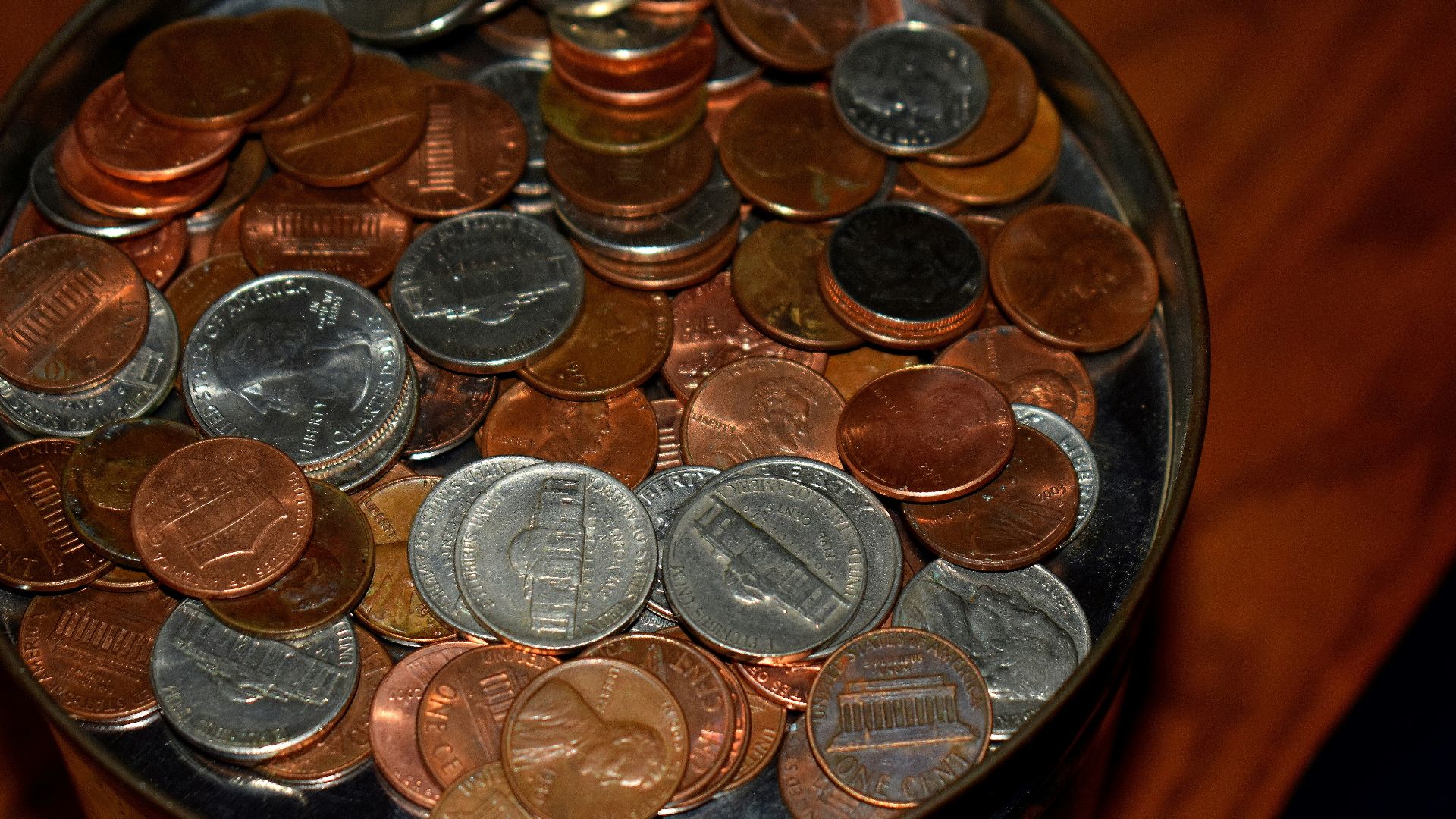
When Coins Become A Hassle
A few coins here and there are fine. But when they pile up, they can become difficult to deal with. What starts as a simple habit can turn into a big task.

What I Learned From This
This experience taught me that saving money is only part of the process. You also need to think about how you’ll use or deposit it later.

Tips If You Have A Lot Of Coins
If you’ve got a pile of coins, try depositing small amounts regularly, look for free counting options, or consider switching to digital saving methods.

Final Thoughts On Coins And Convenience
Coins are still money, no question about it. But they’re not always easy to use. My $2,000 experience showed me that even simple things can get complicated. Next time, I might think twice before letting all that change pile up.

You May Also Like:
What Would Happen If Billionaires Paid The Same Tax Rate As Teachers? The Numbers Are Wild