
The Ask That Sets Off Alarm Bells
If your brother wants to borrow $15,000 for crypto but will not even name the coin, that is a major red flag. Borrowing money to make a speculative bet is already risky, and the secrecy makes it worse. A simple rule applies here: if someone cannot clearly explain the investment, the risk is probably higher than they are letting on.
 Mikhail Nilov, Pexels, Modified
Crypto Can Rise Fast And Crash Even Faster
Bitcoin has posted huge gains at times, but it has also gone through brutal crashes. The Consumer Financial Protection Bureau warned in 2024 that crypto remains highly volatile and can expose consumers to scams, hacks, and sudden losses. In other words, your brother could lose a big chunk of your money before he ever has a chance to pay you back.

The Missing Coin Name Is A Big Deal
Refusing to say which coin he wants to buy is not a minor detail. It stops you from checking the basics, like market size, trading history, liquidity, and whether regulators have raised concerns. If he will not name the asset, you cannot do even the most basic homework.

There Is A Reason Regulators Keep Warning People
The U.S. Securities and Exchange Commission has repeatedly told investors to be careful with crypto asset securities and warned that fraudsters often use hype and social media to draw people in. The agency has also stressed that investments should fit your ability to handle losses. Lending money to a family member for a speculative trade does not pass that test for most people.
 Richard Bett, Wikimedia Commons
Borrowing To Invest Usually Makes A Bad Bet Worse
When someone uses borrowed money to invest, the investment does not just have to go up. It has to go up enough, and fast enough, to cover repayment. The Financial Industry Regulatory Authority has long warned that borrowing to invest can magnify losses, whether the asset is stocks, real estate, or crypto.

Family Loans Come With A Hidden Cost
Even if the money eventually comes back, family loans can create tension that lasts for years. The Federal Trade Commission advises consumers to be extra careful when money decisions are rushed or emotionally charged. A vague crypto pitch mixed with family pressure is exactly the kind of setup that can lead to regret.

Crypto Scams Are Common, Not Rare
The FBI's Internet Crime Complaint Center reported that in 2023, investment fraud involving cryptocurrency led to billions in losses. Older adults were hit especially hard, but victims came from every age group. That matters because the line between a risky crypto bet and an outright scam is not always obvious at the start.

Many Tokens Offer Very Little Transparency
Bitcoin and Ethereum are widely known, but thousands of smaller tokens trade with limited public information and thin liquidity. The SEC has warned that some crypto projects are promoted with exaggerated claims and incomplete disclosures. If your brother cannot even name the token, you have no way to tell whether it is established or nearly worthless.
Even Legit Coins Can Be Awful Short-Term Bets
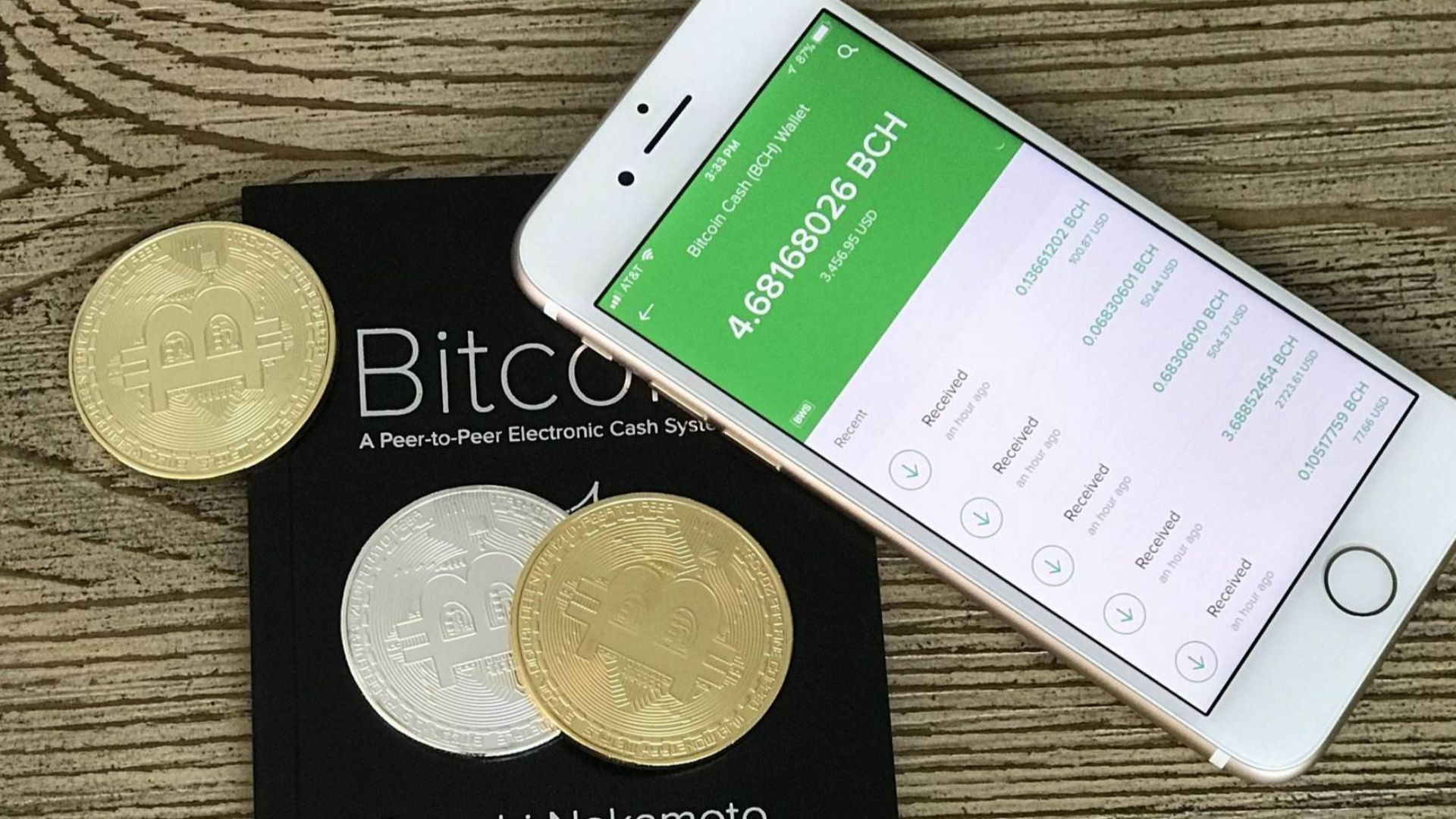
Suppose he means Bitcoin, the biggest cryptocurrency by market value. That still would not make the loan safe. Bitcoin has gone through repeated drawdowns of more than 50% in past cycles, which means timing alone can turn a gain into a painful loss.
 Satheesh Sankaran, Wikimedia Commons
A Bull Market Story Is Not A Repayment Plan
People often sell crypto with stories about what happened last year or during the last rally. That is not the same thing as a real plan to repay a $15,000 loan. Before lending money, you would need details about income, repayment timing, and what happens if the trade falls apart.

If He Cannot Explain It, He Should Not Be Doing It
One of the oldest investing rules is that you should understand what you own. That matters even more in crypto, where token structures, exchange risks, and storage issues can get complicated fast. If your brother cannot explain the coin, the idea behind buying it, and the risks in plain English, he is not ready to borrow money for it.

Secrecy Can Mean Speculation Or Shame
There are a few reasons someone hides the name of a coin, and none of them are reassuring. He may know it is extremely speculative, he may be chasing a tip from social media, or he may think you will say no once you look it up. None of those possibilities improves your chances of getting paid back.

Watch For Classic Pressure Tactics
Scam victims often describe the same pattern: urgency, confidence, and vague promises of big upside. The FTC warns that anyone pushing you to act quickly or trust them without documentation deserves close scrutiny. Family relationships can make those tactics feel softer, but the money risk stays the same.
 Rachata Teyparsit, Shutterstock
The Tax And Legal Side Gets Messy Fast
Crypto investing can create taxable events, recordkeeping headaches, and confusion around losses. The Internal Revenue Service treats digital assets as property for federal tax purposes, which means transactions can trigger reporting duties. If your brother has not thought through the tax side, that is another sign the plan may not be fully thought out.

There Is Also Platform Risk
Even if he picks a legitimate coin, where he buys and stores it matters. The collapse of FTX in November 2022 showed how quickly customers can lose access to funds when a crypto platform fails. That episode was a reminder that in crypto, the risk is not just the coin itself but also the exchange, custodian, and the whole system around it.

Past Blowups Offer A Brutal Lesson
In May 2022, the TerraUSD stablecoin and its sister token Luna collapsed, wiping out tens of billions of dollars in market value. The crash stunned many retail investors who had been told the system was stable. It was a harsh example of how fast confidence can disappear in crypto.

“Trust Me” Is Not Due Diligence
If the pitch comes down to “trust me,” you are being asked to take the downside with almost no control. Real due diligence starts with the asset name, the reason for buying, the amount, the platform, and the exit plan. Without that information, saying yes would be closer to gambling on his confidence than backing a real investment case.

Could He Get A Bank Loan Instead
This is a useful reality check. If a mainstream lender would hesitate to finance a speculative crypto purchase, that tells you something about the risk. When family becomes the lender of last resort, it often means the idea does not hold up under normal scrutiny.

Your Own Financial Security Comes First
No family request should put your emergency fund, retirement savings, or ability to pay your own bills at risk. The CFPB advises consumers to be realistic about money they can afford to lose. If losing the full $15,000 would hurt you, then you cannot afford to make this loan.

If You Still Want To Help, Start With Questions
You can ask which coin he wants to buy, why that coin, what exchange he plans to use, and how he will repay you if the investment drops 70%. You can also ask whether he has high-interest debt, an emergency fund, and any investing experience. Straight answers to those questions will usually make the decision much clearer, very quickly.

Put Everything In Writing Or Do Not Do It
If you decide to lend the money anyway, treat it like a real loan. A written agreement should spell out the amount, any interest rate, repayment dates, late terms, and what happens if he defaults. That will not remove the investment risk, but it can reduce confusion and family conflict later.

A Smaller Gift Is Safer Than A Large Secretive Loan
If your real goal is to help your brother, a small amount you can afford to lose is safer than a five-figure loan. Some financial planners suggest that family help should be treated like a gift unless you are fully prepared for the money not to come back. That may sound harsh, but it reflects how often these arrangements go badly.

You Could Offer A Different Kind Of Help
Instead of funding the trade, you could help him build a budget, pay down debt, or invest through a diversified retirement account. That is a lot less exciting than a crypto moonshot, but it is far more likely to improve his finances over time. Practical help usually beats dramatic help.

There Is A Simple Test For Whether This Is Obviously Terrible
Ask yourself whether you would make this exact loan to a stranger on the same terms. If the answer is no, family ties should not magically turn a bad risk into a good one. Caring about him may explain why you are tempted, but it should not replace judgment.

What A Safer Boundary Sounds Like
You do not need to accuse him of being reckless to protect yourself. You can say, “I do not lend money for speculative investments, especially when I do not have full details.” That response is firm, factual, and hard to argue with.
 Matheus Câmara da Silva, Unsplash
The Bottom Line
Yes, for most people, this looks like an obviously bad idea. The mix of borrowed money, crypto speculation, and refusal to name the coin stacks risk on top of risk. The short version is simple: do not lend $15,000 unless you are fully willing and able to never see it again.