
Upgrade Now Or Just List It As-Is?
You look at your kitchen and see outdated cabinets, old appliances, maybe countertops that scream early 2000s. You’re about to sell, and your instinct is clear: update the kitchen, boost the value, sell for more. Your partner, on the other hand, says you’ll spend a fortune and never get it back. So, who’s right? The honest answer is: it depends. Not all renovations pay off equally, and some of the most popular upgrades are also the most misunderstood when it comes to return on investment.

Renovating For Value Is Not The Same As Renovating For Yourself
When you renovate for yourself, you focus on taste, comfort, and long-term enjoyment. When you renovate to sell, you’re investing in market appeal. That’s a totally different goal. The mistake many sellers make is designing their dream kitchen right before handing the keys to someone else.
The Myth Of “Dollar For Dollar” Returns
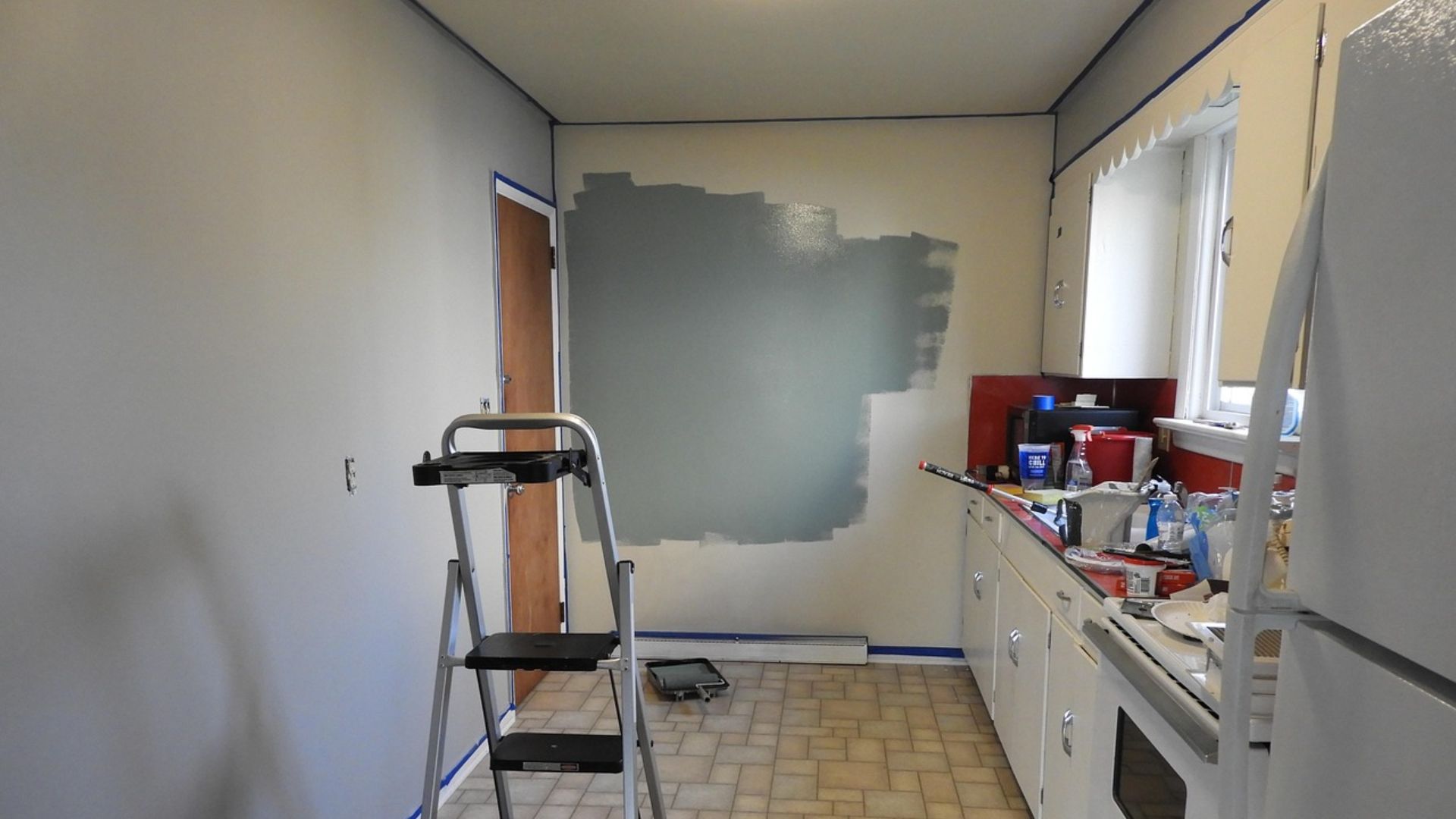
Very few renovations return 100 percent of what you spend. Even popular upgrades like kitchen remodels often recoup somewhere between 50 to 75 percent of their cost, depending on the market and the scope of the project. High-end renovations almost never return their full price tag because buyers won’t pay extra for every premium feature you install.
Market Conditions Matter More Than Granite
In a hot seller’s market, homes often move quickly regardless of whether the kitchen is dated. In a slower or competitive market, updates can help your listing stand out. The return on renovation depends heavily on local demand, price point, and how similar homes are presented nearby.

Compare Your Kitchen To Comparable Listings
Before swinging a hammer, look at similar homes in your neighborhood that have sold recently. Are updated kitchens commanding noticeably higher prices? Or are buyers purchasing homes in similar condition without major discounts? Your real estate agent should be able to show you concrete comparisons.

Minor Remodels Often Beat Major Overhauls
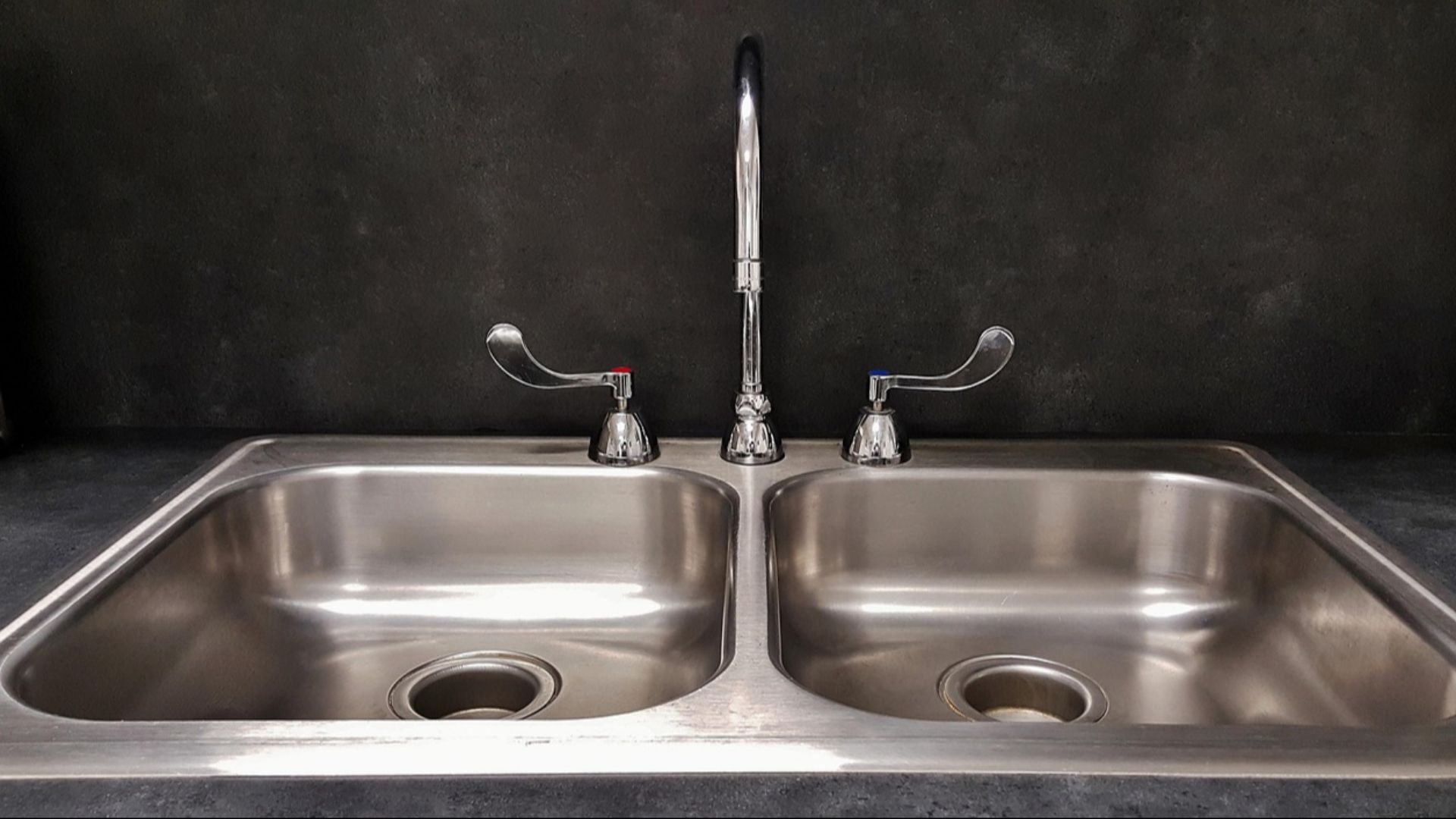
There’s a big difference between a light refresh and a full gut renovation. Minor updates like repainting cabinets, replacing hardware, upgrading lighting, installing a new faucet, or swapping outdated countertops can dramatically improve visual appeal without blowing your budget. Full structural remodels are rarely worth it just before selling.

Buyers Love Clean And Neutral More Than Custom
A clean, bright, neutral kitchen sells better than a trendy, personalized one. If your renovation leans heavily into bold colors or niche design trends, you risk narrowing your buyer pool. Simple updates that modernize the space without overpowering it tend to offer better returns.

Appliances Are A Strategic Decision
If your appliances are visibly old or mismatched, replacing them can improve perceived value. But installing top-of-the-line luxury appliances rarely returns full value unless you’re in a high-end market where buyers expect them. Mid-range, stainless steel appliances often hit the sweet spot.
Cabinets: Replace Or Refresh?
Cabinet replacement is one of the most expensive parts of a kitchen remodel. If the cabinet boxes are solid, repainting or refacing can provide a major visual upgrade for far less money. Full replacement should usually be reserved for severely damaged or poorly laid-out kitchens.

Countertops Can Shift Buyer Perception
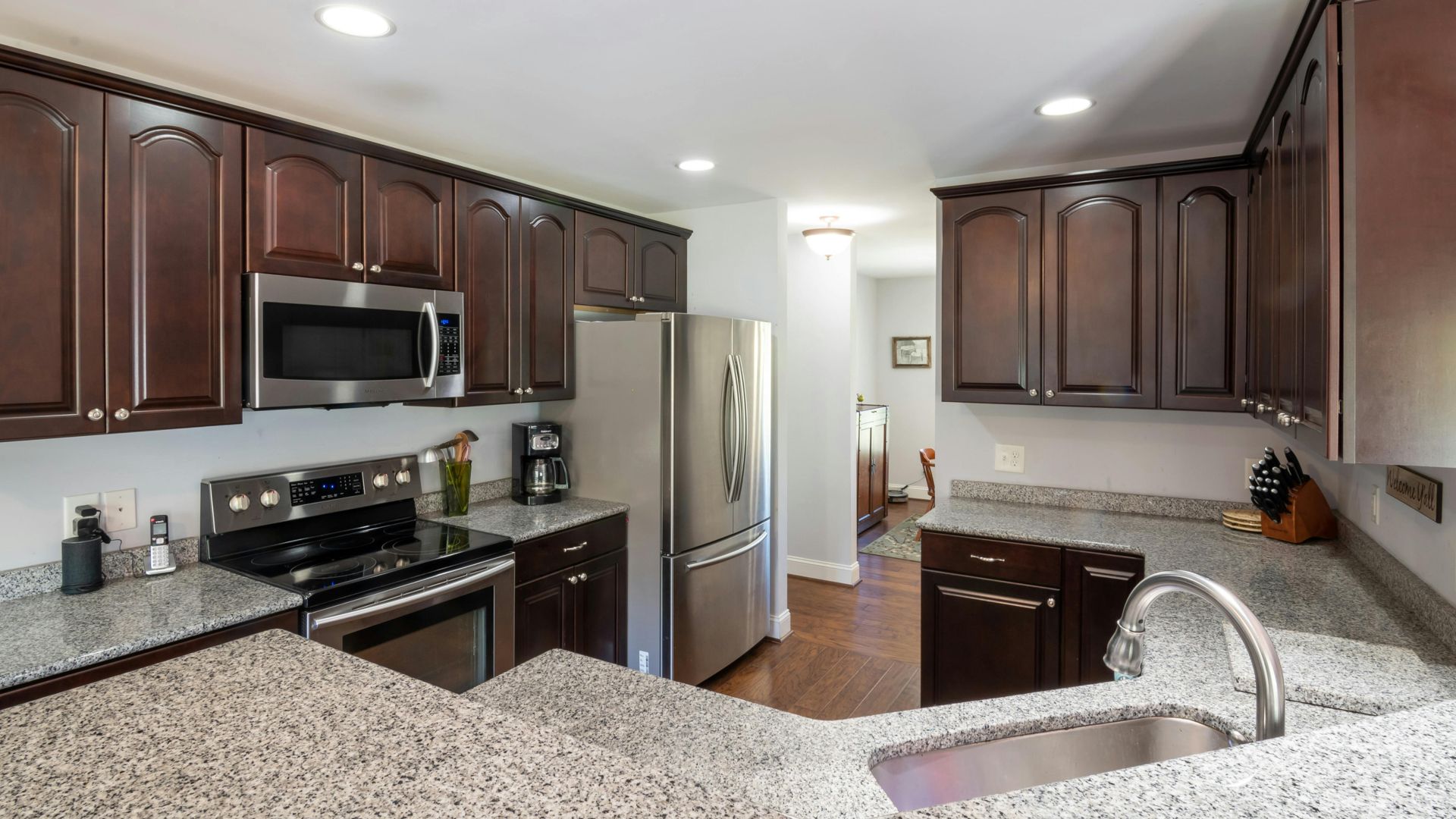
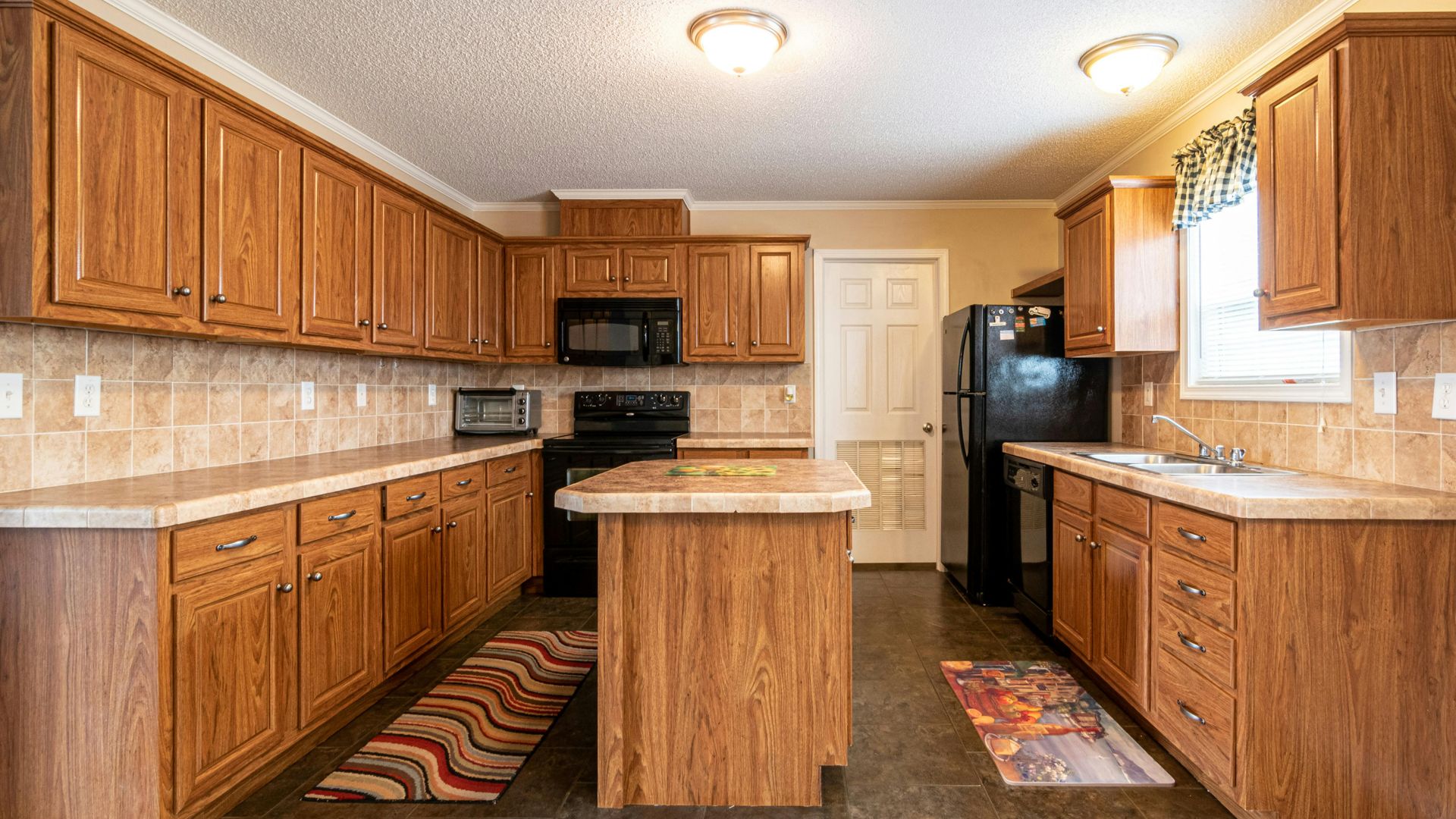
Old laminate countertops can drag down the feel of an otherwise decent kitchen. Replacing them with quartz or granite can make the space feel updated quickly. This is one of the more strategic upgrades that can deliver noticeable impact without full renovation costs.
Flooring Often Gets Overlooked
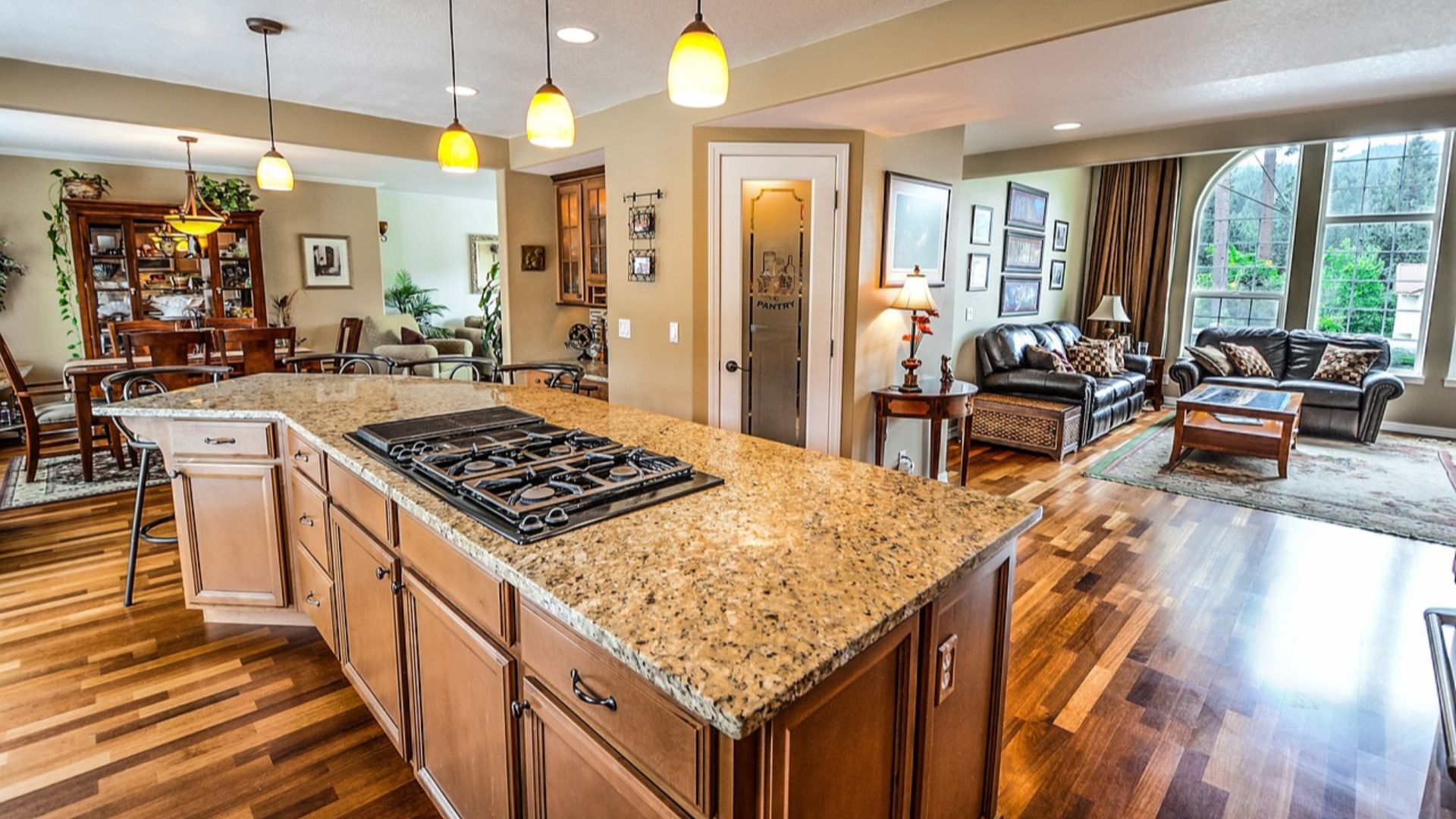
If your kitchen flooring is worn, stained, or dated, it can affect how buyers view the entire space. Upgrading to durable, neutral flooring can improve flow and presentation, especially if it connects to other living areas.
Over-Improving For The Neighborhood Is Risky
If your home is mid-range and you install a luxury chef’s kitchen, you may price yourself above what buyers expect for that area. Homes tend to sell within the value range of their neighborhood. Over-improving can mean you never fully recoup premium upgrades.

Don’t Ignore Cosmetic Fixes
Sometimes small, inexpensive fixes do more than a big remodel. Repainting walls, updating cabinet pulls, replacing outdated light fixtures, deep cleaning grout, and staging the space properly can significantly improve how buyers perceive the kitchen.

Consider Time As A Cost
Renovations take time. If you delay listing for several months to complete a remodel, you’re also risking market shifts, interest rate changes, and added carrying costs like taxes and utilities. Sometimes selling sooner at a slightly lower price is financially smarter than renovating and waiting.

Get A Pre-Listing Consultation
Before committing to a remodel, consult a local real estate agent. Many agents offer pre-listing walkthroughs where they recommend specific improvements that align with your market. Their advice is based on buyer behavior, not personal design preference.

Staging Can Compete With Renovating
Professional staging can make even a dated kitchen feel warm and functional. Strategic decor, lighting, and decluttering often boost appeal without major construction. In some cases, staging offers better ROI than remodeling.
Emotional Bias Is Real
It’s easy to overestimate how much buyers care about the same flaws you notice daily. What feels unbearable to you might be acceptable to a buyer planning their own future renovation. Sometimes letting the next owner customize the kitchen is part of the appeal.

The Tax Angle Is Limited
Kitchen renovations done right before selling generally don’t provide major tax advantages beyond adjusting cost basis for capital gains calculations. If you’re expecting a tax benefit to offset renovation costs, that usually won’t change the math dramatically.

When A Renovation Might Be Worth It
If your kitchen is severely outdated, damaged, or functionally problematic compared to comparable homes, targeted updates can absolutely increase buyer interest and sale price. The key is keeping the scope controlled and aligned with neighborhood standards.

When Selling As-Is Might Make More Sense
If your home is already competitive in its price range and your kitchen is simply not trendy but fully functional, selling without major upgrades could be the smarter financial move. Buyers may prefer to choose their own finishes rather than pay extra for yours.
Final Thoughts
Your partner is correct that many sellers don’t fully recoup high renovation costs. But that doesn’t mean all updates are pointless. Strategic, modest improvements often increase buyer appeal and can boost your net proceeds. The smartest approach is to evaluate your local market, avoid over-improving, and focus on high-impact, lower-cost upgrades. Renovate with discipline, not emotion, and you’ll make a decision based on data—not just disagreement.

You May Also Like: