Bait And Switch
You signed a lease for the newly renovated apartment that you looked at that had fresh flooring, new appliances, updated fixtures. But on moving day, the landlord quietly changed the unit number on your paperwork, kept your security deposit, and handed you keys to an older, dilapidated unit instead. Now they claim you can have the actual renovated unit you wanted, but only if you pay $200 more each month. Here’s what you can do.

Check The Lease
Start by reviewing the lease. Many tenants don’t notice the switch until after they’ve already signed, but the exact unit number is what actually dictates everything. If the landlord changed the lease after you signed, or misled you about which unit it described, you could have grounds to void the agreement or demand the promised apartment at the original price.

Get Every Screenshot, Email, And Listing Photo
Pull together anything that advertised the renovated unit: emails, texts, listing photos, or brochures. This information will be your strongest proof that the landlord represented a specific apartment. Misrepresentation used to induce you to sign, pay a deposit, or finalize a lease can be in breach of consumer protection laws.

Document The Condition Of The Actual Unit
Take photos and videos of the unrenovated apartment that the landlord tried to give you. Capture outdated appliances, flooring, fixtures, paint, or damage. Compare these items to those in the listing photos. This evidence strengthens your claim of misrepresentation and will be useful if you negotiate concessions or escalate to legal steps.

Request The Original Apartment In Writing
Send a firm but polite written request stating that you signed the lease with the intent for the renovated unit and expect the landlord to honor the price you agreed to. Written communications force management to respond carefully and give you clean evidence later if they continue to push the unforeseen rent increase.
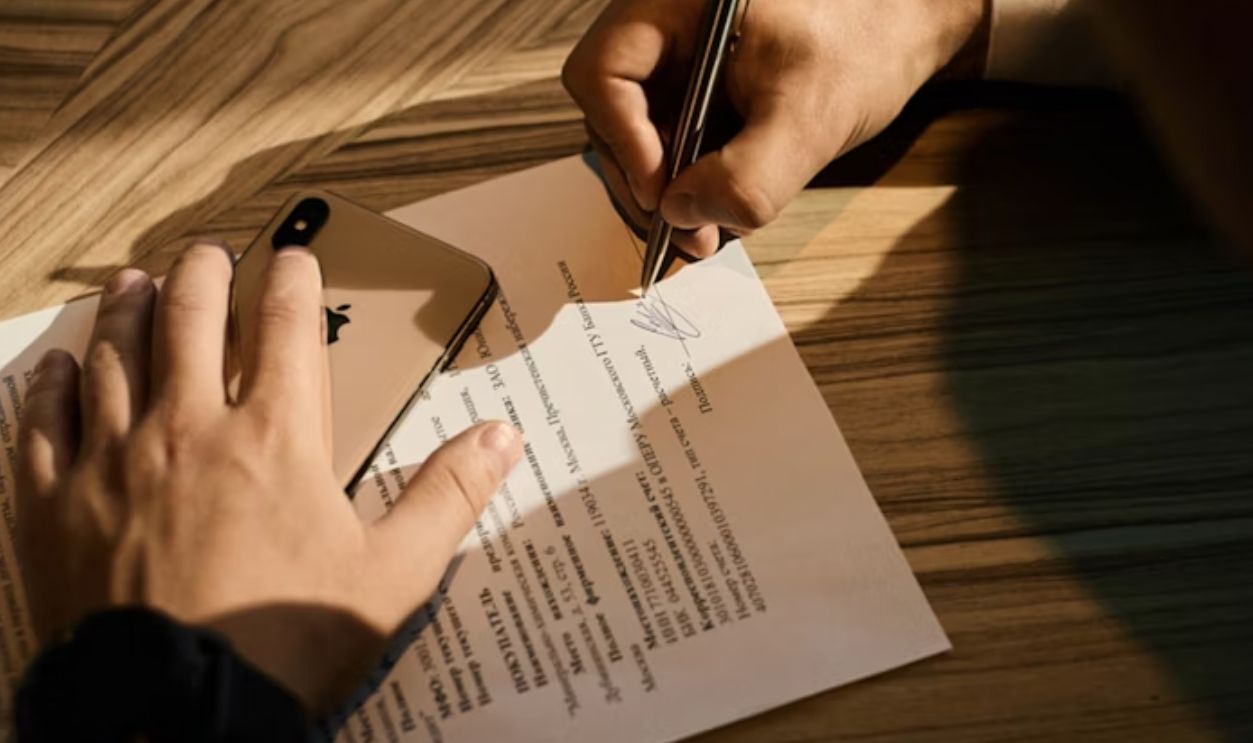
Ask For A Rent Adjustment Or Concession
If you’re willing to stay in the unrenovated unit, you can negotiate for a lower rent, reduced utilities, free parking, or other benefits. Landlords often become more agreeable when faced with documented proof of misrepresentation, and working something out like this could give you a better arrangement.
 LinkedIn Sales Solutions, Unsplash
Cite Misrepresentation Laws
Many states prohibit landlords from advertising upgraded units and then switching in inferior ones at the last minute. If the landlord used photos or descriptions of the renovated apartment to get you to commit, they may have violated consumer protection laws. Calmly and matter-of-factly mentioning this could move negotiations forward.

Check If The Lease Is Voidable
A lease based on false information may be voidable. If you can show definitively that the landlord misrepresented the unit, you may rescind the agreement, recover your deposit, and walk away. Contracts based on deception aren’t binding, even if you’ve already signed.

Request A Return Of The Security Deposit
If you don’t want to stay, demand your deposit back immediately. Since you never received the unit you agreed to lease, the landlord is not legally entitled to keep the funds. A written, timestamped request strengthens your position in case a formal complaint becomes necessary.

Higher-Level Property Manager
In larger property management companies, leasing agents aren’t the final authority. Forward your documentation to the property manager or regional supervisor. Higher-level people like these often resolve issues quickly to avoid any legal problems or damage to the company’s reputation.

Review State Laws On Unit Substitution
Some states stipulate that that there must be written tenant consent before landlords can substitute a different apartment. If your state has a rule like this, the landlord’s switch is already a violation. Pointing to this statute can dramatically turn the negotiation dynamic around in your favor.

File A Complaint With Housing Authorities
Local or state housing agencies take complaints for bait-and-switch leasing. These complaints can generate fines or investigations. Mentioning your intention to file without getting mad or threatening anyone often encourages landlords to set things right voluntarily.

Use Online Reviews As Leverage—Carefully
Inform the landlord that you plan to document your experience in online reviews if the matter isn't settled to your satisfaction. Many buildings rely heavily on positive online ratings, so a simple statement like this often motivates them to correct rental discrepancies.
 Song_about_summer, Shutterstock
Ask If The Renovated Unit Was Ever Truly Available
Sometimes landlords double-book renovated units to attract tenants. Ask if the unit was legitimately assigned to you or rented to someone else before your lease. If records show mismanagement, your case will now be a lot stronger.

Review Your Lease For Right To Cure
Some leases contain clauses requiring management to correct administrative mistakes, including unit misassignment, within a set timeframe. If language like this exists, the landlord could be contractually obligated to provide the renovated unit or equivalent accommodations without bumping up the rent.

Ask For The Renovated Unit At The Original Rate
Present your documentation and directly request the unit at the price agreed upon. When faced with clear evidence, many landlords choose to take the path of least resistance and honor the original deal instead of risking legal or regulatory trouble.

Be Ready To Walk Away
If the landlord won’t correct the deception, walking away from the deal altogether may be your best option. A landlord who shows dishonesty from the start rarely improves later. Leaving before moving in keeps you from being dragged into an ongoing dispute and protects your long-term housing stability.

Talk To A Tenant-Rights Attorney
A brief consultation can tell you your strongest legal position. Attorneys can send demand letters, cite applicable statutes, and stop improper conduct quickly. Because misrepresentation cases are based on an accumulation of facts, early intervention is often inexpensive and can be very effective.

Small Claims Court To Get Your Deposit Back
If the landlord won’t refund your deposit, small claims court is a quick way to recoup the funds. Your evidence, including photos, emails, listings, can very often make the case straightforward. Courts strongly disfavor bait-and-switch tactics.

Don’t Rest On Your Rights
Your landlord’s switch was a deliberate and underhanded move, but you have cards of your own to play. With documentation, written communication, legal protections, and clear next steps, you can demand the renovated unit, argue for concessions, or walk away with your deposit intact. You’re far from powerless; use your rights to secure a fair outcome yourself.

You May Also Like: