I was tricked into sending money through an app, but my bank won’t dispute the charge because I “authorized” it. Is there any way to get my money back? (Copy)

I was tricked into sending money through an app, but my bank won’t dispute the charge because I “authorized” it. Is there any way to get my money back? (Copy)


February 25, 2026 | Peter Kinney

I was tricked into sending money through an app, but my bank won’t dispute the charge because I “authorized” it. Is there any way to get my money back? (Copy)


When “Authorized” Doesn’t Mean “Not A Scam”

You didn’t get hacked. You didn’t have your card stolen. You sent the money yourself, because someone convinced you to. Now the bank says the charge was authorized, so there’s nothing they can do. That’s the part that stings. You were manipulated, pressured, misled, and somehow that makes it your fault? Unfortunately, this is one of the hardest types of fraud to reverse, but “hard” doesn’t mean “impossible”. There are still steps you can take, and in some cases, money can be recovered.

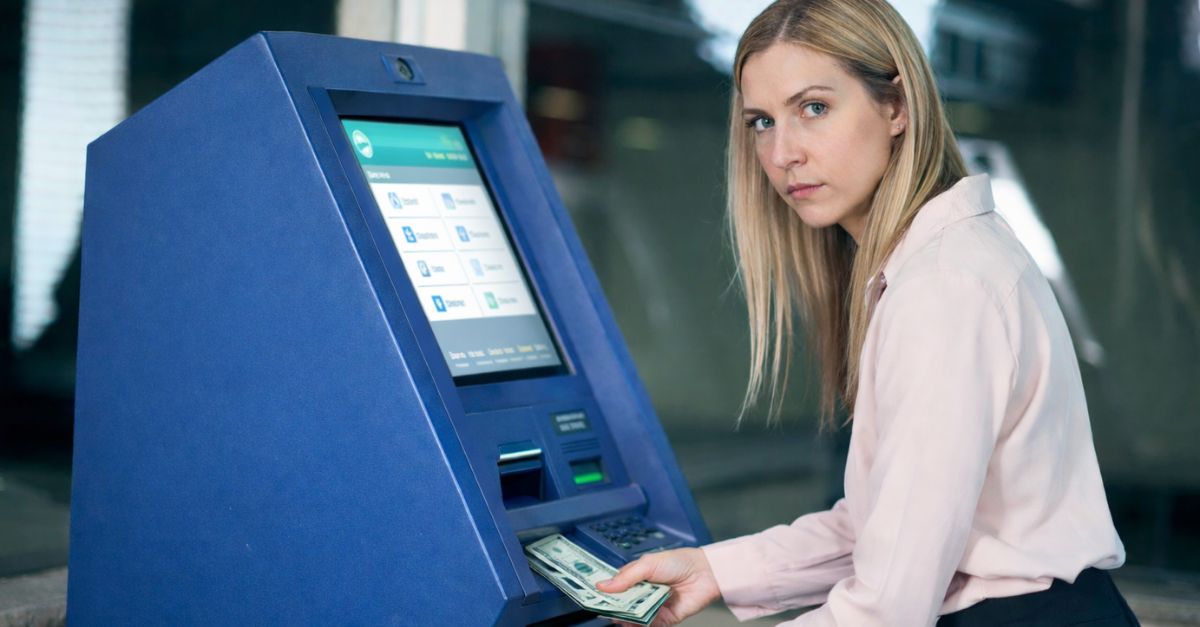
Woman concerned about pay appFactinate

Advertisement

Why Banks Say It’s “Authorized”

From a bank’s perspective, fraud usually means an unauthorized transaction: someone stole your card or accessed your account without permission. In app-based scams, you logged in and approved the payment yourself. Even if you were deceived, the bank sees it as voluntary. That technical distinction is why many initial disputes get denied. Banks rely heavily on transaction authentication logs, device verification, and login credentials when determining whether something was authorized.

17716706298558dbd336558972a02832edd455223aa1b00d91.jpegVitaly Gariev, Pexels

Advertisement

What’s Known As An Authorized Push Payment Scam

This type of fraud is often called an Authorized Push Payment (APP) scam. The victim is persuaded to “push” money out of their account under false pretenses. Even though the transfer was initiated by you, it was based on deception. Regulators and banks are increasingly aware of this category of scam, but policies still vary widely between institutions.

1771671057eba42e545b52c465a3a05d822bde712788e28bfa.jpegNicola Barts, Pexels

Advertisement

Common Scams That Lead To “Authorized” Payments

These situations often involve impersonation scams, romance scams, fake tech support, fake investment opportunities, rental scams, or someone posing as your bank’s fraud department. The scammer creates urgency or fear, convincing you to move money quickly through payment apps like Zelle, Cash App, Venmo, or wire transfers. They may spoof phone numbers or emails to look legitimate.

177167127469cc06ccef81455d444de5b7c4ba0dabe5b185a2.jpegAndrea Piacquadio, Pexels

Advertisement

Act Immediately, Speed Matters

Time is critical. If you realize the scam quickly, contact your bank and the payment app immediately. Ask if the transaction can be frozen, reversed, or flagged before it clears. In some cases, if the receiving bank is notified fast enough, funds can be intercepted before being withdrawn.
17716714940c5321a8c122549f810a95906518122a59fcd881.jpgMimzy, Pixabay

Advertisement

Escalate Beyond The First Customer Service Rep

Frontline representatives often follow strict scripts. If your claim is denied, ask to escalate to a fraud specialist or supervisor. Be clear that you were the victim of deception and financial exploitation. Request a full fraud investigation rather than a simple dispute denial.

17716716471ac2a0e1075b8a54a4198b5c07ee490a88f64c38.jpegcottonbro studio, Pexels

Advertisement

File A Formal Fraud Claim Anyway

Even if the bank says it was authorized, file a formal fraud complaint. Document everything: screenshots, call logs, messages, names used by the scammer, transaction timestamps, and any impersonation tactics used. The more detail you provide, the stronger your argument that this was fraudulent conduct.

17716717001fb33fe5402f517e398a8d0af283a564b81492ae.jpgStefan Stefancík, Unsplash

Advertisement

Reference The Bank’s Own Policies

Many banks publish fraud protection policies that promise investigation of scam-related transfers. Review your bank’s terms and quote relevant sections in your appeal. Sometimes pointing to their own language prompts a more thorough review.

177167324092fd3f40b70e9dabb43f608b08044747157683f7.jpegAndrea Piacquadio, Pexels

Advertisement

Understand The Difference Between Credit Cards And Payment Apps

Credit cards generally have stronger consumer protections under federal law than debit cards or bank transfers. If you funded the transfer with a credit card, you may have additional rights under the Fair Credit Billing Act. Debit transactions are usually governed by the Electronic Fund Transfer Act, which offers more limited protection for authorized transfers.

1771673416a2b8f73e5779392ce03cc59015eb59bc62f4d5c4.jpegCup of Couple, Pexels

Advertisement

Check The App’s Buyer Protection Policies

Some payment apps have limited buyer protection for certain transactions labeled as goods and services. However, most peer-to-peer transfers are treated like handing someone cash. Review the terms carefully and confirm whether your transaction qualifies for any internal dispute review.

1771673701c705e3b1daa615d864698333567ce5eb92fc2c65.jpegMikhail Nilov, Pexels

Advertisement

Ask The Receiving Bank To Investigate

If you have details about where the money was sent, ask your bank whether they can request a recall through the receiving financial institution. Interbank cooperation sometimes results in partial recovery if the funds remain in the account.

1771673886394188ee50abcea1eca9b4367fc25f0c83394b1d.jpegSHVETS production, Pexels

Advertisement

File A Police Report

It may feel symbolic, but a police report adds credibility. It establishes official documentation of fraud. Some financial institutions require a report number before escalating an investigation.
1771674023a9f9a838c6068402d4766fc9d56f2b945a0bd32a.jpegKindel Media, Pexels

Advertisement

Report To Federal Agencies

In the United States, report the scam to the Federal Trade Commission and the FBI’s Internet Crime Complaint Center. These agencies track patterns and may contact financial institutions in large-scale fraud cases.

1771674236dff1359ee568420cb5f587b1ea6053aea93578e6.jpgSurprising_Media, Pixabay

Advertisement

File A Complaint With Banking Regulators

If your bank denies your claim and you believe they didn’t conduct a reasonable investigation, file a complaint with the Consumer Financial Protection Bureau or your bank’s primary regulator. Banks are required to respond to regulator inquiries, which sometimes triggers a second-level review.

177167439395a875137dedf4321c5ed593094670e1d5bb661b.jpegPolina, Pexels

Advertisement

Consider Small Claims Court In Significant Cases

If the amount lost is large and you can identify the scammer or recipient, small claims court may be an option. This is rare and complex, but in certain cases, victims have pursued recovery when the recipient’s identity was traceable.

17716744884c631d5671150f91a221d2ca4870df2fffbd370d.jpegRDNE Stock project, Pexels

Advertisement

Know That Recovery Rates Vary

Recovery rates for authorized push payment scams are lower than for stolen-card fraud. Still, success is not zero. Acting within hours instead of days dramatically increases your odds.

1771674561a60a673aa65dff56dd1372f83e0aa8a9f5d39b74.jpegSora Shimazaki, Pexels

Advertisement

Protect Yourself From Secondary Scams

Be cautious of anyone who contacts you promising to “recover your funds” for an upfront fee. These recovery scams target people who have already been victimized. Legitimate government agencies will never charge you to investigate.

1771674834d1a6a1a970455330bfa229aa8f7172b2efaab4ae.jpegAndres Ayrton, Pexels

Advertisement

Secure Your Financial And Personal Accounts

Immediately change your banking passwords, enable two-factor authentication, and monitor transactions daily. If you shared personal identifying information, consider placing a fraud alert or credit freeze with the major credit bureaus.

177167493056b47536c574afa3ccf0ba2449285f420396964b.jpegKsenia Chernaya, Pexels

Advertisement

Learn The Red Flags For The Future

Scammers rely on urgency, secrecy, and authority. They may claim your account is compromised, that you owe taxes, or that a loved one is in trouble. If someone pressures you to send money quickly and tells you not to tell anyone, that’s a red flag.

1771675020ec16d3ff929cbd3445e5158f638043fd3b5ba213.jpegT Leish, Pexels

Advertisement

The Emotional Side Matters Too

Victims often feel embarrassment or guilt. That emotional weight can prevent people from fighting back. Remember that these scams are engineered to manipulate intelligent, cautious individuals. The responsibility lies with the scammer, not you.

1771676050c9e3d205fd9568e967a3ccfb42ffaaf55527bce1.jpegSHVETS production, Pexels

“Authorized” Doesn’t Mean Powerless

Even if the bank initially denies your dispute because the payment was authorized, you are not out of options. Escalate, document, file formal complaints, involve regulators if needed, and act quickly. Recovery isn’t guaranteed but persistence, speed, and thorough documentation give you the best possible chance of getting some or all of your money back.

1771676631d7269bdf239a4e2e16b58845b600874cbcac6c5e.jpegTima Miroshnichenko, Pexels

Advertisement

You May Also Like: 

My stepdad tricked my mom into changing the beneficiary on her life insurance. Is there anything I can do?

We just sold our house but our realtor let the buyer’s contractors into our house to start renovations a week before closing. What do we do?

My parents are in their 70s and went to a lawyer to help draft a will. He told them not to bother as it wouldn’t change anything. What do they do?

Sources: 1, 2, 3


READ MORE

Woman concerned about pay app

I was tricked into sending money through an app, but my bank won’t dispute the charge because I “authorized” it. Is there any way to get my money back? (Copy)

You didn’t get hacked. You didn’t have your card stolen. You sent the money yourself, because someone convinced you to. Now the bank says the charge was authorized, so there’s nothing they can do. Unfortunately, this is one of the hardest types of fraud to reverse, but “hard” doesn’t mean “impossible”.
February 25, 2026 Peter Kinney

My dad is retiring at 67 after working all his life. My mom is 65 and never worked. Can she also collect benefits when he gets Social Security?

Even if a spouse didn't work or pay into Social Security, they are still entitled to collect up to 50% of the level that their spouse collects: here's how.
February 25, 2026 Alex Summers

I’m set to inherit $125K from my dad’s estate. My husband and I are separated but haven’t filed for divorce. Can he take half my inheritance?

Money you receive inherit doesn't normally get split up in a divorce, but there are important steps you have to take first.
February 25, 2026 Sammy Tran
Woman talking with a friend

My ex-husband made me take money out of my retirement to invest in stocks. I just found out about the repayment rule. Am I ever going to retire?

She withdrew retirement savings at her ex-husband’s urging and missed the 60-day repayment rule. Now she fears she’ll never retire. Here’s what the rules mean, the real damage done, and how to rebuild your nest egg with smart, practical steps.
February 25, 2026 Jack Hawkins
Savings Account

My wife thinks we should adopt the "$27.40 rule" to save more money—I've never heard of it. Does it work?

My wife wants us to adopt the $27.40 rule to save more money—but does it actually work? Learn how this simple compound interest strategy reframes everyday spending, reduces impulse purchases, and can quietly grow your long-term wealth.
February 25, 2026 Jack Hawkins
Woman using an ATM

Even if you aren't doing anything wrong, the IRS may come after you if they notice a pattern of repeated, small deposits.

Most people assume small cash deposits are invisible to the government. They're not. A pattern of modest deposits can set off a federal investigation, freeze your account, and in some cases, cost you everything, without a single criminal charge.
February 25, 2026 Miles Brucker


Disclaimer

The information on MoneyMade.com is intended to support financial literacy and should not be considered tax or legal advice. It is not meant to serve as a forecast, research report, or investment recommendation, nor should it be taken as an offer or solicitation to buy or sell any securities or adopt any particular investment strategy. All financial, tax, and legal decisions should be made with the help of a qualified professional. We do not guarantee the accuracy, timeliness, or outcomes associated with the use of this content.


Dear reader,


It’s true what they say: money makes the world go round. In order to succeed in this life, you need to have a good grasp of key financial concepts. That’s where Moneymade comes in. Our mission is to provide you with the best financial advice and information to help you navigate this ever-changing world. Sometimes, generating wealth just requires common sense. Don’t max out your credit card if you can’t afford the interest payments. Don’t overspend on Christmas shopping. When ordering gifts on Amazon, make sure you factor in taxes and shipping costs. If you need a new car, consider a model that’s easy to repair instead of an expensive BMW or Mercedes. Sometimes you dream vacation to Hawaii or the Bahamas just isn’t in the budget, but there may be more affordable all-inclusive hotels if you know where to look.


Looking for a new home? Make sure you get a mortgage rate that works for you. That means understanding the difference between fixed and variable interest rates. Whether you’re looking to learn how to make money, save money, or invest your money, our well-researched and insightful content will set you on the path to financial success. Passionate about mortgage rates, real estate, investing, saving, or anything money-related? Looking to learn how to generate wealth? Improve your life today with Moneymade. If you have any feedback for the MoneyMade team, please reach out to [email protected]. Thanks for your help!


Warmest regards,

The Moneymade team