
Everyone Is Confident. Everyone Is Stressed. Someone Is Wrong.
When family members start confidently throwing around IRS rules, panic usually follows. One person swears a new rule will “cost you thousands.” Another says it was repealed and you’re fine. Both sound certain. Neither is explaining it clearly. So let’s break it down properly.

First—What People Mean by “The $600 Rule”
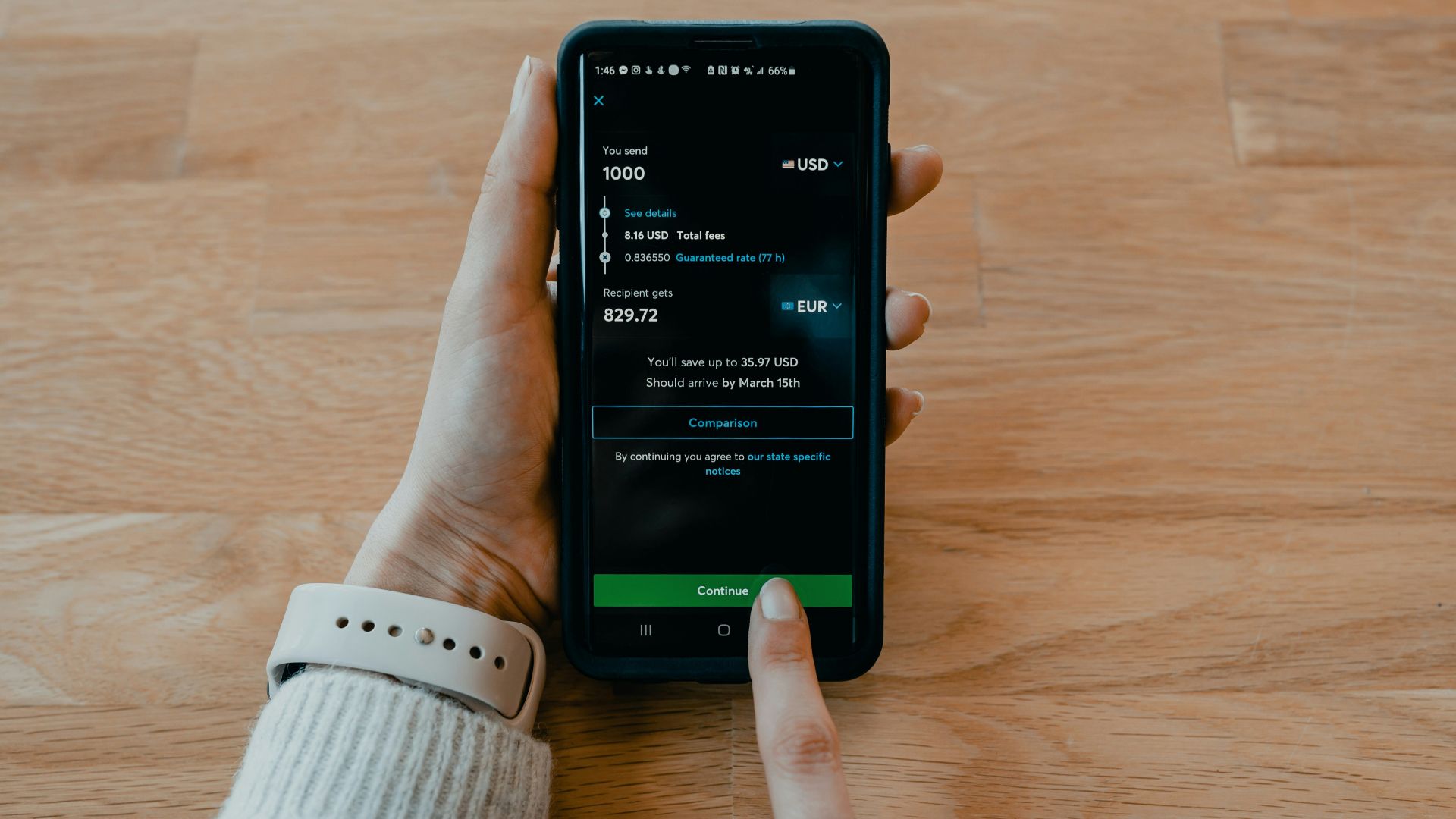
The “$600 rule” was never a tax rule. It didn’t create a new tax. It didn’t mean you suddenly owe money once you hit $600 on Venmo or PayPal. It was about reporting, not taxing—specifically, when payment apps must send a tax form to users for payments related to goods and services.
What the IRS Was Trying to Do
The IRS wanted payment platforms to send a 1099-K to users who received $600 or more in business-related payments during a year. The goal was to capture side-hustle income that already should have been reported—but often wasn’t.

Why This Caused Immediate Chaos
Venmo and PayPal aren’t just business tools. People use them to split rent, pay friends back, send gifts, and cover dinner. The idea that all of this might trigger tax forms freaked people out—even though personal payments were never supposed to be taxed.

So…Was the $600 Rule Repealed?
For 2025 income, yes—your uncle is right. At the federal level, the IRS reverted to the old reporting rule. Payment apps generally issue a 1099-K only if you receive over $20,000 and have more than 200 transactions in a year for goods or services. That’s the rule he’s talking about.

But “Repealed” Doesn’t Mean What People Think
Nothing about taxes went away. No income suddenly became tax-free. The IRS didn’t say, “Never mind, keep the money.” They just changed when platforms must send paperwork. That’s an important distinction almost everyone misses.
 Karolina Grabowska www.kaboompics.com, Pexels
This Is the Core Rule That Never Changed
If money is taxable income, you owe taxes on it whether or not you get a form.
If money is not income, you don’t owe taxes—even if a form is issued by mistake.
Forms don’t create taxes. Income does.

What Usually Is NOT Taxable on Venmo or PayPal
Most everyday payments people stress about aren’t income at all. Paying your share of rent. Splitting utilities. Reimbursing a friend. Sending a birthday gift. These are personal transfers—not earnings.
What Usually IS Taxable
Side hustles. Freelance work. Selling goods at a profit. Business payments. If you’re getting paid for something you did or sold, that’s income—and it always has been, long before payment apps existed.

Why Your Father Thinks You’ll “Owe a Lot”
He’s mixing up receiving a tax form with owing taxes. A 1099-K doesn’t mean you owe money. It just tells the IRS that money moved through an app—and it reports gross payments, before refunds, fees, or expenses. What matters is how that money should be classified on your return.

Why Your Uncle Sounds Right—But Isn’t Fully Right
Your uncle is correct that the $600 federal reporting threshold isn’t being applied for 2025. But he’s wrong if he thinks that means taxes disappeared. Reporting rules changed. Tax law didn’t.

The App You Use Does Not Matter
Venmo, PayPal, Cash App—it’s all the same to the IRS. The platform doesn’t determine taxability. The purpose of the payment does. Switching apps doesn’t change your tax situation.
Why This Keeps Coming Back Every Year
The IRS keeps adjusting how aggressively it wants third-party platforms to report payments for goods and services. Each change triggers headlines, TikToks, and family group-chat panic. But the underlying rules stay boringly consistent.

The Quiet Truth Most People Miss
Millions of people use payment apps constantly and owe zero additional taxes because their transactions aren’t income. The stress comes from misunderstanding paperwork—not from actual tax liability.
When You Should Actually Pay Attention
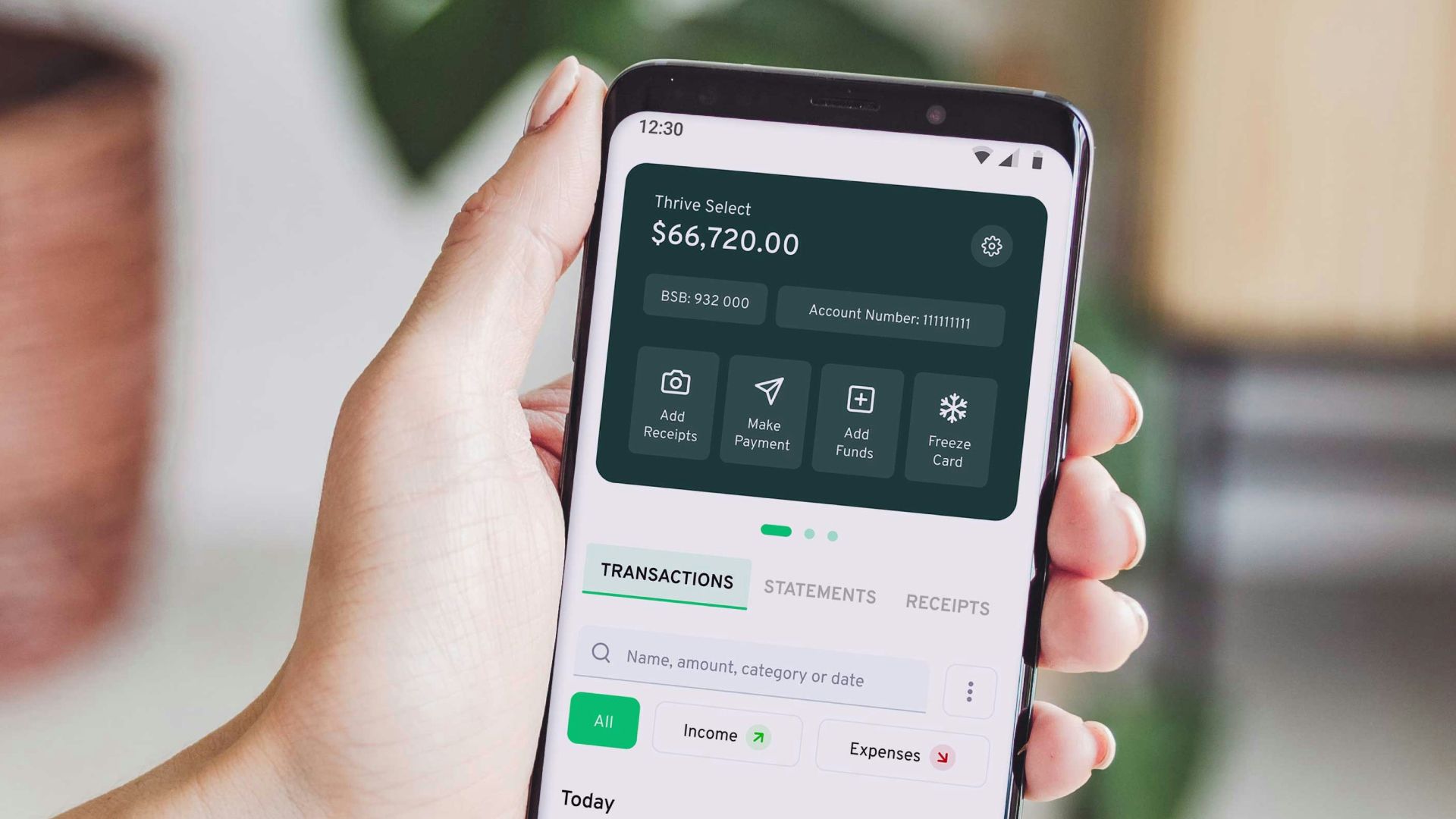
If you’re running a side hustle. If you sell regularly online. If Venmo or PayPal is basically your business bank account. That’s when tracking income and expenses matters—not because of a new rule, but because it’s how taxes have always worked.

A Note About State Rules
Some states have lower reporting thresholds than the federal rule. That can mean you still receive a 1099-K for state reporting purposes, even if you don’t meet the federal $20,000 and 200-transaction threshold. Again, forms don’t equal taxes—they just mean the money needs to be categorized correctly.

So Who’s Right?
Your father is wrong to say the “$600 rule” will automatically cost you a lot in taxes. Your uncle is right that the federal rule isn’t being applied for 2025—but wrong if he thinks that’s the whole story.

The Bottom Line
Nothing about Venmo or PayPal magically creates taxes. Nothing about repealing a reporting rule erases taxable income. And most people stressing about this don’t owe anything extra at all.

If You’re Still Unsure
Ask yourself one simple question:
Was this money paid to me for work or profit—or was it just personal money moving around?
That answer—not family advice—is what actually decides your taxes.
 Karolina Grabowska www.kaboompics.com, Pexels
You Might Also Like: