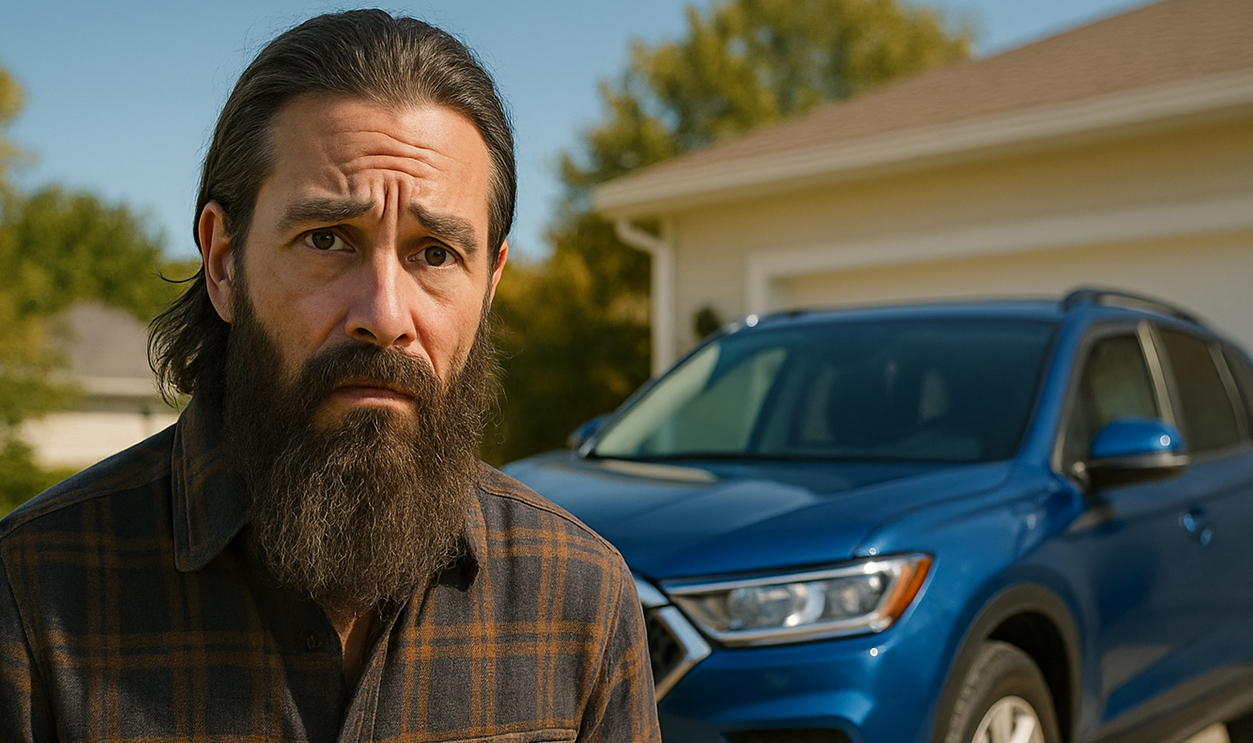
The Moment I Signed The Papers
I still remember the smell of the dealership—fresh coffee, tire shine, and just a hint of panic. I was excited, nervous, and very ready to drive home in my car. The salesperson slid the paperwork across the desk, I skimmed it like everyone does, saw the monthly payment, and thought, I can swing that. What I didn’t really process in that moment was the number quietly sitting in the corner of the page: 22% APR.
The Dreaded Realization
It didn’t hit me right away. Weeks later, after telling a friend about my new ride, they casually asked, “What interest rate did you get?” I answered. There was a pause. Then a slow, painful “Oh no.” That’s when the Googling started—and so did the regret. Had I just made the worst financial decision of my life?

First Things First: You’re Not Alone
If you’ve financed a car at 22% interest, take a breath. You’re not dumb, reckless, or uniquely bad with money. High-interest auto loans are shockingly common, especially for first-time buyers, people rebuilding credit, or anyone who needed a car now, not six months from now when their credit score improved.

Why 22% Even Exists
A 22% APR usually shows up when lenders see risk. That risk could be a low credit score, limited credit history, missed payments in the past, or even just a high debt-to-income ratio. From the lender’s perspective, they’re pricing in the chance you won’t pay them back. From your perspective, it feels like a punishment layered on top of an already expensive purchase.

The True Cost Of That Interest
Here’s the gut punch: a high interest rate doesn’t just make your monthly payment bigger—it quietly inflates the total cost of the car. A $20,000 car financed at 22% over five years can end up costing thousands more than the sticker price. At some point, you realize you’re paying luxury-car money for a very normal car.

Monthly Payment Tunnel Vision
Most of us focus on one number: the monthly payment. Dealers know this. They can stretch loan terms, juggle numbers, and make almost anything “affordable” per month. The interest rate fades into the background. That’s how people end up with 72-month loans at brutal APRs—manageable payments, massive long-term damage.

Was It Your Worst Financial Move?
Honestly? Probably not. It might feel awful now, but “worst financial move” territory is usually reserved for things like ignoring rent, defaulting on taxes, or taking on debt with no income plan at all. Buying a car with a high-interest loan is more like a costly lesson than a financial death sentence.
The Car Itself Still Has Value
Unlike credit card debt or payday loans, a car gives you something tangible. It gets you to work, school, doctor’s appointments, and job interviews. If that car made it possible for you to earn money or improve your life, then the decision wasn’t purely financial—it was practical.

The Emotional Side Of Car Buying
Cars aren’t just transportation. They represent freedom, independence, and sometimes survival. When you’re in a tough spot, you don’t negotiate from a place of power. You negotiate from a place of need. That context matters, and it deserves more compassion than we usually give ourselves.

The Real Mistake To Avoid
The real mistake isn’t getting the 22% loan. It’s pretending it’s permanent. High-interest auto loans should be treated like temporary scaffolding—not something you build your financial future on. The moment the loan is signed, the next phase should be planning your exit.
Understanding Your Loan Terms
Pull out your paperwork and look at three things: APR, loan term, and whether there’s a prepayment penalty. Most auto loans don’t penalize early payoff, which is good news. That means every extra dollar you throw at the principal saves you real money.

The Power Of Extra Payments
Even small extra payments can make a huge difference at high interest rates. An extra $50 or $100 a month can shave months—or even years—off the loan and reduce the total interest paid by thousands. High APR loans are painful, but they’re also highly responsive to aggressive payoff.

Refinancing: Your Best Escape Hatch
Refinancing is often the single best move after a high-interest car purchase. If your credit score improves—even modestly—you may qualify for a much lower rate within 6–12 months. Dropping from 22% to even 10% can feel like financial oxygen.
When Refinancing Makes Sense
Refinancing works best when your car still has solid value, your loan balance isn’t upside down by too much, and your credit profile has improved. On-time payments alone can help your score. Ironically, surviving the bad loan can qualify you for a much better one.

Beware Of Being Upside Down
One risk of high-interest loans is becoming upside down—owing more than the car is worth. This can trap people in bad loans longer than expected. Knowing your car’s current value helps you make smarter decisions about refinancing, selling, or accelerating payments.

Should You Sell The Car?
Sometimes selling the car is the right move—but not always. If selling means rolling negative equity into another loan, you may just be resetting the problem. Selling only helps if you can truly reduce or eliminate the high-interest debt, not just reshuffle it.

What About Leasing Or Trading In?
Leasing or trading in rarely fixes a bad loan on its own. Dealers are experts at hiding old debt inside new deals. If someone promises to “make the negative equity disappear,” it’s probably just being buried deeper with better marketing.

Credit Score Redemption Arc
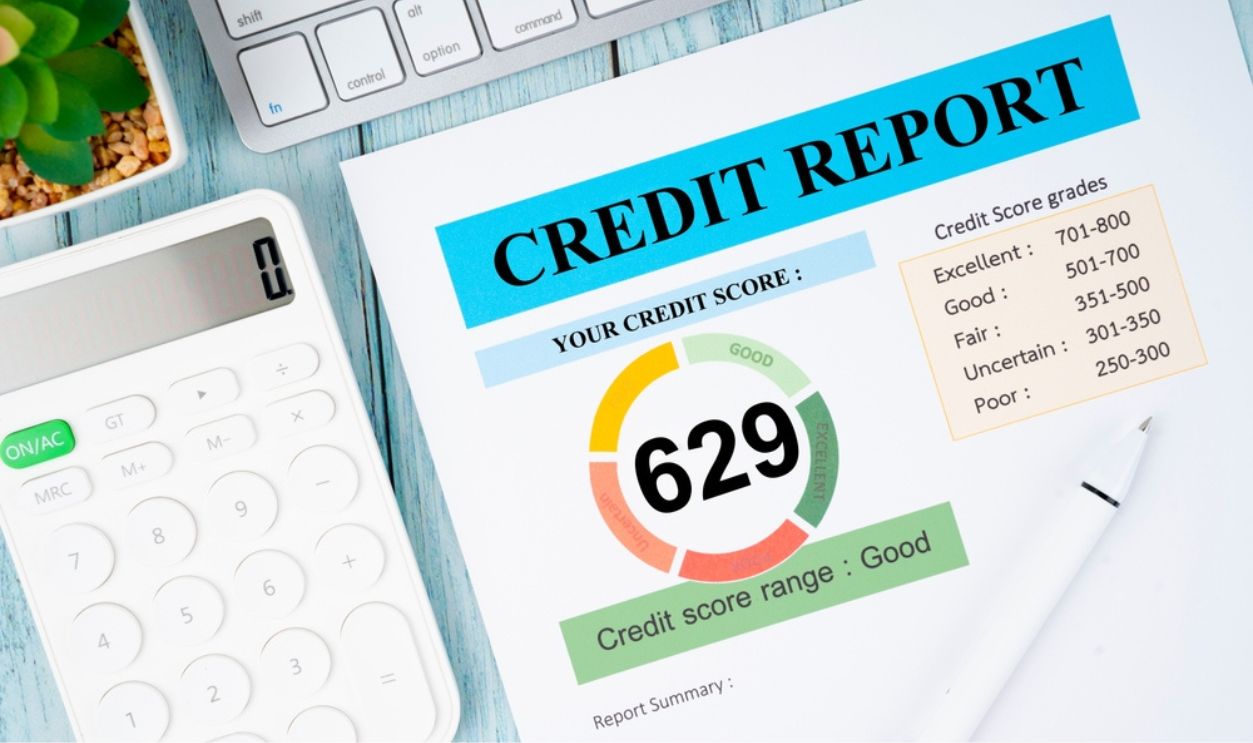
The silver lining? This loan can actually help your credit if you handle it well. On-time payments, lower utilization elsewhere, and time can raise your score faster than you’d expect. The same loan that feels like a mistake today could be the reason you qualify for better rates tomorrow.
Budgeting Around The Pain
A high car payment forces clarity. You start noticing where money leaks out—subscriptions, impulse buys, takeout habits. Many people accidentally become better budgeters because the payment demands attention. It’s not fun, but it’s effective.

Separating Shame From Strategy
Shame is useless in personal finance. It doesn’t lower your interest rate or reduce your balance. Strategy does. Once you stop beating yourself up, you can focus on actions that actually move the needle—paying extra, refinancing, or restructuring your budget.

Lessons You’ll Never Forget
After a 22% loan, you never ignore APR again. You learn to shop lenders, get pre-approved, and walk away from bad deals. Pain is a brutal teacher, but it’s also an unforgettable one. This mistake, if it is one, won’t be repeated.

Comparing This To Other Financial Mistakes
People survive far worse. Medical debt, unemployment, divorce, or housing crises can dwarf a bad car loan. This is a problem with a clear solution path and an end date. That alone means it’s manageable.

The Mental Weight Of High-Interest Debt
The stress is real. Seeing how slowly the balance drops can feel demoralizing. That’s why tracking progress—celebrating every $1,000 paid down—matters. Momentum isn’t just financial; it’s psychological.

Turning Regret Into Momentum
Once you decide, “I’m getting out of this,” everything changes. Extra payments feel empowering instead of painful. Refinancing becomes a goal instead of a vague idea. The loan stops controlling the narrative.

What I’d Tell My Past Self
I’d say this: You didn’t ruin your life. You made the best decision you could with the information and options you had. Now you know more. That knowledge is worth something—and it’s going to pay dividends for decades.

So… Was It Your Worst Financial Move?
Probably not. It may have been expensive, frustrating, and uncomfortable—but it was survivable. More importantly, it was fixable. If you use this experience to build better habits, stronger credit, and sharper instincts, it might end up being one of the most educational financial moves you ever made.

The Road Forward Looks Better Than You Think
High-interest car loans feel permanent when you’re in them—but they’re not. With a plan, patience, and a little persistence, 22% becomes 15%, then 9%, then gone entirely. One day, this will just be a story you tell—preferably with a laugh and a much better interest rate.

You May Also Like:
Ford fanatics have tracked down the rarest Fords in existence, and they aren't what we expected.
Why Pontiac Named A Car After A Native American Chief—And Later Regretted It
Everything That Starts Failing When You Leave Your Car Parked Too Long