
The Rent-Day Check Hold Panic
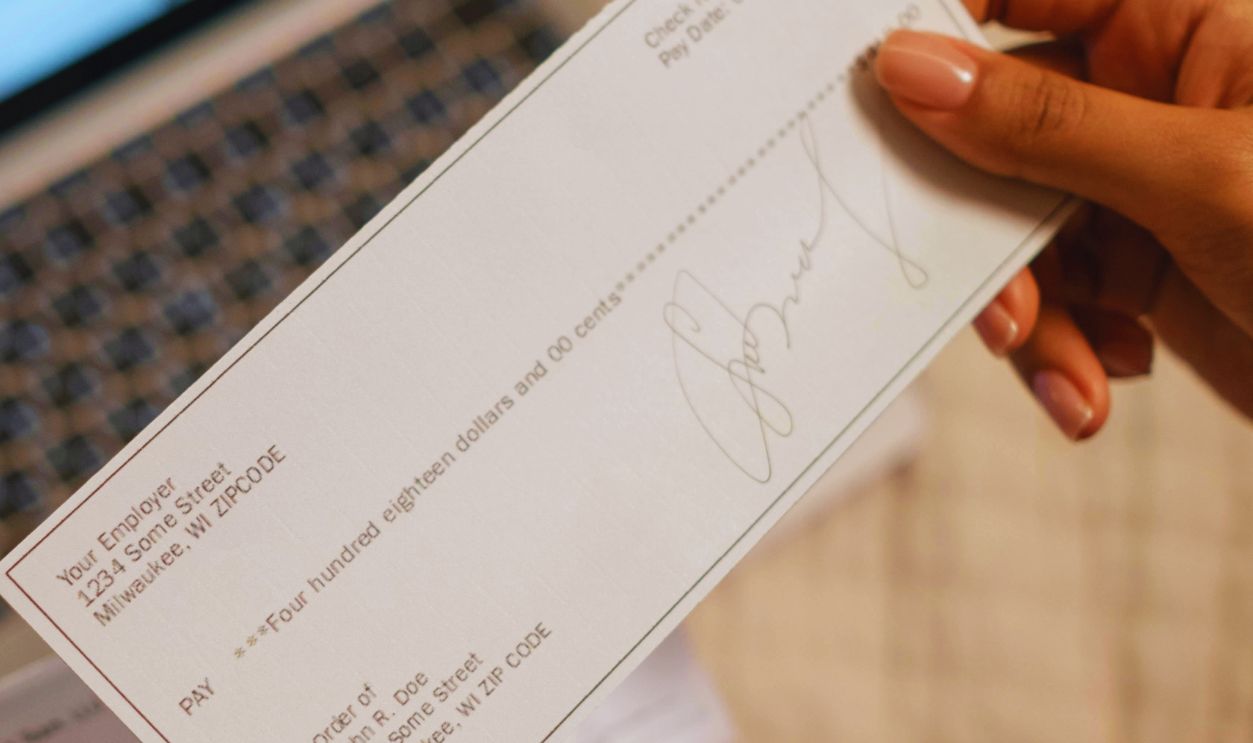
You deposited the check. You saw it sitting there in your account. Then rent day arrived, your available balance shrank, and your bank said, “Not yet.” Annoying? Absolutely. Illegal? Not always. Banks can hold check deposits, but the rules depend on the check, your account, timing, and risk.

Yes, Banks Can Hold Checks
In the U.S., check holds are governed mainly by Regulation CC, which implements the Expedited Funds Availability Act. The Federal Reserve says the law sets maximum hold periods for many deposits, rather than requiring every check to clear instantly.
Your Balance Can Be Misleading
Here is the sneaky part: your “current balance” may show the deposited check, while your “available balance” does not. Rent, debit card charges, ACH payments, and ATM withdrawals usually care about the available balance, not the feel-good number on the screen.

Nine Days Sounds Wild
A nine-day hold can be real, especially if the bank is counting business days instead of calendar days. Weekends and federal holidays can stretch the wait, making a “reasonable” hold feel like financial purgatory with fluorescent lighting and no snacks.

Business Days Are The Trick
Regulation CC timelines are measured in business days after the banking day of deposit. Monday through Friday usually count, excluding federal holidays. A Saturday deposit may be treated like Monday, which can make your calendar math and the bank’s calendar math fight in public.

The First Slice May Come Faster
For many non-next-day checks, banks generally must make the first $275 available by the next business day. The rest can be delayed under the standard schedule or longer under certain exceptions.

Some Deposits Get Faster Treatment
Cash deposited in person, electronic payments, U.S. Treasury checks, cashier’s checks, certified checks, teller’s checks, and certain “on-us” checks often receive next-business-day availability when deposited properly. The exact method matters, especially teller versus ATM or mobile deposit.

Mobile Deposits Can Be Different
That cheerful “snap a photo” deposit can come with a different timetable. The CFPB specifically warns that mobile check deposits may have different availability policies, so your bank’s app convenience may come with a patience fee paid in stress.

New Accounts Get Less Trust
If your account has been open less than 30 days, banks get more flexibility. For new customers, some funds may be held longer, and certain remaining amounts from next-day items may not be available until the ninth business day.

Big Checks Raise Eyebrows
Large deposits can trigger longer holds. Under the Fed’s current Regulation CC guide, deposits over $6,725 may qualify for an exception hold on the amount above that threshold, though the bank must still follow availability rules for the earlier portion.

Redeposited Checks Are Trouble Magnets
If a check bounced once and you deposit it again, the bank may put it in the “hmm, let’s wait” pile. Redeposited checks are one of the categories eligible for longer holds under Regulation CC.

Overdraft History Can Hurt
Banks may also use longer holds if an account has been repeatedly overdrawn. The rule looks back over the previous six months, so past money mishaps can follow you like a tiny financial ghost.

Suspicious Checks Get Benched
If the bank has reasonable cause to doubt a check will be collected, it can delay access. Think stale-dated checks, postdated checks, fraud concerns, or information from the paying bank suggesting the check might not be honored.

Emergencies Can Stretch Holds
Natural disasters, communications failures, and other emergencies can also justify longer holds. In plain English: if the banking plumbing is not working normally, the bank may get extra time before handing you spendable money.

Non-Bank ATMs Are Slower
Depositing at an ATM your bank does not own can delay availability. The Federal Reserve says cash or check deposits made at a nonproprietary ATM generally must be available by the fifth business day.

The Bank Must Usually Tell You
If the bank holds funds beyond its normal availability policy, it generally must give you notice explaining the reason for the hold and when the money will be available. If the deposit was not made in person, notice can come later.

Ask For The Hold Notice
Do not just accept “because policy” as the whole answer. Ask for the hold notice, the specific reason, the date funds will be available, and whether any portion can be released sooner. Be polite, but bring receipts.

Rent Being Due Does Not Change The Rule
This is the maddening part: your rent deadline usually does not force the bank to release a check faster. The bank’s legal duty is tied to funds-availability rules, not your landlord’s patience level or late-fee policy.

Call Before The Payment Bounces
If rent is about to hit, contact the landlord immediately. Explain that the check is deposited but held, give the expected availability date, and ask for a short extension or waiver of late fees. Embarrassing? Maybe. Cheaper than silence? Often.

Ask The Bank For Help
Call the bank and ask whether it can release part of the deposit, waive overdraft fees, or provide a written explanation for your landlord. Sometimes frontline staff cannot override holds, but a supervisor may have more room.

Document Everything Like A Detective
Save screenshots, deposit receipts, hold notices, rent due dates, and any fee notices. If you later file a complaint or dispute fees, “I remember being mad” is weaker than a neat little paper trail.

When To File A Complaint
If the bank did not provide proper notice, held funds past the stated date, ignored its own policy, or gave confusing answers, consider filing a complaint with the CFPB or the bank’s regulator. Start with the bank’s complaint department first.

Avoid Repeat Check-Hold Drama
For future rent money, direct deposit, ACH transfer, wire transfer, cashier’s check, or earlier check deposit may be safer. None are perfect, but paper checks are basically tiny suspense novels with routing numbers.

Build A Rent Buffer If Possible
A small rent buffer can turn a nine-day hold from a crisis into an inconvenience. Even $100 or $200 parked in checking can soften the blow when bank timing, payroll timing, and life timing all trip over each other.

Know Your Bank’s Cutoff Time
Deposits made after the bank’s cutoff time may count as received the next business day. The CFPB notes cutoff times cannot be earlier than 2 p.m. at physical locations or noon at ATMs and similar places.
The Real Answer
Can your bank really hold your check for nine days? Sometimes, yes. But it should have a valid reason, follow Regulation CC, count business days correctly, and tell you when the money will be available.

The Bottom Line
A check hold past rent day feels personal, but it is usually a risk-control rule, not a grudge. Your best move is to ask for the reason in writing, push for any available release, talk to your landlord early, and change your rent-payment routine before next month’s drama audition.

You May Also Like: