
When Love Comes With A Leash
Your girlfriend is ready to move in. Great news! There is just one fuzzy, tail-wagging complication: her dog. She says the dog comes too, or she does not. Your landlord says no pets. Suddenly, romance has turned into lease law, relationship math, and one very innocent dog in the middle.

Start With The Lease
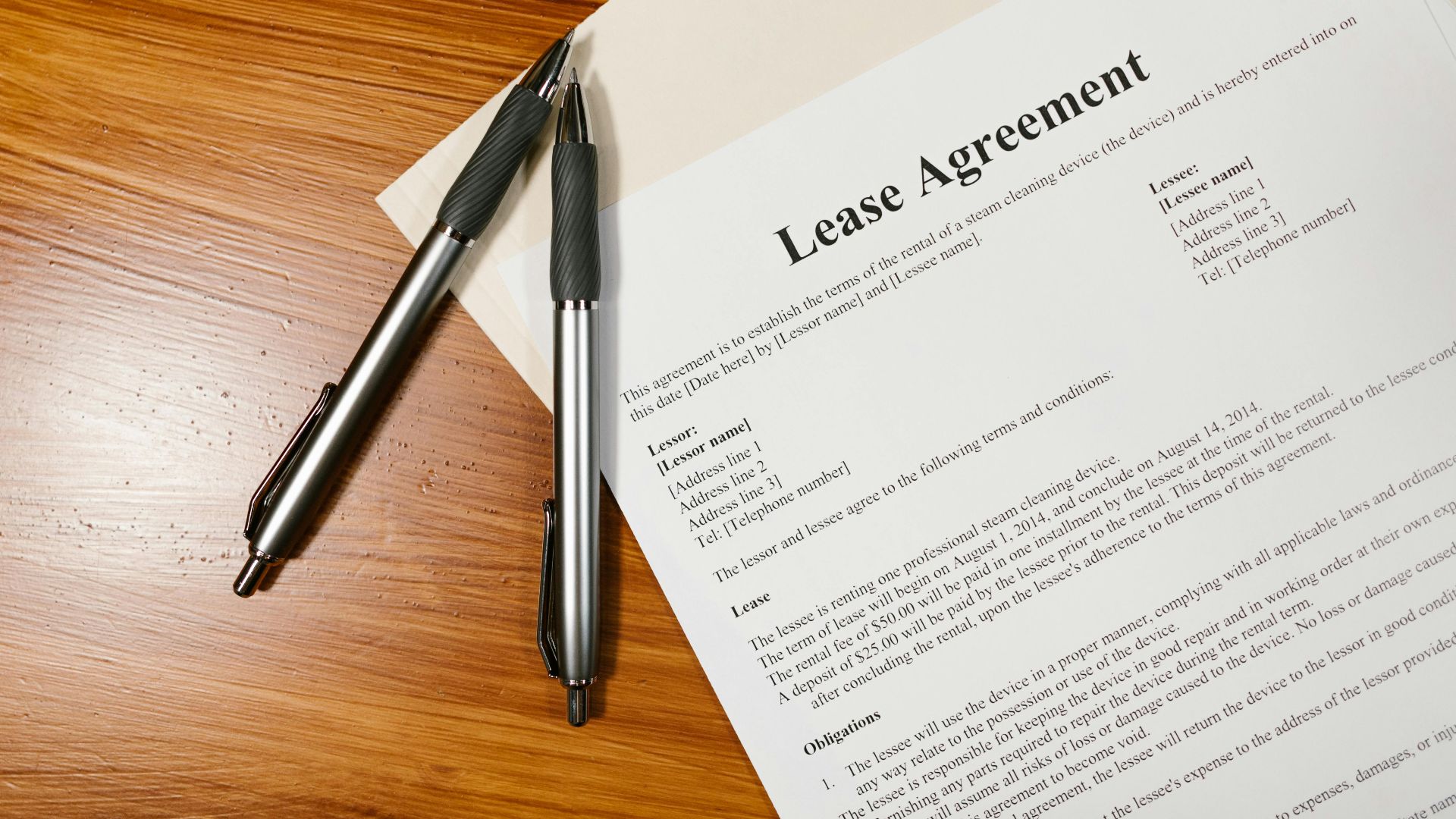
Before you panic-text your landlord, read your lease carefully. A “no pets” clause may be very clear, or it may have exceptions, permission language, pet deposits, or written-consent rules. Do not rely on memory. The lease is the script everyone signed, even if nobody enjoyed reading it.
Do Not Sneak The Dog In
Yes, sneaking in the dog may feel tempting. No, it is not clever. It is the rental version of hiding a marching band in a closet. If the landlord finds out, you could face warnings, fees, lease violations, or even eviction depending on your local rules and lease terms.

Ask For Permission In Writing
Your best first move is simple: ask. Send a polite written request explaining the dog’s breed, size, age, training, vaccination status, and temperament. Landlords are often more open to a specific, responsible request than a vague “can we have a dog?” Keep it calm and professional.

Build A Pet Résumé
Yes, pet résumés are real, and yes, they are adorable. Include a photo, vet records, training certificates, references from past landlords, and proof of renter’s insurance if applicable. The goal is to make the dog look less like a risk and more like a well-behaved roommate with paws.

Offer A Pet Deposit
Money talks, especially when a landlord worries about scratched floors or chewed trim. Offer a reasonable pet deposit, pet rent, or additional cleaning agreement if local law allows it. Make sure any payment terms are written into the lease addendum, not casually agreed over a hallway conversation.

Suggest A Trial Period
A trial period can lower the landlord’s anxiety. Ask whether they would consider a 60- or 90-day pet trial, with clear expectations for noise, damage, waste cleanup, and inspections. This gives everyone a chance to see how the arrangement works before turning it into a long-term commitment.

Get Everything In Writing
If the landlord agrees, celebrate later and document first. Get a signed lease addendum that specifically allows this dog. It should cover fees, responsibilities, damage, cleaning, noise, and what happens if problems arise. A verbal “sure, that’s fine” can vanish faster than treats near a Labrador.
Understand Assistance Animal Rules
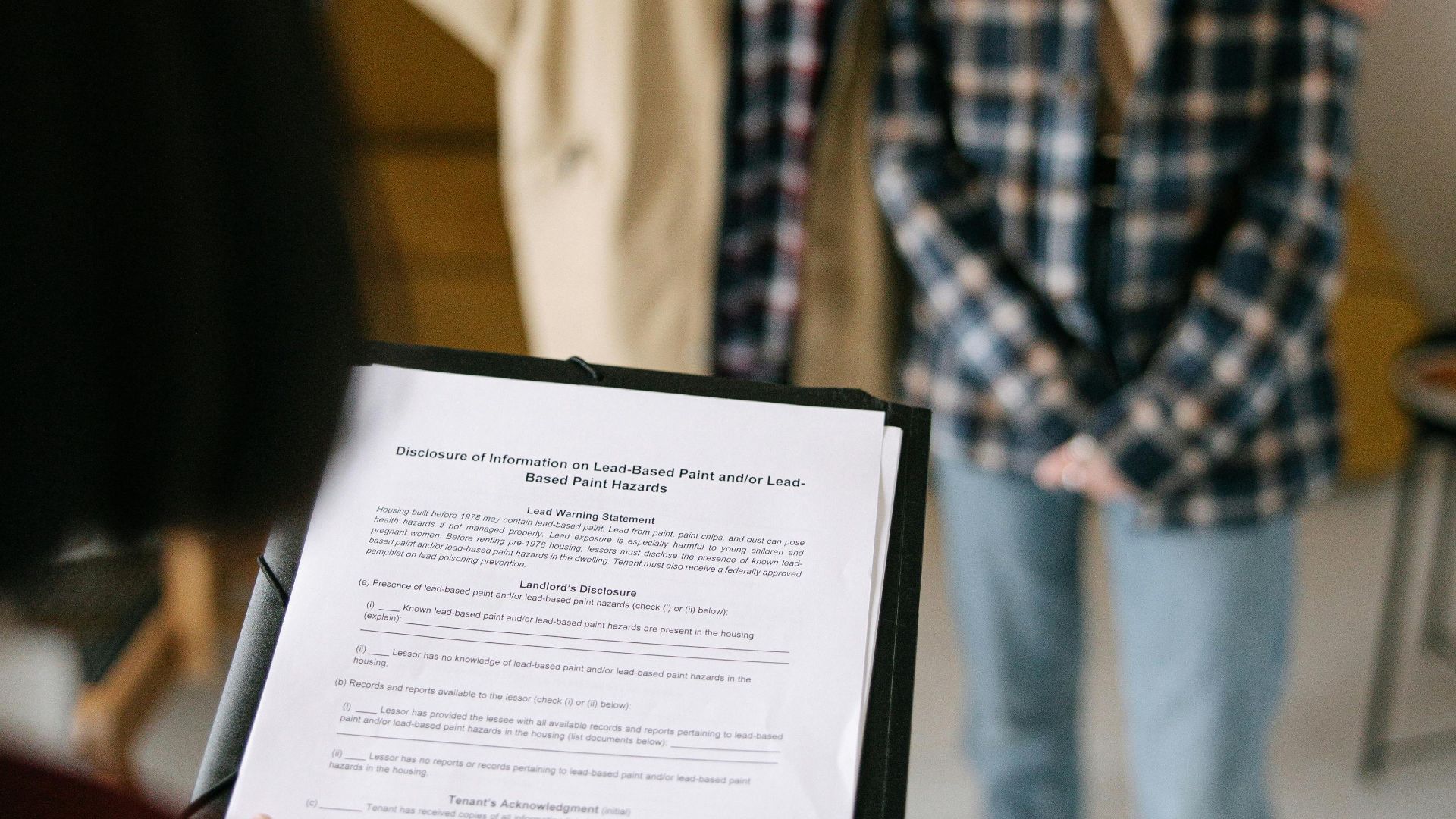
If the dog is a legitimate assistance animal for a disability, different rules may apply. In the U.S., HUD says housing providers may need to consider reasonable accommodation requests for assistance animals, even where a no-pets policy exists. That is not the same as simply calling a pet “emotional support.”

Do Not Fake An ESA
Do not fake an emotional support animal situation to win a housing argument. It is dishonest, unfair to people who truly need accommodations, and can backfire badly. If your girlfriend has a real disability-related need, handle it properly. If she does not, stick to negotiation, not paperwork theater.

Check Local Tenant Rules
Pet rules vary by location. Some places give landlords broad power to ban pets; others have newer tenant protections or formal request processes. Because landlord-tenant law changes by state, province, city, and country, it is worth checking your local housing authority or speaking with a tenant clinic.

Talk About The Real Issue
This is not only about the dog. It is about priorities, risk, money, and whether you and your girlfriend solve problems well together. If she says she will not move without the dog, that is valid. If you do not want to risk your housing, that is valid too.

Do The Financial Math
Moving in together can save money, but violating a lease can get expensive fast. Think about deposits, moving costs, possible penalties, higher rent elsewhere, pet fees, and emergency housing if things go wrong. Romance is wonderful. Surprise legal bills are not a love language.

Consider Finding A Pet-Friendly Place
Sometimes the cleanest answer is also the least dramatic: do not force this rental to become something it is not. If the landlord refuses, you two might look for a pet-friendly home together when your lease ends. That avoids sneaking, stress, and constant fear of a bark giving you away.

Ask About Lease Transfer Options
If you are stuck in a no-pets lease but both of you want to live together now, ask whether you can sublet, assign the lease, or end it early. There may be fees, paperwork, or approval requirements, but it could be cheaper than breaking rules and hoping nobody notices.

Do Not Pressure Her To Rehome The Dog
For many people, a dog is family. Asking your girlfriend to give up her dog so she can move in may create resentment that outlives the lease. Unless she brings it up herself, treat rehoming as an absolute last resort, not a casual solution to a housing inconvenience.

Do Not Let The Dog Decide Alone
At the same time, your girlfriend cannot simply declare, “The dog moves in, case closed,” when your lease says otherwise. You are the tenant on the hook. A fair conversation respects her bond with the dog and your legal responsibility to the landlord.

Talk To The Landlord Like An Adult
Landlords hear plenty of half-truths. Stand out by being direct. Say you understand the no-pets policy, you are asking for an exception, and you are willing to discuss safeguards. A respectful tone will not guarantee approval, but it gives you the best possible chance.

Prepare For A No
Even a perfect request can get rejected. The landlord may have insurance limits, past damage issues, allergy concerns, condo rules, or personal preferences. If the answer is no, do not argue endlessly. Ask whether there is any path to approval, then decide your next move.

Avoid Emotional Ultimatums
“I guess you do not love me” and “I guess you love the dog more” are both terrible arguments. This situation needs teamwork, not courtroom drama. Replace ultimatums with options: negotiate, delay move-in, find a new rental, or stay separate until a better housing setup appears.

Put A Timeline On It
Open-ended uncertainty can poison the whole relationship. Set a timeline: ask the landlord by Friday, research pet-friendly rentals this weekend, review finances next week. Clear deadlines make the problem feel manageable instead of letting it hover over every dinner like a very hairy thundercloud.

Think About Roommate Compatibility
A dog changes daily life. Who walks it? Who pays for damage? What happens if it barks while you work? What if you break up? These questions sound unromantic, but they are exactly the kind of practical conversations couples need before sharing rent, keys, and pet hair.

Protect Your Rental Record
A good rental history is valuable. Future landlords may ask for references, and a lease violation can make renting harder. Before taking any risky shortcut, ask yourself whether this decision is worth damaging your housing options. A home should feel safe, not like a secret mission.

Consider Mediation Or Advice
If the stakes are high, get help. A local tenant organization, housing attorney, or mediation service can explain your rights and options. This is especially useful if your landlord’s policy seems unclear, inconsistent, or possibly in conflict with local rules. A short consultation can prevent a long mess.

Make A Couple Decision
The final choice should belong to both of you. Maybe she waits to move in. Maybe you move when the lease ends. Maybe the landlord says yes. Maybe this reveals that you are not ready to combine households yet. That is painful, but it is also useful information.

Keep The Dog Out Of The Blame
The dog did not write the lease, reject the policy, or create the ultimatum. Keep frustration aimed at the situation, not the animal. Whether the answer is yes, no, or “not yet,” the goal is to protect the relationship, the rental, and the pup’s wellbeing.

The Best Move Is The Clean Move
The best answer is not sneaking, hoping, or fighting. It is reading the lease, asking properly, documenting everything, checking local rules, and making a realistic plan together. If the landlord will not budge, choose between waiting, moving, or living separately for now. Love can survive that. Eviction notices are harder.

You May Also Like: