Banks Are Not Coin Museums
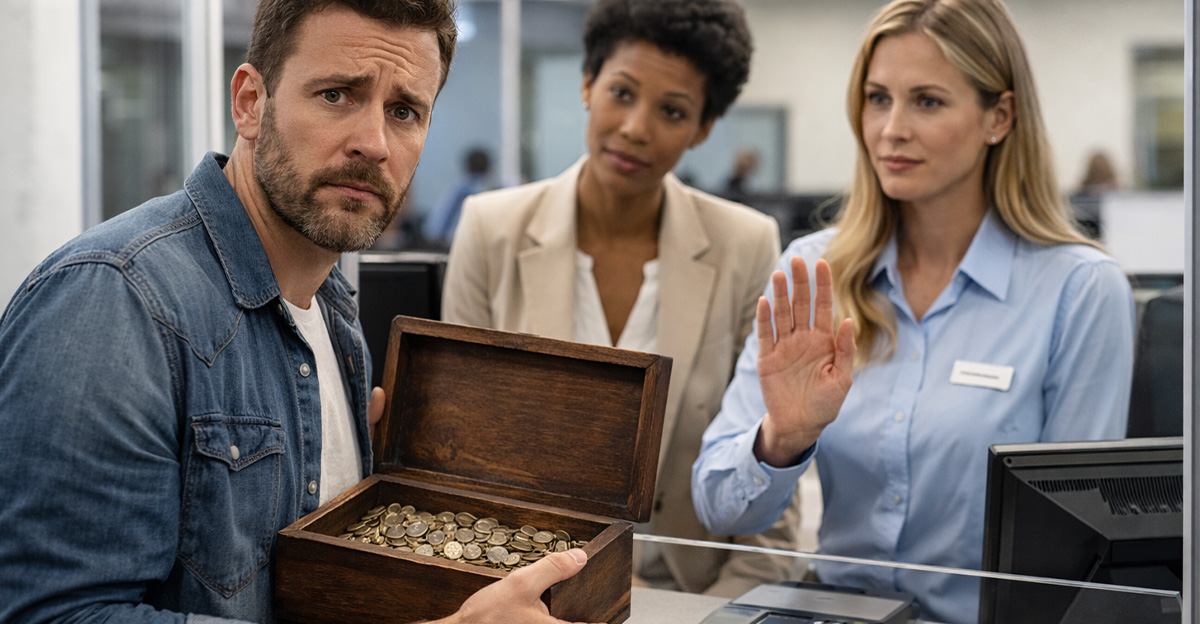
Most people think of banks as places that handle all money, in every form, no questions asked. But modern banks are built to process today’s money quickly and efficiently, not to sort through jars, coffee cans, or safes full of older coins. If the coins are mixed together, dusty, corroded, or from decades ago, the bank may see them less as a deposit and more as a sorting project it is not equipped to handle.
The Coin Machine Has Limits
A lot of banks only accept coins if they can run through standard counting equipment or arrive already rolled. That equipment is designed for current circulation coins in decent condition. If your dad’s safe contains wheat pennies, silver dimes, half dollars, dollar coins, foreign pieces, tokens, or bent coins, the machine may jam, misread them, or reject them entirely. From the bank’s point of view, that is a headache, not a helpful deposit.
Old Coins May Not Match Today’s Standards
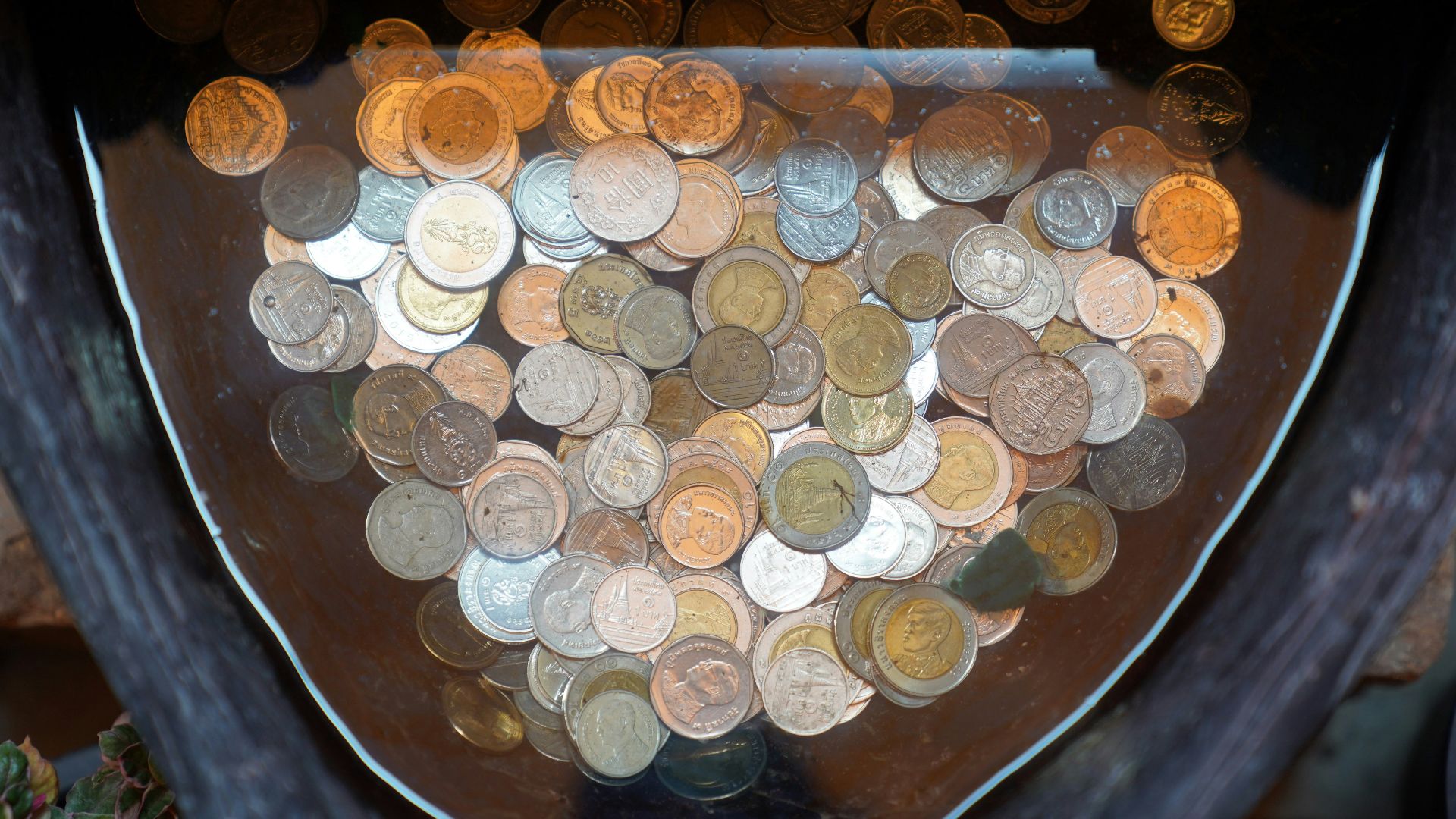
Some old American coins are still legal tender, but that does not mean every bank wants to handle them. Coins that are worn smooth, sticky with grime, dark from age, or oddly toned can be hard to identify at a glance. Bank tellers are trained to spot basic coin types, not to authenticate every old issue from the last hundred years. If they cannot quickly confirm what they are looking at, they may refuse the deposit.

Silver Changes Everything
One huge reason banks hesitate is that many old American coins contain silver. Dimes, quarters, and half dollars made before 1965 are famous for this, and some older dollars contain silver too. Their metal value can be worth much more than their face value. A bank does not want the risk of taking in a pile of coins worth far more to a collector or precious metals buyer than the amount it would credit to your account.
Rare Coins Can Be Far More Valuable Than Face Value
Even coins without silver can be worth real money if they are rare, low-mintage, or in strong condition. An old penny might just be a penny, but it also might be something a collector would pay serious cash for. Banks are not in the business of pricing collectible coins, and they do not want the liability that comes with accidentally accepting a rare coin at face value and having you realize later it was worth much more.

Banks Prefer Convenience, Not Appraisals
A teller can deposit a stack of crisp bills in seconds. A safe full of old coins is the exact opposite. Someone would need to inspect them, sort them by denomination, remove anything damaged or foreign, and figure out what is still spendable. That kind of hands-on evaluation takes time, and banks generally do not offer that as a service. They are handling deposits, not running a mini appraisal desk.
Rolled Coins Are Often Required
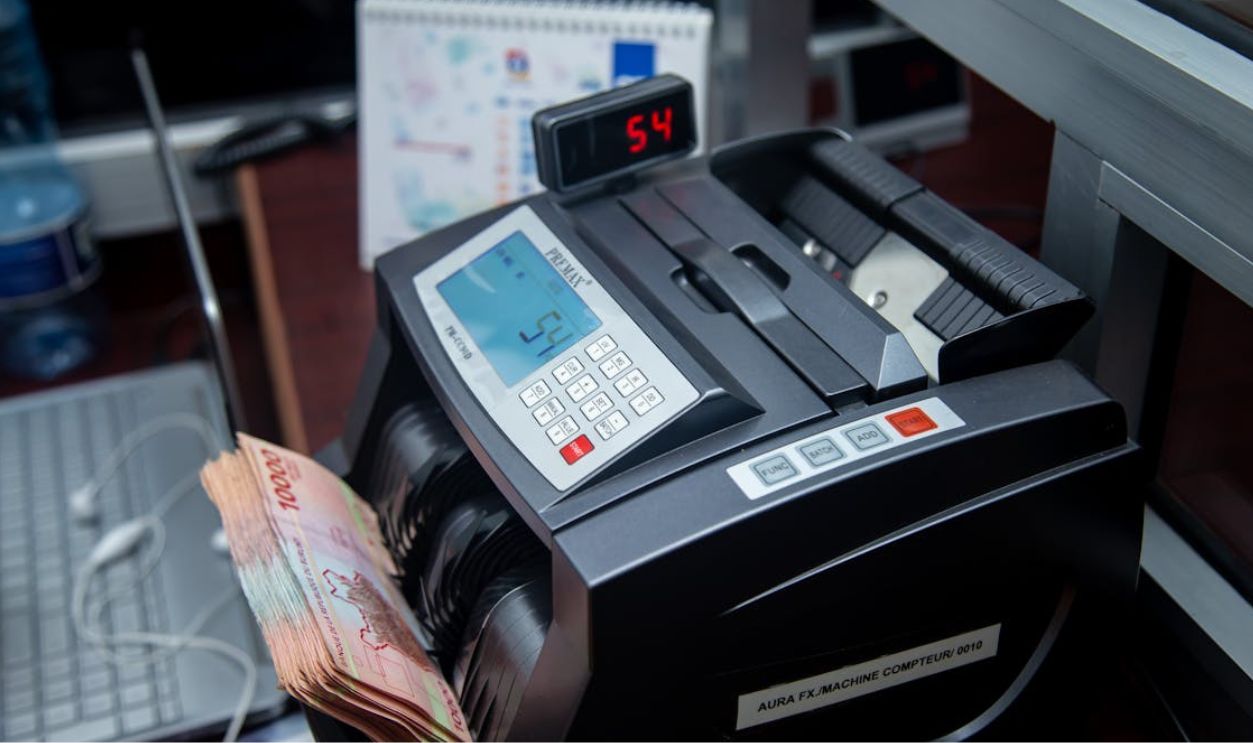
Many banks still require coins to be rolled by denomination before they will even consider accepting them. That means pennies with pennies, nickels with nickels, and so on. If you walked in with loose coins in bags or boxes, the bank may have rejected them simply because they were not packaged properly. Add in the fact that they are old, and the bank may have decided it was not worth the trouble.

Some Banks Only Help Existing Customers
Even when banks do accept coins, many only do it for account holders. That policy helps limit abuse from people bringing in massive coin collections or business deposits without being customers. So if you took the coins to a random bank branch rather than your own bank, their answer may have had less to do with the coins themselves and more to do with branch policy.

Damaged Coins Raise Red Flags
Coins stored in a safe for years can pick up corrosion, discoloration, moisture damage, or even odd smells from paper, fabric, or chemicals kept nearby. If coins look badly damaged, a bank may refuse them because they do not want to guess whether the pieces are still acceptable for deposit. Extremely worn or damaged coins often need special handling, and tellers are not likely to take that on at the counter.
Foreign Coins Get Mixed In Easily
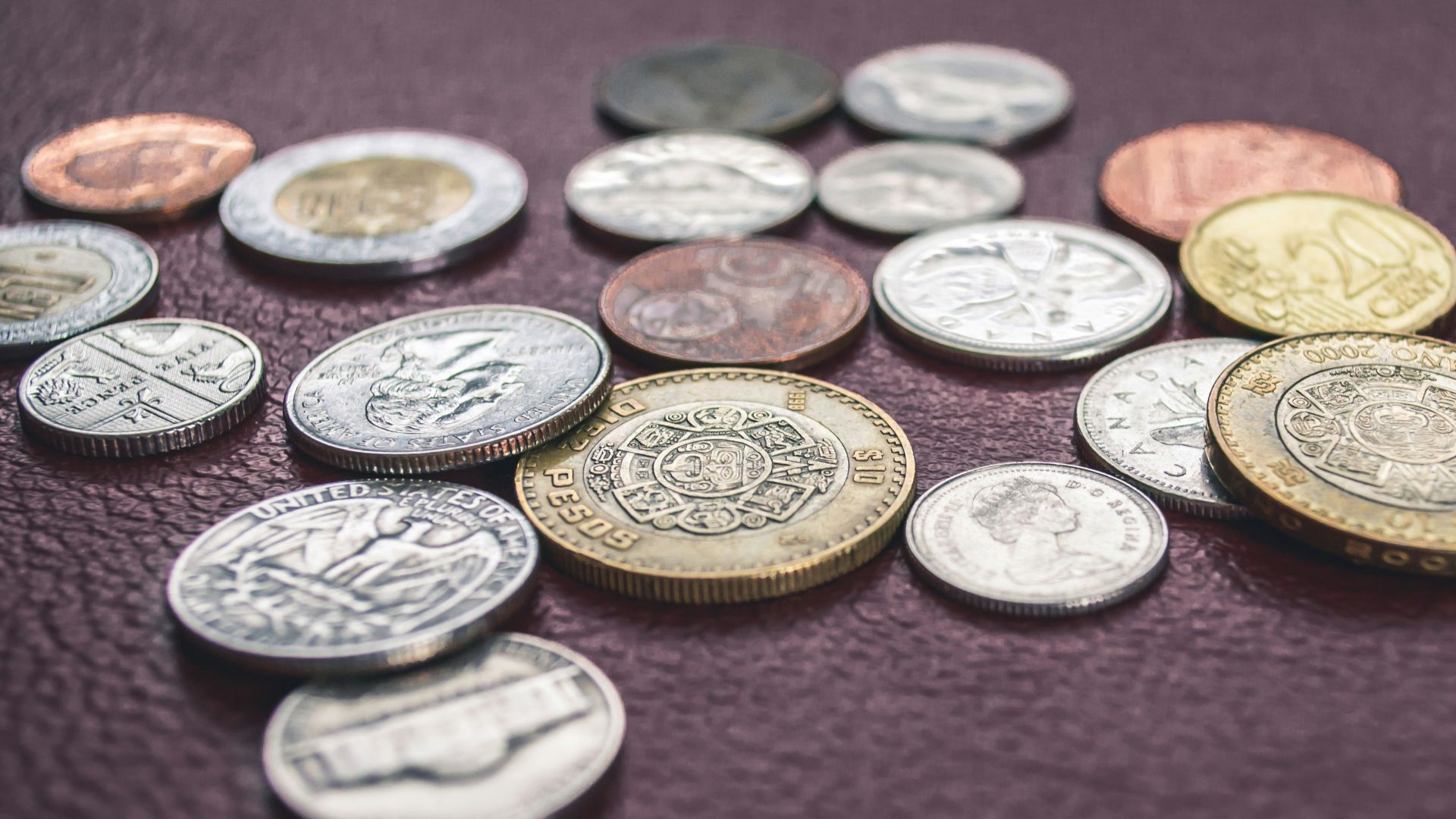
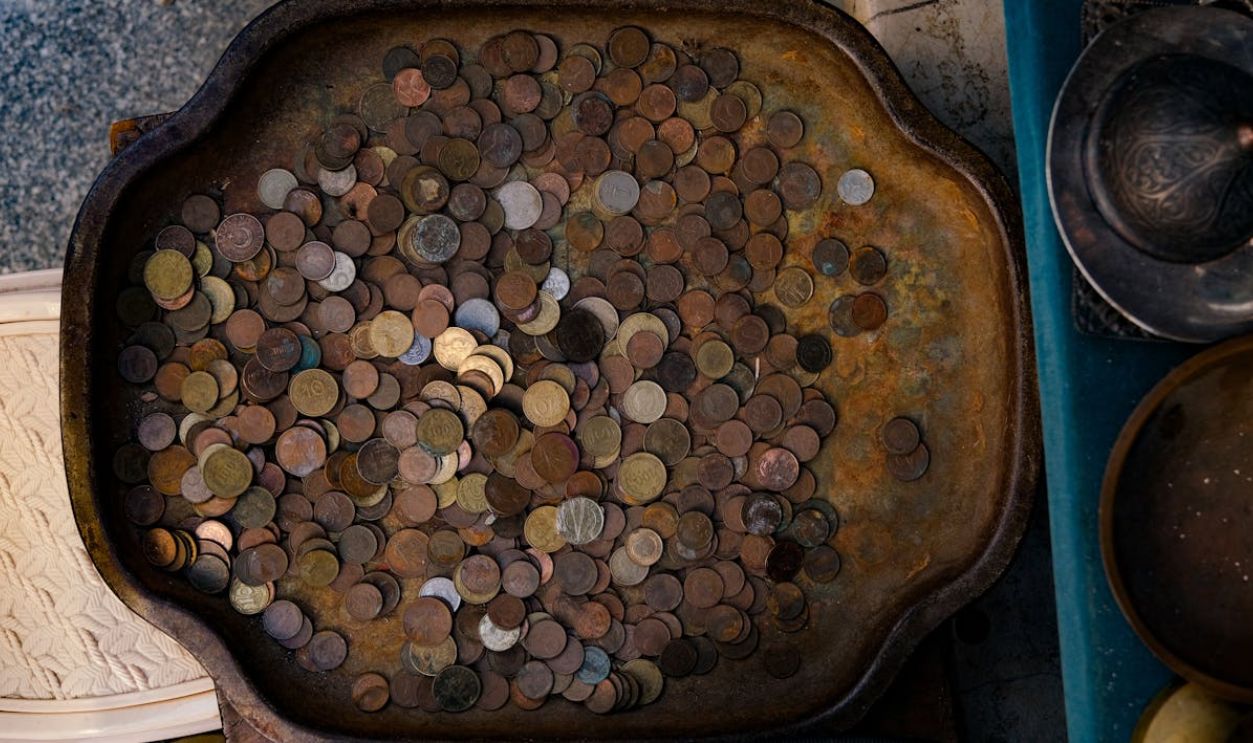
It is surprisingly common for old family coin stashes to include Canadian coins, Mexican coins, arcade tokens, transit tokens, or souvenir pieces. To the untrained eye, they can look close enough to U.S. money to slip into the mix. Banks usually will not accept foreign or non-monetary pieces in a standard coin deposit, so one mixed batch can be enough to make the whole pile a problem.
Half Dollars And Dollar Coins Confuse The Process
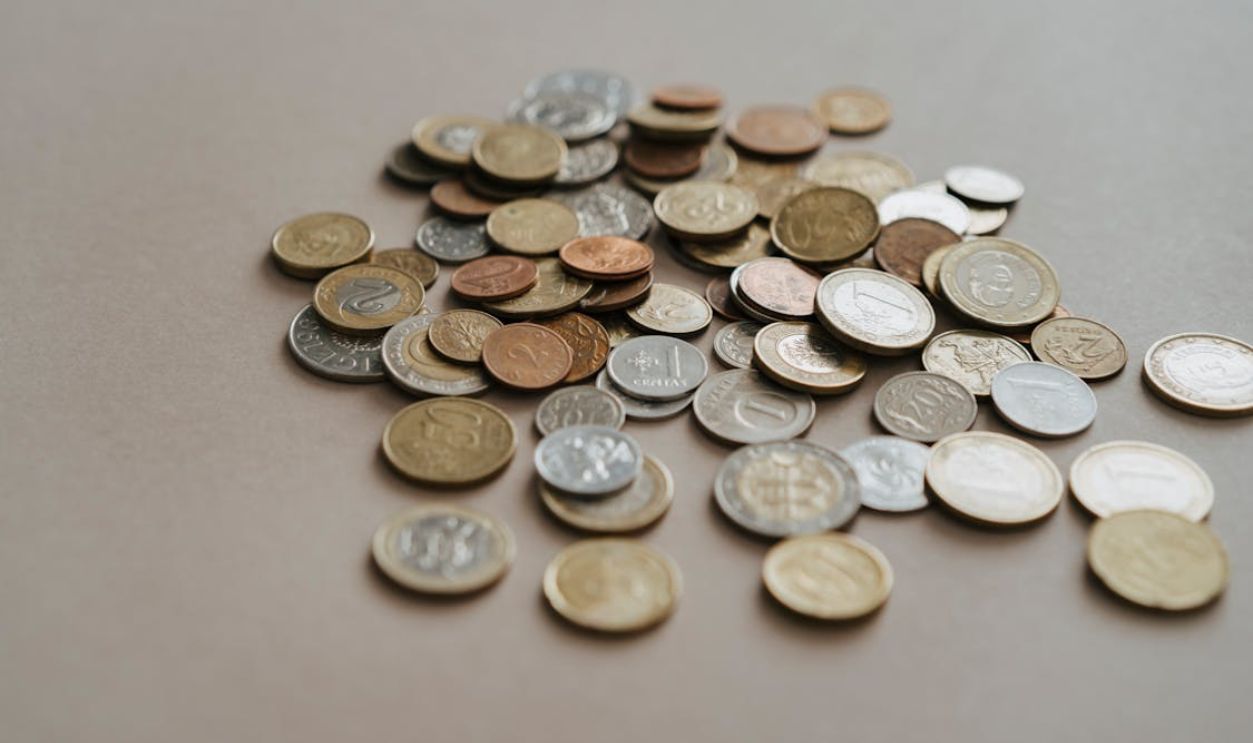
Older coin hoards often contain denominations most people barely use today, like half dollars and large or small dollar coins. They are still money, but many branches rarely handle them. If a teller sees a huge amount of unusual denominations, they may not have a simple way to process or store them, especially if the branch does not keep much coin inventory on hand.
Pennies Can Be More Trouble Than They Are Worth
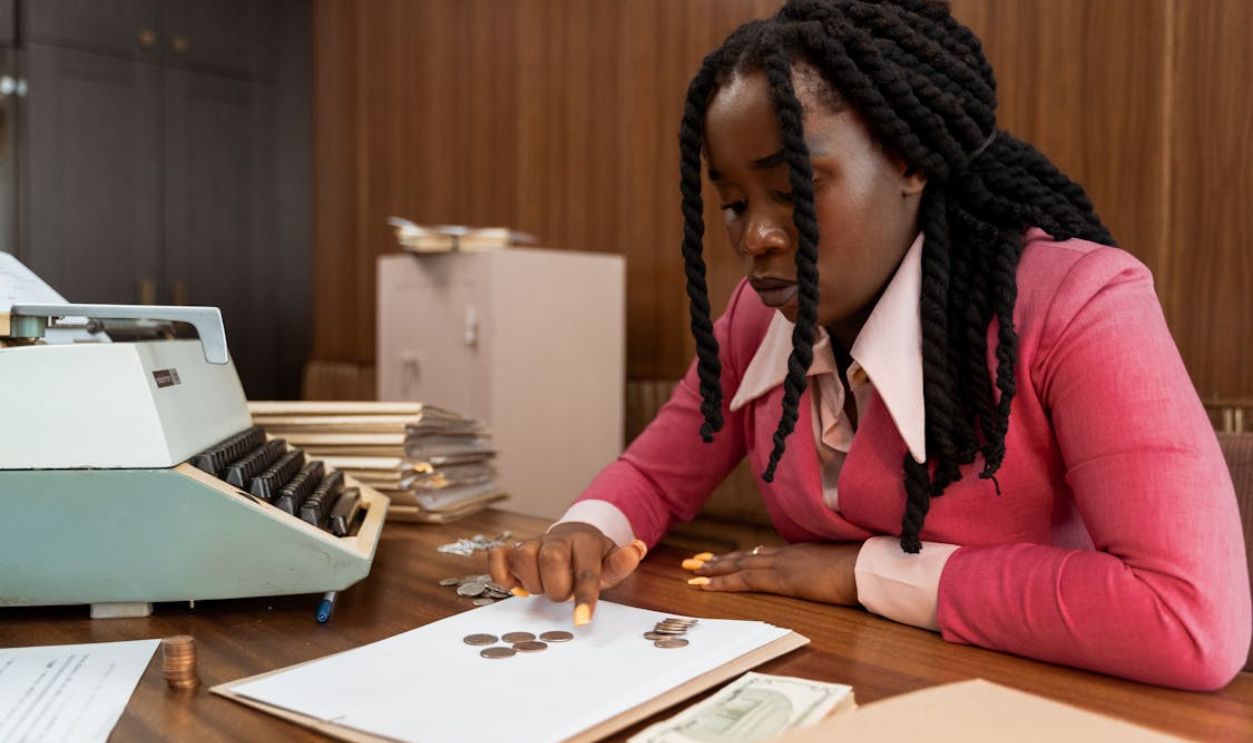
Pennies are especially tricky in huge quantities. If the safe is packed with thousands of them, the face value might be modest, but the effort required to count, roll, and verify them is enormous. Banks do the math too. A giant penny deposit can take more staff time than it is worth, especially if the coins are old copper cents that collectors might actually want.
Coin Hoards Are Different From Everyday Change
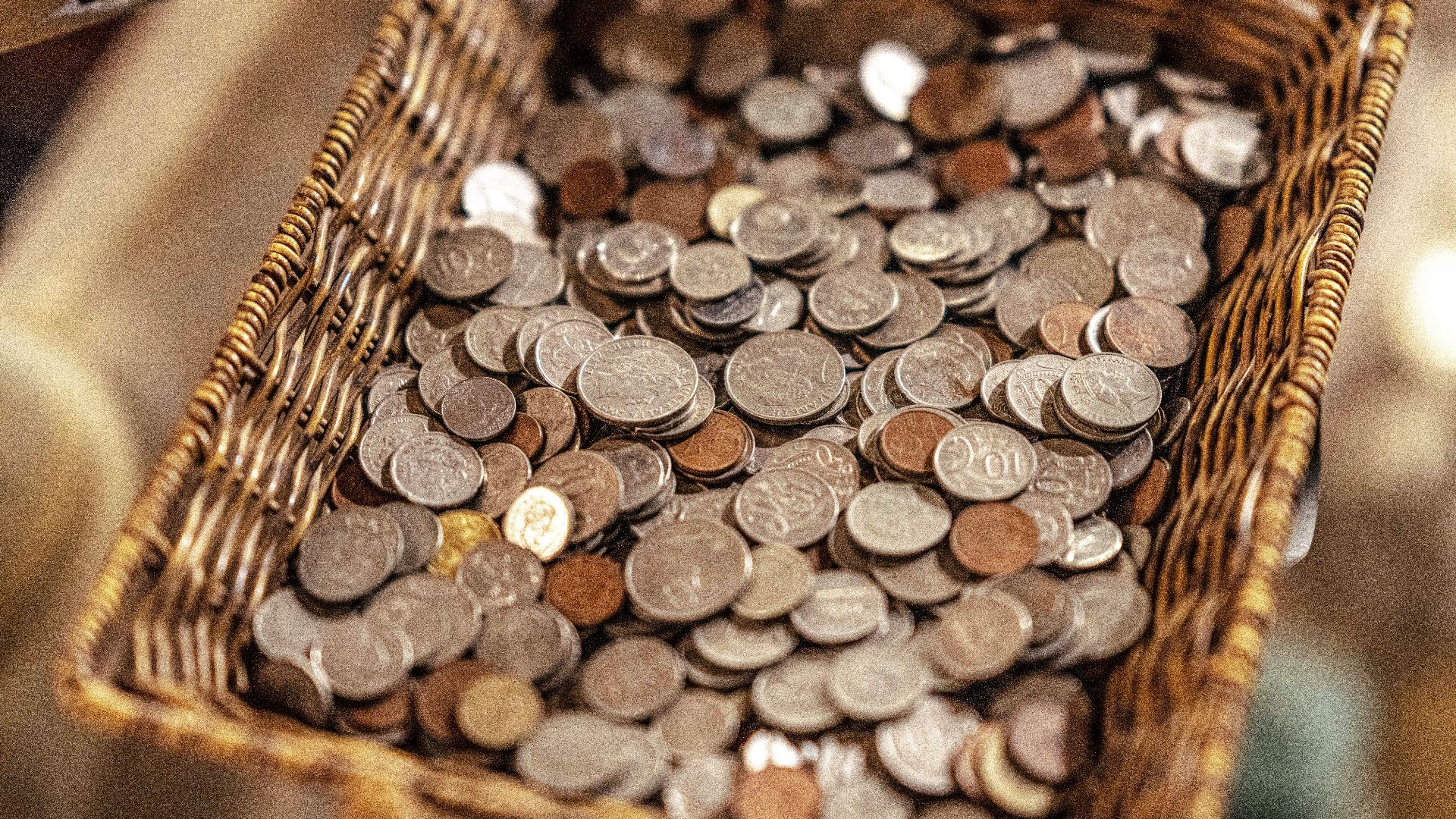
Banks are used to people bringing in pocket change, piggy banks, or neatly rolled coins from a kid’s savings jar. A safe full of old coins looks more like an estate find or collection. That changes the context. Instead of ordinary currency, the coins may be treated as potentially collectible property. Once that happens, the bank is even less likely to want involvement.
Legal Tender Does Not Mean Automatically Accepted
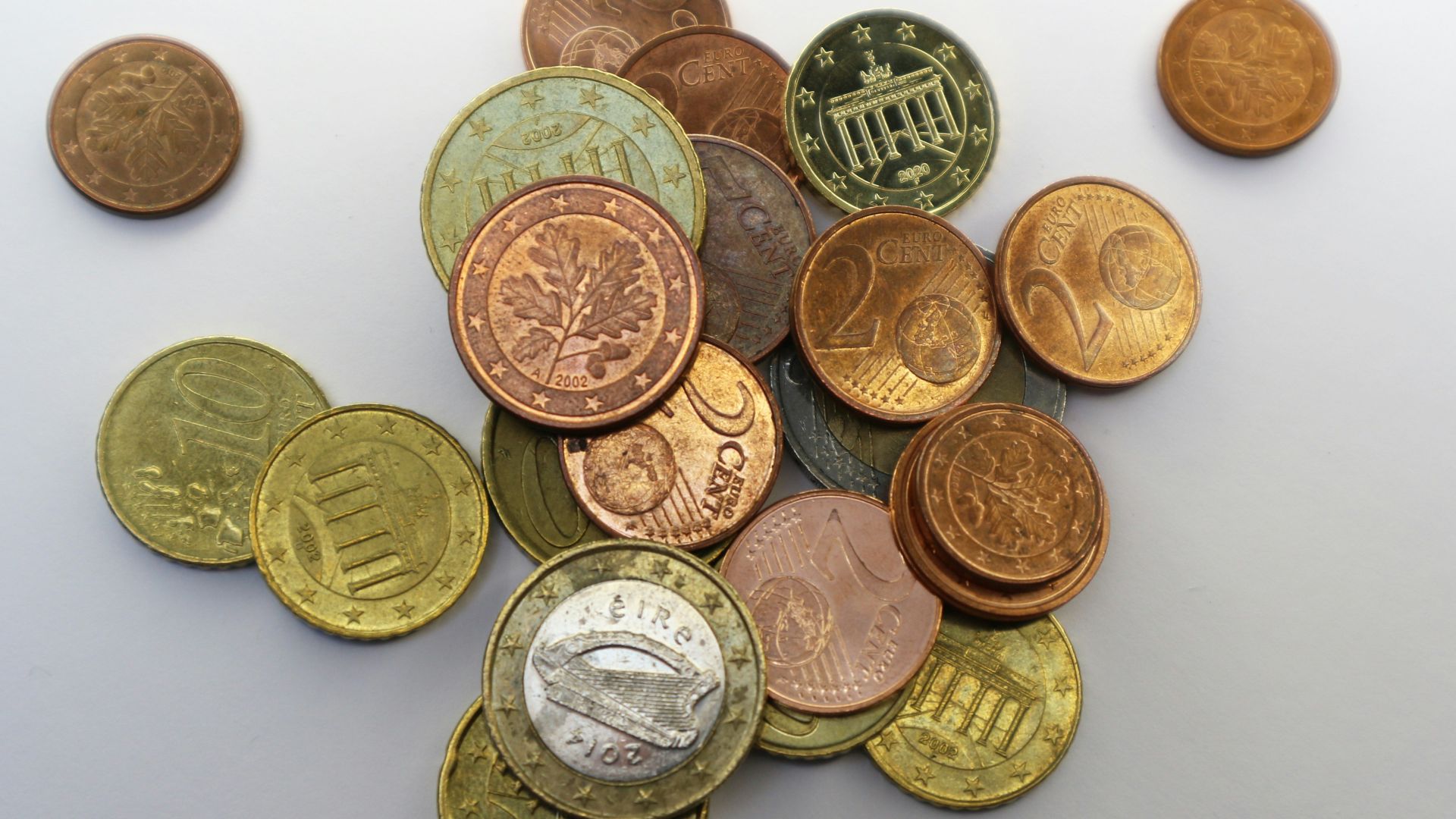
This is the part that surprises people most. Yes, many old U.S. coins remain legal tender for their face value. But “legal tender” does not force every bank to accept every form of money under every circumstance. Businesses and banks can still set policies on what they handle, especially when a deposit is inconvenient, risky, or outside normal operating procedures.

The Bank May Be Protecting You
As frustrating as it feels, the refusal may actually save you from making a costly mistake. If your dad’s safe contains silver quarters, old Liberty coins, Buffalo nickels, or rare mint errors, depositing them at face value would be like handing over antiques for pocket change. A cautious teller who says no may be doing you a favor, even if that was not the intention.
Condition Matters More Than Most People Think
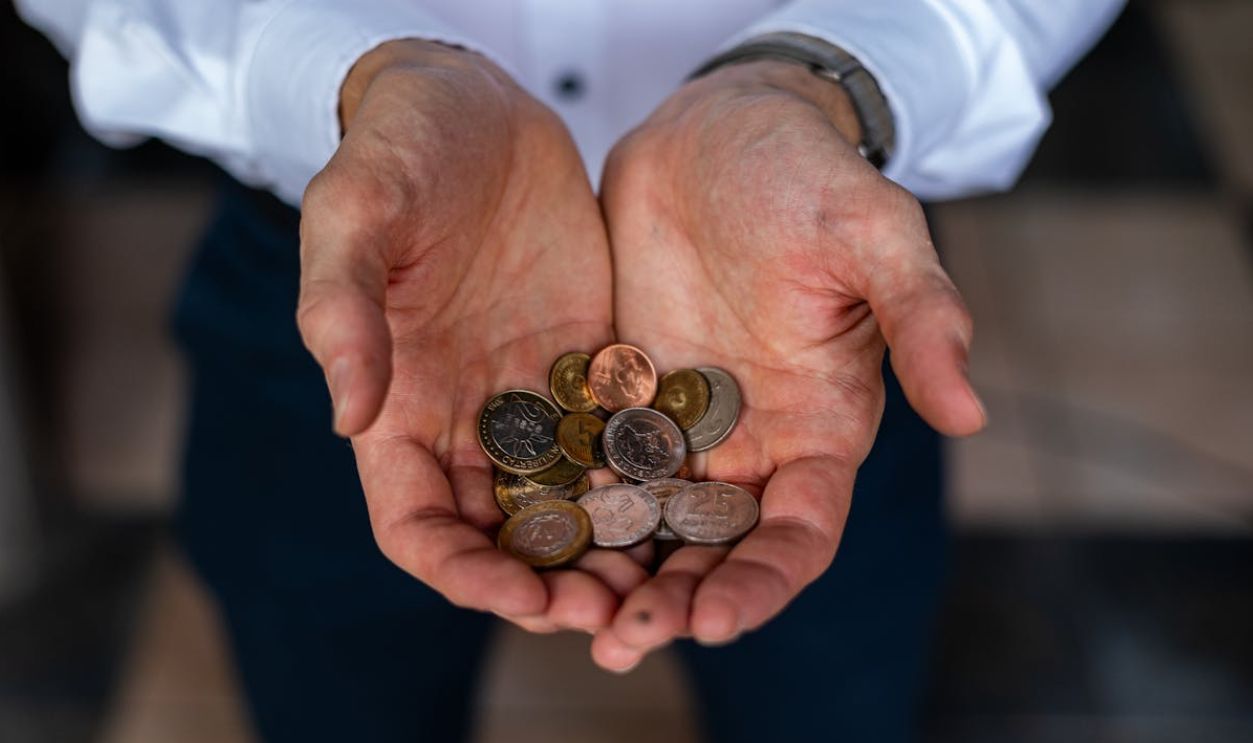
Collectors care a lot about condition. A coin that looks ordinary to you might be worth more because its details are sharp, the date is clear, or the surface has not been cleaned. On the flip side, harsh cleaning can hurt value. That is why dumping everything at a bank counter is usually the wrong first move. With old coins, appearance and preservation can make a big difference.

Cleaning The Coins Is Usually A Bad Idea
When people find old coins, the instinct is to polish them until they shine. Resist that urge. Cleaning can scratch the surface and destroy collector value in seconds. Even if the coins seem dirty, that natural aging may be better than a bright but damaged finish. Before doing anything, keep them dry, handle them gently, and avoid turning a possibly valuable find into ordinary spenders.
Start By Sorting The Basics
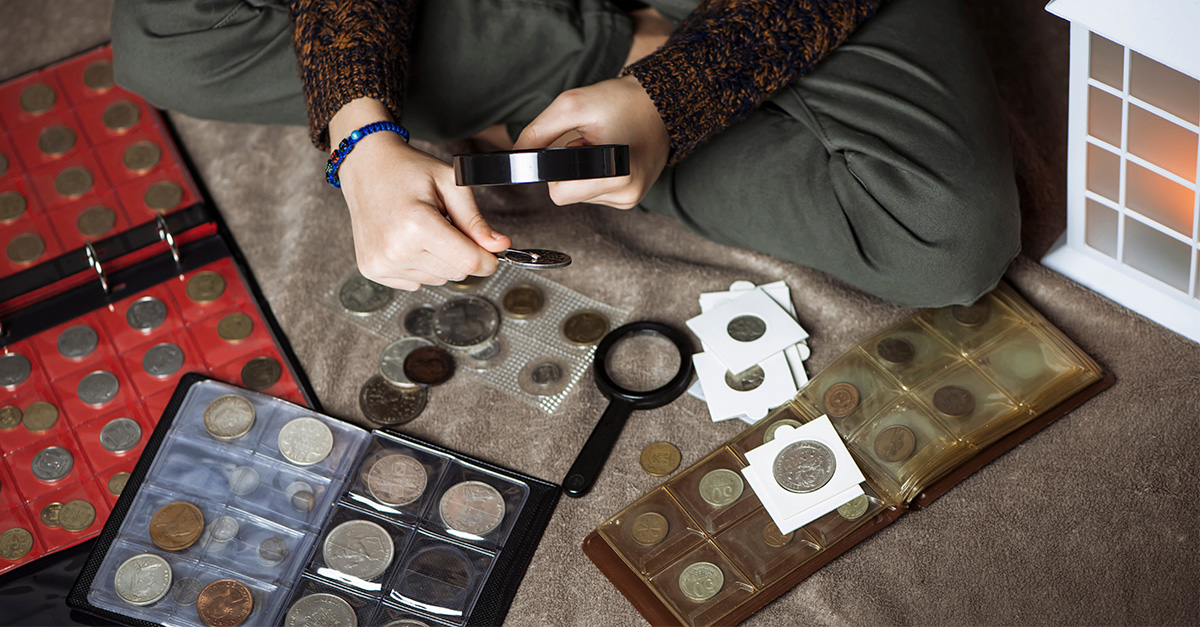
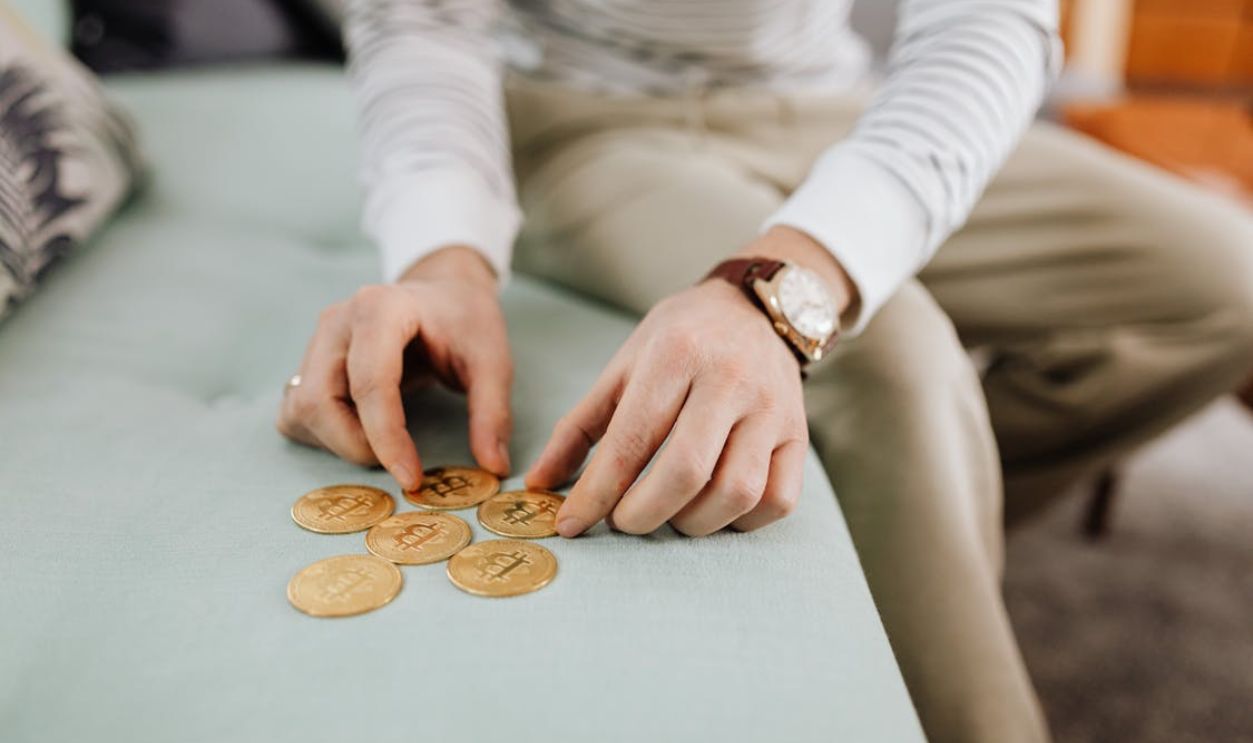
Your best move is to sort the hoard by denomination and date. Pull out pennies, nickels, dimes, quarters, half dollars, and dollar coins into separate groups. Then look for key dates, unusual designs, and anything older than 1965 in dimes, quarters, and halves. That first pass will tell you whether you have a simple pile of face-value coins or something much more interesting.

Watch For Silver And Older Dates
A quick scan of dates can reveal a lot. Pre-1965 dimes and quarters are a big clue, as are older half dollars and silver dollars. Wheat pennies, Indian Head cents, Mercury dimes, Standing Liberty quarters, and Buffalo nickels all deserve a closer look. You do not need to be an expert right away, but you do need to know enough to avoid cashing in something special too soon.

A Coin Shop May Be Better Than A Bank
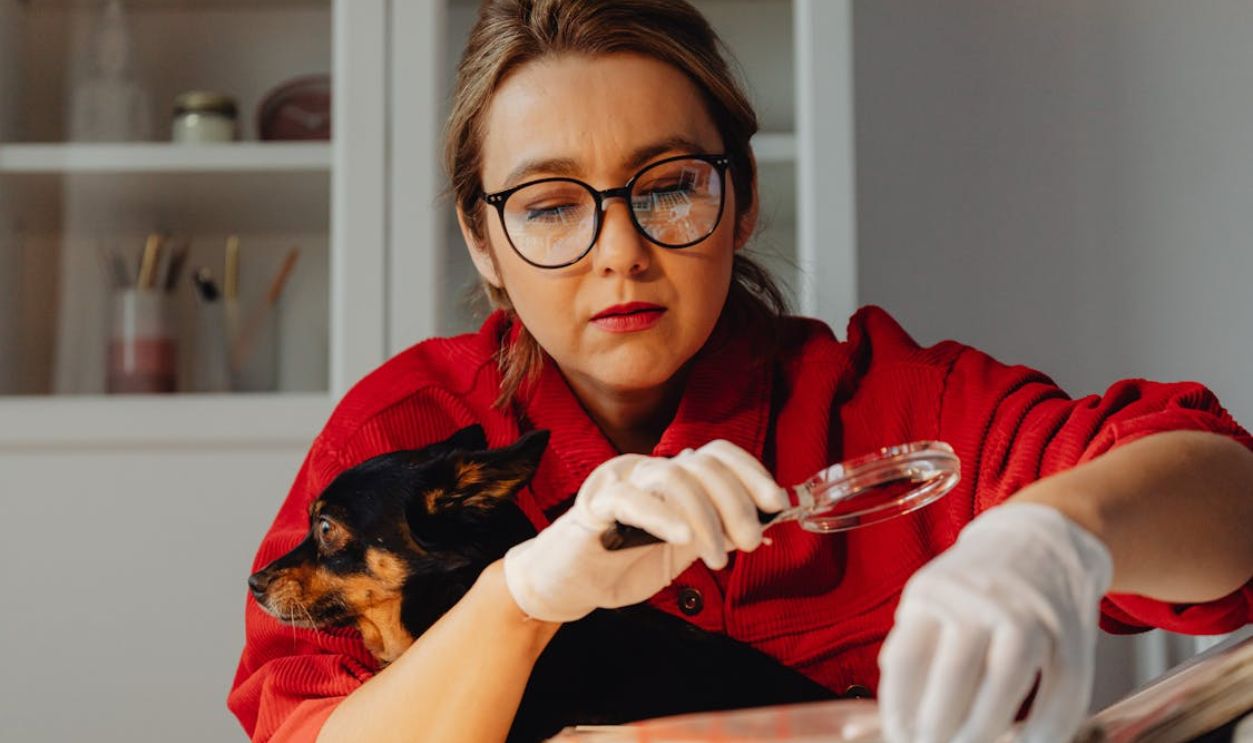
If the coins look old or unusual, a reputable coin dealer is often a smarter first stop than a bank. A dealer can help identify silver content, spot collectible pieces, and separate true valuables from ordinary coins. That does not mean you have struck it rich, but it does mean you will get a clearer idea of what you are holding before turning it into face value.
You Can Also Use A Coin Counting Service
If, after sorting, most of the hoard turns out to be ordinary modern change, a coin counting machine or coin exchange service may be the easiest route. Some charge a fee, but they save time. Even then, it is wise to pull out older-looking coins before dumping everything into a machine. Convenience is great, but not if it eats a hidden collectible.
Estate Finds Often Need Patience
When coins come from a parent’s home, emotions can run high. There is the excitement of discovery, the stress of handling an estate, and the temptation to resolve everything quickly. But this is one case where slowing down pays off. A few hours of sorting and research can prevent a regrettable mistake and may even turn the find into a meaningful family story.
Sentimental Value Counts Too
Not every treasure is about resale value. Your dad may have saved certain coins for personal reasons: birth years, wartime coins, travel keepsakes, or pieces handed down from relatives. Before you sell or deposit anything, it is worth considering whether part of the stash has family meaning. Sometimes the real value is not in the metal, but in the memory attached to it.
What The Bank Was Really Saying
When the bank said it could not deposit the coins, it probably was not claiming they were fake or worthless. More likely, it was saying the pile did not fit normal banking procedures. The coins may have been too old, too mixed, too unusual, too bulky, or too risky to process without hassle. In other words, the bank was built for convenience, and your discovery was anything but convenient.

The Smart Next Step
The smartest move is to sort first, research second, and sell or deposit last. Separate anything obviously old, silver-colored, or unusual. Leave the coins uncleaned. Then get an opinion from a reputable coin shop or appraiser before taking any leftovers to a bank or counting machine. That way, you protect both the financial value and the story behind the find.
Why A Pile Of Old Coins Is Not Just Pocket Change
A safe full of old American coins feels like spare change until you realize it might be part cash, part bullion, part collectible, and part family history. That is exactly why a bank may refuse it. Banks want simple deposits. Old coin hoards are rarely simple. And while that “no” at the counter is annoying, it may be the best thing that could happen before you accidentally trade a hidden treasure for a tiny deposit slip.
You May Also Like: