
When The Scammer Knows Just Enough To Sound Real
You pick up the phone and it sounds like your bank. The caller knows your name, maybe your address, and then they casually mention the last four digits of your card. That’s usually the moment your guard drops a bit. If they already know that much, it feels like they must be legit. But that’s exactly how these scams work. Here’s how to not get fooled.

The Last Four Digits Aren’t As Secret As You Think
A lot of people assume the last four digits of a card are highly sensitive, but they’re actually used pretty commonly as a basic identifier. You’ve probably seen them printed on receipts or used by customer service to confirm accounts. That means scammers can sometimes get them through data breaches, phishing emails, or even discarded documents.
Scammers Often Start With Partial Information
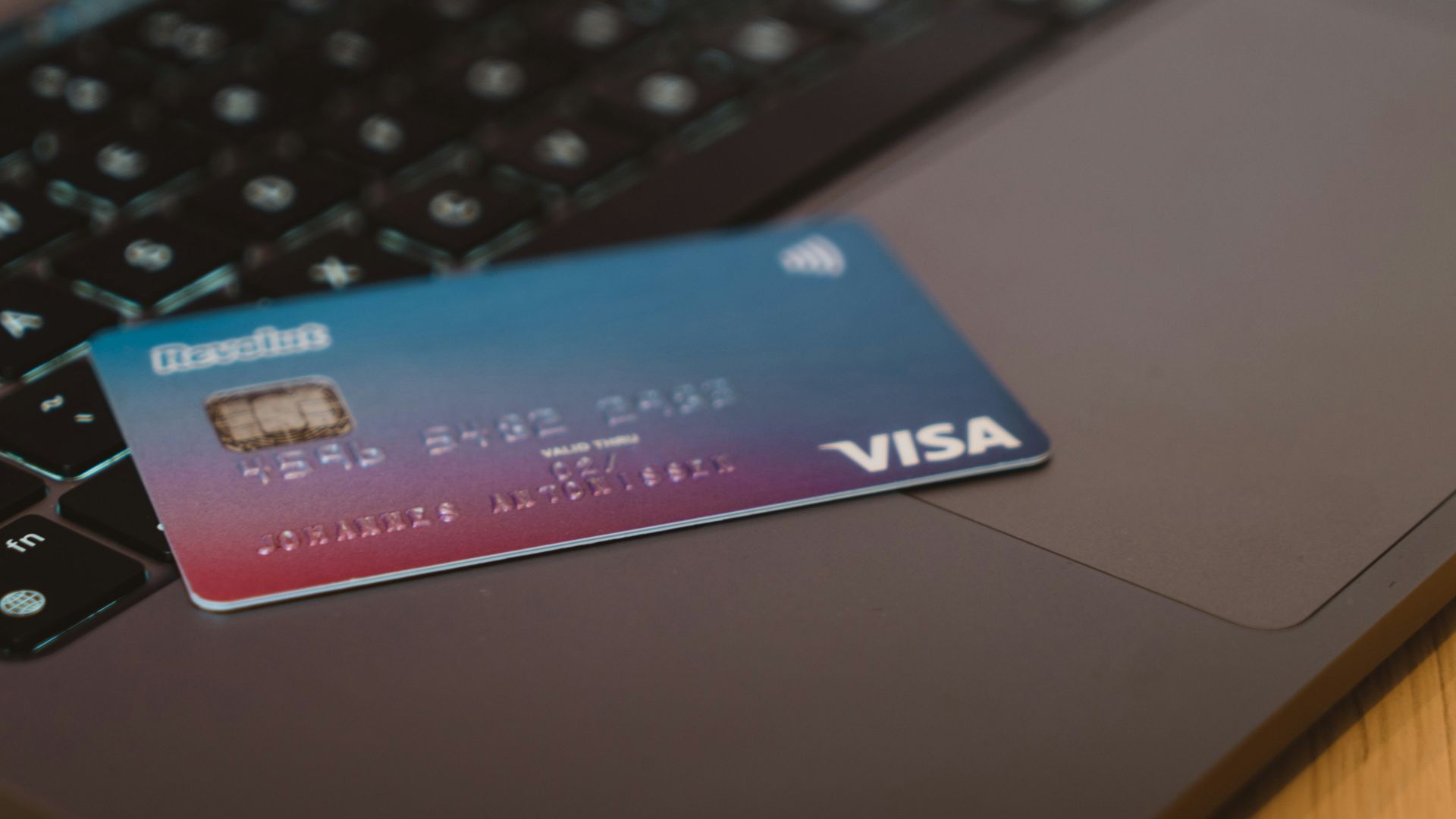
Most scam calls don’t start from zero. The caller usually has some basic details about you already, like your name, phone number, or partial card info. They use that to build credibility and make the conversation feel legitimate. Once you trust them, they try to collect more valuable details piece by piece.
 Centre for Ageing Better, Unsplash
Caller ID Can Be Spoofed
Even if the number on your phone looks like your bank, that doesn’t mean it actually is. Scammers can spoof caller ID to make it appear like the call is coming from a trusted source. That’s why relying on the number alone isn’t a safe way to verify who’s calling.

They May Sound Professional And Calm
These callers are often trained to sound like real bank employees. They’ll use the right tone, avoid obvious red flags, and sometimes even reference recent transactions or general account activity. The goal is to make you feel like you’re speaking with someone who already knows your situation.

What They’re Really Trying To Get From You
The information they’re after is usually much more sensitive. That can include your full card number, online banking login, one-time passcodes, or answers to security questions. Once they have those, they can access your account or authorize transactions.
One-Time Codes Are A Big Target
If a caller asks you to read back a code sent to your phone or email, that’s a major red flag. Those codes are meant to verify your identity when you’re logging in or making a transaction. Sharing them gives the caller direct access to your account in many cases.

Real Banks Don’t Ask For Certain Details
Banks generally won’t call you out of the blue and ask for full card numbers, passwords, or verification codes. If a caller is pushing for that kind of information, it’s a strong sign something isn’t right.
Creating Urgency Is Part Of The Script
Scammers often try to rush you. They might say there’s suspicious activity on your account or that your card will be frozen if you don’t act immediately. That sense of urgency is designed to stop you from thinking it through or verifying the situation.

They May Try To “Help” You Fix A Problem
A common tactic is pretending to help you resolve fraud. They might say they’re securing your account or reversing a charge. While you’re focused on fixing the issue, they guide you into sharing the information they need.

How To Respond In The Moment
If you get a call like this, the safest move is to stop the conversation. You don’t need to argue or prove anything. Just hang up. Then contact your bank directly using the number on the back of your card or the official website.

Don’t Use Numbers They Give You
If the caller offers a callback number, don’t trust it. Always use a number you know is legitimate. That’s one of the simplest ways to avoid being redirected back to the scammer.
Check Your Account Independently
After a suspicious call, log into your account directly through your bank’s app or website. Look for any unusual activity. This helps you confirm whether there’s actually an issue or if the call was just a scare tactic.

Monitor Your Statements Closely
Keep an eye on your recent transactions for anything you don’t recognize. If something looks off, report it to your bank right away. The sooner you catch it, the easier it usually is to resolve.

Consider Freezing Or Replacing Your Card
If you’re worried that your information may have been compromised, you can ask your bank to freeze your card or issue a replacement. It’s a quick way to shut down potential misuse before it escalates.
Data Breaches Feed These Scams
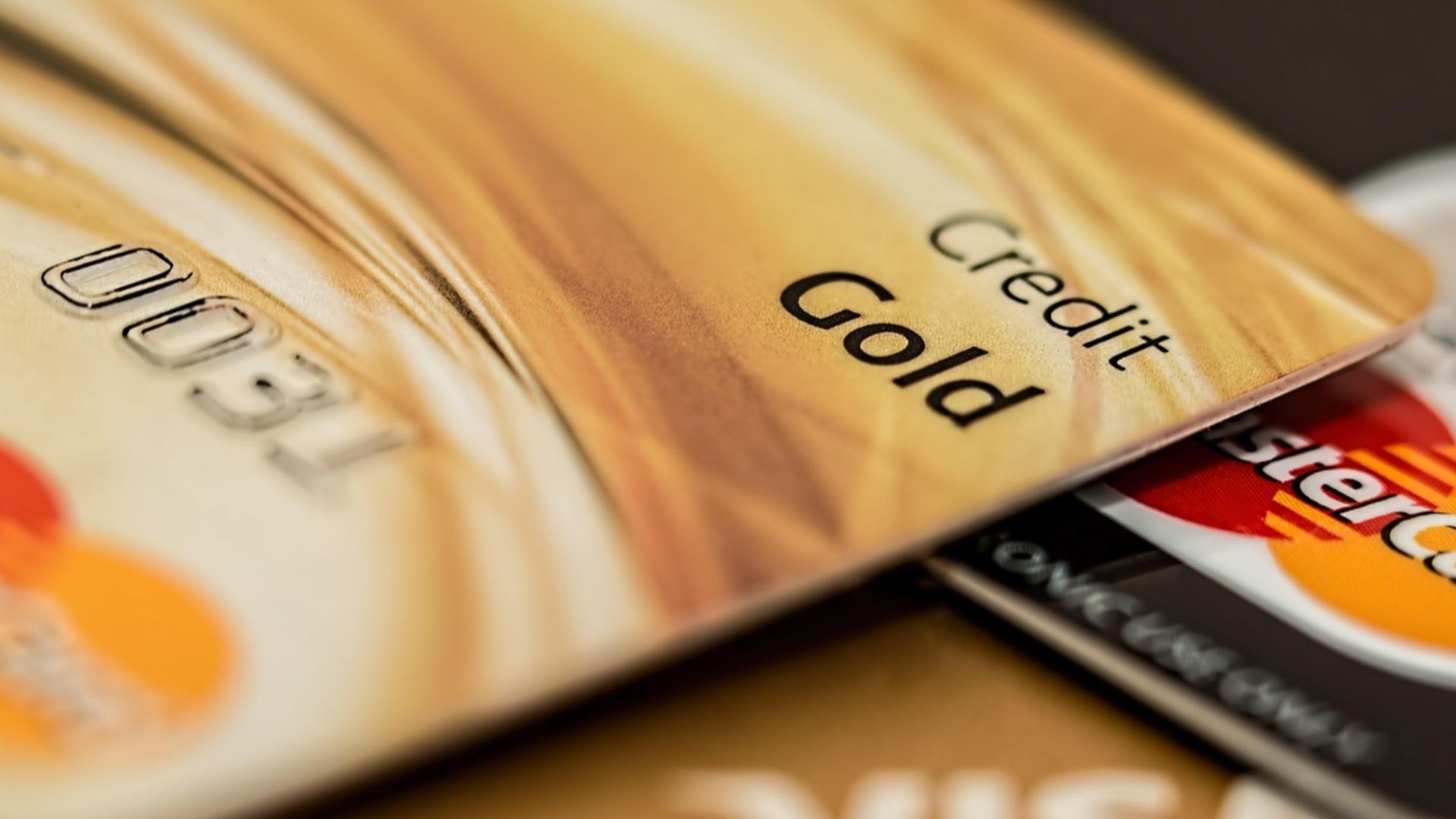
A lot of the information scammers use comes from past data breaches. Even if you didn’t share your details directly, your information could still be circulating online. That’s why these calls can feel so convincing.

Strong Passwords And Two-Factor Authentication Help
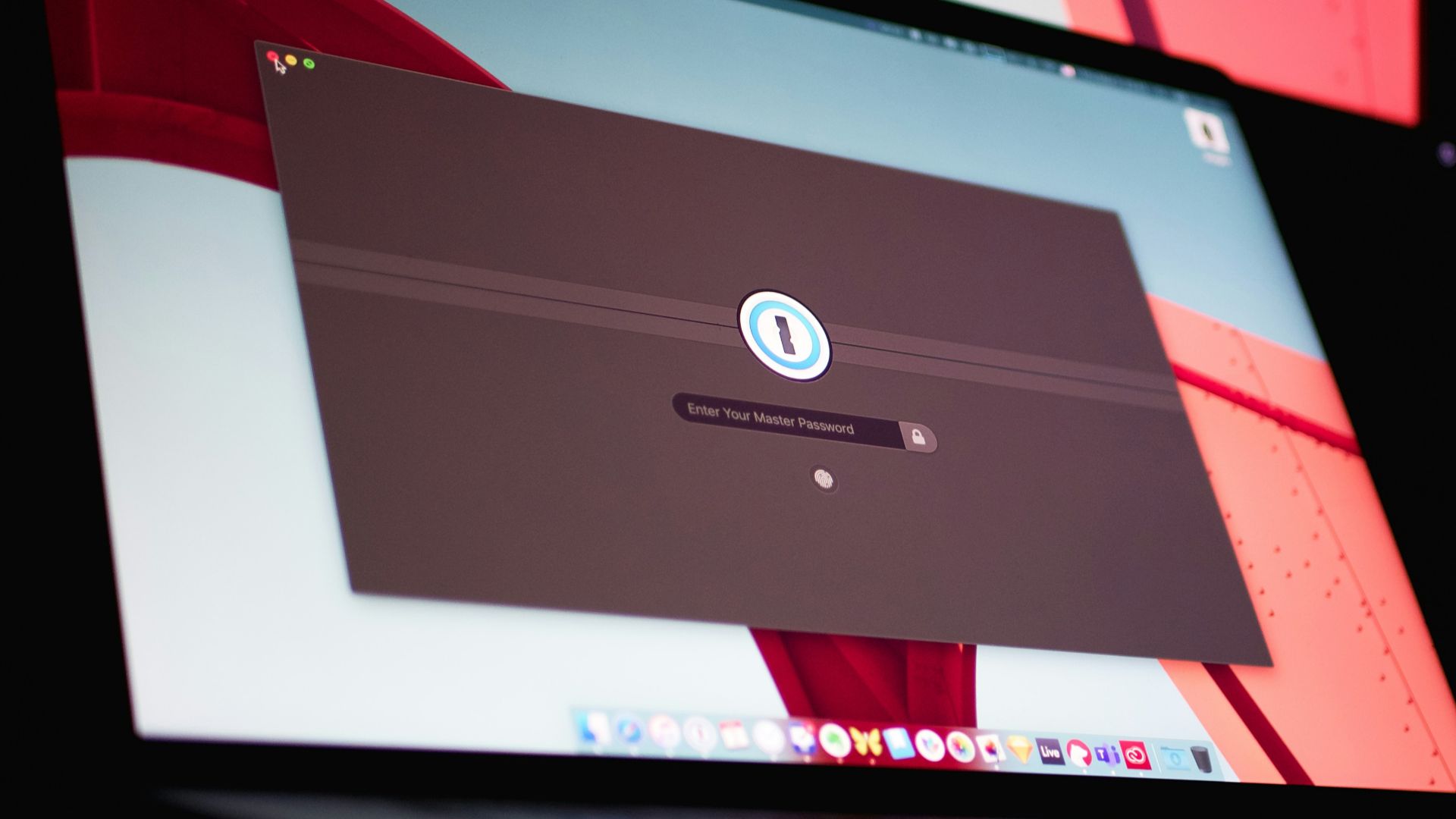
Using strong, unique passwords and enabling two-factor authentication adds an extra layer of protection. Even if someone has partial information, it makes it much harder for them to get into your accounts.
Trust Your Instincts
If something feels off, it probably is. Even if the caller sounds convincing, you’re allowed to pause and verify. Taking a few minutes to double-check can prevent a much bigger problem later.

Final Thoughts: Knowing Some Info Doesn’t Make Them Legit
Just because a caller knows your name or the last four digits of your card doesn’t mean they’re your bank. That information is often easy to get and is commonly used to build trust. What matters is what they ask for next. If they’re pushing for sensitive details or trying to rush you, it’s best to end the call and verify things on your own. Staying cautious and taking control of the situation is the best way to protect your money and your information.

You May Also Like: