
We Found a Hidden Room… That Wasn’t in the Listing
You’re settling into your new home, moving furniture around—and suddenly a bookshelf shifts. Behind it? A hidden room. No mention in the listing, no clue during the tour. Now you’re wondering… is this a cool bonus, or a legal issue?

So… Does This Change Anything Legally?
Usually, no—it doesn’t change ownership. The hidden room is part of the property you purchased. But it can raise questions about disclosure, permits, safety, and whether the seller left out something important.
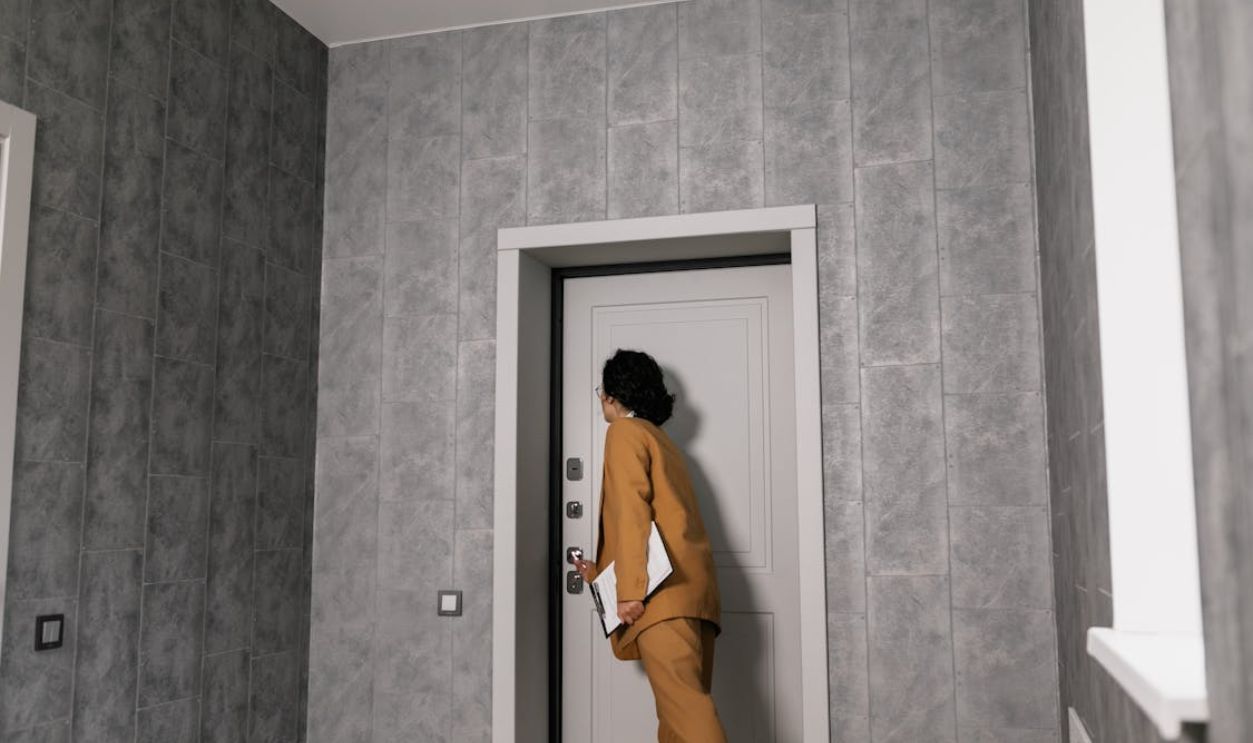
The Room Is Still Yours
Once you close on a home, everything physically attached to it becomes yours—including secret spaces. Hidden or not, it’s part of the structure and transfers with the sale.

Why This Can Be a Red Flag
The bigger issue isn’t ownership—it’s why it wasn’t disclosed. A hidden room can suggest unpermitted construction, safety concerns, or intentional concealment, which may matter legally depending on the situation.
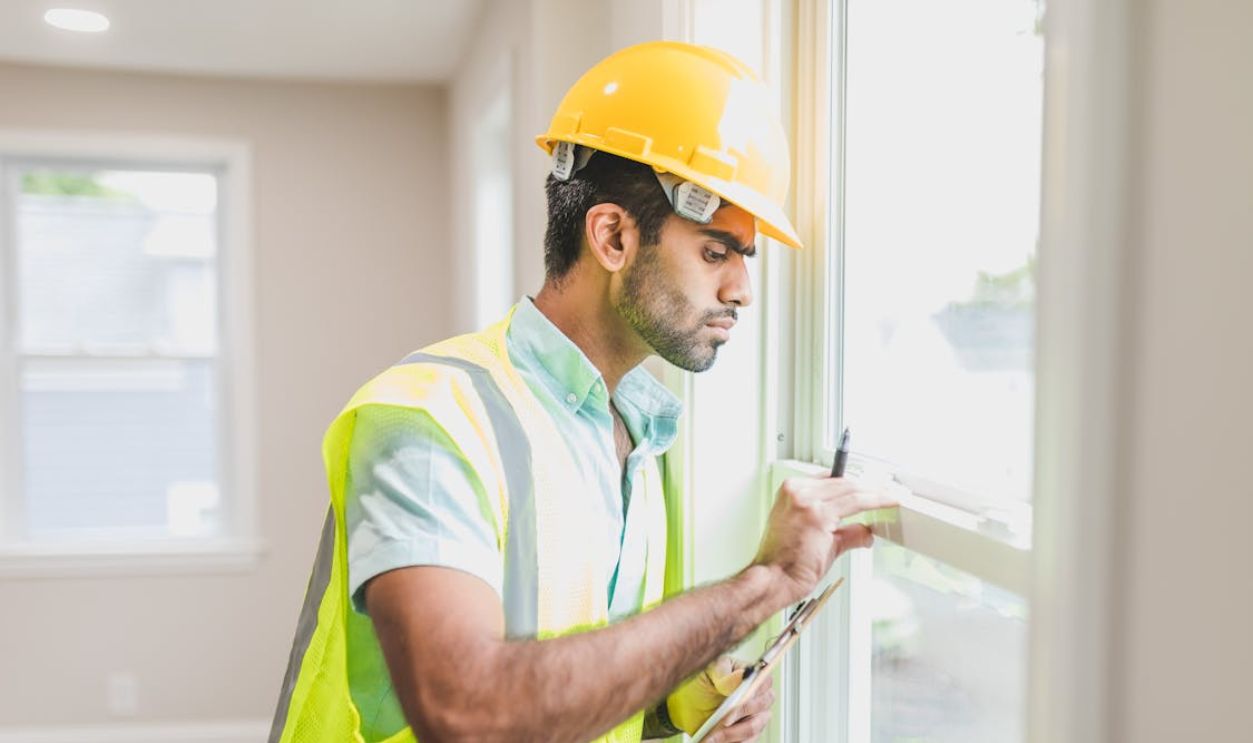
Sellers Have Disclosure Obligations
In most areas, sellers must disclose known material facts about the property. That includes major structural changes, additions, or anything that could affect value or safety.

Does a Hidden Room Count as “Material”?
It can. If the room affects square footage, structural integrity, or code compliance, it’s something buyers typically should be told about before purchasing.

What If It Was Just Overlooked?
Sometimes it’s not intentional. The seller may have rarely used the space or assumed it wasn’t important. Still, failure to disclose can matter—even if it wasn’t malicious.

Permits Are the Big Question
Was the room built legally? If it wasn’t permitted, you could inherit problems like fines, required removal, or issues when you try to sell later.
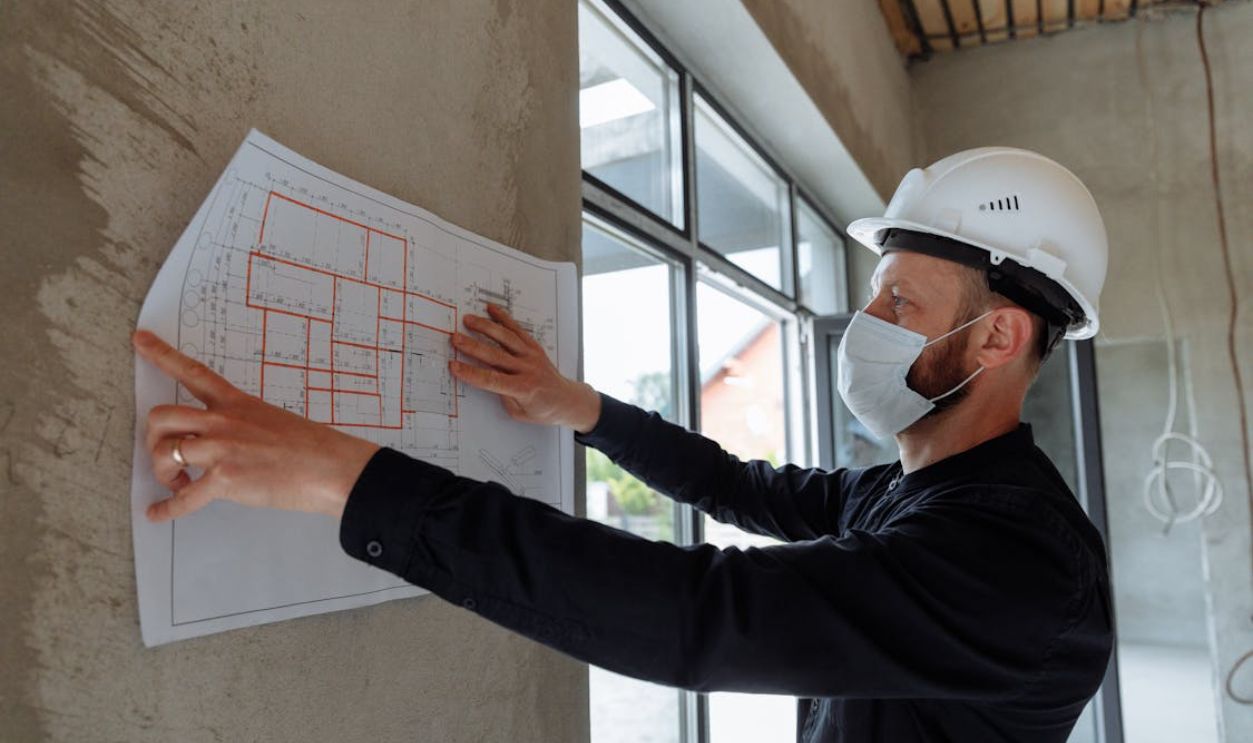
Safety Concerns You Shouldn’t Ignore
Hidden rooms can raise safety issues—especially if wiring, ventilation, or structural changes weren’t done properly. It might look cool, but it could also be risky.

Insurance Might Be Affected
If the room isn’t up to code, your insurance might not cover damage related to it. That’s something many buyers don’t realize until it’s too late.

Could You Take Legal Action?
Possibly—but only in certain situations. If the seller knowingly hid or failed to disclose something significant, you may have grounds to pursue legal action.

What You’d Have to Prove
You’d need to show the seller knew about the hidden room and that it was something they should have disclosed. That’s not always easy, especially without clear evidence.

Does the Listing Matter Here?
Yes. If the listing included square footage or descriptions that didn’t account for the room, that could support your case—especially if it affected the home’s value.

What If It Adds Value?
Here’s the twist—if the room is safe and usable, it could actually increase your home’s value. Not every hidden room is a problem; some are just unexpected bonuses.

Should You Get It Inspected?
Absolutely. A professional inspection can tell you whether the space is structurally sound, properly built, and up to code. It’s the smartest next step.
What About Local Building Codes?
Every area has different rules. If the room violates local codes, you may be required to fix or remove it—even if you didn’t build it yourself.

Can You Just Ignore It?
You can—but it’s risky. If you plan to sell later, undisclosed or unpermitted features could come back to haunt you the same way they surprised you.

Why This Happens More Than You Think
Hidden rooms aren’t common, but undisclosed modifications are. Homeowners sometimes make changes without permits or forget to include them during the selling process.

Should You Contact the Seller?
You can, especially if you want clarity. But don’t rely on their explanation alone—verify everything independently to protect yourself.

When It’s Worth Calling a Lawyer
If the room poses safety risks, wasn’t disclosed, and could impact value or costs, it may be worth speaking to a real estate attorney to understand your options.

So… Does It Change Anything?
Not in terms of ownership—you still own it. But it can change things legally if the seller failed to disclose something important or if the room violates local laws.

The Bottom Line Behind That Bookshelf
A hidden room might feel like a movie moment—but it comes with real-world questions. Get it checked, understand the risks, and make sure your “bonus space” doesn’t turn into a surprise problem later.

You May Also Like: