
The Dream Deal That Turned Into A Money Pit
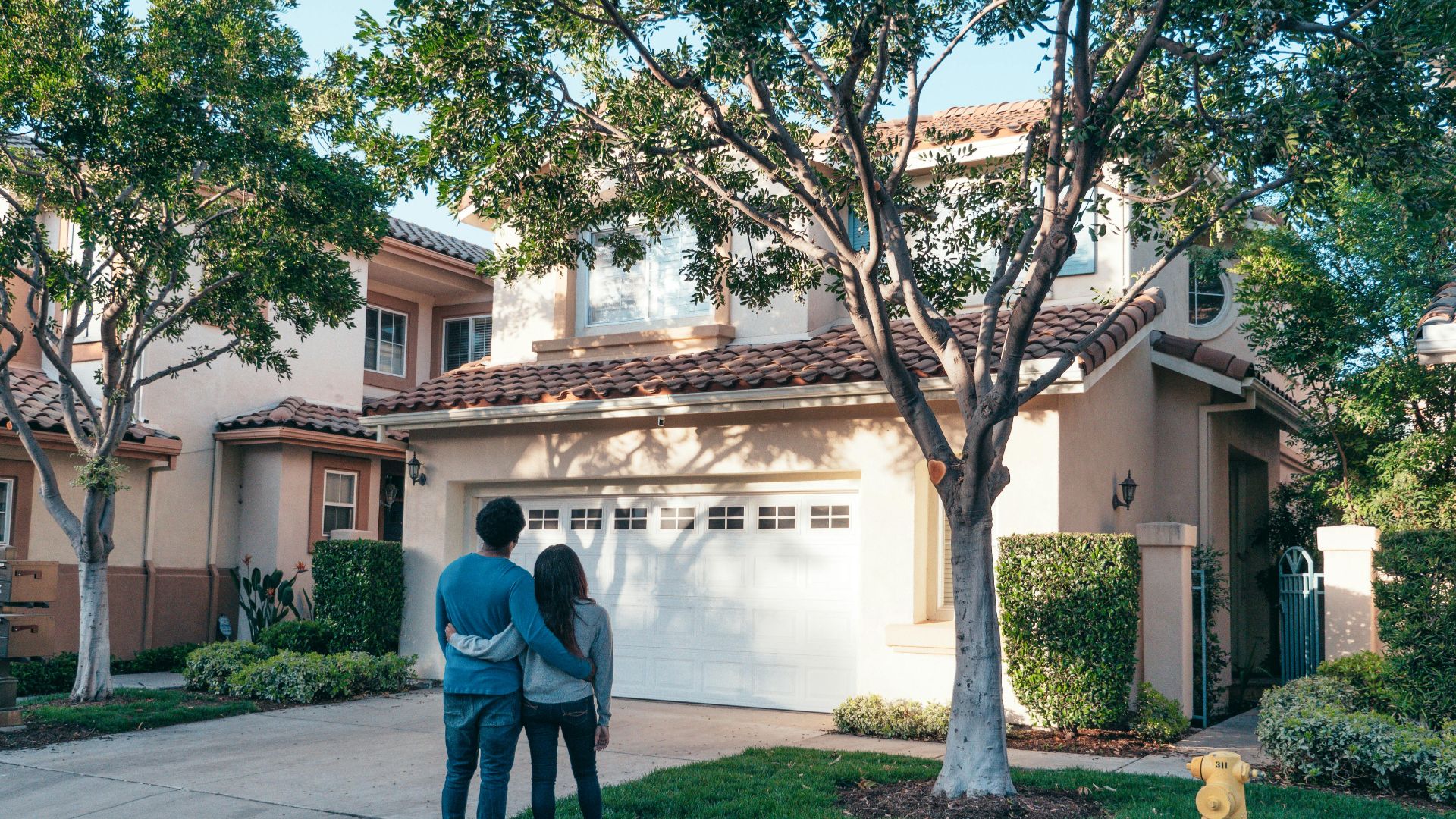
Paying cash for a house sounds like the ultimate power move. No lender, no bidding war drama, no waiting around for approvals. But when you buy a bargain home sight unseen and arrive to find a long list of repairs, that victory lap can turn into a full-body panic pretty fast. So, did you throw away your savings, or did you just buy yourself a very stressful fixer-upper story?

Why A Cash Deal Feels So Smart
There is a reason cash buyers feel confident going in. Sellers love quick closings, buyers often get a better price, and skipping a mortgage can make the whole thing feel clean and simple. On paper, it looks like you beat the system and walked away with a steal.

The Trouble With Sight Unseen
The phrase “sight unseen” sounds adventurous until the front door sticks, the roof sags, and the bathroom smells like 1987. Pictures can hide a lot, and sellers usually know exactly which angles make peeling paint and cracked tile disappear. A cheap listing is rarely telling the full story.
A Bargain Price Can Be A Trap
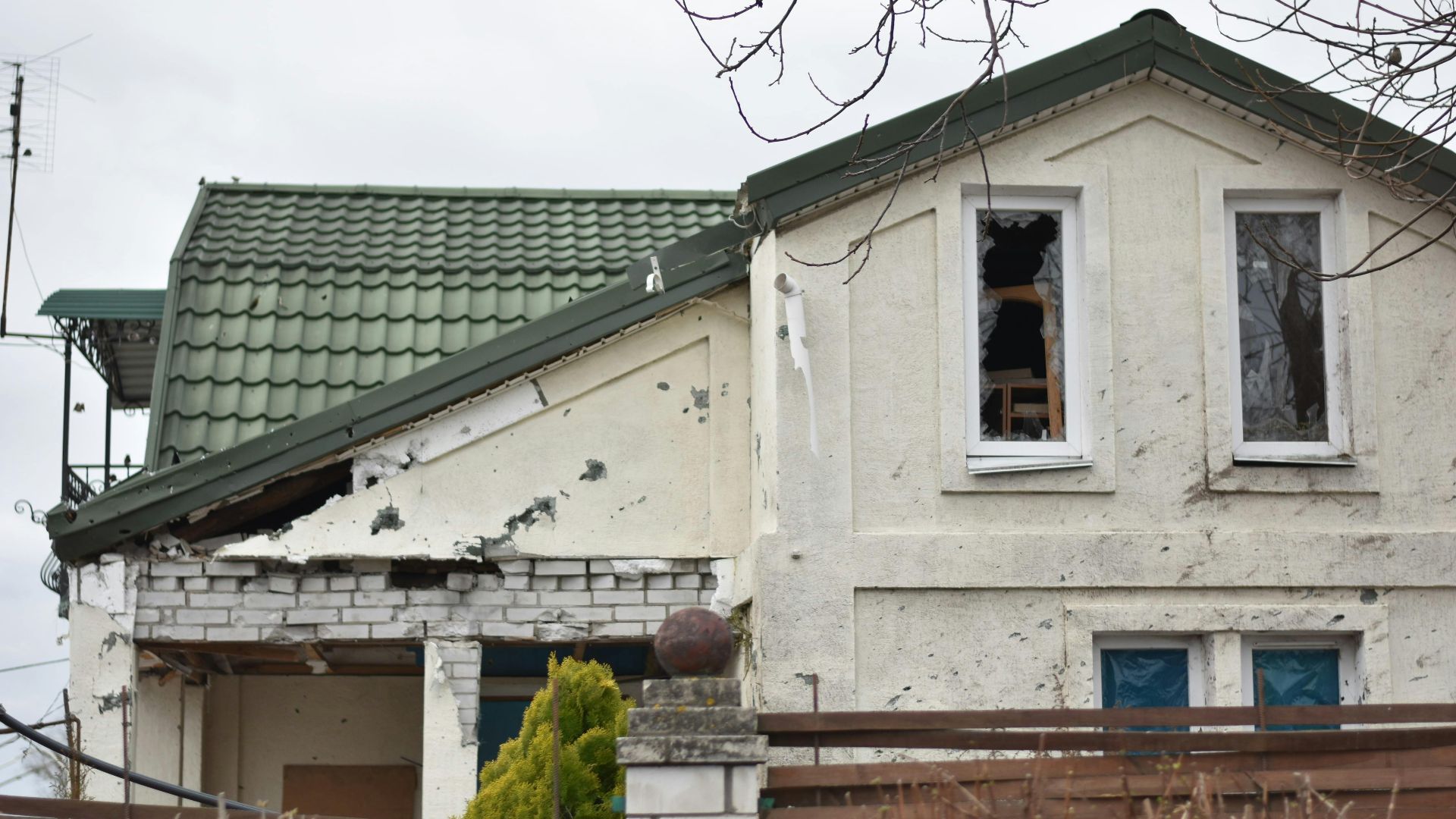
A low purchase price feels like instant savings, but it is only part of the math. The real cost of a house includes repairs, updates, surprise problems, insurance, taxes, and ongoing maintenance. A home that looks cheap at closing can become expensive by the second weekend.
The First Wave Of Regret Hits Fast
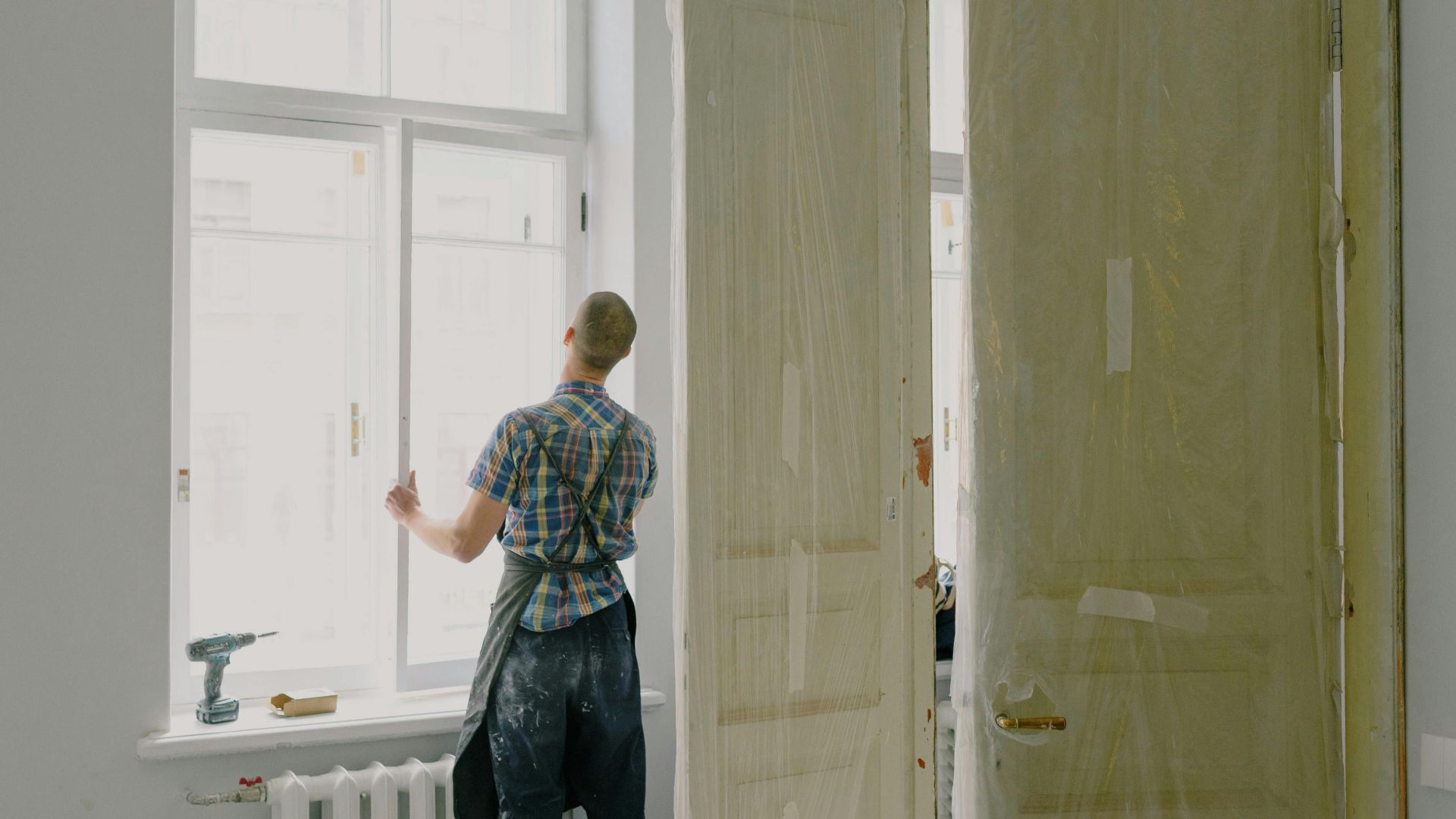
Most buyers in this situation go through the same emotional spiral. First comes denial, then panic, then the classic line: “What have we done?” That reaction does not automatically mean you ruined your finances. It usually means reality showed up before your renovation plan did.

Cosmetic Problems Are Not The Real Enemy
Ugly wallpaper, ancient carpet, and weird light fixtures can make a house feel hopeless, but those are often the easy fixes. Paint, flooring, and outdated finishes cost money, but they are manageable. The real concern is what you cannot immediately see behind walls, under floors, or above ceilings.
Structure Changes Everything
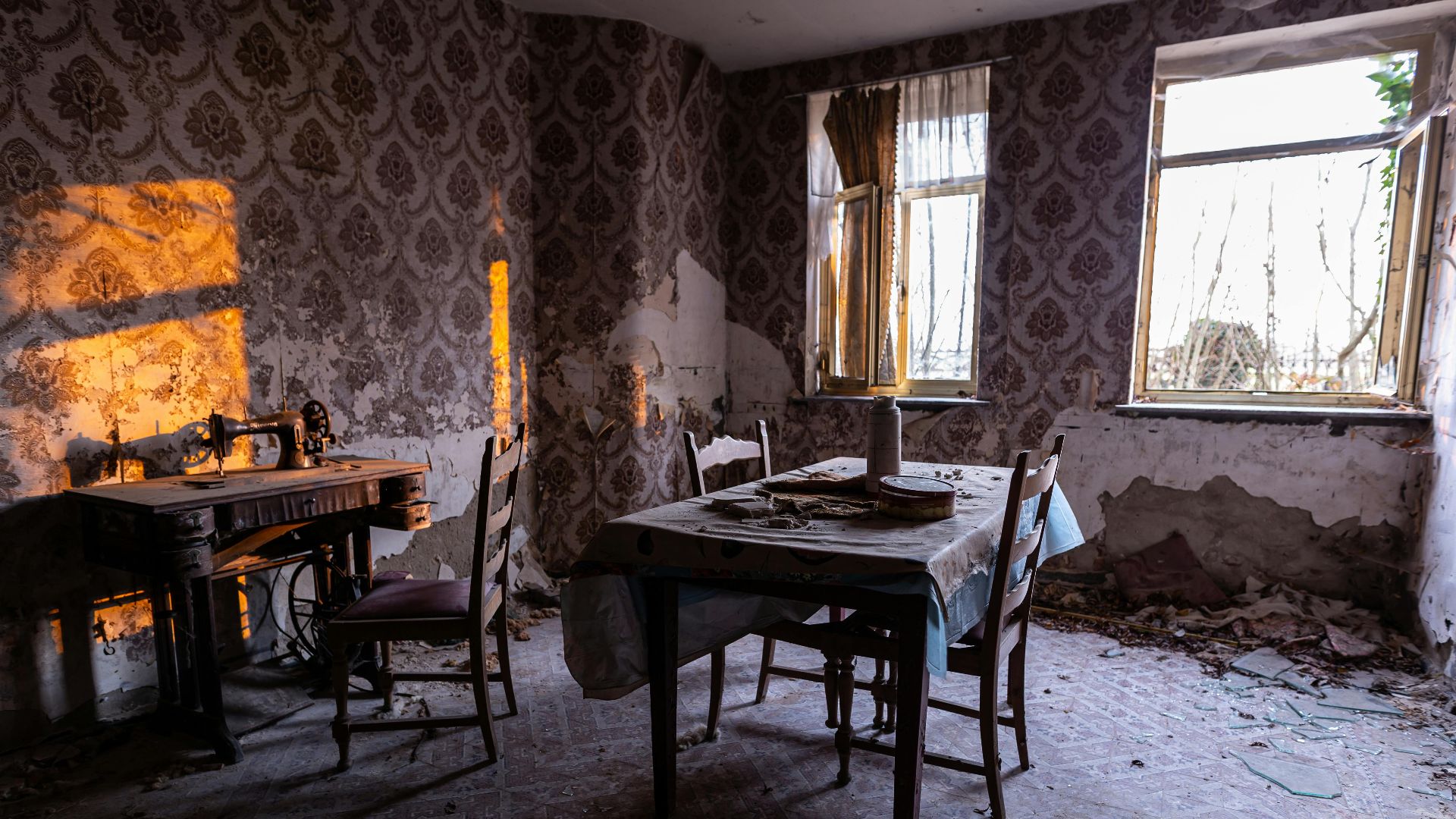
If the foundation is cracking, the roof is failing, or water has been sneaking in for years, the project gets serious in a hurry. Structural issues are not always deal breakers, but they can turn a budget renovation into a full-scale rescue mission that eats up time and cash.

Old Systems Love Big Bills
A house may “work” in the technical sense while still being one repair away from chaos. Electrical panels, plumbing lines, HVAC systems, and water heaters can all be near the end of their life. Replacing old systems is not glamorous, but it is often where the big checks go.

Hidden Water Damage Is A Sneaky Villain
Water is one of the most expensive troublemakers in real estate. A small stain on the ceiling can point to a much bigger leak, mold problem, or rotting wood underneath. By the time you notice the signs, the repair bill may already be planning a grand entrance.
Cash Buyers Skip More Than A Mortgage
When you pay cash, you also remove some of the guardrails that financed buyers run into. Lenders usually require appraisals and sometimes create pressure for inspections or repairs. Without that extra layer, cash buyers have more freedom, but they also have more ways to miss danger.
An Inspection Could Have Changed The Story
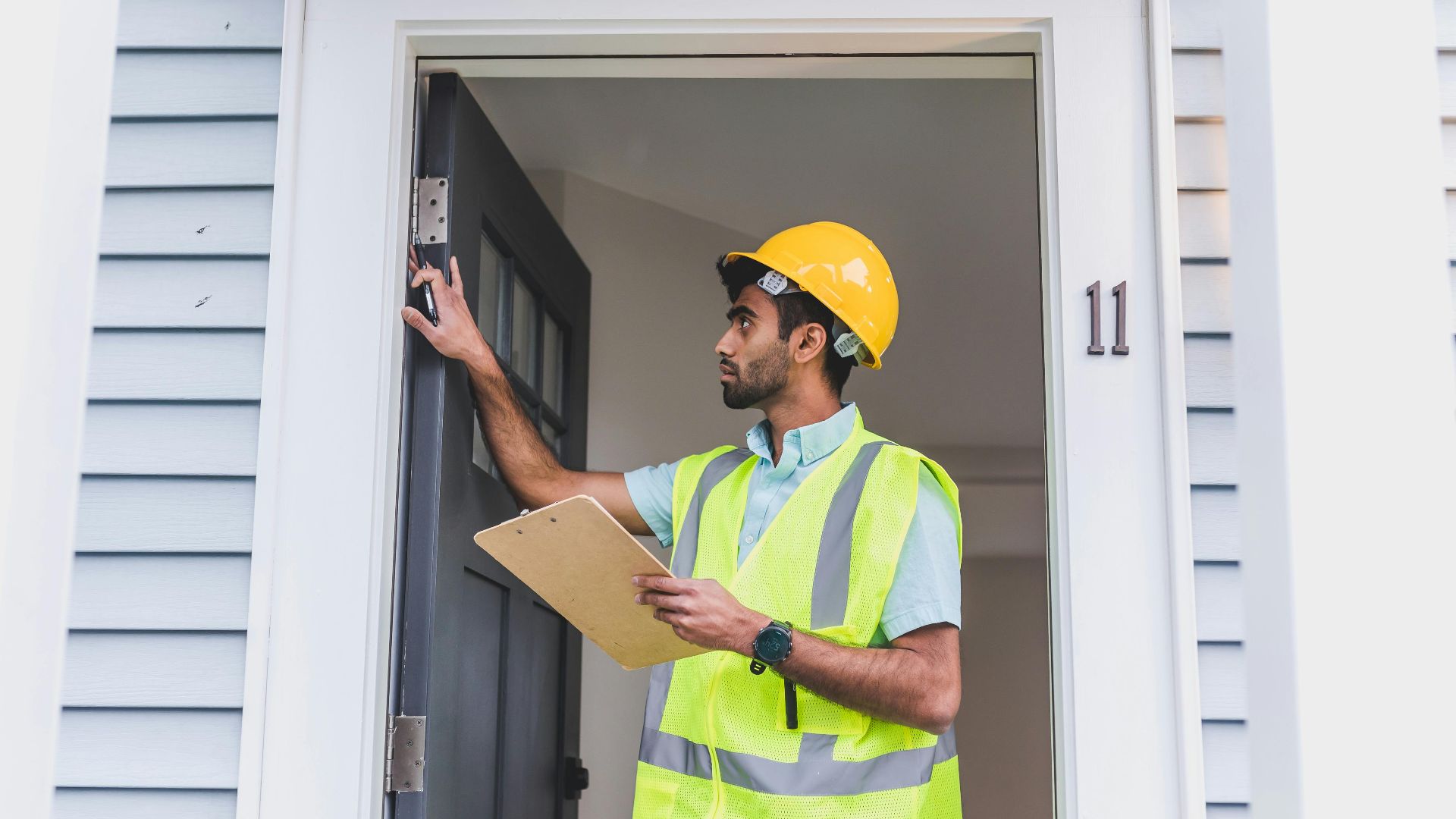
A home inspection would not have prevented every surprise, but it might have revealed enough to renegotiate, walk away, or at least prepare. Skipping that step saves time upfront, yet it can cost much more later. Fast deals are exciting right up until they are expensive.
You Probably Did Not Waste Everything
Here is the good news: needing repairs does not mean your money vanished into a hole in the yard. You still own a physical asset, and unless the home is truly unsalvageable, it still has value. The question is not whether the money disappeared, but whether the fix is worth it.

Start With A Real Damage Report
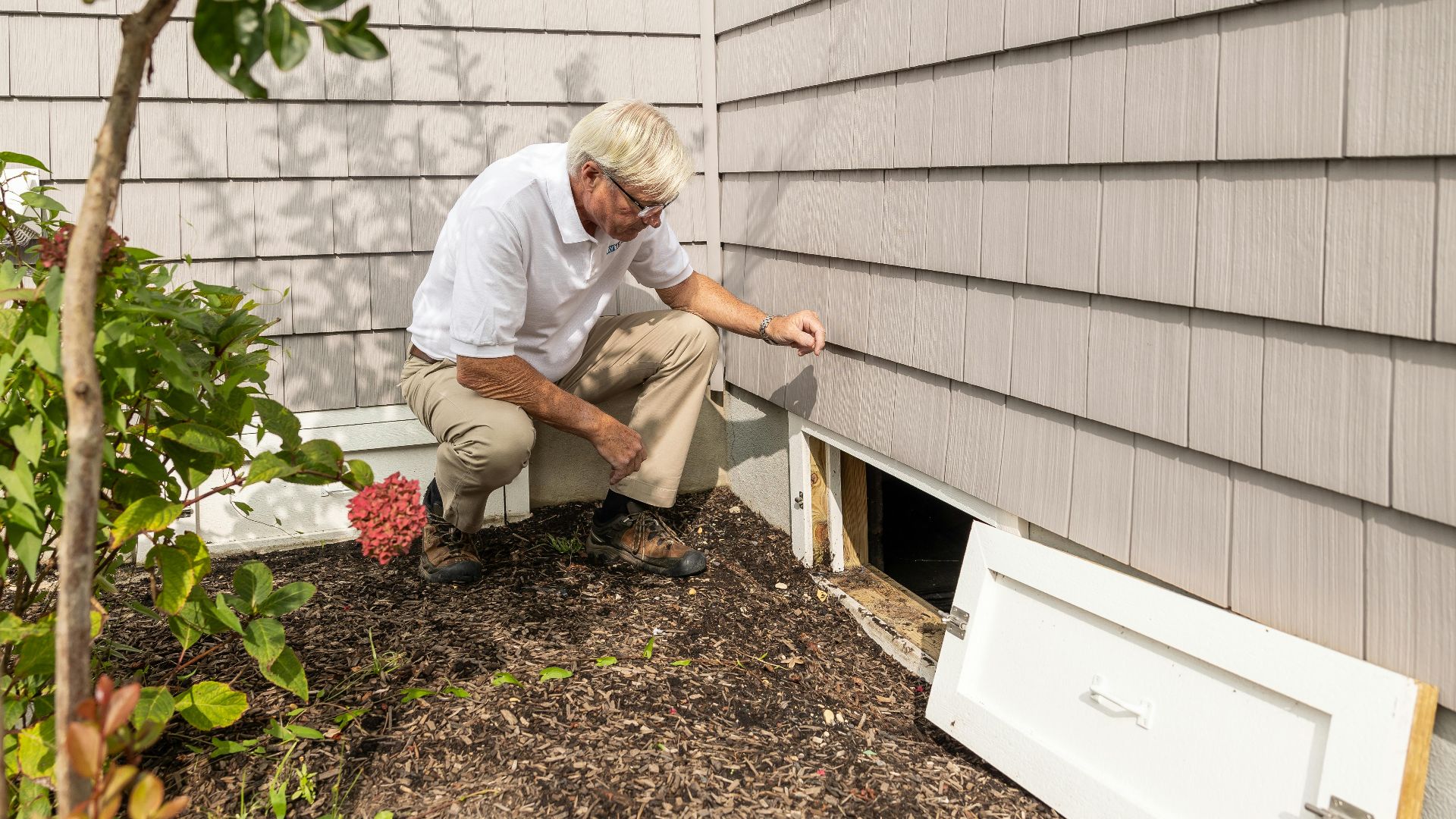
Before assuming disaster, get professionals in to evaluate the major systems and structure. A contractor, roofer, plumber, electrician, and foundation expert can help you separate scary-looking problems from truly urgent ones. Guessing is expensive. Clear information is what calms people down and saves budgets.
Build Two Budgets, Not One
Most renovation mistakes happen because buyers create one optimistic budget and call it a day. Instead, build a repair estimate and then add a backup cushion for the stuff no one saw coming. In old or neglected homes, the surprise fund is not optional. It is survival gear.

Safety Comes Before Style
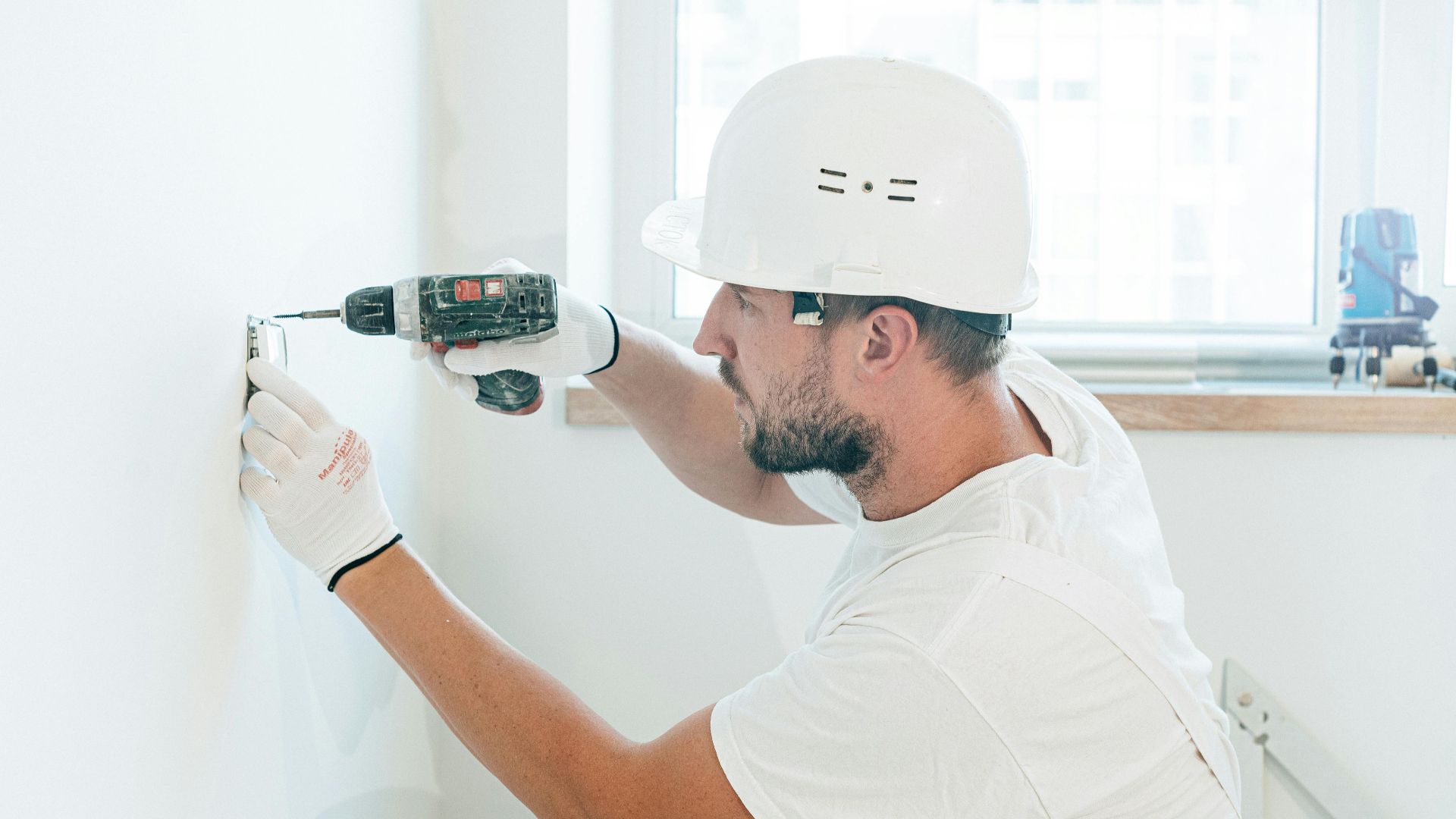
If the home needs serious work, do not start with backsplash dreams and Pinterest mood boards. Handle anything involving water intrusion, electrical safety, structural stability, or heating first. Pretty upgrades can wait. Houses are like people: it is better to fix the vital organs before buying nice shoes.
Decide If This Is A Repair Or A Rescue
There is a huge difference between a house that needs work and one that needs saving. If the costs are painful but manageable, you may still come out ahead. If the place requires endless specialized repairs and full system replacement, you need to rethink the original bargain story.
Compare Total Cost To Local Values
Add the purchase price to the realistic repair bill, then compare that number to what similar move-in-ready homes sell for nearby. This is the moment of truth. If you are still under local market value, the deal may be bruised but alive. If not, the bargain may have been fake.

Sweat Equity Has Limits
Many buyers comfort themselves with the phrase “we’ll do it ourselves,” and sometimes that works. Painting, demo, and simple cosmetic jobs can save real money. But plumbing, electrical, roofing, and structural fixes are another world. Confidence is useful, but it should never be mistaken for a contractor’s license.

Living In A Work Zone Costs More Than Money
A fixer-upper does not just hit your bank account. It can drain your weekends, patience, sleep, and relationships. Constant dust, noise, delays, and decision fatigue wear people down. When you are figuring out whether this purchase was worth it, emotional cost belongs in the equation too.

Resale Is Still Part Of The Calculation
Even if this house was meant to be your forever home, you should still think like an investor for a minute. Will the neighborhood support a higher value after repairs? Are you over-improving for the area? A smart exit strategy makes a rough purchase feel less risky.

Insurance And Permits Matter More Than You Think
Once major issues appear, buyers sometimes rush into repairs without checking coverage, permits, or local rules. That can create even bigger headaches later. Some damage may be partially covered, and some renovations need proper approval. Paperwork is boring, but it beats paying twice for the same mistake.

The Best Move Might Be Doing Less
Not every problem needs a dramatic solution right away. Sometimes the smartest plan is to stabilize the house, fix what is urgent, live in it for a bit, and delay nonessential upgrades. Spreading work over time can protect your cash and keep panic from running the renovation.
Selling Quickly Is An Option, Not A Failure
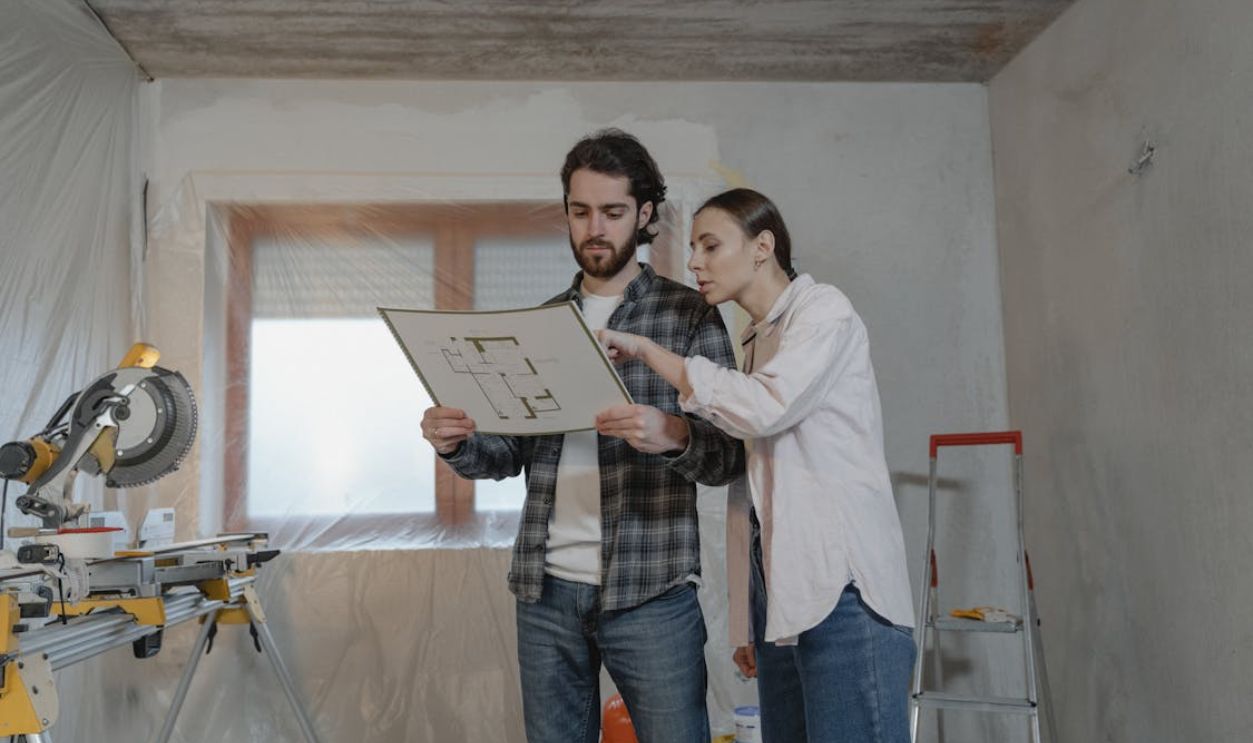
If the repair numbers are brutal and the stress is overwhelming, selling is not admitting defeat. It may be the cleanest way to stop the bleeding. You might take a loss, or you might find another buyer who wants the project. Either way, options are better than denial.
There Is A Lesson In Every Ugly Basement
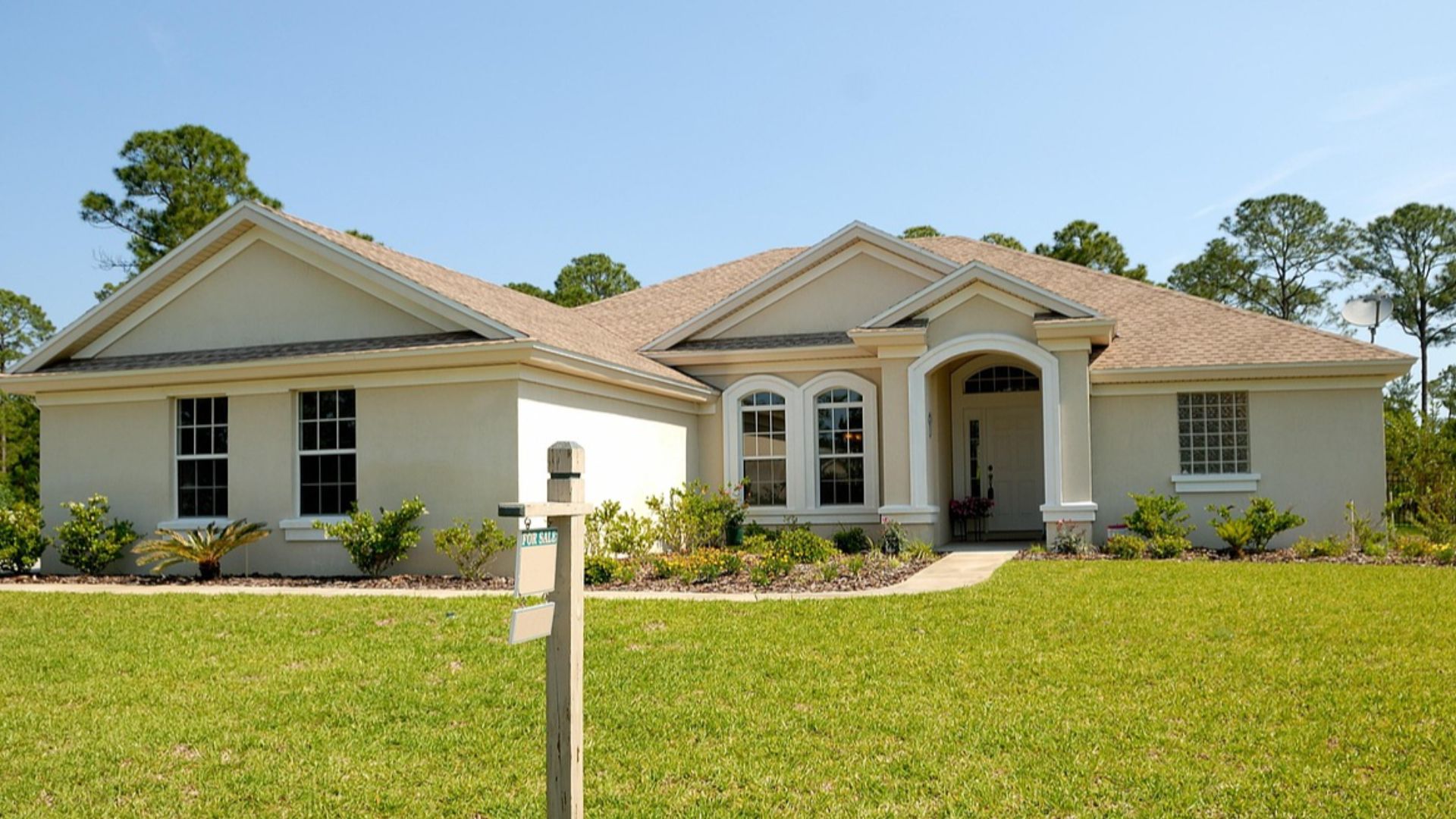
Painful home purchases usually come with expensive education. Next time, you will know to inspect, verify, estimate, and question every “amazing deal.” That lesson may not feel fun while standing in a damp basement with a flashlight, but it is worth something, and possibly a lot.
A Bad Start Does Not Mean A Bad Ending
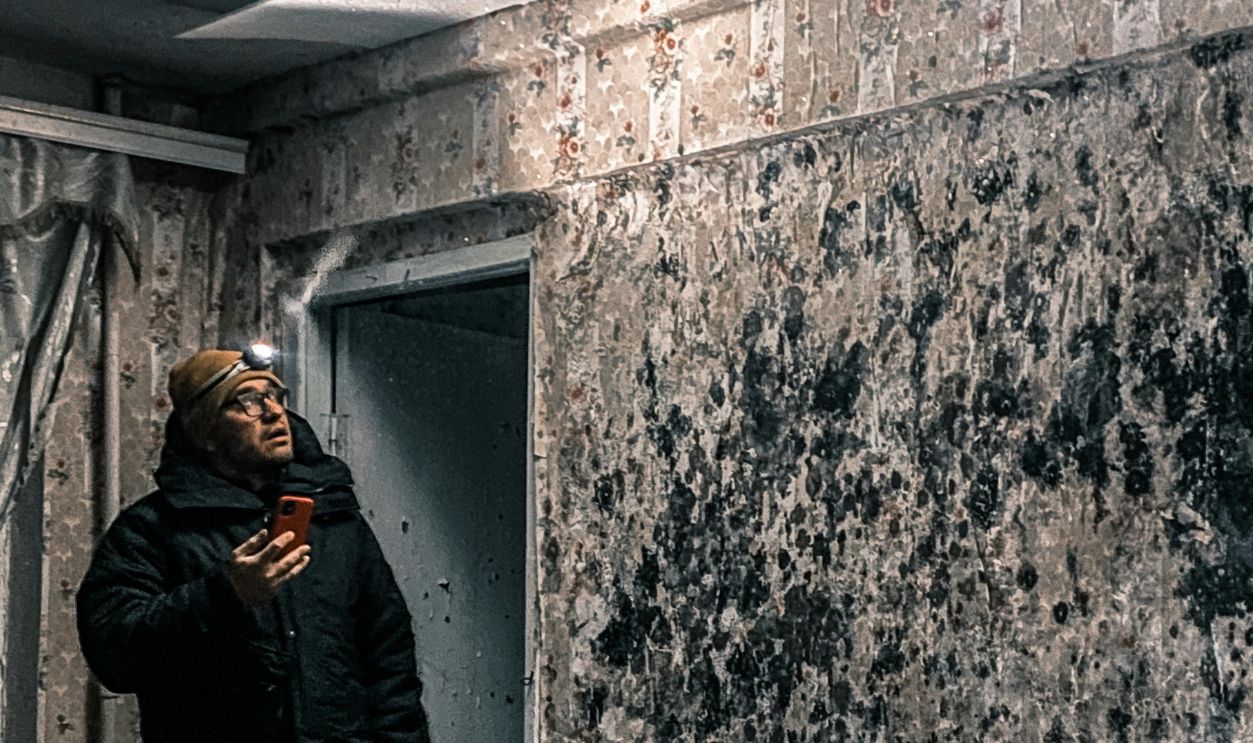
Plenty of homes begin as scary projects and end up as great investments or beloved places to live. The difference is usually not luck. It is math, patience, and making decisions based on facts instead of fear. A rough first impression does not get the final vote.

Ask One Brutally Honest Question
Can you afford this house as it actually is, not as you hoped it would be? That single question cuts through the emotion fast. If the answer is yes, you may be dealing with a setback. If the answer is no, it is time to protect yourself quickly.

The Real Verdict On Your Cash Buy
So, did you waste all your money? Probably not, but you may have overpaid for uncertainty. A cash purchase on a hidden fixer-upper can still work out, but only if you stop romanticizing the deal and start treating it like a project with real numbers. The home may not be the dream you imagined, yet it is not automatically a financial obituary either.

You May Also Like: