
Why This Question Keeps Coming Up
When markets feel shaky, gold starts to sound like the answer to everything. It has a long track record, it feels real, and it gets a lot of attention whenever inflation, recessions, or global conflict are in the news. That is probably why your cousin feels so sure about it right now. But saying it is the only way to protect your money goes much further than the reality.

Gold Has A Reputation For Safety
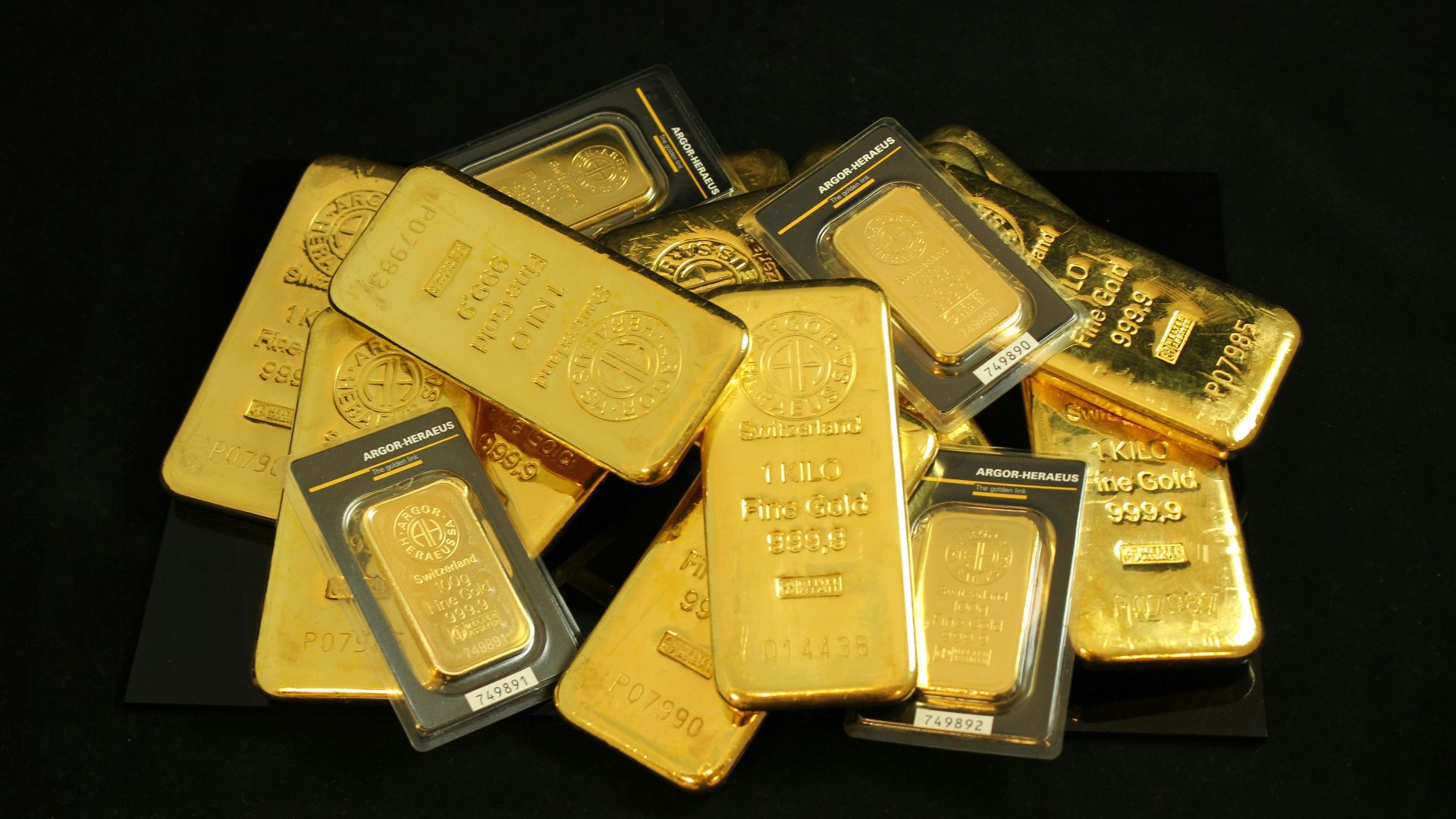
Gold is often called a safe-haven asset because investors sometimes buy it when things feel uncertain. People have used it as a store of value for centuries, and unlike a company stock, it cannot go bankrupt. That history makes people feel more secure, especially when trust in markets is low. Still, a strong reputation is not the same as a guarantee.
What Gold Actually Protects Against
Gold can help protect buying power in some situations, especially over long stretches of time. It has also tended to draw buyers during market stress and inflation fears. But that does not mean it protects against every threat to your finances all the time. Gold can help with some risks, but it does not erase risk.

It Is Not A Perfect Inflation Shield
A lot of people assume gold always rises when inflation rises, but it is not that simple. Research from major financial groups shows that gold’s ability to hedge inflation can be uneven, especially over shorter periods. There have been times when high inflation helped gold, and other times when gold did not keep up the way people expected. So if the whole plan is “inflation is high, so gold always wins,” that is too simplistic.
Gold Prices Can Swing More Than People Expect
One reason the “only safe move” argument does not hold up is that gold itself can be volatile. Its price moves based on interest rates, investor mood, central bank buying, currency shifts, and global demand. That means gold can climb fast, but it can also fall a lot over months or even years. Something can be valuable without being steady.

Gold Does Not Produce Income
Unlike dividend stocks, bonds, or even a savings account, gold does not pay you cash on its own. You only come out ahead if the price goes up or you sell at a good time. That makes it different from assets that can grow through reinvested income over time. For long-term wealth building, that difference matters.

Interest Rates Matter A Lot
Gold often looks more appealing when real interest rates are low or negative. When cash and bonds pay very little after inflation, the downside of holding a non-paying asset like gold seems smaller. On the other hand, when yields rise, gold can come under pressure because investors have more income-producing options. That is one reason gold does not move in a straight line even in uncertain times.

The Dollar Also Plays A Role
Gold is usually priced in U.S. dollars, so the strength of the dollar can affect gold prices. A stronger dollar can make gold more expensive for buyers in other countries, which may weaken demand. A weaker dollar can do the opposite and help support prices. This is another sign that gold is part of the broader financial system, not separate from it.

Central Banks Have Been Big Buyers
One reason gold has stayed in focus is that central banks around the world have been adding to their gold reserves. The World Gold Council has tracked strong central bank buying in recent years. That demand can help support the market and strengthen gold’s image as a strategic asset. But even central banks do not put all their reserves into gold alone.

Physical Gold Comes With Extra Costs
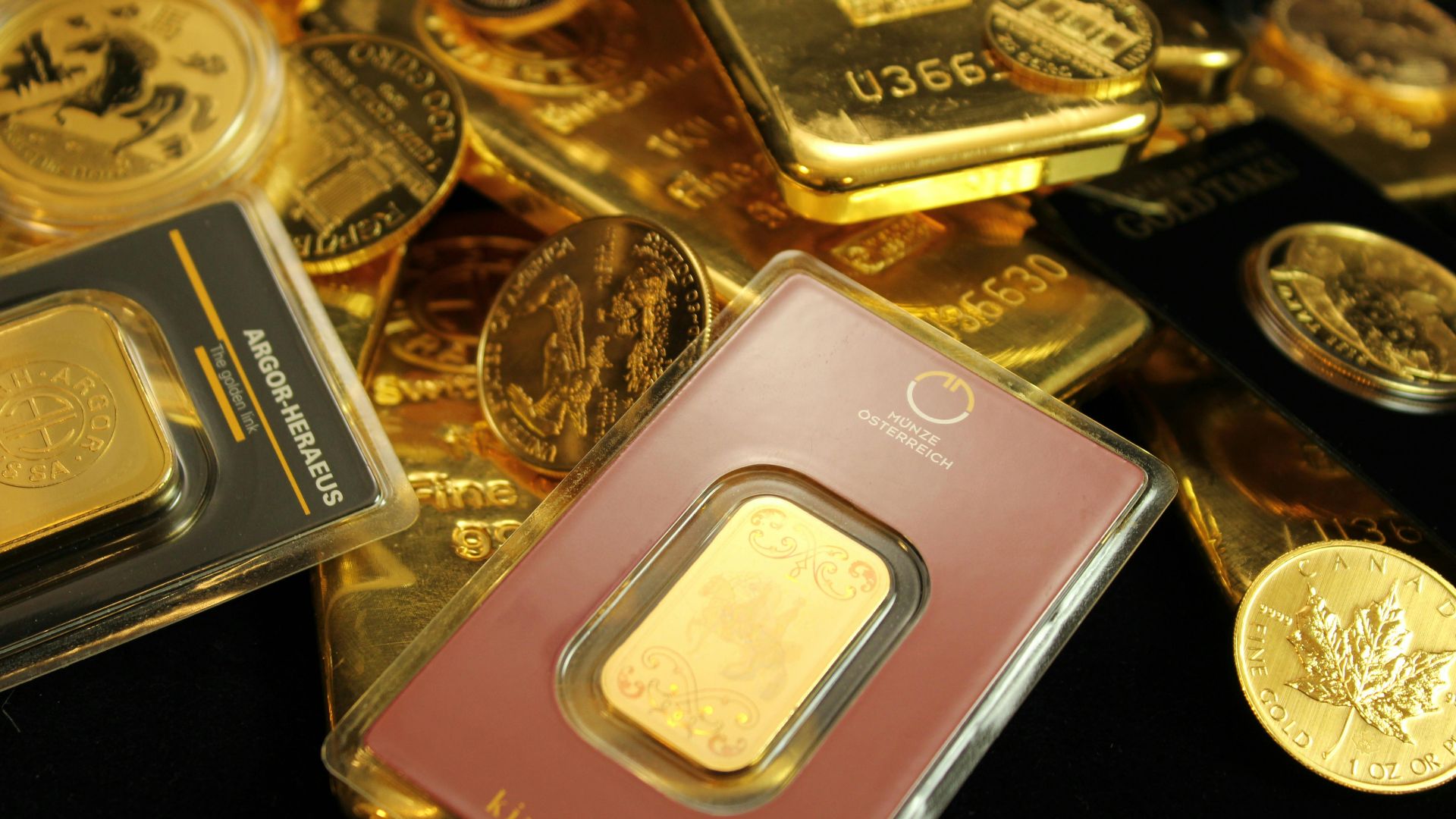
If you buy coins or bars, you are not just paying the market price of gold. Dealers usually charge premiums, and you may also have to pay for shipping, insurance, or storage. If you want secure storage in a vault or safe-deposit box, that adds another ongoing cost. Those expenses can cut into returns, especially if you are buying small amounts.

Gold ETFs Are Easier But Not Magic
Gold exchange-traded funds give investors an easier way to follow gold prices without storing metal themselves. They can be convenient, easy to trade, and often cheaper than buying and storing physical gold. But they still go up and down with the price of gold, so they do not remove volatility. Easy access is useful, but it is not the same thing as safety.
Mining Stocks Are A Different Bet
Some people buy gold mining companies instead of gold and think it is basically the same thing. It is not. Mining stocks are affected by the price of gold, but also by management decisions, operating costs, debt, labor problems, and political risk in mining areas. In other words, they can act more like stocks than like gold itself.

Cash Still Has A Job To Do
For short-term protection, plain cash or cash-like holdings often matter more than gold. Emergency savings in insured bank accounts or money market funds can help cover bills, job loss, or surprise expenses without forcing you to sell at a bad time. Gold may be one part of a defensive plan, but it is not a replacement for liquidity. Protection depends on the problem you are trying to solve.

Bonds Can Also Help Stabilize A Portfolio
High-quality bonds have long helped reduce portfolio swings, though how well they work can depend on inflation and interest rates. Treasury securities, especially short-term ones, can offer income and lower credit risk. Treasury Inflation-Protected Securities, or TIPS, are built to adjust with inflation. That means there are already common tools for protection that do not require putting everything into gold.

Diversification Usually Beats All-Or-Nothing Thinking
The strongest argument against your friend’s claim is diversification. Spreading money across different kinds of assets can lower the damage from any one market shock. Stocks, bonds, cash, and maybe a small amount of gold can all play different roles. Putting everything into one idea, even a respected one, is usually the riskier move.

Gold Has Had Very Good Runs
To be fair, gold has performed very well in some periods, especially during major stress or when investors worried about inflation and weaker currencies. That is part of why it stays popular and why the story around it feels convincing. If someone owned some gold going into one of those periods, it may have helped their portfolio. The key word is “some,” not “everything.”

Gold Has Also Had Long Flat Stretches
Gold’s history also includes long stretches when returns were disappointing after inflation. That matters because protection is not just about getting through one scary headline today. It is also about how your money holds up over years and decades. One asset can do great in one setting and lag badly in another.

Your Time Horizon Changes The Answer
If you need money soon for rent, tuition, or a home purchase, gold may be too unpredictable to rely on. If you are thinking about long-term diversification and can handle price swings, a modest amount may make more sense. The right choice depends on whether you are planning for next month or for retirement decades from now. Context matters more than slogans.

Risk Tolerance Matters Too
Some people feel better owning a hard asset they understand and can even hold in their hand. Others get annoyed by an investment that pays no income and can go nowhere for years. Neither reaction is unreasonable. A good financial choice is not just about math. It also has to fit your comfort level and goals.

How Much Gold Is Reasonable
Many financial pros who support owning gold describe it as a small part of a broader portfolio, not the whole plan. Exact percentages differ, and there is no one rule that fits everyone. The main point is that gold is usually talked about as a diversifier, not as a one-step shield from every financial problem. That is very different from saying it is the only way to stay safe.

Watch Out For Fear-Based Sales Pitches
Gold often gets marketed hard when people are worried about the economy. Ads may suggest markets are doomed, currencies are falling apart, and only precious metals can save you. That kind of all-or-nothing language is a warning sign, especially when the seller also makes money from high markups on coins or collectibles. Good advice should help you think clearly, not scare you into acting fast.

So Is Your Cousin Actually Right?
One word: No. Gold can be a useful tool for diversification and may help in some economic settings, but it is not the only way to protect your money, and it is not a guaranteed shield. Cash reserves, high-quality bonds, TIPS, diversified stock holdings, and insured accounts can all play protective roles depending on what you need. A balanced plan is usually stronger than betting everything on one shiny answer.

The Better Takeaway
If you are worried about protecting your money right now, start by figuring out the risks you actually face: inflation, market swings, job loss, a short-term spending need, or long-term retirement uncertainty. Then match those risks with tools that fit them. Gold may deserve a place in that mix, but it rarely deserves the whole spotlight. In personal finance, “only way” is usually the part to question.