When A Simple Favor Turns Into A Business Problem
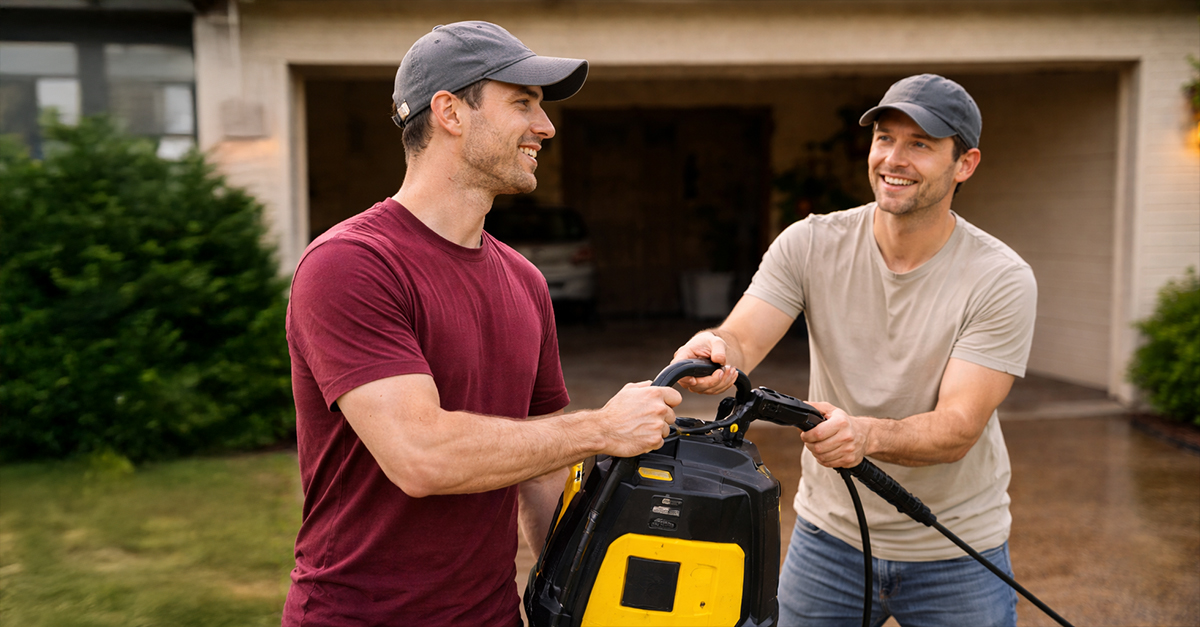
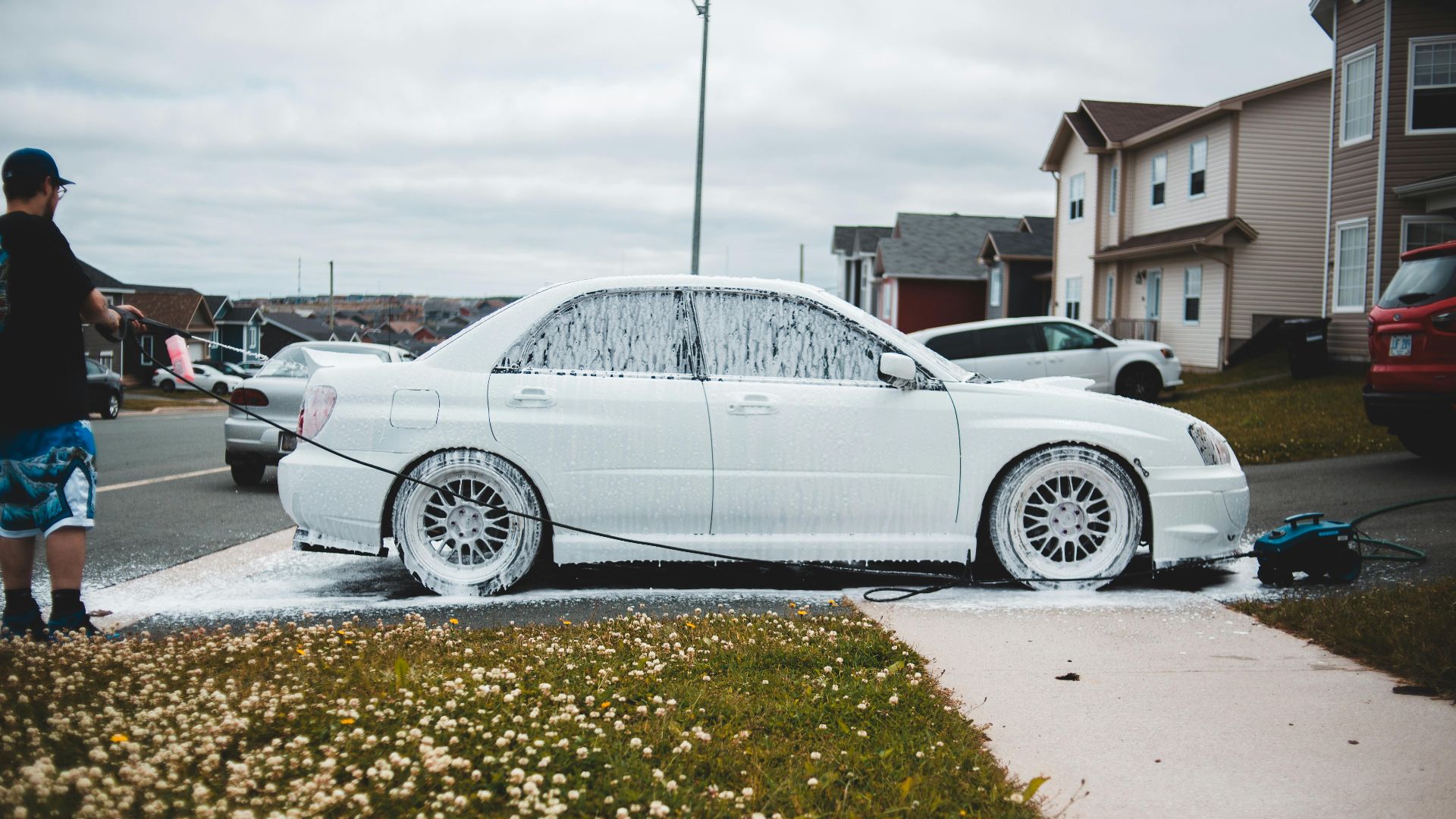
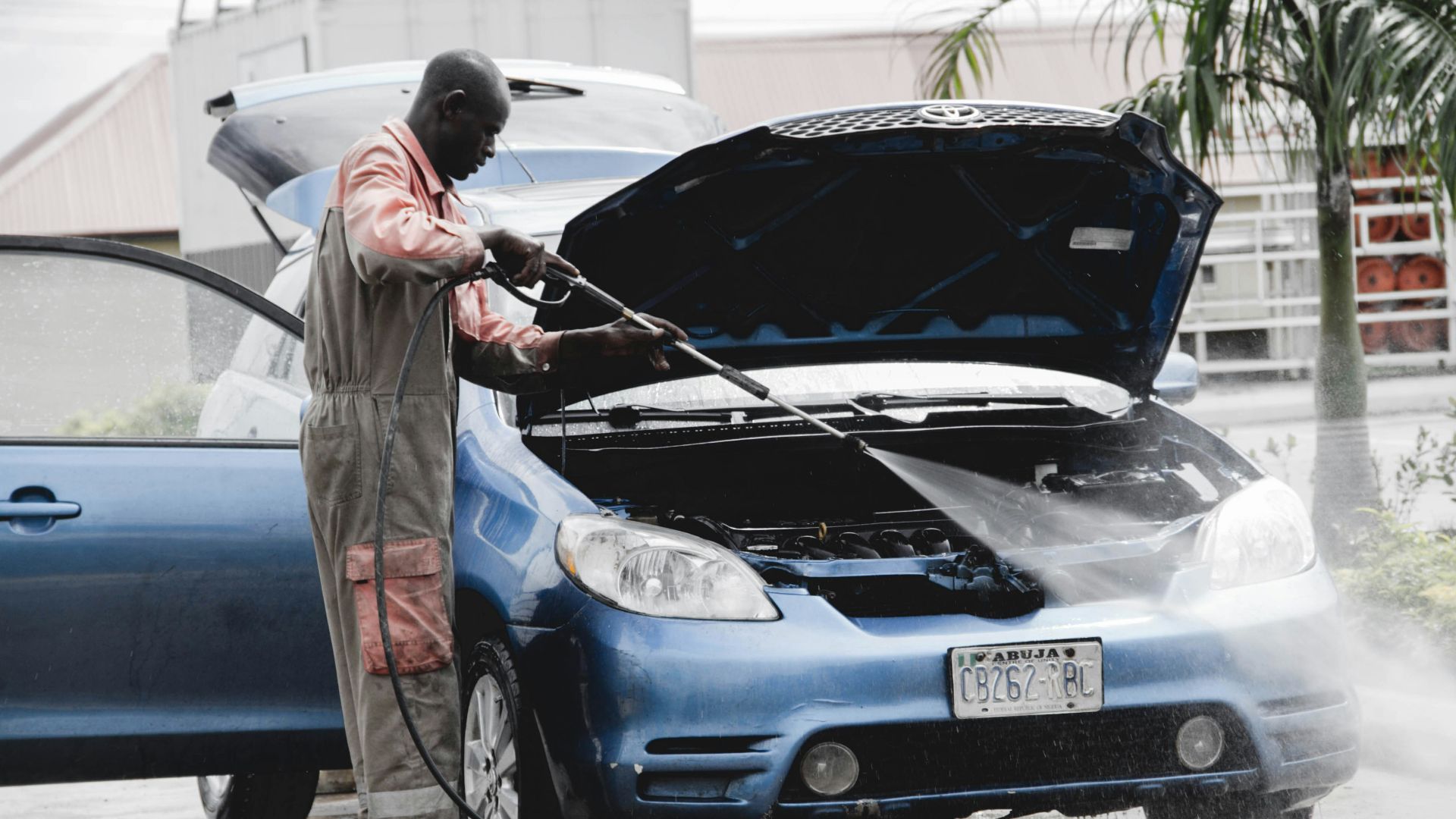
You lent your neighbor a power washer as a friendly gesture, with the reasonable expectation of getting it back after a quick job. Instead, he held on to it and turned it into a full-blown driveway cleaning business. Now he’s making money using equipment that belongs to you, and you’re wondering whether or not you have any right to a portion of his earnings.

Why This Feels Unfair Right Away
Your frustration makes sense since it was your property that helped generate income. Without your power washer, your neighbor may not have been able to start so quickly or cheaply. It feels like you contributed something valuable, even if you never agreed to be part of his business arrangement.
The Legal Concept Behind Lending Property
When you lend someone an item, the law often treats it as a temporary transfer of possession, sometimes called a bailment. That means the borrower has a duty to care for the item and bring it back, but it doesn’t automatically give you rights to anything they create with it.

Ownership Of The Tool Vs Ownership Of The Income
You still own the power washer, but that doesn’t mean you own the income it helped generate. In most cases, the person doing the work keeps the profits, even if they did it using borrowed equipment. The law keeps ownership of property separate from ownership of labor and business earnings.
The Importance Of Any Agreement You Had
Everything changes if there was a clear agreement. If you told your neighbor he could use the power washer for free, then you were basically giving permission without expecting compensation. If you discussed payment or a partnership, even casually, that could strengthen your position significantly.

Verbal Agreements Can Still Matter
Even if nothing was written down, a verbal agreement can still carry legal weight. The challenge lies in proving what was said. But without documentation, disputes often turn into one person’s word against another, which makes it harder to enforce any claim to the income.

Why Courts Rarely Award Profit Sharing
Courts generally don’t award profits just because someone used your property. To claim a share of earnings, you usually need evidence of a business partnership, profit-sharing agreement, or unjust enrichment. Simply lending an item isn’t sufficient to establish those rights in most cases.

The Idea Of Unjust Enrichment
You might feel your neighbor benefited unfairly at your expense. In legal terms, that is sometimes called unjust enrichment. However, courts usually require proof that the benefit was obtained without permission or under misleading circumstances, not just that it feels unfair.
When Permission Works Against You
If you willingly let your neighbor use the power washer, that permission can weaken your claim. Once you’ve authorized someone to use your property, it gets a lot harder to argue that their use was wrongful, even if it turned into something bigger than you expected.

When You Might Have A Stronger Case
Your position improves if your neighbor exceeded what you allowed. For example, if you lent the power washer for personal use and he turned it into a commercial operation without letting you know, that could support a claim that he went beyond your permission.
Role Of Property Interference
In some cases, using someone else’s property in a way that significantly interferes with its value or condition can lead to liability. This is sometimes called trespass to chattels, where misuse or overuse of personal property can bring about legal consequences.
Damage And Wear And Tear Matters
Even if you cannot claim profits, you may still be entitled to compensation if the power washer was damaged or heavily worn from commercial use. Borrowers have a duty to return items in good condition and may be responsible for repair or replacement costs.

Liability Usually Falls On The Borrower
If something goes wrong while your neighbor is using your equipment, such as property damage or injury, liability typically falls on the borrower rather than the owner. That supports the idea that the borrower controls the activity and its financial outcomes.
This Isn’t Like Owning A Share Of A Business
To claim part of your neighbor’s earnings, you would generally need to show that you were effectively a partner. That means contributing more than just access to equipment, but such things as sharing profits, making decisions, or agreeing to jointly run the business.

Could You Ask For Payment Anyway?
Even if you don’t have a legal right to profits, you can still ask for compensation. A reasonable request might be a rental fee for the equipment or a share of earnings going forward. Sometimes, a direct conversation leads to a practical solution without legal action.

How To Approach The Conversation
Start by explaining your perspective calmly. Focus on the fact that your equipment is being used commercially, not just borrowed casually. Framing it as a fairness issue instead of an accusation can help keep the discussion on track and productive so you can avoid escalating tensions.

When To Put Things In Writing
If your neighbor wants to continue using the power washer, consider putting terms in writing. This could include a rental agreement, a usage fee, or clear limits on how the equipment can be used. Written agreements help avoid misunderstandings and protect your interests moving forward.

When Legal Action Might Be Worth Considering
Legal action is usually a last resort, especially with neighbors. It may only make sense if there’s a significant sum of money involved or clear evidence of misuse beyond what you allowed. Even then, the cost and strain of a dispute may outweigh the potential recovery.

Lessons For The Future
This situation highlights the importance of setting expectations before lending valuable equipment. Even a simple conversation about limits, duration, and acceptable use can prevent misunderstandings and protect both relationships and property.

Bottom Line On Your Rights
You are very likely entitled to your power washer back in good condition, and possibly compensation for damage or excessive use. However, without a prior agreement, you are unlikely to have a legal claim to the profits your neighbor earned from using it.

You May Also Like: