A Refund May Not Be The End Of It
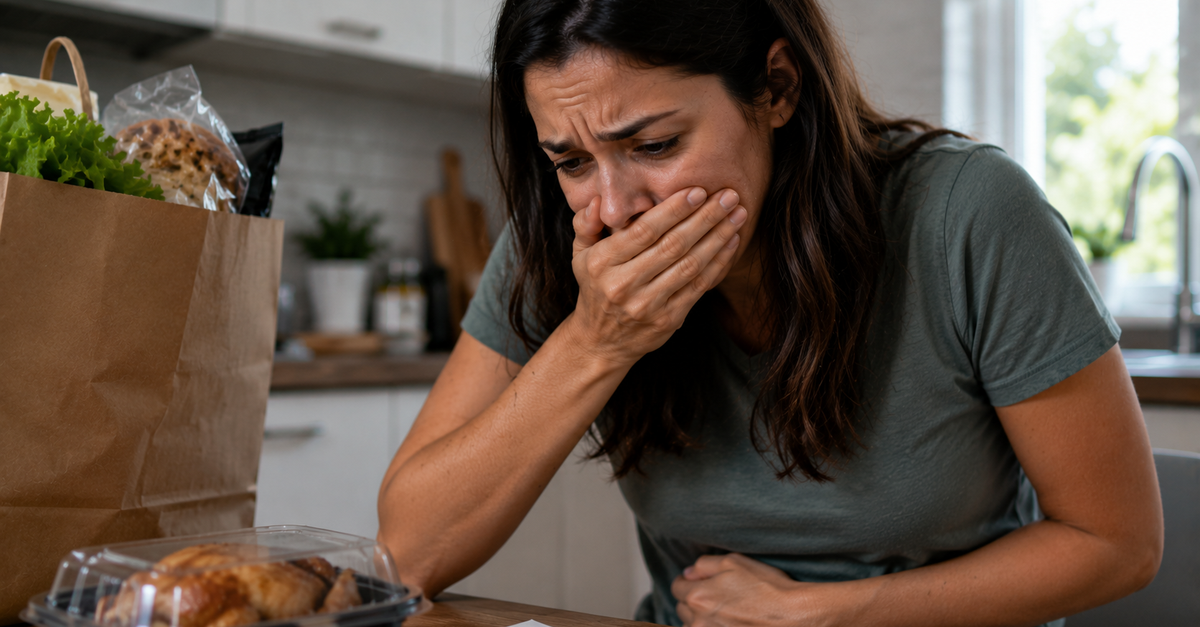
Getting the purchase price back is useful, but it does not necessarily resolve everything. If contaminated grocery-store food caused an illness, you may have additional legal rights under state product liability, negligence, or warranty law. What you may recover depends heavily on your evidence, the seriousness of your illness, and the law in your state. Factinate Ltd
Take Care Of Your Health First
Food poisoning commonly causes diarrhea, stomach pain or cramps, nausea, vomiting, and fever. The CDC advises seeking medical attention for warning signs such as bloody diarrhea, symptoms lasting more than three days, fever above 102°F, frequent vomiting, or dehydration. Medical care can also create records that may later help document what happened.

Food Poisoning Is Not Always Immediate
It is easy to blame the last thing you ate, but that is not always accurate. The CDC explains that some foodborne germs can make you sick within hours, while others may take several days. That is why reconstructing what you ate during the previous week can be important.

Write Down What You Ate
Create a simple timeline while the details are still fresh. Include meals, snacks, restaurants, grocery purchases, and the approximate times your symptoms began. The CDC specifically recommends noting what you ate and what you did during the week before becoming ill.

Keep The Receipt And Packaging
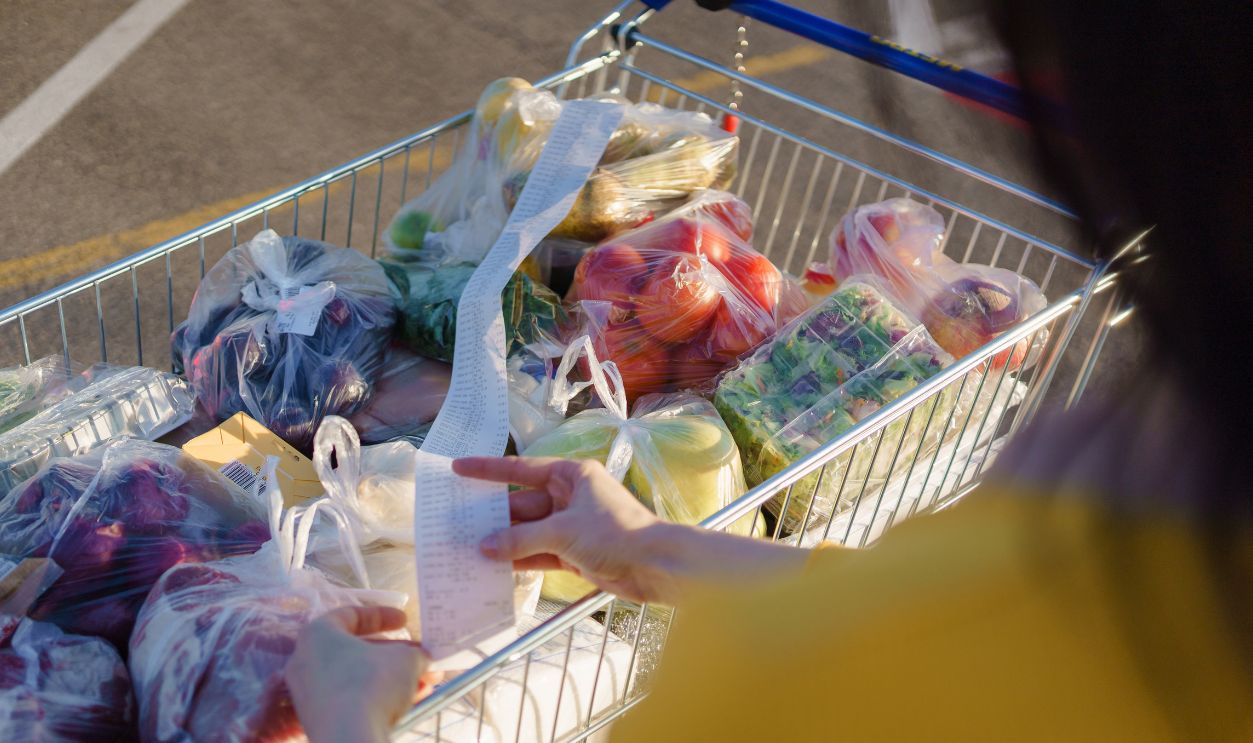
Do not throw away the grocery receipt just because the store issued a refund. The CDC recommends keeping food receipts and labels when you suspect food poisoning. Packaging can contain product codes, dates, UPC numbers, and other information that may help identify the exact item.

Take Photos Before Anything Disappears
Photograph the food, package, date markings, lot numbers, and your receipt. The FDA asks consumers reporting food problems to provide identifying information such as purchase dates, product codes, expiration dates, UPC codes, and photographs when available. Clear photos can preserve details long after the original package is gone.

Do Not Assume The Store Is Responsible Yet
Food can become contaminated at many points before it reaches your kitchen. A problem may originate with a producer, manufacturer, distributor, transporter, or retailer. Depending on the facts and state law, more than one business in the distribution chain may potentially be responsible.

The Store Can Still Be A Potential Defendant
Retailers are not automatically protected simply because another company made the food. Product liability law can apply to sellers and distributors as well as manufacturers, although the exact rules differ by jurisdiction. A lawyer evaluating a grocery-store food poisoning case may therefore examine the retailer along with other businesses in the supply chain.
Product Liability May Be One Route
Food poisoning lawsuits are commonly handled as product liability cases. The central issue is generally whether a contaminated or otherwise unsafe product caused an injury. The legal standard and available defendants vary from state to state.

Negligence May Be Another Route
Some cases focus on whether a business failed to use reasonable care. Improper refrigeration, storage, handling, or preparation may become relevant when those actions caused food to become unsafe. A negligence claim generally requires proof connecting the defendant's conduct to the illness and resulting damages.

Implied Warranties Can Matter Too
The Uniform Commercial Code recognizes an implied warranty of merchantability when merchants sell goods, unless that warranty has been properly excluded or modified. Merchantable goods must be fit for the ordinary purposes for which they are used. Section 2-314 also expressly treats food or drink served for value as a sale.
 William A. Morgan, Shutterstock
Proving The Food Caused Your Illness Is Critical
Feeling sick after eating a particular food does not automatically prove that food was responsible. A successful claim generally needs evidence linking the contaminated product to the illness. That causation issue is one of the biggest practical challenges in food poisoning litigation.

Medical Testing Can Strengthen The Evidence
The CDC recommends asking a healthcare provider whether testing for a foodborne disease is appropriate. Depending on the illness, a provider may collect a stool or blood sample. Laboratory results identifying a particular pathogen can make the medical record much more informative.
 Library of Congress Life, Wikimedia Commons
Your Medical Records Can Become Important
Keep records from urgent care visits, doctor appointments, emergency treatment, prescriptions, and laboratory testing. Medical documentation can establish when you became ill, what symptoms you experienced, and what treatment was required. Those records may help support an injury claim if the dispute goes beyond the grocery refund.

Report The Illness To Public Health Officials
The CDC encourages people who suspect food poisoning to report the illness to their local health department. Reports from multiple people can help investigators recognize a cluster or outbreak. Your complaint may therefore matter even if your individual illness seems isolated at first.

The FDA May Also Want To Know
Consumers can report illnesses connected with FDA-regulated foods through the agency's reporting system. FDA specifically says it wants reports involving food-related illnesses when a particular food is suspected. The agency evaluates reports and may compare them with similar complaints.

Some Foods Fall Under Different Agencies
Not every grocery product is regulated in exactly the same way. FDA's consumer reporting guidance notes that its food complaint process generally covers food products other than meat and poultry. Your state or local health department can also help direct a complaint to the appropriate authority.

Check Whether The Product Was Recalled
Look at current government recall notices for the product you purchased. FDA recall notices may identify product names, package sizes, UPCs, lot codes, use-by dates, and the locations where products were distributed. A recall involving your exact product can provide valuable context for your complaint or claim.

A Recall Does Not Replace Your Own Evidence
Even if your product appears in a recall, keep your personal documentation. Your receipt, package information, medical records, and timeline help show that you actually purchased and consumed the affected food. A recall can support the connection, but your individual claim still depends on your own facts.
Document Every Dollar You Lost
Save medical bills, prescription receipts, transportation costs, and records showing missed work. Food poisoning claims may seek compensation for medical expenses and lost income when the evidence supports those losses. More serious cases may involve additional categories of damages under applicable state law.

Ask The Store For More Than A Refund
You can send the retailer a written request explaining the illness and your documented expenses. Include copies of relevant records while keeping the originals for yourself. The store may forward the matter to a claims department, insurer, supplier, or manufacturer rather than handling it at the customer-service counter.

A Refund Does Not Prove Liability
A retailer may refund a grocery purchase simply as a customer-service measure. The fact that it returned your purchase price does not by itself establish that the store legally caused your illness. Likewise, accepting an ordinary purchase refund does not automatically answer whether you have a separate injury claim.

Be Careful With Settlement Papers
A simple refund is different from signing a settlement or release. If a business offers additional money and asks you to sign paperwork giving up future claims, read the document carefully before agreeing. This becomes especially important when your symptoms, medical costs, or time away from work are still developing.

Smaller Claims Need A Practical Approach
Food poisoning lawsuits can be difficult and expensive because causation must be established. FindLaw notes that many relatively minor cases may not justify the time and expense involved in litigation. For limited documented losses, a direct claim or a state's small claims process may sometimes be more practical than a full personal injury lawsuit.

Serious Illness Changes The Calculation
Hospitalization, substantial medical expenses, lengthy recovery, or significant lost income can make legal advice more worthwhile. An attorney can examine product liability, negligence, warranty theories, potential defendants, and the evidence needed under your state's law. State-specific rules matter, so a general article cannot determine whether a particular person has a winning claim.

Do Not Ignore Filing Deadlines
Personal injury and product liability claims are subject to legal deadlines. Those time limits vary by state and can also depend on the legal theory involved. Waiting until every expense is resolved before learning the applicable deadline can create unnecessary risk.

Build A Simple Claim File
Keep your receipt, packaging photos, medical records, bills, work records, correspondence, and food timeline in one place. Add copies of any recall notice or health department communication that relates to the product. A well-organized file makes it easier for a store, insurer, agency, or attorney to understand what happened.

The Purchase Price Is Only One Piece
A grocery refund covers the price of the food, but an illness can produce losses far beyond that amount. Depending on your evidence and state law, you may have options involving reimbursement, warranty claims, product liability, negligence, or a lawsuit. The strongest next steps are to protect your health, preserve evidence, report the suspected illness, document your losses, and get state-specific legal advice when the stakes are significant.

You May Also Like:
I Tried To Return Spoiled Groceries, But The Store Said Fresh Food Is Final Sale. Is That Normal?