When Your Money Says “Not Today”
Few things are more frustrating than needing cash, tapping your card, and getting rejected by your own bank. You know the money is there. Your bank knows the money is there. And yet, somehow, your account is acting like a nightclub bouncer with a clipboard.
Daily Limits Are Annoying, But They Exist For A Reason
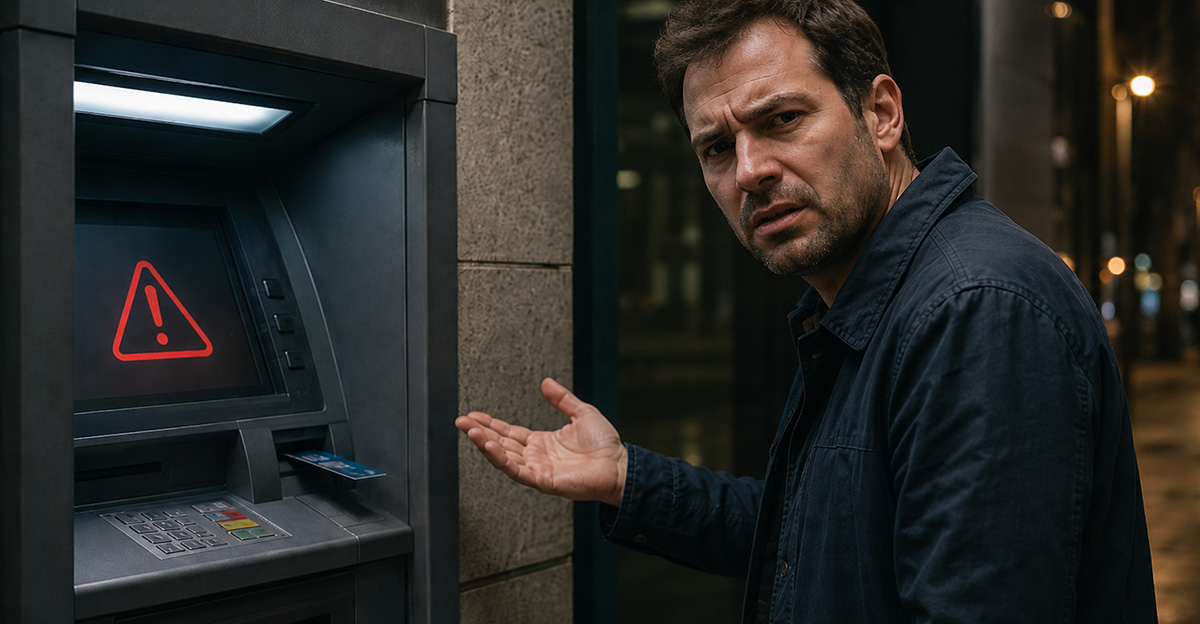
Banks set daily withdrawal and debit limits to reduce fraud, theft, and account-draining disasters. If someone steals your card or login, a limit can stop them from emptying everything in one wild spending spree. That is helpful—until you are the one stuck needing your own cash.
 Centre for Ageing Better, Pexels
First, Check What Kind Of Limit You Hit
Not all limits are the same. You may have hit an ATM cash withdrawal limit, a debit purchase limit, a transfer limit, or a bank branch cash availability limit. Knowing which wall you ran into helps you figure out the fastest way around it.

Call Your Bank Immediately
Your first move should be calling the number on the back of your card or using the bank’s app chat. Explain the situation clearly: you have funds available, you hit your daily limit, and you need temporary access. Banks can sometimes raise limits quickly after verifying your identity.

Ask For A Temporary Limit Increase
Many banks allow temporary increases for big purchases, travel, emergencies, rent payments, medical bills, or moving costs. You may need to answer security questions, approve a text code, or confirm the transaction. Be specific about how much you need and when you need it.

Try A Bank Branch
If ATMs are blocking you, a teller may be able to help. Branch withdrawals can have different rules than ATM withdrawals, especially if you bring government ID. However, branches may not always have large amounts of cash available, so call ahead for bigger withdrawals.

Use Your Debit Card As A Purchase Instead
Sometimes the ATM limit is lower than the debit purchase limit. If you need money to pay a business, ask whether they can take a debit card directly. Paying by card may work even when pulling cash from an ATM does not.

Ask About Cash Back At Checkout
If you only need a smaller amount, try getting cash back when buying groceries or essentials with your debit card. Store limits are usually modest, but it can help bridge the gap. Just remember that this may still count toward certain debit limits.
Transfer Money To Another Account
If you have another bank account, brokerage cash account, prepaid card, or trusted joint account, a transfer may help. Some transfers are instant; others take days. Check the timing before relying on this during an emergency, because “pending” does not buy groceries.

Use A Credit Card Carefully
A credit card can be a useful emergency bridge if the expense accepts cards. This is not free money, of course. Try to pay it off quickly to avoid interest. Avoid cash advances unless truly necessary, because they often come with fees and immediate interest.

Consider A Wire Transfer
For major urgent payments, a wire transfer may be better than trying to withdraw cash. Wires often have their own limits and fees, but banks can sometimes approve larger amounts after verification. This can work for house closings, legal payments, or emergency family support.

Ask The Recipient About Alternatives
If you needed cash to pay someone, ask whether they accept another method. Many people and businesses can take bank transfers, debit cards, money orders, cashier’s checks, payment apps, or electronic invoices. The best solution may be changing the payment method, not fighting the ATM.

Get A Cashier’s Check Or Money Order
For secure payments, a cashier’s check may solve the problem. It lets you use your account balance without walking around with a suspiciously movie-like envelope of cash. Money orders can also work for smaller payments, though they have purchase limits and fees.

Check For Fraud Holds
Sometimes the issue is not just a limit. Your bank may have flagged unusual activity and frozen or restricted your card. This can happen while traveling, making a large purchase, or using a new ATM. Confirm whether there is a security hold on your account.

Look Inside Your Banking App
Many banks let you view or adjust card limits inside the app. Look for settings such as “card controls,” “manage limits,” “ATM limit,” or “transaction controls.” You may be able to request a higher limit without waiting on hold listening to flute music.

Plan Ahead For Large Cash Needs
If you know you will need a lot of cash, contact your bank several business days ahead. This gives them time to raise limits, order cash for a branch, or suggest a safer payment method. Last-minute cash needs are where daily limits become villains.

Keep A Backup Bank Account
Having all your money at one bank is convenient, but it can leave you stuck. A backup checking account at another institution can be a lifesaver if your primary bank has a limit, outage, frozen card, or fraud review. Financial backup plans are underrated.

Keep Some Emergency Cash
A small emergency cash stash at home can help when banks, cards, ATMs, or payment apps fail. It does not need to be dramatic. Even enough for transportation, food, or one urgent bill can turn a panic situation into an inconvenience.

Understand ATM Network Limits
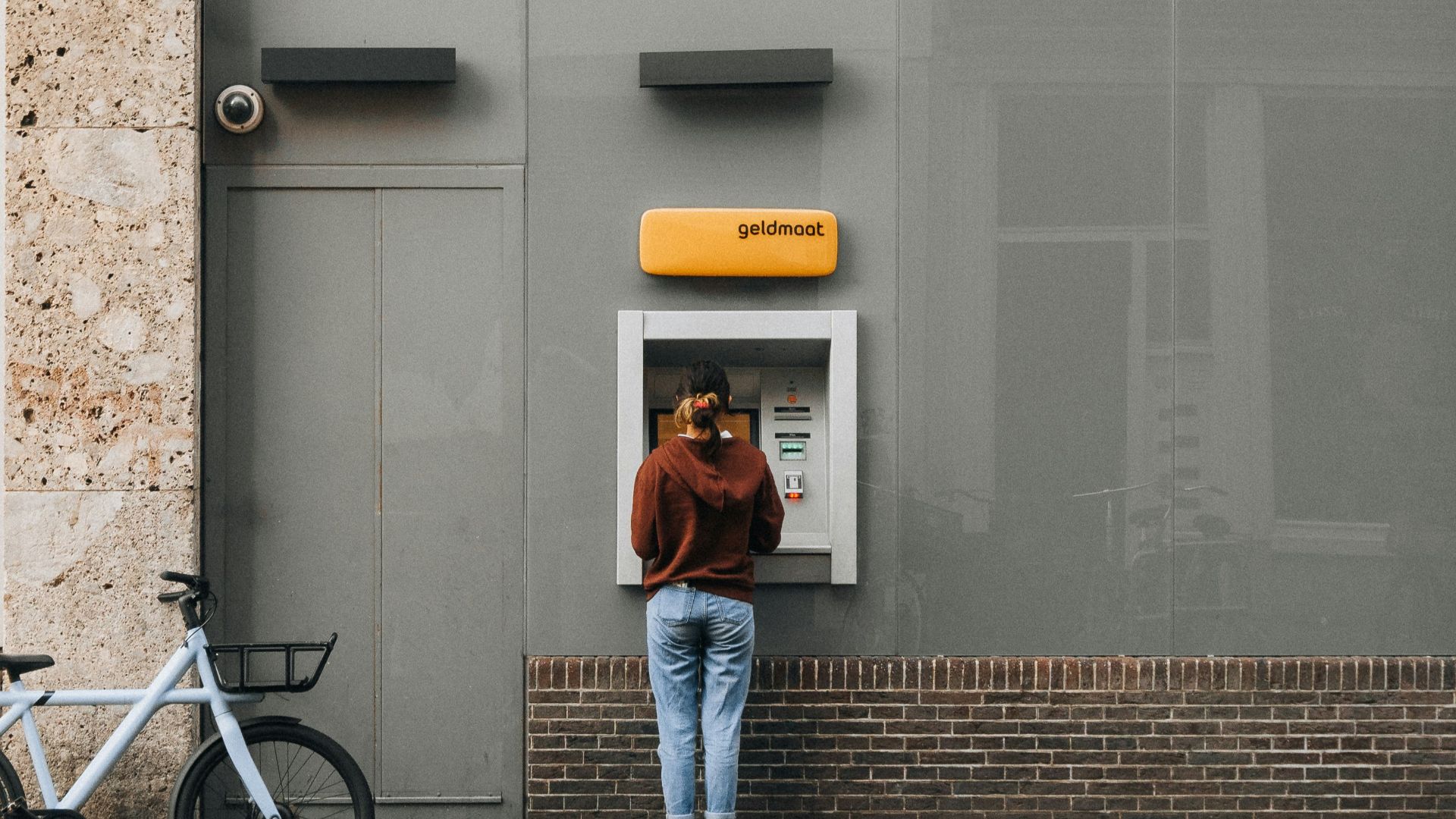
Your bank may have one limit, while the ATM itself has another. Some machines only dispense a certain amount per transaction or per card per day. Trying another ATM in your bank’s network may help, but it will not override your bank’s own daily cap.
Know Your Account Tier
Some banks give higher limits to premium accounts, long-time customers, or accounts with higher balances. That does not mean you need a fancy account, but it is worth asking. A simple account upgrade may raise your daily access limits without changing banks.

Watch Out For Fees
In a cash crunch, it is easy to ignore fees. But out-of-network ATM fees, wire fees, cash advance fees, and expedited transfer fees can pile up fast. Before choosing a workaround, ask what it costs. The most available option is not always the cheapest.

Don’t Split Transactions Recklessly
Trying to dodge limits by making repeated withdrawals, using multiple ATMs, or breaking up suspicious transactions can trigger fraud systems. It may also look strange to your bank. It is usually better to call, explain the situation, and get an approved increase.
If The Bank Says No, Ask Why
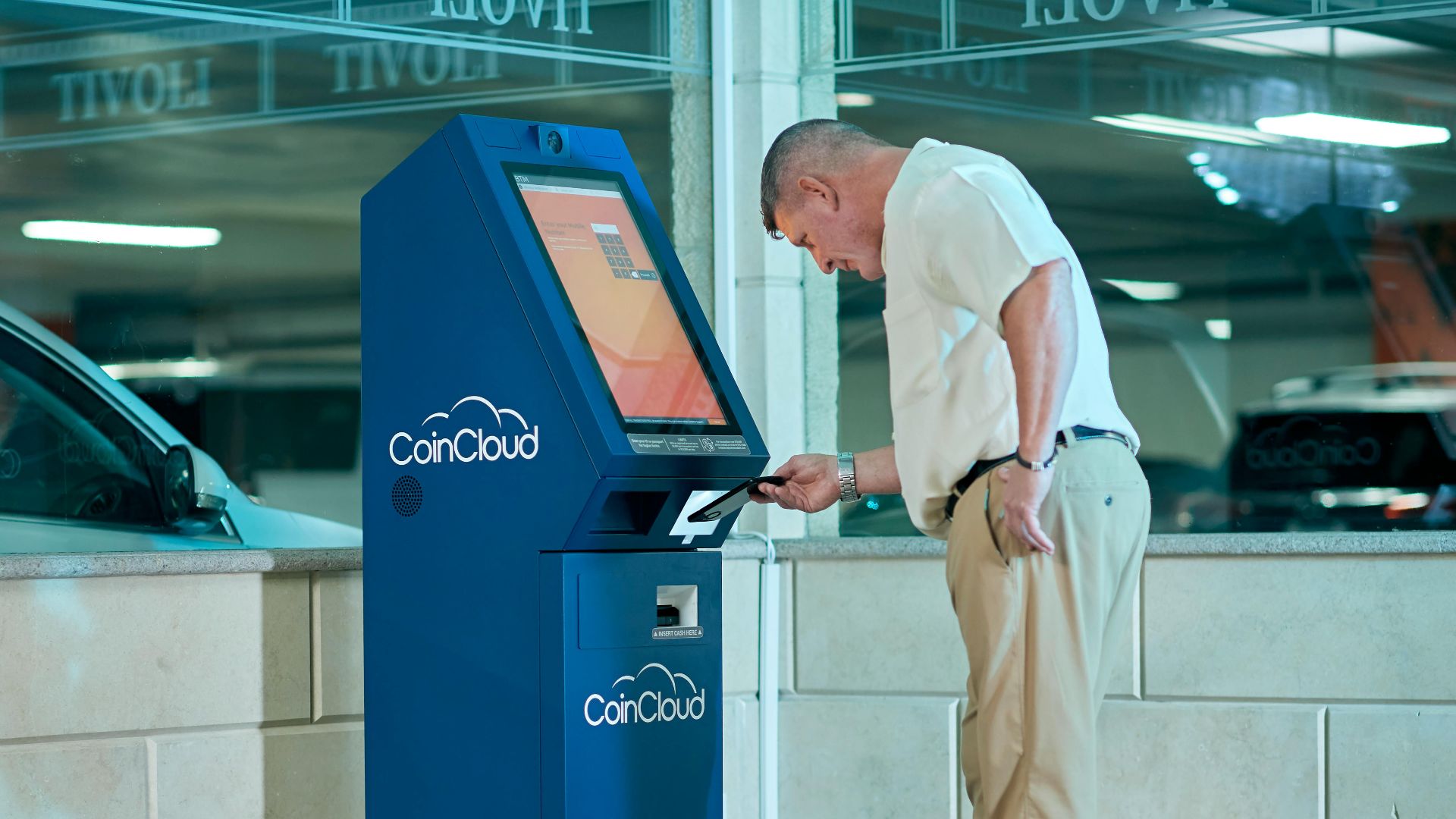
Do not settle for a vague “we can’t.” Ask whether the issue is your account type, card limit, fraud risk, ATM limit, available balance, pending deposit, or bank policy. The answer tells you what to fix, and it may reveal another option.

Review Your Limits Before Travel
Travel is when withdrawal limits love to become dramatic. Before a trip, check your ATM and debit limits, notify your bank if needed, and carry backup payment methods. Getting blocked at home is annoying. Getting blocked in another country is a full-blown side quest.

Consider Switching Banks
If your bank repeatedly makes it hard to access your money, compare alternatives. Look for higher daily limits, easy app controls, responsive support, strong fraud protection, and convenient branches or ATM networks. Your bank should protect your money, not trap it in a maze.

Build Your Personal Access Plan
The best setup usually includes several tools: a checking account, a backup card, emergency cash, a credit card used responsibly, and knowledge of your limits. You do not need a complicated financial fortress. You just need more than one door to your money.

The Bottom Line
Yes, you can do something. Call your bank, ask for a temporary increase, try a branch, use another payment method, or move money through a safer channel. Then prepare for next time. Daily limits may protect you, but they should not leave you powerless.

You May Also Like: