
The Apartment Interview Took A Turn
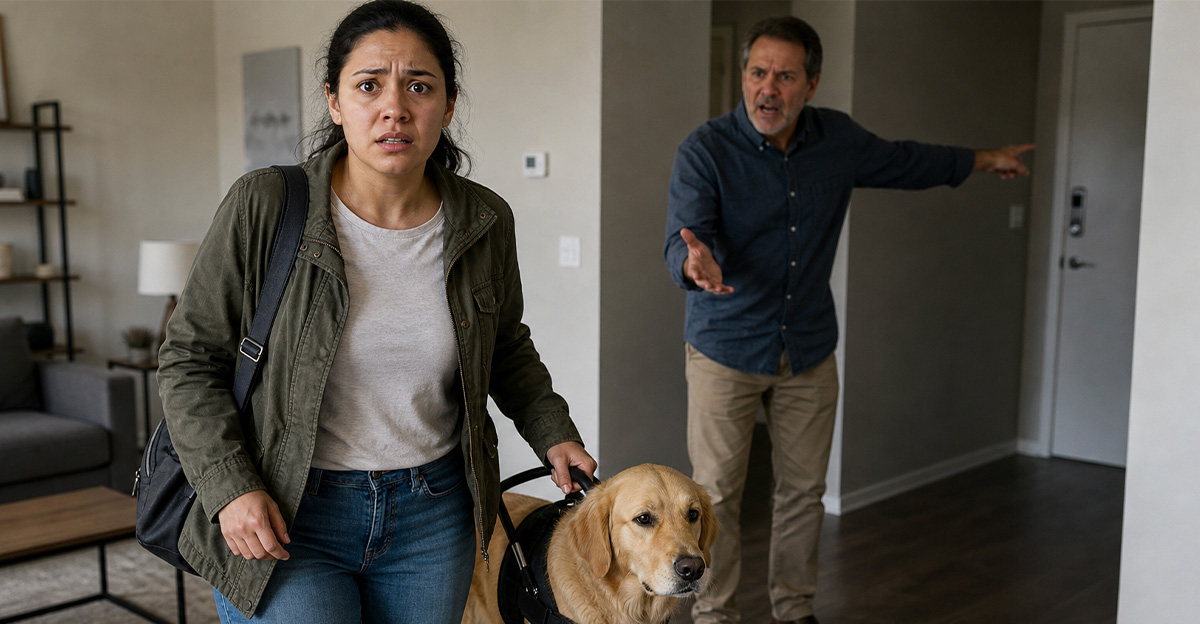
You walked into an apartment interview ready to talk rent, move-in dates, and maybe whether the kitchen cabinets were secretly from 1987. Instead, you mentioned that you are deaf and have a service dog, and the landlord accused you of lying. That is not just awkward. It is a serious red flag.
First, Take A Breath
Being called a liar about your disability or service animal can feel humiliating, infuriating, and deeply personal. Your nervous system may want to launch into courtroom mode immediately. Totally understandable. But before you fire off a ten-paragraph message, pause, breathe, and start thinking like a documentarian.

Your Service Dog Is Not A Pet
A service dog is trained to do disability-related work or tasks. For a deaf person, that may include alerting to doorbells, alarms, someone calling your name, or other important sounds. In housing, the broader term “assistance animal” is often used under fair housing rules.

Housing Rules Are Different From Restaurant Rules
People often mix up service animal laws. The ADA covers many public places, while the Fair Housing Act deals with housing. In housing, assistance animals can include service animals and, in some cases, support animals tied to a disability-related need. That means landlords do not get to use random internet myths as policy.

No, A Vest Is Not The Magic Key
Your dog does not become “real” because of a vest, patch, laminated card, or dramatic little cape. Some handlers use gear because it helps the public understand the dog is working. But the gear itself is not what creates the right. The dog’s disability-related role matters.

The Landlord Can Ask Some Things
If your disability or disability-related need is not obvious, a housing provider may ask for reliable information showing that you have a disability and that the animal helps with that disability. That does not mean they get your entire medical history, your audiology records, or a personal TED Talk about your life.

The Landlord Cannot Just Call You A Faker
A landlord may have a process for reasonable accommodation requests. They may ask for proper documentation in some situations. What they should not do is jump straight to “you’re lying,” mock your disability, reject you because of the dog, or treat your request like a scam because they saw one suspicious TikTok.

Write Down Exactly What Happened
As soon as possible, write a timeline. Include the date, time, apartment address, landlord’s name, what you said, what they said, and whether anyone else heard it. Keep it plain and factual. “Landlord said, ‘You are lying about the service animal,’” is stronger than “landlord was awful,” even if both are true.

Save Every Message
Texts, emails, voicemail transcripts, application forms, listing screenshots, pet policies, and follow-up messages all matter. If the landlord later says, “I never denied you,” the paper trail may tell a different story. Screenshots are your new best friend. Name the files clearly so future-you is not digging through chaos.

Follow Up In Writing
Send a calm written message. Yes, calm, even if your inner goblin is holding a tiny protest sign. Say you are requesting a reasonable accommodation for your assistance animal because of your disability. Ask them to confirm the next step in their accommodation process.

Keep The Message Simple
Try something like: “I am deaf and use a trained service dog for disability-related tasks. I am requesting a reasonable accommodation to live with my assistance animal. Please let me know what information you need to process this request under fair housing requirements.” Short. Clear. Screenshot-worthy.

Do Not Over-Share Your Medical Life
You should not have to hand over your entire disability story to prove you deserve housing. If documentation is needed, it can often come from a healthcare professional or other reliable source who can confirm the disability-related need. Keep the focus on access, not personal details.

Ask For Policies In Writing
If the landlord says they require a certificate, registration number, special ID, pet rent, extra deposit, or breed ban, ask them to put that policy in writing. Some landlords suddenly become much more thoughtful when their questionable statements are no longer floating casually in the air.

About Pet Fees And Deposits
Assistance animals are not supposed to be treated like ordinary pets for housing purposes. That means a landlord generally should not charge pet rent, pet deposits, or pet fees for an approved assistance animal. They may still address actual damage, but “dog exists” is not the same as “fee unlocked.”

What If The Building Says No Pets?
A no-pets rule does not automatically defeat an assistance animal request. That is the whole point of a reasonable accommodation: changing a rule when needed so a disabled person can have equal use and enjoyment of housing. “No pets” is not a magic spell against disability rights.

What If They Say The Dog Is Too Big?
Housing providers should avoid knee-jerk denials based on size, breed, or assumptions. The real question is usually whether the specific animal poses a direct threat or would cause substantial damage that cannot be reduced by reasonable steps. “I do not like big dogs” is not a legal analysis.

Stay Professional, Not Passive
Professional does not mean shrinking yourself. It means being clear, documented, and steady. You can say, “I disagree with your characterization and would like my request reviewed under fair housing law.” That is polite, but it also has steel in it.

Consider Whether You Still Want This Apartment
Sometimes the answer is “fight this.” Sometimes the answer is “I want the unit, but wow, the vibes are rancid.” A landlord who starts with disbelief may continue to be difficult. Your safety, peace, and long-term housing stability matter too.

Contact A Fair Housing Organization
Local fair housing groups can explain your options, help you draft letters, and sometimes intervene. Many areas have nonprofit disability rights or fair housing organizations that deal with these situations regularly. They have seen the nonsense before, and they often know exactly how to respond.

You Can File A Complaint
In the United States, housing discrimination complaints can often be filed through HUD or a state or local fair housing agency. HUD enforces the Fair Housing Act, including disability-related reasonable accommodation issues. Deadlines can apply, so do not wait forever to ask about your options.

A Lawyer May Be Worth Calling
You do not necessarily need a lawyer for every rude landlord moment. But if you were denied housing, charged illegal fees, threatened, or pressured to withdraw your application, a tenant lawyer or disability rights attorney may help. Some offer free consultations or work through legal aid.

Watch For Retaliation
If you complain, request accommodation, or assert your rights, the landlord should not retaliate by suddenly “losing” your application, inventing new requirements, or treating you worse. If things get weird after you speak up, document that too. Patterns matter.

Do Not Let Fake-Service-Dog Panic Define You
Yes, fake service animal stories exist. No, that does not give a landlord permission to treat every disabled person like a suspect. Disabled people should not have to perform credibility under a spotlight because someone else abused a system somewhere.

Bring Support Next Time
For future apartment viewings, consider bringing a friend, advocate, interpreter, or support person if that feels useful. You can also keep a short written explanation ready. Not because you owe everyone a presentation, but because prepared scripts make stressful moments less exhausting.

Trust Your Own Reality
When someone questions your disability, it can make you feel like you need to prove your whole existence. You do not. You know your life. You know your dog’s work. You know what access looks like for you. The landlord’s ignorance is not your identity.

The Practical Next Step
Send the written accommodation request, save the response, and contact a fair housing or disability rights organization if the landlord refuses, delays, mocks, or demands improper fees. Keep everything factual. You are not begging for special treatment. You are asking for equal access to housing.

The Bottom Line
Being accused of lying about your service dog is upsetting, but it is not the end of the story. You have options, and you do not have to handle it alone. Document everything, communicate in writing, get local support, and remember: your service dog is not a loophole. Your access needs are real.

You May Also Like: