That Five-Dollar Sting
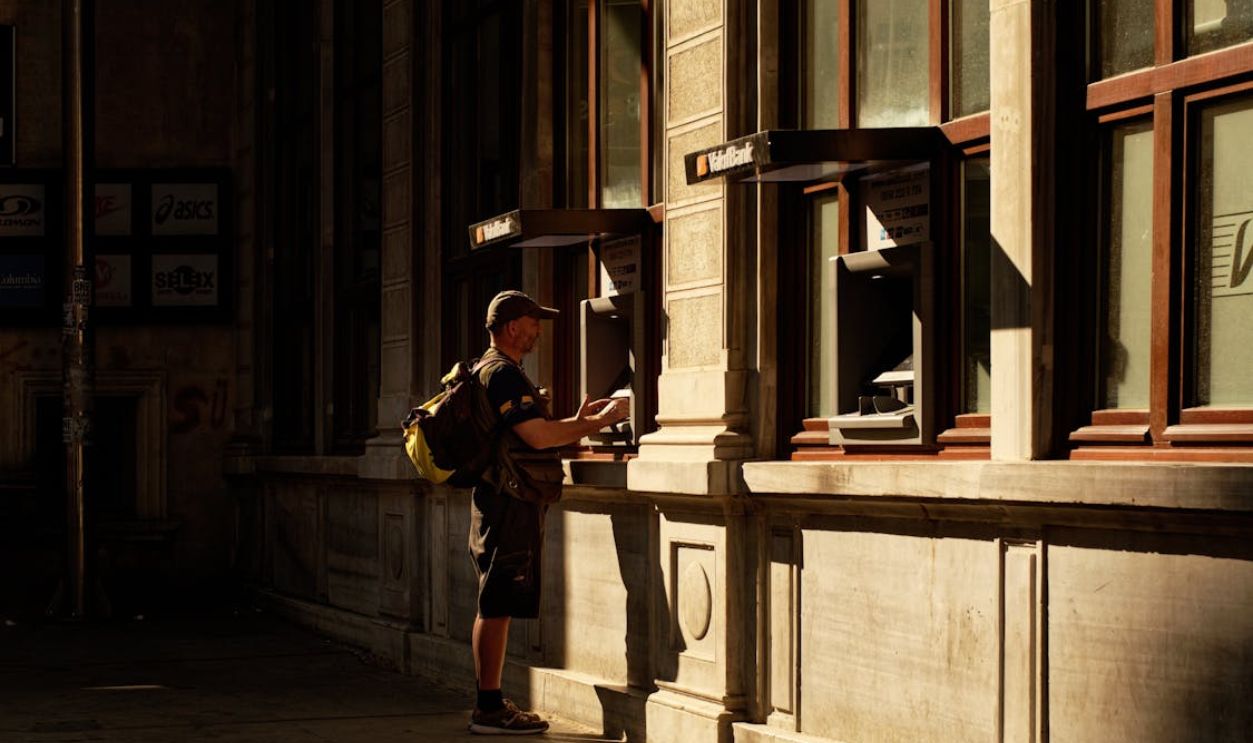
You walked up to an ATM, asked for $500, and got hit with a $5 fee for the privilege. Rude? Absolutely. Confusing? Also yes. After all, it is your money. So why does getting it sometimes feel like buying a ticket to your own wallet?
The ATM Is Not Always Your Bank
The big trick is that not every ATM belongs to your bank. If you use an ATM outside your bank’s network, you may be using another company’s machine. That company is not being generous. It wants to be paid for letting you use its little cash robot.
You May Be Paying Two Different Fees
That $5 charge may not be one fee. It can be two fees wearing one trench coat. The ATM owner may charge a surcharge, and your own bank may charge an out-of-network fee. The CFPB says both can happen when you use another bank or credit union’s ATM.
The Machine Has Bills Too
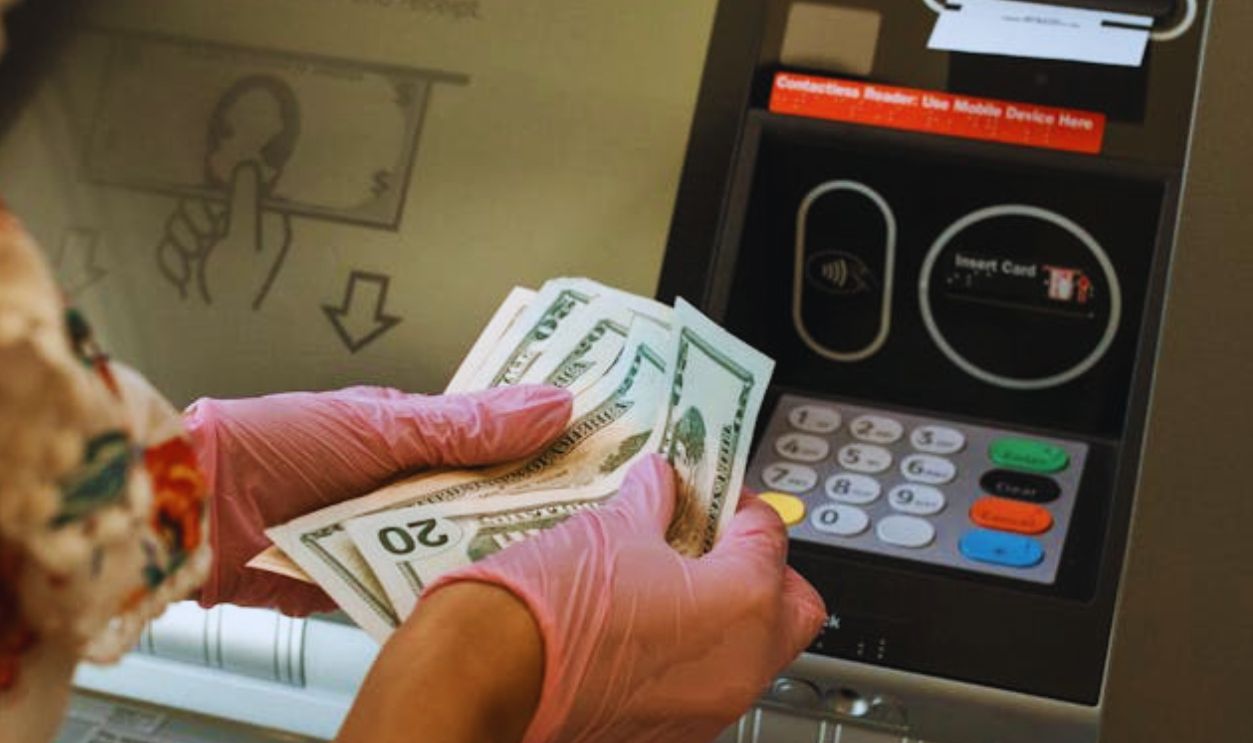
ATMs are convenient, but they are not free to run. Someone has to buy the machine, stock it with cash, maintain it, protect it, insure it, repair it, connect it to banking networks, and keep it from becoming a very expensive metal box full of disappointment.
Convenience Is The Product
When you pay an ATM fee, you are not really paying to access your money. You are paying for convenience outside your bank’s preferred system. It is like buying a bottle of water at an airport: the water is ordinary, but the location is doing a lot of work.

Your Bank Wants You In Network
Banks usually prefer that you use their ATMs or partner networks because those transactions cost them less. When you wander outside the network, your bank may pass along part of the cost—or simply charge you because it can. Either way, “out-of-network” is where fees grow teeth.

The Fee Is Annoyingly Normal
Your $5 fee feels outrageous, but it is close to the national average. Bankrate’s 2025 study found that the average total cost of using an out-of-network ATM hit $4.86, a record high. So no, you are not imagining it. ATM fees really have gotten spicy.

Cash Is Becoming Less Common
As cards, mobile wallets, and tap-to-pay take over, fewer people use ATMs regularly. That means the cost of maintaining the ATM network is spread across fewer withdrawals. In plain English: fewer cash users can mean higher fees for the people still grabbing twenties.
Independent ATMs Can Be Pricier
Those ATMs in convenience stores, bars, casinos, festivals, hotels, and gas stations are often run by independent operators. They are placed where people urgently need cash. That urgency is the business model. The machine knows you want nachos, parking, or tip money right now.
The Screen Did Warn You
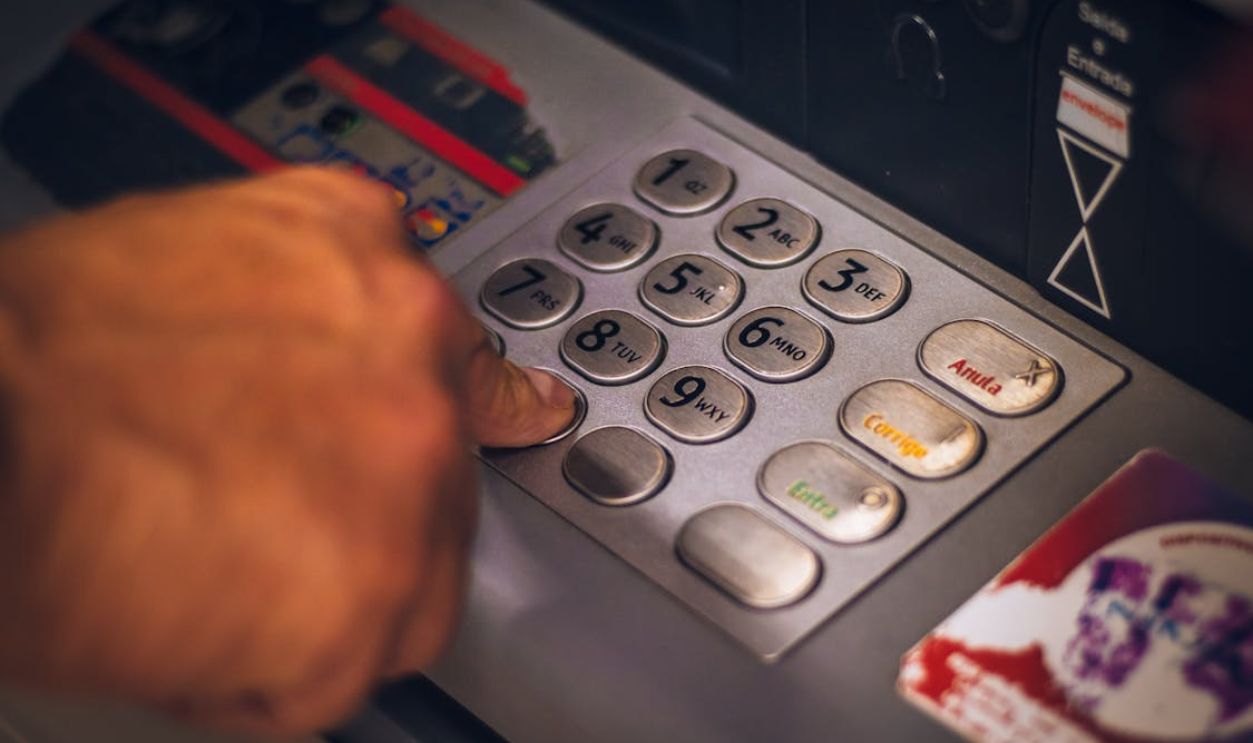
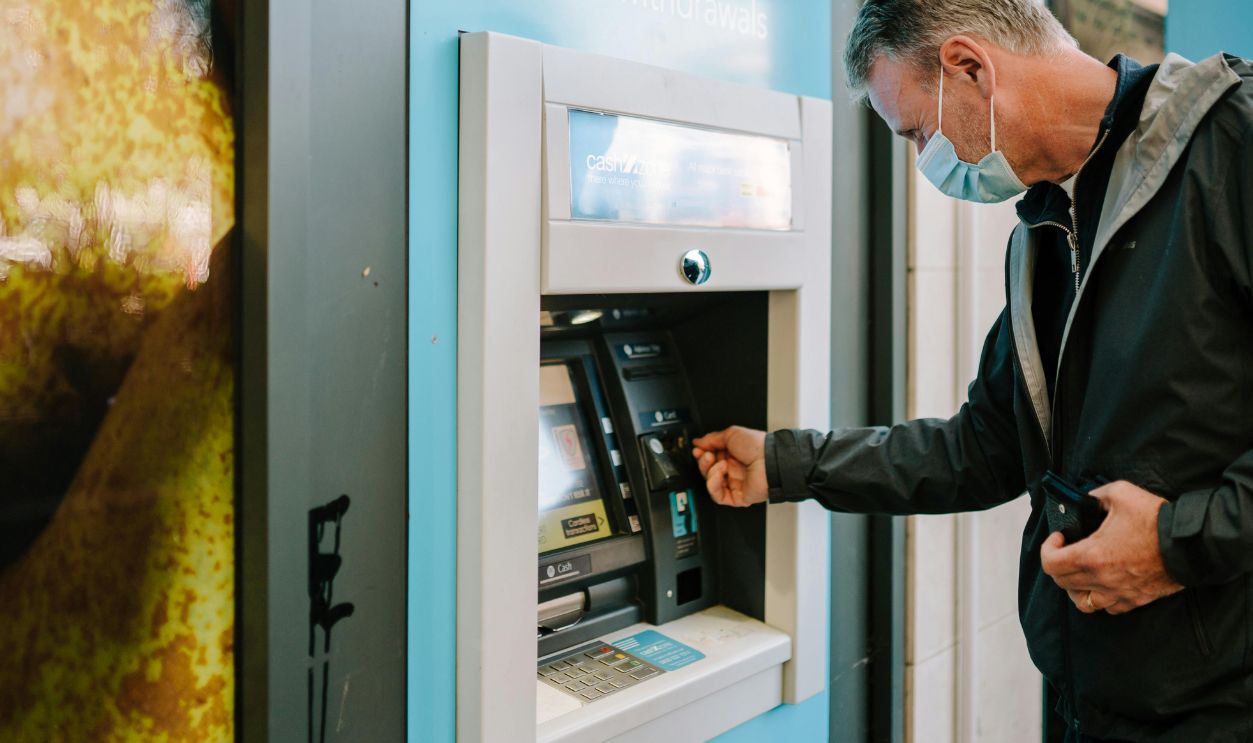
The good news, sort of, is that ATMs usually have to disclose the fee before completing the transaction. That little warning screen is your last chance to back out. The bad news is that by then, you may already be standing there thinking, “Fine, just take it.”
 Centre for Ageing Better, Pexels
Your Money Is Still Yours
The fee does not mean the bank owns your cash or that you are renting access to it. Your money is still yours. The fee is attached to the method you used to reach it. Emotionally, that distinction is tiny. Financially, banks love that distinction.

Small Fees Add Up Fast
Five dollars once is irritating. Five dollars every week is $260 a year. That is a nice dinner, a utility bill, a streaming bundle, or several things you would rather buy than the privilege of hearing an ATM whir dramatically for nine seconds.

Banks Count On Habits
Most people do not switch banks over a few annoying fees. Banks know this. We get comfortable, memorize our login, set up direct deposit, and build routines. Once everything is connected, leaving feels like moving apartments because the hallway light flickers.

Location Is Everything
An ATM fee is often a convenience tax on being in the wrong place at the wrong time. Need cash at midnight? At a concert? In a tourist area? Near a parking lot that mysteriously accepts cash only? The fee is charging you for not planning ahead.
Your Bank May Offer Free Options
Most banks and credit unions let customers use their own ATMs without extra fees. Many also belong to larger networks that give you free access at thousands of machines. The trick is knowing the network names before you are standing outside a taco truck with no cash.

Look For Partner Networks
Networks like Allpoint, MoneyPass, and CO-OP can help some customers find fee-free ATMs, depending on their bank or credit union. Your banking app may have an ATM locator. It is not glamorous, but neither is paying $5 to withdraw money you already earned.
Cash Back Can Save You
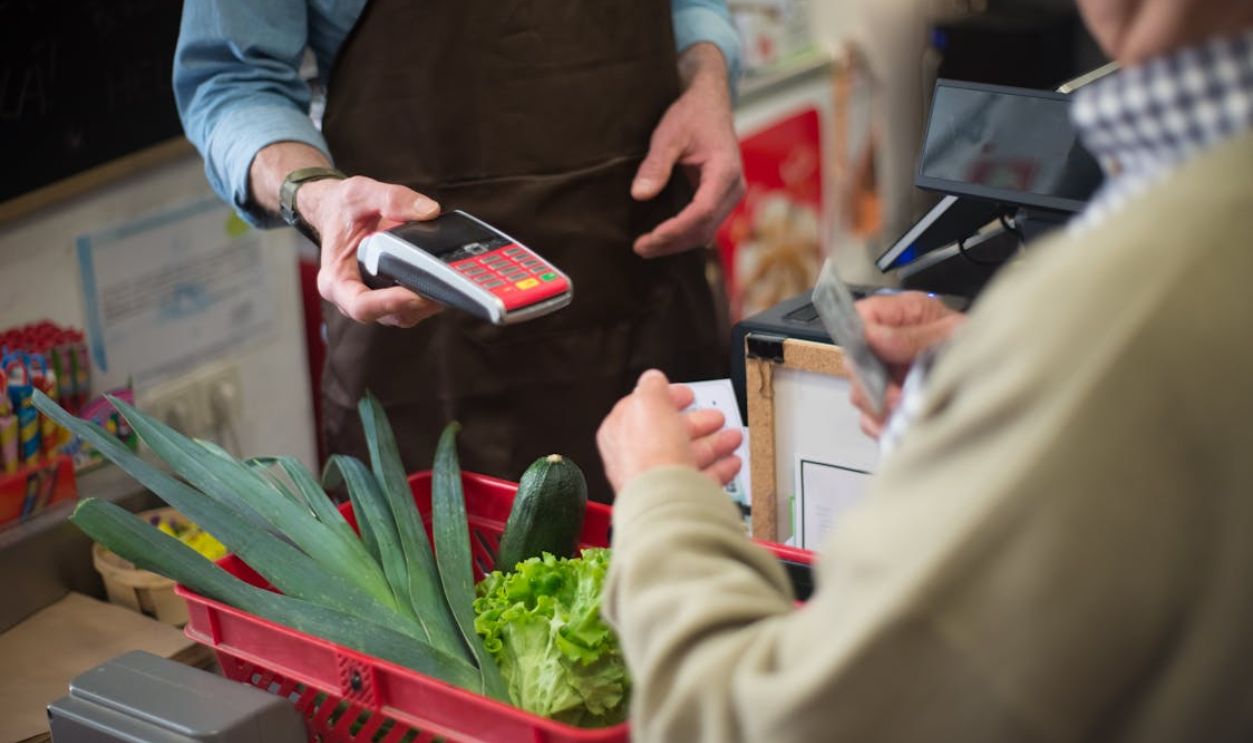
One old-school trick still works: get cash back at the grocery store, pharmacy, or big-box retailer when using your debit card. Many stores offer this with no added fee. Buy bananas, grab $40, leave feeling like you beat a tiny villain.
Some Banks Reimburse Fees
Certain online banks, brokerages, and credit unions reimburse out-of-network ATM fees, either up to a monthly limit or sometimes more generously. This can be a great perk if you travel often, live far from branches, or simply refuse to memorize ATM network maps.

Read The Account Terms
Bank fees hide in account disclosures, where fun goes to nap. Still, it is worth checking. Look for “ATM fee,” “foreign ATM,” “non-network ATM,” and “surcharge reimbursement.” Those boring phrases explain whether your bank is quietly nibbling at your balance.

Apps Can Help You Plan
Before grabbing cash, open your bank’s app and search for nearby in-network ATMs. This takes less than a minute and can save more than the cost of a fancy coffee. Your future self, holding exact change and dignity, will appreciate it.

Withdraw Less Often
If you need cash regularly, consider withdrawing larger amounts less frequently from a free ATM. Instead of paying fees on several small withdrawals, plan one fee-free trip. Just be sensible: carrying too much cash has its own risks, including the classic “where did I put that envelope?” panic.

Avoid Desperation Machines
The most expensive ATM is usually the one you use because you are trapped, rushed, hungry, traveling, or emotionally negotiating with a parking meter. When possible, treat cash like phone battery: refill before you hit crisis mode.
The Fee Is Legal But Irritating
In most cases, ATM fees are allowed as long as they are disclosed. That does not make them lovable. It just means the system is built around networks, operators, and convenience charges. Legal and delightful are, sadly, not the same thing.

Why It Feels So Personal
ATM fees feel offensive because they turn access into a tollbooth. You did the responsible thing. You earned money, deposited it, and asked for some back. Then a machine said, “Sure, but first, tribute.” No wonder people get annoyed.
 ANTONI SHKRABA production, Pexels
The Bigger Lesson
The ATM fee is a reminder that banking is full of tiny rules. None of them seem huge alone, but together they can quietly drain money. The best defense is not outrage, though outrage is understandable. The best defense is knowing where the traps are.

How To Dodge The Next Fee
Use your bank’s ATM locator, learn your free network, ask about reimbursements, get cash back at stores, and keep a small emergency cash cushion. None of this is glamorous. But saving $5 at a time is still saving, and your budget does not care whether the victory is dramatic.

Keep Your Cash, Skip The Toll
So why did you pay $5 to access your own money? Because you used a machine outside your bank’s comfort zone, and convenience came with a cover charge. ATMs are for accessing cash, yes—but not always for free. Next time, make the machine earn nothing.

You May Also Like: