
You Tried to Fix Your Debt—Now It’s Worse?
You trusted a debt settlement company to help you get back on track. They promised lower payments, less stress, maybe even a clean slate. But now your credit score has dropped, accounts look worse, and you’re wondering… did they actually make things worse?

Why Debt Settlement Sounds So Appealing
When you’re overwhelmed with debt, the idea of negotiating it down feels like a lifeline. These companies market themselves as experts who can reduce what you owe and deal with creditors for you, often making it sound faster and easier than traditional repayment options.

How Debt Settlement Actually Works
Instead of paying your creditors directly, you stop making payments and send money into a separate account. Over time, the company uses that saved money to try negotiating lump-sum settlements for less than the total balance owed.

The Big Catch—You Have to Fall Behind First
This is the part many people don’t fully understand. To make creditors willing to negotiate, accounts usually have to become delinquent. That means missed payments, penalties, and a growing record of negative activity on your credit report.

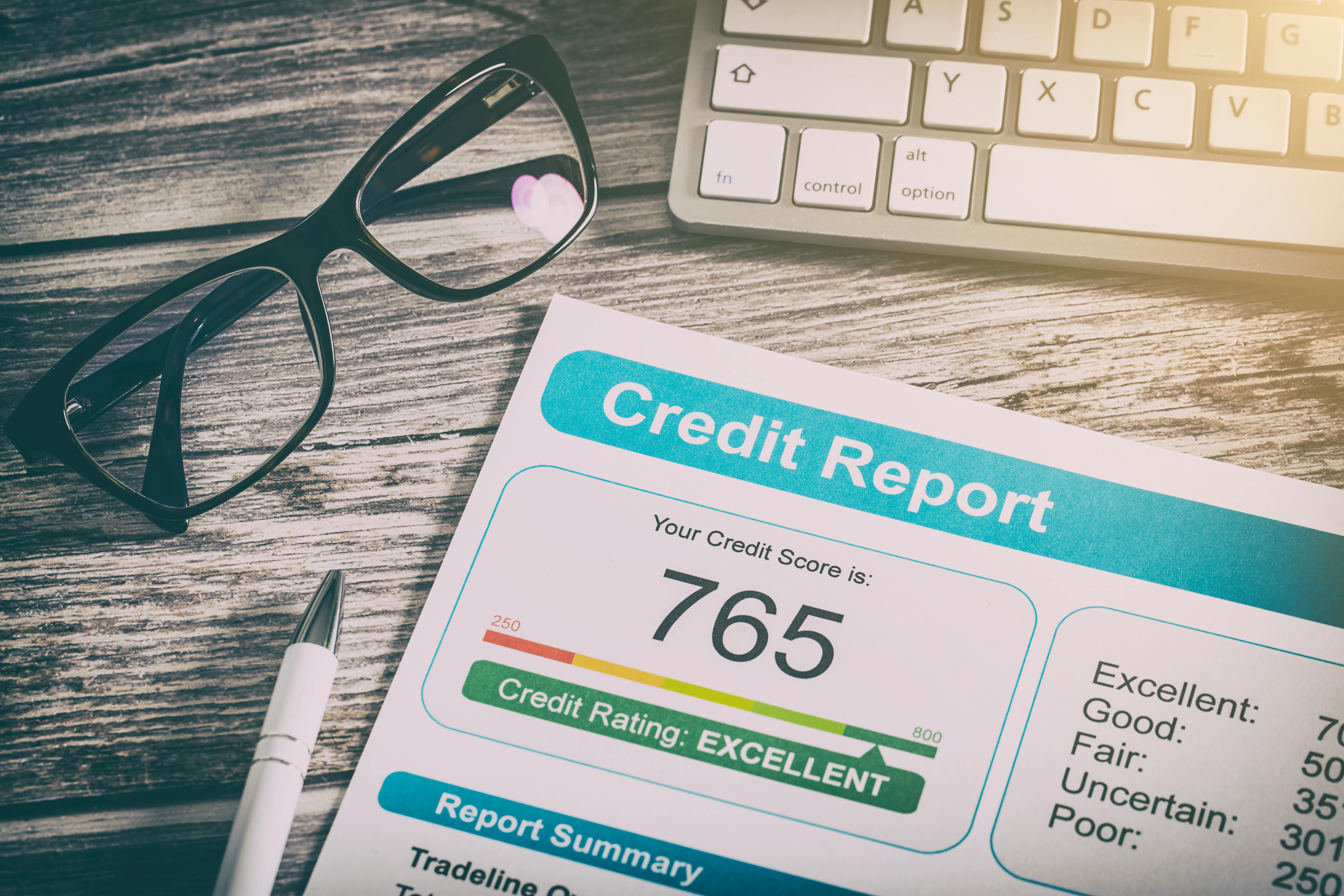
Why Your Credit Score Drops So Fast
Payment history makes up a huge portion of your credit score. Once payments stop, your score can drop rapidly—sometimes by 100 points or more—depending on how long accounts stay unpaid.

What Happens to Your Accounts During This Time
Your accounts may be sent to collections, charged off by lenders, or flagged as seriously delinquent. Even if a settlement happens later, those negative marks remain and continue affecting your credit profile.

The “Settled” Status Isn’t Always a Win
When a debt is settled, it’s typically reported as “settled for less than the full amount.” While this closes the account, it still signals risk to future lenders and can impact your ability to get loans or favorable interest rates.
Fees That Add to the Problem
Debt settlement companies often charge high fees—sometimes 15% to 25% of your enrolled debt. That means even if your balance is reduced, a large portion of your savings may go toward fees rather than your actual debt.

Why Some People Feel Misled
Many people go in expecting relief, only to discover the process damages their credit and exposes them to collections and lawsuits. The downsides are often disclosed—but not always emphasized clearly upfront.

Can Creditors Still Take Legal Action?
Yes, they can. While you’re not making payments, creditors may decide to pursue legal action to recover what you owe. Debt settlement companies don’t always prevent this, and you could still end up in court.
Why This Isn’t Always the Best Option
Debt settlement can work in certain situations, especially for large unsecured debts—but it’s not a one-size-fits-all solution. If protecting your credit is a priority, this approach can create more problems than it solves.

So… Is There Anyone Who Can Help Now?
At this point, it might feel like you’re stuck—but you’re not. There are legitimate options available that focus on long-term recovery rather than quick fixes, and many of them are safer and more transparent than settlement programs.

Credit Counseling Agencies—A Safer Option
Nonprofit credit counseling agencies can review your finances, help you build a budget, and guide you toward structured repayment options. They often work directly with creditors to reduce interest rates without harming your credit further.

Debt Management Plans (DMPs)
A debt management plan allows you to repay your debts over time with reduced interest rates and consolidated payments. It’s more structured and predictable, and it avoids the severe credit damage caused by missed payments.

Can You Repair the Damage Done?
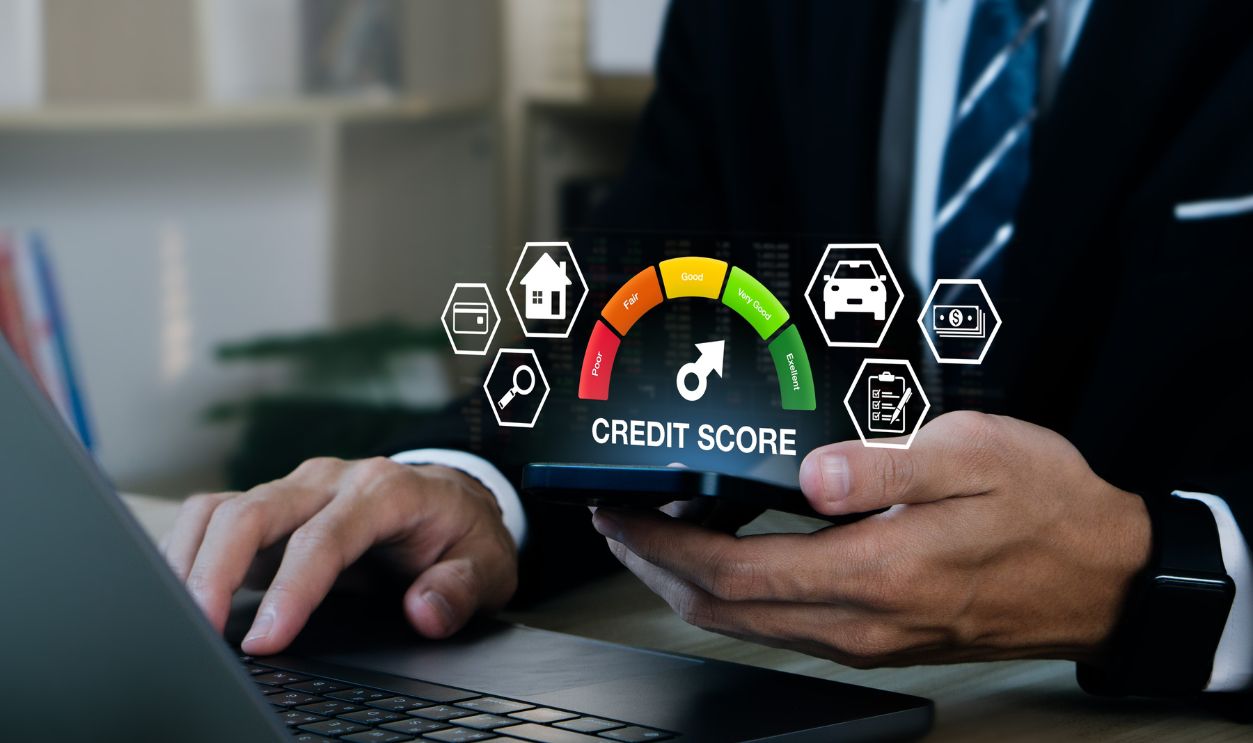
Yes—but it takes consistency. Making on-time payments, reducing outstanding balances, and avoiding new debt can slowly rebuild your credit score over time, even after a rough period.
What About Removing Negative Marks?
Most accurate negative marks will stay on your report for several years, but errors can be disputed. Reviewing your credit report carefully is an important step in cleaning things up.
 LIGHTFIELD STUDIOS, Adobe Stock
When Bankruptcy Might Be Considered
In more serious cases, bankruptcy may provide a clearer and more structured path forward. While it has its own consequences, it can sometimes be less damaging long-term than prolonged delinquency and unresolved debt.
How to Avoid This Situation in the Future
Always research companies thoroughly, check reviews, and understand exactly how a program works before signing anything. If a company promises fast, easy fixes with little downside, that’s usually a warning sign.

So… Can Someone Help You After This?
Yes—but it depends on your next move.
You’re not stuck, but the solution isn’t another shortcut. Real help comes from credit counselors, structured repayment plans, or legal options—not companies promising quick debt relief.

The Smart Way Forward
Focus on rebuilding your financial foundation. Work with reputable organizations, stay consistent with payments, and give your credit time to recover—it’s a slower process, but a much more reliable one.

One Last Thought Before You Trust Another “Solution”
Next time someone promises to “fix” your debt quickly, you might ask yourself—is this actually solving the problem, or just delaying it? Because now you know how important that difference really is.

You May Also Like:
I earned $500 freelancing last year and didn’t report it, and now I’m panicking. Am I in trouble?