Start With The Real Question
When appraisals vary wildly, it does not always mean someone is wrong. It often means each person is answering a different question. The first step is deciding whether you need value for sale, insurance, estate tax, donation, or family division.

Value Depends On Purpose
The same painting, watch, rug, or antique can have several legitimate values. Fair market value, insurance replacement cost, auction estimate, and liquidation value are not the same thing. Before hiring anyone else, write down exactly why you need the number.

Fair Market Value Is The Baseline
For estate purposes, the IRS defines fair market value as the price between a willing buyer and willing seller, with neither forced to act and both knowing the relevant facts. That definition matters because it is not the same as a dealer’s asking price. It is also not the same as what your family hopes the item is worth.

Insurance Value Is Usually Higher
Insurance appraisals often focus on replacement cost. That means the price to replace the item with something comparable, often through a retail dealer. This number can be much higher than what the item would bring at auction or in an estate sale.

Auction Estimates Are Not Guarantees
An auction estimate is a prediction of what an item might sell for in a particular auction setting. Christie’s says its estimate process uses photos, description, purchase history, location, and documents when available. A final hammer price can still land above or below the estimate.

Liquidation Value Can Feel Brutal
Liquidation value is usually the lower number because it assumes speed matters. If the family needs to clear a house quickly, buyers expect discounts. That does not mean the item is worthless, but it means the sale conditions are working against you.
Inventory Everything First
Do not start with appraisals. Start with a complete inventory. The IRS says a room-by-room itemization is desirable for household and personal effects, and that same approach helps families avoid missed valuables.

Photograph Every Item
Take clear photos from the front, back, underside, inside, and close-up detail areas. Capture signatures, maker’s marks, serial numbers, labels, hallmarks, damage, and repairs. Photos help appraisers, auction houses, insurers, and heirs work from the same facts.

Gather The Paper Trail
Receipts, old appraisals, certificates, gallery invoices, restoration records, and letters can change value. Provenance can matter a lot for art, antiques, jewelry, rare books, collectibles, and historical objects. Put documents beside the matching item in your inventory.

Condition Changes Everything
Two similar items can have very different values because of condition. Chips, fading, missing parts, polishing, repairs, and water damage can all affect price. Do not clean or restore valuable items before asking an expert.

Hire The Right Specialist
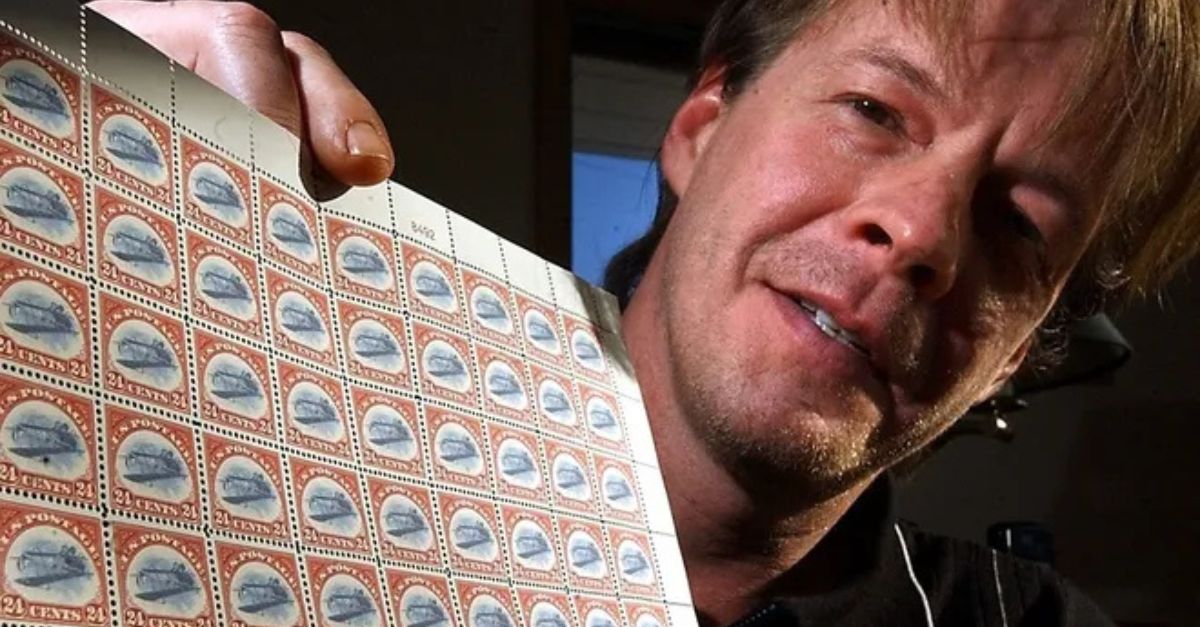
A general estate appraiser may not be right for jewelry, fine art, coins, wine, stamps, rare books, or designer pieces. The Appraisal Foundation says personal property covers tangible movable property, but appraisers often specialize. Match the expert to the category.

Look For Real Credentials
Unlike real estate appraisal, personal property appraisers are not always legally required to hold a credential. The Appraisal Foundation notes that many appraisers earn designations through professional organizations to show expertise. Ask about training, specialty, USPAP education, and recent comparable work.

Ask For The Appraisal Standard
USPAP stands for Uniform Standards of Professional Appraisal Practice. The Appraisal Foundation says USPAP contains standards for appraisal disciplines, including personal property. For estate, tax, insurance, or legal use, a USPAP-compliant written appraisal is often stronger than a casual opinion.

Avoid Conflicted Valuations
Be cautious when the same person offers to appraise and buy the item. A buyer has an incentive to price low, while an insurance-focused appraisal may price high. For major pieces, pay for independent advice before accepting an offer.
Use Comparable Sales, Not Wishful Listings
Online asking prices can be misleading because they show what sellers want, not what buyers paid. IRS Publication 561 says value may depend on facts such as condition, scarcity, desirability, market demand, and recent transactions. Sold comparable items are usually more useful than active listings.

Check Multiple Markets
A local estate sale may not be the best market for a valuable watch, painting, or rare collectible. Auction houses, specialist dealers, online platforms, and private sales can produce different results. True value depends partly on finding the right buyer pool.
 LinkedIn Sales Solutions, Unsplash
Ask Auction Houses For Estimates
Major auction houses often provide preliminary auction estimates from photos and details. Christie’s says sellers can submit images, descriptions, purchase history, location, and optional documents through its estimate process. This is useful, but it is not a substitute for a formal appraisal when taxes or insurance are involved.

Get More Than One Opinion
For high-value items, one appraisal may not be enough. Get at least two opinions from specialists who understand the category. If the numbers differ, ask each appraiser which market, value definition, date, and comparables they used.
 Richard Vanlerberghe, Unsplash
Watch The Valuation Date
Value is tied to a specific date. Estate tax valuations often use the date of death, while insurance appraisals may reflect current replacement cost. A number from ten years ago may be interesting, but it may not reflect today’s market.

Separate Emotional Value From Market Value
Family stories can make an item priceless to you. Buyers will care about authenticity, condition, rarity, provenance, and market demand. Both forms of value are real, but only one determines what someone will pay.

Decide Before Dividing
If siblings are splitting items, agree on the valuation method first. Otherwise, one person may use insurance value while another uses resale value. That is how family disputes get expensive fast.

Consider Taxes Before Selling Or Donating
If you sell inherited property, tax basis and gain rules may matter. If you donate valuable property, IRS Publication 561 explains valuation principles for noncash charitable contributions. Large donations may require a qualified appraisal, so speak with a tax professional before moving valuable items.

Update Insurance Separately
If the family keeps valuable items, talk to the insurer about coverage. Standard homeowners policies may have limits for jewelry, art, silver, collectibles, and other valuables. An insurance appraisal should match the insurer’s requirements.

Create A Decision File
For each valuable item, keep photos, documents, appraiser names, value definition, valuation date, and comparable sales. Add notes about whether the family plans to keep, sell, insure, donate, or divide it. This file prevents everyone from relitigating the same question later.

The Best Answer Is A Process
There may not be one magical “true value.” The most reliable value comes from the right definition, the right specialist, the right market, and strong documentation. Once you know the purpose of the valuation, the wild numbers start making much more sense.

You May Also Like: