A Lucky Find… Until It Isn’t
You’re settling into your new home, maybe doing a bit of exploring, and you stumble across something unexpected in the attic: valuable jewelry. At first, it feels like you just got incredibly lucky. Then the previous owner reaches out and says it was left behind by accident and wants it back. Now what felt like a great surprise suddenly turns into a stressful situation. Do you actually have to give it back, or is it yours now?

Buying A House Usually Means You Get What’s Left Behind
When you buy a home, anything left in it after closing often becomes yours by default. Sellers are supposed to take their belongings with them, so if something is left behind, it can sometimes be treated as part of the sale. But the real issue here is whether the jewelry was intentionally left or just forgotten.

There’s A Big Difference Between “Abandoned” And “Forgotten”
The law treats these situations differently depending on intent. If something was abandoned, meaning the owner didn’t plan to come back for it, it’s more likely to be yours. If it was mislaid, meaning it was accidentally left behind, the original owner may still have a claim to it.

It All Comes Down To Intent
The biggest question is whether the previous owner meant to leave it behind. That’s not always easy to figure out. Jewelry hidden in an attic could go either way. Was it forgotten, or was it intentionally left and never retrieved? That’s what would likely be debated if things escalated.

Your Purchase Agreement Might Have The Answer
This is one of the first things you should check. Some home purchase agreements clearly say that anything left behind becomes the buyer’s property. Others say the seller must remove all personal items. If your contract covers this, it can make a big difference in your situation.

Timing Can Work For Or Against Them
If the previous owner contacted you quickly after the sale, that helps their argument that it was an honest mistake. If a long time passed before they said anything, it starts to look more like they abandoned it.

The Value Makes This More Serious
If we’re talking about expensive jewelry, this isn’t something either side is likely to ignore. The higher the value, the more likely it is that the previous owner will push harder to get it back, and the more likely it could turn into a legal dispute.
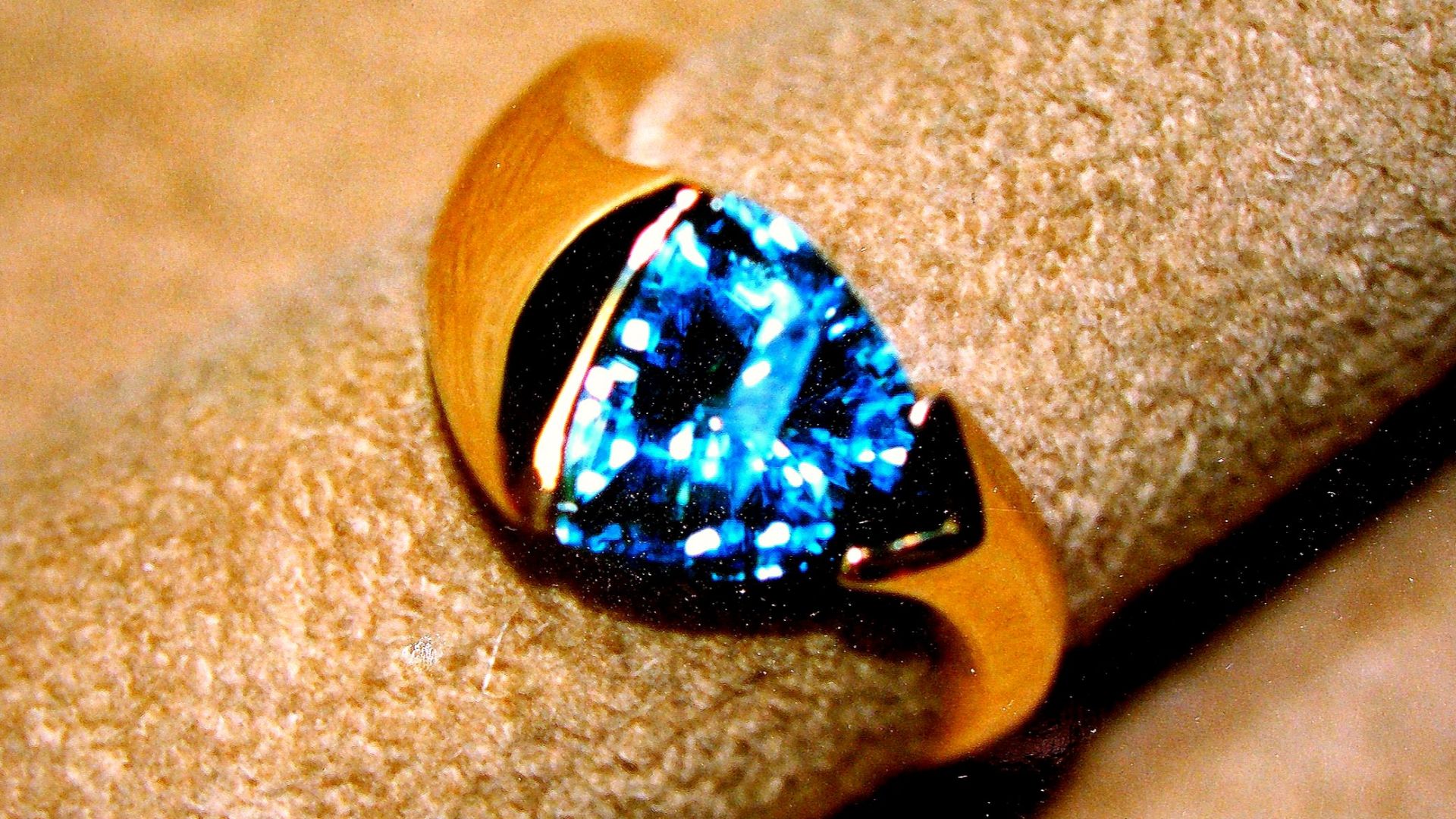 gemteck1 from Seattle, Washington, USA, Wikimedia Commons
You Don’t Have To Hand It Over Right Away
Even if the seller reaches out, you’re not required to immediately give the item back on the spot. It’s completely reasonable to take a step back, look at your contract, and figure out where you stand before making any decisions.

There’s A Legal Side And A Personal Side
This is one of those situations where what’s legal and what feels right might not be the same. Legally, you might have a case to keep it. On a personal level, you might feel differently if it was clearly left by accident. That’s something only you can decide.
 Tingey Injury Law Firm, Unsplash
They’ll Need To Prove It’s Theirs
If the previous owner wants the jewelry back, they should be able to prove it belongs to them. That could be through receipts, photos, appraisals, or anything else that shows ownership. Without proof, their claim is a lot weaker.

You Can Ask Questions Before Doing Anything
It’s completely fair to ask how they know the jewelry is theirs and how it ended up in the attic. Getting more details can help you figure out whether their story makes sense.

Laws Can Vary Depending On Where You Live
Different places handle found property in slightly different ways. Some areas lean more toward protecting the original owner, while others favor the current property owner. That’s why local laws can make a difference here.

Courts Often Look At Honest Mistakes
If it’s clear the item was accidentally left behind and the owner moved quickly to recover it, courts sometimes side with the original owner. That doesn’t guarantee anything, but it’s something to keep in mind.

But Buyers Still Have Strong Rights
At the same time, you bought the property as-is, and anything left behind may legally be part of that deal. If the contract doesn’t say otherwise, you may have a valid argument for keeping it.

Most Of These Situations Don’t Go To Court
Even when valuable items are involved, many of these disputes get worked out between the two sides. Legal action is possible, but it’s often expensive and time-consuming, so people usually try to resolve things another way.

A Compromise Might Make Sense
In some cases, people meet somewhere in the middle. That could mean returning the item, negotiating compensation, or finding another solution that avoids a bigger conflict.

Getting Legal Advice Can Help
If the jewelry is worth a lot and the situation is getting tense, it may be worth talking to a lawyer. They can look at your contract and local laws and give you a clearer idea of where you stand.
Don’t Rush The Decision
It’s easy to feel pressured to act quickly, especially if the seller is pushing for a response. But taking a little time to understand your rights can help you avoid making a decision you regret.

This Happens More Than You’d Expect
People find all kinds of things left behind in homes, from small personal items to valuable property. Most of the time it’s minor, but every now and then it turns into a situation like this.

Final Thoughts: It Depends On The Details
Whether you have to return the jewelry really comes down to a few key factors, whether it was abandoned or forgotten, what your purchase agreement says, and how quickly the previous owner made a claim. You might have the right to keep it, but there’s also a chance they have a valid argument. The smartest move is to slow things down, get the facts, and make a decision once you know exactly where you stand.

You May Also Like: